Advice
Frizzy Hair: What Can You Do to Smooth It Out and Keep It Hydrated Long-Term?
Frizzy hair: what to do? Use a gentle sulfate-free shampoo, a ceramide-rich mask, a light sealing oil, and a heat-protective serum to smooth, moisturize, and protect each strand.


Frizzy Hair: A Complete Routine to Smooth, Moisturize, and Protect the Hair Fiber
Is your hair frizzy, unruly, losing its shine, and reacting to even the slightest humidity? The problem often stems from an open cuticle and high porosity. Here’s a simple routine to smooth the hair shaft without weighing it down.
The Essentials in 30 Seconds
- Frizzy hair isn't just dry—it's often porous, so it absorbs too much moisture and becomes puffy.
- The priority: cleanse without stripping, moisturize, smooth the cuticle, then seal with a dry oil or a lightweight serum.
- Avoid harsh sulfates, silicone buildup, rubbing, excessive heat, and cotton towels.
- The perfect business duo: Organic Hydrosol Mask + Dry Oil Day Serum.
The Best Treatments to Combat the Foaming Effect
For voluminous hair, you need a consistent routine: a gentle, sulfate-free shampoo, a mask that targets the lengths, a dry finishing oil, and, from time to time, a scalp scrub to remove residue that prevents your hair care products from working effectively.
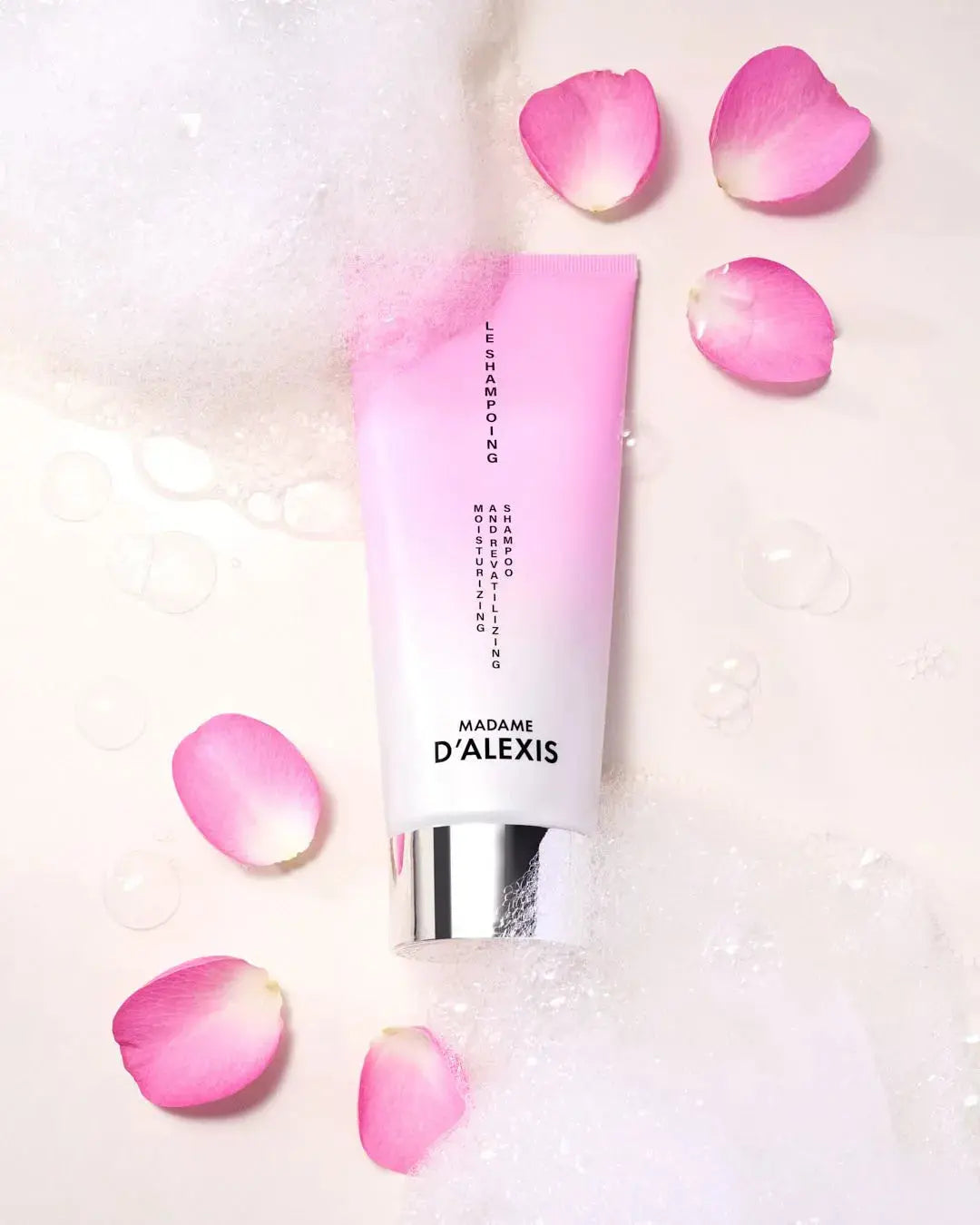
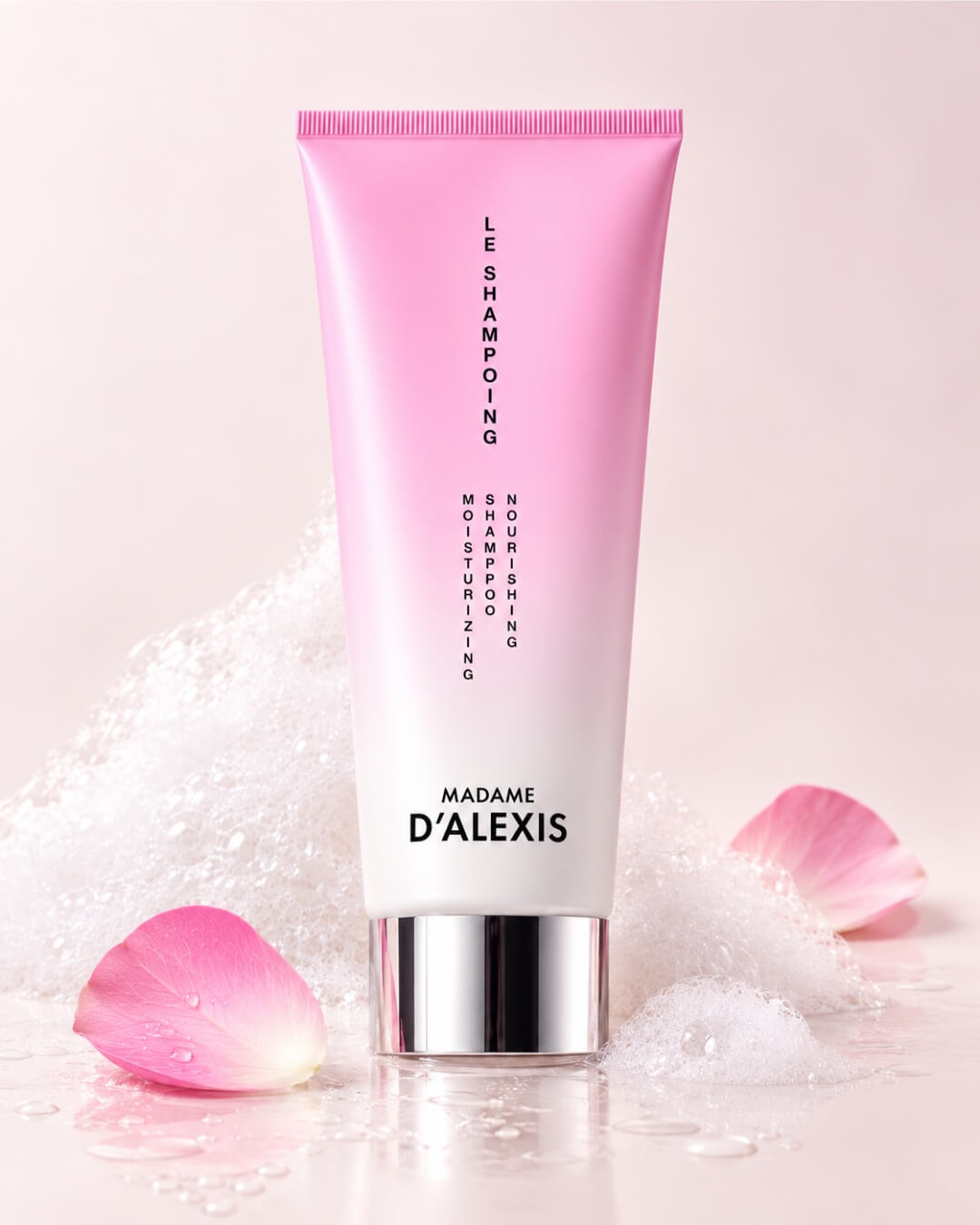
The Shampoo
Sulfate-free · organic floral waters · hyaluronic acid
Cleans without stripping, helping to keep hair more supple and the scalp comfortable.
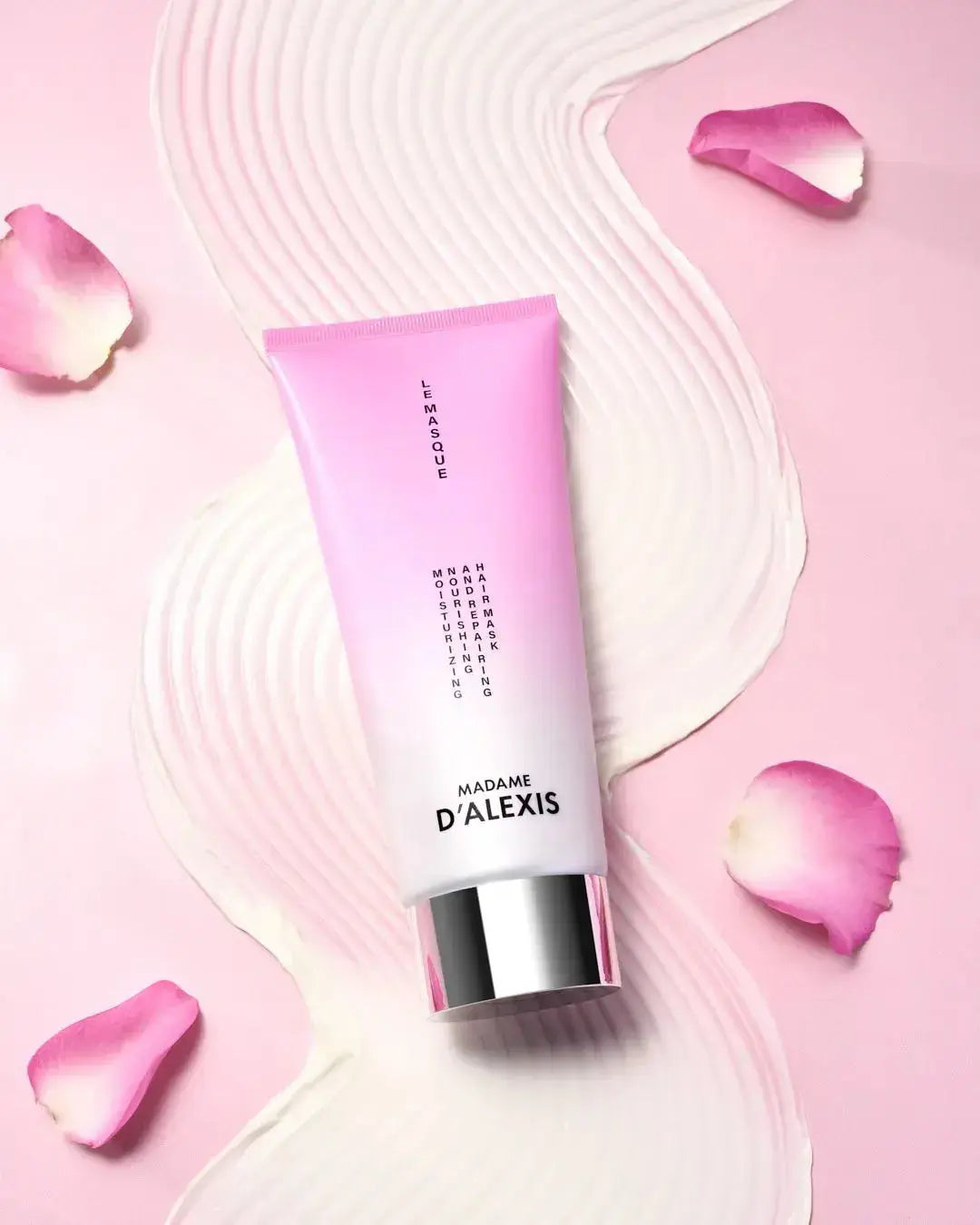
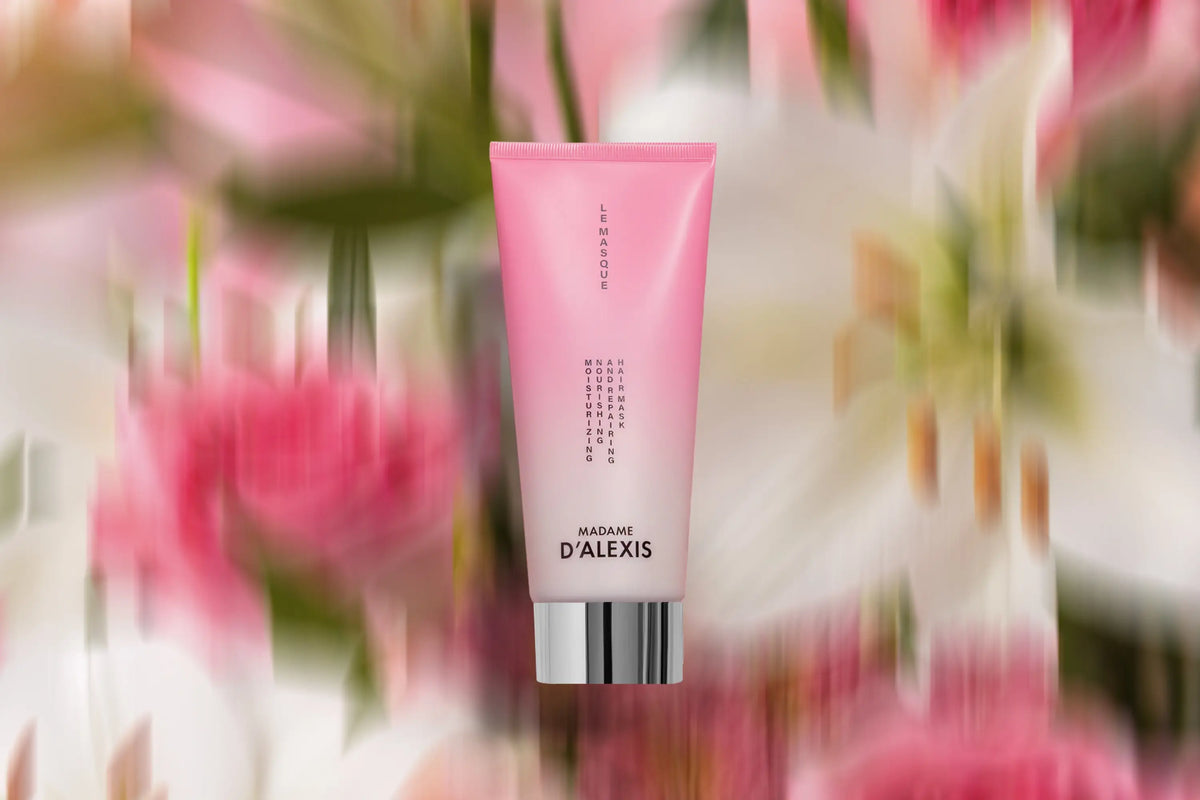
The Mask
Ceramides · organic hydrosols · hair lengths
Deep conditioning treatment for dry, porous, frizzy, or sensitized hair. Apply to the mid-lengths and ends.
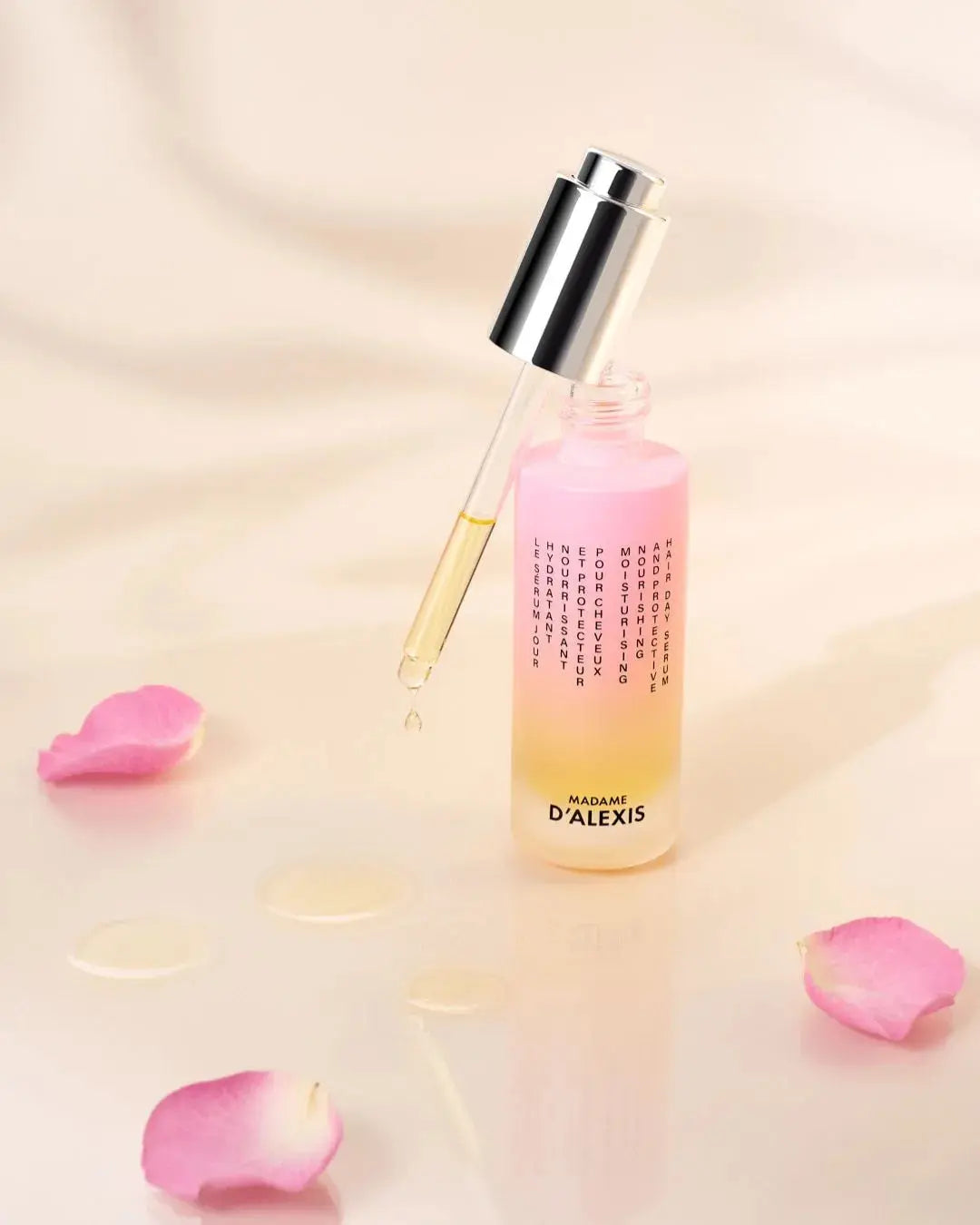
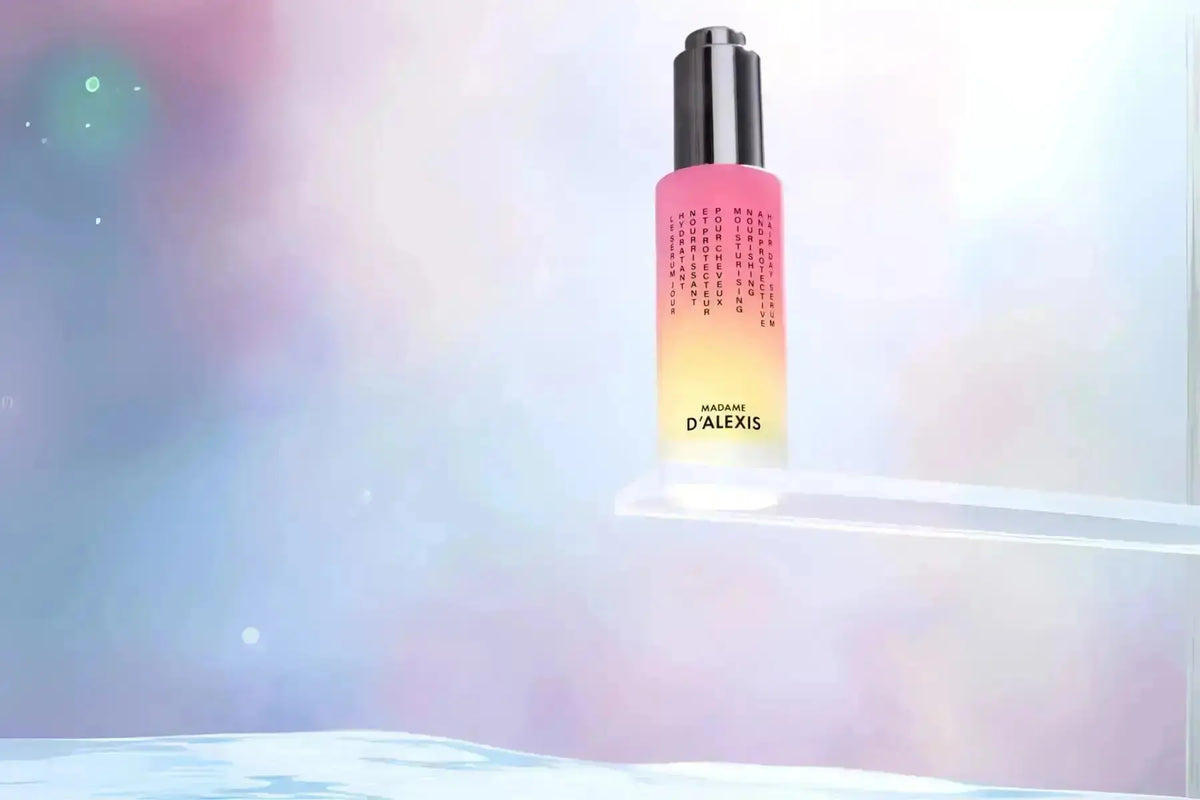
The Day Serum
Dry oil · ceramides · anti-frizz
Light styling on the lengths and ends, before blow-drying or as a humidity-fighting touch-up.
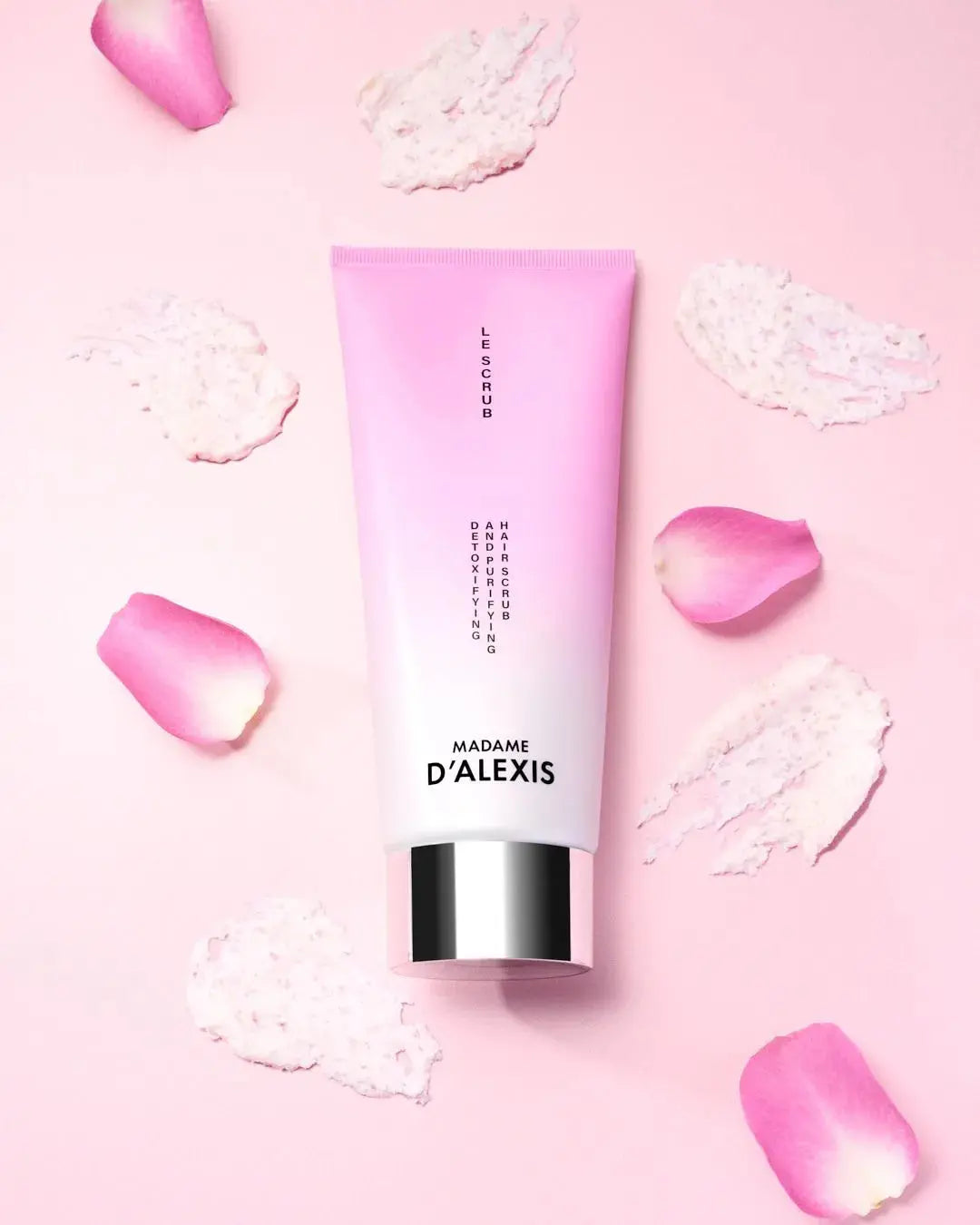
The Scrub
Fleur de sel · scalp · organic hydrosols
Reset every 10 to 15 days to remove residue and prepare the hair for treatment.
Frizzy Hair: Understanding the Cause Before Treating It
Fizzy hair looks puffy, unruly, and sometimes wispy. It lacks definition and shine. The main cause isn’t always a lack of care, but rather high hair porosity: the cuticle scales are open, allowing water to enter too quickly and then escape too quickly.
Humidity
Moist air penetrates the fiber, causing it to swell and creating a blurry halo.
Friction
Terry cloth towels, cotton pillows, or rough brushing can lift the cuticles and cause frizz.
Heat
A straightener or hair dryer set to a temperature that's too high weakens keratin and increases porosity.
Diagnosis: Do You Really Have Fluffy Hair?
Common Signs
- Hair feels puffy after washing.
- Significant frizz, especially in humid weather.
- A vague, undisciplined, lackluster appearance.
- Curls or waves that lose their shape.
- Coarse strands, but not necessarily brittle.
Quick Test
Place a clean strand of hair in a glass of water. If it sinks quickly, the porosity is likely high. This test provides a general indication, not a definitive diagnosis, as product residue can skew the results.
See also: Types of wavy or curly hair.
Fluffy Hair vs. Straw-Like Hair: What's the Difference?
Many people confuse fluffy hair with straw-like hair. Both may lack softness, but the reasoning isn't exactly the same.
| Criterion | Fluffy Hair | Straw-like hair |
|---|---|---|
| Appearance | Puffy, fuzzy, voluminous, unruly. | Dry, rough, dull, brittle. |
| Dominant cause | High porosity and moisture absorption. | Lack of hydration, lack of nutrition, more severe damage. |
| Touch | A lightweight but unstable fiber that swells. | Stiffness, brittleness, and a straw-like texture. |
| Skincare Solution | Smooth the cuticle, seal it, and protect it from moisture. | Repair, deeply nourish, and trim severely damaged ends. |
If your hair is very dry and brittle, check out our guide , “Straw-Like Hair: What to Do?”
Five essential steps to tame frizzy hair
1. Wash without stripping
Choose a sulfate-free shampoo, ideally enriched with organic hydrosols, prebiotics, plant-based keratin, and cationic hyaluronic acid.
2. Repair the lengths
Apply a moisturizing hair mask once or twice a week to the lengths of your hair, but never apply too much to the roots.
3. Seal lightly
A dry hair oil like the Day Serum smooths the cuticle, tames frizz, and provides heat protection up to 200 °C.
4. Reduce friction
Microfiber, a silk or satin pillowcase, a wide-tooth comb, and detangling while the hair is damp help minimize breakage and frizz.
5. Clean as needed
The organic hydrosol scalp scrub should be used every 10 to 15 days to remove residue and pollution.
6. Dry without lifting the cuticle
Opt for a gentle drying setting, a low-temperature diffuser, or air-drying. See also: drying curly hair.
7-Day Routine to Prevent Frizzy Hair
Day 1: Gentle Reset
Wash twice with the shampoo on a thoroughly wet scalp. Rinse thoroughly with lukewarm water, then finish with a cool rinse along the lengths of the hair.
Day 1 or 2: Deep Mask
Apply the mask to the mid-lengths and ends of your hair and leave it on for 10 to 20 minutes. Plant-based ceramides and cationic hyaluronic acid help smooth the hair shaft and reduce frizz.
Days 3–4: Moisture-Resistant Finish
Warm 1 to 3 drops of Day Serum between your hands, then apply it to the lengths and ends of your hair. Do not apply to the scalp.
Days 5–7: Interview
Refresh your hair with a light mist or a little water in your hands, then seal it in with a drop of serum. Avoid dry brushing if you have curly hair.
Every 10 to 15 days
Apply the scrub to your wet scalp. It replaces shampoo for the day and prepares your roots for the next steps in your hair care routine.
What is the best shampoo for voluminous hair?
A good shampoo for voluminous hair should cleanse without stripping, provide light hydration, and support the cuticle. The key is to avoid harsh sulfates and formulas that produce a spectacular lather but leave hair drier after rinsing.
The Right Way to Wash
For voluminous hair, shampooing shouldn’t strip the hair of its natural oils. Madame d’Alexis Shampoo cleanses with gentle surfactants, a base of organic hydrosols, cationic hyaluronic acid, plant-based keratin, and prebiotics to help the hair regain softness, suppleness, and shine.
Search for
- Free of SLS/SLES sulfates.
- Mild plant-based surfactants.
- Cationic hyaluronic acid.
- Plant-based keratin or hydrolyzed plant proteins.
- Prebiotics for scalp comfort.
To be avoided
- Very harsh shampoos.
- Heavy silicones and residue buildup.
- Excessive amounts of denatured alcohol in hair styling products.
- Aggressive brushing after washing.
- Intense heat without thermal protection.
Fine, voluminous hair: moisturize without weighing it down
Fine, wavy hair requires a specific routine: enough moisture to seal the cuticle, but never a product that’s too heavy. A leave-in anti-frizz serum is the most essential product here, as it smooths the surface without leaving a greasy residue.
| Product | To favor | To be avoided |
|---|---|---|
| Shampoo | Sulfate-free, gentle lather, lightweight formula. | Ultra-nourishing shampoos that are way too creamy. |
| Mask | Once a week, short to medium-length application. | Face masks that are too rich and not rinsed off properly. |
| Oil | Jojoba, grape seed oil, 1 drop. | Excess coconut or castor oil. |
| Leave-in | Dry hair oil, fluid serum. | Heavy hair care products. |
Fluffy hair, frizz, and humidity: How can you tell them apart?
Frizz is often localized: a few strands stand up on the surface. A puffy look is more widespread: the entire hair shaft appears puffy, fuzzy, and shapeless. If the problem recurs after every wash, address the root causes: porosity, rinsing, hair masks, serums, and friction. For a targeted routine, see also how to prevent frizz.
Mistakes That Make Frizzy Hair Worse
Cotton Towel
It rubs, lifts the scales, and makes the swelling worse. Opt for microfiber or a soft cotton T-shirt.
Water that is too hot
It softens the cuticles. Use lukewarm water and finish with a cool rinse.
Too much heat
Keep the flat iron below 180 °C and always use heat protection on the lengths and ends of your hair.
Product Overload
Too much cream, oil, or gel can weigh down the hair without solving the porosity issue. Use small amounts at a time.
Our helpful pages for further reading
Blog Posts
- Straw-like hair: What can you do?
- How to Avoid Frizz
- The Difference Between Curly, Wavy, and Kinky Hair
- hair finishing oil
- Should you blow-dry your hair?
FAQ - Voluminous Hair
Why is my hair foamy right after showering?
This is often because hot water and friction cause the cuticle to open. Gently blot with a microfiber cloth, rinse with cooler water, and apply a lightweight leave-in treatment to the mid-lengths and ends.
How to get rid of frizzy hair?
Follow a four-step process: gentle shampoo, mask on the lengths, lightweight serum to seal in moisture, and minimizing heat and friction. Results may be visible quickly, but it takes several weeks for them to become permanent.
Which Madame d’Alexis product should you choose first?
If you're looking for a must-have product, start with the Mask if your hair is dry and porous, or with the Day Serum if your main concern is humidity and frizz at the end of your styling routine.
Frizzy Hair: Oil or Hair Mask?
The two don't serve the same purpose. The mask moisturizes and helps smooth the cuticle. The dry oil or serum then seals the hair shaft to minimize frizz.
Should you trim your curly hair?
Not necessarily. Just trim the very damaged or split ends. A tailored routine can already help improve the appearance of flatness and lack of definition.
Fluffy hair and curly hair: What's the difference?
Curly hair has a naturally defined shape. Fluffy hair, on the other hand, tends to look puffy, fuzzy, and unruly. Of course, you can have both curly and fluffy hair if your hair shaft is porous.