


Solutions cheveux gras : retrouver un cuir chevelu équilibré sans décaper
Les cheveux gras ne sont pas une fatalité. La vraie stratégie consiste à comprendre l’excès de sébum, à corriger les gestes qui l’aggravent, puis à installer une routine douce avec un shampoing adapté, un scrub purifiant et un soin de nuit ciblé.
Key takeaways
Avant d’entrer dans le détail, voici les points clés à connaître sur les solutions cheveux gras.

Cheveux gras : un problème de sébum à réguler
What causes oily hair?
Les cheveux gras résultent d’une sécrétion de sébum trop abondante par les glandes sébacées du cuir chevelu. Plusieurs facteurs interagissent et entretiennent ce cercle vicieux.
- Facteurs hormonaux : variations liées à la puberté, au cycle, au post-partum ou à la contraception.
- Stress et manque de sommeil : le cortisol peut influencer la production de sébum.
- Alimentation déséquilibrée : excès de sucres rapides et de graisses saturées.
- Lavage trop fréquent et shampoings agressifs : le cuir chevelu réagit en graissant plus vite.
- Environnement : pollution, chaleur, transpiration, eau trop chaude.
- Gestes inadaptés : se toucher les cheveux, brosses et taies non nettoyées, produits coiffants occlusifs.
How can you recognize an oily scalp?
- Racines lourdes dès le lendemain et manque de volume en racine.
- Brillance luisante au niveau du cuir chevelu, longueurs parfois ternes.
- Inconfort possible : démangeaisons, squames grasses, sensation d’étouffement.
À mon sens, le bon diagnostic commence par l’observation des racines 24 à 48 heures après le lavage et l’inventaire honnête des habitudes de lavage des cheveux.
What solutions are there for oily hair on a daily basis?
L’objectif n’est pas d’assécher, mais de restaurer l’équilibre du cuir chevelu.
Choosing a shampoo suitable for oily hair
Un shampoing doux bio, sans sulfates agressifs, aide à maintenir le film hydrolipidique au lieu de déclencher l’effet rebond.
Le Shampoing Madame d’Alexis constitue une base pertinente : formulation sans eau ajoutée, remplacée par des hydrolats bio de rose, camomille et fleur d’oranger, prébiotiques pour soutenir le microbiome, kératine végétale pour la fibre capillaire, et acide hyaluronique cationique pour une hydratation ciblée.
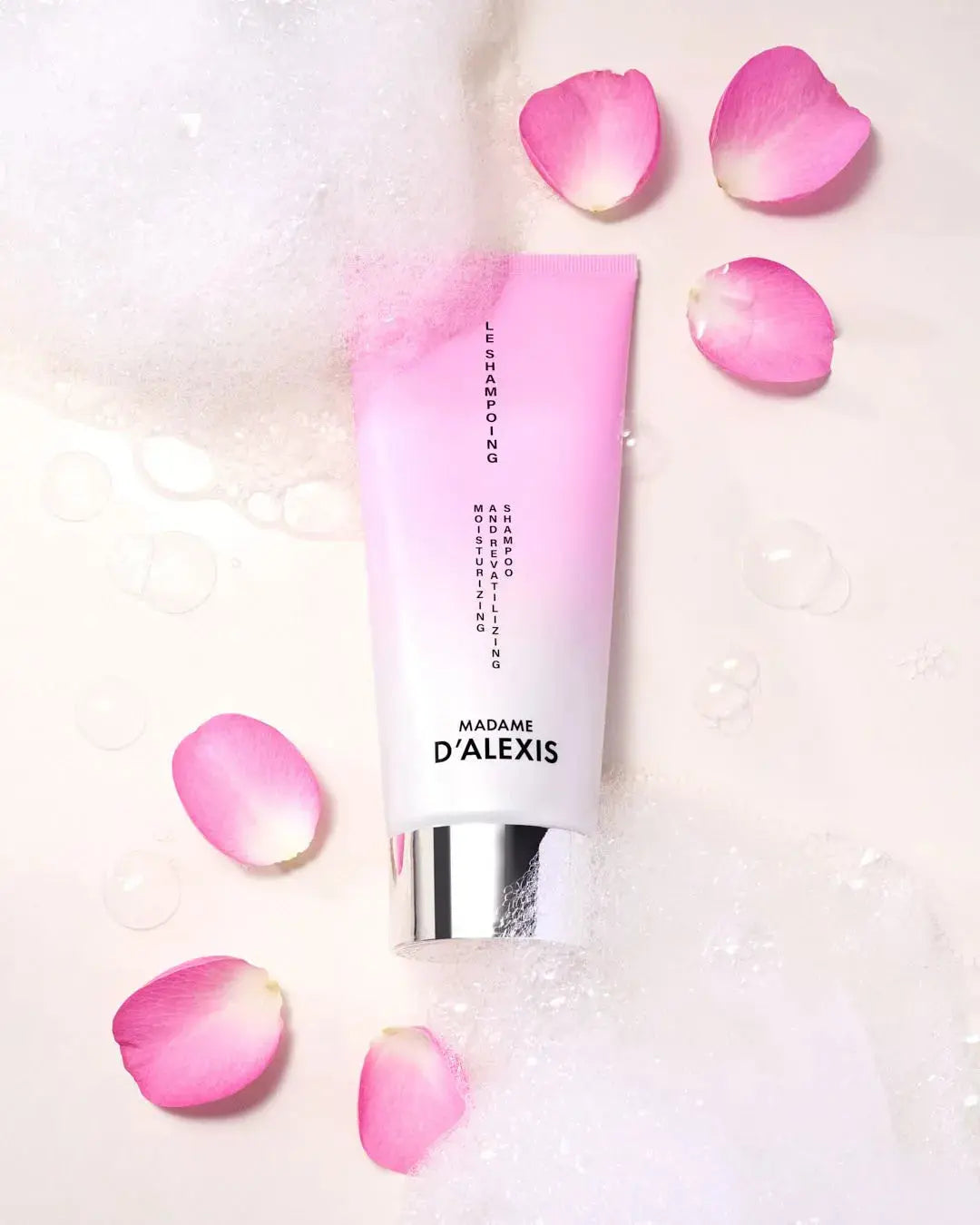
Organic Shampoo for Oily Hair with Hydrosols
Hydrolats bio · sans sulfates · prébiotiques · acide hyaluronique cationique
- Nettoie le cuir chevelu sans décaper.
- Aide à espacer les lavages progressivement.
- Convient aux racines grasses et longueurs sensibilisées.
See the treatment
Use natural and purifying skincare products
Simple, well-balanced active ingredients can cleanse the scalp without damaging it.
- Apply very diluted green clay to roots, leave for 5 to 10 minutes, then rinse thoroughly.
- Vinaigre de cidre dilué, à utiliser ponctuellement pour apporter de la brillance.
- Apply a thin layer of aloe vera to clean leather for light moisturizing.
- Romarin sous forme d’hydrolat, les huiles essentielles restant optionnelles et toujours très diluées.

La routine Madame d’Alexis adaptée aux cheveux gras
Pour traiter les cheveux gras, il ne s’agit pas de multiplier les produits, mais de choisir des soins ciblés, complémentaires, qui respectent l’écosystème naturel du cuir chevelu.
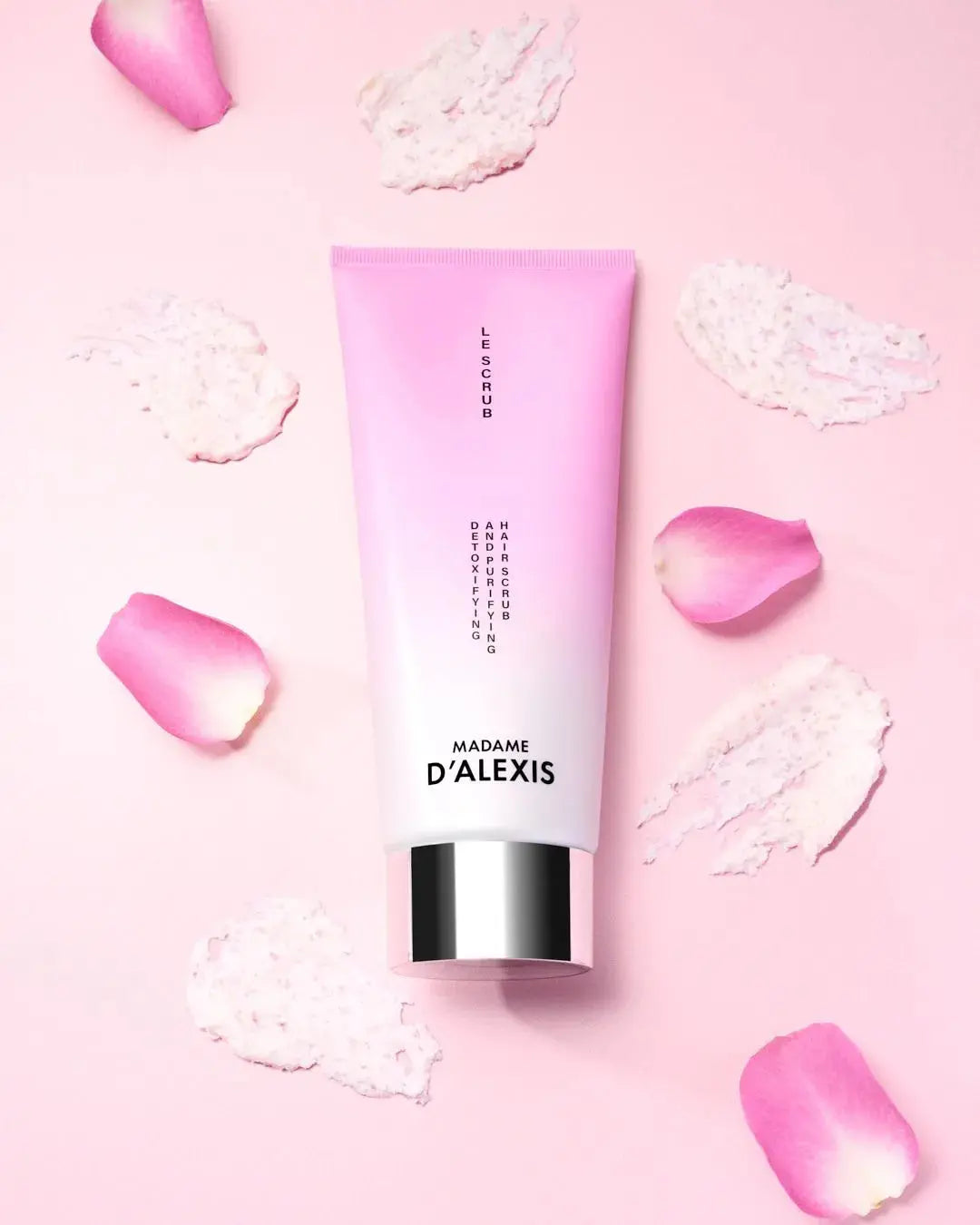
Le Scrub - cuir chevelu gras
Aide à éliminer les impuretés et l’excès de sébum.
39,00 €See the treatment
Organic Shampoo for Oily Hair with Hydrosols
Nettoie sans décaper et respecte le cuir chevelu.
35,00 €See the treatment
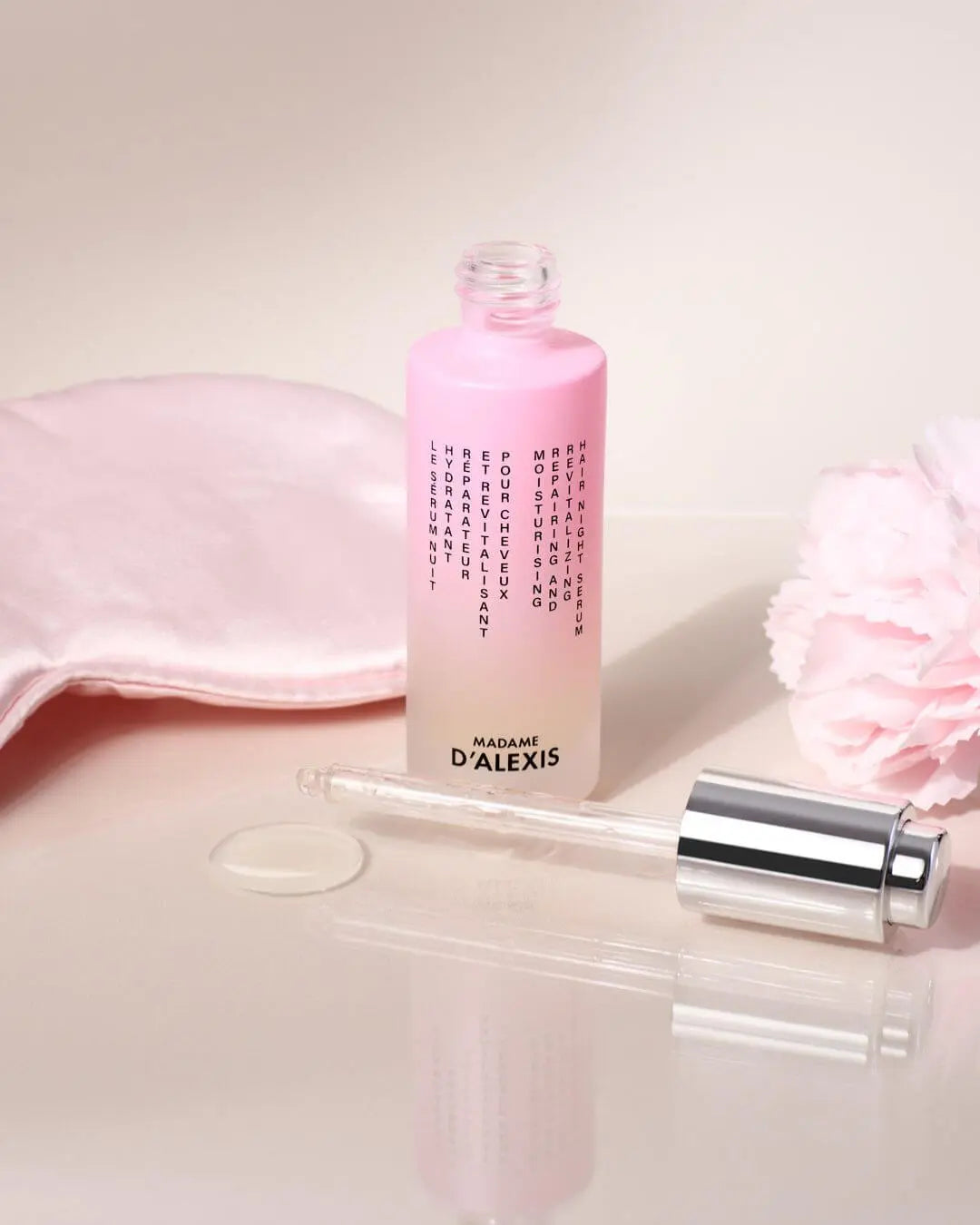
Le Sérum Nuit - rééquilibrant
Soin du soir pour accompagner le cuir chevelu.
35,00 €See the treatment
| Step | Frequency | Geste clé | Objective |
|---|---|---|---|
| Scrub doux | 1 fois par semaine ou tous les 10 à 15 jours selon sensibilité | Exfolier délicatement le cuir chevelu | Retirer les résidus et relancer la sensation de fraîcheur |
| Mild shampoo | 2 to 3 times a week | Hydrater le cuir chevelu sans décaper | Nettoyer et aider à espacer les lavages |
| Night Serum | Le soir, selon routine | Soin ciblé sur cuir chevelu propre | Soutenir le microbiome et apaiser les inconforts |
Practical tips and mistakes to avoid for oily hair
Gestes quotidiens à adopter
- Gently brush with a clean brush to distribute natural oils without overstimulating the scalp.
- Avoid touching your hair: your hands transfer additional sebum and impurities.
- Rinse with cold water at the end of washing to tighten the scales and prolong the feeling of freshness.
Mistakes that make greasy hair worse
- Laver trop souvent avec des produits décapants.
- Utiliser des coiffants gras ou trop fixants, qui étouffent le cuir chevelu.
- Adopter une alimentation déséquilibrée, riche en sucres rapides ou en graisses saturées.
- Négliger le stress, facteur reconnu d’augmentation du cortisol et du regraissage rapide.
Solutions for oily hair: restore lasting balance
Réguler un cuir chevelu gras ne se résume pas à un simple produit miracle, mais à une vision globale. Elle associe un nettoyage doux, une purification régulière et des soins ciblés qui respectent l’équilibre naturel du cuir chevelu.
À cela s’ajoute une hygiène de vie équilibrée : moins de sucres rapides, une hydratation suffisante, davantage de micronutriments, et une meilleure gestion du stress.
La maison Madame d’Alexis s’inscrit dans cette logique avec des formules sans eau ajoutée, remplacée par des hydrolats bio, et composées à 97 à 99 % d’ingrédients d’origine naturelle selon les références.

FAQ - Solutions cheveux gras
How can I stop my hair from getting greasy?
La première étape consiste à comprendre que les cheveux gras sont liés à une production excessive de sébum. Pour limiter ce phénomène, il faut adopter une routine douce : utiliser un shampoing doux naturel, espacer les shampoings et privilégier l’eau tiède.
What natural remedies can be used to treat oily hair?
Les solutions naturelles pour cheveux gras incluent l’argile verte en masque, le vinaigre de cidre dilué ponctuellement, l’aloe vera et l’hydrolat de romarin. Ces gestes doivent rester légers pour ne pas déséquilibrer la fibre capillaire.
What is the ideal frequency for washing oily hair?
Laver ses cheveux tous les jours peut accentuer la sécrétion de sébum. La bonne fréquence de shampoing se situe souvent entre deux et trois lavages par semaine, selon le cuir chevelu.
What mistakes make the problem of oily hair worse?
Les erreurs les plus fréquentes sont les lavages trop rapprochés, les produits coiffants gras, les gestes répétés dans les cheveux, l’eau trop chaude, le stress et une alimentation trop riche en sucres rapides.
Which products should you choose for long-lasting treatment of oily hair?
Un bon soin associe un shampoing doux sans sulfates, un scrub purifiant utilisé avec modération et un soin de nuit léger sur le cuir chevelu. Les formules à base d’hydrolats bio, de prébiotiques, d’acide hyaluronique cationique et de kératine végétale sont intéressantes pour nettoyer, hydrater et accompagner le cuir chevelu sans le décaper.
How can you combat greasy hair?
Il faut agir sur deux axes : le soin direct du cuir chevelu et les habitudes quotidiennes. Un shampoing doux, un scrub ponctuel, un rinçage tiède, moins de manipulations et une routine cohérente permettent de casser le cercle vicieux.
What treatments are available for oily hair?
Le bon soin des cheveux gras associe légèreté et efficacité : shampoing adapté, exfoliation douce, éventuellement masque à l’argile sur les racines et soins hydratants non gras pour les longueurs.
How to treat oily hair naturally?
Les remèdes naturels efficaces incluent l’argile verte, l’aloe vera, le vinaigre de cidre dilué et certains hydrolats. Ils fonctionnent surtout lorsqu’ils sont intégrés dans une routine régulière avec un shampoing doux.
How can you avoid greasy hair?
Il faut limiter les lavages trop fréquents, choisir des produits sans sulfates agressifs, éviter les textures occlusives, toucher moins ses racines et stabiliser autant que possible sommeil, alimentation et stress.

