Conseils
Scalp perspiration: how buildup weakens your hair (and how to fix it)
Sweat, sebum, overnight maceration: how perspiration clogs the scalp, weakens the follicle and triggers hair loss. 4-step natural protocol.

Key takeaways in 30 seconds
- Sweat + sebum = clogged follicle: lactic acid, salt, and sebum form an occlusive film that suffocates the follicle opening.
- Scalp buildup = suffocated follicle: a clogged follicle shortens the anagen (growth) phase and precipitates telogen shedding.
- Night-time = peak silent sweating: the body produces between 200 and 700 ml of night sweat; the scalp macerates against the pillow for 6 to 8 hours.
- 4-step solution: exfoliation every 10 to 15 days + gentle shampoo 2-3x/week + nourishing mask + repairing night serum every evening.
- Key frequencies: every 10 to 15 days for exfoliation, 2-3x/week for shampoo, every evening (or post-workout) for the leave-in night serum.

Why does the scalp sweat so much?
The scalp is not like any other area of skin. It is one of the body's most densely packed regions with sweat glands and sebaceous glands, a combination that explains why it reacts so quickly to heat, stress, or physical exertion.
Two types of glands are involved:
- Eccrine glands open directly onto the surface of the epidermis. They produce an aqueous sweat composed of 99% water, sodium chloride, lactic acid, and traces of other organic acids. Their main role: thermoregulation.
- Apocrine glands empty into the infundibulum of the hair follicle. Their secretion is thicker, rich in lipids and proteins. On the scalp, they are directly associated with the pilosebaceous follicle, meaning their secretion mixes with sebum as soon as it leaves the follicle.
The forehead concentrates about 181 eccrine glands per cm², compared to 64 on the back. The scalp, meanwhile, combines this high density of eccrine glands with high sebaceous activity: a maximum density of sebaceous glands, with each hair follicle attached to a sebaceous gland.
Factors that trigger or worsen scalp sweating:
- Exercise and heat: any increase in body temperature activates eccrine glands primarily on the forehead, nape, and scalp.
- Stress and emotions: the sympathetic nervous system directly stimulates the sweat glands. Acute stress can trigger localised sweating in a few seconds.
- Hormones: fluctuations in oestrogen, testosterone, or cortisol alter the activity of sebaceous and sweat glands. This is why perimenopause, pregnancy, or chronic stress periods are often accompanied by a greasier, sweatier scalp.
- Diet: spicy foods, alcohol, and caffeine activate thermoregulation and increase sweating.
Normal vs. excessive sweating:
Moderate scalp sweating is physiological. It becomes problematic when it is persistent, abundant without apparent exertion, and accompanied by itching, an itchy scalp, or a heavy sensation.
This is then referred to as localised hyperhidrosis, which notably affects the forehead and scalp. This form of primary hyperhidrosis can appear without an identified medical cause and requires appropriate management.
What interests us here is the cumulative effect of daily sweating (even moderate) on the follicular environment. And this effect is much more significant than we think.
The little-known link between sweat, buildup, and hair loss
This is the heart of the matter. Most articles on hair loss mention genetics, hormones, and stress. Very few dwell on the role of chronic scalp buildup. Yet, the mechanism is documented and takes place in three distinct steps.
Step 1: The formation of the follicular plug
Sweat produced by eccrine glands is slightly acidic (pH between 3.8 and 6.5). It contains lactic acid, salt, urea, and traces of other organic acids. When mixed with sebum produced by sebaceous glands, it forms an occlusive film on the follicular ostium, the opening through which the hair emerges.
This film, if not regularly removed, thickens. Dead cells (corneocytes) accumulate in it. The result: a plug that mechanically obstructs the follicle, reduces gas exchange, and deprives the root of oxygen.
To understand how to exfoliate the scalp effectively and unclog these plugs, consult our dedicated guide.
Step 2: Bacterial and fungal proliferation
A clogged follicle, in an acidic and lipid-rich environment, becomes an ideal breeding ground for certain microorganisms of the scalp microbiome.
Two main players are involved:
- Malassezia: this yeast represents up to 90% of the fungi present on the scalp. It feeds on lipids: sebum is its preferred substrate. When sebum accumulates (encouraged by sweat), Malassezia proliferates. Beyond a certain threshold, it triggers an inflammatory reaction, accelerates epidermal cell renewal, and produces scales: this is seborrhoeic dermatitis. Excess sebum and Malassezia proliferation cause localised scalp inflammation, leading to the appearance of red patches, scales, and itching.
- Cutibacterium acnes (formerly Propionibacterium acnes): this bacterium synthesises enzymes involved in porphyrin metabolism which, once activated, contribute to follicular oxidation and inflammation. Studies show that in patients suffering from androgenetic alopecia, Cutibacterium acnes is present in significantly higher quantities than in healthy subjects.
Step 3: Low-grade chronic inflammation and follicular miniaturisation
This is the most critical step. Persistent local inflammation (even mild, even without visible symptoms) gradually alters the structure of the hair follicle.
The mechanism: inflammation activates pro-inflammatory cytokines that disrupt the hair cycle. The anagen (growth) phase shortens. The follicle prematurely enters the telogen (resting/shedding) phase. Over time, this micro-inflammation alters the structure of the follicles and worsens hair loss.
If inflammation is repeated without being treated, the follicle gradually miniaturises. The hair becomes thinner, shorter, less dense. This is chronic telogen shedding, distinct from androgenetic alopecia linked to DHT, even though the two can coexist and potentiate each other.
Important distinction:
|
Type of shedding |
Mechanism |
Affected area |
Reversibility |
|---|---|---|---|
|
Shedding due to buildup |
Follicular inflammation, occlusive plug |
Diffuse, oily scalp |
Yes, if treated early |
|
Androgenetic alopecia |
DHT sensitivity, genetic miniaturisation |
Temples, vertex |
Partial |
|
Acute telogen shedding |
Stress, deficiency, fever |
Diffuse |
Yes, spontaneous |
To learn more about dandruff and irritated scalp and their link with shedding, consult our dedicated article.
Night-time sweating: the forgotten factor
We think of sweating after sport. We almost systematically forget about night-time sweating. Yet this is where an important part of scalp health is at stake.
The numbers: the human body produces between 200 and 700 ml of sweat per night under normal conditions. This night-time sweating is above all a thermoregulatory response: the body dissipates the internal heat accumulated during the day.
The specific problem with the scalp:
For 6 to 8 hours, the scalp is in direct contact with the pillow. Sweat cannot evaporate freely. It macerates. This prolonged maceration creates several negative effects:
- pH imbalance: the natural pH of the scalp is between 4.5 and 5.5. Night-time sweat, by accumulating, disrupts this acid-base balance. An unbalanced pH weakens the skin barrier and promotes the proliferation of pathogenic microorganisms.
- Disruption of the scalp microbiome: a scalp macerated for 8 hours in a humid and slightly acidic environment alters the composition of its microbiome upon waking. Opportunistic bacteria and yeasts (Malassezia, Cutibacterium) find ideal conditions to proliferate.
- Weakening of the hair fibre: the hair fibre gorged with moisture for hours is mechanically more fragile. Rubbing against the pillow worsens the damage.
Why the night serum is the logical answer:
Night-time is not just a period of risk for the scalp. It is also the most effective cellular repair window of the day. Deep slow-wave sleep triggers a peak secretion of growth hormone (GH), which stimulates cell proliferation and collagen synthesis.
Keratinocyte cell division reaches its peak between 10pm and 2am. Cortisol, a repair inhibitor, drops to its lowest level.
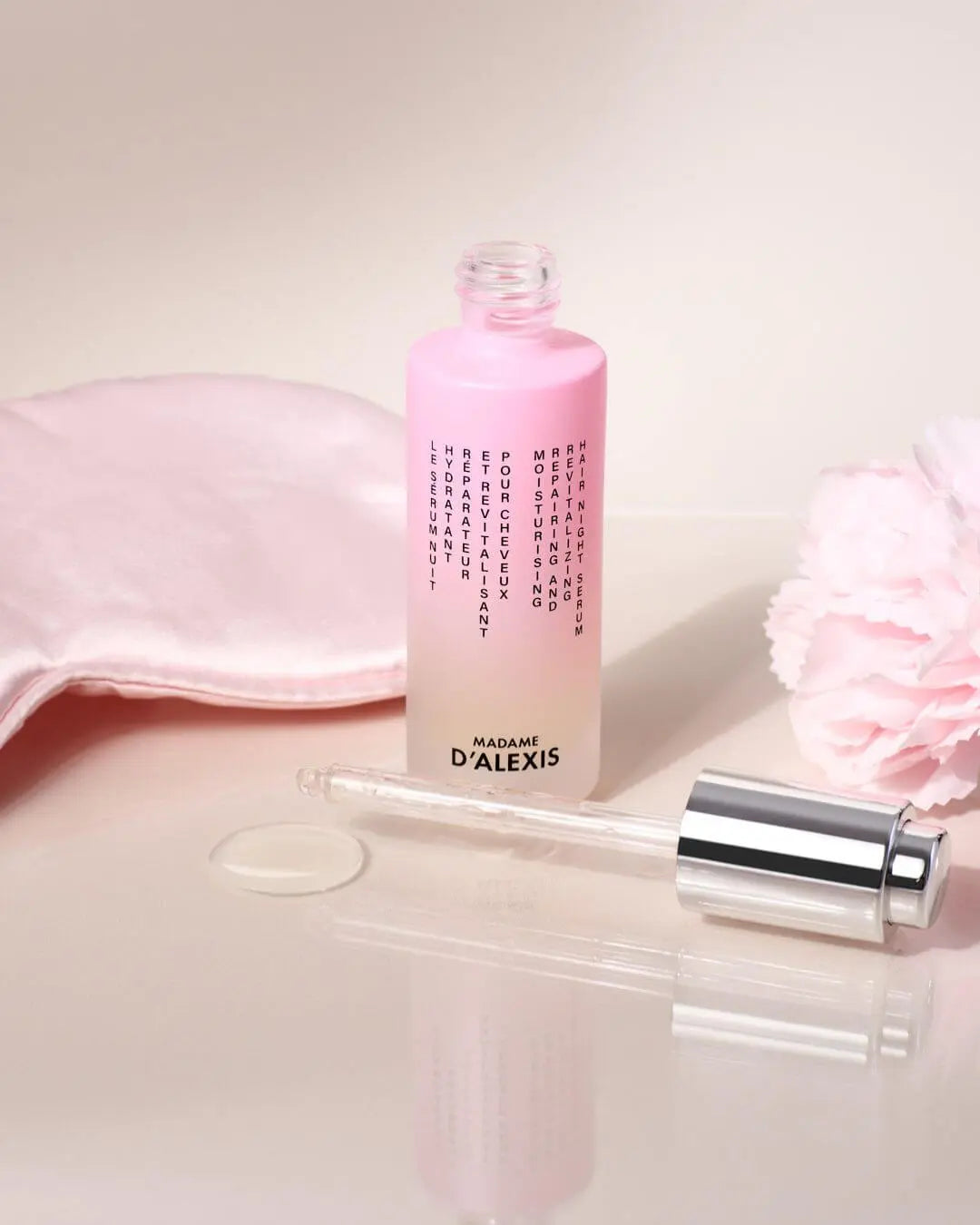
Le Sérum Nuit with Hydrosols
Scalp · Density · Night-time repair
- Used in the evening on the scalp, no rinsing
- Helps prolong the benefits of the hair ritual
- Supports anti-shedding, density, and repair routines
In other words: while you sleep, your scalp is in maximum repair mode. A leave-in product can act during this entire window, without being diluted, without being eliminated.
The repairing, densifying night serum, a leave-in formula, works during the 8 hours of night-time cellular repair to strengthen the follicle and densify the fibre. Its anti-shedding active ingredients (oak, nettle, liquorice) and its probiotics work while you sleep, without interfering with the natural thermoregulation of the scalp.
To learn everything about how to deeply hydrate the scalp, consult our complete guide.
Sport and hair: should you wash your hair after every session?
Direct answer: no, not systematically. But the scalp must be taken care of after every session, even without a full shampoo.
Washing your hair after every workout with a classic shampoo is one of the most common mistakes. Washing too frequently with an unsuitable product destroys the protective hydrolipidic film, disrupts the microbiome, and paradoxically stimulates sebum production in reaction to drying.
The protocol according to how often you exercise:
|
Exercise frequency |
Recommended protocol |
|---|---|
|
1-2x/week |
Rinse with lukewarm water post-workout + apply the night serum in the evening |
|
3-4x/week |
1 exfoliation every 10 to 15 days + gentle shampoo 2-3x/week + night serum every evening |
|
5x+/week |
Complete weekly protocol: exfoliation → shampoo → mask → daily night serum |
The most common mistakes after sport:
- Water too hot: dilates pores, stimulates sebum production, worsens seborrhoea. Always finish with a lukewarm or cool rinse.
- Friction with the towel: the hair fibre swollen with water is fragile. Rubbing breaks the cuticle scales. Pat gently, never rub.
- Aggressive daily shampoo: formulas with sulphates (SLS, SLES) strip the hydrolipidic film with every wash. Result: irritated scalp, reactive seborrhoea, itching. Discover why choosing a sulphate-free shampoo changes everything for athletes.
-
Headband too tight during exertion: creates local occlusion, promotes maceration on contact areas (forehead, nape, temples). Prefer headbands made of breathable material and avoid leaving them in place after exertion.
-
Applying nothing after: the scalp full of sweat, untreated, macerates in its own secretions until the next wash.
A special case, helmets: if you wear a helmet (bike, motorcycle, ski), the maceration is even more intense. Total occlusion prevents the evaporation of sweat. A lukewarm water rinse followed by the night serum is the minimum to do after every prolonged wear.
Natural 4-step protocol for a healthy scalp despite sweating
Here is the complete protocol, tested and structured to meet the specific needs of a scalp subjected to regular sweating.
|
Step |
Product |
Role |
Frequency |
|---|---|---|---|
|
1. Exfoliation |
Unclogs follicular plugs, removes accumulated sweat + sebum |
Every 10 to 15 days |
|
|
2. Gentle cleansing |
Sulphate-free, soothing hydrosols, microbiome-friendly pH |
2-3x/week |
|
|
3. Deep nourishment |
Plant ceramides, repairs the fibre weakened by inflammation |
1x/week |
|
|
4. Night-time repair |
Works on the follicle for 8 hours, thickens, rebalances without rinsing |
Every evening or post-workout |
Step 1: exfoliation, the foundational step
Shampoo alone does not unclog follicular plugs. It cleanses the surface, but does not penetrate the ostium to remove compacted residues of sebum, dried sweat, and dead cells.
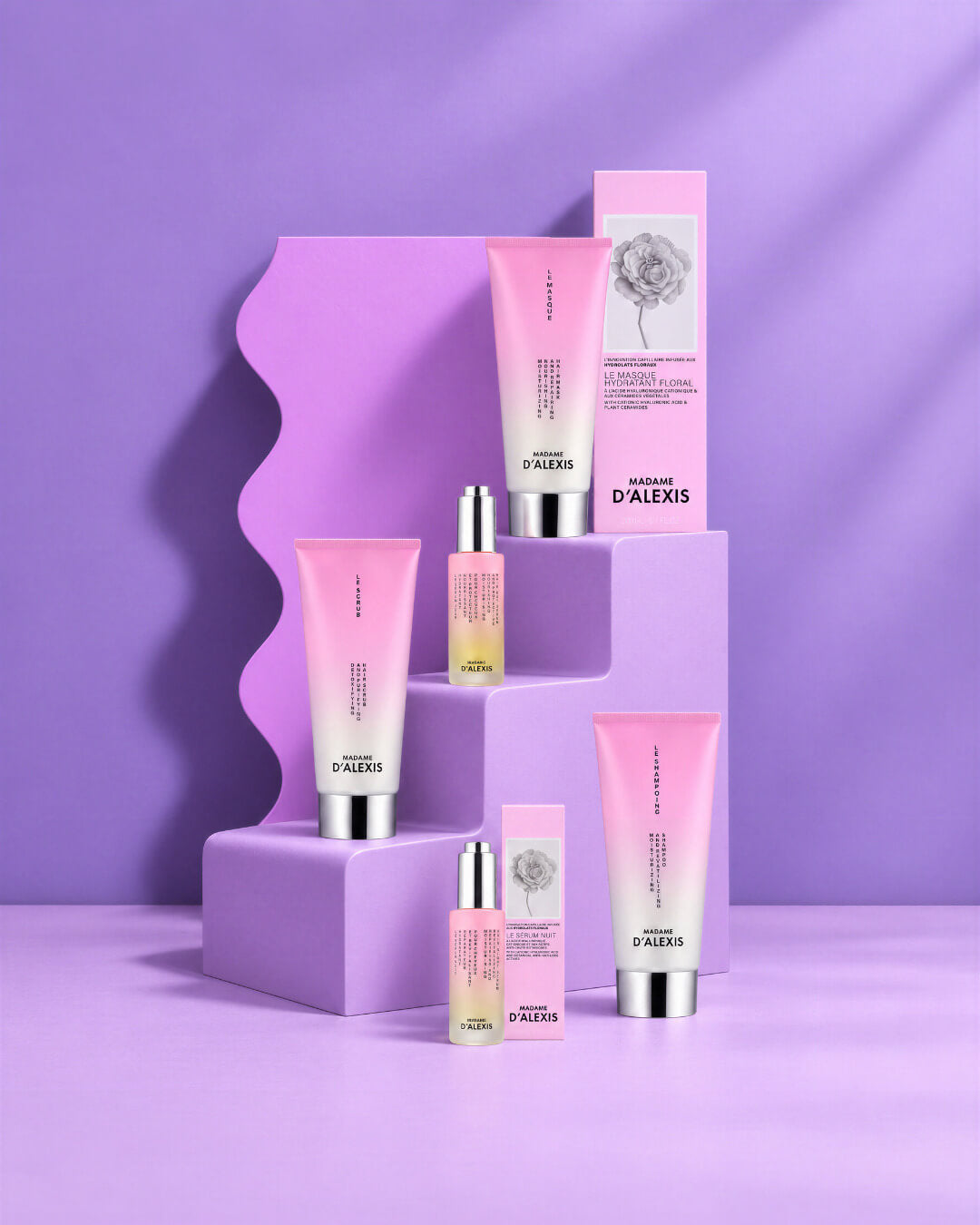
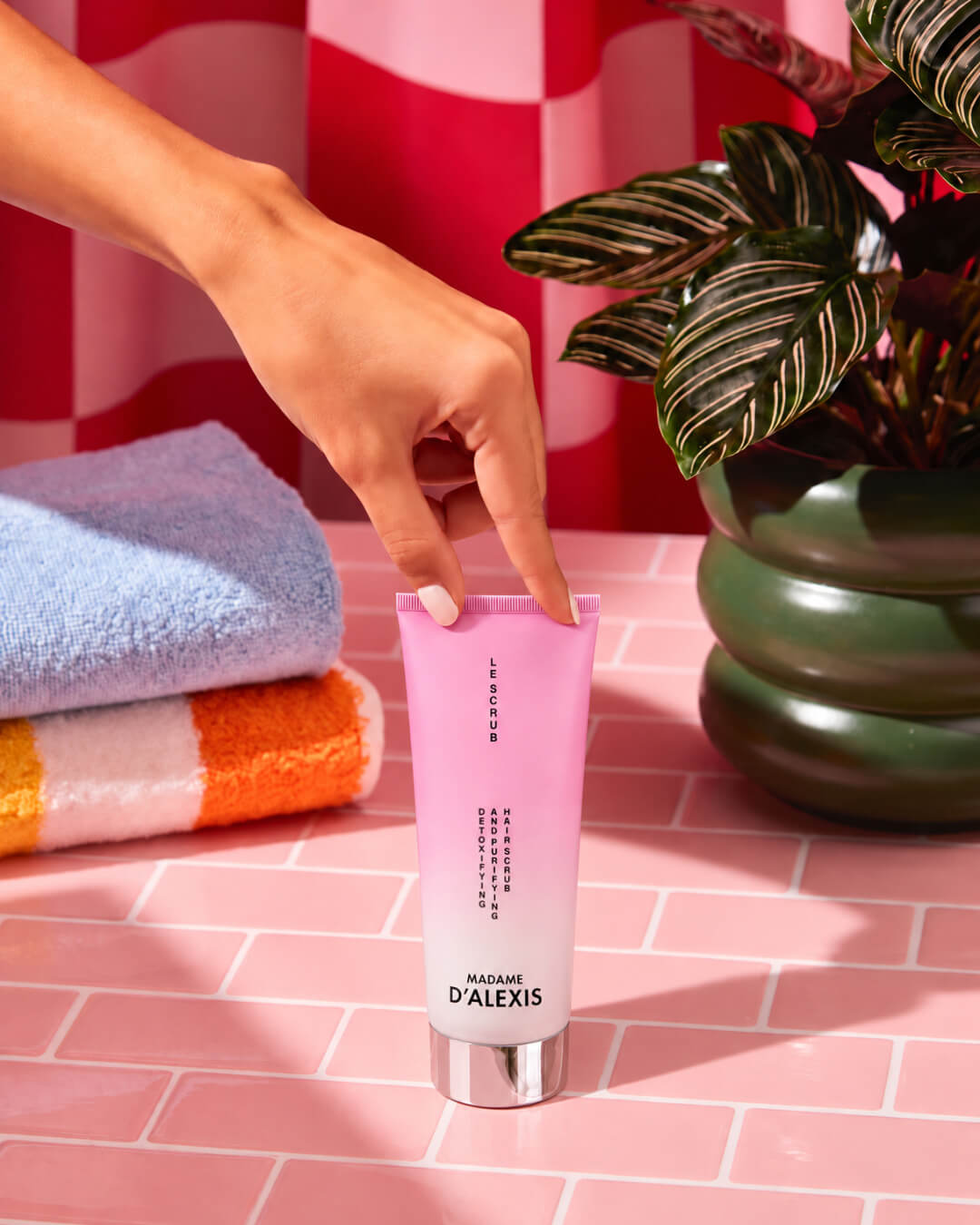
The scalp exfoliating scrub by Madame d'Alexis combines:
- Fleur de sel: gentle mechanical exfoliant that unclogs without irritation
- Organic hydrosols (Damask rose, German chamomile, orange blossom): soothe, rebalance the pH, tone the scalp
- Cationic HA: deeply hydrates the root during treatment
- Organic coconut oil: nourishes and softens the scalp during exfoliation
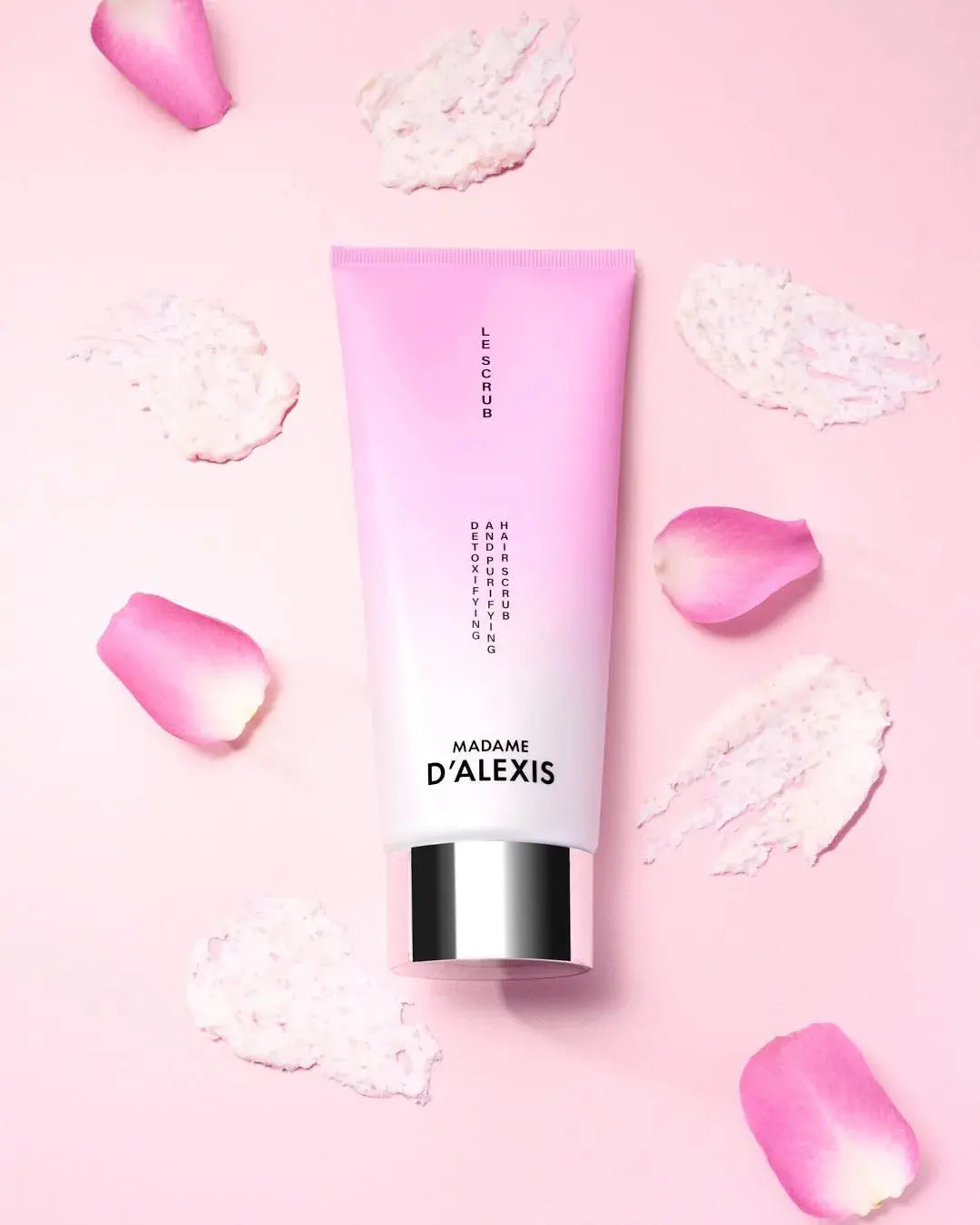
Le Scrub with Hydrosols
Scalp detox · Fleur de sel · Organic hydrosols
- Gently exfoliates the scalp
- Helps remove residues, impurities, and excess sebum
- Prepares the root for subsequent treatments
Precise application: on scrub day it replaces your shampoo: apply it section by section to a damp scalp, massage in circular motions and rinse, then repeat a second pass, like a double shampoo, and rinse thoroughly. Use it every 10 to 15 days.
How to properly exfoliate your scalp?
Step 2: gentle shampooing, cleansing without irritation
After exfoliation, the scalp is ready for gentle cleansing. The sulphate-free shampoo with organic hydrosols by Madame d'Alexis respects the microbiome and the natural pH of the scalp.
Formulated without SLS or SLES, parabens, or silicones, it cleanses gently thanks to its mild surfactants and bioactive organic hydrosols. Cationic HA protects the fibre during washing.
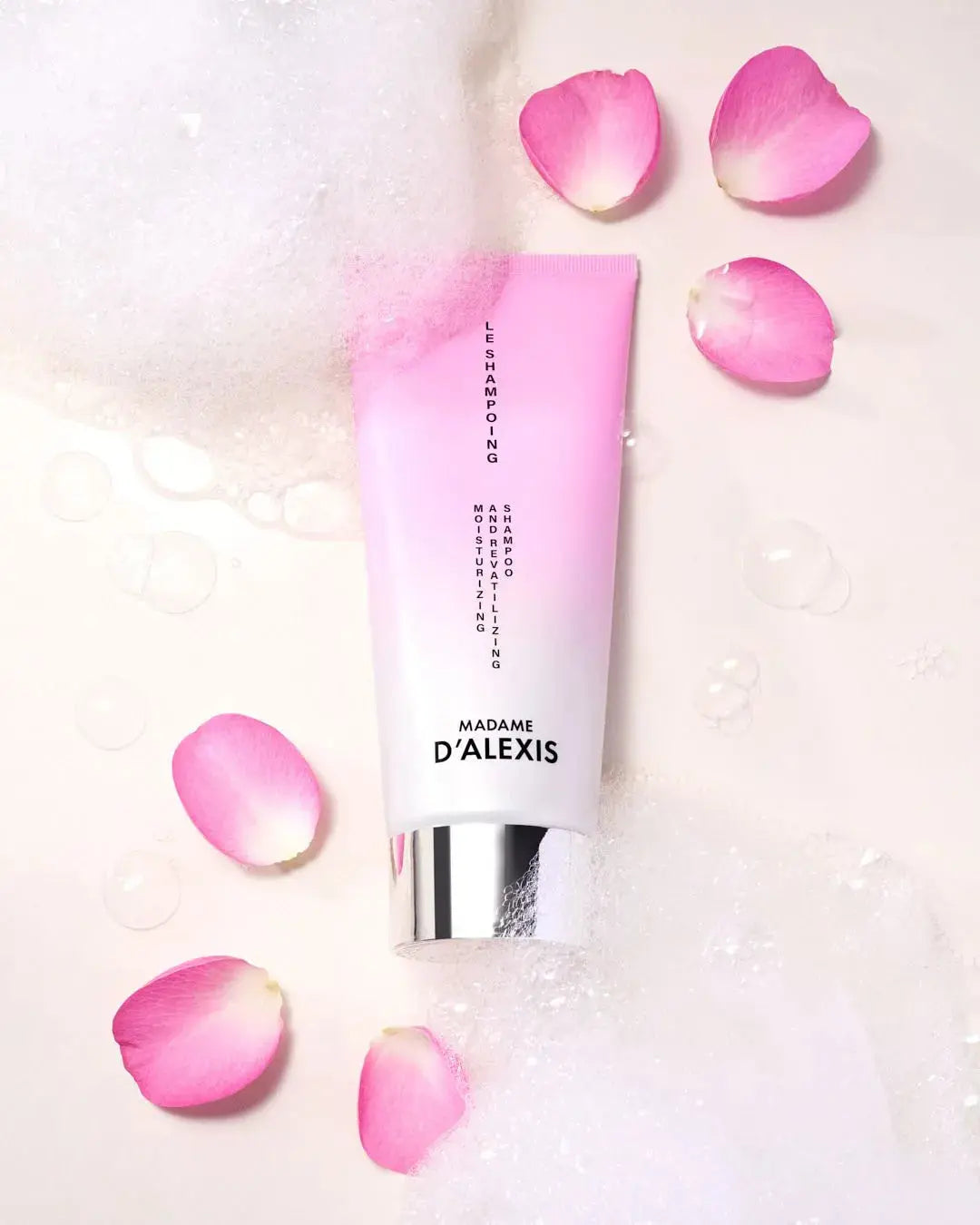
Le Shampoing with Hyaluronic Acid
Gentle cleansing · Sulphate-free · Organic hydrosols
- Cleanses without stripping the scalp
- Formula without sulphates, silicones, or parabens
- Ideal for double shampooing in a Head Spa protocol
Precise application: apply to wet scalp, massage gently with the pads of your fingers (not your nails), rinse with lukewarm water. Two applications may be necessary if the scalp is very dirty.
Step 3: the mask, deeply repairing the fibre
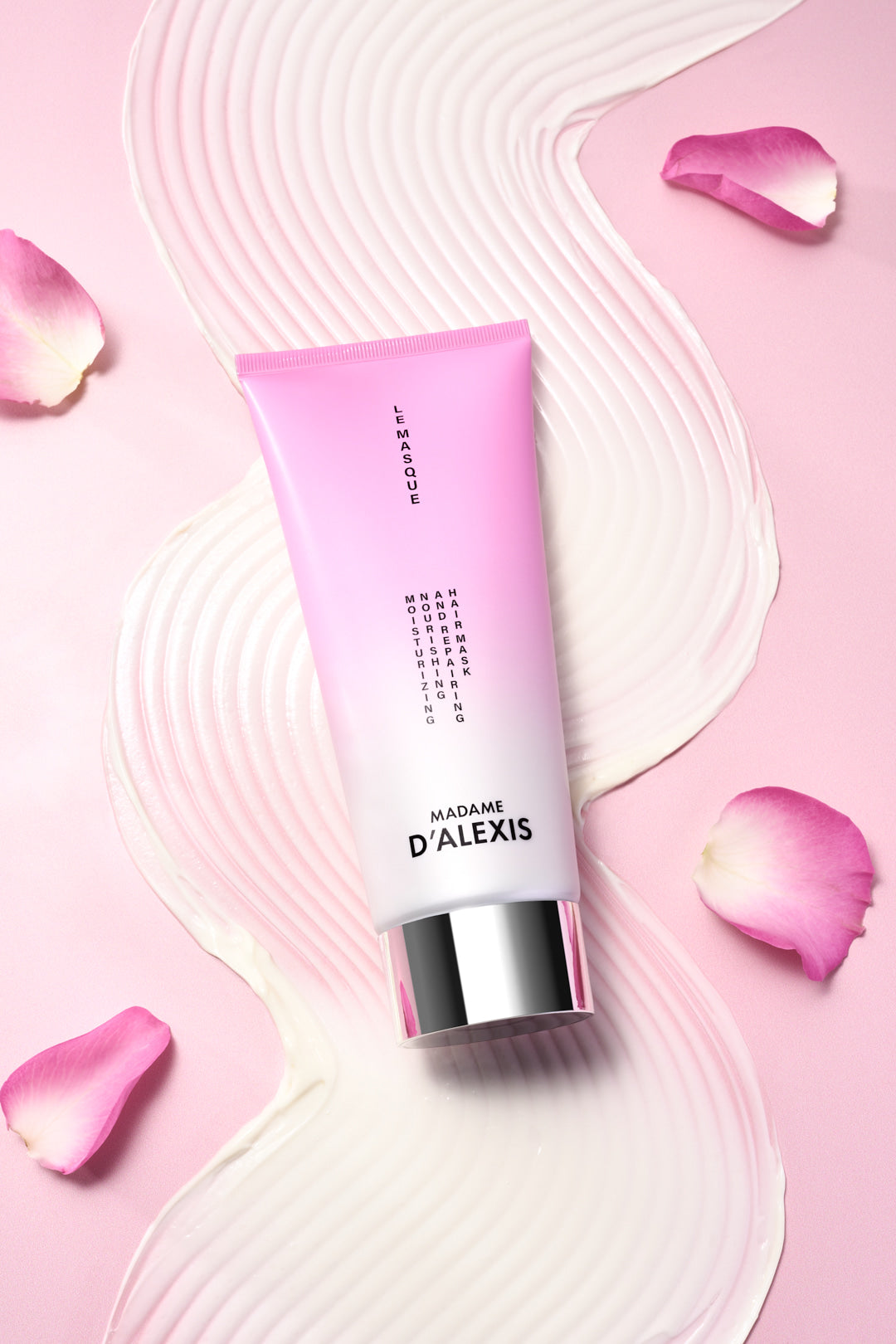
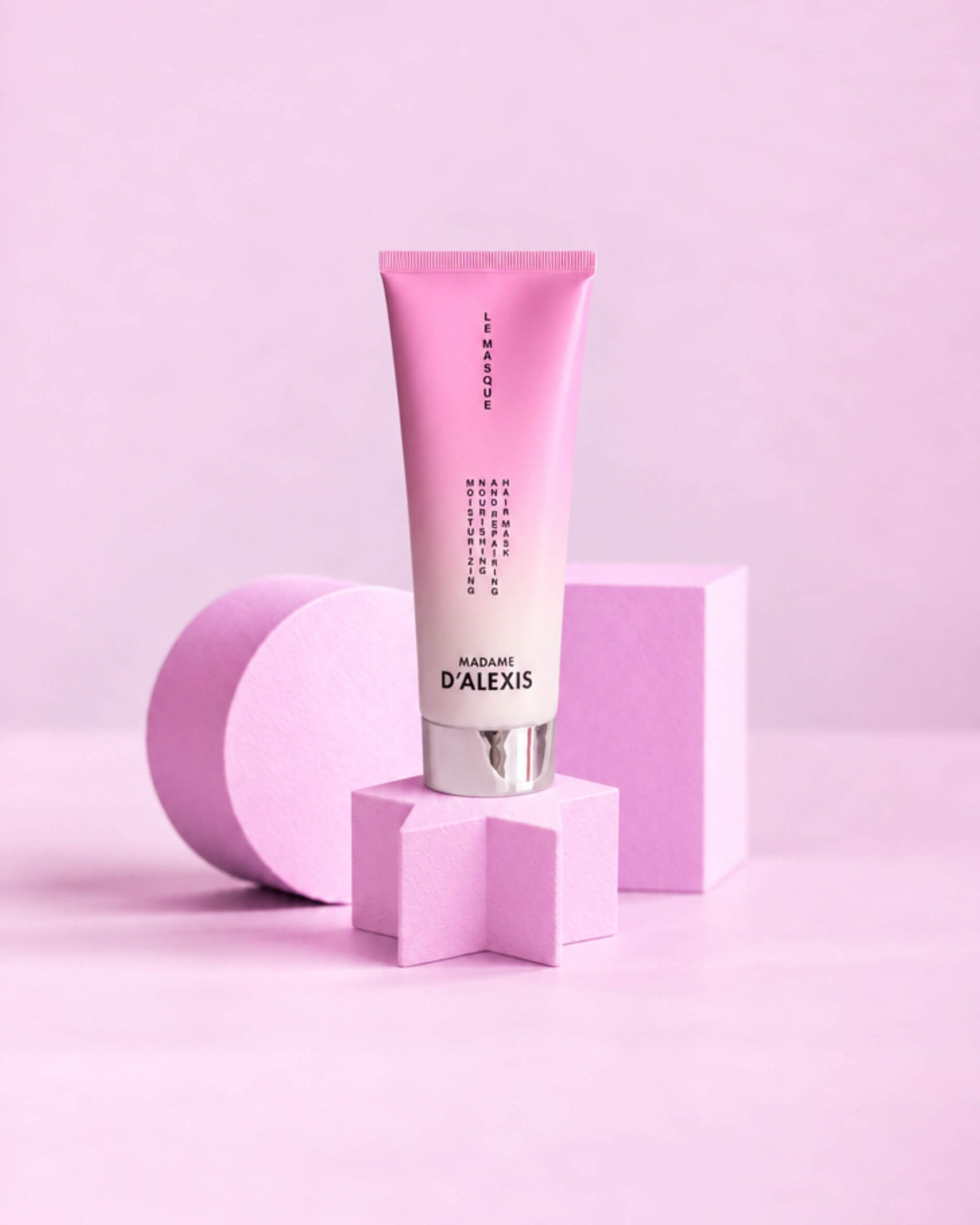
Sweating and chronic inflammation weaken the hair fibre from within. The plant ceramides and the organic jojoba and apricot oils in the hair mask with plant ceramides by Madame d'Alexis rebuild the hair's internal structure.
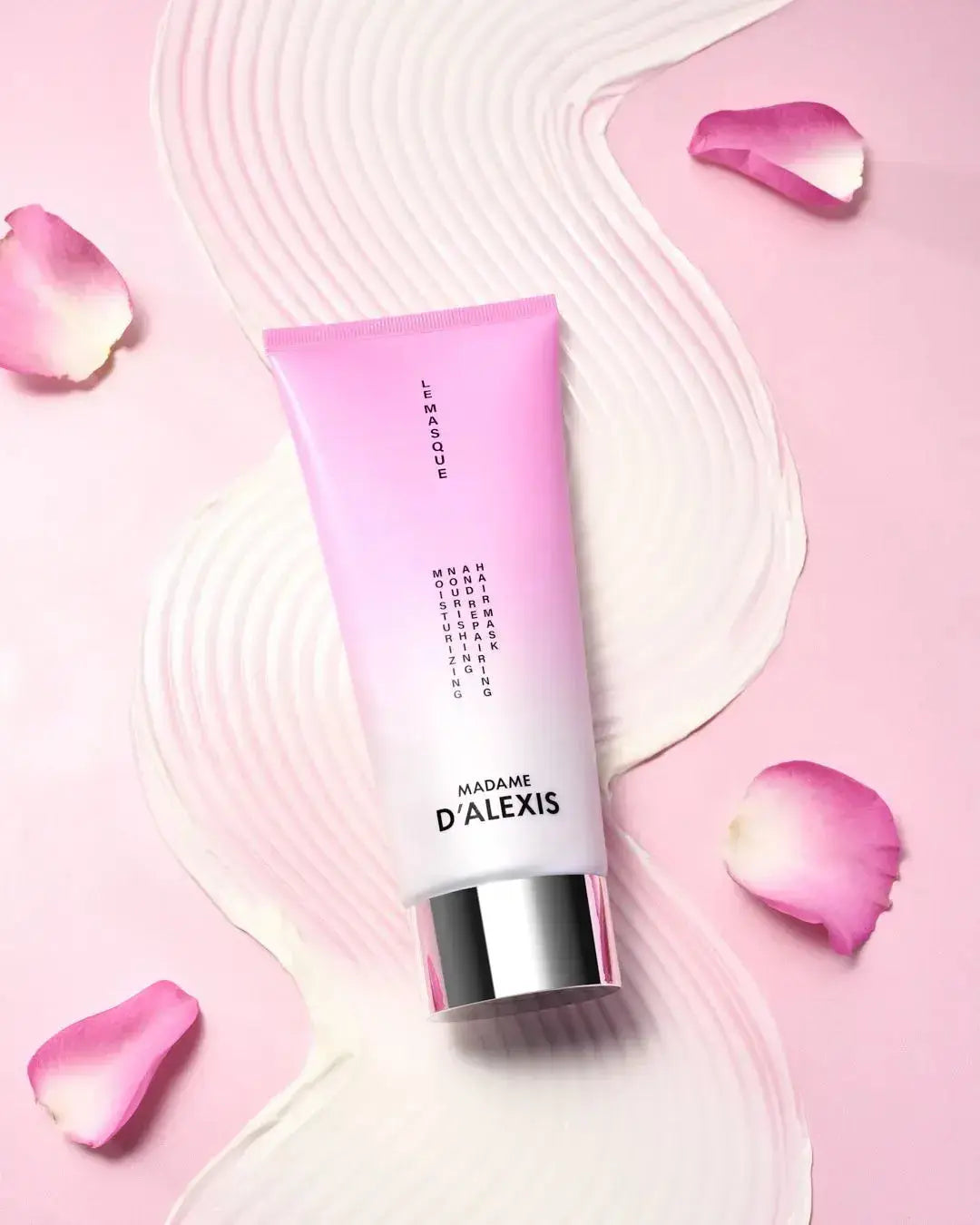
Le Masque with Plant Ceramides
Nourishment · Repair · Plant ceramides
- Intensely nourishes without weighing down the fibre
- Helps smooth, repair, and strengthen the lengths
- Ideal for leave-on time during a Head Spa protocol
Precise application: apply to lengths and ends after shampooing, leave on for 5-10 minutes, rinse with cool water to close the cuticles.
Step 4: the night serum, the step that makes the difference
This is the hero product of this protocol. The thickening repair night serum by Madame d'Alexis is formulated to work during the 8 hours of night-time cellular repair.
Its anti-hair loss active ingredients:
- Oak extract: strengthens the follicle's anchoring, stimulates microcirculation
- Nettle: remineralises the scalp, helps limit hair shedding
- Liquorice: soothing action, calms a scalp irritated by sweat
- Probiotics: lysates that support the balance of the scalp microbiome
As a leave-in, it does not disrupt night-time thermoregulation. It is applied directly to the dry or slightly damp scalp, massaging gently to promote penetration.
Le Sérum Nuit with Hydrosols
Scalp · Density · Night-time repair
- Used in the evening on the scalp, no rinsing
- Helps prolong the benefits of the hair ritual
- Supports anti-hair loss, density, and repair routines
Precise application: apply a few drops to the clean scalp, massage in circular motions for 2-3 minutes, do not rinse. Leave on overnight.
For a complete hair routine adapted to your scalp type, consult our guide.
Find all these products in our natural hair care range.
How to use the night serum?
3 typical profiles and how to adapt the routine
These examples describe common situations, not individual results. Every scalp reacts differently, so adapt the routine to your own needs.
Profile 1: the intensive athlete (oily scalp + itching)
- Typical situation: frequent workouts, an oily scalp from the day after shampooing, itching on the nape and forehead.
- Identified problem: accumulation of sweat + sebum between workouts, daily aggressive shampooing that stimulated reactive seborrhoea.
- Suggested routine: stop daily shampooing and follow the 5x+/week protocol (exfoliation every 10 to 15 days + gentle shampoo 2-3x/week + night serum every evening).
- What to look for: a lighter scalp and less itching as the routine settles in.
Profile 2: heavy night-time sweating (fine hair shedding)
- Typical situation: marked night-time sweating, fine hair that sheds diffusely, a sensitive scalp.
- Identified problem: chronic night-time maceration, unbalanced scalp pH, untreated low-grade inflammation.
- Suggested routine: night serum every evening + exfoliation every 10 to 15 days + gentle shampoo 2x/week, with a breathable cotton pillowcase.
- What to look for: a more comfortable, less irritated scalp on waking. If shedding persists, see a dermatologist.
Profile 3: irritated scalp after exercise (oily flakes)
- Typical situation: regular yoga or gym sessions, an irritated scalp with oily flakes appearing gradually, itching after workouts.
- Identified problem: a build-up of sebum and sweat, made worse by an aggressive anti-dandruff shampoo used in response.
- Suggested routine: replace the harsh anti-dandruff shampoo with a gentle shampoo + exfoliation every 10 to 15 days + night serum 5x/week.
- What to look for: fewer flakes and a calmer scalp. If flakes persist, see a dermatologist.
To naturally stimulate regrowth after a period of hair loss, consult our complete protocol.
5 mistakes to absolutely avoid
1. Washing your hair with water that is too hot
Hot water dilates the pores and stimulates the sebaceous glands. Result: the scalp produces even more sebum to compensate for the dryness. Seborrhoea worsens. Always rinse with lukewarm water, ideally finishing with a jet of cool water to close the cuticles and tighten the pores.
2. Rubbing the scalp with the towel
Wet hair fibre is swollen and fragile. The cuticle scales are open. Vigorous rubbing breaks them, creates split ends, and weakens the fibre along its entire length. Pat dry, never rub. A microfibre or soft cotton towel is ideal.
3. Using an aggressive anti-dandruff shampoo as self-medication
Classic anti-dandruff shampoos (zinc pyrithione, selenium sulfide, ketoconazole) are effective when prescribed or for short courses.
Used in a routine, they destroy the scalp microbiome, eliminate the good bacteria along with the bad, and create an even more vulnerable environment for recurrence. If you have persistent dandruff, consult a dermatologist.
4. Skipping exfoliation
This is the most common mistake. Shampoo cleanses the surface of the scalp but does not unclog follicular plugs.
Without regular exfoliation, residues of sebum, dried sweat, and dead cells accumulate week after week. Exfoliation every 10 to 15 days is non-negotiable for a scalp that sweats regularly.
5. Applying nothing at night
8 hours of lost cellular repair every evening. This is the cost of a hair routine that stops at shampooing.
The leave-in night serum is precisely designed to exploit this window of maximum regeneration, when the growth hormone is at its peak, when cortisol is at its lowest, and when cells are actively dividing and repairing.
FAQ: your questions about scalp sweating
Does sweating make hair fall out?
Yes, indirectly. Sweating alone does not make hair fall out. But its accumulation on the scalp creates a chain of mechanisms that gradually weakens the hair follicle.
Sweat mixes with sebum and forms an occlusive film over the follicular ostium. This plug deprives the follicle of oxygen and creates an environment conducive to the proliferation of Malassezia and Cutibacterium acnes. These microorganisms trigger low-grade chronic inflammation that shortens the anagen (growth) phase and precipitates telogen shedding.
This type of shedding is reversible if the buildup is treated early. It is distinguished from androgenetic alopecia (linked to DHT and genetics) by its diffuse nature and rapid response to an appropriate care protocol. If the shedding is significant or accelerating, consult a dermatologist to rule out other causes.
How to naturally stop scalp perspiration?
There is no method to completely eliminate scalp perspiration, and this is not desirable, as it plays a role in thermoregulation and skin protection.
However, several natural approaches can reduce it and limit its effects:
- Reduce triggers: limit caffeine, alcohol, and spicy foods that stimulate sweating.
- Manage stress: the sympathetic nervous system is the main trigger for emotional sweating. Coherent breathing, meditation or yoga can help.
- Adapt your hair routine: exfoliation every 10 to 15 days to remove residue, gentle shampoo 2-3x/week, and a night serum to rebalance the microbiome.
- Choose breathable materials: cotton pillowcase, technical sports headband, and avoid occlusive hats.
- Properly hydrate the scalp: a well-hydrated scalp regulates its sebum production better and sweats less in response to dryness.
In cases of severe localised hyperhidrosis (excessive sweating without apparent effort, persistent), consult a dermatologist. Specific treatments exist.
Should you wash your hair after exercise?
Not necessarily. The answer depends on your exercise frequency, the intensity of the perspiration, and your scalp type.
For a moderate workout (1-2x/week), rinsing with lukewarm water followed by the night serum is sufficient in most cases. For intensive exercise (5x+/week), a gentle shampoo 2-3x/week is recommended, complemented by exfoliation every 10 to 15 days.
What to absolutely avoid: daily shampooing with an aggressive formula. It destroys the protective hydrolipidic film, stimulates reactive seborrhoea, and weakens the microbiome. If you need to wash your hair often, choose a sulphate-free shampoo formulated for frequent use.
The essential point: never leave the scalp macerating in sweat for more than 24 hours without at least one rinse with lukewarm water.
Which anti-perspiration scalp shampoo should you choose?
There is no shampoo that eliminates scalp perspiration. However, some shampoos are better suited for scalps that sweat a lot:
- Sulphate-free (SLS/SLES): they cleanse without stripping the hydrolipidic film, avoiding reactive seborrhoea.
- Scalp-friendly pH: a pH between 4.5 and 5.5 preserves the microbiome and the skin barrier.
- With soothing active ingredients: chamomile, rose, or orange blossom hydrosols soothe irritation linked to perspiration.
- Silicone-free: silicones create an occlusive film that worsens buildup on a scalp already prone to seborrhoea.
The Madame d'Alexis sulphate-free shampoo with organic hydrosols meets all these criteria. Formulated without added water (water is replaced by active organic hydrosols), it respects the microbiome and is suitable for regular use, even on a perspiring scalp.
Why does my scalp itch when I sweat?
Post-perspiration itching has several possible causes:
- Salt accumulation: sweat contains sodium chloride. As it dries on the scalp, the salt crystallises and mechanically irritates the skin.
- pH imbalance: acidic sweat disrupts the scalp's balance and can trigger itching, especially on sensitive skin.
- Malassezia proliferation: the oily and humid environment favours this yeast, which causes inflammation and itching.
- Reaction to dried sweat: the proteins and organic acids in sweat, as they concentrate on the scalp, can trigger a local inflammatory reaction.
If the itching is intense, persistent, or accompanied by oily dandruff or redness, consult a dermatologist. Seborrhoeic dermatitis or folliculitis may require specific treatment.
Does night-time perspiration damage hair?
Yes, if it is not addressed. Night-time perspiration creates 6 to 8 hours of scalp maceration against the pillow. This prolonged maceration unbalances the scalp's pH, promotes the proliferation of microorganisms, and weakens the hair fibre through prolonged humidity.
People who sweat a lot at night (hormones, stress, overly hot environment) are particularly exposed to diffuse shedding and an irritated scalp upon waking.
The solution: apply the leave-in night serum before going to sleep. It creates a protective barrier, rebalances the microbiome, and allows the repairing active ingredients to work during the entire night-time cellular regeneration window. Changing pillowcases regularly (at least 2x/week) also limits the accumulation of bacteria and sweat residue.
Clogged scalp: how to unclog it?
A clogged scalp is unclogged in two steps:
- 1. Mechanical exfoliation: this is the essential step. An exfoliating scrub with gentle mechanical agents such as fleur de sel removes follicular plugs that shampoo alone cannot eliminate. On scrub day it replaces your shampoo: apply it section by section to a damp scalp, massage in circular motions and rinse, then repeat a second pass, like a double shampoo, and rinse thoroughly. Do this every 10 to 15 days.
- 2. Gentle cleansing: after exfoliation, a sulphate-free shampoo removes residue without irritating the freshly exfoliated scalp.
Avoid: overly aggressive clarifying shampoos, vigorous brushing on dry scalp, and occlusive styling products (waxes, silicone-based gels) that worsen buildup.
To maintain an unclogged scalp in the long term, exfoliation every 10 to 15 days is key. A deeply clean scalp promotes better absorption of the night serum's active ingredients and optimises regrowth.
Hair night serum: what is it really for?
A hair night serum is not just another treatment in a routine. It is a product designed to exploit the night-time cellular repair window, the period when the body actively repairs its tissues.
During deep sleep, the growth hormone reaches its secretion peak, cortisol (a repair inhibitor) is at its lowest, and keratinocyte cell division is maximal between 10pm and 2am. Epidermal permeability is slightly higher at night, which facilitates the penetration of topical active ingredients.
A leave-in night serum works during all these hours, without being diluted by water or removed by rinsing. It can thus deliver concentrated active ingredients directly to the follicle during the maximum repair phase.
The Madame d'Alexis densifying repairing night serum combines anti-shedding active ingredients (oak, nettle, liquorice), probiotics and organic hydrosols to rebalance the microbiome. It is distinguished from a classic hair oil by its light texture, its leave-in formula, and its concentration of active ingredients targeted at the follicle and density.
Useful Resources
- Sweat glands (Wikipedia): anatomy and physiology of eccrine and apocrine glands.
- Seborrhoeic dermatitis and hair loss: link between scalp inflammation and hair loss.
- Scalp microbiome (Hairmedico): new research on the role of the microbiome in hair health.
- Sleep and skin (Dermatonet): mechanisms of night-time skin regeneration and GH peak.
- Night-time skin regeneration (Bledelesperance.fr): role of the circadian rhythm in cellular repair.
- Scalp folliculitis (Dermatonet): Malassezia, Cutibacterium acnes and impact on the follicle.