Conseils
Thinning hair: understand the causes and naturally regain density
Thinning hair is caused by reduced hair density: fewer active follicles, finer strands, and a visible scalp. Multiple causes, targeted natural solutions.

Thinning hair: causes, natural solutions and density routine
Understand density loss, differentiate between fine hair and thinning hair, and then build a routine focused on the scalp, the fiber and the microbiome.
In summary
Thinning hair refers to hair whose density has decreased - the scalp is visible, the part is wider, and volume is lacking. This is not necessarily irreversible. The causes are multiple: genetics, hormones, stress, deficiencies, mechanical aggression or a clogged scalp. The good news: in the majority of reactive cases, a routine focused on the scalp - exfoliation, natural anti-hair loss actives, overnight care - can help restore visible density in 8 to 12 weeks.
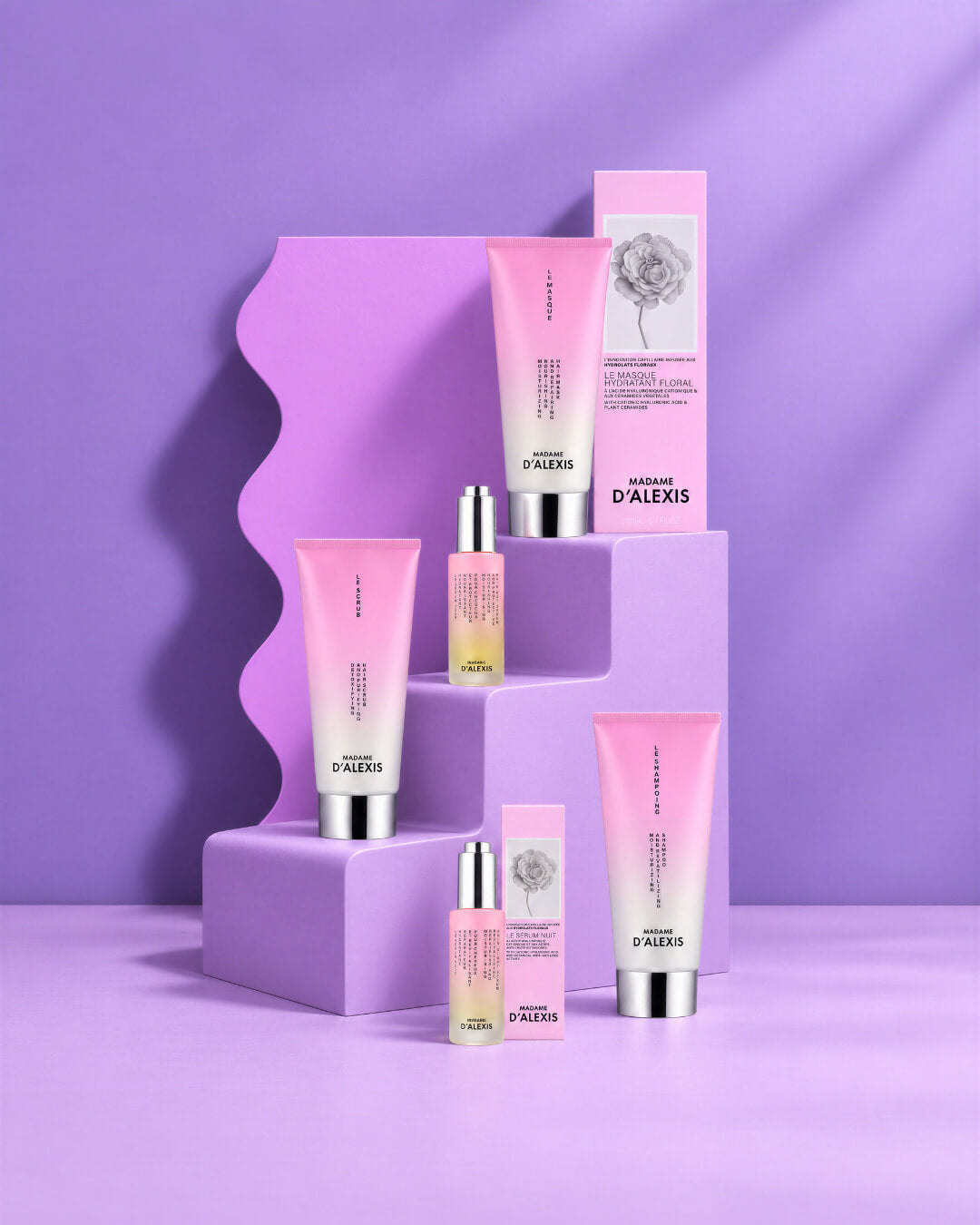
The products mentioned in this density routine
A complete scalp protocol: purify the roots, wash without stripping, strengthen the fiber, then treat density overnight.
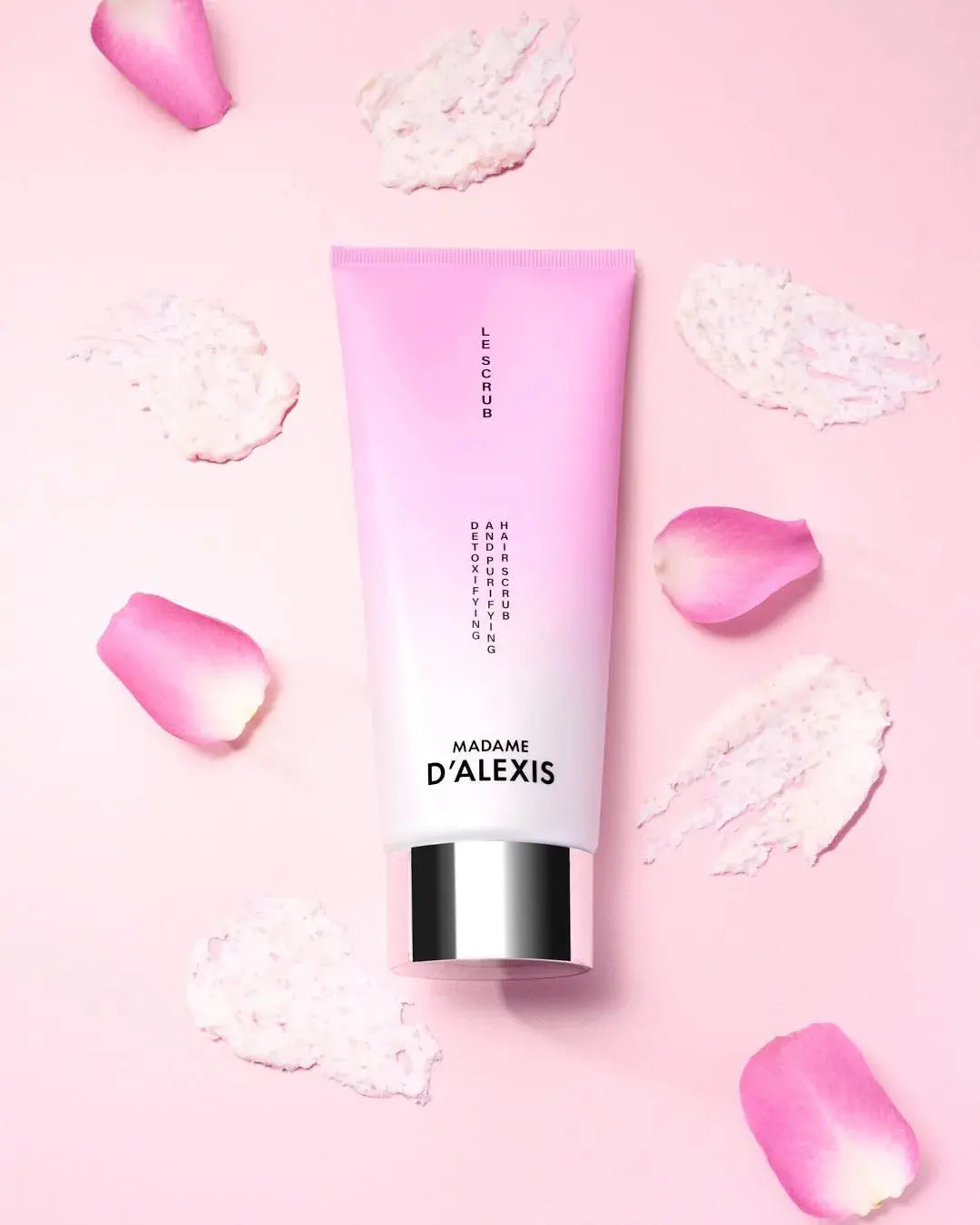
Detoxifying Floral Scrub
Sea salt · Organic hydrosols · Scalp
- Exfoliates dead cells and residue
- Stimulates microcirculation at the roots
- Prepares the scalp for density care
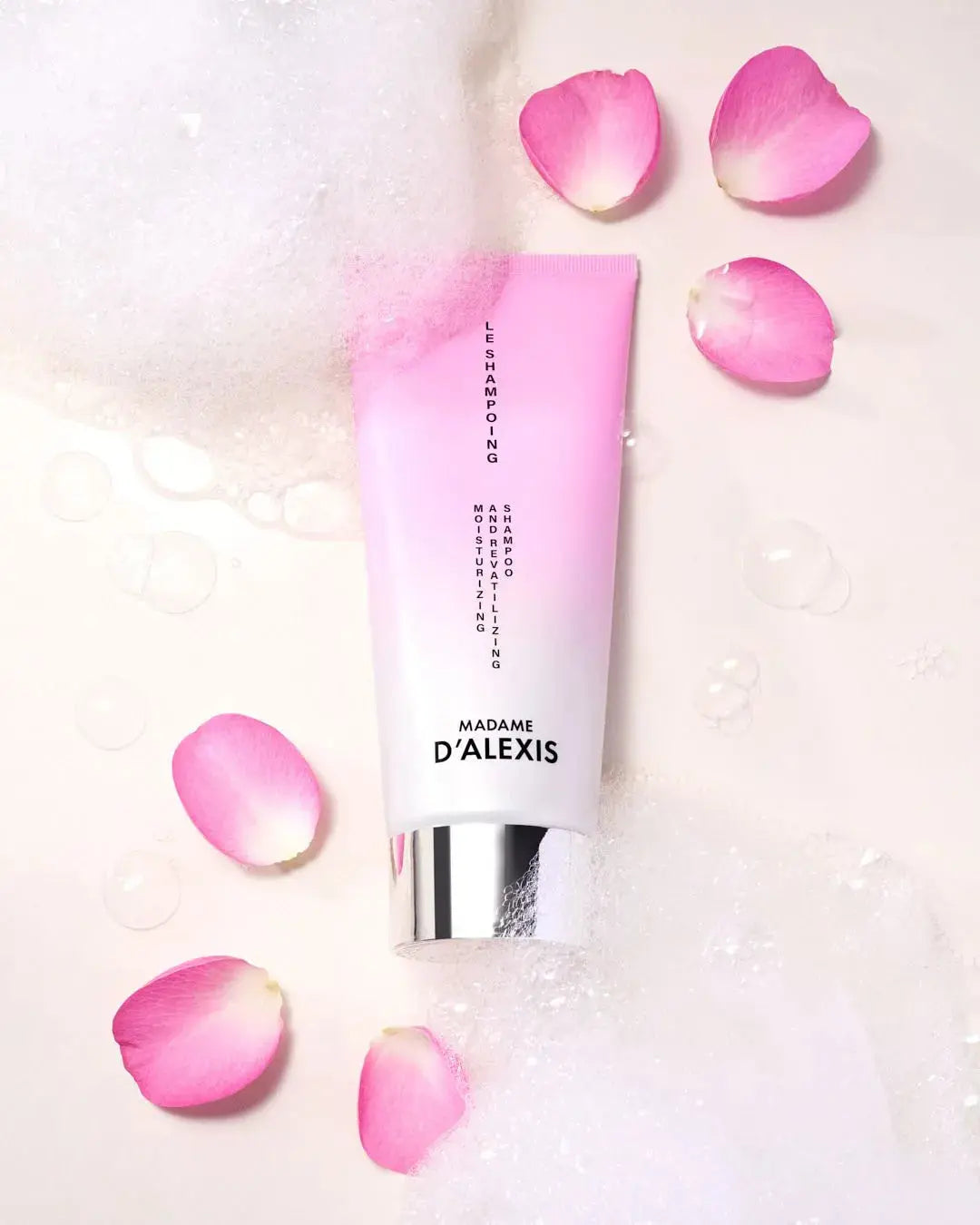
Hydrating Floral Shampoo
Organic hydrosols · Plant-based keratin · Cationic HA
- Cleanses without stripping the scalp
- Strengthens the fiber without weighing it down
- Ideal for fine or thinning hair
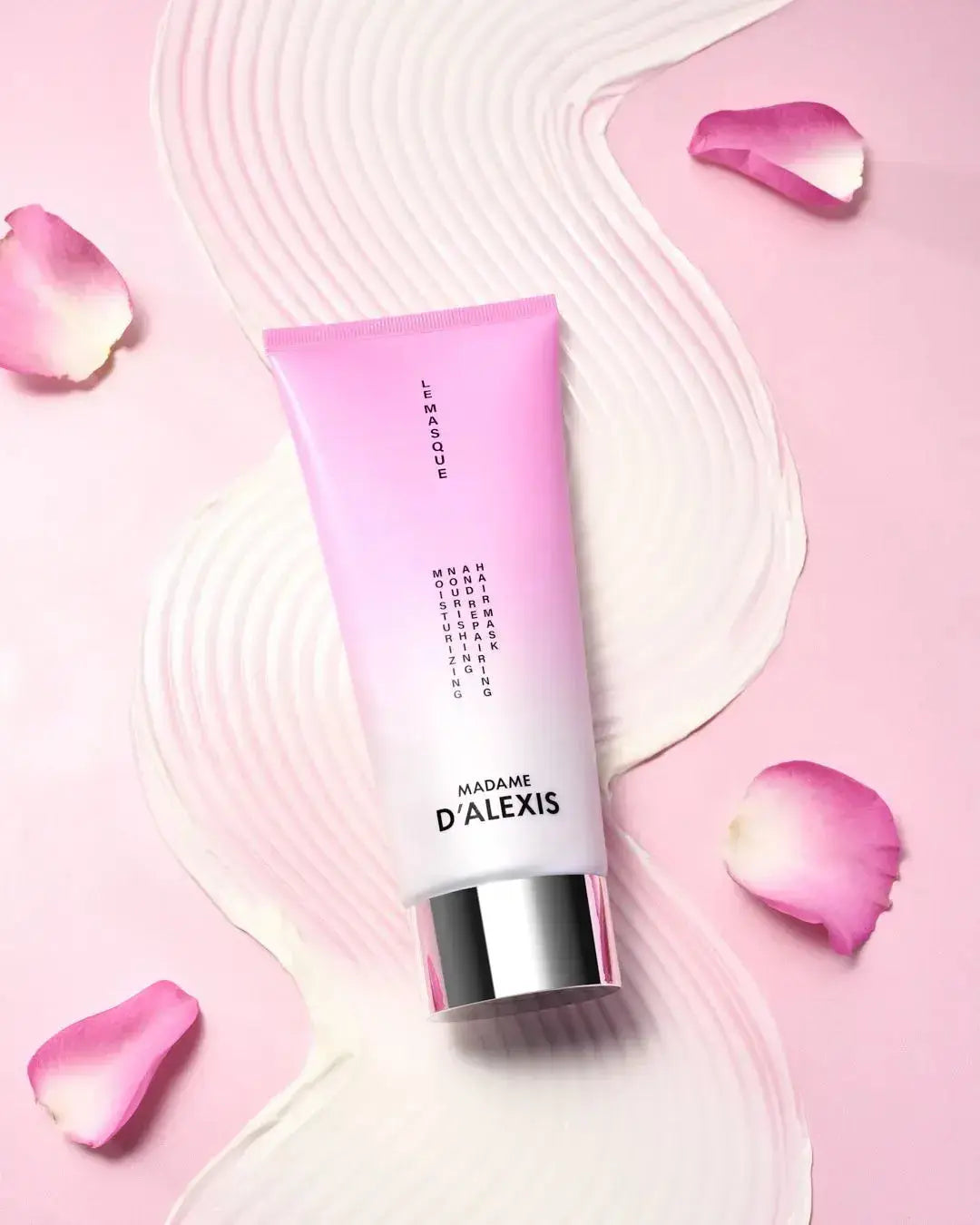
Hydrating Floral Mask
Plant-based ceramides · Cationic HA · Noble oils
- Improves fiber resistance
- Provides softness and shine
- Apply to the lengths, without weighing down the roots
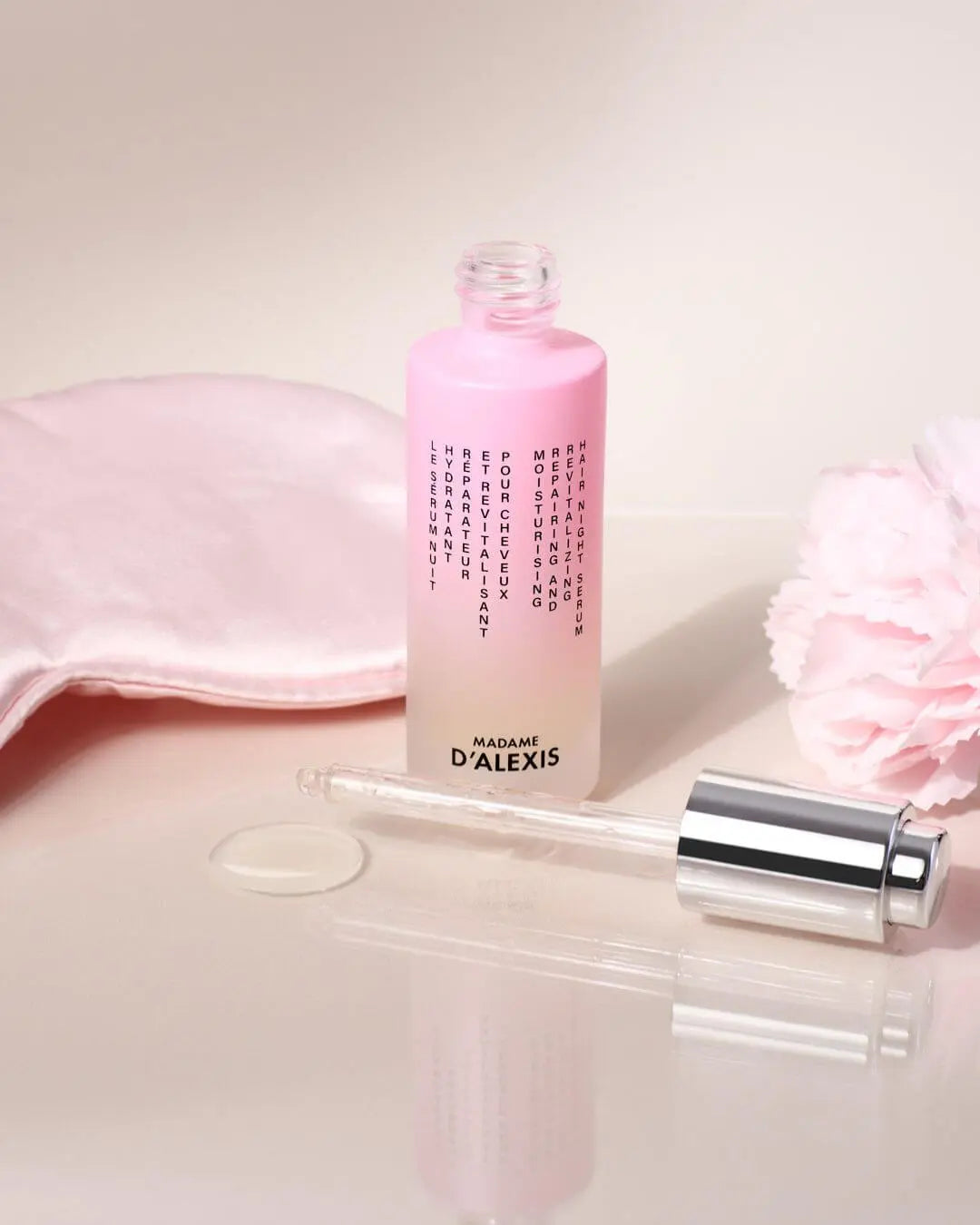
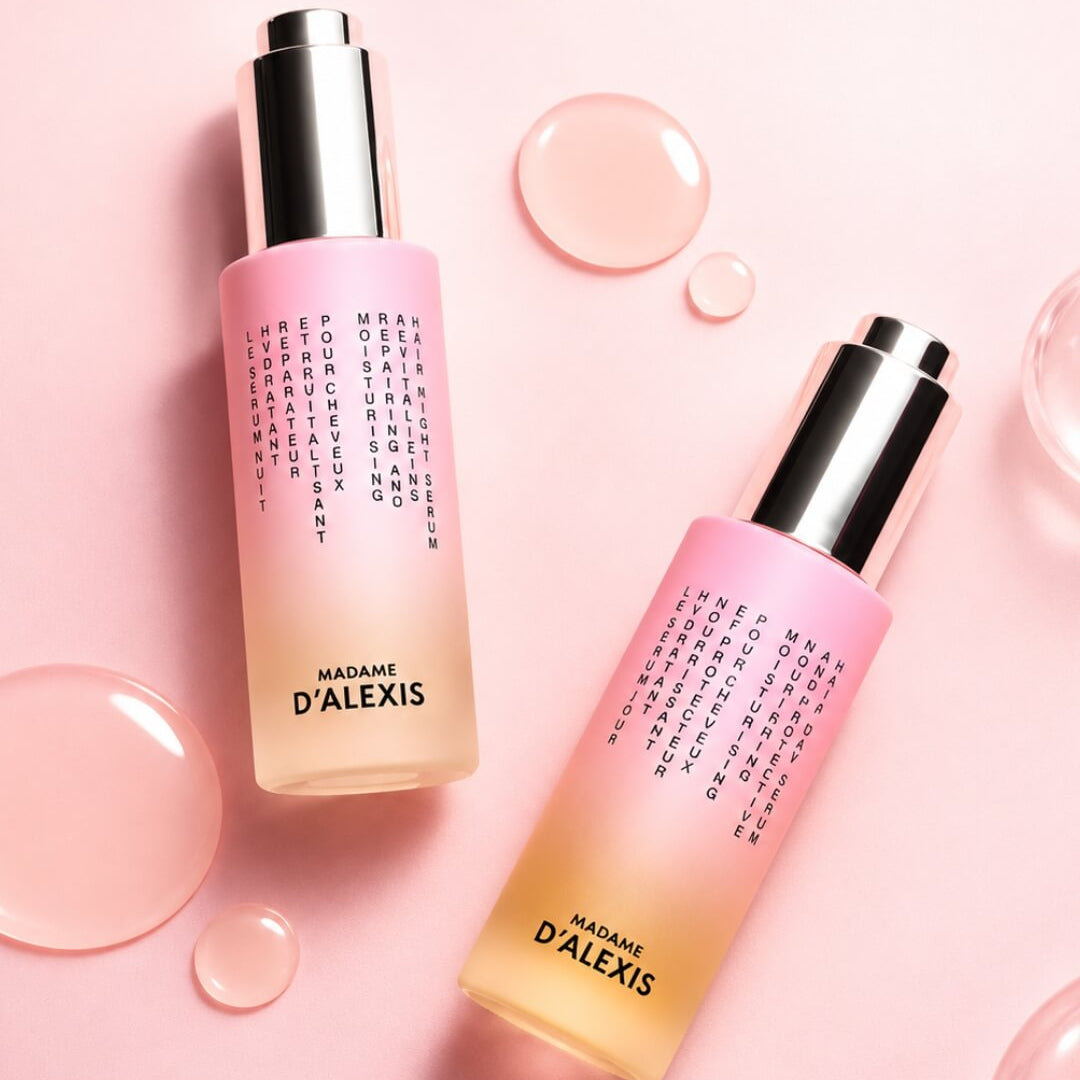
Densifying Night Serum
Scalp · Probiotics · Anti-hair loss actives
- Targeted scalp care, part by part
- Probiotics, postbiotics and fermented extracts
- Use as an 8 to 12-week treatment
Growth and density ritual
Floral Scrub + Night Serum · Root routine
- Purifies the scalp before the actives
- Targets the roots overnight
- Designed for thinning hair or hair losing density
Thinning hair: definition and difference with fine hair
Fine hair vs thinning hair: what trichology really says
These are two distinct realities, often confused.
Fine hair refers to the diameter of the hair fiber. A fine hair measures less than 60 microns in diameter - it is a structural characteristic, often genetic, which does not necessarily mean that we are losing it.
Thinning hair, on the other hand, refers to density: the number of hairs per square centimeter of scalp. A normal density is between 80 and 120 hair follicles/cm². Below that, we talk about thinning hair - and it shows.
The hair shaft itself can be fine or thick, regardless of density: we can have thinning hair with thick hair, or fine but abundant hair.
We can therefore have thick but low-density hair, or very fine and thinning hair at the same time - which is the hardest case to manage visually.
Trichology distinguishes two main mechanisms:
-
Follicular miniaturization: the follicles gradually shrink during the hair cycle, producing increasingly fine hair until they disappear. This process shortens the anagen phase (growth) and lengthens the telogen phase (resting).
-
Telogen effluvium: diffuse and temporary hair loss linked to a shock (stress, childbirth, deficiency), where the follicles prematurely enter the resting phase.
How to know if your hair is thinning? Signs to watch for
The warning signs are concrete:
-
Thinning hair part: it widens, the scalp becomes visible even without parting the hair - it is the first sign of a less dense appearance.
-
Overall volume decreases: where you used to put two turns of an elastic band, you now put three.
-
Sparse hair on the temples or the top of the head, areas where density drops first.
-
More hair in the brush than usual, persistently (more than 100/day for several weeks).
-
The texture changes: the hair seems softer, less resistant, the hair shaft thins.
If you are also looking to add volume to fine hair, know that the two issues - volume and density - are partly treated with the same levers: healthy scalp, strengthened fiber.
Why hair becomes thinning: the 6 main causes
Genetic factors and heredity
Androgenetic alopecia - the most frequent cause of thinning hair and hair loss - is polygeneic and hereditary by about 80%. It affects both women and men, even if it manifests differently.
The mechanism: a genetic sensitivity of the hair follicles to DHT (dihydrotestosterone), an androgen that shortens the growth phase and gradually miniaturizes the follicle. It is not a question of "too many" hormones - it is a question of overly sensitive receptors. The factors related to density loss are rarely isolated: genetics intertwine with the environment and lifestyle.
If your parents or grandparents had thinning hair, the risk is real. But genetics is not an absolute fatality: the environment, lifestyle and care can significantly slow down the process.
Hormonal imbalances (postpartum, menopause, thyroid)
Hormones are the first lever to investigate in thinning hair in women. Hormonal changes can trigger or worsen significant hair loss.
-
Postpartum: the drop in estrogens after childbirth causes massive telogen effluvium, often between the 2nd and 4th month. Spectacular but generally reversible.
-
Menopause: the drop in estrogens removes their protective effect on the follicles, which become more sensitive to androgens.
-
Thyroid: hypothyroidism as hyperthyroidism disrupt the hair cycle. An abnormal TSH is one of the first things to check in the face of diffuse hair loss.
-
PCOS: the excess of free androgens accelerates miniaturization.
Chronic stress and reactive hair loss
Stress raises cortisol, which pushes the follicles into the telogen phase (rest/loss) prematurely. It is telogen effluvium from stress - the loss occurs 2 to 3 months after the stressful episode, which makes the link difficult to identify.
This type of loss is reactive and potentially reversible if the cause is treated. It can also be a seasonal hair loss, particularly marked in autumn, which amplifies an already present thinning.
Nutritional deficiencies (iron, zinc, B vitamins)
Hair follicles are among the fastest dividing cells in the body - they are very sensitive to nutritional deficiencies. Diffuse hair loss is often the first visible symptom of a deficiency.
The most frequent deficiencies in cases of thinning hair:
-
Iron (ferritin): ferritin < 40 µg/L is often associated with diffuse hair loss, even without declared anemia.
-
Zinc: involved in keratin synthesis and androgen regulation.
-
B7 vitamins (biotin), B12, B9 (folates): essential for the cellular growth of the follicles.
-
Vitamin D: vitamin D receptors are present in the follicles; a deficiency is correlated with certain forms of alopecia.
A complete blood test is often the first useful step.
Mechanical and thermal aggression
Daily habits count more than we think and affect the blood circulation of the scalp:
-
Excessive heat (straightener > 200°C, hair dryer too close): weakens the fiber and the follicle.
-
Too tight hairstyles (buns, braids, extensions): traction alopecia is real and can become permanent if it lasts for years.
-
Repeated coloring and bleaching: weaken the structure of the fiber, amplify the impression of thinning.
-
Aggressive brushing on wet hair: the fiber is then 30% more fragile.
Aging and slowed follicular cycle
With age, the hair cycle lengthens: the anagen phase (growth) shortens, the telogen phase (rest) extends. Result: fewer hairs growing simultaneously, therefore a density that naturally decreases from the forties. Hair growth slows down, and the follicles produce finer hair.
This process is universal - but its pace varies according to genetics, lifestyle and the quality of care provided to the scalp.
Thinning hair: the key role of the scalp and the microbiome
A clogged scalp = suffocated follicles
The scalp is not just a passive support. It is a skin in its own right, rich in sebum, dead cells and microorganisms. When it is clogged - excess sebum, styling product residue, accumulated dead cells - the follicles are literally obstructed.
An obstructed follicle cannot produce a healthy hair. Local microcirculation is reduced, the oxygenation of the roots decreases, and growth slows down.
This is why exfoliating the scalp regularly is a fundamental step in any anti-thinning routine - not a luxury, a necessity.
Hair microbiome and density: the scientific link
Research on the scalp microbiome is recent but solid. A study published in Animal Models and Experimental Medicine (Zhang et al., 2024 - PMC9791053) analyzed the microbiome of 141 individuals and showed that people suffering from androgenetic alopecia presented a significantly reduced microbial diversity, with an overrepresentation of pro-inflammatory bacteria (Cutibacterium, Staphylococcus).
Scalp dysbiosis triggers a low-grade chronic inflammation that:
-
Shortens the anagen phase (growth)
-
Accelerates follicular miniaturization
-
Increases oxidative stress around the follicle
Conversely, a balanced microbiome supports the integrity of the skin barrier and optimizes the growth cycle. This is where topical probiotics and postbiotics come in: by rebalancing the scalp ecosystem, they create the conditions favorable to better health and better density.
Natural solutions for thinning hair: what really works
Scalp massage and microcirculation
It is one of the few interventions whose effectiveness is documented without equipment or product. A scalp massage of 4 minutes per day for 24 weeks was associated with an increase in hair thickness in a Japanese study (Koyama et al., 2016).
The mechanism is mechanical: massage stimulates microcirculation, improves the supply of nutrients and oxygen to the follicles, and can activate the cells of the dermal papilla.
Technique: circular movements with the pads of the fingers (not the nails), starting from the temples towards the crown of the head, 3 to 4 minutes morning or evening.
Proven natural active ingredients: oak, nettle, licorice, probiotics
Several active ingredients of natural origin have a serious mechanistic basis for stimulating hair growth and supporting hair density:
-
Nettle (Urtica dioica): partially inhibits 5-alpha-reductase, the enzyme that converts testosterone into DHT. Documented anti-inflammatory effect on the scalp.
-
Licorice (Glycyrrhiza glabra): glabridine also inhibits 5-alpha-reductase in vitro and exerts a powerful anti-inflammatory and antioxidant effect on the follicles.
-
Oak bark: rich in astringent tannins, it regulates excess sebum, cleanses the scalp, and strengthens the follicles through its antimicrobial action.
-
Castor oil: rich in fatty acids and ricinoleic acid, it nourishes the scalp during massage and can promote hair growth over several weeks.
-
Aloe vera: soothes and regenerates irritated scalp, creating a favorable environment for growth.
-
Probiotics and postbiotics: a meta-analysis published in Heliyon (2024) reports significant improvements in hair thickness and density with regular use of topical probiotics.
These active ingredients do not replace medical treatment in cases of advanced alopecia - but for clearly reactive or early thinning, they constitute the best treatment for thinning hair in women (and men) in a natural approach.
Bioactive hydrosols: why they outperform water in skincare
Ordinary distilled water is a neutral carrier. Organic floral hydrosols are something else: they are aromatic waters obtained by steam distillation of fresh plants, loaded with water-soluble active molecules.
-
Damask rose hydrosol: soothing, antioxidant, rebalances the scalp's pH.
-
Roman chamomile hydrosol: anti-inflammatory, ideal for reactive scalps.
-
Orange blossom hydrosol: toning, stimulates microcirculation.
Replacing water with organic hydrosols in the formulation of a treatment means transforming every gram of product into an active carrier - from the very first molecule.
What to avoid
Some common ingredients worsen thinning or mask the problem without treating it:
-
Sulfates (SLS, SLES): harsh detergents that damage the hydrolipidic film and irritate the scalp.
-
Silicones (dimethicone, cyclopentasiloxane): create an illusion of volume but clog the follicles over the long term.
-
Harsh preservatives (parabens, MIT): disrupt the scalp's microbiome.
-
Denatured alcohol at the top of the list: dries out and weakens the hair fiber.
Complete routine for thinning hair: 3 essential steps
An effective routine for thinning hair rests on three pillars: purify, nourish, treat. In that order. This structured routine is the key to regaining denser hair.
Step 1 - Purify the scalp
Before any active treatment, the scalp must be cleared of residue. This is the role of the Detoxifying & Purifying Floral Scrub.
Its sea salt mechanically exfoliates dead cells and product residue, stimulates microcirculation, and oxygenates the roots. Its organic hydrosols (rose, chamomile) and cationic hyaluronic acid complete the action by hydrating the scalp without weighing it down. The coconut oil present in the formula offers light protection.
Frequency: every 10 to 15 days, as a replacement for shampoo. Apply to damp scalp, massage for 2 to 3 minutes, rinse thoroughly.
Detoxifying Floral Scrub
Sea salt · Organic hydrosols · Scalp
- Exfoliates dead cells and residue
- Helps free the roots without irritation
- Use every 10 to 15 days
Step 2 - Nourish the fiber without weighing it down
A shampoo without sulfates or silicones is non-negotiable for fine and thinning hair. The Hydrating Floral Shampoo gently cleanses thanks to its mild surfactants, organic hydrosols, and plant-based keratin that strengthens the fiber from within - without residue, without weighing it down.
Complete with the Hydrating & Nourishing Floral Mask (plant ceramides, organic apricot and jojoba oils) to restore the fiber's intercellular bond and improve its resistance. Use once a week, avoiding the roots.
Hydrating Floral Shampoo
Organic hydrosols · Plant-based keratin · Cationic HA
- Cleanses without stripping the scalp
- Strengthens the fiber without weighing it down
- Ideal for fine hair or hair lacking density
Hydrating Floral Mask
Plant ceramides · Cationic HA · Noble oils
- Improves fiber resistance
- Provides softness and shine
- Apply to the lengths, without weighing down the roots
Step 3 - Treat the scalp at night
This is the most strategic step. At night, the skin actively regenerates - it is the ideal time to apply concentrated active ingredients directly to the scalp.
The Repairing & Densifying Night Serum is applied section by section, without rinsing, to dry or slightly damp scalp. Its key active ingredients:
-
Cationic HA: attaches to the negatively charged scalp, strengthens the root, and makes the hair visually thicker.
-
Probiotics & postbiotics: rebalances the microbiome, optimizes growth conditions.
-
Fermented extracts: cellular vitality and nighttime repair.
-
Oak, nettle, licorice: strengthen the follicles, stimulate hair growth, improve density.
Repairing & Densifying Night Serum
Scalp · Probiotics · Anti-hair loss active ingredients
- Section-by-section application, without rinsing
- Supports the scalp microbiome
- 8 to 12-week treatment, 3 to 5 evenings per week
Frequency: 3 to 5 times per week for a treatment (8 to 12 weeks), then 1 to 2 times per week for maintenance.
Routine summary table
|
Product |
Frequency |
Density benefit |
|---|---|---|
|
Detoxifying & Purifying Floral Scrub |
Every 10-15 days |
Unclogs the follicles, stimulates microcirculation |
|
Hydrating Floral Shampoo |
2-3x/week |
Gentle cleansing, strengthens the fiber without weighing it down |
|
Hydrating & Nourishing Floral Mask |
1x/week |
Restores the fiber, improves resistance |
|
Repairing & Densifying Night Serum |
3-5x/week (treatment) |
Night follicular treatment, visible density |
To get started, the growth and density ritual combines the Floral Scrub and the Night Serum - the two pillars of the anti-hair loss protocol - in a treatment format designed for 8 weeks.
Growth & Density Ritual
Floral Scrub + Night Serum · Scalp protocol
- Purifies the scalp before the active ingredients
- Targets the roots during the night
- Designed for thinning hair or hair losing density
Thinning hair in women vs men: differences and adaptations
In women: hormones, postpartum, menopause
Thinning hair in women manifests differently from male alopecia. The loss is generally diffuse, centered on the crown, with preservation of the frontal line - this is the pattern of female Ludwig alopecia.
The most frequent triggers:
-
Postpartum: massive drop 2 to 4 months after childbirth, due to the sudden drop in estrogens.
-
Menopause: the lasting drop in estrogens exposes the follicles to androgens - the thinning due to menopause gradually sets in over several years, over time.
-
Hormonal contraception: some progestogen pills can worsen an androgenetic background.
-
Restrictive diets: iron and protein deficiencies are very frequent in women who follow low-calorie diets. Rapid weight loss can trigger telogen effluvium.
For thinning hair in women, the combined approach - hormonal assessment + nutritional assessment + scalp routine - is the most effective.
In men: androgenetic alopecia and natural solutions
In men, thinning hair in men most often follows the Hamilton-Norwood pattern: receding frontal line, thinning of the vertex (crown), then progressive joining of the two areas.
The cause is almost exclusively androgenetic alopecia - the sensitivity of the follicles to DHT. The process sometimes starts as early as the twenties.
Natural solutions can help slow down the progression, notably:
-
5-alpha-reductase inhibitors (nettle, licorice, saw palmetto)
-
Daily scalp massage
-
A nighttime serum with anti-hair loss active ingredients applied to the affected areas
However, advanced male androgenetic alopecia (Norwood stages V to VII) goes beyond the scope of natural care - a dermatological consultation is required.
When to consult a professional? The limits of natural care
Natural care is effective within a specific range: reactive thinning and early thinning.
Consult a dermatologist or trichologist if:
-
The loss is sudden and massive (more than 150 hairs/day for more than a month) - this is a warning symptom
-
Hairless patches appear (alopecia areata)
-
The frontal line visibly recedes in a few months
-
The scalp presents lesions: persistent redness, thick scales, pain
-
No improvement after 3 months of a well-conducted routine
-
You suspect an undiagnosed hormonal or thyroid cause
A dermatology consultation with a complete trichological assessment (trichoscopy, blood tests) can distinguish reversible telogen effluvium from scarring alopecia or advanced androgenetic alopecia—two conditions that require medical management.
Natural treatments are not a substitute for a medical diagnosis. They complement, support, and maintain—but they have limits that must be clearly stated.
FAQ - Thinning hair: your frequently asked questions
What is the difference between fine hair and thinning hair?
Fine hair refers to the diameter of the hair fiber (< 60 microns). Thinning hair refers to reduced density—fewer active follicles per cm². You can have both (very fine and thinning hair), or one without the other. The treatment is not exactly the same: fine hair needs fiber strengthening, while thinning hair requires work on the scalp and follicles.
Can thinning hair grow back?
Yes, in reactive cases (stress, postpartum, deficiency, telogen effluvium). The follicles are still alive but dormant—an appropriate routine and addressing the underlying cause can restart growth in 3 to 6 months. In cases of advanced androgenetic alopecia with complete miniaturization, natural regrowth is very limited.
What treatment should women use for thinning hair?
A leave-on overnight treatment applied directly to the scalp is the most effective approach. It should contain anti-hair loss active ingredients (nettle, licorice, oak), probiotics/postbiotics for the microbiome, and a film-forming agent such as cationic hyaluronic acid to strengthen the roots. Combine with a scalp exfoliant every two weeks.
Is thinning hair hereditary?
For the most part, yes. Androgenetic alopecia—the most common cause of thinning hair—is hereditary in about 80% of cases, transmitted through both parental lineages. But genetics is only one risk factor: the environment, lifestyle, and care significantly influence the speed and intensity of the process.
How can I tell if my part is widening?
The simplest method: photograph your thinning hair part under the same conditions (same lighting, same angle) every month. A part that gradually widens, with the scalp becoming increasingly visible, is a reliable sign of loss of density. You can also compare the width of your part to a photo from 6 or 12 months ago.
Can you use an overnight serum on thinning hair every day?
During a treatment course (8 to 12 weeks), use 3 to 5 times per week is recommended—not necessarily every day, to allow the scalp to absorb and respond to the active ingredients. For maintenance, 1 to 2 times per week is sufficient. Daily use is not contraindicated, but it does not provide any proven additional benefit.
What shampoo should I choose for fine and thinning hair?
A shampoo without sulfates (SLS/SLES), silicones, or denatured alcohol. These ingredients irritate the scalp and weigh down the fiber. Choose formulas with mild surfactants (cocoamphodiacetate, glucosides), active organic hydrosols, and plant-based keratin to strengthen without leaving residue.
Do organic hydrosols really help with loss of density?
Directly, no—hydrosols are not anti-hair loss active ingredients in the strict sense. Indirectly, yes: by replacing neutral distilled water in formulas, they provide active molecules (anti-inflammatory, antioxidant, rebalancing) that improve overall scalp health—an essential foundation for good density. This is a foundational approach, not a targeted treatment.
What are the causes of thinning hair?
The causes of thinning hair are multiple and often combined. Genetics is the most influential factor, responsible for androgenetic alopecia. Hormonal changes (postpartum, menopause, thyroid) trigger reactive hair loss. Chronic stress causes diffuse hair loss through telogen effluvium. Nutritional deficiencies (iron, zinc, B vitamins) weaken the hair follicles. Mechanical damage (tight hairstyles, heat) and aging slow hair growth. Rarely occurring in isolation, these factors related to loss of density intertwine and mutually amplify one another.
How should thinning hair be treated?
The treatment of thinning hair follows a hierarchy of effectiveness. First, establish a targeted scalp routine: regular exfoliation (every 10–15 days) and an anti-hair loss overnight serum to rebalance the microbiome and strengthen the hair follicles. In addition, a daily scalp massage combined with an essential oil (rosemary, lavender) stimulates blood circulation. If a deficiency is confirmed, a suitable hair supplement (iron, zinc, biotin) supports regrowth. For advanced cases of androgenetic alopecia, a hair transplant remains the definitive medical option, to be explored after a dermatology consultation.
What natural solutions are there for thinning hair?
Effective natural solutions combine several approaches. Botanical active ingredients (nettle, licorice, oak) partially inhibit conversion into DHT and reduce inflammation. Essential oils (lavender, rosemary) applied in a massage stimulate hair growth and microcirculation. Castor oil, rich in fatty acids, nourishes and can promote growth with regular massage. Aloe vera soothes irritated scalp. A balanced diet rich in vitamins (B7, B12, D) and minerals (iron, zinc) supports follicle health. These alternative remedies work deeply over several weeks, not as an emergency measure—they form the foundation of a sustainable natural approach.
How can thinning hair be made to look thicker?
Making thinning hair look thicker relies on two complementary approaches. First, act on the hair cycle itself: an anti-hair loss overnight serum containing active ingredients such as cationic hyaluronic acid and probiotics strengthens the hair shaft and prolongs the anagen (growth) phase, thus increasing the number of active hairs. Next, visually optimize volume: a suitable haircut (short to mid-length cuts, layered styles that create movement) and silicone-free volumizing products create an immediate illusion of density. Combining both strategies—hair cycle treatment + visual optimization—offers the best results.
What medical treatments are available for thinning hair?
Medical treatments for thinning hair offer several options depending on the cause and severity. Minoxidil (topical) is the best-documented molecule, effective for telogen effluvium and mild to moderate androgenetic alopecia. Finasteride (a 5-alpha-reductase inhibitor) is reserved for men and available by prescription. Hair mesotherapy involves injections of nutrient cocktails directly into the scalp to revitalize the follicles. Hair transplantation remains the definitive solution for advanced alopecia. Before any medical treatment, a complete hair assessment by a dermatologist—including trichoscopy and blood tests—allows the exact cause to be identified and the most suitable approach chosen.
How can I identify thinning hair?
Identifying thinning hair relies on several concrete signs. A thinning hair part gradually widens, and the scalp becomes visible without parting the hair. Overall volume decreases: where you once needed two hair ties, you now need three. A persistent loss of more than 100 hairs per day in the brush for several weeks signals a problem. A hair assessment by a dermatologist, supplemented by trichoscopy, allows for an accurate evaluation of the state of the hair follicles and a diagnosis of the cause (telogen effluvium, androgenetic alopecia, scalp dysbiosis). This professional diagnosis is essential for tailoring the treatment.
What hairstyles are best for thinning hair?
The best hairstyle for thinning hair maximizes apparent volume. Short to mid-length cuts (bob, layered cut) create movement and give the illusion of density. Avoid tight ponytails at all costs, as they cause traction alopecia and worsen thinning. Slightly lighter hair colors (balayage, subtle highlights) create an optical illusion of density by playing with contrast. Styling tips: dry hair by lifting the roots with your fingers, use a diffuser rather than a concentrator, and avoid repeated straightening, which weakens the fiber. A suitable hairstyle, combined with an effective scalp routine, offers visible results quickly.
Useful sources
-
Zhang Q. et al., Comparative analysis of scalp and gut microbiome in androgenetic alopecia patients, Animal Models and Experimental Medicine, 2024 - pmc.ncbi.nlm.nih.gov/articles/PMC9791053
-
Trüeb R.M. et al., Scalp Condition Impacts Hair Growth and Retention via Oxidative Stress, International Journal of Trichology, 2018 - pmc.ncbi.nlm.nih.gov/articles/PMC6369642
-
Androgenetic Alopecia - StatPearls, NCBI Bookshelf - ncbi.nlm.nih.gov/books/NBK430924
-
Bai Y. et al., Probiotics and hair health: a systematic review and meta-analysis, Heliyon, 2024 - pmc.ncbi.nlm.nih.gov/articles/PMC11064082
-
Koyama T. et al., Standardized Scalp Massage Results in Increased Hair Thickness, ePlasty, 2016 - pmc.ncbi.nlm.nih.gov/articles/PMC4740347
Conseils