Conseils
Brittle hair: causes and solutions for stronger hair
Is your hair breaking? Discover the 3 main causes (chemical, mechanical, nutritional deficiencies) and a progressive 4-week routine to repair it naturally. Masks, organic hydrosols, and simple habits to restore strong, shiny hair.

The main causes of hair breakage are three: chemical damage (bleaching, straightening), mechanical damage (aggressive brushing, tight hairstyles), and nutritional deficiencies (lack of hydration, poor diet).
To repair it, adopt a progressive 4-week routine combining repairing masks, moisturizing serums, and organic hydrosols, while strengthening your hair fiber from the inside out.

Why your hair breaks: the main causes
Your breakage hair is never inevitable. Understanding the causes of hair breakage is the first step to regaining a strong and shiny head of hair.
The three categories of causes
1. Chemical damage: the main factor
Bleaching, straightening, and chemical treatments are among the biggest enemies of your hair. These processes alter the structure of the hair fiber by damaging the natural proteins that make it up.
- Bleaching: removes melanin and weakens the keratin
- Straightening and chemical straightening: break the internal bonds of the fiber
- Repeated coloring: gradually dries out the hair
Tip: space out your chemical treatments by at least 6 to 8 weeks to allow your hair to recover.
2. Mechanical damage: the daily aggression
Your daily habits play a crucial role. Aggressive brushing, tight hairstyles, or frequent use of a straightener and a hair dryer gradually weaken your hair mass.
- Excessive brushing: creates split ends and breaks the tips
- Tight hairstyles: cause hair loss and breakage at the roots
- Heating devices: excessive heat dehydrates the fiber
- Friction on the pillow: damages the hair during sleep
Useful gesture: detangle your hair gently with a wide-tooth comb, preferably on wet hair and after applying a leave-in treatment.
3. Nutritional deficiencies: the internal factor
A poor diet, stress, and lack of hydration weaken your hair from the inside. Vitamins, proteins, and omega fatty acids are essential to the health of your hair.
- Lack of protein: weakens the natural keratin
- Iron and zinc deficiency: slows down growth and increases hair loss
- Dehydration: makes the hair dry and brittle
- Environmental stress: disrupts the balance of the scalp
Balanced diet: favor lean meats, fish rich in omega, fruits, vegetables, and foods rich in biotin.
The best hair care for breakage hair
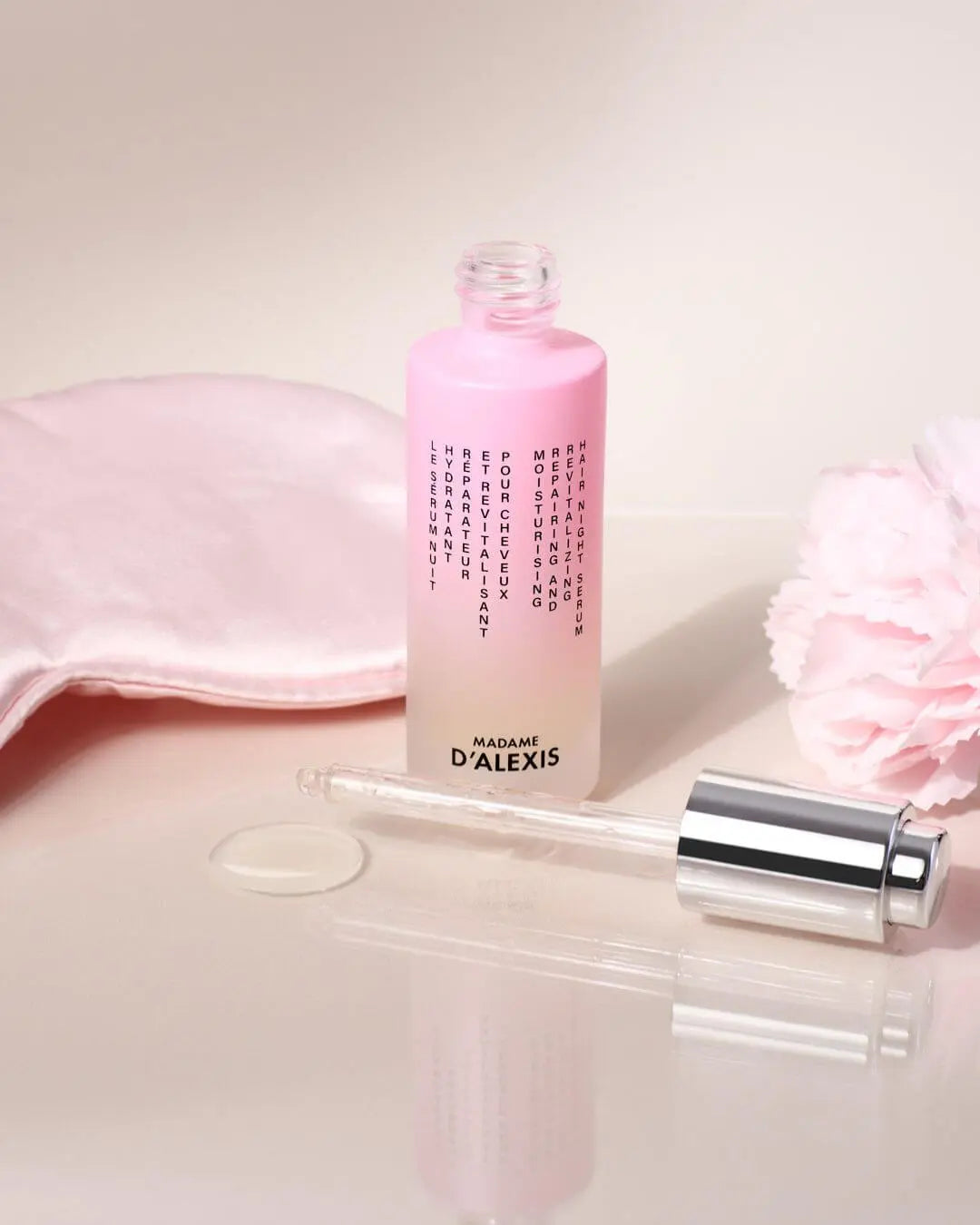
Recognizing the warning signs: your hair is talking to you
Before starting a treatment, identify the signs that your hair is truly brittle.
The signals you should not ignore
|
Warning sign |
What it means |
Action to take |
|---|---|---|
|
Visible split ends |
Damaged fiber at the ends |
Cut regularly + repairing mask |
|
Hair breaking in the middle |
Generalized fragility of the fiber |
Intensive routine + hydration |
|
Lack of elasticity |
Loss of deep hydration |
Oil bath + moisturizing serums |
|
Loss of shine |
Damaged cuticles |
Moisturizing treatment + scalp care |
|
Dry and rough hair |
Lack of natural sebum |
Oils vegetable + organic hydrosols |
|
Breakage during brushing |
Mechanical fragility |
Gentle brushing + gentle products |
Expert advice: if you notice abnormal hair loss (more than 100 hairs per day), consult a beauty professional or a dermatologist.

Natural solutions: how to repair breakage hair
The good news? Your hair can regenerate! With the right care and the right habits, you can regain a strong and supple fiber in a few weeks.
The best care for breakage hair
Repairing masks: the basis of repair
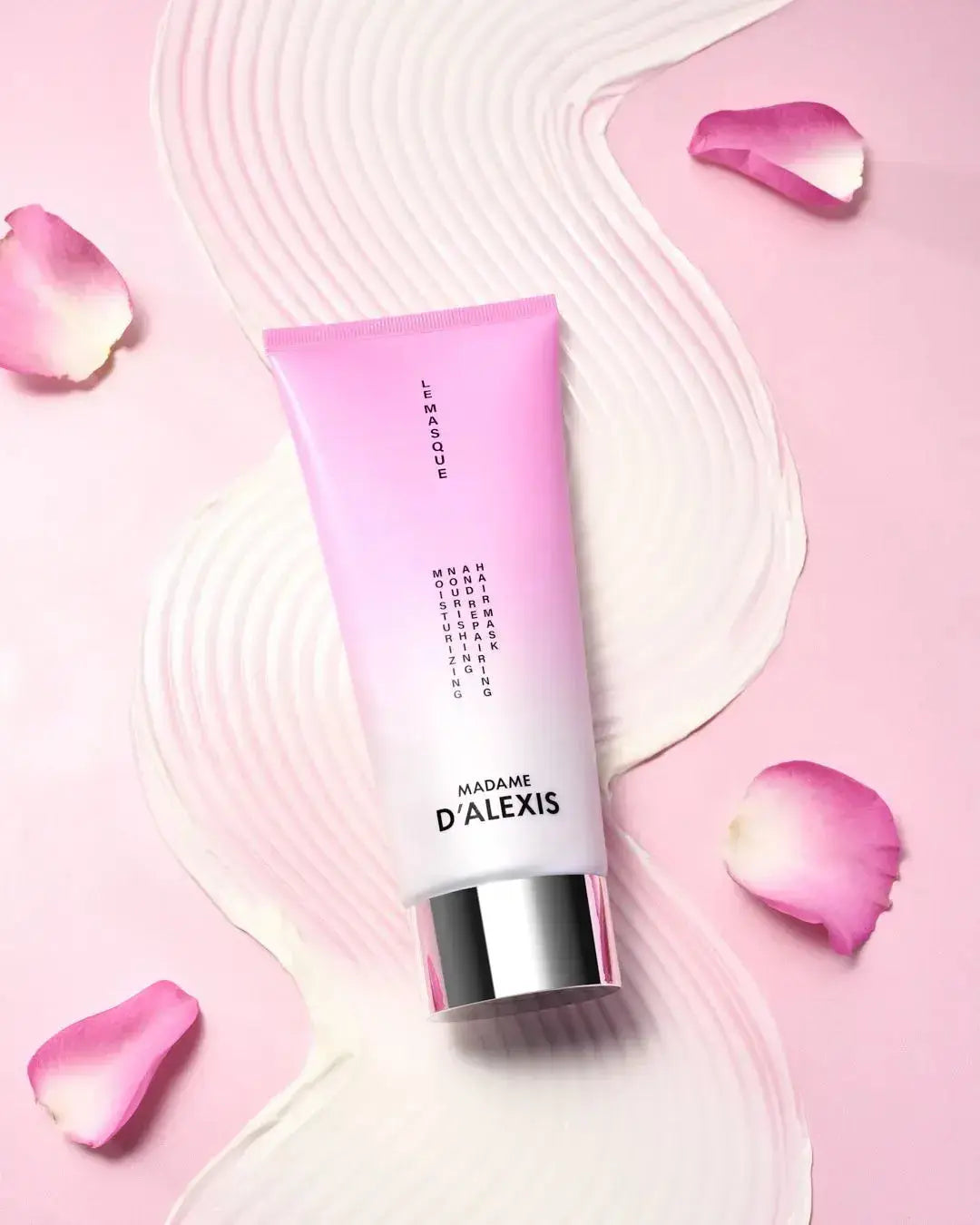
A hair mask rich in proteins and hydration is your best ally. Apply it 1 to 2 times a week to the lengths and ends.
Effective ingredients:
- Plant-based keratin: plant-based keratin strengthens the structure
- Proteins: rebuilds the damaged fiber
- Coconut oil: nourishes deeply
- Shea butter: soothes and hydrates
- Organic hydrosols: natural and gentle base
Application: leave on for 15 to 20 minutes, then rinse with lukewarm water.
Serums and oils: targeted nutrition
The day serums and oil baths target the most damaged areas. They penetrate the hair fiber to nourish it from the inside.
Recommended vegetable oils:
- Argan oil: rich in fatty acids and vitamin E
- Coconut oil: protects and hydrates
- Olive oil: nourishes the ends
- Almond oil: soothes the scalp
Use: apply to the ends and lengths, 2 to 3 times a week.

Organic hydrosols: the natural base
The organic hydrosols are the signature of Madame D'Alexis. Unlike regular water, they contain the natural active ingredients of plants without chemical additives.
Recommended hydrosols:
- Chamomile hydrosol: soothes and strengthens
- Rose hydrosol: hydrates and restores shine
- Aloe vera hydrosol: healing and hydrating
Tip: use them as the base of your care or as a spray to hydrate your hair throughout the day.
Gentle shampoo: the fundamental
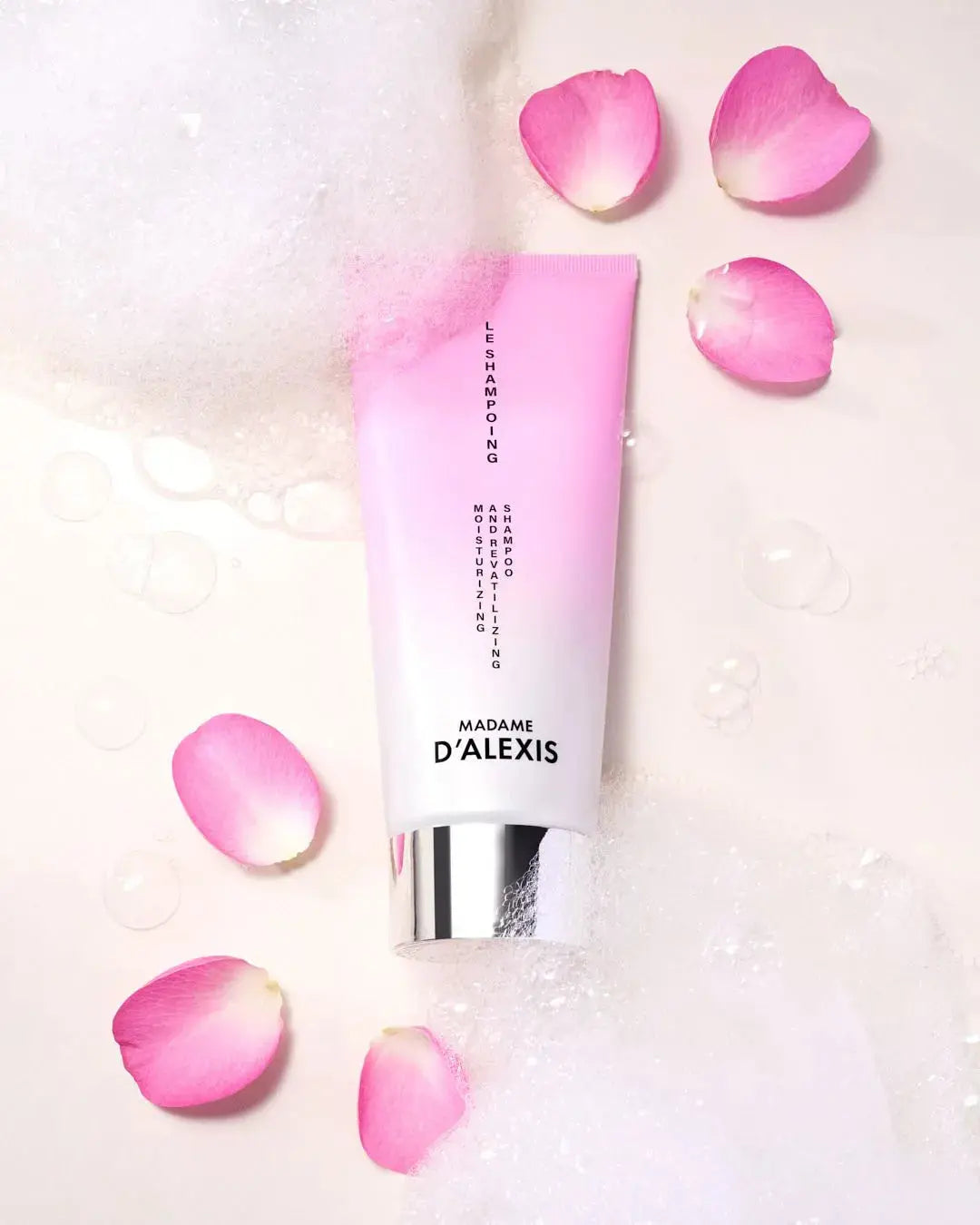
Forget aggressive shampoos. Opt for a sulfate-free moisturizing shampoo that cleanses without stripping.
Key Features:
- No harsh sulfates
- Rich in proteins and moisture
- Gentle formula for sensitive scalps
- Organic floral water base
Progressive Repair Routine: 4 Weeks to Transform Your Hair
The repair of brittle hair is a progressive process. Here is a routine tailored to each week.
Weeks 1-2: Emergency Hydration Phase
Goal: deeply rehydrate the hair fiber and stop breakage.
|
Day |
Morning |
Evening |
|---|---|---|
|
Mon-Wed-Fri |
Hydrating floral water spray |
Leave-in treatment on ends |
|
Tue-Thu-Sat |
Gentle brushing + comb |
Repair mask (15 min) |
|
Sunday |
Oil treatment (30 min before shampooing) |
Rest |
Key Products: repair mask, leave-in treatment, organic floral water spray
Weeks 3-4: Strengthening and Elasticity Phase
Goal: strengthen the hair fiber and restore elasticity.
|
Day |
Morning |
Evening |
|---|---|---|
|
Mon-Wed-Fri |
Day serum on ends |
Leave-in treatment |
|
Tue-Thu-Sat |
Gentle brushing |
Strengthening mask (20 min) |
|
Sunday |
Rich oil treatment (30-45 min) |
Rest |
Key Products: day serum, strengthening mask, oil treatment, organic floral water
Expected Results After 4 Weeks
- ✓ Visible reduction in breakage
- ✓ Less split ends
- ✓ Better elasticity and softness
- ✓ Restored shine
- ✓ Stronger and more resistant hair
Tip: continue this routine by adapting it to your needs. Hair health is a long-term commitment.
Daily Habits to Prevent Breakage
Even with the best treatments, your daily habits make all the difference.
Gentle Detangling
- Use a wide-tooth comb, never a standard brush
- Detangle on wet hair after applying a leave-in treatment
- Start with the ends, gradually working your way up
- Avoid sudden movements
Limit Heat
- Space out the use of the hair dryer and flat iron
- Always use a heat protectant beforehand
- Prefer air-drying when possible
- Set the temperature to a moderate level
Avoid Tight Hairstyles
- Alternate styles (buns, braids, loose hair)
- Use suitable accessories (soft elastics, metal-free clips)
- Let your hair breathe for at least 2-3 days a week
Gentle and Regular Brushing
- Brush 1 to 2 times a day maximum
- Use high-quality accessories
- Avoid brushing dry hair
- Be particularly gentle with the ends
Regular Hydration
- Drink at least 1.5 liters of water a day
- Apply hydrating treatments 2 to 3 times a week
- Use organic floral waters in a spray daily
- Limit very hot showers
Balanced Diet for Strong Hair
Your diet directly impacts the health of your hair.
Foods to Favor:
- Lean meats and fish (protein, iron)
- Eggs (biotin, protein)
- Fruits and vegetables (vitamins, minerals)
- Dried fruits (omega, zinc)
- Legumes (plant-based protein)
Useful Supplements:
- Biotin: strengthens the structure
- Zinc: stimulates growth
- Iron: prevents hair loss
- Omega-3: nourishes the fiber
FAQ: Your Questions About Brittle Hair
What causes brittle hair?
Brittle hair results from three factors: chemical aggressors (bleaching, straightening), mechanical damage (aggressive brushing, tight hairstyles, heat styling tools), and nutritional deficiencies (lack of hydration, poor diet, stress).
How can brittle hair be repaired quickly?
There is no miracle solution, but a consistent routine delivers results in 4 weeks. Combine repair masks, hydrating serums, organic floral waters, and gentle daily habits. Natural products made with organic floral waters are particularly effective.
What is the best treatment for brittle hair?
The best treatment combines hydration and strengthening. A hair mask rich in proteins and organic floral waters, combined with a day serum and a weekly oil treatment, delivers the best results.
How can hair breakage be prevented?
Adopt a gentle routine: detangle gently, limit heat, avoid tight hairstyles, brush regularly but delicately, stay well hydrated, and maintain a balanced diet rich in protein and vitamins.
How long does it take to repair brittle hair?
Allow 4 weeks to see visible results with a consistent routine. However, lasting hair health requires 2 to 3 months of consistent treatment.
Should split ends be cut?
Yes, split ends cannot be repaired. Cut them regularly (every 6-8 weeks) to prevent breakage from traveling up the hair shaft. Combine this cut with a repair routine to prevent them from reappearing.
Can brittle hair return to normal?
Absolutely! With a tailored routine and gentle habits, your hair will regain strength and elasticity. The hair fiber regenerates naturally, especially if you eliminate the factors causing breakage.
What shampoo should be chosen for brittle hair?
Opt for a gentle shampoo, sulfate-free, enriched with proteins and organic floral waters. Avoid overly harsh formulas that worsen breakage. A hydrating shampoo made with organic floral waters is ideal.
How can brittle hair be strengthened from within?
Strengthen your hair from within with a balanced diet rich in protein, iron, zinc, and biotin. Dietary supplements can help, but a good lifestyle and regular hydration are essential.
Why does my hair break in the middle and not just at the ends?
Breakage in the middle indicates generalized weakness of the hair fiber, often due to repeated chemical treatments, excessive heat, or insufficient hydration. An intensive, progressive routine is necessary.
What causes brittle hair?
The causes of brittle hair are numerous and often result from a combination of internal and external factors. Brittle hair appears when the hair fiber loses its strength and elasticity.
Among the contributing factors, chemical treatments are one of the main causes. Bleaching, straightening, or repeated coloring weakens keratin and alters the hair's internal structure. This weakening makes the fiber more susceptible to breakage.
The excessive use of heat styling tools such as hair dryers, flat irons, or curling irons is also a common cause. Excessive heat dehydrates the hair fiber and causes a progressive loss of strength.
Internal factors also play an important role. A poor diet lacking in protein, iron, or vitamins can weaken hair growth and quality. When essential nutrients are lacking, the hair fiber becomes weaker and more prone to breakage.
In summary, brittle hair is often linked to a combination of chemical treatments, excessive use of heat styling tools, and nutritional deficiencies. Identifying these causes is the first step toward adopting the right treatments.
How can brittle hair be repaired?
To repair brittle hair, it is essential to establish a tailored hair routine combining hydration, nourishment, and protection.
The first step is to use a nourishing mask once or twice a week. Masks rich in proteins, vegetable oils, and hydrating active ingredients help strengthen the fiber and limit breakage. Among the effective natural ingredients, olive oil is recognized for its nourishing and protective properties.
Natural products are particularly useful for gradually restoring the hair fiber without damaging it. Oil treatments, plant-based floral waters, and repair serums help hydrate the lengths and improve hair softness.
A leave-in treatment can also be applied to the ends to protect the most weakened areas. This type of product forms a protective barrier that limits external aggressors.
Finally, repairing brittle hair requires appropriate treatment over time. A regular routine, combined with gentle habits and suitable products, delivers visible results in a few weeks.
How can brittle hair be strengthened?
To strengthen brittle hair, the goal is to restore the hair fiber's natural strength and its ability to withstand daily aggressors.
Strengthening treatments work directly on the hair structure. Strengthening products containing proteins, ceramides, or amino acids help to nourish the fiber and improve its strength.
A regular routine also helps restore the elasticity of the hair. When the fiber is well hydrated and nourished, it gradually regains its softness and its ability to bend without breaking.
It is also important to protect the hair against external aggressors such as heat, pollution, or mechanical friction. Using a protective serum or leave-in treatment helps preserve the fiber.
Finally, essential vitamins play a key role in hair health. A diet rich in protein, iron, zinc, and biotin helps to strengthen hair by supporting its growth and resistance.
What steps should you take for brittle hair?
Adopting the right steps for brittle hair is essential to limit breakage and preserve the health of the hair fiber. Weakened hair requires suitable care but also gentler daily habits in order to protect the hair from damage.
The first thing to do is to detangle gently. Use a wide-tooth comb and always start with the ends before working your way up to the roots. This technique reduces tension on the fiber and limits the risk of breakage.
It is also important to use suitable accessories. Overly tight elastics, metal clips, or rigid accessories can weaken the hair fiber. Opt for soft elastics and hair ties designed to respect the structure of the hair.
To preserve hair health, it is advisable to space out chemical treatments such as coloring, bleaching, or straightening. These processes alter the structure of the fiber and can accentuate fragility when performed too frequently.
The choice of products also plays a decisive role. It is preferable to choose gentle products, formulated without harsh agents, in order to respect the natural balance of the scalp and the hair fiber.
Finally, it is essential to limit exposure to external damage. The heat from styling tools, the sun, pollution, or repeated friction can weaken the hair. Adopting a protective routine thus allows you to protect the hair from damage and permanently reduce the risk of breakage.
Why does hair become brittle?
Hair becomes brittle when the hair fiber loses its ability to resist tension and external damage.
One of the frequent causes is hygral fatigue, a phenomenon that occurs when hair undergoes repeated cycles of wetting and drying. This alternation gradually weakens the internal structure of the hair.
Excessive exposure to heat, the sun, or pollution can also alter the hair fiber. These external factors cause dehydration and a loss of elasticity.
The chemical products used during coloring, bleaching, or straightening alter the structure of the keratin and make the hair more vulnerable to breakage.
A lack of hydration is also an important cause. Dry hair quickly becomes more fragile and breaks more easily.
Finally, internal factors such as stress, fatigue, or certain nutritional deficiencies can weaken the quality of the hair and promote breakage.
Understanding why hair becomes brittle allows you to adapt your hair routine and adopt suitable repairing treatments.
Discover our damaged hair collection
At Madame D'Alexis, all our treatments are formulated with organic hydrosols as a base. This unique approach guarantees maximum effectiveness while respecting your hair fiber.
Our recommended products for brittle hair:
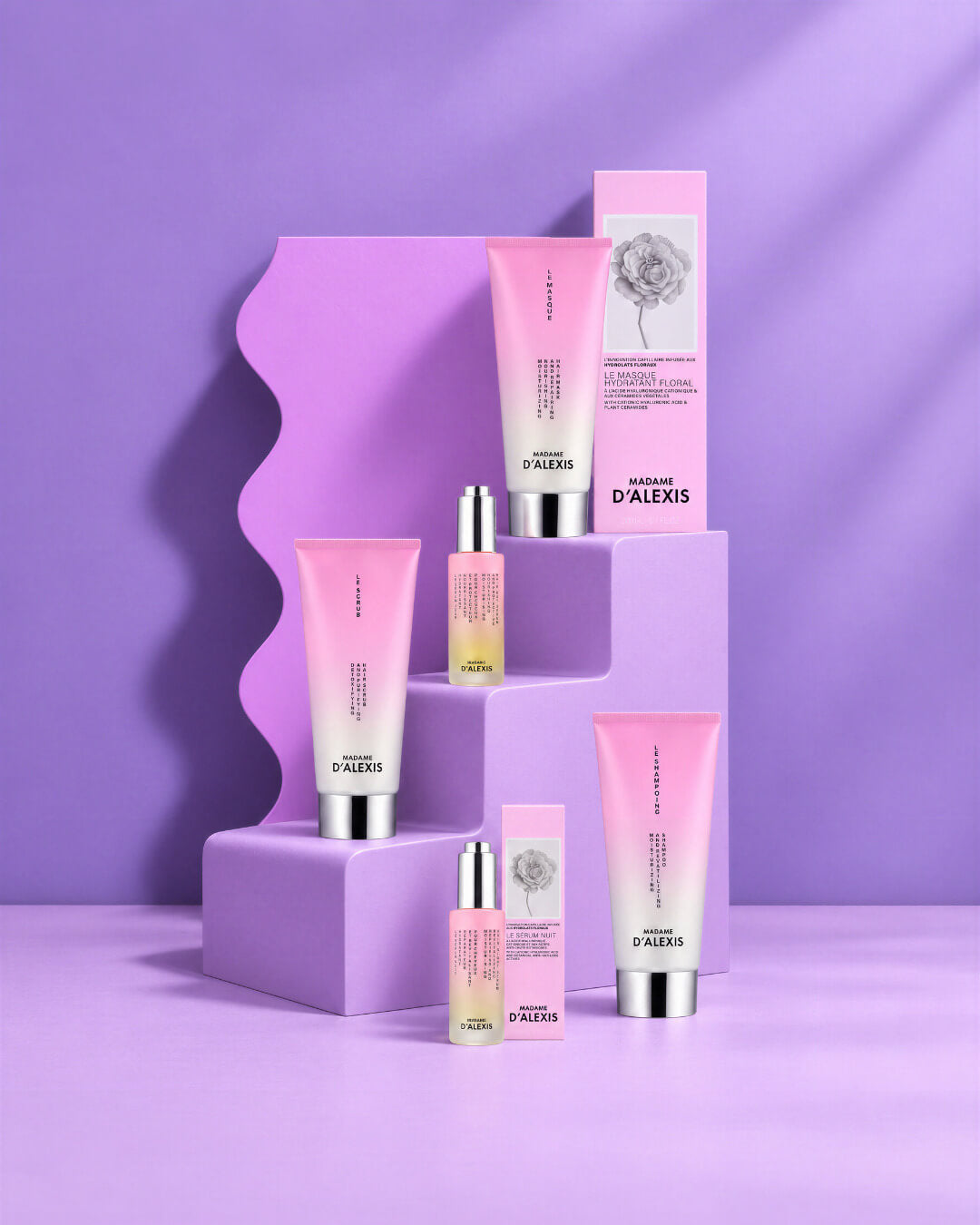
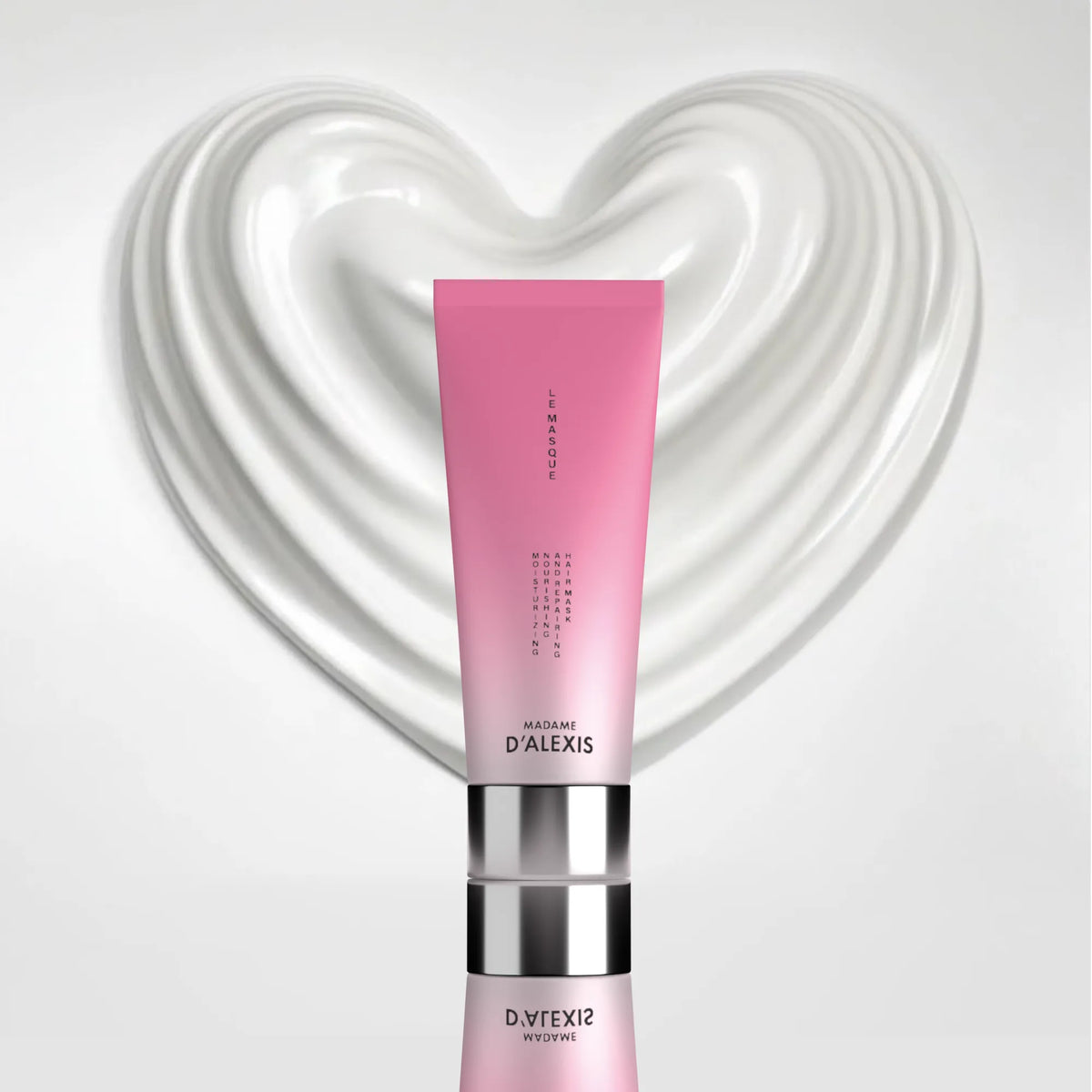
- Repairing masks based on organic hydrosols
- Strengthening and protective day and night serums
- Detoxifying scalp scrub
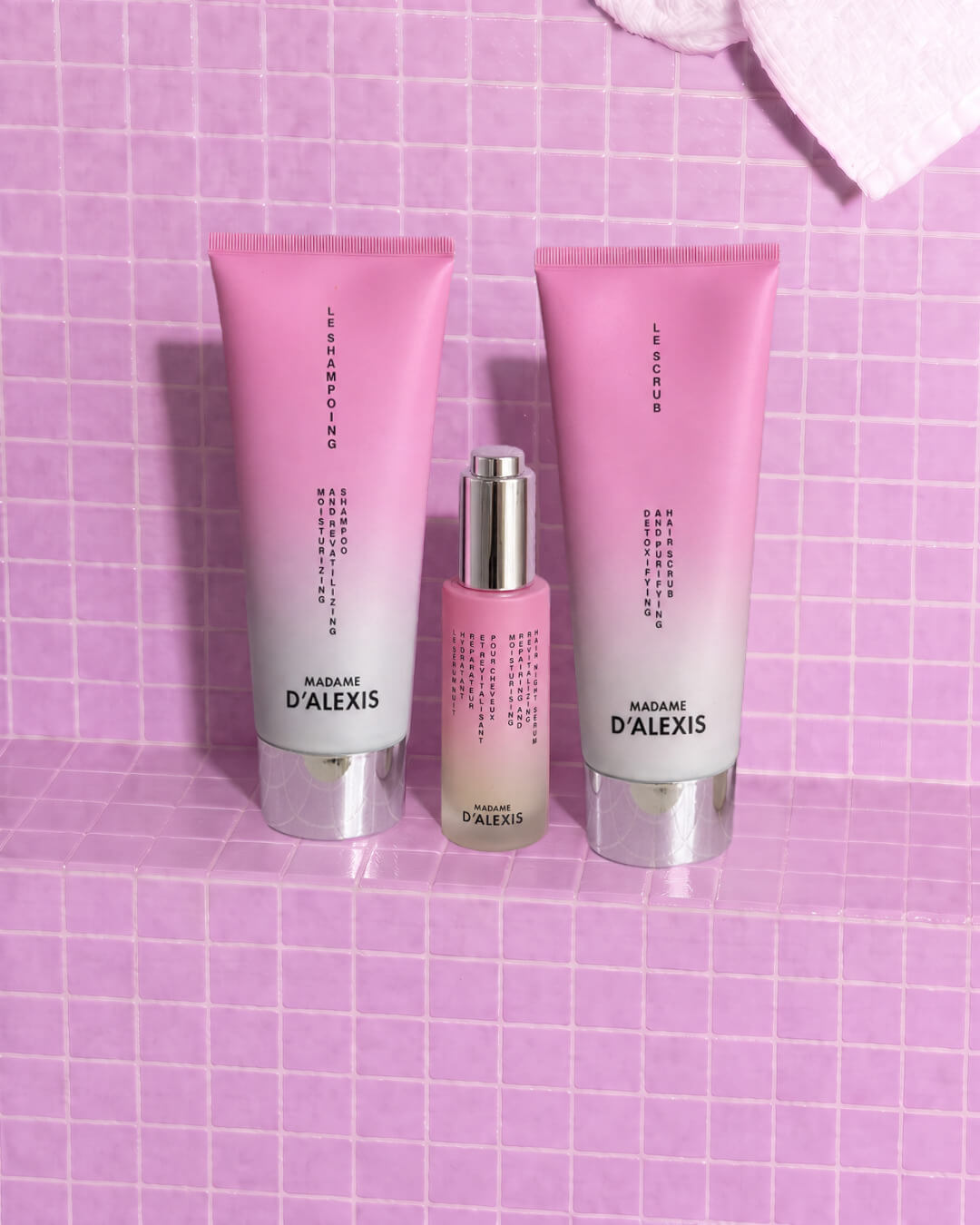
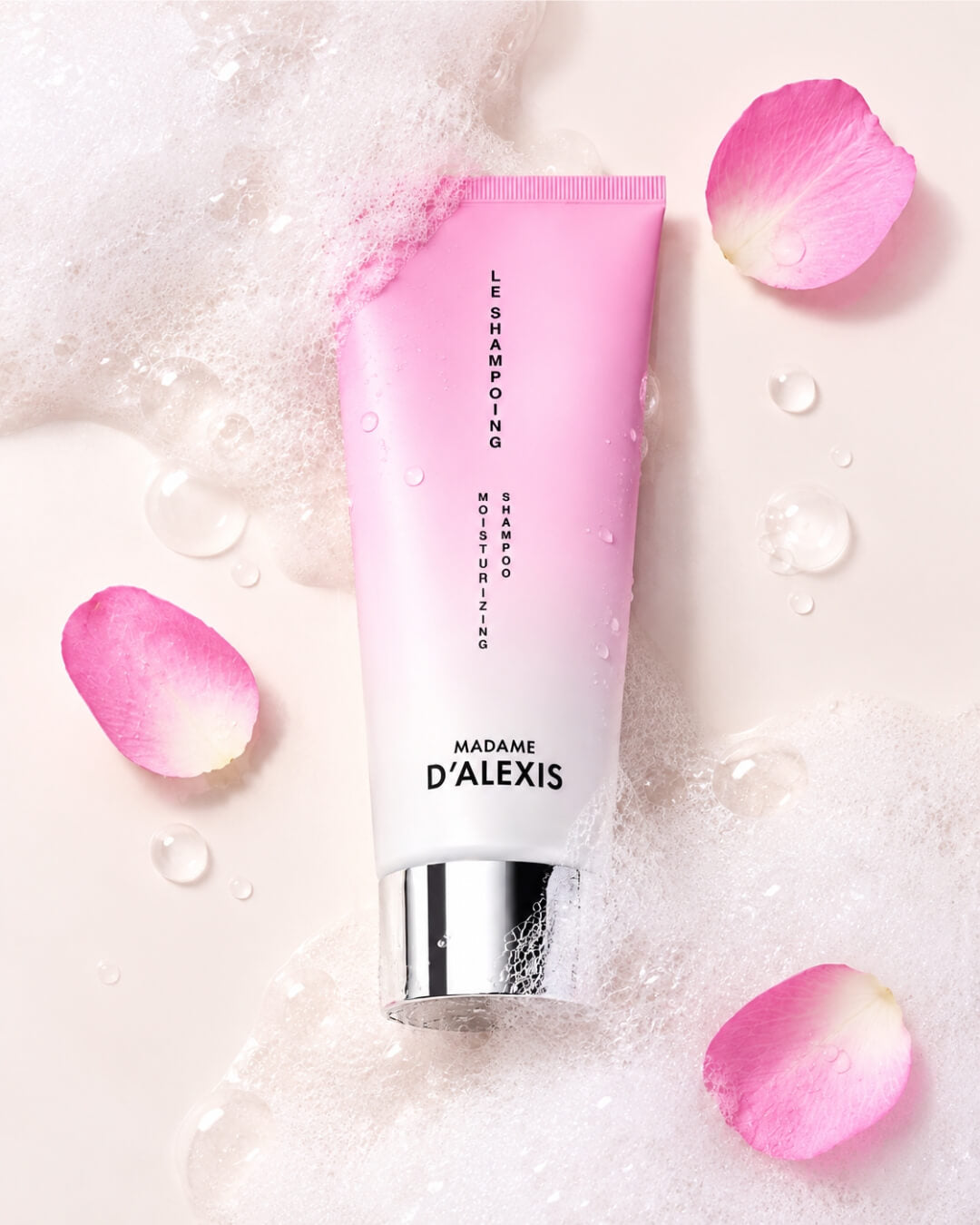
- Gentle hydrating shampoos
- Protective leave-in treatments
Discover strong, shiny, and healthy hair with our natural and effective formulas.