The blow dryer brush does not damage hair if used correctly.
The question "Does a blow dry brush damage hair?" deserves a nuanced answer. The truth is simple: it all depends on how you use it, the model you choose, and the additional care products you use. Here are the key points to remember:
- Excessive heat and daily use without protection can weaken the hair fiber.
- Hair type (fine, thick, dry, colored) influences heat tolerance and the technique to be used.
- High-quality models with ceramic coating and ionic function significantly reduce damage.
- A protective routine is essential: pre-dry hair, moderate temperature, heat-protective serum.
- The blow dry brush remains an ally for effective home blow drying, smoothing, or adding volume without using a straightening iron.

Is the blow dryer brush harmful to your hair?
The question "Does a blow dryer brush damage hair?" is a valid one. To answer it accurately, let's start by understanding how this tool works.
Operation: hot air + mechanical action
The blow brush combines a stream of warm air with a rotating or static brush: the air circulates through or around the bristles, drying and styling the hair at the same time. The aim is to combine drying and styling in a single step.
However, this dual action carries risks when heat is not properly controlled.
Main risks of using a hair dryer brush: excessive heat, dryness, breakage, frizz
- When the temperature exceeds 150°C, partial denaturation of keratin occurs: the internal molecules of the hair fiber are altered, the cuticle opens further, and the internal water evaporates more quickly. (This phenomenon is documented in particular in studies on thermal damage to hair.)
- Repeated or prolonged exposure to high temperatures can dry out the fiber, make it brittle, weaken the lengths, and increase split ends.
- Mechanical action (rotation, friction against the bristles of the brush) can increase breakage, especially if the hair is already weakened.
- Frizz can occur when the cuticle scales are raised, causing uneven light diffusion and a rough texture.
Impact of the blow dryer brush depending on hair type
Not all hair reacts in the same way:
- Fine or fragile hair: does not tolerate heat well. Low temperatures and quick action are recommended.
- Dry hair : already lacking in moisture, it is more prone to dryness.
- Thick or strong hair: more tolerant, but that doesn't justify overuse.
- Damaged or colored hair: particularly vulnerable, as the cuticle is already compromised.
Difference from a hair straightener or heated styling brush
- The straightening iron applies direct, intense heat between two plates, which is more aggressive for the hair fiber.
- The heated smoothing brush heats up through gradual contact with the hair, but without the combined air flow.
- In comparison, the blow brush, when used correctly, can be gentler because it distributes heat via heated air, rather than solely through direct contact.
The blower brush is not inherently dangerous: it is incorrect settings, excessive use, or lack of protection that make it harmful.

What are the possible side effects of a blow dry brush?
Even with moderate use, certain side effects may occur if best practices are not followed.
Dehydration of the hair fiber
Heat causes the water contained in the hair to evaporate. Less moisture means weaker, more brittle, and less flexible hair.
Loss of shine and elasticity
When the cuticle is damaged, it no longer reflects light evenly. The hair loses its shine. Its ability to stretch and then return to its original shape (elasticity) is impaired, making it more fragile.
Increase in split ends and dry tips
The tips are the oldest parts of the fiber. They receive heat last, and without nutritional reinforcement, they split and split. The effect accumulates over time.
Static electricity despite the ionic function
Many modern blow dryers offer an ionic function to neutralize static electricity. This helps, but if the moisture content in the hair is too low, the effect is limited: frizz or flyaways may still occur.
How to repair heat-damaged hair? Madame d'Alexis hair care routine
Repeated use of heated styling tools such as blow dryers can weaken the hair fiber. Heat alters keratin, dries out the lengths, and accentuates split ends.
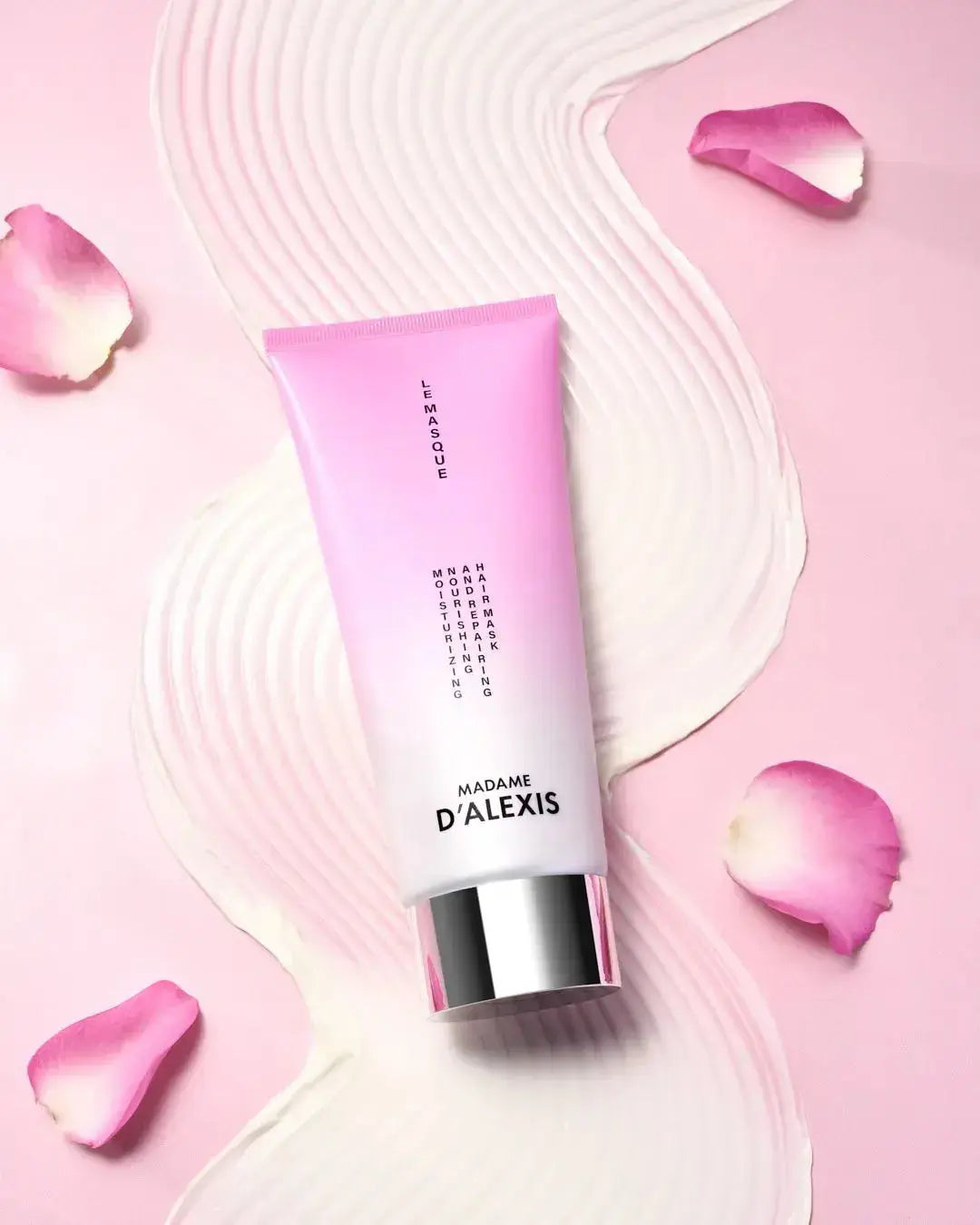
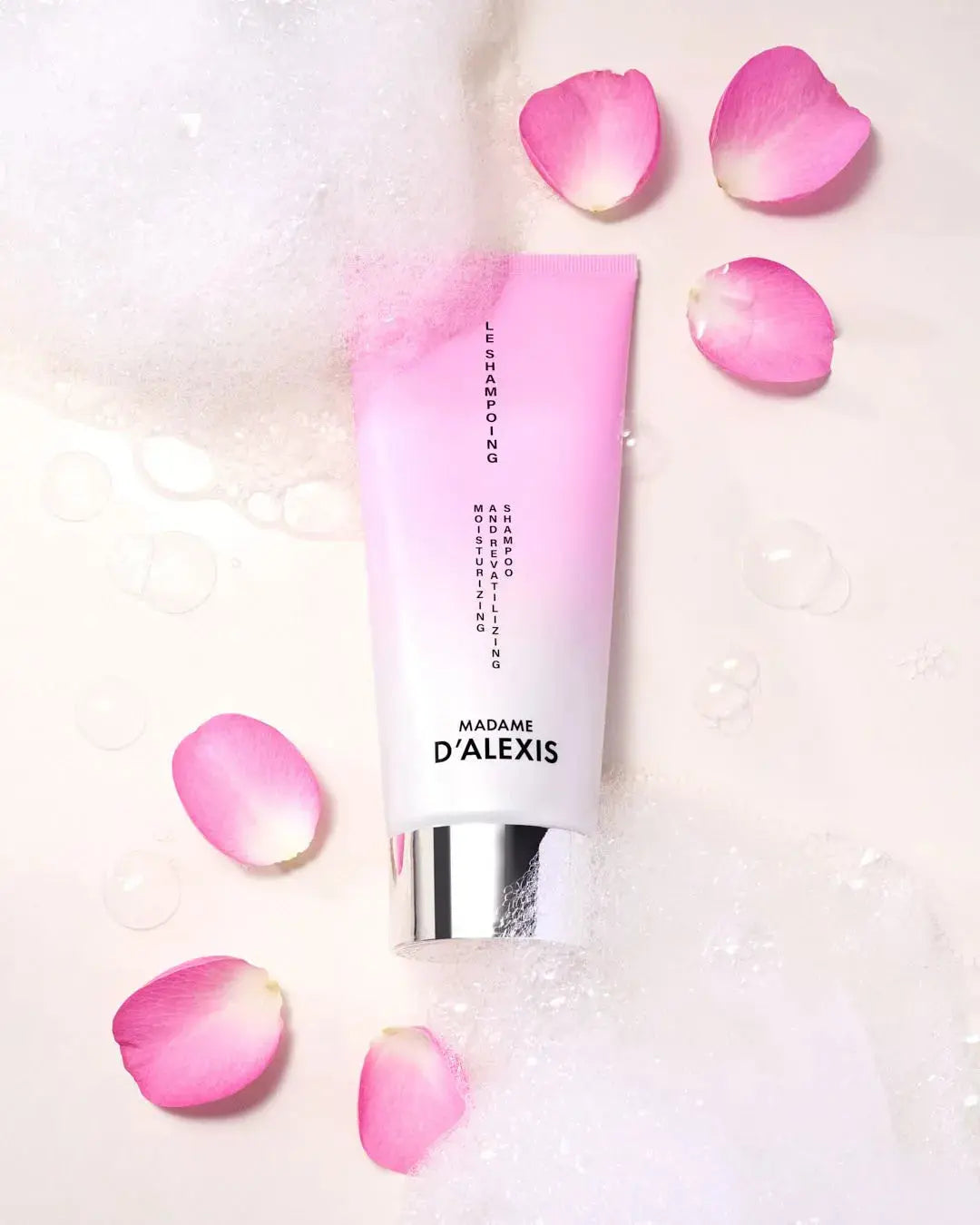
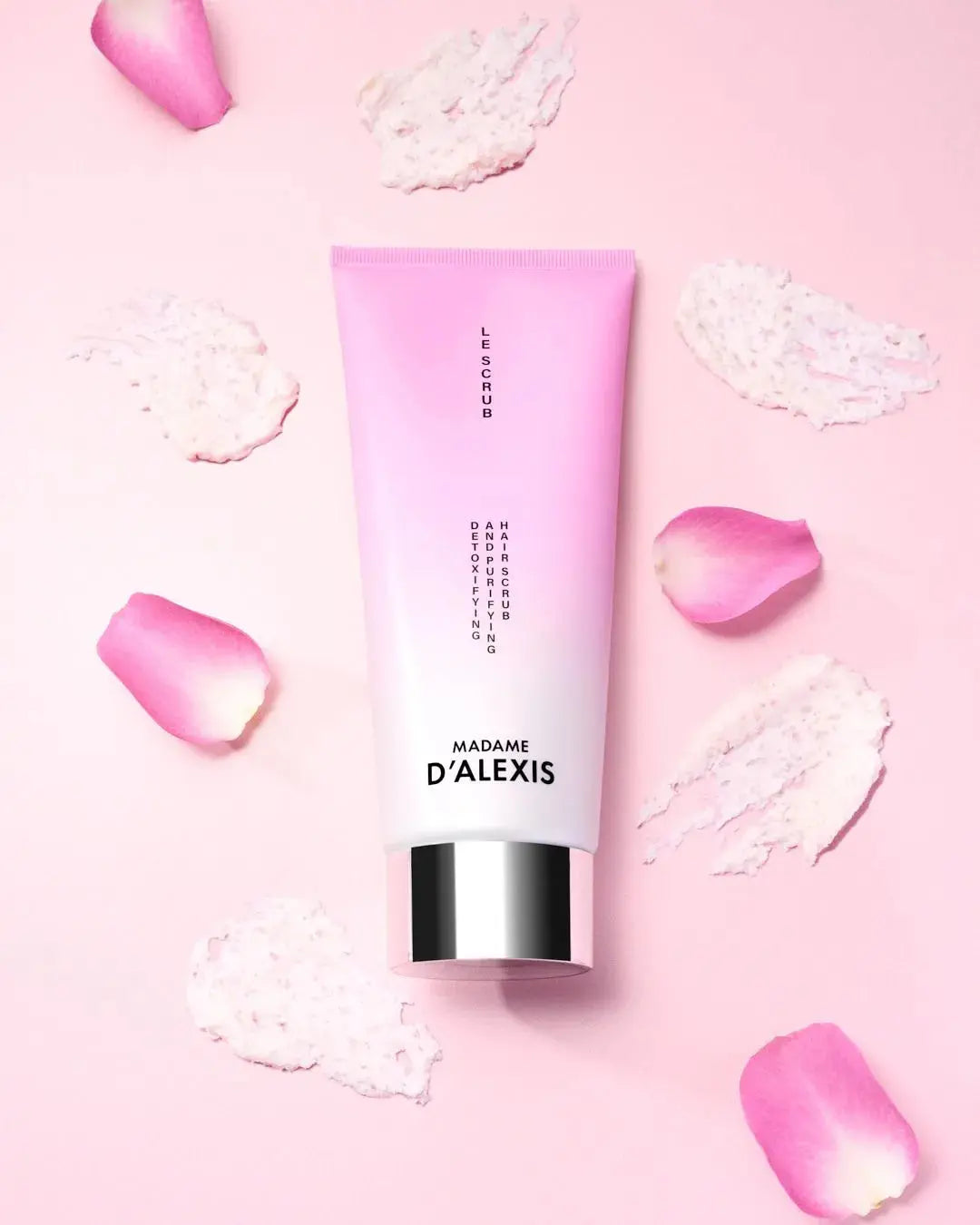
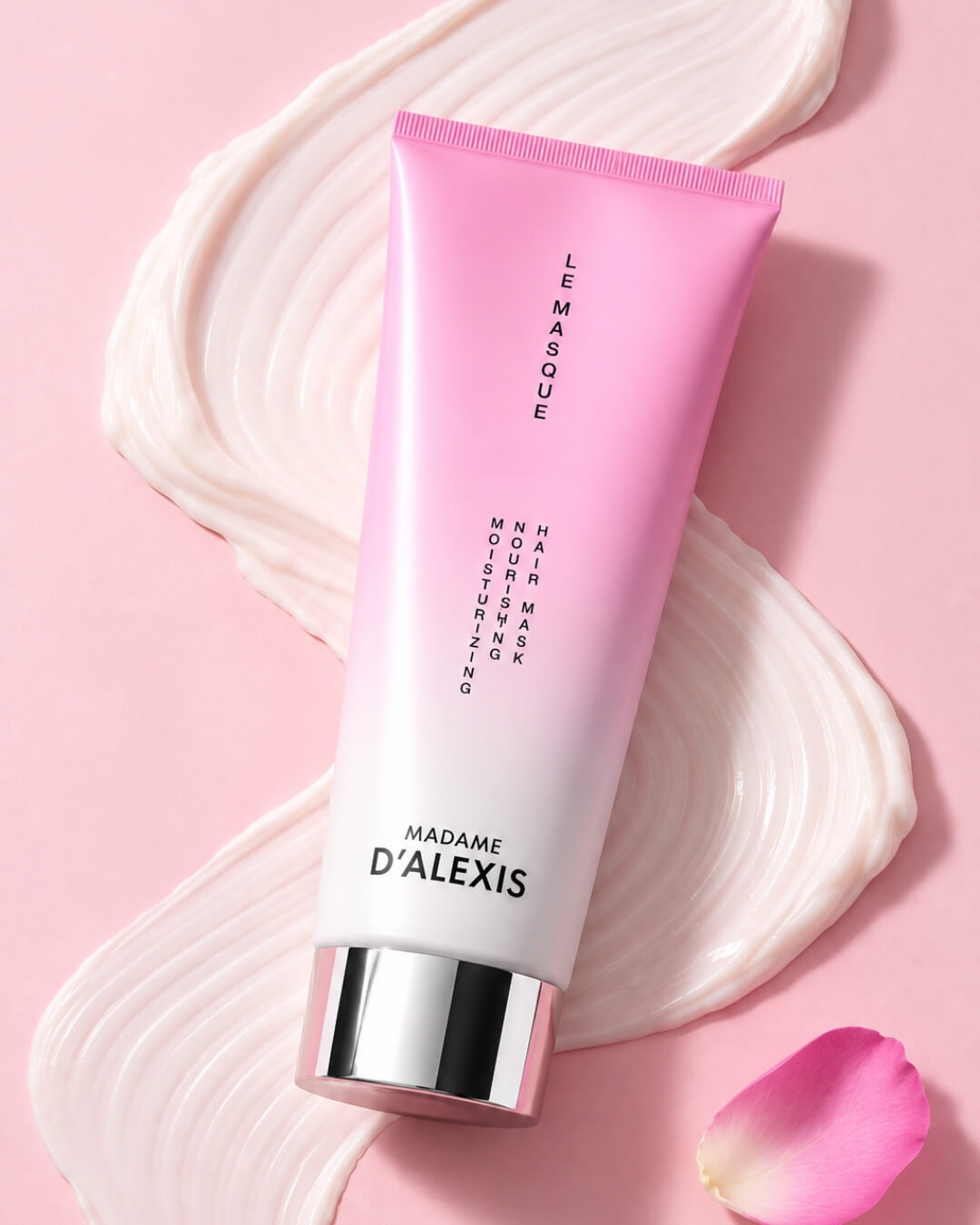
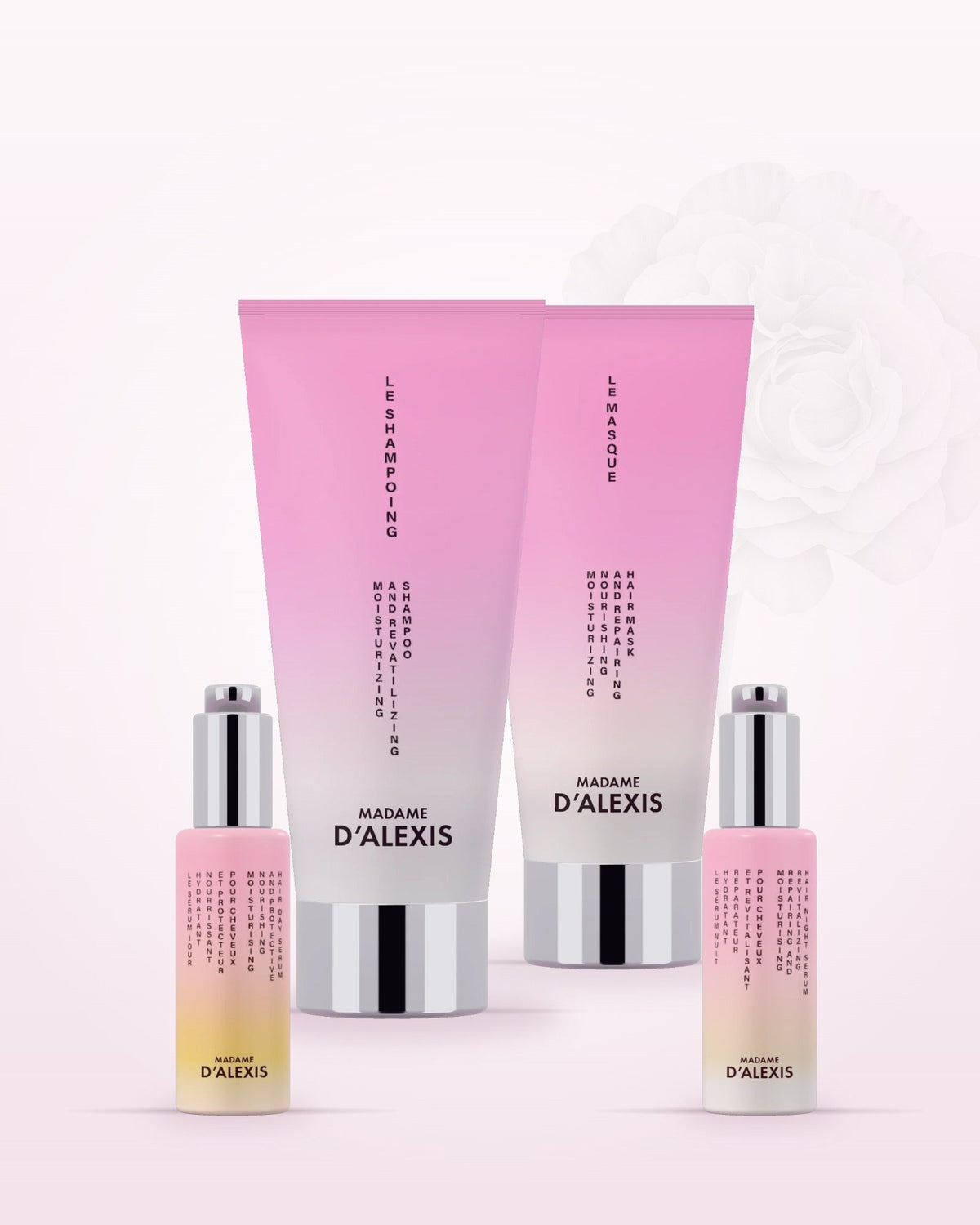
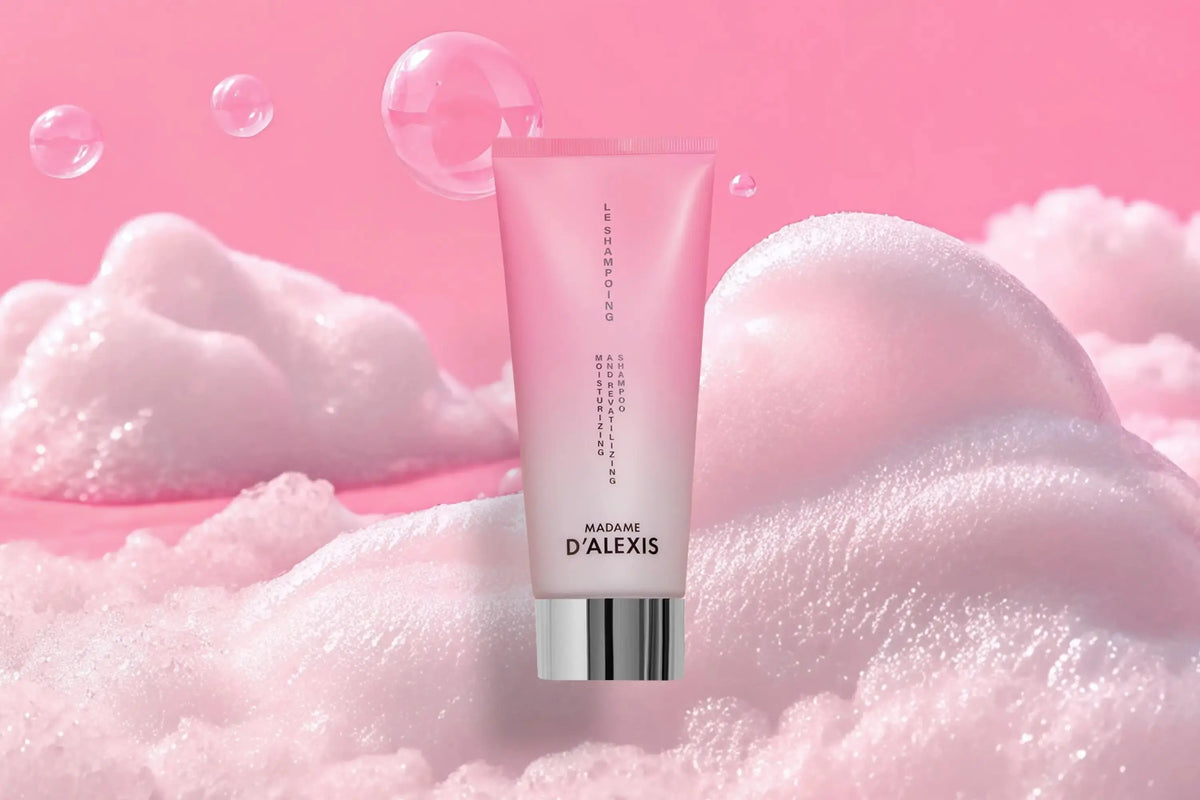
To limit these effects, it is essential to adopt a comprehensive routine: a gentle shampoo to preserve the balance of the scalp, a nourishing mask to restore elasticity, and targeted treatments such asDay Serum, a heat protector, and Night Serum, an intensive repair treatment.
This video shows how to restore strength, shine, and flexibility to hair damaged by heat.
How to use a blow dry brush without damaging your hair?
The question often arises: how can you use a blow dryer without damaging your hair? In my opinion, it all comes down to preparation, heat control, and choosing the right techniques. The tool itself is not dangerous; it's how you use it that determines its effects.
Partially dry hair before use.
The first rule of thumb is to never use a blow dryer on wet hair.
The fiber is then saturated with water and therefore extremely vulnerable. The weight of the moisture, combined with the heat and mechanical traction of the brush, increases the risk of breakage.
I recommend pre-drying your hair to about 70% with a microfiber towel, which absorbs water without rubbing, or by letting it air dry for a few minutes.
Adjust the temperature and speed to suit your hair type.
Each head of hair has its own heat tolerance. A standard setting is not suitable for everyone.
- Fine or fragile hair: use a low temperature and moderate air flow.
- Thick or unruly hair: medium to high heat may be necessary, but always limit the contact time.
- Colored or dry hair: opt for a gentle intensity to preserve the already weakened cuticle.
This customization helps limit heat damage and prolong the health of the hair fiber.
Prepare hair with appropriate care products
A good blow-dry always starts in the shower. A gentle shampoo, free from harsh sulfates, cleanses without drying out the hair. Next, a nourishing or moisturizing treatment restores suppleness and elasticity.
This step creates a solid foundation: prepared hair is more resistant to heat and responds more harmoniously to styling.
Use a heat-protective serum
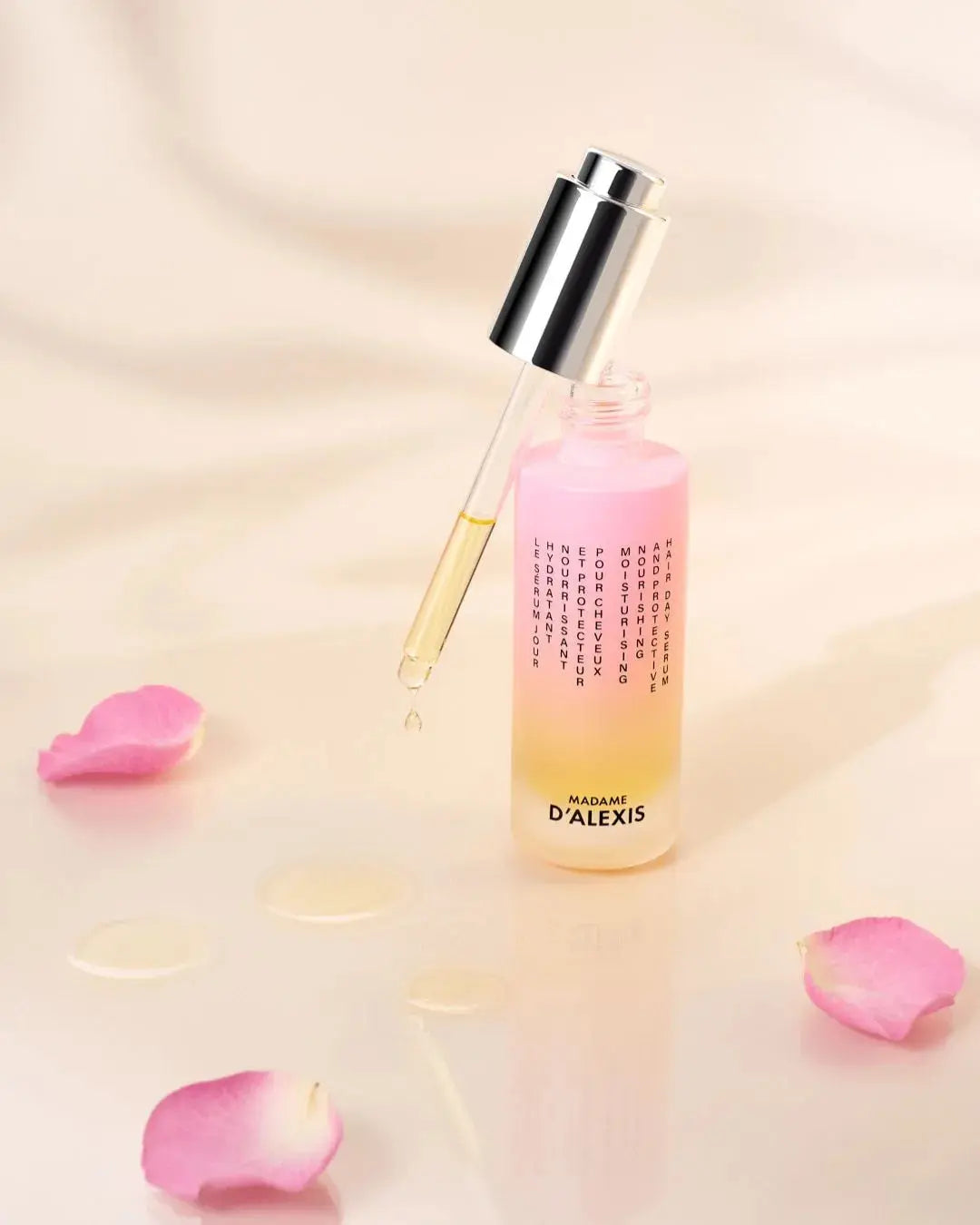
In my opinion, this is the essential step. Without protection, heat irreparably weakens the fiber. Madame d'Alexis Day Serum is a good example of this type of protective care:
- This serum forms a natural shield thanks to its heat-protective active ingredient, reducing the impact of heat on the hair fiber.
- Its plant-based ceramides and organic jojoba oil strengthen and deeply moisturize, reducing breakage.
- Orange blossom essential wax seals in moisture and provides shine and suppleness, for a cleaner, longer-lasting blow-dry.
By applying a few drops to the lengths and ends before styling, you can turn your blow dryer into an ally rather than an enemy.

Which blow dryer causes the least damage to hair?
Not all blow dryer brushes are created equal. Some modern technologies significantly reduce thermal and mechanical impact.
Criteria to prioritize
- Ceramic or tourmaline coating: these materials distribute heat evenly, preventing localized overheating.
- Ionic function: neutralizes static electricity, softens the cuticle, and makes blow-drying smoother.
- Multiple temperature settings: essential for adapting the heat to the hair type.
- Various attachments: round brush for volume, flat brush for smoothing, air concentrator for targeted drying.
Comparison with traditional blow drying
At the hairdresser's, blow-drying is often done with a hair dryer and a round brush. Professional skill partly compensates for the risk of overheating. At home, a high-quality blow-dry brush can offer a similar result, sometimes even gentler, as the air is distributed evenly around the strand of hair.
In summary, using a blow dryer without damaging your hair is more about technique than the tool itself. With careful preparation, an effective heat protectant, and a well-chosen device, it becomes a valuable ally for styling without compromising hair health.
What are the advantages and disadvantages of the blow brush?
The question "Does a blow dryer brush damage hair?" cannot be answered without examining what this tool offers, but also what it can cost the hair fiber.
I find it useful to take a balanced approach: the blow dryer is neither miraculous nor destructive by nature. Its impact depends as much on its strengths as on its limitations.
The benefits of a blow dry brush for hair
For many women, this device has revolutionized their hair care routine. It has many strengths:
- Saves time: it combines drying and styling, eliminating the need to juggle between a hair dryer and a round brush.
- A successful home blow-dry: she partly replicates the hairdresser's movements, but without any particular effort.
- Versatility: depending on the attachment, it can smooth, add volume at the roots, create soft curls, or tame unruly strands.
- Practicality: lightweight, easy to handle, often equipped with multiple speeds and temperatures, it adapts to different hair types.
- Natural volume: unlike a flat iron, which flattens hair, it preserves movement and creates a more airy look.
These qualities explain why models such as the Dyson Airwrap and Revlon One Step have been so successful.
Disadvantages that should not be overlooked
However, behind these advantages lie constraints that it would be unwise to ignore.
- Repeated heat: used too often, even at medium temperatures, it eventually weakens the hair fiber.
- Increased risk without protection: without heat-protective serum, the cuticle opens, the fiber dries out and becomes brittle.
- A variable investment: higher-end models are better designed and limit damage, but their price is not accessible to everyone.
- Learning curve: Some people need to get used to handling the brush, otherwise they may pull too hard on the strands.
Expert tips to get the most out of it
In my opinion, the blow dryer should be considered a backup tool rather than a daily habit. A few simple recommendations are enough to limit its disadvantages:
- Space out use, for example two to three times a week, to give your hair time to recover.
- Incorporate a protective hair care routine: mild shampoo, nourishing mask, and above all, a heat protectant applied before each blow dry.
- Regularly check the condition of the blades and schedule maintenance trims to prevent the accumulation of forks.
So, the answer to "Does the blow dryer brush damage hair?" becomes clearer: it can if overused, but remains safe if used wisely.
What is the difference between a blow dryer brush and a heated brush?
This confusion is common, yet the distinction is essential to understanding their respective effects.
The blow dryer brush: hot air and versatility
The blow dryer brush combines a stream of hot air with mechanical action. It dries, styles, and tames hair all at the same time.
Its heat is generally more diffuse and evenly distributed, reducing the risk of localized overheating. It also allows for gradual drying, which is gentler on the fibers.
The heated brush: direct heat and prolonged contact
Conversely, the heated brush works like a disguised straightening or curling iron. It heats up through direct contact with the surface of the hair strand. The action is effective, but more aggressive on the cuticle.
Improper use can quickly lead to dryness and loss of shine.
My opinion on the difference
Returning to the initial question , " Does a blow dryer brush damage hair? ", it must be acknowledged that it is generally gentler than a heated brush.
Simply because the heat is diffused through the air, rather than applied directly by a hot plate. This does not mean you can skip using appropriate protection, but it does make the device gentler on fragile, fine, or colored hair.
Ultimately, the blow dryer brush represents an interesting compromise between speed and respect for the hair fiber. It has undeniable advantages, but must be used with caution.
A protective routine, sensible use, and the right model are all it takes to turn the question "Does a blow dryer damage hair?" into a topic you can handle rather than a cause for concern.
Protect your hair to enjoy the benefits of a blow dryer
The question "Does a blow dryer damage hair?" requires a nuanced answer. Yes, it can weaken the hair fiber, but only if it is used improperly: too high a temperature, excessive frequency, lack of preparatory care.
To reap all the benefits without damaging your hair, just follow a few simple steps:
- Choose a moderate temperature that is suitable for your hair type.
- Work on hair that has been dried with air or a towel to avoid damaging water-soaked hair fibers.
- Incorporate regular moisturizing and nourishing treatments to strengthen the cuticle.
The step that I consider essential isapplying a heat protectant. Madame d'Alexis Day Serum, formulated with 99% natural ingredients, perfectly illustrates this protective approach.
Its plant-based ceramides, organic jojoba oil, and essential orange blossom wax create an invisible barrier that limits the impact of heat, while providing suppleness and shine.
This type of treatment transforms the blow dryer into a styling ally, rather than a factor in hair damage.
In short, the blow dry brush is a modern and effective tool. It does not cause irreparable damage to the hair, provided it is used wisely and appropriate protective care products are incorporated into your routine.
FAQ – Everything you need to know about using the blower brush
Does the blow dryer brush damage hair?
The blow dry brush does not damage hair when used correctly. What weakens the hair fiber is excessive heat, daily use without proper care, and lack of protection.
Hot air, if too intense or applied to damp hair, can cause dehydration and make hair brittle. However, with a moderate temperature, pre-dried hair, and the application of a heat-protective treatment, it remains a safe tool.
Which blow dryer brush should you choose to avoid damaging your hair?
Not all blow dry brushes are created equal. To keep your hair healthy, choose:
- a ceramic or tourmaline coating, which distributes heat more evenly;
- an ionic function, reducing static electricity and frizz;
- multiple temperature settings, so you can adjust the intensity to suit your hair type;
- Suitable attachments: round brush for volume, flat brush for smoothing, air concentrator for precise drying.
Models such as the Dyson Airwrap, Revlon One Step, and certain Babyliss Pro models are among the most gentle on hair.
How to use a blow dry brush on fine or dry hair?
Fine, dry hair is more susceptible to heat damage. To minimize the risks:
- set the temperature to a low level;
- use moderate airflow to avoid breaking the fiber;
- Apply a heat-protective serum that moisturizes and seals the cuticle.
- Do not leave the brush on the same strand for too long.
This means that even fragile hair can benefit from a voluminous blow-dry without losing its shine.
What hair care products should you use before using a hot air brush?
Preparation is essential. A good ritual includes:
- a gentle sulfate-free shampoo that cleanses without stripping;
- a weekly nourishing or moisturizing treatment to strengthen the hair fiber;
- a heat-protective serum every time you blow-dry your hair.
Madame d'Alexis Day Serum is an example of a suitable treatment: its plant-based ceramides and organic jojoba oil strengthen the hair fiber, while its heat-protective active ingredient limits the impact of heat. This type of product allows you to style your hair without compromising its health.
What is the best blow dry brush for thick hair?
Thick hair requires power and versatility. A good blow dryer brush should offer:
- a temperature high enough to tame the hair;
- several attachments to adapt the styling (volume, smoothing, curls);
- ionic technology to smooth the cuticle and reduce frizz.
The Dyson Airwrap and certain high-end Babyliss Pro models are particularly effective because they combine power, heat control, and respect for the hair fiber.
How to use a blow dryer brush without damaging your hair?
Knowing how to use a blow dryer correctly is key to keeping your hair healthy. A few simple steps can turn the experience into an ally rather than a threat.
- Dry your hair before styling: the number one rule is never to style completely wet hair. When hair is damp, the fibers are vulnerable and break easily. It is best to pre-dry your hair with a microfiber towel or in the open air.
- Distribute heat evenly: avoid concentrating hot air on a single strand. Move the brush regularly to distribute heat evenly.
- Avoid leaving the device in the same place for too long, as this weakens the cuticle and dries out the fiber.
- Adapt usage to the function of your hair type:
- fine hair: low temperature, short contact time;
- thick hair: medium temperature, stronger flow;
- Fragile or colored hair: use only low heat.
- Choose ceramic coating: it distributes heat evenly, reduces localized overheating, and protects the fiber.
- Blow dry gradually: start at the roots, then work your way down to the ends to add volume without weighing down the style.
By following these rules, the blow dryer brush becomes a practical and gentle styling tool, even for regular use.
What is the best blow dryer brush?
There is no single best blow dryer brush, but several models suited to different needs and budgets.
- Rotating blow-dry brush: ideal for creating voluminous blow-dries and achieving salon-quality results.
- Classic blow dryer and heated brush: easy to use, it quickly tames flyaways.
- High-end model: the Dyson Airwrap is often cited as the benchmark. It continuously controls heat and allows you to curl, straighten, and dry your hair with minimal damage.
- Affordable model: the Revlon One Step is appealing due to its effectiveness and affordability, even if it is less sophisticated.
- Rowenta blow dryer: known for its good value for money and wide range of options.
- Babyliss Pro: widely used by professionals for its power and versatility.
My opinion is simple: the choice depends on the balance between your expectations and your budget. High-end models provide better heat control, but more affordable options already offer very good results.
What hair types are suitable for blow dry brushes?
The blow dry brush is not just for one type of hair. It can be adapted to many different textures, provided you adjust the temperature and technique.
- For frizzy or afro hair: choose a powerful brush with a ceramic coating to gently tame the hair fiber.
- Short hair: the blow dry brush adds volume and styles quickly.
- Classic or medium-length hair: maximum versatility, whether you want to straighten or add movement.
- Fragile hair: treat with care, always using a heat protectant and a low temperature setting.
- Thick hair: choose a device with multiple speeds and good power to control the volume of hair.
- Fine hair: ideal for adding volume without using a straightening iron.
- Dry hair: requires extra protection and regular moisturizing care before styling.
The important thing is to adapt the heat to the nature of the hair and never work on wet hair.
What are the advantages and disadvantages?
The question of advantages and disadvantages helps us understand why the blow brush is appealing, but also why it must be used with caution.
Advantages:
- Saves time: it dries and styles in one step.
- Efficiency: smooth or voluminous blow-dry in just a few minutes.
- Versatility: straighten, curl, or style hair depending on the attachment chosen.
- Natural result: retains more volume than a straightening iron.
Disadvantages:
- Repeated heat: excessive use weakens the fiber.
- Thermal impact: without protective care, the cuticle opens and dries out.
- Potential damage: risk of breakage or frizz if used incorrectly.
- Sometimes limited adjustment: some models do not offer enough control over the temperature.
Ultimately, the blow dry brush can be a highly effective tool for styling and taming your hair, provided you use it with care and always accompany its use with a suitable hair care routine.