Advice
Why Is My Hair Dry? Causes, Explanations, and Solutions
Is your hair dry, coarse, or dull? Lack of sebum, heat, pollution, or unsuitable hair care products: discover how to rehydrate your hair fibers and restore softness, suppleness, and shine.

Why is my hair dry? What you need to remember
- Dry hair occurs when the hair fiber no longer retains water or when the scalp produces too little sebum.
- The main causes are internal (age, deficiencies, hormonal imbalances) or external (heat, pollution, coloring, harsh shampoos).
- A suitable hair care routine should combine hydration and nutrition: mild shampoo, weekly mask, and heat protection.
- The right steps to take are to limit washing, space out coloring treatments, and choose products rich in ceramides and fatty acids.
- In cases of persistent dryness, a professional hair diagnosis can identify the root cause and restore lasting balance to the hair fiber.
Best natural routine for dry hair
Understanding dry hair: an imbalance in the hair fiber and scalp
The role of sebum and the hydrolipidic barrier
Healthy hair is naturally protected by sebum, a lipid film produced by the sebaceous glands. It acts as a hydrolipidic barrier that maintains the fiber's suppleness and shine.
When this natural production decreases, the hair loses its protective coating. As a result, water evaporates more quickly, the cuticles lift, and the hair shaft becomes coarse.
There are many causes of this sebum deficiency:
- a genetic predisposition or a drop in hormone levels;
- aging of the scalp, which reduces its natural production of lipids;
- oxidative stress, caused by pollution or free radicals;
- a diet low in essential fatty acids.
This internal dryness results in dull, lifeless hair that loses its cohesion.
For me, this is often where the most important thing happens: restoring this natural barrier before multiplying superficial treatments.
External factors that damage hair fiber
Hair dryness is often aggravated by external aggressions. Wind, pollution, sea salt, and chlorine damage keratin, the protein that makes up most of the hair fiber.
In addition to these factors, everyday actions can exacerbate the damage:
- frequent use of heating appliances such as hair dryers, straightening irons, or curling irons;
- washing your hair too often or using harsh shampoos that strip the scalp;
- repeated coloring or bleaching that alters the internal structure of the hair;
- dry brushing or brushing too vigorously, which causes breakage.
Each excessive exposure opens up the cuticle, the outer layer of the hair, a little more, making the fiber more vulnerable. The hair then loses its ability to retain water and becomes brittle.

An imbalance between hydration and nutrition
Dry hair is often confused with damaged hair. However, these two conditions do not have the same causes. Dry hair lacks moisture, while damaged hair lacks lipids. To restore a supple texture, both of these imbalances must be corrected.
Hydration provides water to the hair fiber, while nutrition provides it with the fats it needs to retain that water. Active ingredients such as hyaluronic acid, aloe vera, and vegetable glycerin promote hydration. Light oils such as jojoba, apricot, and shea butter nourish the hair fiber and enhance its suppleness.
Trichology experts agree on one thing: healthy hair contains between 10 and 15% water. Below this threshold, it becomes porous and easily deformed. This excessive porosity prevents the fiber from retaining moisture, resulting in a persistent feeling of dryness.
Identify the signs of dry or dehydrated hair
Visible and tactile symptoms
The signs of dry hair are easy to recognize. They include:
- a lack of shine and a dull appearance;
- a rough texture to the touch;
- frizzy hair or a permanent "straw" effect;
- frequent breakage and split ends.
When touched, the hair no longer slips through your fingers. It clings and appears thicker because the open cuticles create an uneven surface. Static electricity is also a common symptom, indicating a lack of moisture.
Scalp diagnosis
The scalp plays a central role in hair health. When it is dry, it can cause tightness, itching, and sometimes fine, dry dandruff. This imbalance often results from excessive washing, water that is too hot, or shampoo that is too harsh.
An accurate diagnosis is essential for tailoring treatment. An expert hairdresser or dermatologist can examine the hair fiber and scalp using a digital microscope. This type of analysis can determine whether dryness is caused by a lack of sebum, excessive porosity, or an imbalance in the skin barrier.
Professional observation is often the first step toward an effective hair care routine. It helps you choose products that are suited to your hair type and the cause of dryness.
Dry hair is a warning sign. It indicates a disruption in the natural balance between hydration, nutrition, and protection. Restoring this balance requires a detailed understanding of the hair and its environment. The wrong hair care product can weigh down or suffocate the hair fiber, while a targeted treatment can restore life and shine to the hair.
Regaining soft, shiny hair does not happen by chance. It requires careful observation, measured actions, and a routine that respects the nature of the hair.

What are the main causes of dry hair?
Dry hair is not simply a lack of moisture. It is an overall imbalance between the hair fiber, scalp, and daily habits. To effectively remedy this, you need to understand where the dryness comes from before taking action.
Physiological and internal causes
With age, sebum production naturally decreases. This lipid film, which is essential for protecting the hair, becomes scarcer, leaving the fiber defenseless.
In some people, this fragility is genetic: their hair produces less sebum or distributes it poorly along the lengths.
Other internal factors exacerbate this phenomenon:
- An unbalanced diet, low in vitamins A, E, B7 (biotin), and essential fatty acids, which are essential for healthy hair.
- Iron or zinc deficiency, which weakens the fiber and slows down its regeneration.
- Hormonal changes related to pregnancy, menopause, or chronic stress, which disrupt sebum secretion.
These internal factors are among the unseen yet decisive causes. A scalp lacking in lipids produces dry hair right from the roots, and no external treatment alone can suffice without restoring this internal balance.
Environmental and mechanical causes
The environment and daily habits have a direct impact on hair health.
Excessive washing or using an unsuitable shampoo removes natural protective oils. Water that is too hot lifts the scales of the hair fiber and increases moisture loss.
Other habits aggravate dryness:
- Heating appliances (hair dryers, straightening irons, curling irons) used without heat protection.
- Prolonged exposure to sunlight, wind, chlorine, or saltwater, which dry out the fiber.
- Brushing too vigorously or wearing your hair in tight styles, which weakens the lengths.
Over time, keratin deteriorates, the fiber becomes porous and loses its shine. Even naturally healthy hair eventually becomes dehydrated.
Chemical causes
Chemical treatments are among the most destructive.
Coloring, highlighting, straightening, and perms alter the internal structure of the hair and damage the keratin. As a result, the hair fiber loses its substance and becomes brittle.
Products containing sulfates or alcohols exacerbate this dryness. They strip the scalp and leave a drying film.
Another common enemy: silicone-rich hair care products. They give a temporary smooth and shiny appearance, but block the penetration of moisturizing agents.
Finally, a lack of nourishing care and UV protection exposes hair to oxidation, the main cause of dullness.
How can dry hair be treated effectively?
Repairing dry hair requires regularity and gentleness. Every step counts: washing, moisturizing, and protection must be considered together.
Hair care routine for dry hair
Adapt your hair care routine
A suitable hyaluronic acid shampoo makes all the difference.
Opt for a gentle, moisturizing formula free of sulfates, enriched with floral waters, hyaluronic acid, or lightweight oils (jojoba, apricot).
A few essential steps:
- Limit washing to two or three times a week.
- Rinse with lukewarm water, never hot water.
- Space out coloring sessions and use pH-neutral products.
A simple but consistent routine provides lasting protection for the fiber.
Deeply nourish the hair fiber
Once a week, apply a nourishing or repairing mask.
The most effective ingredients are:
- shea butter,
- coconut oil,
- aloe vera,
- hyaluronic acid.
Apply to towel-dried hair, leave on for 10 to 15 minutes, then rinse with warm water before finishing with cold water to smooth the cuticles.
This weekly treatment restores the hair's internal cohesion and restores suppleness and shine.
Restore the scalp's hydrolipidic film
A healthy scalp is the key to balanced hair.
Gently massage your scalp with vegetable oil (argan, castor, sweet almond) to stimulate microcirculation and boost natural sebum production.
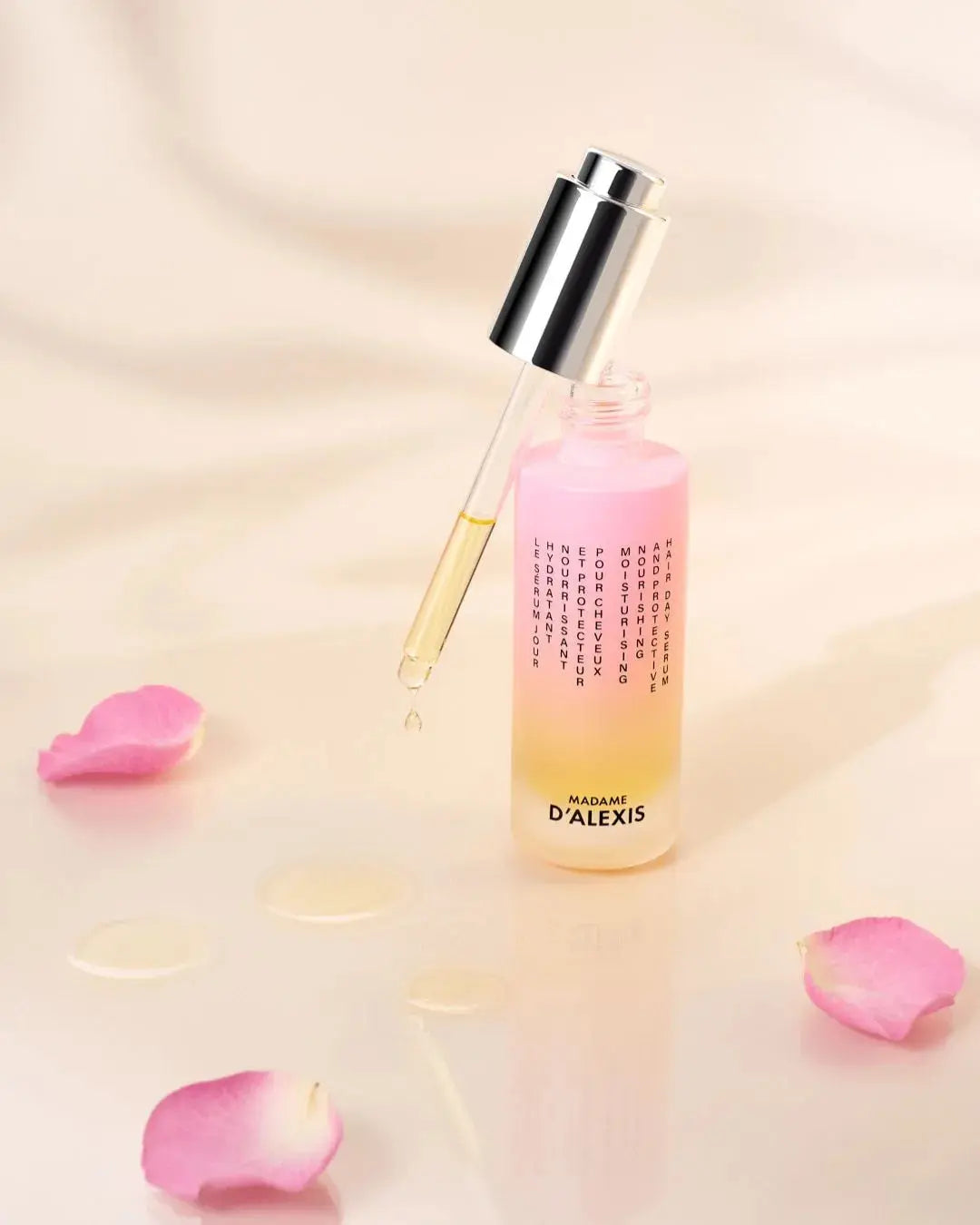
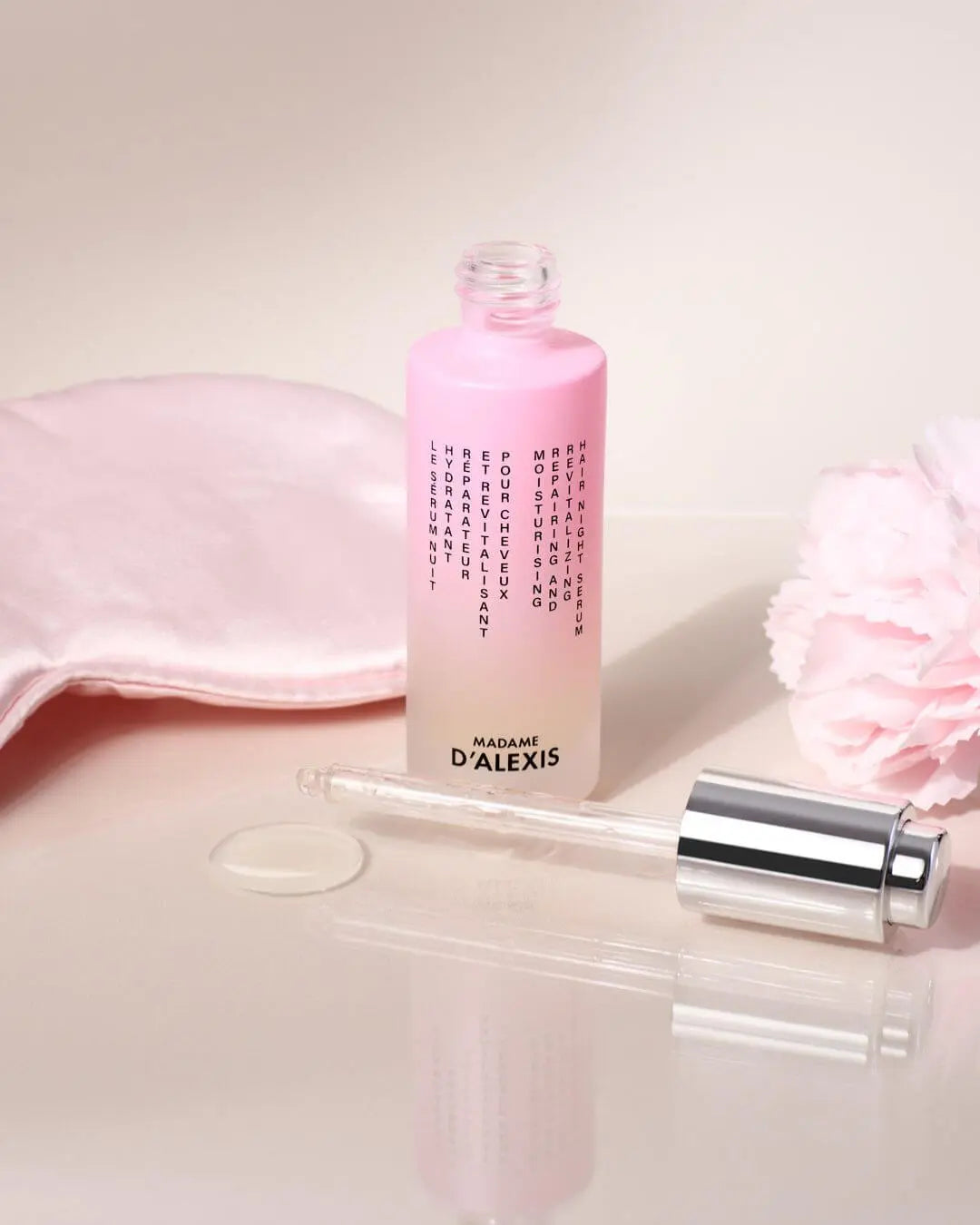
Follow up with a leave-in repair serum, ideal for sealing in moisture and protecting the lengths.
Protect dry hair every day
Dry hair requires constant attention.
- Use a natural bristle brush to distribute sebum.
- Use a microfiber towel to dry without breaking.
- Apply heat protection before drying or straightening.
- In summer, use a UV protection spray and moisturize your hair after each exposure.
These simple actions, repeated consistently, transform the hair over time.
Dry hair is a sign: it needs care, regular attention, and kindness. By addressing the causes and adopting a balanced routine, it is possible to restore soft, shiny hair that is full of vitality.

The right habits and practices to adopt long-term when your hair tends to be dry
Treating dry hair is not just about choosing the right products. Above all, it's a question of regularity and consistency. Dry hair needs gentleness and consistency, not one-off treatments.
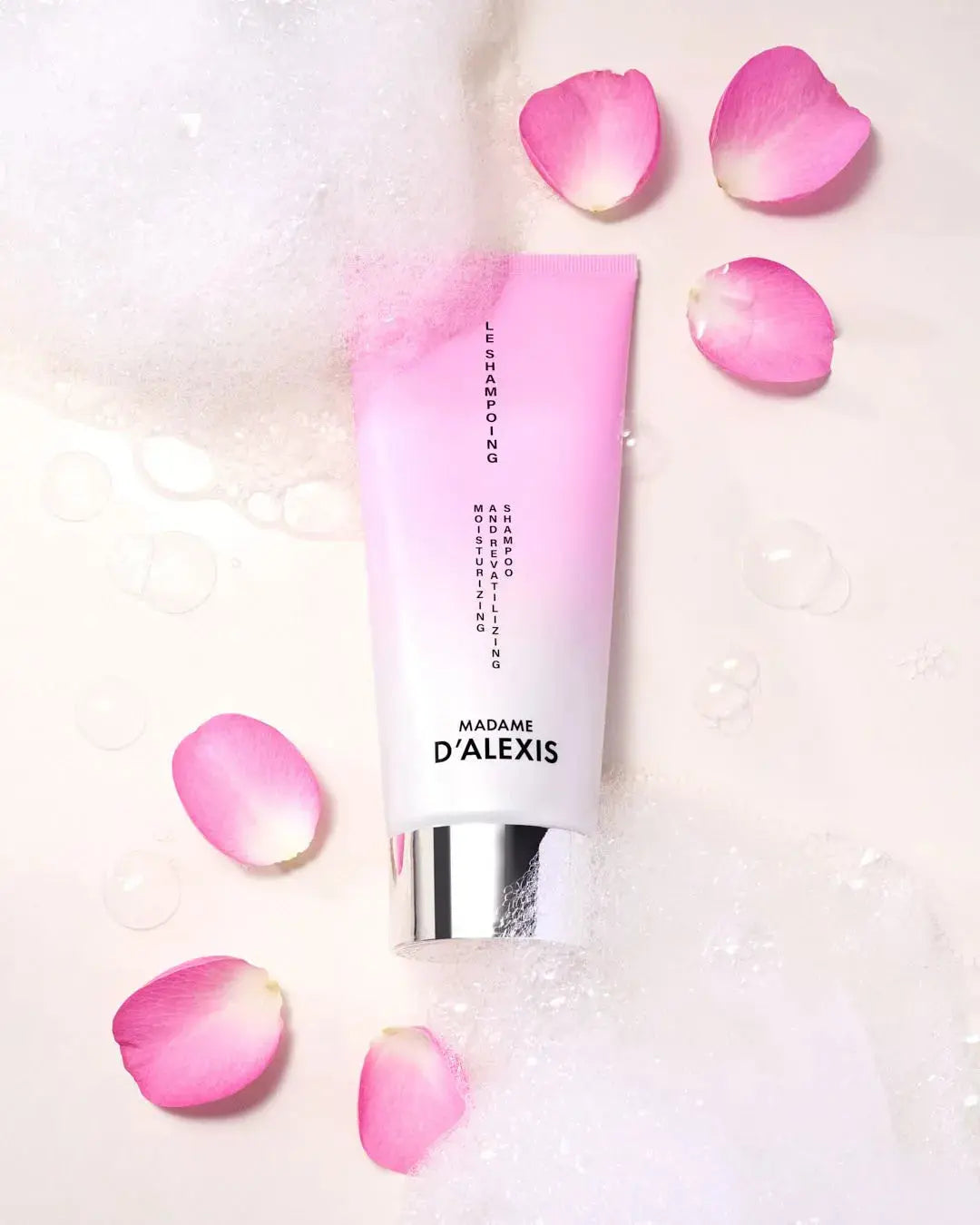
The first step is to wash your hair with a suitable shampoo. The scalp must be respected, not stripped. A gentle shampoo formulated for your scalp type (dry, normal, or combination) helps remove impurities without disrupting natural sebum production.
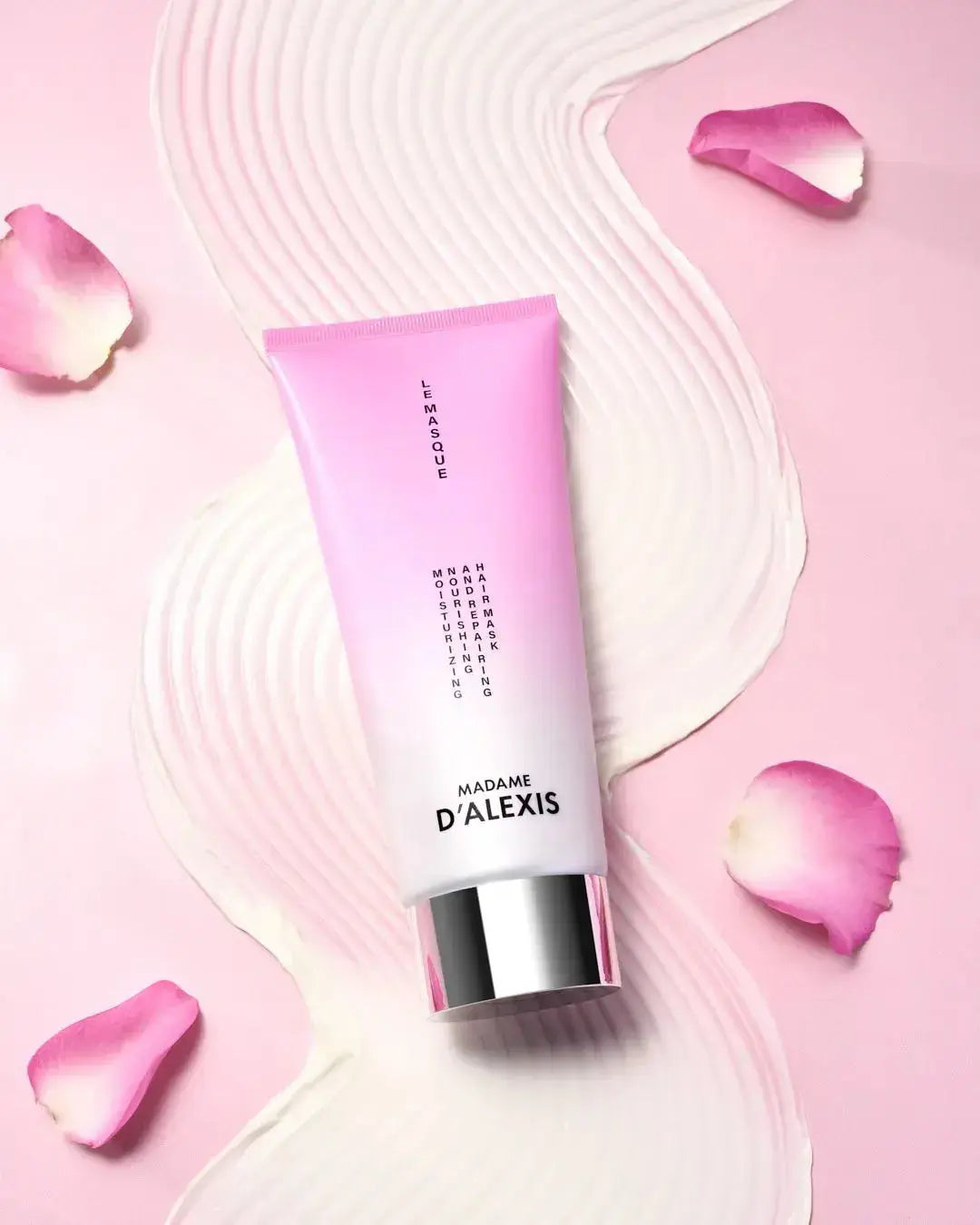
Next, it is essential to apply a mask or deep treatment for dry hair every week. This acts as a nourishing recharge. The most effective formulas contain essential fatty acids, plant ceramides, and vitamins. These active ingredients strengthen the hair fiber and restore its suppleness.
A few simple principles guarantee visible results:
- Space out coloring treatments to limit chemical damage.
- Avoid excessive heat from curling irons and hair dryers, which damages keratin.
- Drink enough water to maintain internal hydration.
- Eat a balanced diet rich in protein, fruit, and omega-3 fatty acids to nourish your hair from the roots.
Routine for dry and curly hair
Dry hair: when should you consult a professional?
If, despite following a good routine, your hair remains dull, brittle, or dry along its entire length, it's time to consult a specialist. An expert hairdresser or hair dermatologist will be able to make an accurate diagnosis.
Several signs should raise alarm bells:
- an irritated or flaky scalp, a sign of skin imbalance;
- persistent dryness despite treatment;
- unusual hair loss, often linked to a deficiency, oxidative stress, or a hormonal disorder.
The professional examination determines whether the problem stems from an internal deficiency, a sebaceous imbalance, or damage to the hair fiber. Treatment will then be targeted: hydration, nutrition, or scalp care.
Conclusion: restoring balance to dry hair is a long-term process.
Dry hair is not inevitable. It simply reflects an imbalance between sebum, hair fiber, and the environment.
Correcting this imbalance requires time, consistency, and a comprehensive approach.
A balanced routine, combined with moisturizing and nourishing treatments, can revitalize your hair. The goal is not to overload it, but to give it what it needs to regenerate: hydration, nutrition, and protection.
Eventually, dry hair can become supple, shiny, and silky again, provided you stick to this routine and never force nature. It takes patience, but the results are long-lasting.
FAQ on dry hair, the most frequently asked questions about very dry hair
Why is my hair dry?
Dry dry hair is characterized by a lack of sebum: the scalp does not produce enough of this natural substance that protects and lubricates the hair fiber. As a result, very dry hair becomes coarse, dull, and sometimes difficult to style.
This phenomenon can affect all hair types: fine hair, frizzy hair, fragile hair, or damaged hair. Without natural protection, the fiber dries out and dry, brittle hair ends up looking like straw.
The causes of insufficient sebum production can be genetic, hormonal, or age-related, but can also be exacerbated by inappropriate skincare.
What causes dry hair?
Dry hair is often the result of a combination of internal and external factors.
Among the most common are:
- Excessive washing, which removes the natural protective sebum.
- External aggressions such as sun, wind, or pollution.
- A poor diet, low in essential fatty acids and vitamins.
- Hormonal changes (pregnancy, menopause, stress).
- Aging, which slows down sebum production.
- Repeated heat styling: straighteners, hair dryers, tight curls.
- The use of harsh products containing sulfates or silicones.
All these factors alter the scalp's hydrolipidic barrier, leading to water loss and progressive weakening of the hair fiber.
How can you moisturize very dry hair?
To moisturize very dry hair, it is essential to restore its water and lipid balance.
Adopt a nourishing hair care routine in several steps:
- Use a gentle, sulfate-free shampoo that cleanses without stripping.
- Apply a nourishing mask once or twice a week to restore suppleness and shine.
- Seal in moisture with a light hair oil or a serum rich in active ingredients.
- Incorporate a complete nutritional range to deeply nourish the hair.
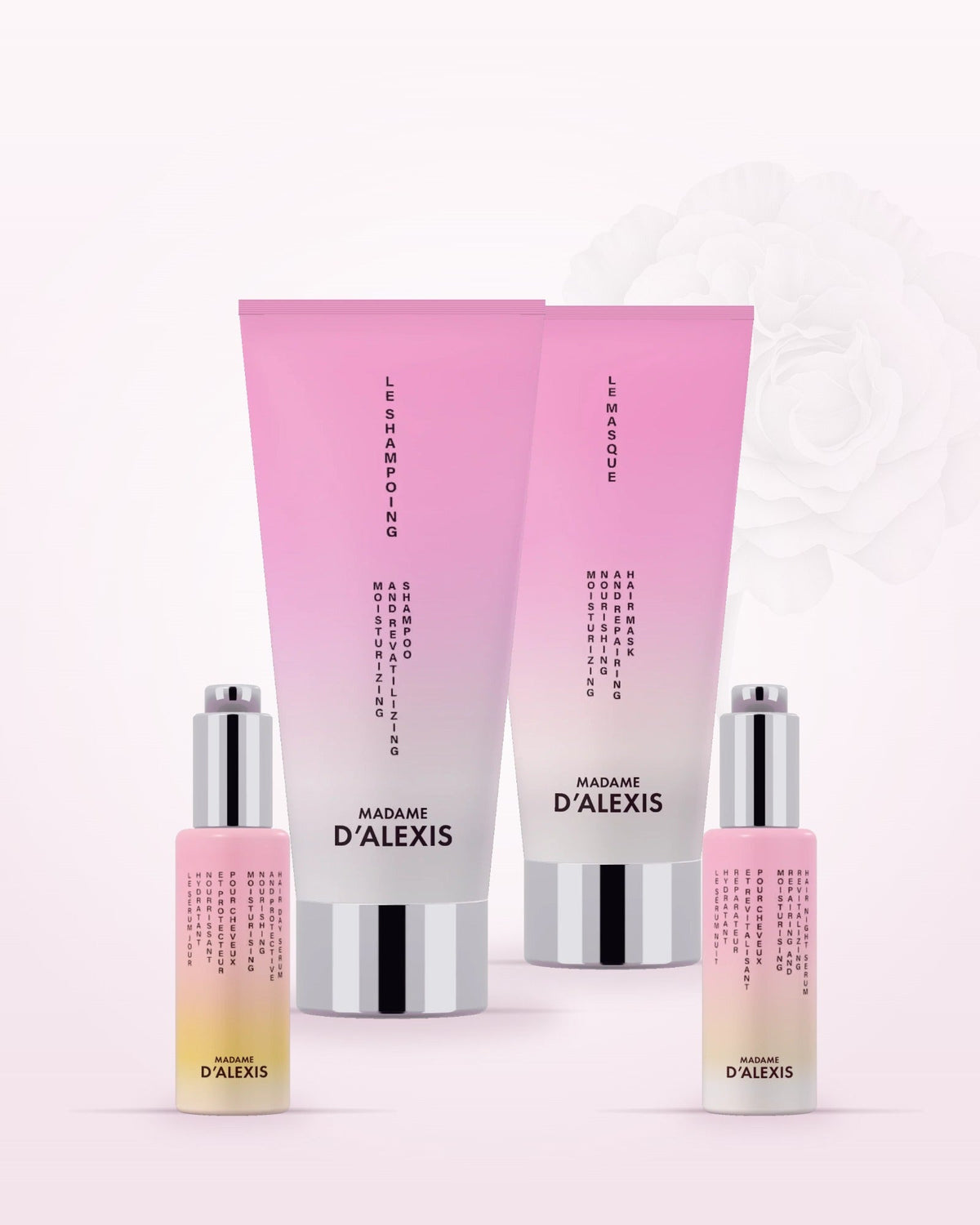
Water-free hair care products, made withorganic hydrosols andnatural moisturizing ingredients, such as those from Madame d'Alexis, promote natural and lasting hydration of the scalp and hair.
What advice do you have for treating dry hair?
To treat dry hair, it is essentialto adopt a gentle, regularroutine that repairs and deeply nourishes. Start by choosing a moisturizing shampoo, formulated without sulfates, to gently cleanse without altering the scalp's hydrolipidic film.
After each wash, remember to use a nourishing hair mask: it helps repair damaged hair and strengthen the fiber. Once or twice a week, supplement this treatment with an intensive repair ritual such as Madame d'Alexis Hydrating Mask, rich in organic hydrosols, plant ceramides, and cationic hyaluronic acid.
To restore vitality and softness, you can also apply aloe vera, known for its moisturizing and soothing properties, or a nourishinghair serum to seal in moisture.
Remember to get your hair cut regularly: this eliminates split ends and promotes regeneration. Finally, avoiding hot water is essential to prevent dryness and preserve natural shine.
Every step counts when it comes to protecting hair from external aggressors such as wind, sun, and pollution, which cause the hair fiber to gradually dry out.
How can you prevent dry hair?
To prevent dry hair, it is important to pay attention to how often you wash your hair and the quality of the products you use. Washing your hair too often or with harsh detergents strips the hair fiber of its protective sebum. Ideally, you should wash your hair two or three times a week anduse a gentle shampoo, such as Madame d'Alexis, which is free from sulfates and silicones.
Limitthe use of heated styling tools (straighteners, blow dryers, curling irons) as much as possible, as they weaken the cuticles and cause breakage. Before applying any heat, apply a heat-protective treatment to moisturize the hair and preserve its elasticity.
Protect your hair from the elements: protection from wind, sun, or cold helps maintain the hair's natural moisture. When swimming, be sure to avoid salt water or chlorinated water, which dehydrates and dulls the hair fiber; rinse your hair immediately after exposure.
Finally, don't forget to protect your scalp, which is a living ecosystem. A healthy, hydrated scalp is the key to preventing dryness in the long term and restoring soft, shiny, and strong hair.