Advice
How do you get curly hair?
Want to know how to get curly hair? Natural techniques, suitable products, and essential steps to define your curls and enhance your hair every day.

How can you have naturally curly hair without damaging it?
For those who want to understand how to achieve and maintain beautiful curly hair, it is essential to know the specific characteristics of this hair type and the steps that make a difference. Here are the key points to remember:
- Curly hair is characterized by a spiral hair fiber, which is naturally drier and more fragile.
- Achieving defined, long-lasting curls requires proper preparation: gentle washing, moisturizing, and rinsing with cold water.
- Heat-free methods (braids, twists, buns) allow you to curl your hair naturally, without the risk of breakage.
- A specific hair care routine, including moisturizing shampoo, nourishing mask, and leave-in conditioner, is essential.
- Regular care and protection against external aggressions (pollution, friction, heat) ensure soft, shiny, and resistant curls.

Understanding the nature of curly hair
Before trying to achieve or maintain beautiful curls, it is essential to understand what really characterizes curly hair.
The hair structure is not uniform: it depends on biological factors, particularly the shape of the hair follicle and the distribution of keratin within the fiber.
The more curved the follicle is, the more spiral-shaped the strand becomes, resulting in wavy, curly, or frizzy hair.
What defines curly hair?
Curly hair is characterized by a pronounced curvature, often in a tight spiral. This particular shape falls between wavy hair, which has wider waves, and kinky hair, which has even tighter twists.
Wavy hair, on the other hand, has a slight wave without any real spiral.
- Wavy hair: supple texture, S-shaped movement.
- Curly hair: large spiral, more bounce.
- Curly hair: tight curls, voluminous appearance.
- Kinky hair: very tight twists, increased fragility.
The role of hair fiber and fiber core in curly hair
The main difference lies in the hair fiber. In straight hair, the core of the fiber (called the cortex) is symmetrical. In curly hair, this structure is asymmetrical, causing the strand to twist.
This characteristic also explains why curly hair reflects light less effectively: its surface is more irregular, which makes it appear drier.
What are the specific needs of curly hair?
Curly hair has specific requirements that must be taken into account in order to enhance its beauty:
- Insufficient hydration: sebum does not flow properly down the spiral, leading to chronic dryness.
- Frizz and loss of definition: linked to a porous cuticle that allows water to evaporate quickly.
- Tip fragility: twisting makes the fiber more sensitive to friction, increasing the risk of breakage.
- Apparently slowed growth: hair grows normally, but the spiral shape visually shortens the length.
In summary, having beautiful curly hair requires understanding its unique nature: a spiral hair fiber that is more fragile and drier, requiring targeted care to preserve its definition, limit frizz, and strengthen the ends.
The best techniques for achieving naturally curly hair
Step one: wash and prepare your hair
Achieving beautiful curly hair always starts with the right shampoo. Choosing the right shampoo is crucial. A revitalizing shampoo or a gentle coloring shampoo cleanses without stripping and preserves the protective film on the scalp.
This basic treatment prepares the fiber to receive the hydration it needs.
In my opinion,conditioner is essential. Too often overlooked, it plays a key role: it gently detangles strands while delivering moisture and nourishing agents to the core of the hair fiber.
This step prevents tangling and limitsbreakage. Finally, I recommend rinsing withcold water. This simple step closes the cuticle scales and makes your curls shinier.
Styling tips to define curls
Drying directly affects the definition of curly hair. Allowing hair toair dry is ideal, but if time is limited, using a warm diffuser is a good alternative. It is essential to avoid excessive heat, which weakens the hair fiber.
Using a microfiber towel is also an effective habit to get into. It absorbs moisture without creating friction, and therefore without frizz. To add bounce, there is a technique that I particularly like: scrunching.
It involves lifting the strands toward the roots with your hands, pressing gently.
Drying your hair upside down further enhances its natural volume. Finally, to keep your curls looking defined, it's best to use a wooden comb or simply your fingers. Traditional brushes break the spiral and create frizz.
Heat-free methods for curling hair
There are some natural tricks you can use to get more definition without damaging the length of your hair. Braids, buns, ponytails, or twists done before bed will give you soft curls when you wake up.
Sleeping with a silk scarf protects your hair from friction and preventsstatic electricity.
Compared to curling irons, these heat-free methods preserve the health of the hair fiber and allow youto achieve perfect curls gradually and gently.
For me, this is the most effective approach in the long term: it respects the nature of the hair while enhancing its texture.

The ideal hair care routine for curly and coily hair
Which products should you choose to care for your curly hair?
Caring for curly or coily hair requires a targeted approach. Their spiral structure makes them beautiful but also vulnerable.
Without proper care, they become dry, dull, and difficult to manage. To avoid these problems, aconsistent hair care routine is essential.
- Leave-in treatment : a real must-have, it moisturizes the hair fiber throughout the day and acts as a protective barrier against external aggressions.
- Styling cream, gel, or curl cream: these formulas help define curls, reduce frizz, and add bounce to each strand.
- Light oils: they seal in moisture, nourish the ends, and add softness without weighing hair down.
In my opinion, the most common mistake is to use too many heavy products. Effectiveness lies in regularity and choosing textures that are suited to the density of the hair.
The best hair care products for curly or frizzy hair
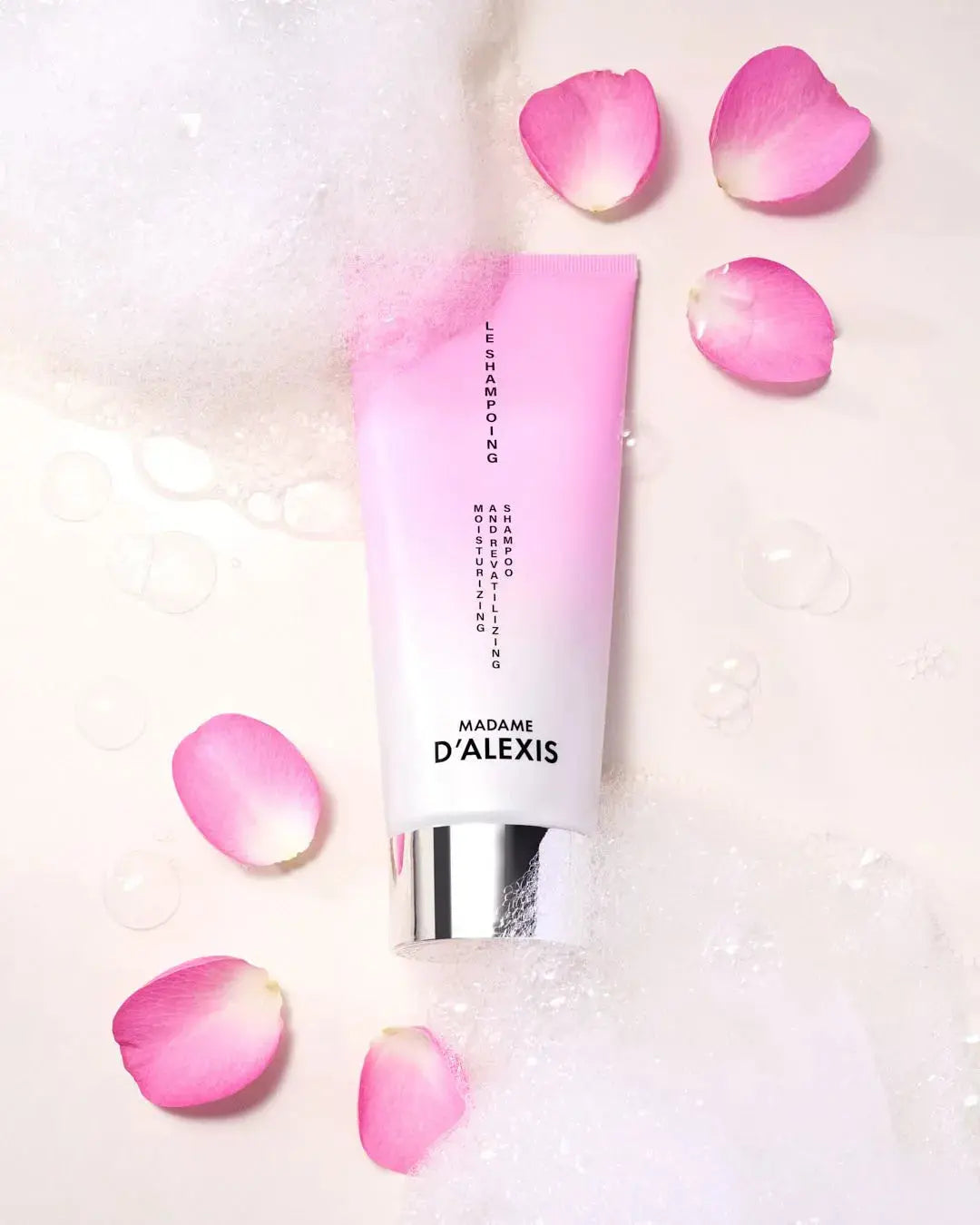
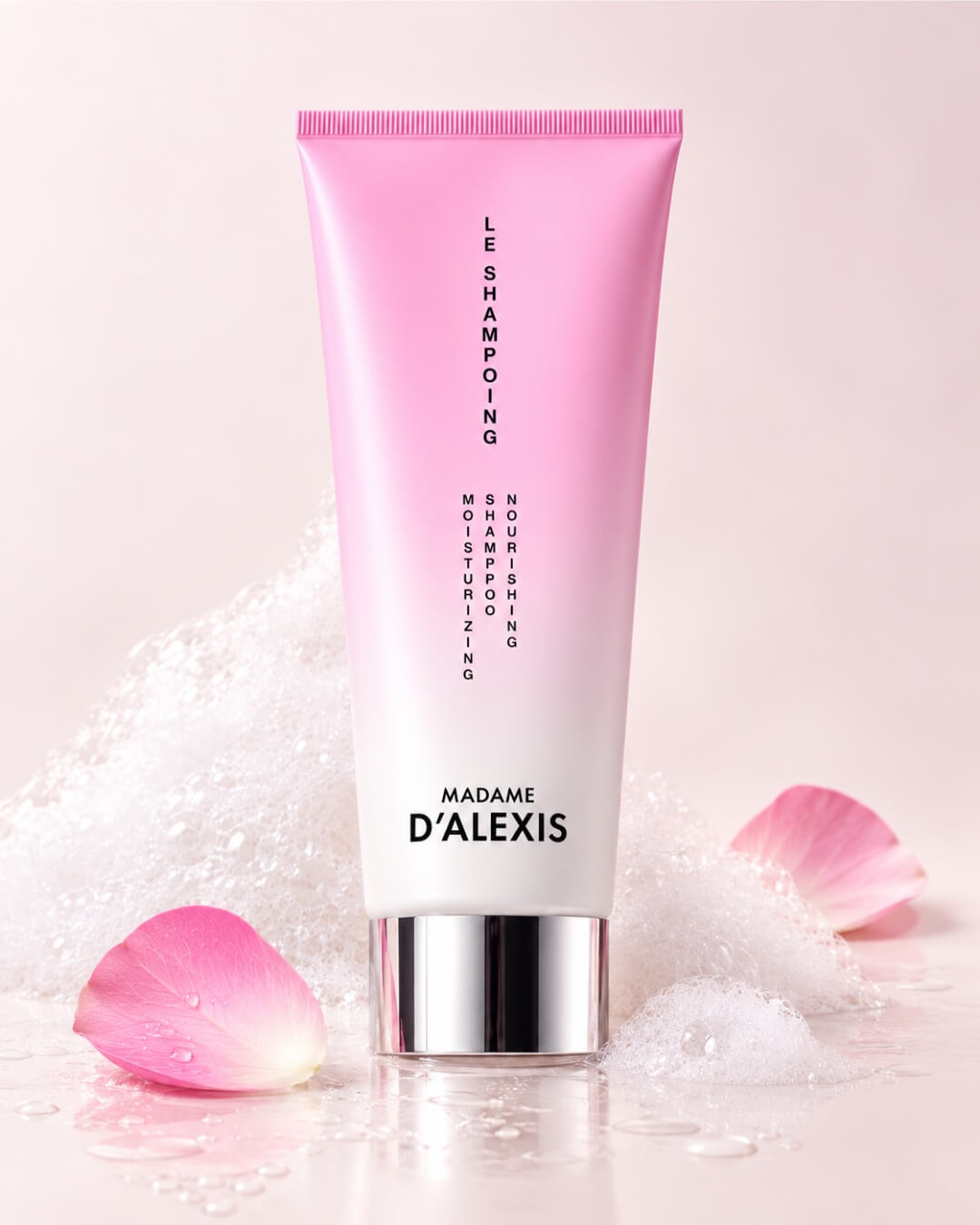
The Shampoo
Gentle cleansing · organic hydrosols
- Cleans without stripping or weighing down
- Preserves moisture and definition
- Ideal base before masking and styling
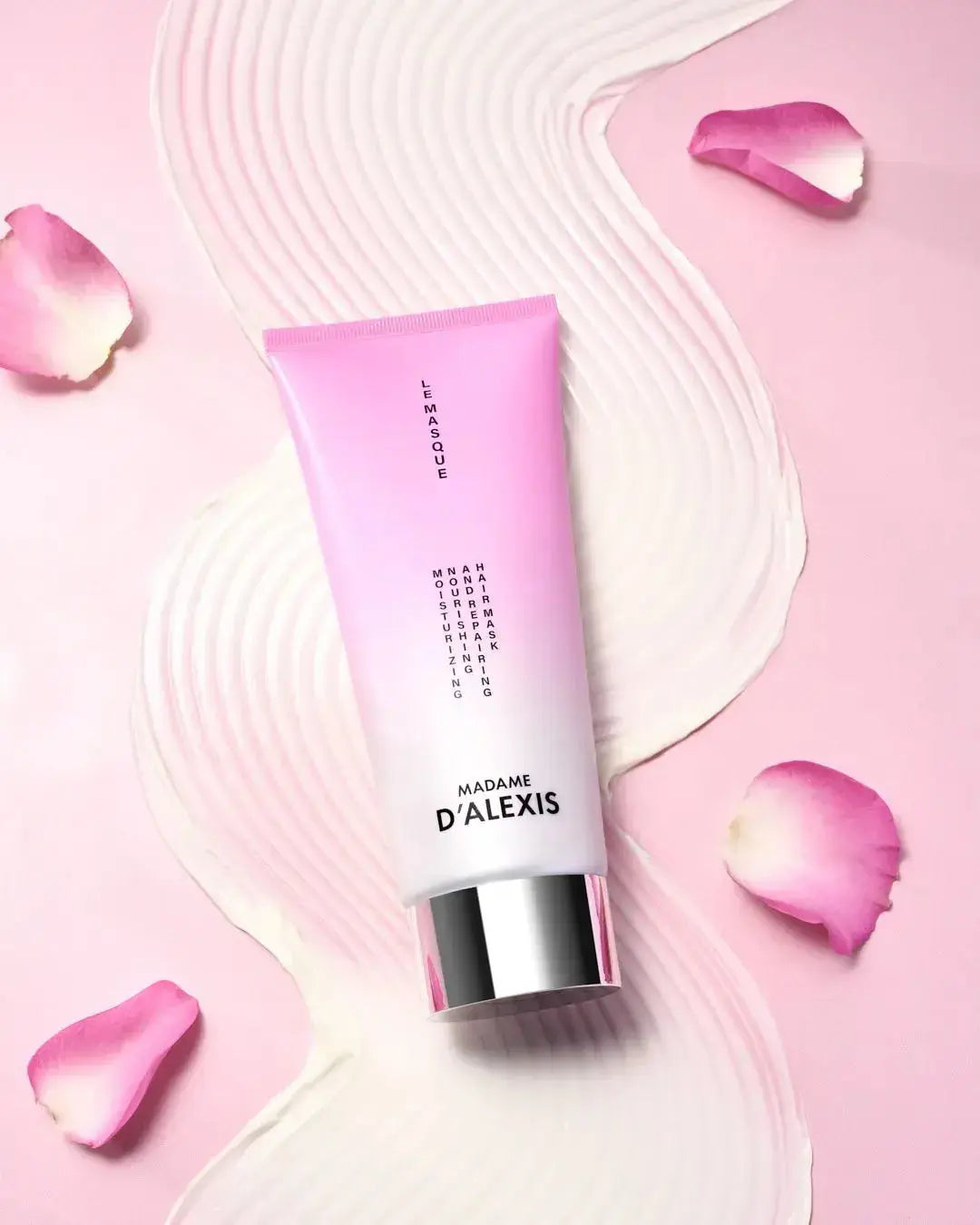
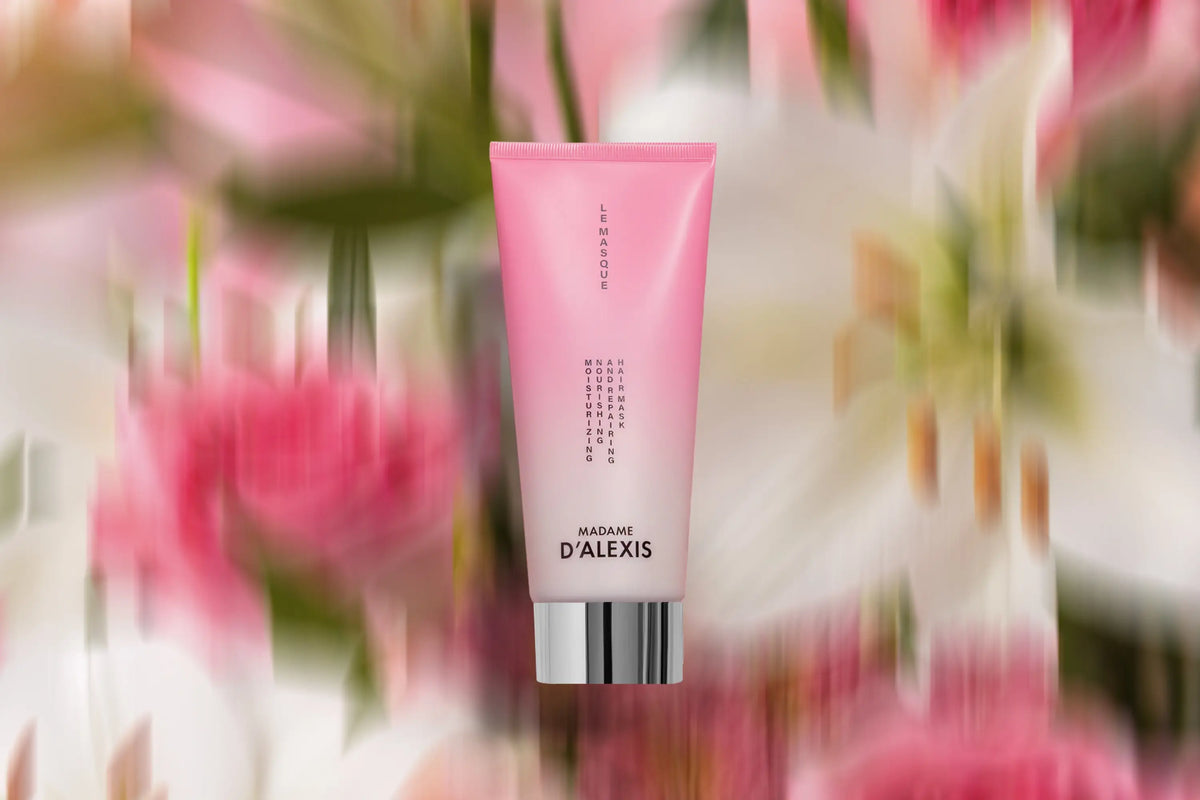
The Mask
Intense hydration · plant ceramides
- Repairs the fiber deep down
- Smooths the cuticle, reduces frizz
- Restores bounce and softness to curls
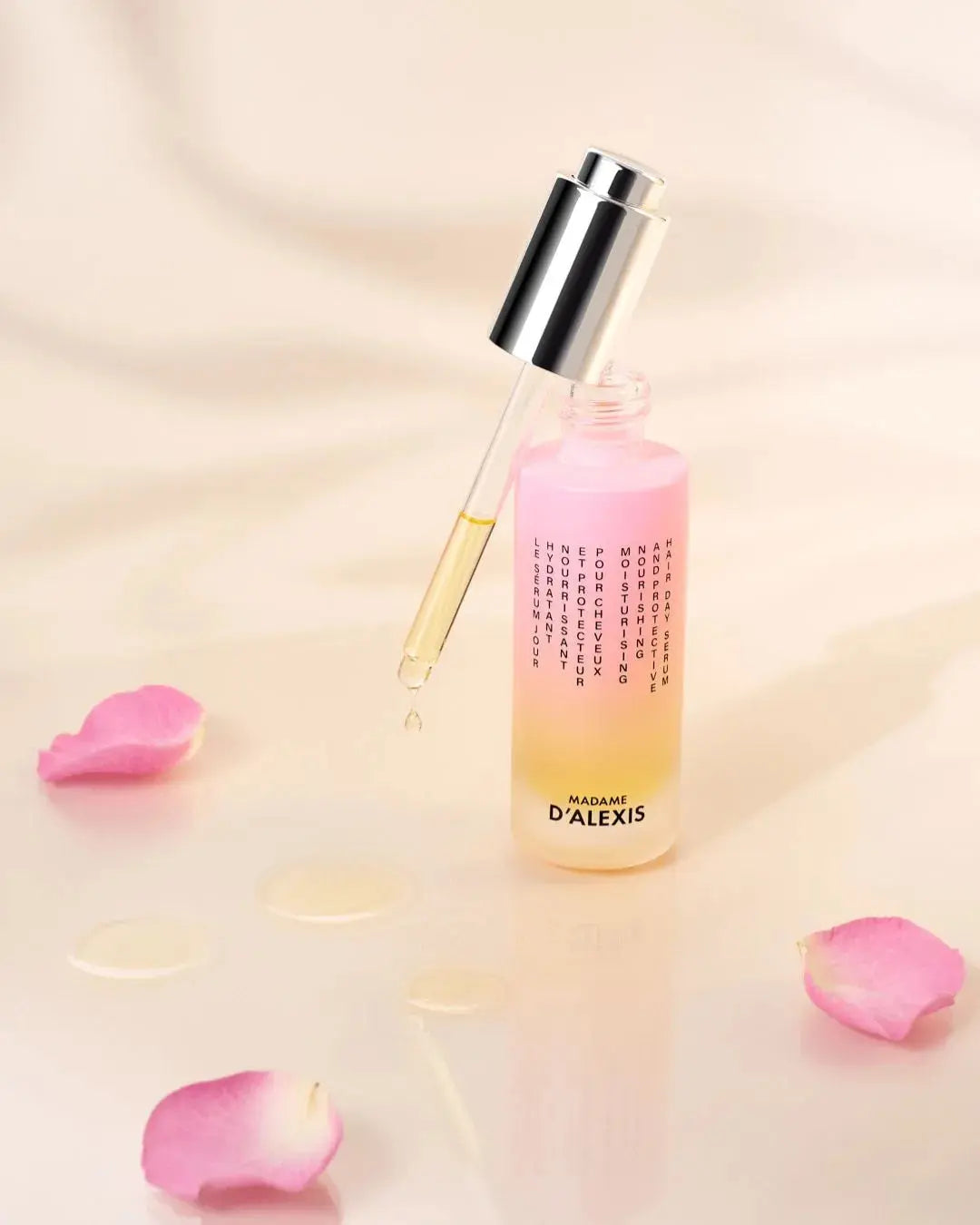
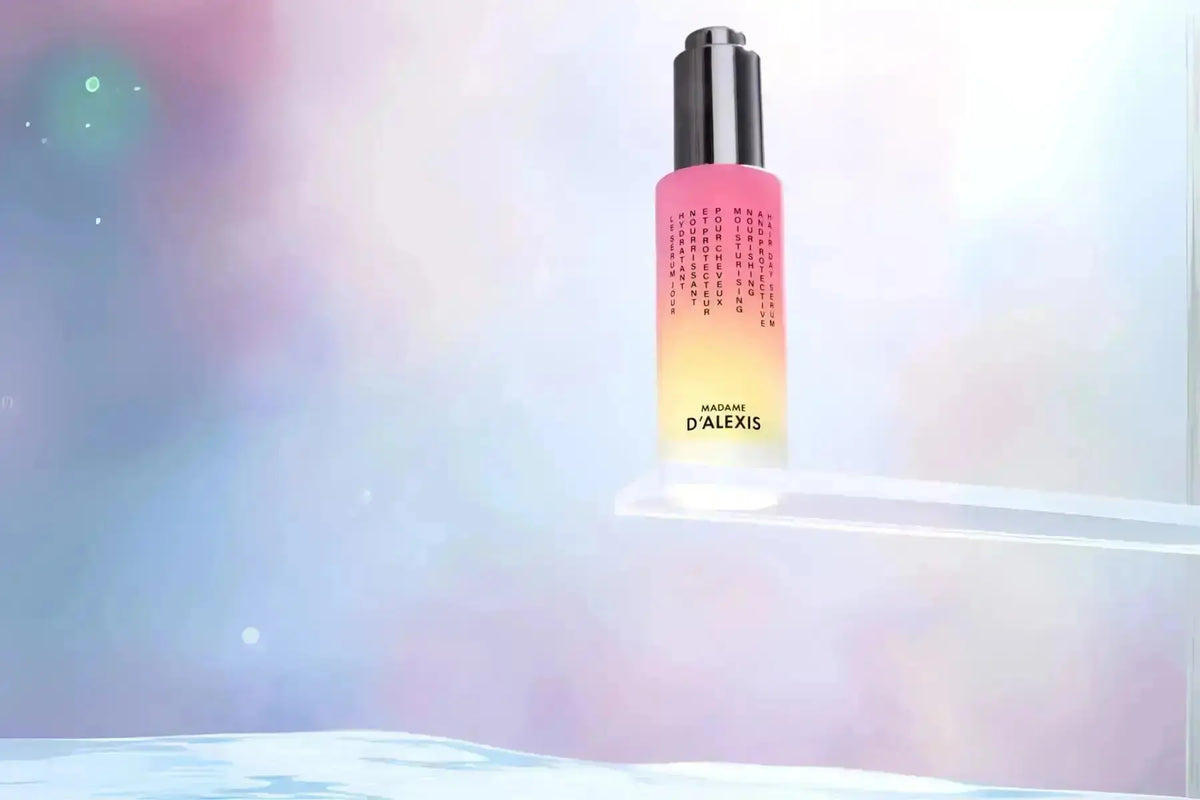
The Day Serum
Protection · light shine
- Heat, UV, and pollution shield
- Tames frizz without weighing hair down
- Shiny finish and defined curls
How to apply shampoo and conditioner to curly/coily hair?
What are the best hair care products for curly and frizzy hair?
Some products stand out for their formulation and consistency across the range. The Madame d'Alexis Curly Hair Routine Pack is a good example of this.
- Moisturizing shampoo: it cleanses without stripping and moisturizes thanks to organic rose, chamomile, and orange blossom hydrosols. Plant-based keratin strengthens the hair fiber.
- Nourishingmask: deeply repairs, protects hair lengths, and visibly reduces frizz.
- Day serum for curly hair: a real shield, it protects against heat, pollution, and UV rays while adding shine and lightness.
Key benefits for curly hair:
- More defined and bouncy curls.
- Intense hydration and smoothed cuticles.
- Reduced frizz and enhanced elasticity.
- Long-lasting protection for textured and wavy hair.
Practical tips for enhancing curly hair
Beyond the products, a few simple actions can make a difference:
- Space out washes to once or twice a week.
- Refresh your curls every morning with a moisturizing spray (refresh).
- Alternate between wearing your hair down, in braids, in a ponytail, or in protective hairstyles.
- Massage the scalp regularly to stimulate growth and improve blood circulation.
In my experience, the success of a routine depends less on the number of steps than on their consistency. Moisturizing, protecting, and disciplining are the three pillars that guarantee healthy, shiny, and long-lasting curls.
What to do and what not to do for healthy curly and wavy hair
Caring for curly or frizzy hair is not just about choosing the right products: daily habits play an equally important role.
Certain actions enhance the definition and shine of curls, while others can weaken the hair fiber and accentuate frizz.
To help you distinguish between best practices and common mistakes, watch this video, which clearly and concisely summarizes what to do and what to avoid.
FAQs about curly and wavy hair
How can you get naturally curly hair without heat?
There are several gentle methods for curling your hair without using curling irons or heat, which helps preserve the integrity of the hair fiber. The most effective techniques are based on mechanical styling:
- Braids: by creating two to four braids in slightly damp hair and undoing them after a few hours, you can achieve soft waves or more defined curls depending on the thickness of the strands.
- The chignon or buns: by rolling the hair onto itself and securing it, you encourage the creation of natural spirals.
- Twists: easy to do, they give a curly effect when undone the next day.
- The scarf or sock: more original techniques involve wrapping the strands around a piece of fabric to create tight curls.
In my opinion, these methods have two advantages: they are gentle on the hair and allow you to experiment with different styles without making a permanent commitment.
What is the difference between curly, frizzy, and kinky hair?
The distinction between these hair types is based primarily on the shape of the hair fiber andthe amplitude of the spirals:
- Wavy hair: slight S-shaped movement, soft and shiny appearance.
- Curly hair: large, well-defined spirals, giving a bouncy effect.
- Curly hair: tight, voluminous curls that can sometimes be difficult to manage without the right care products.
- Kinky hair: very tight twists, close to a "Z" shape, characterized by particular fragility.
The determining factor is the shape of the hair follicle. The more curved it is, the more spiral-shaped the strand becomes. Understanding this difference helps you choose a specific hair care routine tailored to your hair type.
What products are essential for caring for curly hair?
A successful routine is based on three pillars: moisturizing, nourishing, and protecting. Curly hair is naturally dry, so it requires targeted care:
- A gentle shampoo: ideally sulfate-free, to clean without stripping.
- A nourishing conditioner or mask: to smooth the cuticle and strengthen the hair fiber.
- A leave-in treatment: it maintains hydration throughout the day.
- A styling cream or curl gel: to define curls and reduce frizz.
- A lightweight oil: to seal in moisture and protect the ends.
My opinion is clear: it is better to use fewer, high-quality products than to apply multiple layers. Consistency is more important than quantity.
How can you prevent frizz in curly hair?
Frizz is caused by an open, porous cuticle that allows moisture to escape. There are several simple steps you can take to reduce frizz:
- Use a microfiber towel rather than a traditional towel to avoid friction.
- Dry in the open air or at a low temperature to preserve the cuticle.
- Apply a moisturizing treatment to damp hair to retain water in the hair fiber.
- Sleep with a silk scarf or satin pillowcase, which reduce friction during the night.
- Avoid dry brushing: it is better to detangle wet hair with a wooden comb or your fingers.
Personally, I believe that prevention is key: well-hydrated hair reacts much better to ambient humidity.
What daily hair care routine should you follow to enhance your curly hair?
An effective routine should be simple but consistent. Here is a typical schedule that I recommend:
- Washing: once or twice a week with a moisturizing shampoo.
- Deep conditioning: a weekly nourishing mask to strengthen the hair fiber.
- Daily hydration: apply a leave-in conditioner and styling cream to maintain curl definition.
- Protection: Apply a serum or a light oil before any exposure to heat or the sun.
- Scalp: gentle massages to stimulate microcirculation and support hair growth.
What I have learned after several years of observation is that consistency and gentleness are the true allies of curly hair. Overusing products does not yield better results, whereas a structured and respectful routine transforms the hair in a lasting way.