Advice
Scalp: Anatomy, Microbiome, and a Comprehensive Routine for a Healthy Scalp
The scalp is skin in its own right: anatomy, microbiome, 4 profiles, and a complete routine (scrub, shampoo, serum) to restore its natural balance.

Scalp: Anatomy, Microbiome, and a Complete Skincare Routine
The scalp isn’t just a surface. It’s living, well-supplied skin, home to a microbiome, and responsible for much of your hair’s beauty. Understanding this means you can finally choose the right care routine.
Key takeaways
- The scalp is skin in its own right, with an epidermis, dermis, hair follicles, sebaceous glands, and a microbiome.
- Dandruff, itching, hair loss, and oily roots often start on the scalp itself, not just on the hair shaft.
- A balanced microbiome depends on sebum, pH, the hydrolipid film, and the gentleness of skincare products.
- The ideal routine: Exfoliate every 10 to 15 days, use a gentle shampoo 2 to 3 times a week, and apply a night serum to the scalp.
Before trying to add shine to the lengths, start by restoring balance. A healthy scalp results in hair that is more supple, more lustrous, and more resilient over time.
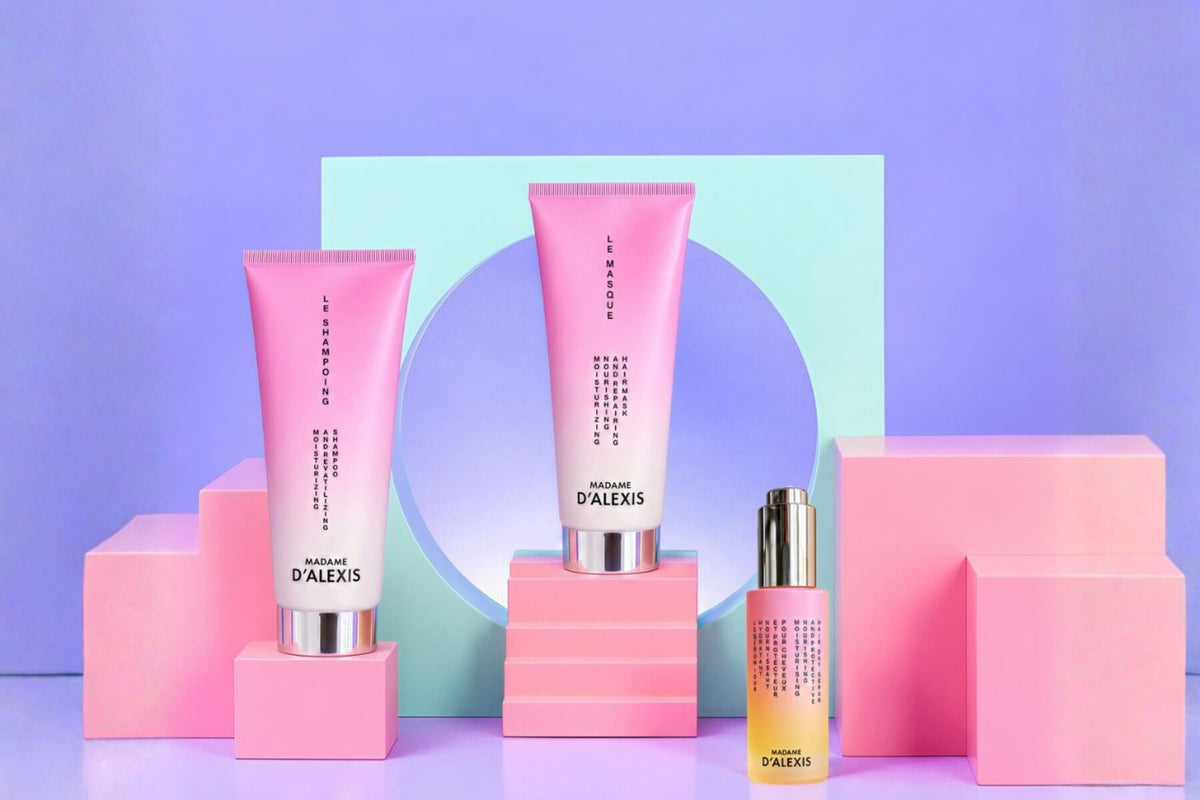
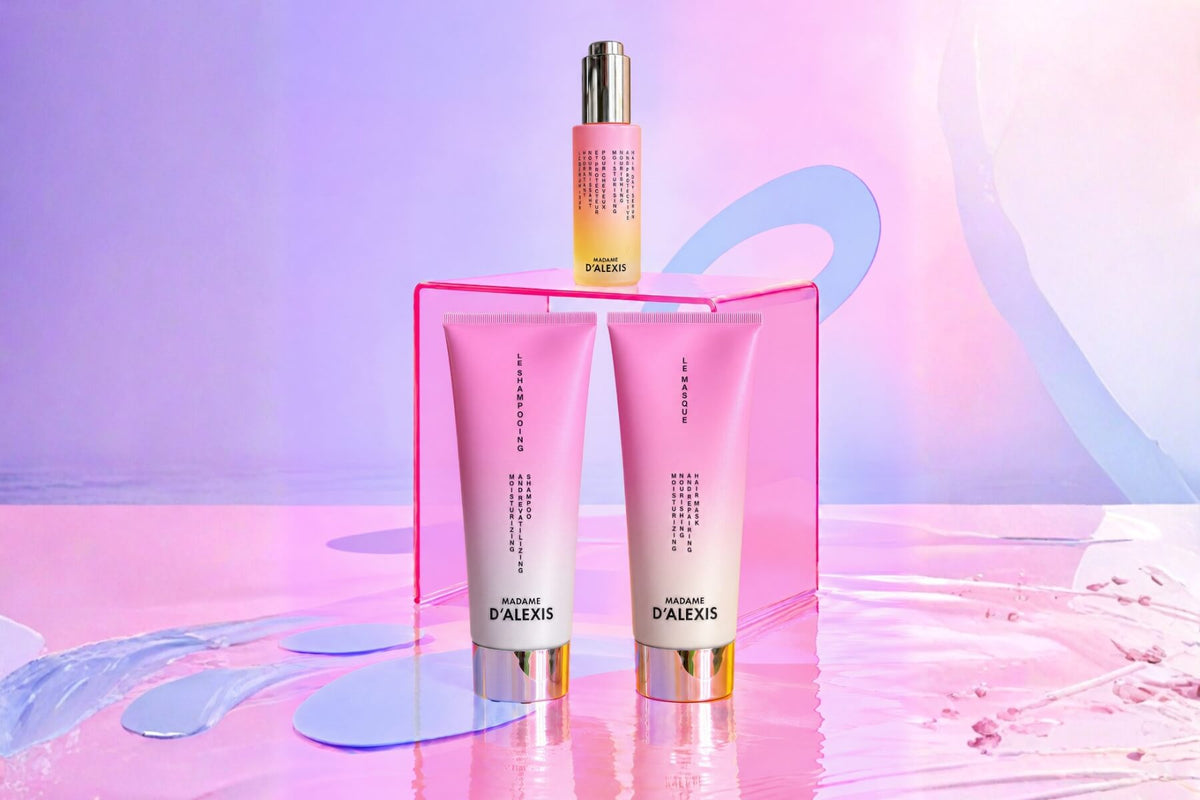
The Scalp Care Trio
The three key steps to remove buildup, cleanse without stripping, and support the scalp’s natural balance.
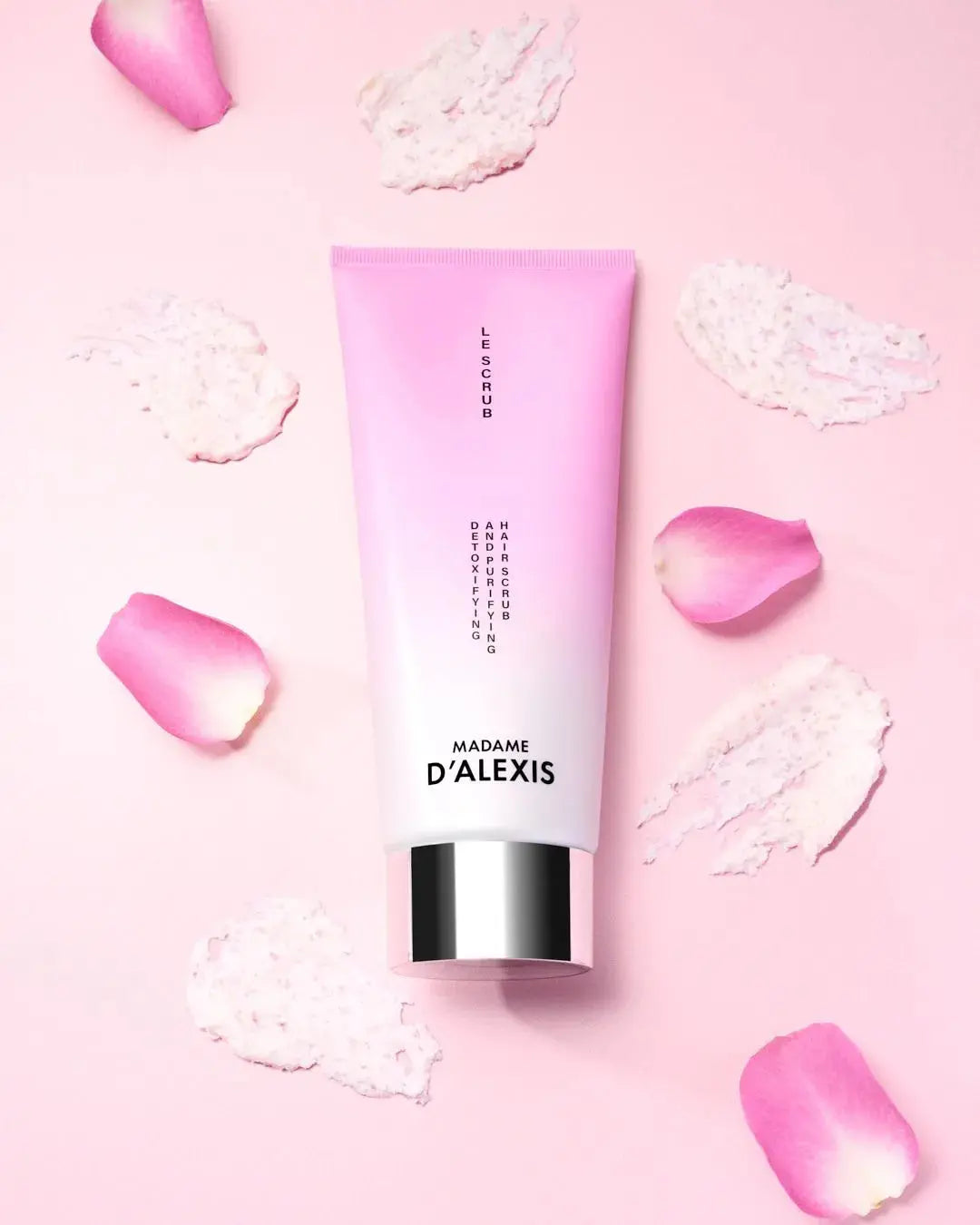
The Scrub - Exfoliating scalp shampoo with organic floral waters
Gentle Exfoliation · Scalp Reset
- Micronized fleur de sel
- Active Organic Floral Waters
- Purifies without being harsh
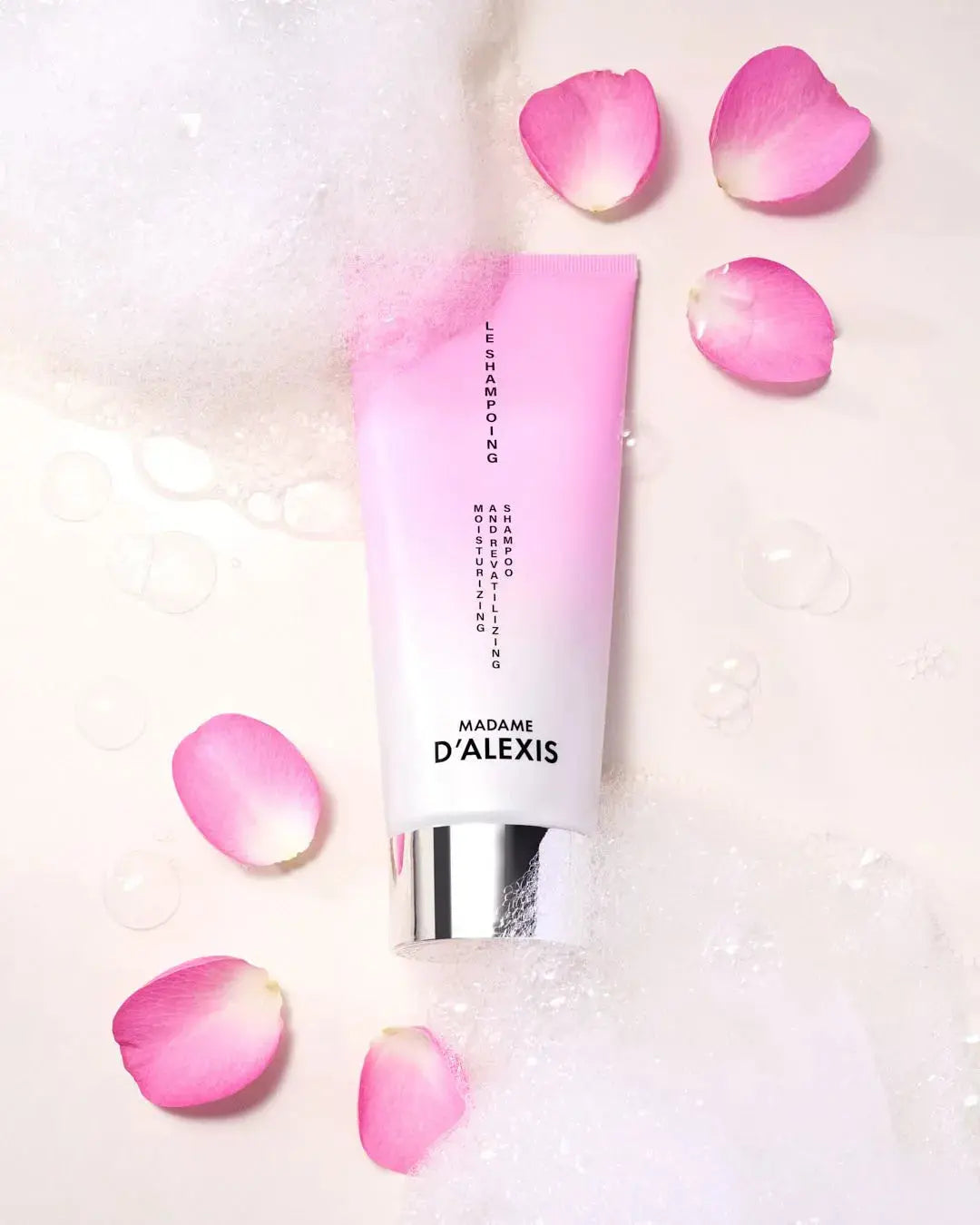
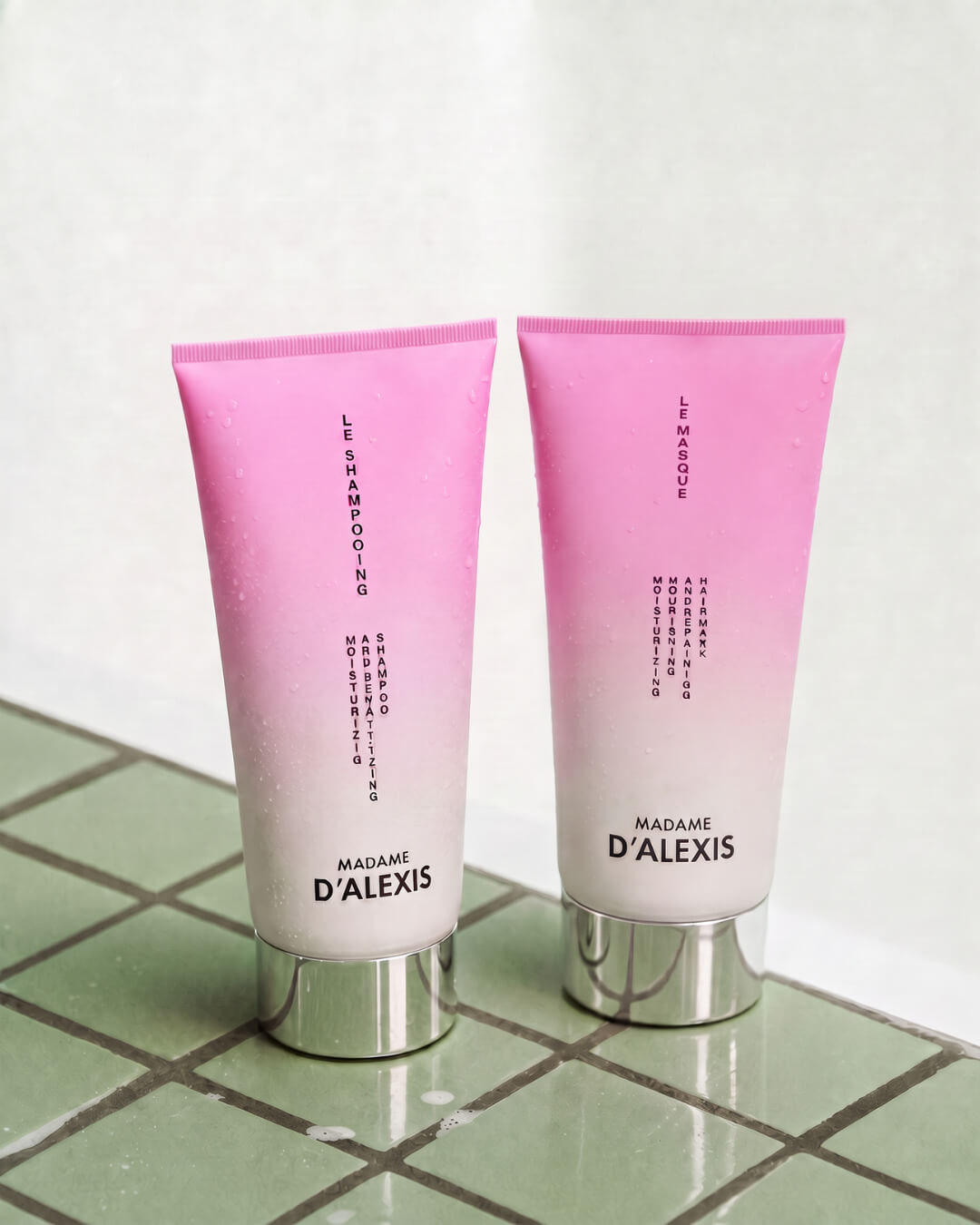
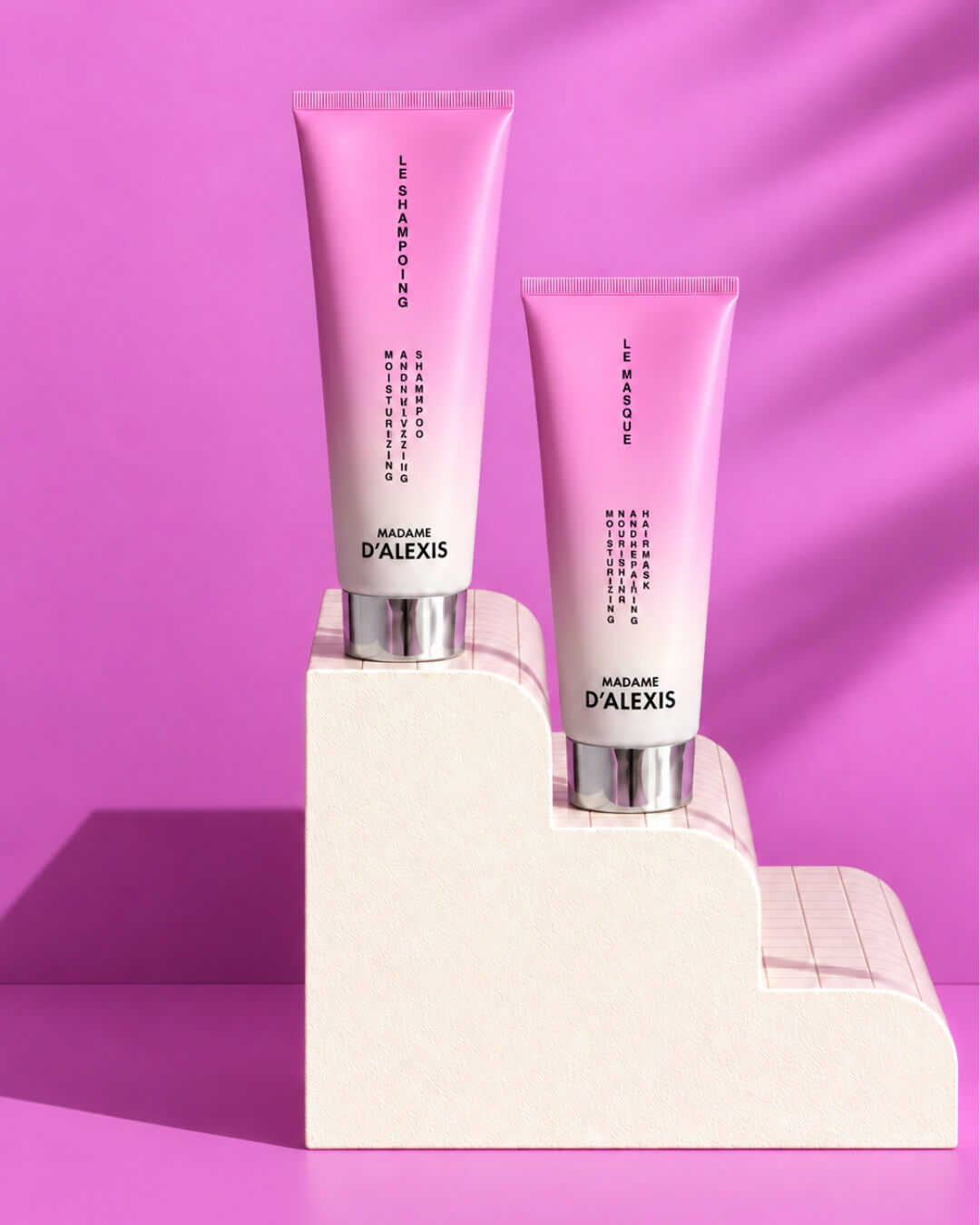
The Shampoo - Organic Hydrolats and Hyaluronic Acid
Gentle cleaning · 98% natural
- Free from sulfates and silicones
- Cationic HA
- 3 plant-based proteins
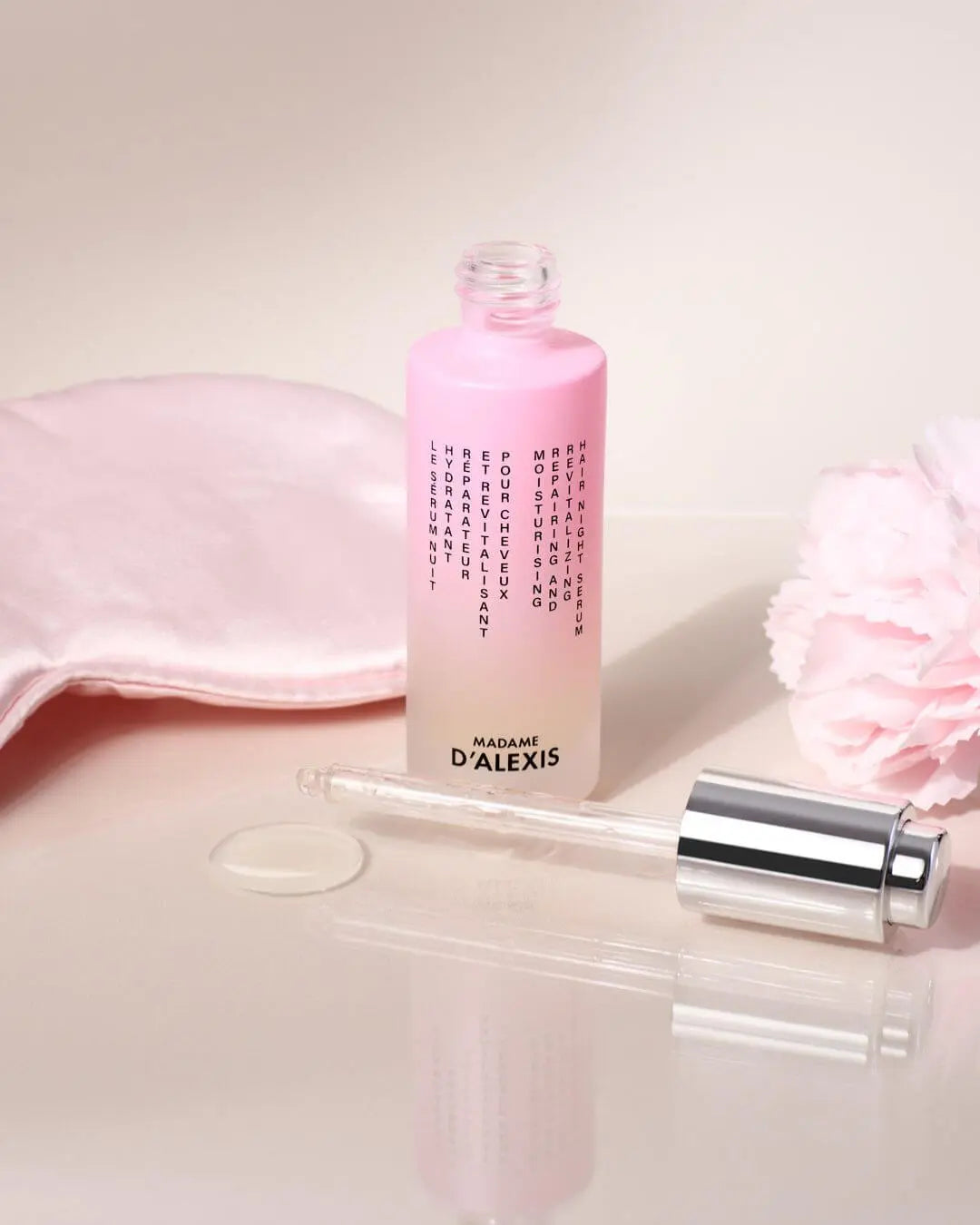
Anti-Hair Loss & Thickening Night Serum with Probiotics
Microbiome · density
- Probiotics and postbiotics
- Hair Roots and Scalp
- 3- to 5-night treatment
What Is the Scalp? Anatomy and Physiology
The scalp is the portion of skin that covers the skull, from the forehead to the nape of the neck. Like the rest of the skin, it consists of three layers: the epidermis, the dermis, and the hypodermis.
This area has an impressive density: between 150 and 300 hair follicles per cm², depending on hair type and ethnicity, for a total of 100,000 to 150,000 hairs on average.
To better understand the anatomy and physiology of the scalp, think of the hair follicle as a small factory: it produces hair, receives sebum, interacts with the microbiome, and depends on microcirculation.
The visible barrier, which is directly exposed to shampoo, hard water, friction, and styling products.
The active area: blood vessels, nerve endings, hair follicles, and sebaceous glands.
The deeper, fattier layer that helps support the skin on the scalp.
The pilosebaceous follicle, the basic unit of the scalp
Each hair grows from a pilosebaceous follicle, a structure composed of the hair follicle, the sebaceous gland, and the arrector muscle. This structure explains why an unbalanced scalp directly affects hair quality.
The hair cycle: anagen, catagen, telogen
| Phase | Average duration | What's Going On | Why It's Important |
|---|---|---|---|
| Anagen | Ages 2 to 6 | Active growth phase. | The longer it lasts, the longer and denser the fiber can be. |
| Catagen | 2 to 3 weeks | During the transition phase, the follicle retracts. | The hair is preparing to leave its active phase. |
| Telogen | About 3 months | Rest phase, followed by a natural decline. | You can lose 50 to 100 hairs a day without even noticing. |
The Scalp Microbiome: The Invisible Balance That Changes Everything
The scalp is home to its own microbiome: an ecosystem of bacteria and yeasts that exists in balance with the skin’s sebum and pH. It is this invisible environment that influences comfort, dandruff, irritation, and the quality of the hair growth cycle.
A lipid-loving yeast that feeds on sebum. It becomes a problem when it overgrows.
A bacterium that helps maintain a protective acidic pH.
A beneficial microorganism that helps control certain unwanted germs.
pH: The Conductor of Balance
A healthy scalp has an acidic pH, between 4.5 and 5.5. As soon as the pH rises above 6—often due to a shampoo that is too alkaline or hard water—Malassezia proliferates more easily, sebum oxidizes, and discomfort may increase.
Sebum and the microbiome: a two-way relationship
Sebum isn't the enemy. It's food for the beneficial microbiome. The problem arises when there's too much or too little of it. In both cases, microbial diversity declines and opportunistic species take over.
That’s the whole concept behind our formulas based on active organic hydrosols: to cleanse and moisturize without stripping the scalp, in order to preserve the hydrolipidic film and support the scalp’s natural balance.
The 4 types of scalp: oily, dry, sensitive, normal
Before choosing a routine, you need to know what type of person you're dealing with. Here's how to tell them apart quickly.
Hair that gets oily again within 24 to 48 hours, flat roots, and a greasy appearance as early as the day after shampooing.
Tightness, small flakes of dry dandruff, dull or brittle ends.
Itching, tingling, redness along the part, reactions to certain products.
It doesn't get oily quickly, nor does it get dry; there's no particular discomfort. The goal is to maintain this balance.
Here’s a simple test: examine your scalp 48 hours after washing your hair with a mild shampoo and without using any styling products. If it’s shiny and sticks to your fingers, it’s oily. If it feels tight and flakes off in fine particles, it’s dry.
Common problems: dandruff, itching, irritation, hair loss
Dandruff and scalp imbalances are often caused by an overgrowth of Malassezia, which converts sebum into irritating compounds.
They are often linked to an imbalanced pH, a compromised skin barrier, or an intolerance to sulfates, silicones, or synthetic fragrances.
A chronically imbalanced scalp microbiome can contribute to local inflammation and discomfort, which weakens the environment necessary for hair growth.
A Complete Routine for a Healthy Scalp
An effective routine follows a simple logic: remove buildup, gently cleanse, and then deliver targeted active ingredients to the hair shaft and scalp, without ever disrupting the pH balance or the microbiome.
Step 1 - Detoxifying Scalp Scrub
A scalp scrub removes dead skin cells, oxidized sebum, and buildup from styling products without irritating the scalp.
Frequency: every 10 to 15 days, as needed.
Step 2 - Sulfate-Free Shampoo with Hydrosols
The cleanser should be gentle without stripping the skin. The goal is to cleanse the scalp, not to strip it of its hydrolipidic film.
Frequency: 2 to 3 shampoos per week, up to 4 for oily scalps if the formula is gentle.
Step 3 - Targeted Night Serum
This is the step that many routines overlook: a leave-in treatment applied strand by strand, directly to the scalp.
Frequency: daily or 3 to 4 evenings a week, as needed.
The principle that changes everything: the scrub exfoliates, the shampoo cleanses, and the serum helps maintain balance. It is this synergy—not a single “miracle” product—that restores the scalp’s ability to regulate itself.
Mistakes That Disrupt the Scalp's Balance
Certain habits, though very common, disrupt the scalp’s balance without us even realizing it.
When to See a Dermatologist
Even a well-designed skincare routine has its limits. Certain signs should prompt you to see a dermatologist or doctor right away.
Hair loss that significantly exceeds 100 hairs per day over several weeks, or bald patches, requires medical attention.
These symptoms may indicate seborrheic dermatitis, psoriasis, or another scalp condition.
If the discomfort does not improve after 3 to 4 weeks of gentle exercise, you should seek medical attention.
A painful or damaged scalp is not just a cosmetic issue.
FAQ - Your Questions About the Scalp
What is the scalp?
How big is the scalp?
What is the scalp microbiome?
Oily or dry scalp: How can you tell the difference?
Why does my scalp get oily so quickly?
Is dandruff contagious?
What is the difference between dandruff and seborrheic dermatitis?
How often should you exfoliate your scalp?
Is sebum bad for the scalp?
When does hair loss become a cause for concern?
Sources
- Medical Encyclopedia - Hair Follicle, Wikipedia: fr.wikipedia.org/wiki/Follicule_pileux
- French Society of Dermatology - Skin Structure and Appendages: sfdermato.org
- ORBi University of Liège - Scaly Scalp Conditions and Dandruff: orbi.uliege.be
- PubMed - Comparison of the Microbiomes of Healthy and Dandruff-Prone Scalps Reveals the Role of Commensals in Scalp Health: pubmed.ncbi.nlm.nih.gov/30338244
- PubMed - The pH of the skin surface and its impact on the barrier function: pubmed.ncbi.nlm.nih.gov/16864974
- EUR-Lex - Regulation (EC) No. 1223/2009 on cosmetic products.