Advice
Hydrosols and the Scalp Microbiome: Understanding the Science to Restore Balance
Organic floral waters naturally rebalance the scalp microbiome with their active ingredients. Discover how to use floral waters in a daily spray, choose the right floral water for your skin, and rebalance your microbiome in 8 weeks.

Your scalp is home to a complex microbiome made up of bacteria and yeasts essential to its health. An imbalance leads to dandruff, itching, and oily hair.
Organic floral waters (natural plant waters) rebalance this microbiome thanks to their gentle antimicrobial properties and suitable pH. Unlike harsh chemical products, they respect the skin's natural balance while delivering visible benefits within 2 to 3 weeks.

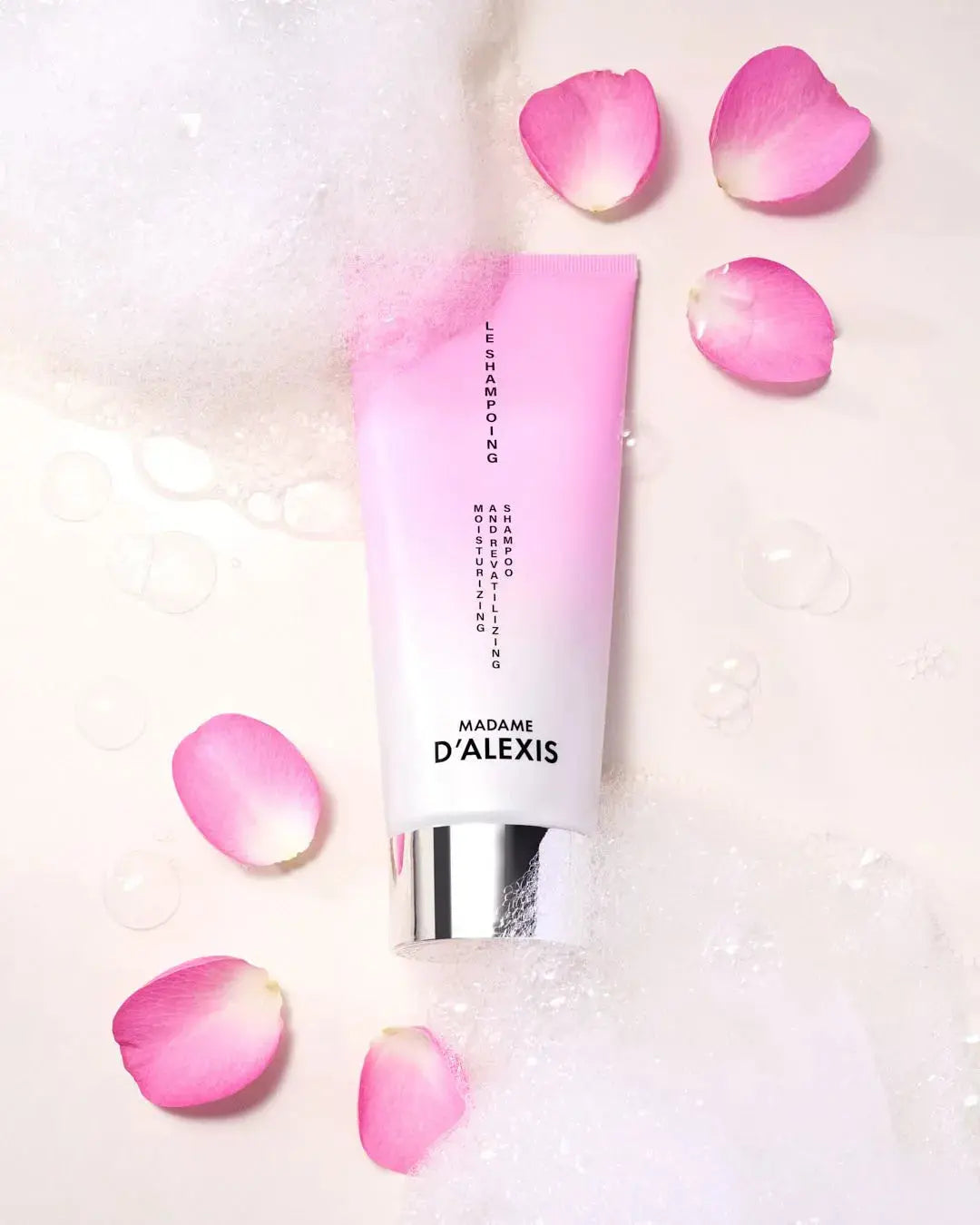
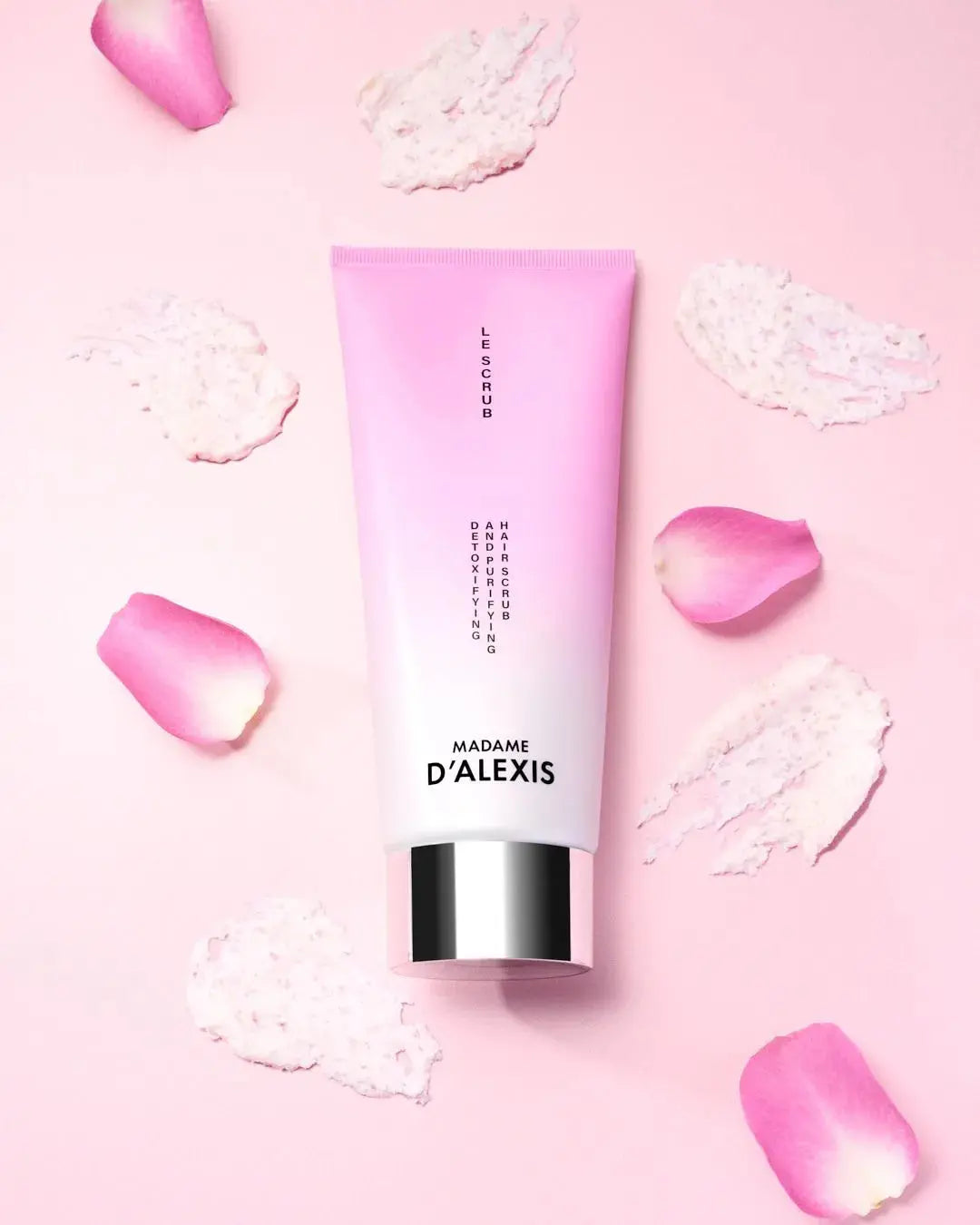
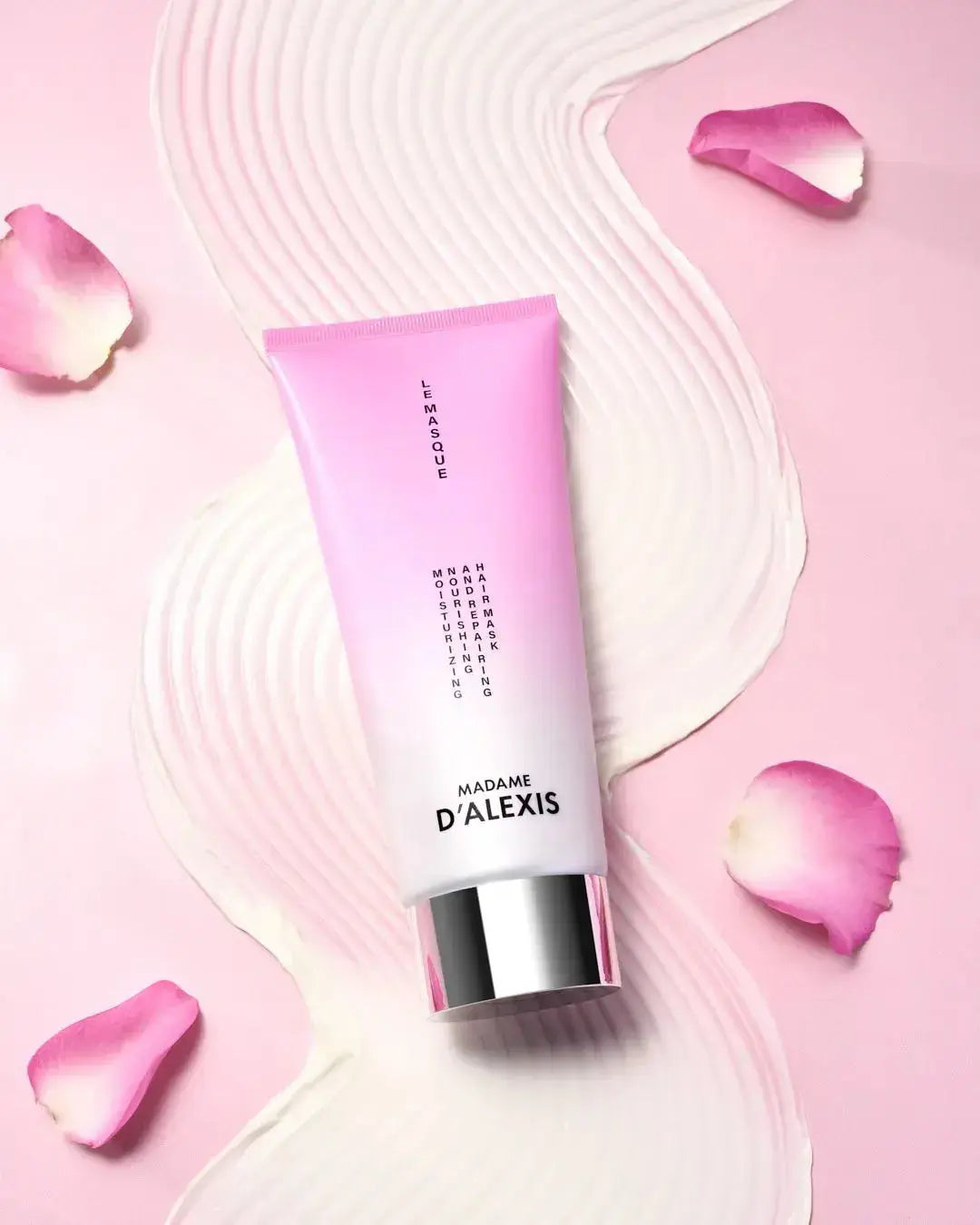
Our natural products based on certified organic floral waters
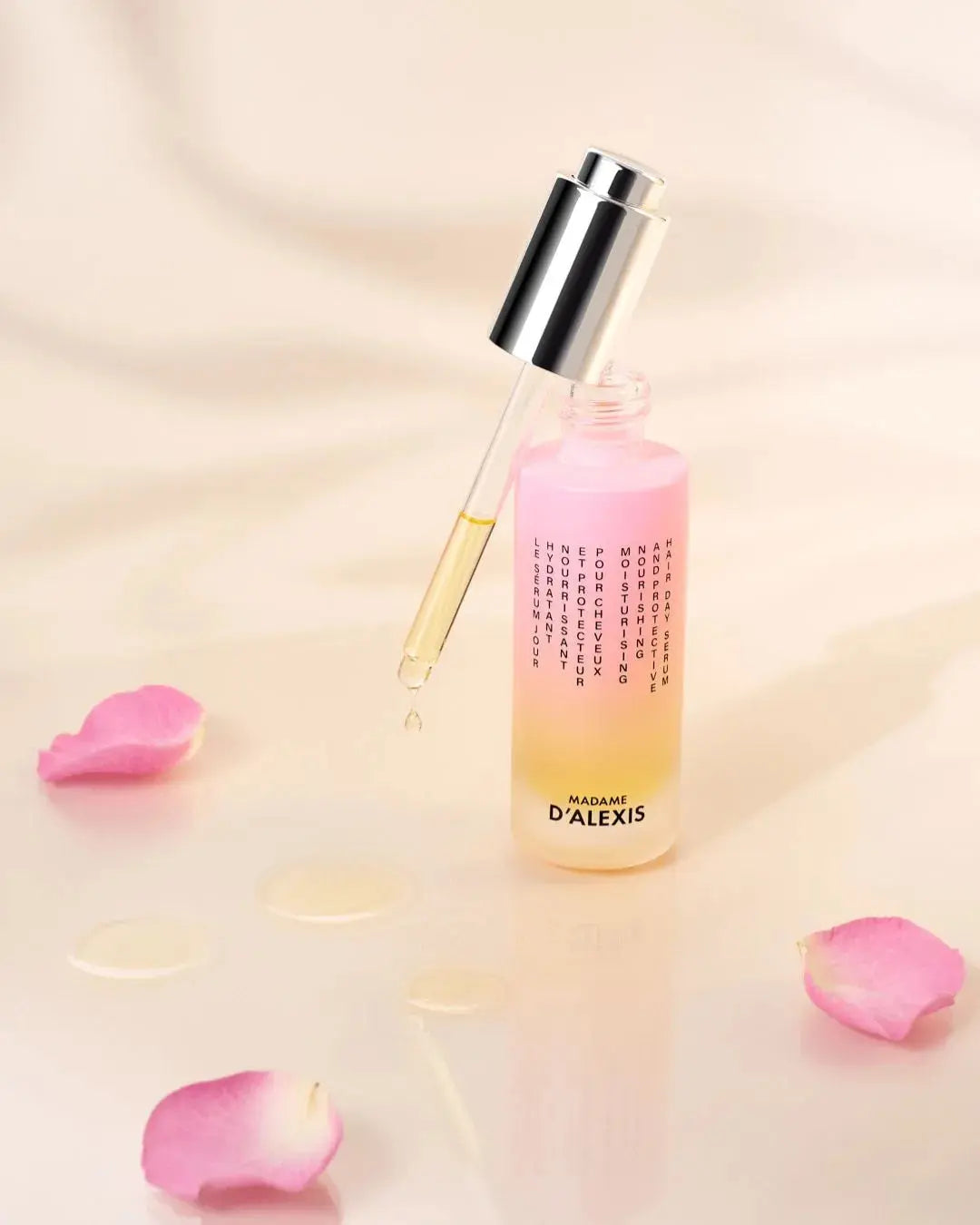
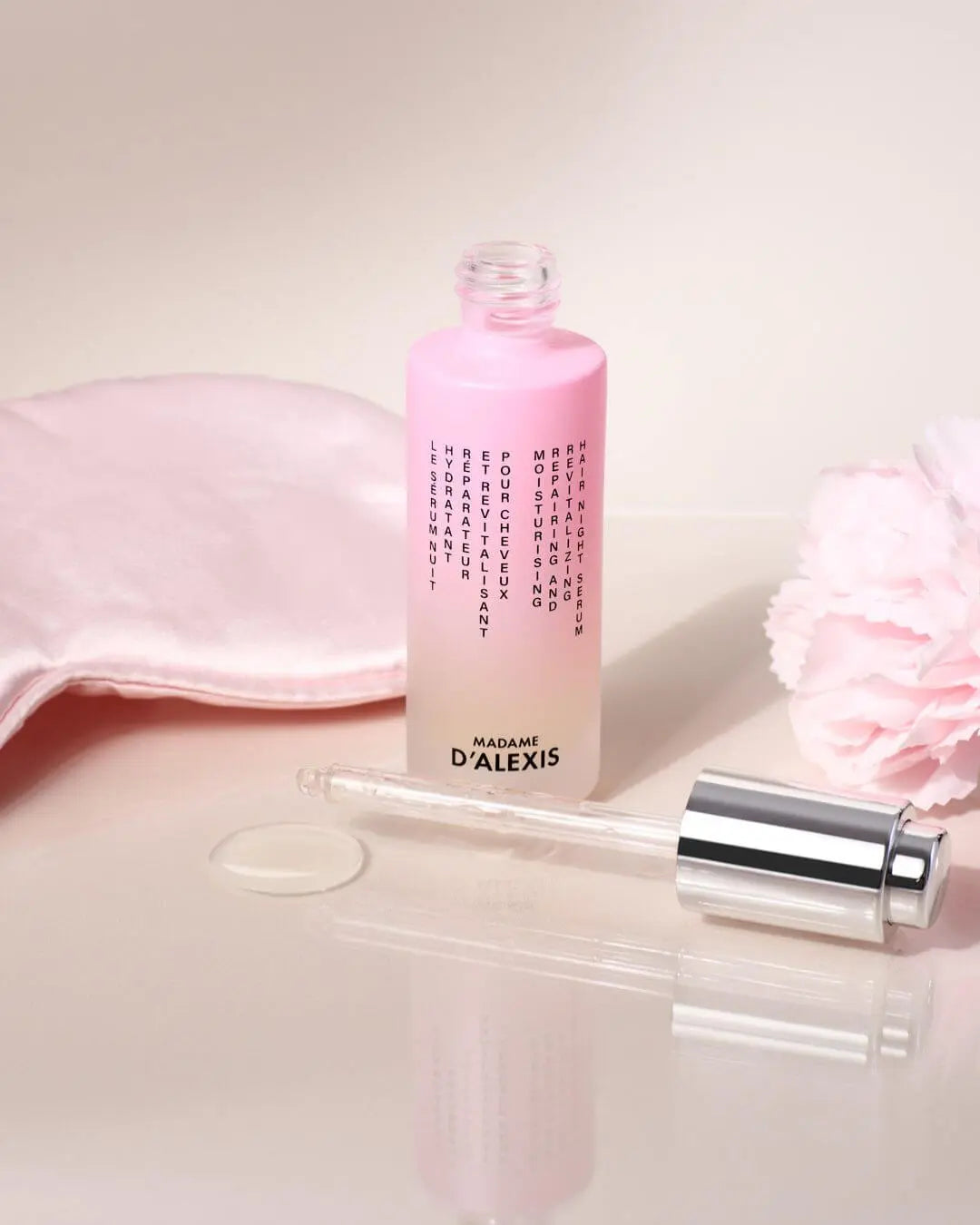
The Benefits of Floral Waters: A Scientific Approach
Before diving into the science of the microbiome, discover the real benefits of organic floral waters for your scalp and hair.
Direct benefits of floral waters
1. Soothe itching and irritation
- Reduction of inflammation in 3-5 days
- Immediate relief thanks to flavonoids
- Ideal for reactive or sensitive scalps
2. Tone and tighten pores
- Natural astringent effect of tannins
- Tightens scalp pores
- Reduces shine and visible oil
3. Balance oil production
- Peppermint and sage reduce oil by 30-40%
- Hair stays clean longer
- Visible results in 2-3 weeks
4. Eliminating dandruff
- Antimicrobial action on Malassezia
- Gradual disappearance of dandruff
- Lasting results in 4-6 weeks
5. Strengthening the skin barrier
- Hydration without chemical residue
- Natural minerals (calcium, magnesium)
- More resilient scalp
Properties of floral waters: beyond the microbiome
Floral waters offer recognized cosmetic properties:
- ✅ Hydrating property: Distilled water + natural minerals
- ✅ Toning property: Tightens and revitalizes
- ✅ Soothing property: Reduces inflammation and irritation
- ✅ Antioxidant property: Protects against oxidative stress
- ✅ Antimicrobial property: Inhibits pathogens gently
- ✅ Astringent property: Naturally tightens pores
Why the scalp microbiome is crucial
Your scalp is not an inert surface. It is a living ecosystem where billions of micro-organisms coexist: bacteria, yeasts, and fungi. This delicate balance is called the skin microbiome (or microbiota).
When this balance is preserved, your scalp is healthy: shiny hair, no dandruff, no itching. But as soon as it becomes unbalanced, problems appear: greasy hair, dandruff, irritation, chronic itching.
The good news? Natural and organic floral waters offer a gentle and scientifically proven solution to restore this balance without irritating your skin.
Discover how these traditional floral waters can transform the health of your scalp.
What is the scalp microbiome?
Definition: Microbiome vs Microbiota
These two terms are often confused, but they do not mean the exact same thing:
- Microbiota = the collection of micro-organisms (bacteria, yeasts, fungi) living on your skin
- Microbiome = the microbiota + its genetic and chemical environment
In practice, both terms are used to talk about the same concept: the microbial ecosystem of your scalp.
A complex and balanced ecosystem
Your scalp is home to approximately 100 billion microorganisms divided into several families:
Balance is key. When one species multiplies excessively (such as Malassezia), the imbalance begins.
The role of a healthy microbiome: 3 essential functions
A balanced microbiome fulfills three critical roles for the health of your scalp:
1. Skin barrier protection
Beneficial microorganisms create a protective barrier against external pathogens (harmful bacteria, aggressive fungi). They secrete natural antimicrobial substances that prevent infections.
2. pH and moisture balance regulation
A healthy microbiome maintains a slightly acidic pH (4.5-5.5) which:
- Prevents the growth of pathogens
- Maintains natural moisture
- Reduces irritation and itching
3. Local immune system
The microbiota stimulates your skin's immune defenses, strengthening its ability to regenerate and fight against external aggressions.
Composition of the hair microbiome: The main players
Beneficial bacteria
Cutibacterium Acnes (formerly Propionibacterium Acnes)
- Regulates sebum production
- Produces fatty acids that protect the skin
- In excess: causes dandruff and itching
Staphylococcus Epidermidis
- Beneficial commensal bacteria
- Produces antimicrobial peptides
- Protects against infections
Yeasts: Malassezia, the balancer
Malassezia is the most important yeast on the scalp. It:
- Naturally breaks down lipids (sebum)
- Lives in symbiosis with bacteria
- In excess → seborrheic dermatitis, dandruff, itching
This is why regulating Malassezia is essential for a healthy scalp.

Causes of microbiome imbalance: why things go wrong
Several factors can disrupt your skin microbiome:
External factors
- Harsh chemicals: shampoos with sulfates, stripping shower gels
- Tap water: chlorine, limescale, alkaline pH (7-8) instead of 4.5-5.5
- Pollution: fine particles, heavy metals
- Climate changes: cold, excessive humidity, intense sunlight
Internal factors
- Chronic stress: increases sebum production and weakens immunity
- Hormonal imbalances: puberty, menstrual cycle, hair loss due to menopause
- Diet: refined sugars, trans fats, lack of nutrients
- Antibiotics: also destroy beneficial bacteria
Hair care habits
- Over-washing: strips away protective oils
- Water that is too hot: damages the skin barrier
- Unsuitable products: too rich or too harsh for your scalp type
Dandruff and the microbiome: the scientific connection
Dandruff is not simply dryness. It is a visible symptom of a microbial imbalance.
Mechanism: How Malassezia causes dandruff
- Excessive proliferation of Malassezia (due to the factors above)
- Abnormal breakdown of scalp lipids
- Production of irritating fatty acids (oleic acid)
- Inflammatory reaction: itching, redness
- Flaking: visible dandruff
Types of dandruff and microbiome
Good news: Rebalancing the microbiome gets rid of dandruff at the source, not just on the surface.
Hydrolats: the natural solution to rebalance the microbiome
What is a hydrolat (floral water)?
A hydrolat (also called floral water or flower water) is the byproduct of steam distillation of aromatic plants.
Distillation process:
- Steam passes through flowers/plants
- Extracts volatile molecules
- Steam condenses into two phases:
- Essential oil (light, concentrated)
- Hydrolat (water-based, diluted, gentle)
- Key difference between water and a hydrolat: A hydrolat contains the same active molecules as an essential oil, but in a much lower concentration (0.1-1% vs 100%). That is why it is gentle and safe for daily use on the scalp.
Why floral waters rebalance the microbiome
Floral waters work on three levels:
1. Gentle antimicrobial properties
Floral waters contain active molecules (terpenes, phenols, aldehydes) that:
- Inhibit the growth of Malassezia
- Strengthen beneficial bacteria
- Do not destroy the overall balance (unlike antibiotics)
2. pH Regulation
Organic floral waters have a naturally acidic pH (3.5-5.5) that:
- Restores the scalp's protective acidity
- Neutralizes the alkaline effect of tap water
- Creates an environment where bad bacteria cannot thrive
3. Hydration and soothing
Floral waters contain:
- Distilled water: hydrates without chemical residue
- Minerals: calcium, magnesium, potassium
- Soothing molecules: flavonoids, tannins
- Toning effect: tightens pores, reduces inflammation
Benefits of organic floral waters
Organic floral waters offer an extra guarantee:
- ✅ No pesticides or chemical residue
- ✅ Natural distillation without synthetic solvents
- ✅ Maximum concentration of active molecules
- ✅ Better skin tolerance
- ✅ Minimal environmental impact
Recommended floral waters: guide by scalp type
1. Lavender floral water (Lavandula angustifolia)
Properties:
- Strongly targets and helps balance yeast
- Soothing and calming
- Regulates sebum production
- Tones the scalp
Ideal for:
- Oily scalp with flakes
- Persistent itching
- Sensitive and reactive scalp
How to use: Spray 1 to 2 times daily directly onto the scalp
2. Rose floral water (Rosa damascena or Rosa centifolia)
Properties:
- Naturally balances pH levels
- Hydrating and softening
- Gentle soothing care
- Mild tightening effect
Ideal for:
- Sensitive and irritated scalp
- Dry and itchy scalp
- All hair types
How to use: Daily tonic lotion, use as a spray or apply with a cotton pad
3. Chamomile floral water (Matricaria chamomilla)
Properties:
- Deeply soothing
- Gentle antimicrobial properties
- Reduces inflammation and redness
- Tones gently without irritation
Ideal for:
- Very sensitive or reactive scalp
- Mild seborrheic dermatitis
- Scalp irritated by chemical products
Usage: Daily spray or rinse after shampooing
4. Peppermint hydrosol (Mentha piperita)
Properties:
- Immediate feeling of freshness
- Regulates sebum production
- Powerful antimicrobial
- Stimulates blood circulation in the scalp
Ideal for:
- Very oily scalp
- Hair that gets greasy quickly
- Needs a refreshing and invigorating effect
Usage: 1-2 sprays daily, ideal as a mist
5. Clary sage hydrosol (Salvia sclarea)
Properties:
- Mild hormonal regulation
- Powerful antimicrobial
- Reduces sebum production
- Tones and tightens pores
Ideal for:
- Hormonally oily scalp
- Hair that gets greasy quickly
- Hormone-related imbalances
Usage: Daily spray or tonic lotion
6. Bay laurel hydrosol (Laurus nobilis)
Properties:
- Very powerful antimicrobial
- Regulates sebum production
- Toning properties
- Slightly astringent
Ideal for:
- Very oily scalp with dandruff
- Significant microbial imbalance
- Need for fast results
Usage: Daily spray or tonic lotion
7. Orange blossom floral water (Citrus aurantium)
Properties:
- Gentle and natural balance
- Soothing properties
- Slightly toning
- Pleasant, natural scent
Ideal for:
- All scalp types
- Sensitive scalp
- Needs balance without harsh action
Usage: Daily spray or tonic lotion
8. Immortelle floral water (Helichrysum italicum)
Properties:
- Intense anti-inflammatory action
- Healing and regenerative
- Antimicrobial properties
- Deep soothing care
Ideal for:
- Very sensitive scalp or eczema
- Severe irritation
- Needs regeneration
Usage: 2 to 3 sprays daily
9. Cornflower floral water (Centaurea cyanus)
Properties:
- Gentle and natural soothing effect
- Intense hydration
- Powerful anti-irritant
- Lightly toning
Ideal for:
- Very sensitive scalp
- Daily soothing care
- All types
How to use: Daily toner
10. Juniper Hydrosol (Juniperus communis)
Properties:
- Purifying and detoxifying
- Balances oil production
- Powerful toner
- Antimicrobial properties
Ideal for:
- Oily and congested scalp
- Needs purification
- Dull hair
How to use: 1-2 sprays daily

Comparison chart: choosing your hydrosol
|
Hydrosol |
Scalp type |
Main properties |
Active ingredients |
Daily use |
|---|---|---|---|---|
|
True lavender |
Oily, dandruff-prone, sensitive |
Antimicrobial, soothing, toning |
Linalool (40%), linalyl acetate |
1-2 daily sprays |
|
Damask rose |
Sensitive, dry, irritated |
pH balancing, hydrating, anti-inflammatory |
Tannins, flavonoids |
Daily toner |
|
Chamomile |
Very sensitive, reactive |
Intense soothing, gentle antimicrobial |
Bisabolol, chamazulene |
Daily spray or rinse |
|
Peppermint |
Very oily, excessive sweating |
Oil control, refreshing, antimicrobial |
Menthol (40-50%), menthone |
1-2 daily sprays |
|
Clary sage |
Hormonal oiliness, imbalance |
Hormone balancing, powerful antimicrobial |
Phenols (5-10%), salviol |
Daily spray |
|
Bay laurel |
Oily scalp with heavy dandruff |
Very powerful antimicrobial, energizing |
Cineole, linalool, phenols |
Daily toner |
|
Orange blossom |
All types, balancing |
Gentle balancing, soothing, refreshing |
Citral, linalool, flavonoids |
Universal daily spray |
|
Helichrysum |
Sensitive scalp, eczema |
Intense anti-inflammatory, healing |
Neryl acetate, italidiones |
2-3 sprays daily |
|
Cornflower |
Sensitive, soothing |
Soothing, hydrating, anti-irritation |
Flavonoids, tannins |
Daily toner |
|
Juniper |
Oily, purifying, cleansing |
Purifying, oil control, refreshing |
Pinene, limonene, myrcene |
1-2 daily sprays |
Key: Organic flower waters guarantee a high concentration of active ingredients without any chemical preservatives.
Active ingredients in flower waters: the science behind their effectiveness
Table of active molecules by flower water
|
Active molecule |
Rich flower waters |
Property |
Action on microbiome |
Concentration |
|---|---|---|---|---|
|
Linalool |
Lavender, Orange blossom |
Antimicrobial, soothing |
Inhibits Malassezia |
0.1-0.5% |
|
Menthol |
Peppermint |
Energizing, sebum control |
Reduces sebum production |
0.2-0.8% |
|
Phenols |
Clary sage, Laurel |
Powerful antimicrobial |
Destroys pathogens |
0.05-0.2% |
|
Tannins |
Rose, Cornflower |
Astringent, anti-inflammatory |
Tightens pores, soothes |
0.3-1% |
|
Flavonoids |
Rose, Chamomile, Helichrysum |
Antioxidant, anti-inflammatory |
Reduces inflammation |
0.2-0.6% |
|
Bisabolol |
Chamomile |
Deeply soothing |
Soothes skin irritation |
0.1-0.3% |
|
Citral |
Orange blossom, Juniper |
Tonifying, balancing |
Stimulates circulation |
0.05-0.15% |
|
Pinene |
Juniper, Laurel |
Antimicrobial, purifying |
Purifies the scalp |
0.1-0.4% |
Concentration vs. Efficacy: Why Hydrosols Work
Why are hydrosols effective despite their low concentration?
- Molecular synergy: Active molecules work together in synergy, not in isolation. The effect is multiplied.
- Aqueous bioavailability: Water-based formula = better absorption by hydrated skin (hydrosol vs. essential oil)
- Gentleness and tolerance: Low concentration = no irritation, safe for daily use
- Cumulative effect: Regular application = lasting results and stable balance
- Distillation process: Natural extraction preserves the integrity of active molecules
Scientific Comparison:
|
Product |
Active concentration |
Usage |
Irritation risk |
Microbiome efficacy |
|---|---|---|---|---|
|
Lavender essential oil |
40% linalool |
1-2 drops max |
High |
Very fast but harsh |
|
Organic lavender floral water |
0.1-0.5% linalool |
Daily spray |
None |
Long-lasting and balanced |
|
Chemical shampoo |
0% natural active ingredients |
Daily |
Very high |
Microbiome imbalance |
Scientific Verdict: Organic floral waters provide the best balance between effectiveness and safety for daily use.
How floral waters support the microbiome: mechanism of action
Step 1: Inhibition of Malassezia
Active molecules (terpenes, phenols) penetrate the cell wall of Malassezia and slow its growth without destroying beneficial bacteria.
Result: Gradual reduction of dandruff and itching (2-3 weeks)
Step 2: pH Restoration
Floral water lowers the scalp's pH from 7-8 (tap water) to 4.5-5.5 (ideal level).
Result: An environment that discourages harmful microbes while supporting beneficial bacteria
Step 3: Strengthening the skin barrier
Soothing molecules (flavonoids, tannins) reduce inflammation and strengthen the skin barrier.
Result: Less itching, more resilient scalp
Step 4: Lasting balance
With regular use, the microbiome naturally rebalances.
Result: Healthier, less oily hair, free of dandruff (4-6 weeks)
How to use floral waters every day: A practical guide
The daily use of floral waters is simple and flexible. Here are the different application methods to incorporate floral waters into your care routine.
Method 1: Daily spray (the simplest)
Materials: Spray bottle with organic floral waterSteps:
- Spray 2-3 times directly onto the scalp (not the hair)
- Massage gently with your fingertips for 30 seconds
- Allow to dry naturally
- Repeat morning and/or evening
Benefits: Quick, convenient, leaves no residue Ideal for: All scalp types
Method 2: Tonic lotion (applied with a cotton pad)
Materials: Floral water + cotton ball or padSteps:
- Moisten a cotton pad with floral water
- Apply to the scalp section by section
- Massage gently
- Let dry
Benefits: Precise control, ideal for very oily scalps Ideal for: Oily scalps, targeted dandruff
Method 3: Post-shampoo rinse
Materials: Floral water + lukewarm waterSteps:
- After a gentle shampoo, rinse with lukewarm water
- Spray the floral water onto your damp scalp
- Massage gently
- Rinse lightly or let dry naturally
Benefits: Easily fits into your routine, immediate effect Ideal for: All hair types, especially sensitive scalps
Method 4: Botanical mist (custom blend)
Materials: 2-3 floral waters + spray bottleSteps:
- Mix 2-3 floral waters (e.g., 50% lavender + 30% rose + 20% chamomile)
- Pour into a spray bottle
- Spray daily
- Shake before each use
Benefits: Combined action, personalized Ideal for: Complex scalp types (oily + sensitive)
Method 5: Purifying mask (1-2 times per week)
Materials: Floral water + white or green claySteps:
- Mix 2 tablespoons of clay + 3 tablespoons of floral water
- Apply to the scalp (avoid the hair)
- Leave on for 15-20 minutes
- Rinse with lukewarm water
- Spray floral water afterwards
Benefits: Intensive action, deep purification Ideal for: Very oily scalps, severe dandruff
Table: Choosing your application method
|
Method |
Frequency |
Time |
Effectiveness |
Ideal for |
|---|---|---|---|---|
|
Daily spray |
1-2 times/day |
1 minute |
Very good |
All types |
|
Tonic lotion |
1-2 times/day |
3-5 minutes |
Excellent |
Oily, dandruff |
|
Post-shampoo rinse |
3-4 times/week |
2 minutes |
Very good |
Sensitive |
|
Botanical Mist |
1-2 times/day |
1 minute |
Excellent |
Complex |
|
Purifying mask |
1-2 times per week |
20 minutes |
Excellent |
Very oily |
Daily use tips
- ✅ Spray directly onto the scalp, not on the hair (avoids buildup)
- ✅ Massage gently to help active ingredients absorb
- ✅ Use an organic floral water: ensures maximum purity and effectiveness
- ✅ Be patient: allow at least 2-3 weeks for visible results
- ✅ Stay consistent: balance is maintained through regular use
- ✅ Test first: apply to a small area to check compatibility
- ✅ Mix with a few drops of plant oil (jojoba, coconut) if your scalp is very dry
- ✅ Discover your favorite floral water: every skin is unique, so test a few
Complete routine to rebalance your scalp
Weeks 1-2: Gentle cleansing + floral water
Morning:
- Spray the chosen floral water onto the scalp (2-3 sprays)
- Massage gently with your fingertips for 30 seconds
- Allow to dry naturally
Evening:
- Gentle shampoo (sulfate-free) with lukewarm water
- Rinse with cold water
- Spray the floral water onto a damp scalp
- Let dry
Weeks 3-4: Intensification
Add 1-2 times a week:
- Gentle purifying mask (white or green clay)
- Mix with floral water (no water)
- Apply to the scalp (leave for 15 minutes)
- Rinse with lukewarm water
- Spray floral water afterwards
Week 5-6: Maintenance
Stabilized daily routine:
- Morning: 1 spray of floral water
- Evening: Gentle shampoo + floral water
- 1-2x per week: Purifying mask
Important tips
- ✅ Use an organic floral water: ensures purity and effectiveness
- ✅ Spray directly onto the scalp, not on the hair
- ✅ Massage gently to help absorption
- ✅ Be patient: 2-3 weeks minimum to see results
- ✅ Keep it up: balance is maintained through consistency
Preserving floral waters: techniques and best practices
Why preservation is critical
Floral waters are more fragile than essential oils because they contain water. Without proper preservation, they can:
- Become contaminated by bacteria or mold
- Lose their active properties
- Develop an unpleasant odor
Optimal storage conditions
|
Condition |
Recommendation |
Reason |
Impact on quality |
|---|---|---|---|
|
Light |
Protected from light (opaque bottle) |
Light degrades active molecules |
30-50% loss of effectiveness in 3 months |
|
Temperature |
Cool (15-20°C) |
Floral waters degrade in heat |
Accelerated microbial contamination |
|
Humidity |
Sec (< 60% humidité) |
Water promotes contamination |
Mold growth |
|
Shelf life |
12 months after opening |
Floral waters contain water |
Risk of contamination after 12 months |
|
Bottle |
Opaque glass with spray |
Protects against UV rays and oxidation |
Preserves active properties |
|
Technical access |
Close after each use |
Prevents oxidation and contamination |
Extends shelf life by 3-6 months |
Practical tip: Write the opening date on the bottle to keep track of its freshness.
Convenient storage
Best place: Bathroom cabinet (cool, dry, away from light) To avoid: Window, very humid bathroom, refrigerator, near a radiator
Signs of spoilage
⚠️ Discard the floral water if:
- Unpleasant or vinegar-like odor
- Cloudiness or visible sediment
- Change in color
- More than 12 months have passed since opening
FAQ: Your questions about floral waters and the microbiome
Q1: How long before seeing results?
A: The first results appear in 2-3 weeks (less itching, less oily hair). Full results (disappearance of dandruff, stable balance) take 4-6 weeks of regular use. Why? The microbiome rebalances gradually. Patience is key.
Q2: Can I mix several floral waters?
A: Yes, it is even recommended for a more comprehensive action. Examples:
- Oily + sensitive scalp: Lavender + Chamomile (50/50)
- Oily scalp + dandruff: Lavender + Clary Sage (60/40)
- Dry + irritated scalp: Rose + Chamomile (50/50)
Tip: Try each floral water on its own first to find your preference.
Q3: Can floral waters affect the microbiome if used too often?
A: No, unlike antibiotics or harsh chemicals. Floral waters strengthen the hair's natural balance. You can use them daily without risk. However: If you have very sensitive skin, start with 3 to 4 sprays a week, then gradually increase.
Q4: Which floral water is best for oily hair that gets greasy quickly?
A: The best choices are:
- Peppermint floral water: Regulates sebum + provides a refreshing sensation
- Clary sage floral water: Hormonal action + sebum regulation
- Lavender floral water: Overall balance + antimicrobial properties
Usage: Spray 1 to 2 times daily onto the scalp.
Q5: Can I use floral water if I have seborrheic dermatitis?
A: Yes, absolutely. Floral waters are particularly effective for seborrheic dermatitis because they:
- Inhibit Malassezia (main cause)
- Reduce inflammation
- Rebalance the microbiome
Recommendation: Start with lavender or chamomile floral water (gentler), 1-2 sprays daily. Important: If dermatitis is severe, consult a dermatologist at the same time.
Q6: Are organic floral waters really better than conventional ones?
A: Yes, for several reasons:
- Purity: No pesticides or chemical residues
- Efficacy: Maximum concentration of active molecules
- Tolerance: Better skin compatibility
- Sustainability: Environmentally friendly extraction
Verdict: For daily scalp care, organic floral waters offer the best balance of safety and effectiveness.
Q7: Can floral waters be taken internally to improve the skin microbiome?
A: Technically possible, but not recommended without medical advice. Floral waters are designed for external use. To improve your microbiome from the inside, focus on:
- Diet rich in probiotics (yogurt, kefir, kimchi)
- Regular hydration
- Stress management
- Quality sleep
Q8: What is the best hydrolat for all hair types?
A: Rose or orange blossom hydrolat are the most universal because they:
- Balance without harshness
- Suitable for sensitive skin
- Provide gentle yet effective action
- Have a pleasant scent
Tip: Start with one of these two, then adjust based on how your skin reacts.
Q9: How do I know if my scalp microbiome is unbalanced?
A: Warning signs:
- ✓ Visible dandruff (dry or oily)
- ✓ Chronic itching
- ✓ Hair that gets greasy quickly
- ✓ Redness or irritation
- ✓ Unpleasant scalp odor
- ✓ Dull or brittle hair
If you have 3+ symptoms: Your microbiome is likely unbalanced. Floral waters can help.
Q10: Do floral waters replace shampoo?
A: No. Floral waters complement shampoo; they do not replace it. Ideal routine:
- Gentle shampoo (cleansing)
- Floral water (rebalancing + soothing)
- Conditioner (for long/dry hair)
Tip: Use a sulfate-free shampoo so you don't cancel out the effect of the floral water.
In summary: key takeaways
- ✅ The scalp microbiome is a living ecosystem that is essential to hair health
- ✅ An imbalance causes dandruff, itching, and greasy hair
- ✅ Organic floral waters rebalance the microbiome thanks to their gentle active molecules
- ✅ Each floral water has specific properties: lavender (oily), rose (sensitive), mint (very oily)
- ✅ Regular use (daily) delivers visible results in 2-3 weeks
- ✅ Storage in an opaque bottle, in a cool, dry place preserves effectiveness
- ✅ Organic floral waters ensure purity and maximum concentration of active ingredients
- ✅ Patience and consistency are the keys to success: 4-6 weeks for lasting balance
Useful sources
Scientific sources and official resources
Reference scientific articles
- Grice, E. A., & Segre, J. A. (2011). "The skin microbiome." Nature Reviews Microbiology, 9(4), 244-253.
- Gupta, A. K., et al. (2004). "Malassezia species: retrospective review and future outlook." Journal of the American Academy of Dermatology, 51(6), 955-968.
- Baydar, H., et al. (2004). "Antimicrobial activity and chemical composition of essential oil of Thymus vulgaris and Thymbra spicata." Journal of Agricultural and Food Chemistry, 52(14), 4477-4483.
Official resources
-
ANSM (French Agency for the Safety of Health Products) — French cosmetics regulations
- Ecocert — Organic certification for cosmetics
- Cosmebio — French organic cosmetics quality label