How can you soothe scalp irritation?
- Scalp irritation occurs when the skin barrier becomes weakened due to factors such as stress, heat, pollution, or inappropriate hair care products.
- Certain skin conditions, such as eczema, seborrheic dermatitis, or psoriasis, cause redness, flaking, and itching, and sometimes require medical diagnosis.
- Aggressive products, including sulfate-rich shampoos, synthetic fragrances, and accumulated residue, perpetuate inflammation and disrupt the scalp's balance.
- A gentle routine, consisting of a suitable exfoliant, sulfate-free shampoo, moisturizers, and lukewarm rinse water, can quickly soothe discomfort.
- Natural skincare products enriched with organic hydrosols and soothing active ingredients support the repair of the skin barrier and provide lasting relief without further irritating the skin.
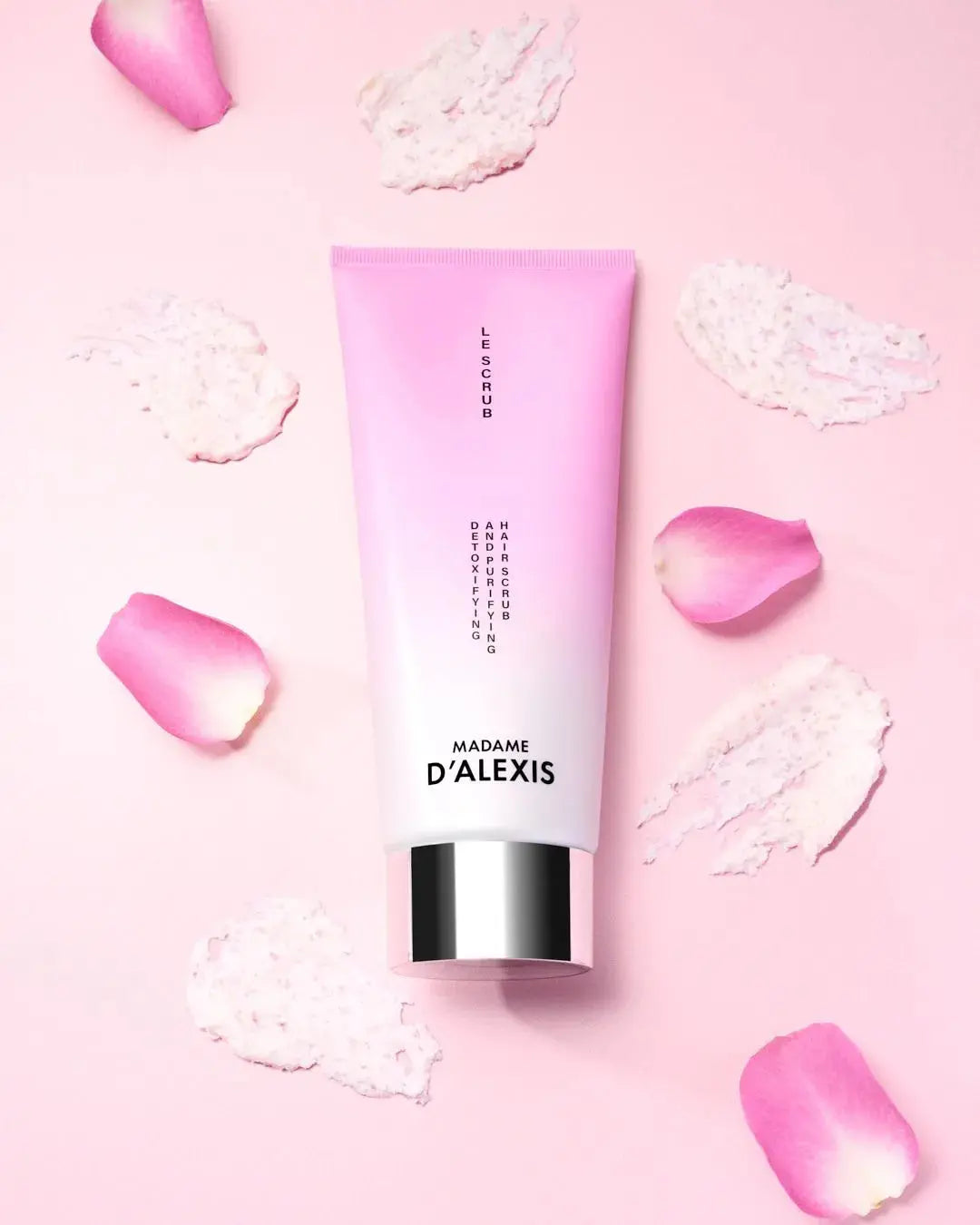
The Scrub
Gentle exfoliation · organic hydrosols
- Deeply purifies the scalp
- Removes impurities and excess sebum
- Stimulates microcirculation
Why your scalp gets irritated (and how to relieve it long-term)
An irritated scalp never appears without reason. In most cases, it is the skin barrier that becomes weakened. When this protection deteriorates, the skin becomes reactive:
- tug-of-war
- redness,
- itching that varies in intensity.
These signs simply indicate that the skin's natural balance has been disrupted.
Several everyday factors can trigger this irritation:
- dry air (especially in winter),
- pollution,
- chronic stress,
- heat exposure,
- hair products that are too harsh or too strongly scented.
Even washing your hair too often can dry out the scalp and make it more sensitive.
Certain skin conditions further exacerbate this fragility:
- eczema,
- seborrheic dermatitis,
- scalp psoriasis.
These inflammatory diseases create red, thickened areas that are sometimes painful. They can also be mistaken for "simple" irritation, when in fact they require appropriate medical treatment.
An allergic reaction can also occur suddenly. It is often linked to a product containing:
- synthetic fragrances,
- irritating preservatives,
- drying surfactants,
- sometimes alcohol.
Symptoms appear quickly: burning, intense itching, clearly defined red areas.
Another factor, less obvious but extremely common, is insufficient cleansing. When product residue, sebum, or dead skin cells accumulate, they:
- mechanically irritate the skin,
- fuel the itching,
- disrupt the microbiome,
- maintain ongoing inflammation.
This phenomenon often explains why the scalp feels "uncomfortable" despite high-quality care.
To achieve lasting relief, two principles are essential:
- sweetness,
- regularity.
Natural skincare products rich in soothing hydrosols, moisturizing active ingredients, and gentle exfoliants are particularly suitable. They:
- calm redness,
- stabilize sebum,
- improve skin suppleness,
- reduce responsiveness,
- reduce inflammatory dandruff.
In my experience, the simplest but most consistent routines yield the most reliable results:
- clean properly,
- moisturize regularly,
- exfoliate in moderation,
- limit heat and irritants.
This is how the scalp regains its comfort, stability, and ability to protect itself naturally.

What are the symptoms of an irritated scalp?
Most common symptoms
The signs of an irritated scalp are usually easy to recognize:
- occasional or intense itching
- redness, patches, or irritated areas
- white or yellow flakes
- sensation of heat or burning
- dry skin that feels tight or flaky
- roots that are sensitive to touch or brushing
- dull, heavy, greasy hair that gets oily quickly or, conversely, very dry hair
These symptoms indicate that the skin has lost its balance. They must be addressed to prevent the discomfort from becoming chronic.
Warning signs
Certain situations require greater vigilance:
- thick, painful plaques
- oily dandruff stuck to the scalp
- persistent hair loss
- red, widespread, or recurring inflammation
In this case, a dermatological consultation is essential. These symptoms may indicate scalp eczema, psoriasis, seborrheic dermatitis, or a fungal infection such as Malassezia furfur.
What causes scalp irritation?
Scalp irritation always occurs for a specific reason. It reflects an imbalance in the skin barrier, a reaction to hair products, a dermatological disorder, or a response to a harsh environment.
Understanding the exact cause is essential for choosing the right treatment and restoring long-lasting scalp health.
Causes related to the use of poor-quality hair products
Much of the irritation comes from a routine that does not respect the physiology of the scalp. Formulas that are too harsh not only remove impurities but also the skin's natural protection.
Once this barrier is weakened, irritation quickly sets in.
The main causes are as follows:
- aggressive surfactants contained in certain shampoos, particularly irritating sulfates;
- synthetic fragrances and preservatives that may trigger an allergic reaction;
- formulas that are too harsh, dry out the skin, and cause redness;
- accumulation of residue, silicones, or occlusive products that suffocate the root and promote inflammation.
In my practice, I have noticed that many irritations disappear as soon as harsh products are replaced with gentle skincare products that are better suited to frequent use.

Physiological or skin causes
Certain skin conditions cause persistent irritation of the scalp. These are often inflammatory diseases that progress in phases.
The most common situations are as follows:
- seborrheic dermatitis, which manifests itself as oily dandruff and intense itching;
- atopic eczema or contact eczema, which causes red patches and highly reactive skin;
- scalp psoriasis, characterized by thick scales and persistent inflammation;
- infections caused by microscopic fungi such as Malassezia furfur;
- significant dryness due to a lack of lipids or hydration;
- stress or fatigue, which disrupt sebum production and accelerate flaking.
When these conditions are involved, irritation is not just a minor discomfort. It must be correctly identified in order to avoid inappropriate treatment.
Environmental causes
The scalp also reacts strongly to external aggressions. Certain daily habits contribute to irritation, sometimes without us even realizing it.
Here are the most common factors:
- air pollution that accumulates at root level;
- heat, perspiration, or prolonged humidity;
- water that is too hot, which opens the cuticles and increases sensitivity;
- brushing too vigorously, which irritates the skin's surface;
- prolonged wearing of helmets or hats leading to maceration.
These factors promote inflammation and disrupt the microbiological balance of the scalp, which increases itching and dandruff.
How can you soothe an irritated scalp naturally?
Relieving an irritated scalp requires a gradual but consistent approach. The goal is to calm inflammation, eliminate its causes, and restore balanced skin. Appropriate natural skincare products play a key role in this process.
The Scrub
Gentle exfoliation · organic hydrosols
- Deeply purifies the scalp
- Removes impurities and excess sebum
- Stimulates microcirculation
1) Apply a gentle exfoliating treatment to remove irritating residues.
A scalp exfoliant is particularly effective when used correctly. It helps to:
- remove dead skin cells, excess sebum, and product residue;
- stimulate microcirculation;
- improve the overall growth and vitality of the scalp;
- increase the effectiveness of subsequent treatments.
Alexis' Madame Scrub, formulated without sulfates and enriched with organic hydrosols, fleur de sel, and cationic hyaluronic acid, exfoliates without irritating. It quickly soothes and rebalances sensitive or itchy scalps.
Its gentle yet effective action makes it particularly suitable for treating irritation caused by excess residue or a congested scalp.
2) Wash with a mild, sulfate-free shampoo.
Proper washing is essential to prevent irritation. You should:
- give preference to mild surfactants;
- use lukewarm water;
- Gently massage without scratching;
- Rinse thoroughly to remove any residue.
This step preserves the skin barrier and limits dryness.
3) Use moisturizing and soothing skincare products
Certain ingredients are particularly effective at soothing redness and strengthening the skin:
- organic rose, chamomile, or orange blossom hydrosols;
- hyaluronic acid;
- plant ceramides;
- aloe vera;
- fine oils such as coconut, jojoba, or argan.
These active ingredients restore skin suppleness and reduce feelings of heat.
4) Space out washes and avoid using water that is too hot.
Washing your hair too often dries out the skin. It is advisable to:
- to limit washing;
- Avoid hot water, which opens the cuticles too much and causes irritation.
5) Identify products that cause irritation
Certain formulas should be avoided when the scalp is irritated:
- too frequent coloring;
- shampoos containing harsh sulfates;
- products that are highly perfumed or contain alcohol;
- occlusive treatments that suffocate the root.
Removing these products is often the first step in breaking the vicious cycle of irritation, dryness, and itching.
When should you see a dermatologist?
It is perfectly normal for an irritated scalp to go through phases of temporary sensitivity. However, certain situations should raise alarm bells and prompt a visit to a dermatologist.
In practice, I always advise against allowing irritation to become persistent, as chronic inflammation weakens the entire skin ecosystem and can trigger other hair disorders.
You should seek medical advice if irritation persists for more than two weeks, despite using gentle products and following a suitable routine. This length of time is not insignificant: a healthy scalp recovers quickly once the irritating factors have been corrected.
If redness, itching, or dandruff persist, this may indicate a deeper imbalance.

Other signs warrant prompt consultation. The appearance of thick patches, very red areas, or adherent scales may be related to eczema, psoriasis, or seborrheic dermatitis.
These inflammatory diseases require accurate diagnosis and appropriate treatment.Unusual hair loss, whether diffuse or localized, should also be taken seriously: inflammation of the scalp can trigger a cycle of reactive hair loss.
Some allergic reactions, often linked to hair products containing synthetic fragrances or irritating preservatives, cause severe inflammation. If you notice a burning sensation, red patches, or swelling, it is essential to seek medical advice.
Finally, the onset ofpain, bleeding, or any signs suggesting infection requires medical attention. In all these cases, a dermatologist's diagnosis is essential to guide the right treatment and prevent the condition from worsening.
Complete routine for a soothed and healthy scalp
A well-designed routine can quickly soothe an irritated scalp while restoring its balance.
I always favor a gradual approach, based on gentle but effective care, and sufficient regularity to allow the skin barrier to rebuild itself.
Step 1: Gently exfoliate (once a week)
Gentle exfoliation helps remove the causes of irritation: excess sebum, residue, and dead skin cells. Used once a week, a suitable exfoliant promotes oxygenation of the scalp.
Alexis' Madame Scrub, formulated with organic hydrosols, fleur de sel, and cationic hyaluronic acid, plays a special role. It exfoliates gently and immediately soothes sensitive areas. Its action stimulates microcirculation and prepares the root to receive subsequent treatments.
The Scrub
Gentle exfoliation · organic hydrosols
- Deeply purifies the scalp
- Removes impurities and excess sebum
- Stimulates microcirculation
Step 2: Wash with a mild shampoo
To prevent inflammation, irritants must be eliminated. Ideally, use a shampoo without harsh sulfates or irritating fragrances, then wash with lukewarm water.
A light massage with your fingertips is sufficient; scratching will only aggravate sensitivity. Thorough rinsing is essential to prevent residue from building up.
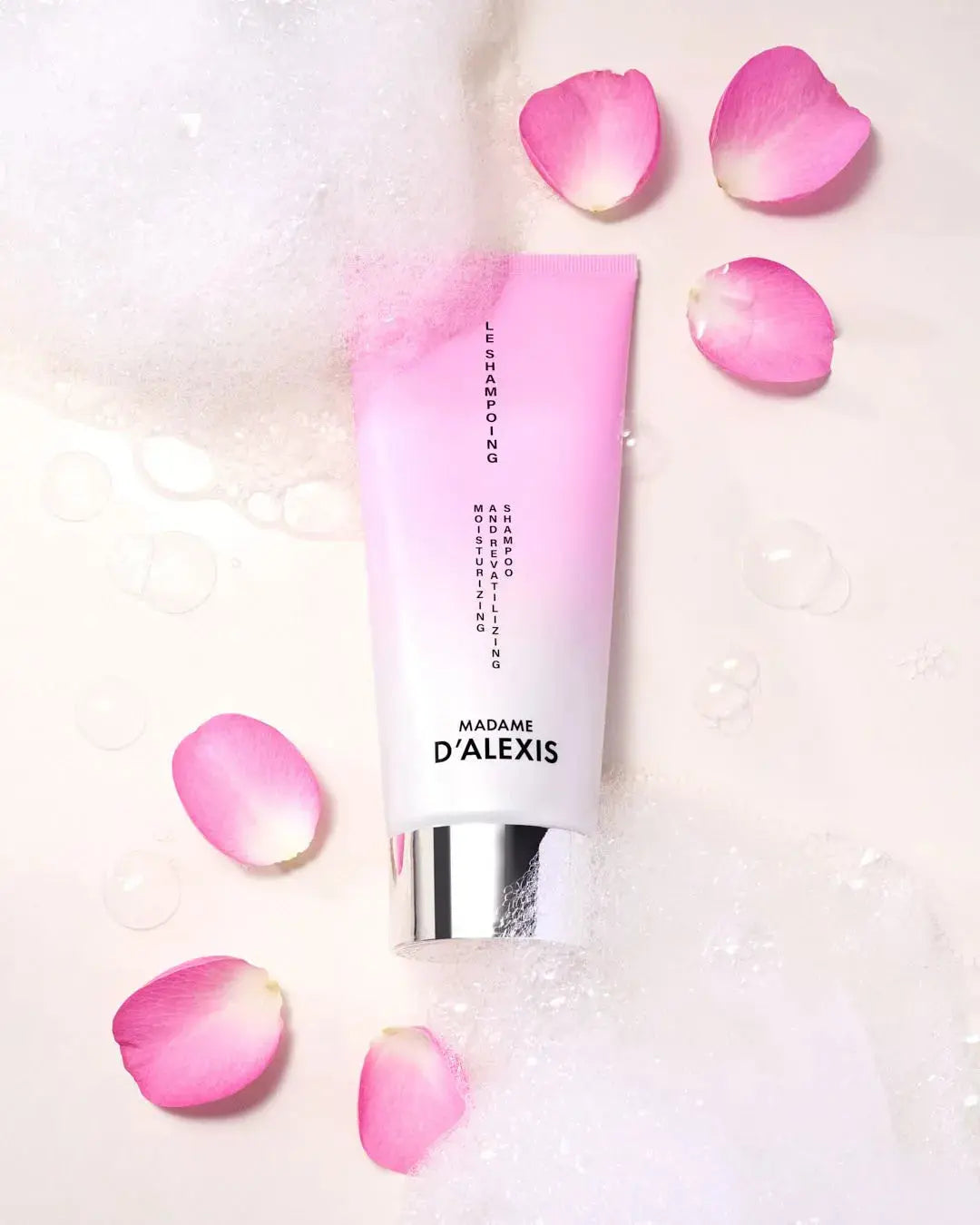
The Shampoo
Gentle cleansing · organic hydrosols
- Hydrates and revitalizes without damaging
- Balances the scalp microbiome
- Adds shine and suppleness
Step 3: Moisturize and nourish
Hydration is an essential step when the skin barrier has been weakened. A moisturizing or soothing mask helps restore the skin's suppleness and reduce feelings of burning.
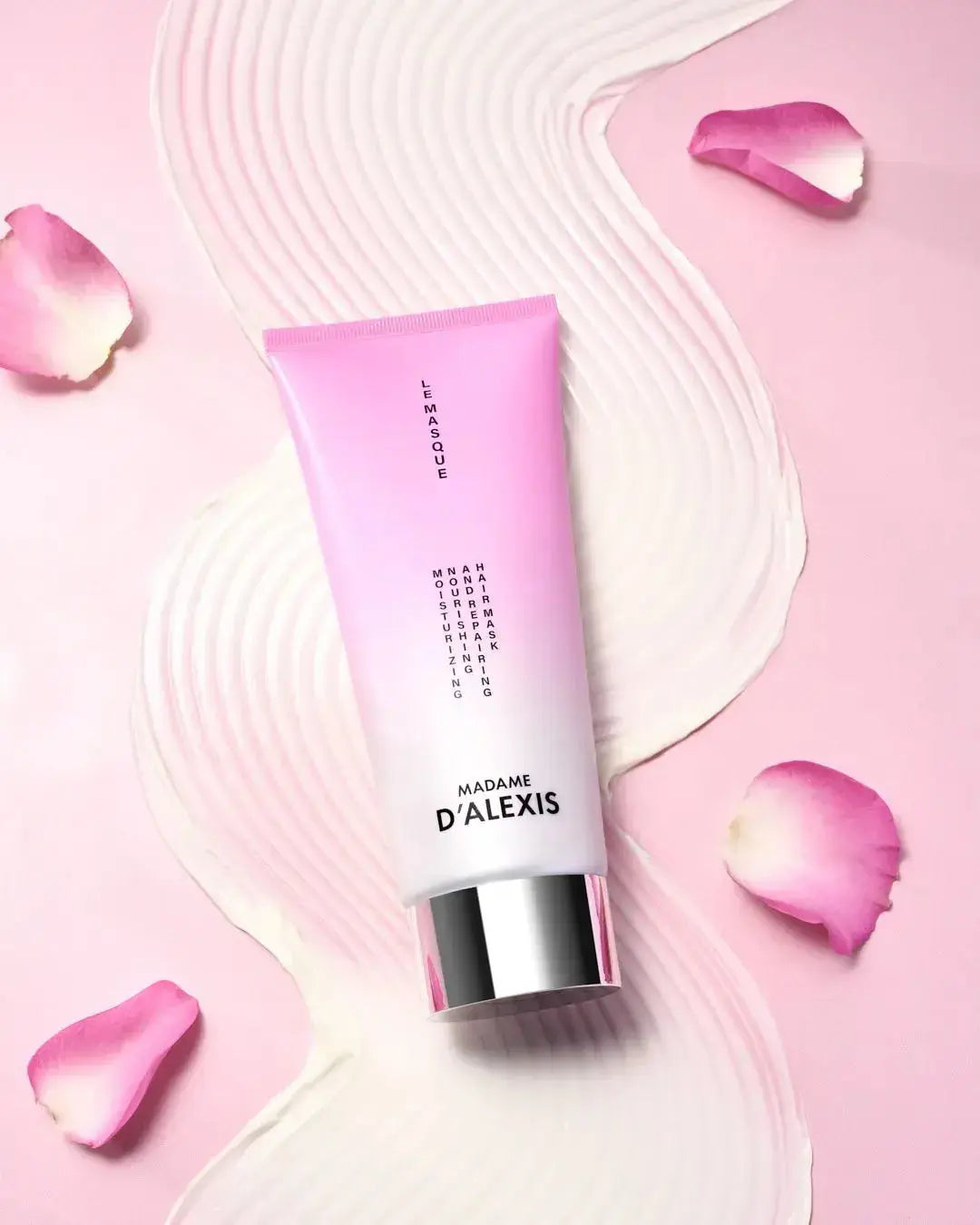
The Mask
Intense hydration · plant ceramides
- Repairs the fiber deep down
- Smooths the cuticle and reduces frizz
- Restores suppleness, softness, and shine
Light oils, applied in small quantities, compensate for the lack of lipids and support repair. The aim is not to saturate the fiber but to restore its elasticity.
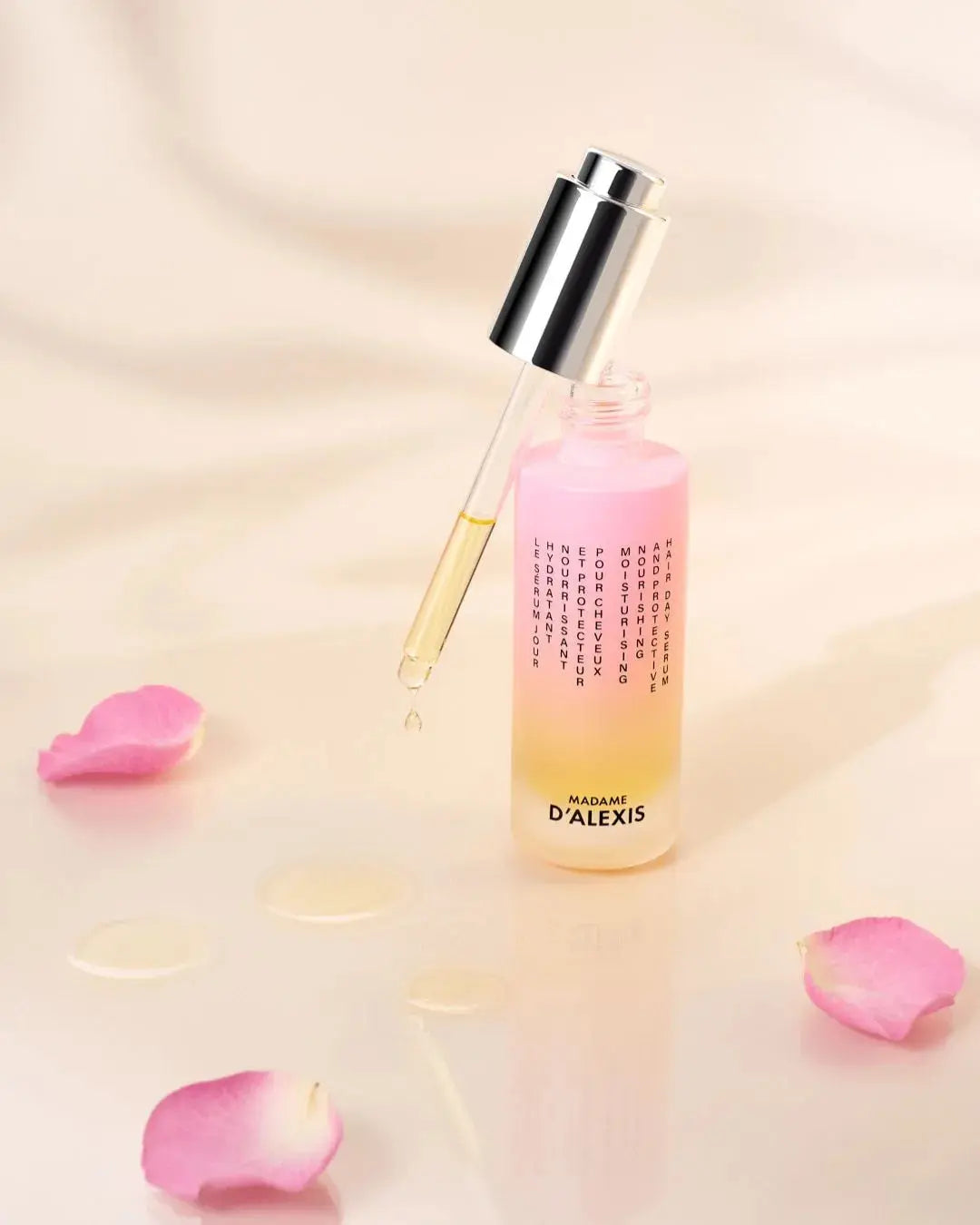
The Day Serum
Daily protection · shine
- Shield against heat, UV rays, and pollution
- Tames frizz without weighing hair down
- Provides a smooth and luminous finish
Step 4: Protect and balance
Daily aggressions weaken an irritated scalp. A small amount of light serum on the lengths protects against heat and friction.
It is also helpful to reduce exposure to direct heat and protect hair from polluting particles. A gentler environment allows the skin to regenerate.
Prevent long-term scalp irritation
Preventing irritation is often easier than treating it. A consistent routine and a few simple steps are all it takes to maintain a healthy scalp.
Key actions
To limit irritation, it is recommended to:
- choose gentle, suitable hair care products;
- avoid very hot water, which weakens the skin barrier;
- Brush gently so as not to irritate the skin surface.
- reduce exposure to pollution and excessive heat;
- Eat a diet rich in omega-3, iron, and vitamins, which are essential for healthy skin.
Mistakes to avoid
Certain habits can quietly worsen inflammation. It is best to avoid:
- scratch or rub the scalp vigorously;
- multiply clarifications or use aggressive products;
- allowing perspiration to remain on the skin after exercise;
- wearing hats that are too tight, causing maceration.
A regular, gentle, and targeted routine is the best way to restore a comfortable, balanced, and long-lasting soothing sensation to your scalp.
All the answers to your questions about scalp irritation
How can you quickly soothe an irritated scalp?
To soothe an irritated scalp, the goal is to reduce inflammation without further aggravating the skin. In my experience, the most effective solution combines a gentle exfoliant, a sulfate-free shampoo, and soothing active ingredients.
An exfoliant removes the causes of discomfort: residue, excess sebum, and dead skin cells. Organic hydrosols (such as rose, chamomile, or orange blossom) reduce redness and provide an immediate calming effect.
Finally, washing withlukewarm water prevents temperature fluctuations that exacerbate itching. In general, this sequence provides initial relief from the very first use.
Which shampoo should you choose if you have an irritated scalp?
The choice of shampoo is crucial. A gentle formula, free from sulfates and harsh fragrances, ensures high tolerance. Mild surfactants respect the skin barrier and limit dryness.
A formula enriched with soothing hydrosols or moisturizing active ingredients is often the most suitable, especially if the scalp is already sensitive or prone to dandruff.
Can stress cause scalp irritation?
Yes, it is even one of the most common triggers. Stress disrupts hormonal balance and can lead to sebum imbalance.
Excess sebum promotes the proliferation of certain yeasts naturally present on the skin, which can causeitching, dandruff, and irritation.
Conversely, prolonged stress can also dry out the skin and weaken the skin barrier. In both cases, the scalp becomes more reactive.
What are the common causes of scalp irritation?
The most common causes are as follows:
- seborrheic dermatitis, with oily dandruff and itching;
- atopic eczema or contact eczema, often linked to an allergy;
- psoriasis, which creates thick, inflamed patches;
- use of irritating hair products (sulfates, alcohol, synthetic fragrances);
- exposure to heat, pollution, or limescale;
- Aggressive brushing or excessive washing.
Each cause requires a specific adjustment to your routine to prevent the irritation from becoming chronic.
Is a scalp exfoliant recommended?
Yes, provided you choose a gentle, non-abrasive exfoliant. Used once a week, an exfoliant helps remove toxins, dead skin cells, and excess sebum that irritate the skin's surface. It also improves microcirculation and prepares the scalp to absorb treatments.
This step is particularly effective when your scalp feels "stuffy," sticky, or prone to inflammatory dandruff.
Can Alexis' Madame Scrub be used on dry or sensitive scalps?
Yes. Its formula is based on soothing organic hydrosols (Damask rose, chamomile, orange blossom), combined with fleur de sel andcationic hyaluronic acid.
This combination exfoliates without irritating, soothes redness, and rehydrates the scalp. It is particularly suitable for sensitive, irritated, or itchy scalps, as it regulates the skin's surface while maintaining comfort.
When should you see a dermatologist for an irritated scalp?
It is recommended to consult a dermatologist when:
- irritation persists for more than two weeks despite following a suitable routine;
- thick patches, widespread redness, or adherent scales appear;
- unusual hair loss is observed;
- seborrheic dermatitis, psoriasis, or a severe allergy is suspected;
- there is pain, bleeding, or signs of infection.
A dermatological diagnosis can distinguish between simple irritation and a skin condition requiring specific treatment.
How can you relieve an irritated scalp?
To soothe an irritated scalp, you need to reduce inflammation while respecting the skin barrier. A suitable routine starts with a gentle anti-dandruff shampoo, free from irritating sulfates, followed by soothing products rich in hydrolats, aloe vera, or ceramides.
Certain essential oils, such as lavender or tea tree oil, provide temporary relief from itching. When irritation becomes severe or recurrent, medication prescribed by a specialist may be necessary.
The key is to moisturize deeply and avoid any harsh formulas.
What treatments are available for a dry scalp?
A dry scalp requires protective care. Choose an anti-dryness shampoo formulated for sensitive scalps, used with lukewarm water to preserve the skin barrier.
Gentle products are essential. A soothing hair care product enriched with hydrolats, hyaluronic acid, or light oils helps restore comfort and suppleness.
The goal is to moisturize and limit flaking while restoring a stable skin environment.
How can you prevent an itchy scalp?
Prevention is based on a regular routine. It is advisable to adapt your hair washing routine by avoiding unsuitable hair products that contain harsh fragrances or surfactants.
Stress management, exposure to pollution, and sensible use of heat are also key factors.
A consistent hair care routine, consisting of gentle and respectful treatments, significantly reduces the occurrence of itching. Identifying the triggers helps to reduce flare-ups before they occur.
What is the treatment for seborrheic dermatitis?
Seborrheic dermatitis requires targeted treatment. Shampoos containing zinc pyrithione, salicylic acid, or antifungal agents are most commonly used to reduce symptoms and calm inflammation.
Specific, fragrance-free, well-tolerated treatments then help restore balance to the scalp. In the event of frequent or severe flare-ups, a dermatological consultation is essential to establish an appropriate treatment and prevent recurrence.