Advice
Becoming a Reseller of Organic Hair Care Products: What You Need to Know Before Getting Started
General wholesaler or specialized organic brand? A comprehensive guide to becoming a reseller of organic hair care products: business models, actual profit margins, and selection criteria.

Becoming a Reseller of Organic Hair Care Products: What You Need to Know Before Getting Started
A comprehensive guide to comparing resale models, evaluating actual profit margins, choosing a reliable partner brand, and structuring a profitable organic hair care offering for your salon.
Key takeaways:
- When you become a reseller of organic hair care products, you can choose from three business models: consignment (zero inventory risk, lower profit margin), outright purchase (40–60% profit margin, inventory commitment), and the partner program (training included, brand support, customer loyalty).
- Before signing anything, check these three non-negotiable points: product certifications (COSMOS Organic, Ecocert), a minimum order quantity (MOQ) that’s feasible for your actual volume, and the reliability of restocking.
- The organic hair care segment is one of the few to show continuous growth. The French market for organic and natural cosmetics is projected to exceed 1.2 billion euros in 2025, with annual growth of approximately 7%, according to Cosmébio. Salons and spas that carry a specialized brand—rather than a general-purpose brand—attract a more engaged customer base, with a higher average transaction value and a higher repeat purchase rate.
- Madame d'Alexis embodies this positioning: a hair care brand made in Brittany, formulated without added water (replaced by bioactive hydrosols—Damask rose, German chamomile, orange blossom), containing 97% to 99% natural ingredients and scientifically validated skincare actives (cationic hyaluronic acid, plant-based ceramides, plant-based keratin, prebiotics, postbiotics). Results: Average order value of €101; 82% of customers purchase two or more products on their first order; 38% repeat purchase rate over a 53-day purchase cycle. The brand has been featured in Marie Claire (Top 5 hair serums) and Psychologies Magazine, and is carried by more than 30 head spas and expert salons.
- This guide covers business models, actual profit margins, criteria for selecting a partner brand, and red flags to watch out for before committing.
The 5 Madame d’Alexis treatments to build a salon and retail lineup
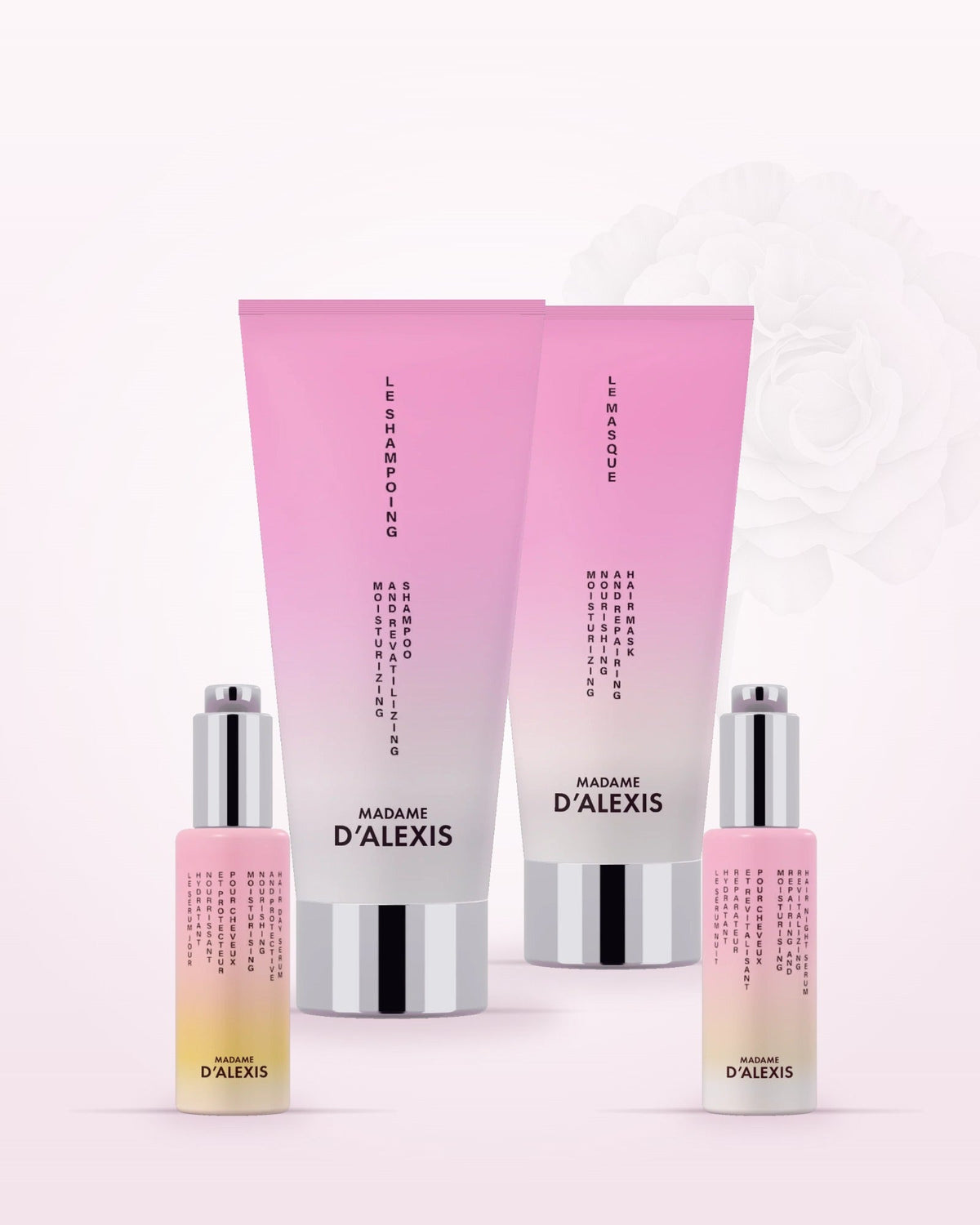
A compact, premium, and easy-to-understand product line for salons, beauty spas, and Head Spa locations: scalp reset, gentle cleansing, deep conditioning, styling, and a nighttime routine to recommend for use at home.
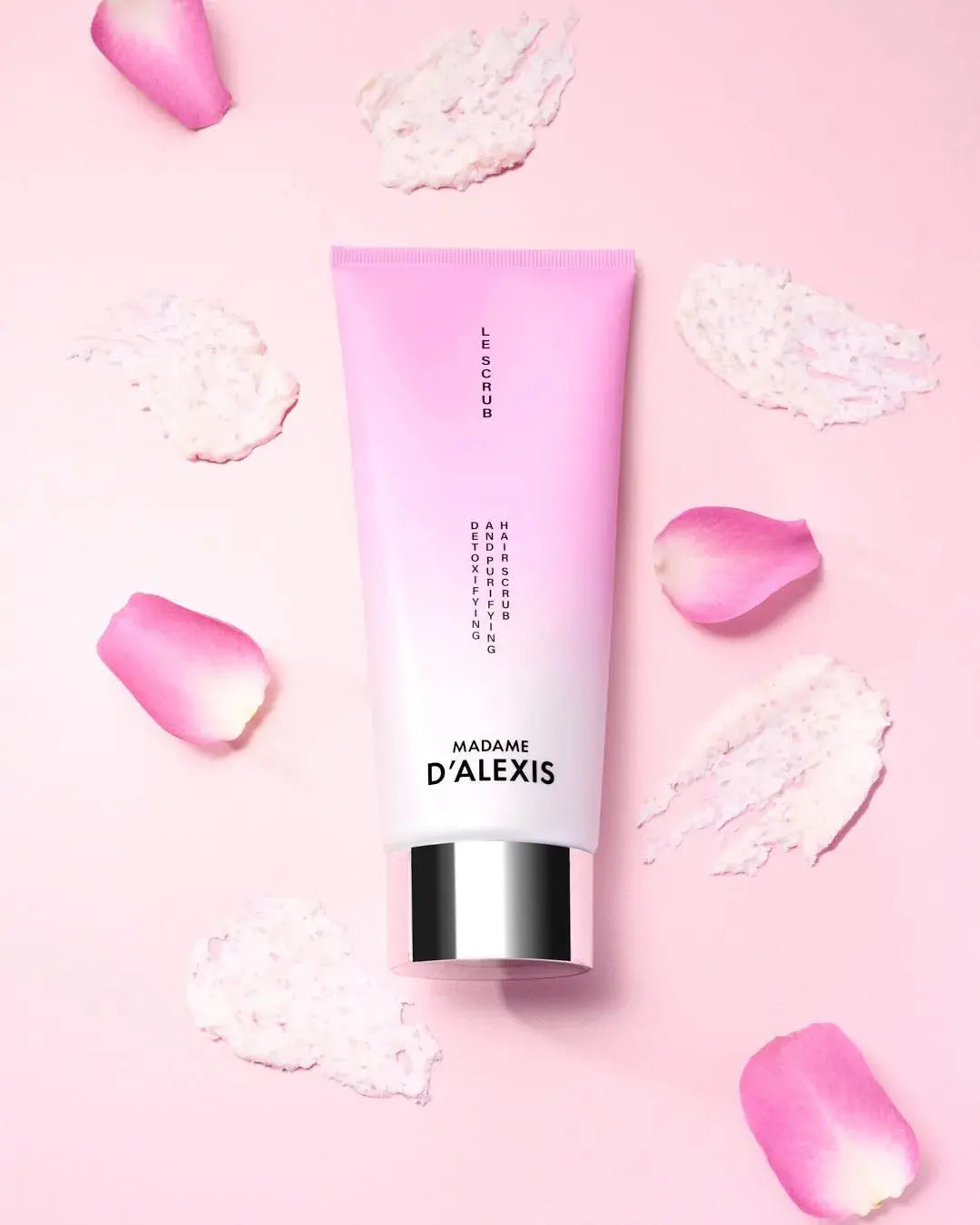
The Floral Scrub
Reset · scalp · treatment room
- A Strong Differentiator for the Trade Show Experience
- Helps remove buildup from the scalp
- Perfect as a premium pre-shampoo treatment
42,00 €
View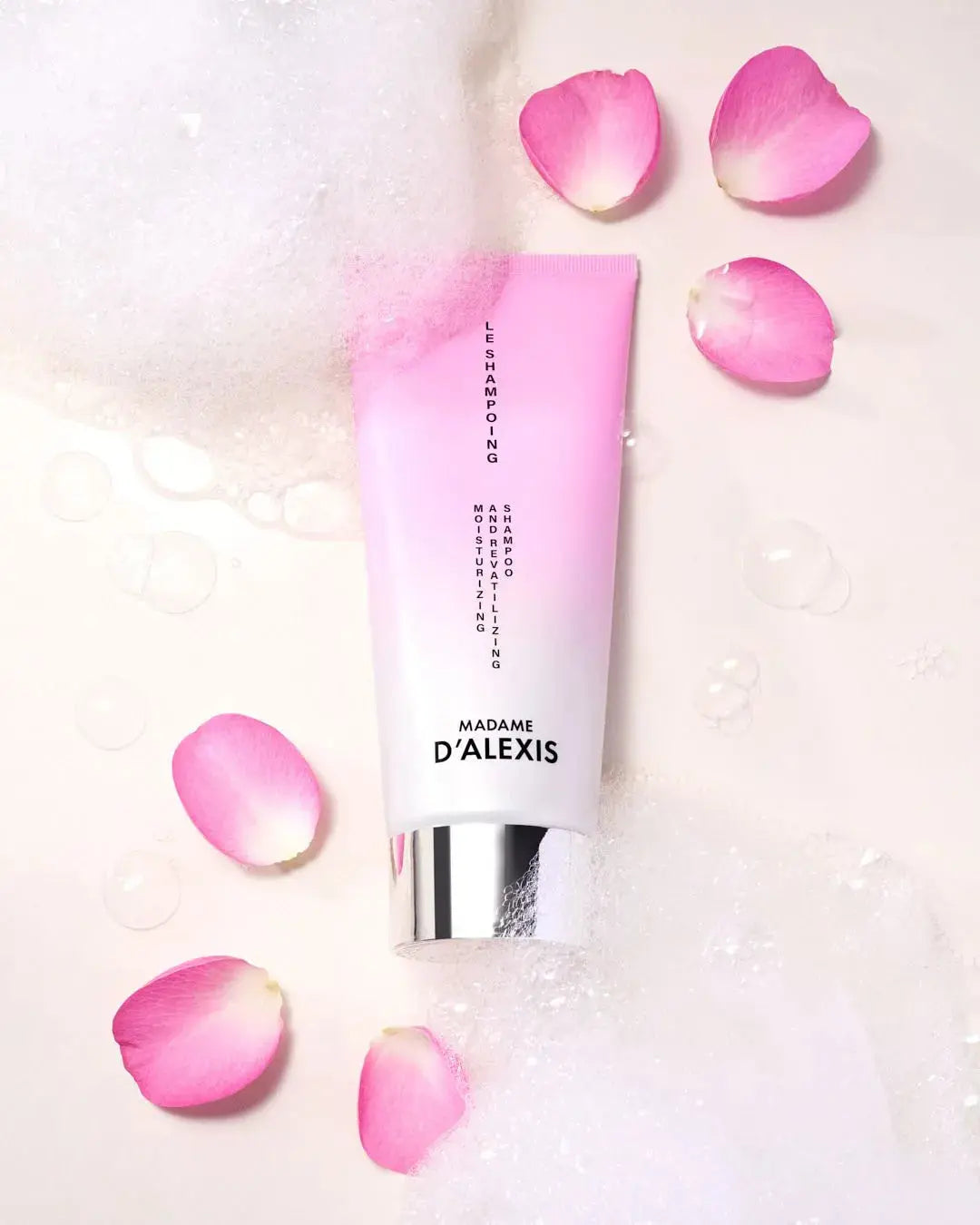
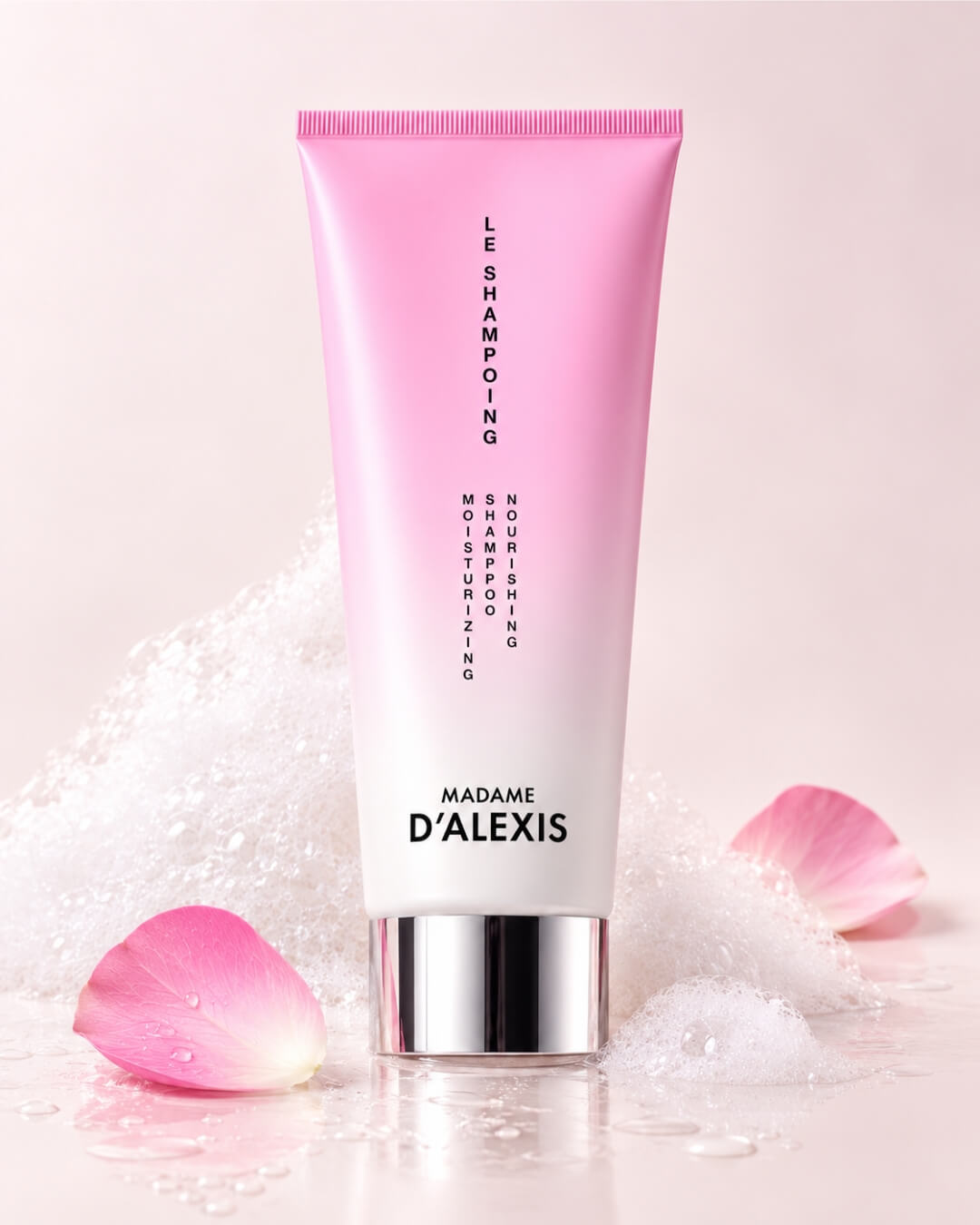
Hydrolat Shampoo
Sulfate-free · organic hydrosols
- Gentle Cleaning for Salon Services
- Organic hydrosols instead of water
- A clear INCI argument for discerning customers
39,00 €
View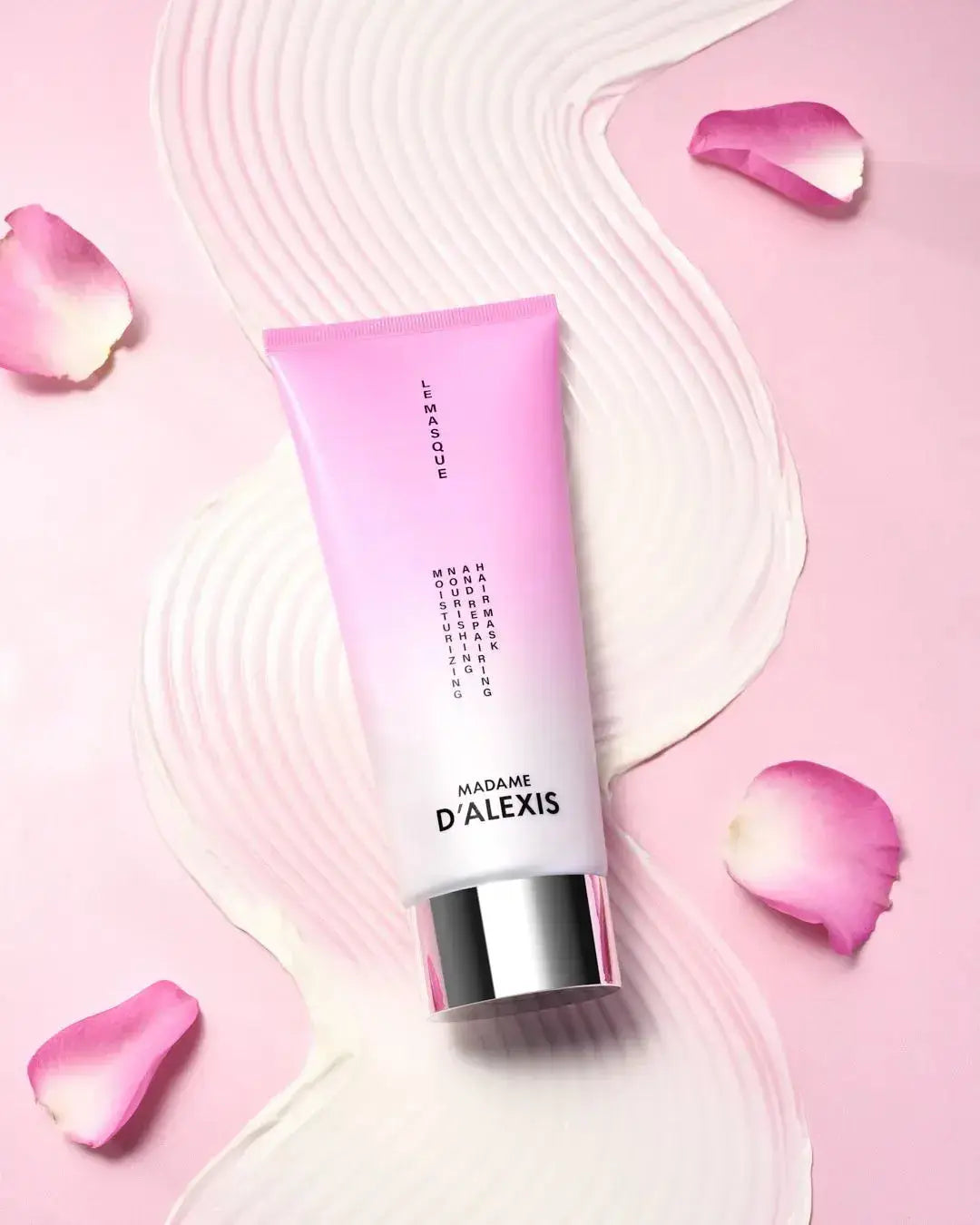
The Hydrolat Mask
Deep treatment · nourishment
- Plant-based ceramides and precious oils
- Ideal for moving up a level in high school
- A sensory profile that is easy to market in retail
53,00 €
View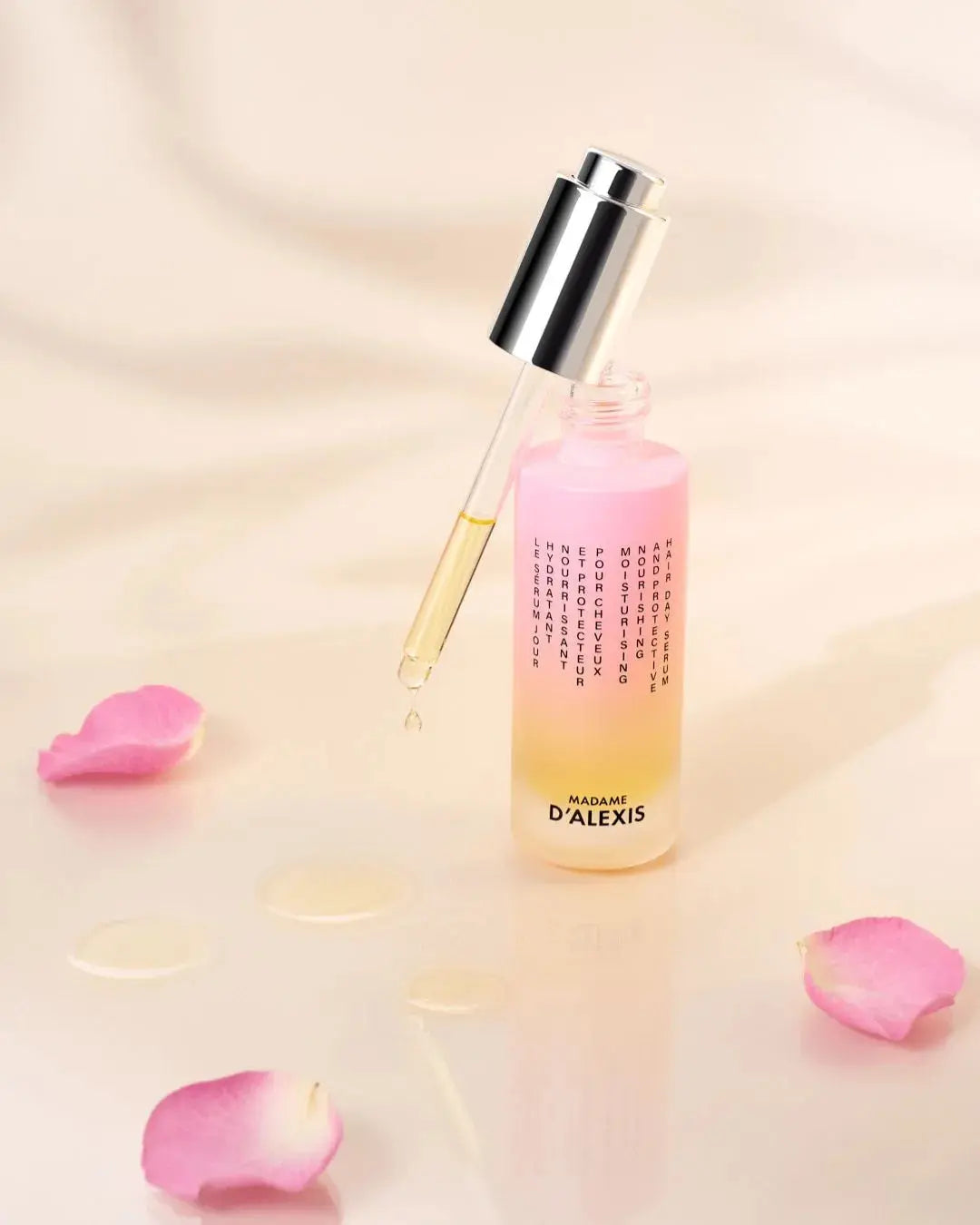
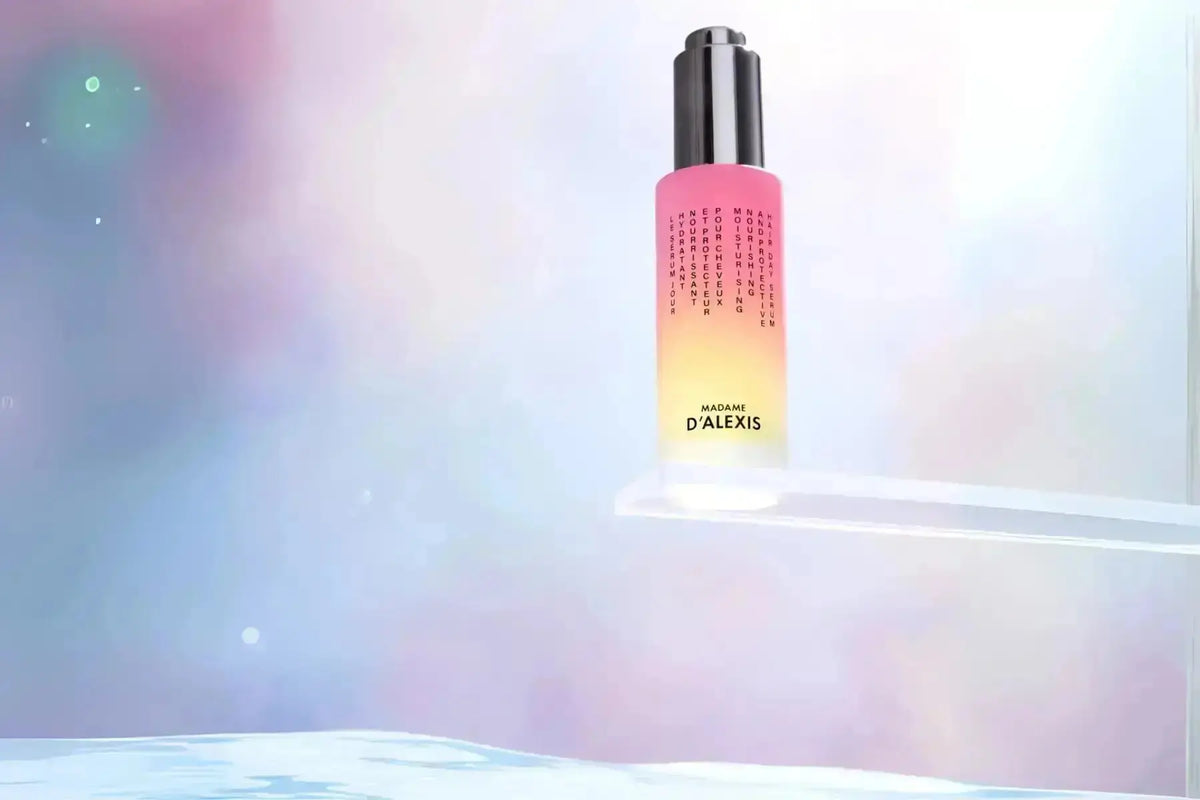
The Day Serum
Shine · Heat protection
- Enriched with jojoba oil
- Light finish with no greasy feel
- A retail product that's easy to recommend after a service
35,00 €
View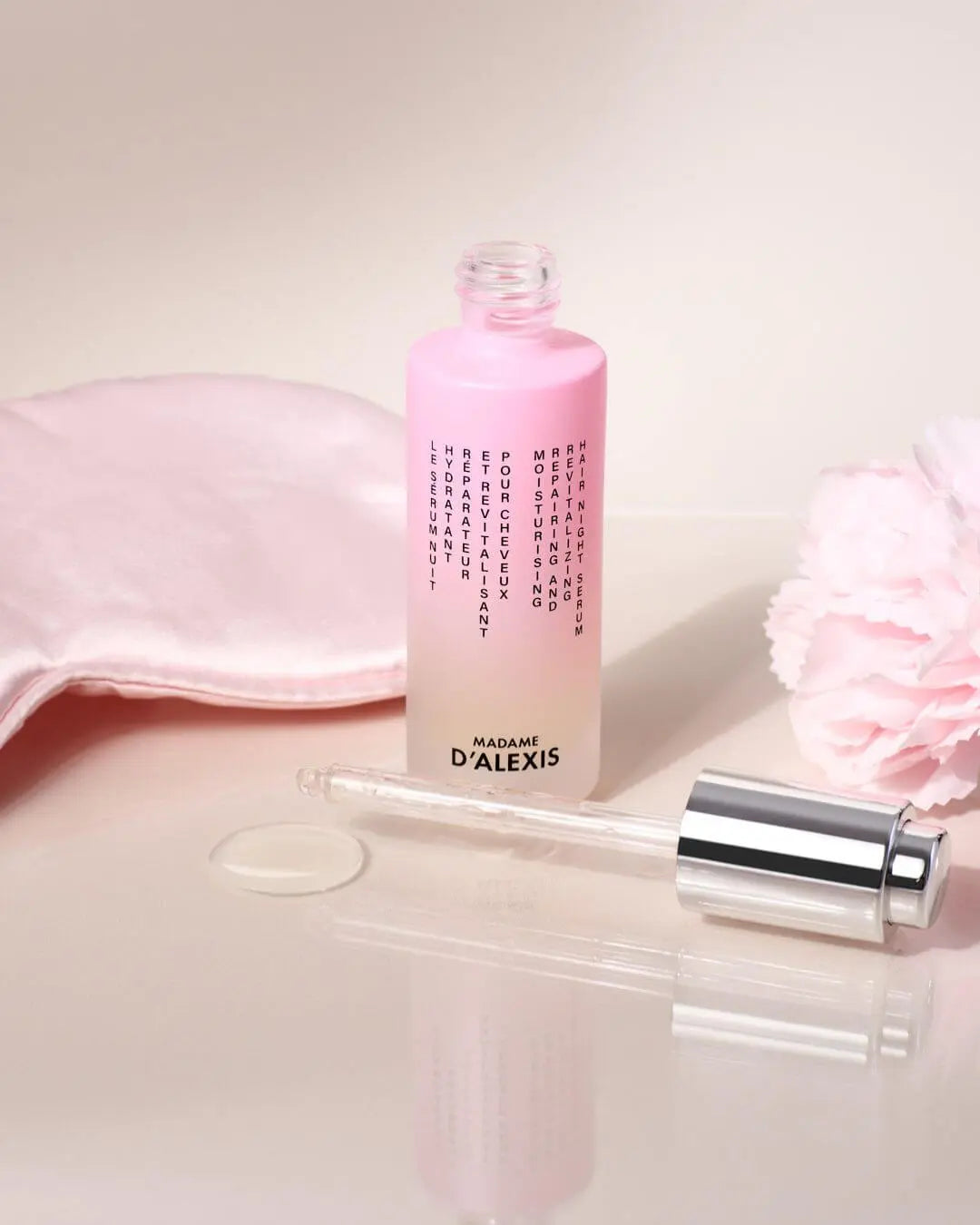
Night Serum with Hydrolats
Scalp · Density
- Leave-in scalp treatment
- Extends the salon experience at home
- Strengthens personalized advice and retail sales
35,00 €
ViewScroll down to discover the 5 products in the Madame d’Alexis line
The Market for Organic Hair Care Products in Salons: A 2026 Overview
Organic hair care is no longer a niche market. Since 2020, demand for natural products in hair salons has been driven by a specific set of requirements: ingredient traceability, transparent formulations, and proven effectiveness.
Customers come in for consultations with their INCI lists. They compare products. They ask questions about the origin of active ingredients, the presence of silicones, and the composition of the water used in the formulations. This shift in behavior has been documented: according to Cosmébio, the French organic/natural market is projected to reach 1.25 billion euros in 2025, driven in particular by hair care and personal care products.
For a salon or beauty spa, carrying a specialized organic brand addresses three challenges at once:
- Differentiation from the major conventional brands found in every salon—by offering organic hair care treatments in salons that meet a growing and well-documented demand
- Alignment with a customer base that already eats organic food and wants to see that same approach reflected in their skincare products
- Margin: Specialized organic hair care products sell at higher prices, with favorable price elasticity when the brand is well-positioned
A comparison with major conventional brands is revealing. A professional organic shampoo is often sold at a fixed price in conventional retail channels, with standardized reseller discounts and little flexibility. A specialized organic brand generally offers more leeway regarding the suggested retail price, a brand story that can be shared in the salon, and unique active ingredients—such as organic active hydrosols derived from the distillation process (Damask rose, German chamomile, orange blossom)—that justify its premium positioning in the eyes of the end customer.
The untapped niche that trade shows would do well to fill
Today's hair care market is shaped by an unresolved tension: "clean" products are booming, but often lack real effectiveness. "High-performance" products remain dominated by non-clean brands. And the sensory aspect is too often reduced to mere marketing.
No player yet combines all three: strict naturalness + science + effective sensory rituals. This intersection is currently unoccupied—and the salons that are the first to recognize this have a real competitive advantage in their local market.
That’s exactly what a brand like Madame d’Alexis offers: formulas containing 97–99% natural ingredients, biotechnological active ingredients derived from skincare (cationic hyaluronic acid, plant-based ceramides, plant-based keratin, prebiotics, postbiotics), and a 100% natural signature scent created by a perfumer in Paris—a fragrance that comes to life upon contact with water and evolves with each user’s pH.
The 3 Models for Becoming a Cosmetics Reseller
There is no single resale model. Depending on your business structure, cash flow, and customer volume, one of the following three formats will be the best fit.
Consignment Sales
You display the products at trade shows without purchasing them in advance. You pay only for what is sold. There is zero inventory risk, but profit margins are lower (often 25–35%), and the selection of products is limited to what the brand agrees to place on consignment.
This is a great way to try out a product line without making a major financial commitment.
The Firm Purchase
You purchase an initial inventory and set your retail prices within the range recommended by the brand. Gross margins range from 40% to 60%, depending on the brand and volume. This is the most common business model for established salons with a regular clientele.
Inventory commitments involve managing inventory turnover. An excessively high MOQ on an initial order is the first red flag to watch for (see H2#5).
The Partner/Distributor Program
Some brands offer comprehensive support: product training, salon protocols, marketing materials, and access to a dedicated contact person. This is the most effective model for a salon that wants to make cosmetics retail a core part of its business, not just a side venture.
This format aligns with what is offered by the reseller partner program, accessible throughthe Madame d'Alexis professional portal: training on active ingredients, head spa protocols, and launch support. It is the ideal model for a salon or spa committed to an organic and vegan approach that wishes to make the distribution of organic hair care products a key focus of its growth strategy.
Comparison Chart of the 3 Models
| Criterion | Consignment | Binding Purchase | Partner Program |
|---|---|---|---|
| Initial Investment | None | Medium (MOQ to be negotiated) | Variable (often accessible) |
| Gross Margin | 25–35% | 40–60% | 40–60% + training benefits |
| Inventory Management | Brand | Reseller | Reseller (with support) |
| Training included | Rarely | No | Yes |
| Financial Risk | Very low | Moderate | Moderate |
| Customer Loyalty | Low | Average | High |
The 5 Madame d’Alexis treatments to build a salon and retail lineup
A compact, premium, and easy-to-understand product line for salons, beauty spas, and Head Spa locations: scalp reset, gentle cleansing, deep conditioning, styling, and a nighttime routine to recommend for use at home.
The Floral Scrub
Reset · scalp · treatment room
- A Strong Differentiator for the Trade Show Experience
- Helps remove buildup from the scalp
- Perfect as a premium pre-shampoo treatment
42,00 €
View
Hydrolat Shampoo
Sulfate-free · organic hydrosols
- Gentle Cleaning for Salon Services
- Organic hydrosols instead of water
- A clear INCI argument for discerning customers
39,00 €
View
The Hydrolat Mask
Deep treatment · nourishment
- Plant-based ceramides and precious oils
- Ideal for moving up a level in high school
- A sensory profile that is easy to market in retail
53,00 €
View
The Day Serum
Shine · Heat protection
- Enriched with jojoba oil
- Light finish with no greasy feel
- A retail product that's easy to recommend after a service
35,00 €
View
Night Serum with Hydrolats
Scalp · Density
- Leave-in scalp treatment
- Extends the salon experience at home
- Strengthens personalized advice and retail sales
35,00 €
ViewScroll down to discover the 5 products in the Madame d’Alexis line
Criteria for Choosing an Organic Cosmetics Partner Brand
Not all brands that call themselves "organic" are created equal. Here are the criteria to consider before making a purchase.
Formulation and Certifications
Look for COSMOS Organic or COSMOS Natural certification issued by an accredited organization such as Ecocert. According to the COSMOS standards, a COSMOS Organic-certified product must contain at least 95% organic plant-based ingredients and 20% organic ingredients in the total formula.
Also check the INCI list: it should be easy to read, with no hidden petrochemical ingredients and no unsubstantiated claims. An unclear or incomplete INCI list is an immediate red flag.
Reasonable MOQ
The MOQ (minimum order quantity) should be tailored to your actual volume. For an independent salon or beauty salon, an initial order MOQ of more than 500 units is prohibitive and often unnecessary. Reputable brands offer a phased onboarding process.
Training and protocols provided
An organic hair care line without training simply won’t sell. The end customer is buying expertise, not a bottle. Make sure the brand provides turnkey salon protocols, detailed product sheets, and, ideally, initial training.
For salons developing a head spa service, access to a supplier of head spa cosmetics with integrated protocols is a decisive factor.
Reliable after-sales service and restocking
A product missing from the shelf means a lost sale and a frustrated customer. Ask about average delivery times, the out-of-stock policy, and restocking frequency. A supplier without consistent inventory or with delivery times exceeding 10 business days poses an operational risk.
Consistency Between Brand Positioning and Salon Clientele
The brand must “speak” to your customers. A brand made in France, with a strong brand story, media coverage (Marie Claire, Psychologies Magazine), and unique active ingredients like organic hydrosols sells itself effortlessly in the salon. An unknown brand with no name recognition requires you to do all the work of promoting it.
This is exactly the approach offered by a professional organic hair care line built around well-documented skincare ingredients: the benefits ofhyaluronic acid for hair are now well established, as are the benefits of plant-based ceramides, plant-based keratin, prebiotics, and postbiotics. These natural, certified, and traceable plant-based active ingredients form the core of the natural composition of the most effective organic formulas on the market.
Brand heritage matters, too. Madame d’Alexis draws on the story of a globetrotter from the Roaring Twenties—an ambassador’s wife—who documented in leather-bound notebooks the hair care rituals passed down by the women she met in Zanzibar, Kyoto, Buenos Aires, Marrakech, and the Andes. A century later, these rituals are being reinterpreted through modern biotechnology. It’s a story worth sharing in the treatment room—and a story that sells.
For salons looking for a supplier of organic hair care products with a high-end positioning, consistency between the brand’s promise and your customers’ expectations is the number one criterion. A reputable distributor of organic cosmetics—whether an independent producer or a well-established manufacturer of organic products—must be able to account for every ingredient in its formulas and provide the required regulatory documentation upon request.
Margins and Profitability: What the Resale of Organic Cosmetics Really Brings in
Let's be straightforward about the numbers.
Typical gross margins
In the organic hair care market, retailers’ gross margins range from 40 to 60 percent, depending on the brand and the volume ordered. This is significantly higher than the margins offered by major conventional brands, which are often capped at 30–40 percent and offer less flexibility on the retail price.
The actual net margin—after shipping costs, any unsold items, and time spent selling in the booth—typically ranges between 35 and 50 percent. That’s reasonable for a product with high perceived value.
Practical Calculation Example
Let's take a salon that serves 20 clients per week:
Over 12 months, that’s an additional €5,000 in gross profit without any extra work. And that’s a conservative estimate: Ms. d’Alexis’s data on her partner stores shows an average order value of €101, a repeat purchase rate of 38%, and 82% of customers buying two or more products on their first order.
Upselling and Customer Loyalty
A cohesive product line—shampoo, conditioner, serum, mask—automatically increases the average order value. A customer who comes in for a shampoo will leave with the matching conditioner if the in-salon consultation is done well. That’s the advantage of a brand with established protocols: cross-selling is integrated into the hair care ritual, not forced. An organic hair mask positioned as a complement to the shampoo, or a rose-scented shampoo presented as a scalp treatment, are concrete examples of natural cross-selling that increase the average basket size without being pushy.
The 5 Madame d’Alexis treatments to build a salon and retail lineup
A compact, premium, and easy-to-understand product line for salons, beauty spas, and Head Spa locations: scalp reset, gentle cleansing, deep conditioning, styling, and a nighttime routine to recommend for use at home.
The Floral Scrub
Reset · scalp · treatment room
- A Strong Differentiator for the Trade Show Experience
- Helps remove buildup from the scalp
- Perfect as a premium pre-shampoo treatment
42,00 €
View
Hydrolat Shampoo
Sulfate-free · organic hydrosols
- Gentle Cleaning for Salon Services
- Organic hydrosols instead of water
- A clear INCI argument for discerning customers
39,00 €
View
The Hydrolat Mask
Deep treatment · nourishment
- Plant-based ceramides and precious oils
- Ideal for moving up a level in high school
- A sensory profile that is easy to market in retail
53,00 €
View
The Day Serum
Shine · Heat protection
- Enriched with jojoba oil
- Light finish with no greasy feel
- A retail product that's easy to recommend after a service
35,00 €
View
Night Serum with Hydrolats
Scalp · Density
- Leave-in scalp treatment
- Extends the salon experience at home
- Strengthens personalized advice and retail sales
35,00 €
ViewScroll down to discover the 5 products in the Madame d’Alexis line
Red Flags to Avoid When Choosing a Cosmetics Supplier
Here are a few red flags to watch out for before you commit.
Excessive MOQ for a first order. For an independent salon, ordering more than 500 units poses an unjustified cash flow risk. Reputable brands offer phased entry options.
Lack of product training or salon protocols. If the brand doesn’t give you the tools to sell, it leaves you to fend for yourself. That’s not a partnership—it’s a transaction.
Opaque formulations. An incomplete INCI list, claims of “natural” or “organic” without verifiable certification, petrochemical ingredients disguised under complex INCI names: steer clear. European cosmetics regulations are clear on labeling, and the ANSM monitors the market.
No dedicated customer service or unpredictable restocking times. A supplier that doesn't respond within 48 hours or doesn't guarantee its delivery times puts you at risk of regular stockouts.
A brand with no press or media presence. A brand that your customers don’t know means you have to build brand awareness on your own. That takes time and energy you may not necessarily have. A brand featured in *Marie Claire* or *Psychologies Magazine* arrives at the trade show with credibility it has already established.
Unfair geographic exclusivity agreements. Exclusivity can be an advantage if it is clearly defined. But a contract that prohibits you from working with other organic brands within a vaguely defined area, or that imposes unrealistic annual sales targets to maintain exclusivity, is a contractual trap.
FAQ for Organic Cosmetics Retailers
Do you need a specific professional status to become a cosmetics retailer?
No, there is no specific mandatory status required to resell cosmetics that have already been placed on the market by a brand. As a simple reseller, the responsibility for cosmetic compliance (DIP, safety assessment, CPNP notification) rests with the brand, not with you. You simply need to be registered as a merchant or business, and comply with general commercial regulations.
How much should you budget to start a business as an organic cosmetics retailer?
It all depends on the model you choose. With a consignment model, the initial investment is virtually zero. For a outright purchase with a reasonable minimum order quantity (MOQ) (50 to 100 units), expect to spend between 500 and 2,000 € on initial inventory, depending on the product line. Add a minimal marketing budget (display stands, product sheets): €200 to €500. A solid launch is therefore possible with a budget ranging from €700 to €2,500.
Can you resell organic cosmetics as a sole proprietor?
Yes. A micro-enterprise is compatible with a business that buys and resells cosmetics. You must register with the RNE through the Guichet Unique, maintain a record of purchases, and report your revenue to URSSAF. The VAT exemption applies until you exceed the legal thresholds. A dedicated bank account becomes mandatory once your revenue reaches €10,000 over two consecutive years.
What kind of profit margin can you expect from reselling hair care products?
In the organic hair care market, the retailer’s gross margin typically ranges from 40 to 60 percent of the pre-tax retail price. The actual net margin, after factoring in logistics costs and sales time, is generally between 35 and 50 percent. This is higher than that of major conventional brands, which often cap their margins at 30–35 percent and offer less pricing flexibility.
How can you train your team to resell natural cosmetics?
Choose a brand that provides product training and salon protocols. Selling natural cosmetics relies on expert advice: your team must understand the active ingredients (hydrosols, ceramides, plant-based keratin), know how to answer questions about INCI, and be able to recommend the right product based on a hair analysis. This includes products for colored or highlighted hair, restorative treatments for damaged hair, natural solutions for oily hair, a natural routine for dry hair, and products for fine and flat hair —all specific needs that your team must be able to identify in order to guide each client toward the right hair care routine. An initial training session of 2 to 4 hours is sufficient to get started, provided that the product sheets are clear and the protocols are well documented.
Becoming an organic cosmetics reseller: Is this compatible with an already established salon business?
Perfectly compatible—and even recommended. Reselling organic cosmetics fits naturally into a salon’s customer journey: in-treatment assessment, scalp care using the products, and purchase recommendations. Partner salons that effectively implement this approach generate between 10 and 20% in additional revenue without increasing their workload. The key is to choose a product line that aligns with your brand positioning and to train your team in product consultation.
Q7: Where can I find retailers of organic cosmetics?
Retailers of organic cosmetics fall into several categories: hair salons and beauty salons that include a line of organic products in their in-salon services, stores specializing in natural cosmetics, pharmacies and drugstores, and specialized e-commerce platforms. An organic cosmetics distributor selects brands based on strict criteria: COSMOS certification, ingredient traceability, and proven effectiveness. For the sale of organic cosmetics through professional channels, the decisive factor remains the alignment between the brand’s positioning and the retail outlet’s customer base. Madame d’Alexis works with a selective network of organic hair care retailers—specialty salons, head spas, and premium beauty salons—to ensure high-quality product advice.
Q8: How do I choose organic hair care products?
To choose effective organic hair care products, start by checking for certification (COSMOS Organic or Natural), then read the INCI list: the first ingredients should be plant-based actives, not inert water or fillers. A complete organic hair care routine includes a gentle, sulfate-free shampoo, a nourishing hair mask, and a leave-in treatment or hair oil to protect and enhance your hair. The most effective organic hair care products are those that replace water with active hydrosols—a fundamental difference that alters the actual concentration of active ingredients in the formula.
Q9: Which organic hair care products are effective?
The most effective organic hair care products are those that combine biotechnological active ingredients with certified natural ingredients: cationic hyaluronic acid (deep penetration), plant-based ceramides (repair of the hair barrier), plant-based keratin (restructuring of the hair fiber), and prebiotics and postbiotics (microbiome balance). An effective organic shampoo shouldn’t just clean—it should nourish. An organic hair mask should provide measurable hydration, not just a pleasant texture. For leave-in treatments, opt for lightweight formulas based on hydrosols rather than heavy hair oils, which can weigh down fine hair.
Q10: Where can I buy organic cosmetics online?
When buying organic cosmetics online, choose online stores managed directly by the brands—they guarantee the authenticity of the products, the freshness of the formulas, and expert customer service. Buying organic products online through general-purpose marketplaces carries risks: products stored in poor conditions, counterfeits, and a lack of expert advice. Madame d'Alexis offers delivery of organic cosmetics directly from its online organic cosmetics store, with shipping to France, Switzerland, and Belgium. For professionals, placing an order through the pro portal provides access to special pricing.
Q11: What are the benefits of organic cosmetics?
Organic cosmetics offer numerous benefits. For the user: formulas free of controversial ingredients (sulfates, parabens, silicones), plant-based active ingredients with proven effectiveness, and respect for the skin and scalp microbiome. For the environment: naturally derived ingredients, more sustainable manufacturing processes, and packaging that is often eco-designed. For retail professionals: a more engaged customer base, a higher average transaction value, and a strong sales pitch. Natural, organic, and vegan products meet a documented and growing demand—and a brand’s environmental commitment is becoming a key purchasing criterion in its own right for premium consumers.
Q12: How do you start an organic cosmetics brand?
Creating an organic cosmetics brand involves several regulatory and technical steps: selecting an accredited organic cosmetics laboratory, developing formulas with mandatory safety assessments, compiling the Product Information File (PIF), submitting a CPNP notification to the European Commission, and obtaining the desired certifications (COSMOS, Ecocert). Manufacturing organic cosmetics in France ensures traceability and compliance with European standards. For professionals who do not wish to create their own brand, acting as a reseller or distributor of an existing brand—including private-label brands—is a more accessible alternative, without the regulatory constraints of bringing a product to market.
Q13: What ingredients are in organic cosmetics?
The ingredients in organic cosmetics are selected according to strict criteria regarding natural origin and traceability. They primarily include: floral hydrosols (rose, chamomile, orange blossom) that replace ordinary water, organic plant oils (jojoba, argan, castor), certified plant-based active ingredients (aloe vera, plant extracts), and biotechnological active ingredients of natural origin (plant-derived hyaluronic acid, plant-derived keratin, plant-derived ceramides). The natural composition of a COSMOS-certified organic skincare product must consist of at least 95% ingredients of natural origin. At Madame d’Alexis, this proportion ranges from 97% to 99%, including the natural fragrance—a requirement that exceeds market standards.
Become a Madame d'Alexis Reseller Partner
Madame d'Alexis is a hair care brand made in Brittany, formulated without added water—which is replaced by active organic hydrosols (Damask rose, German chamomile, orange blossom)—with 98% natural ingredients and scientifically validated skincare actives: cationic hyaluronic acid, ceramides, plant-based keratin, prebiotics, and postbiotics.
The brand now has more than 30 partner stores in France, with an average order value of €101, a repeat purchase rate of 38%, and 82% of customers purchasing two or more products on their first order.
The partner program includes: training on active ingredients, salon protocols, marketing materials, and access to a dedicated contact person.
Access the Madame d'Alexis Professional AreaUseful sources
- COSMOS Standard - International Standard for Organic and Natural Cosmetics
- Ecocert - COSMOS Organic or Natural Cosmetics Certification
- Cosmébio - Organic Cosmetics Market Statistics in France
- ANSM - Cosmetics Regulations in France
- Service-public.fr - Micro-businesses and commercial buying-and-reselling activities