Advice
Organic Hair Salon Suppliers: How to Choose a Partner Brand
General wholesaler or specialized organic brand? A comprehensive guide to choosing a supplier for your hair salon: criteria, red flags, and a professional product line made in France.


Key Takeaways
- By 2026, 67% of French people will be using natural or organic products: your customers read the labels, and they expect the same high standards in the treatment room.
- A general-purpose wholesaler (Pro-Duo, Schwarzkopf, Wella, Generik, etc.) cannot offer you what a specialized organic brand provides: controlled formulations, product storytelling, and turnkey protocols.
- The 5 key criteria: clear INCI labeling, “Made in France” traceability, an affordable minimum order quantity (MOQ), in-salon training, and responsive customer service.
- Organic hydrosols (Damask rose, chamomile, orange blossom) replace purified water and truly enhance the effectiveness of skincare products.
- Allow 4 to 6 weeks to introduce a new product line without disrupting your customer base.
The 5 Madame d’Alexis treatments to build a salon and retail lineup
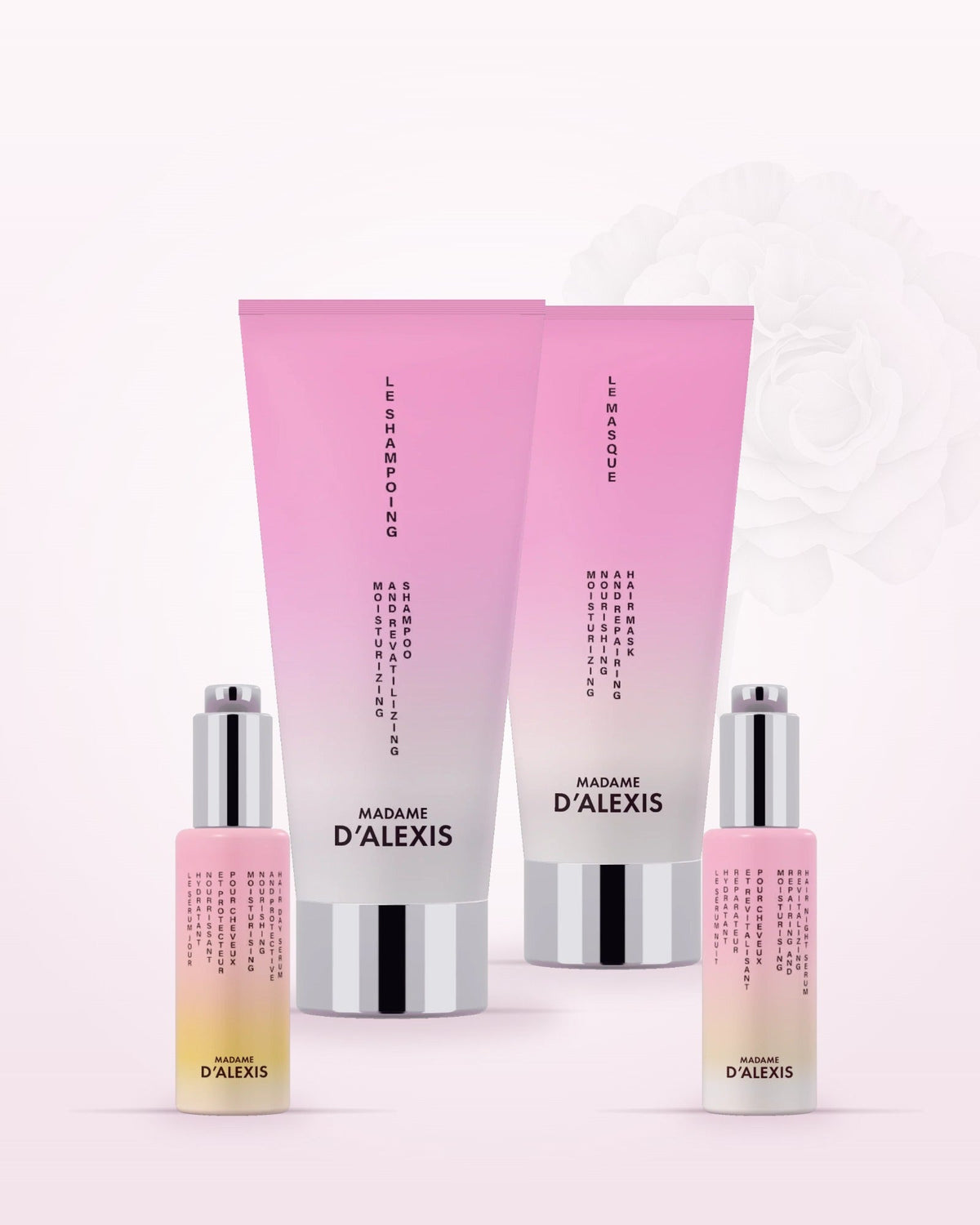
A compact, premium, and easy-to-understand product line for salons that want to offer a distinctive, natural experience: scalp reset, gentle shampoo, deep treatment, finishing, and a nighttime routine to recommend for use at home.
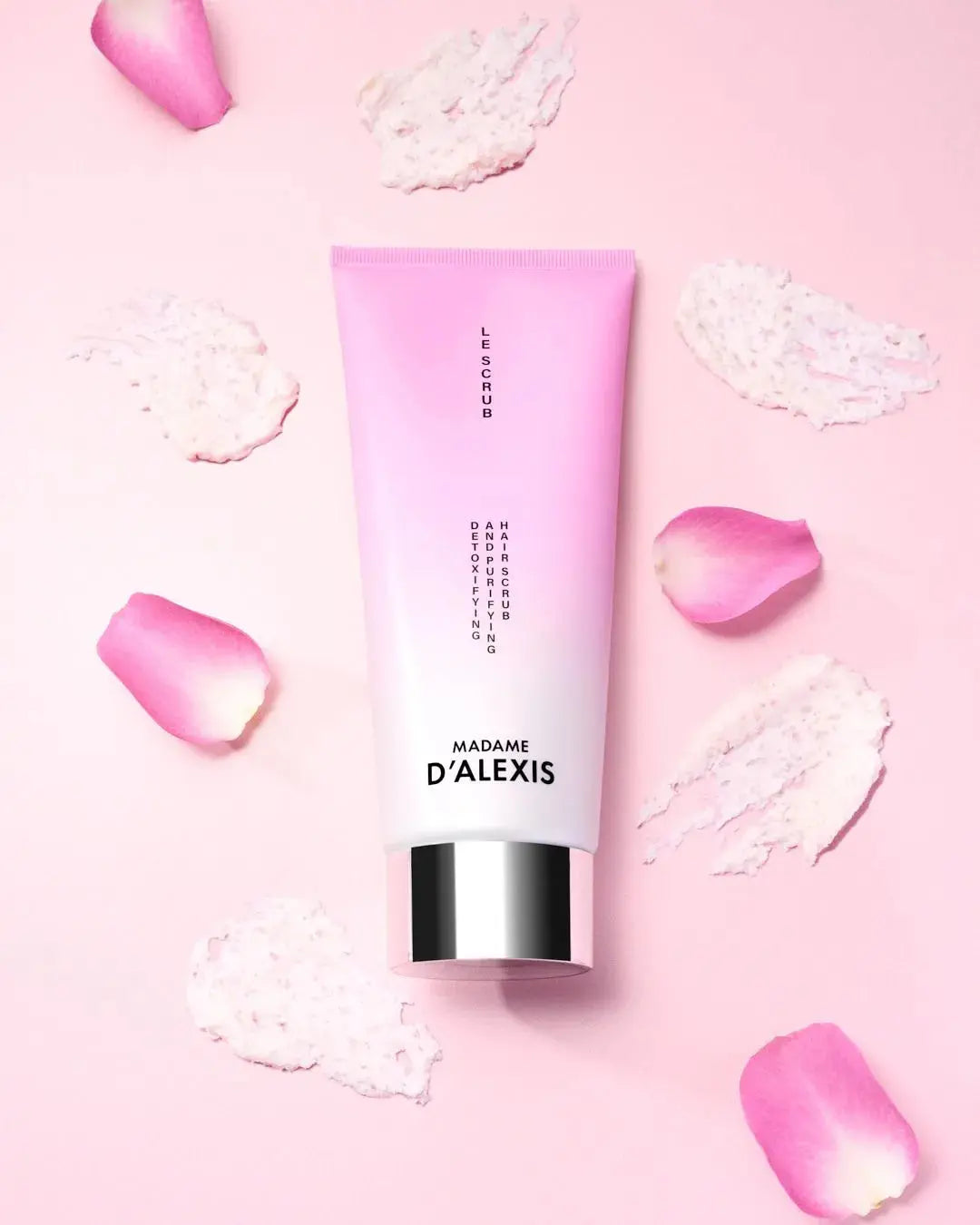
The Floral Scrub
Reset · scalp · treatment room
- A Strong Differentiator for the Trade Show Experience
- Helps remove buildup from the scalp
- Perfect as a premium pre-shampoo treatment
39,00 €
View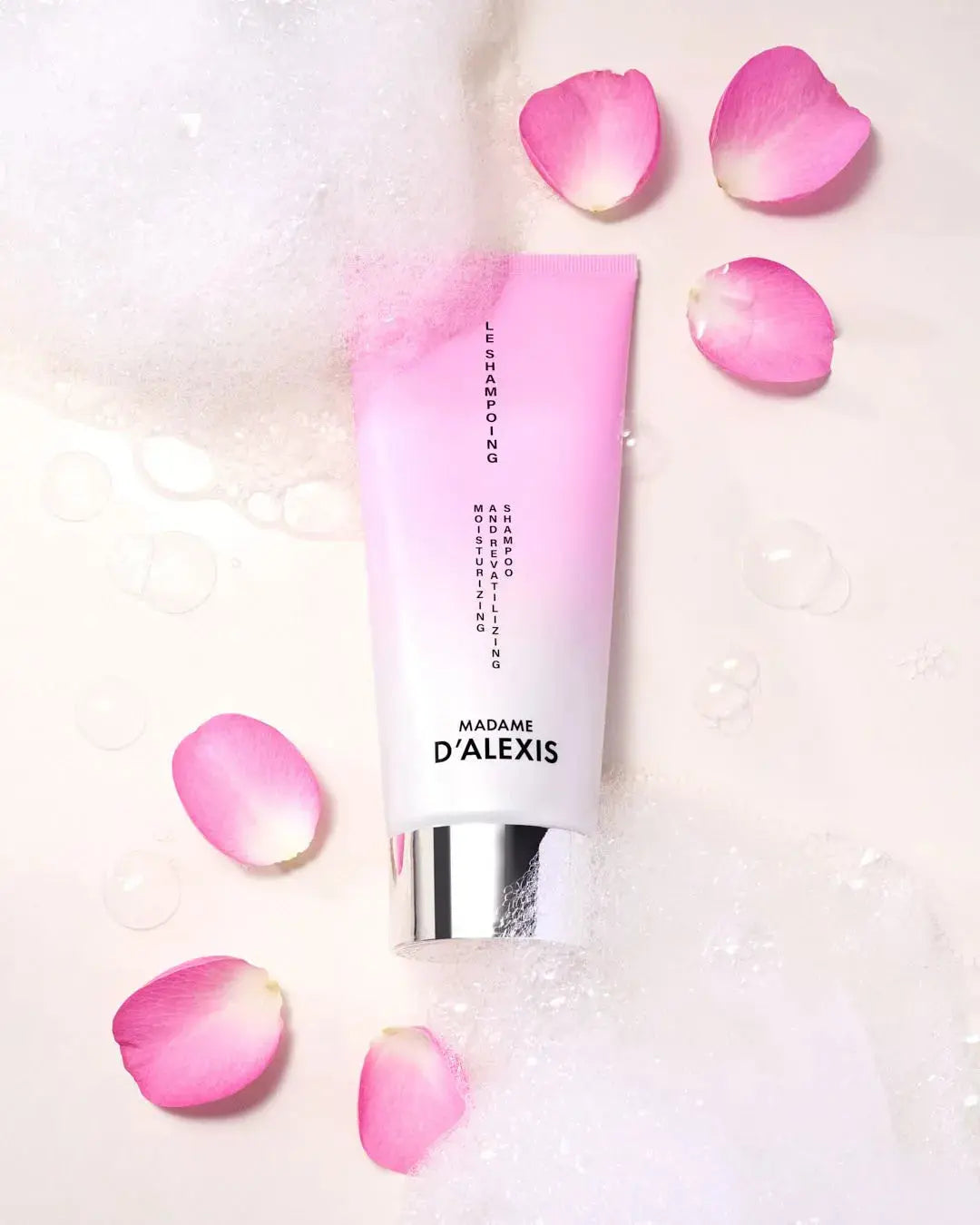
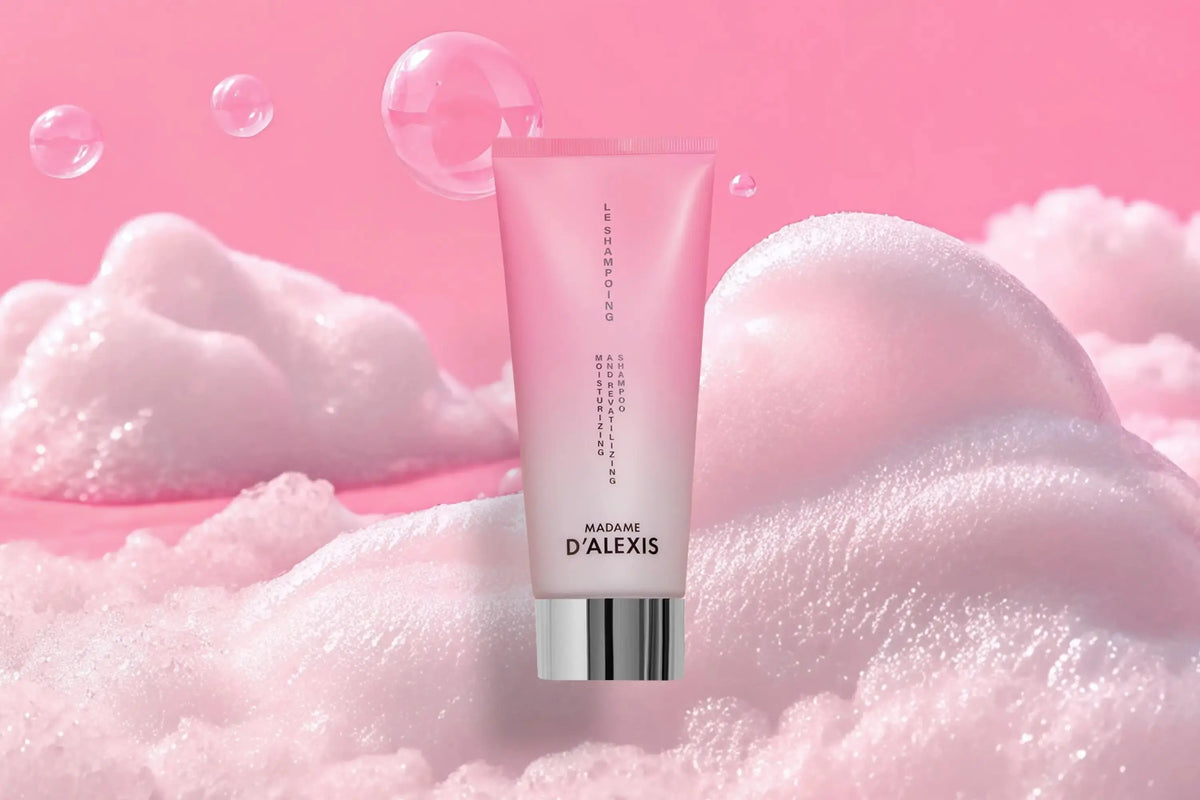
Hydrolat Shampoo
Sulfate-free · organic hydrosols
- Gentle Cleaning for Salon Services
- Organic hydrosols instead of water
- A clear INCI argument for discerning customers
35,00 €
View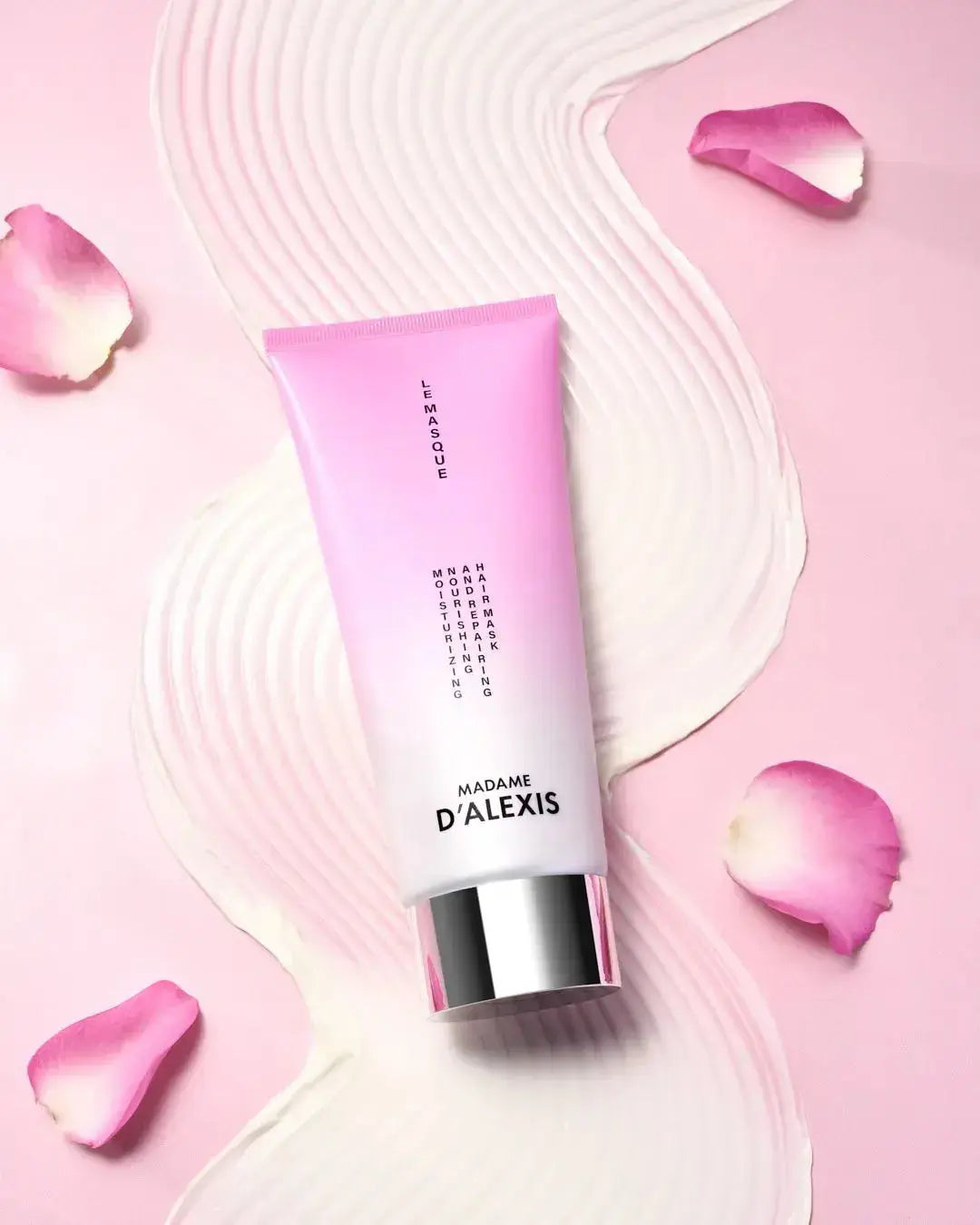
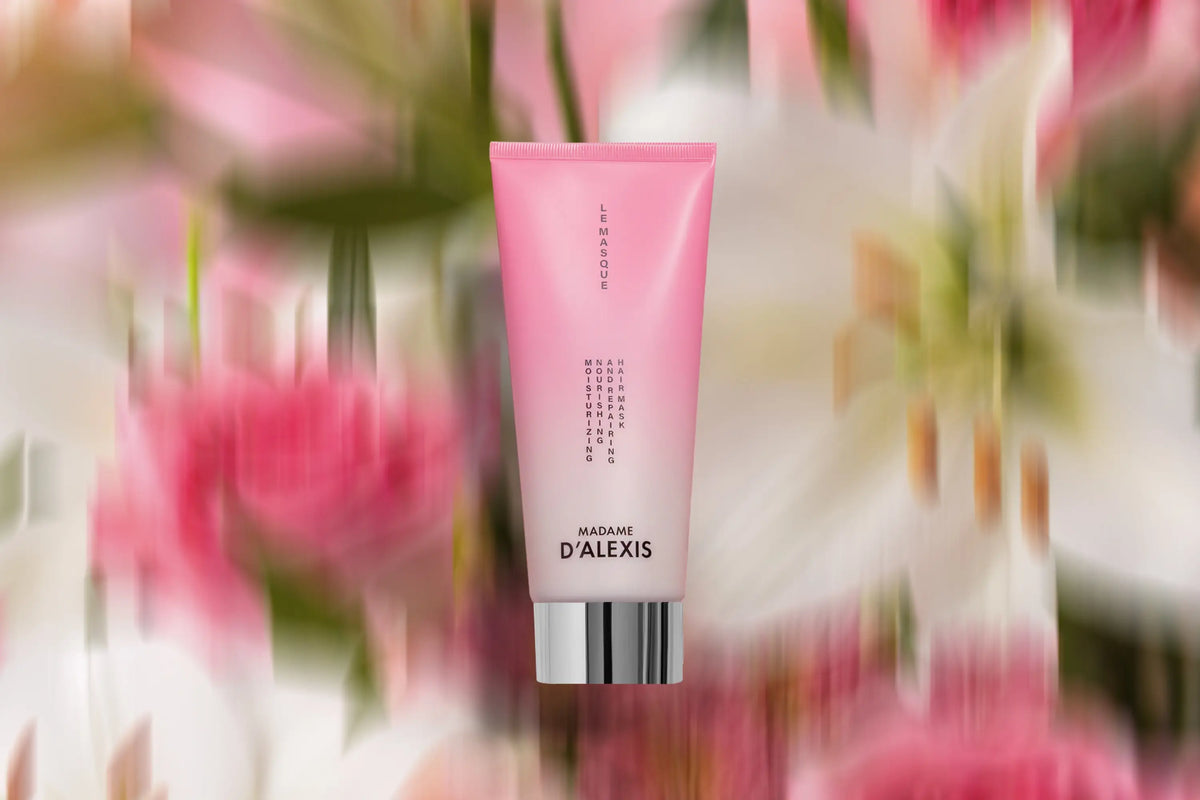
The Hydrolat Mask
Deep treatment · nourishment
- Plant-based ceramides and precious oils
- Ideal for moving up a level in high school
- A sensory profile that is easy to market in retail
49,00 €
View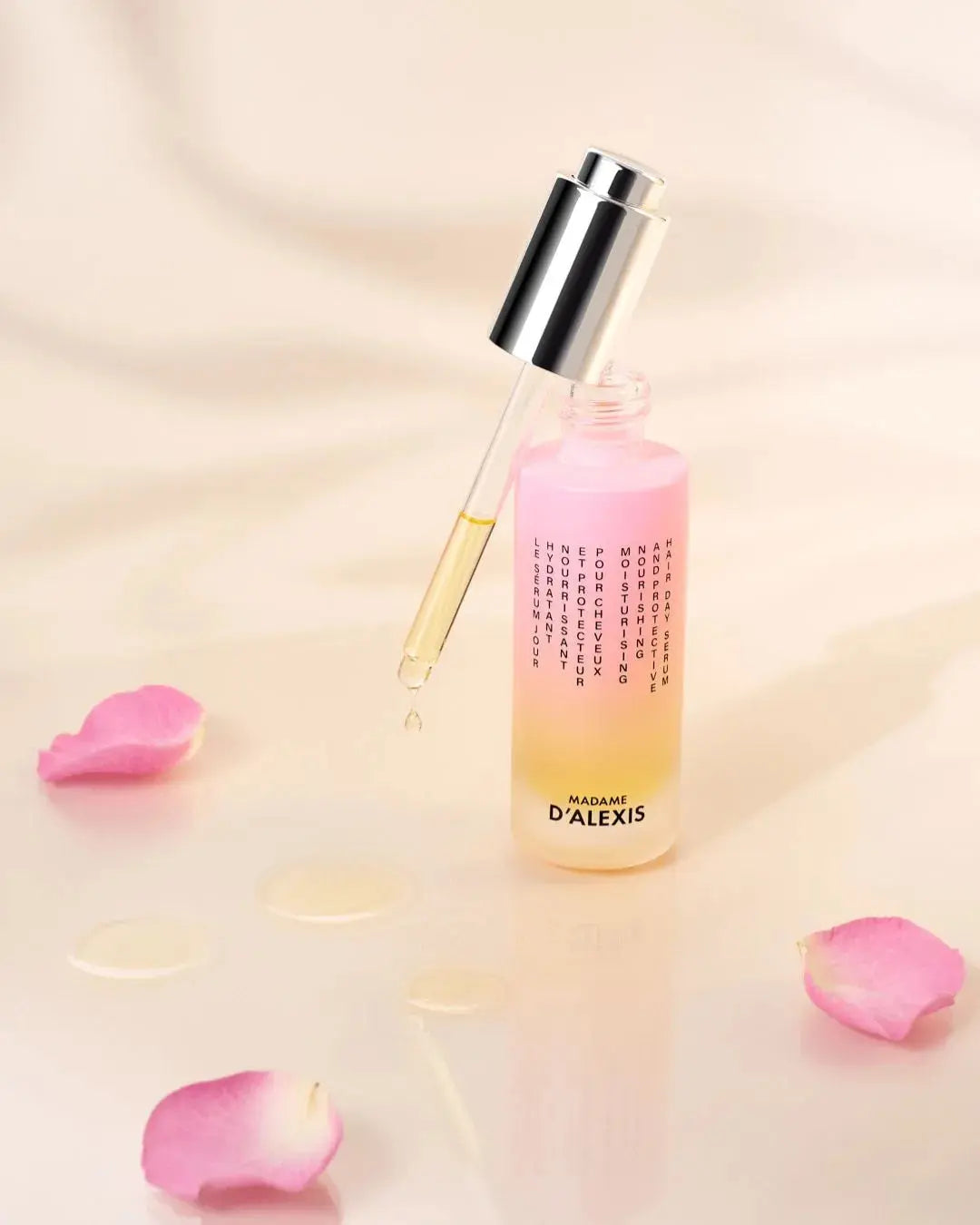
The Day Serum
Shine · Heat protection
- Enriched with jojoba oil
- Light finish with no greasy feel
- A retail product that's easy to recommend after a service
35,00 €
View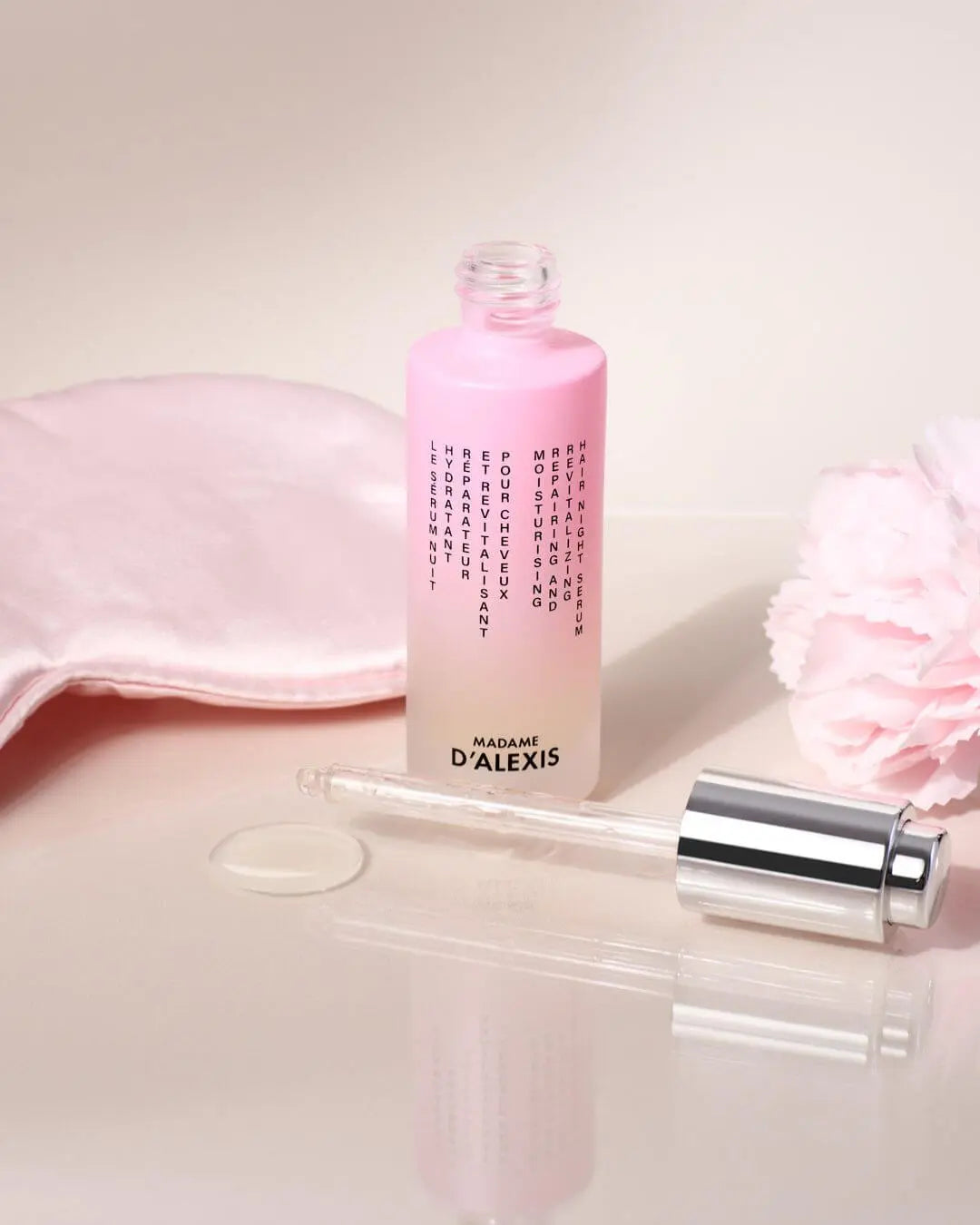
Night Serum with Hydrolats
Scalp · Density
- Leave-in scalp treatment
- Extends the salon experience at home
- Strengthens personalized advice and retail sales
35,00 €
ViewScroll down to discover the 5 products in the Madame d’Alexis line
Hair Salon Suppliers: What Salons Really Expect in 2026
Customer behavior has changed. Since 2020, reading labels has become second nature: 48% of organic cosmetics buyers cite ingredient safety as their primary motivation, ahead of environmental concerns and animal welfare (source: Cosmébio/Hekka Cosmetics, 2026).
In the salon, this has tangible consequences. Clients ask questions about the products used. They recognize sulfates, silicones, and parabens. Some will flat-out refuse a service if they don’t like the brand.
Salons that have switched to professional organichair care products say it clearly: customer loyalty is higher, the average transaction value is rising, and standing out from general-purpose salons has become a real selling point.
The problem is that traditional professional hair care wholesalers —as efficient as they may be in terms of logistics—aren’t equipped for this. Schwarzkopf Professional, Wella, Generik, Babyliss Pro, Olivia Garden: these are excellent brands in their respective segments. But they don’t provide any storytelling about the origin of the ingredients, no salon protocols focused on natural ingredients, and no sales pitch for clients about the product’s composition.
What organic salons will expect from a professional hair care supplier in 2026:
- Formulas in which they can explain every ingredient to their customers
- A ready-to-use cabin protocol—not just a technical data sheet
- A representative who really knows the products
- A cohesive product line, not a catalog of 3,000 items
General Wholesaler vs. Specialized Organic Brand: The Real Differences
Before choosing your hair supply vendor, ask yourself the right question: Are you looking for a haircare products wholesaler that offers fast, wide-ranging delivery, or a partner who can help you move upmarket?
The two models cater to different needs. Here's an honest comparison:
|
Criterion |
General Wholesaler |
Specialty organic brand (e.g., Madame d'Alexis) |
|---|---|---|
|
Product Line |
3,000+ products (Schwarzkopf, Wella, Olaplex, Generik, etc.) |
A streamlined, well-managed, and cohesive product line |
|
Formulation |
Variable, often conventional |
Certified, transparent INCI, sulfate- and silicone-free |
|
Training |
Rare or generic |
Turnkey Cabin Protocol |
|
Customer Storytelling |
Absent |
Fort (hydrosols, heritage, ritual) |
|
MOQ |
High |
Accessible (small, independent salons) |
|
Reseller Margin |
Low (discounted prices) |
Upper (premium positioning) |
|
Delivery |
Fast delivery in 24–48 hours, large inventory |
Reasonable lead times, reliable restocking |
Platforms likePro Duo, Le Comptoir de la Coiffure, Destock Coiff, and Coiff-Express have their uses: quick restocking of supplies, competitive prices on equipment, and a wide selection of accessories. For a salon looking to buy standard items in bulk, this makes sense.
But if your focus is on natural products, scalp care, or a premium experience, these general-purpose hair care wholesalers won’t provide you with the added value you need. You’ll become just one of thousands of salons using the same products, with no unique story to share with your clients.
An organic specialty brand, on the other hand, gives you a real competitive advantage: products your customers can’t find in supermarkets, an authentic sales pitch, and a higher retail margin because the premium positioning justifies it.

Madame d'Alexis: Already available in over 35 head spas, salons, and pharmacies in France
More than 30 high-end head spas, expert salons, and premium pharmacies have already incorporated the Madame d'Alexis line into their in-salon offerings. This isn't just a marketing figure—it's the result of a network built partner by partner, based on a rigorous selection process.
Why did these professionals choose Madame d'Alexis over another professional hair salon supplier?
- The water-free formula: Each product replaces purified water with bioactive hydrosols (Damask rose, German chamomile, orange blossom). What your clients experience from their very first in-salon treatment is real—not just marketing.
- Biotech active ingredients: cationic hyaluronic acid, plant-derived ceramides, plant-derived keratin, prebiotics/probiotics, and postbiotics. Active ingredients derived from high-end skincare, applied to hair care.
- Made in France, manufactured in Brittany: full traceability, controlled manufacturing conditions, and prompt response when needed.
- Storytelling —the legacy of Madame d’Alexis, a globetrotter of the Roaring Twenties and an ambassador’s wife who recorded hair care rituals from Zanzibar to Kyoto in leather-bound notebooks—is a sales tool used at the counter. Your customers love this story.
Each partner receives a turnkey 5-stephead spa protocol: from cleansing to nighttime treatment, complete with products, application times, and sales pitches for each step.
The numbers speak for themselves when it comes to profitability: an average customer basket of €101, a repeat purchase rate of 38%, and a purchase cycle of 53 days. Customers who discover the product line in a salon come back—and they make purchases in retail stores.
The press also endorses us: Marie Claire (Top 5 Hair Serums), Psychologie Magazine, and other premium publications. When your customer searches for the brand on Google, they find credible articles—not just a product page.
For daily care, the professional sulfate-free shampoo is the perfect introduction to the line. And for in-salon scalp treatments, the professional in-salon scalp scrub fits naturally into a head spa or intensive treatment regimen.

5 Criteria for Choosing a Hair Salon Supplier
That's the crux of the matter. Here are the five criteria you should always evaluate before signing a contract with a new supplier.
1. Formulation: Clear INCI labeling, identifiable active ingredients
The first question to ask: Can I explain this INCI list to my client in 30 seconds?
A good supplier of organic hair care products offers formulas free of harsh sulfates, occlusive silicones, and synthetic fragrances. The INCI list should be short and include active ingredients you recognize: hydrosols, plant oils, plant-based keratin, ceramides, and prebiotics.
The quality of the formulation is also what determines the results on the hair. A well-formulated sulfate-free shampoo lathers less but preserves the hydrolipidic film. A hair mask with genuine active ingredients (cationic HA, ceramides) delivers visible results from the very first use. This is your best selling point—and the best way to command the best price by justifying your salon pricing.
2. Traceability: Made in France, certifications, transparency
"Made in France " is not just a marketing slogan. It is a guarantee of manufacturing standards, ingredient traceability, and prompt response in the event of a problem.
Check: Where are the products manufactured? What certifications do they have (COSMOS Organic, Nature et Progrès, Natrue)? Is the company an official retailer of its own formulas, or does it outsource everything to an anonymous contract manufacturer?
European cosmetics regulations (EC Regulation No. 1223/2009) require a Product Information File (PIF) and a CPNP notification for each product. A reputable supplier should be able to confirm that its products are in compliance—this is your legal guarantee as a retailer of organic hair care products.
3. Affordable MOQ: Suitable for independent salons
The MOQ (Minimum Order Quantity) is often where things get tricky. A general wholesaler may require minimum orders of €500 or €1,000 to qualify for wholesale prices. For an independent salon with limited inventory, this is a major obstacle.
A good supplier partner adjusts its MOQ to accommodate the realities of small salons. You should be able to test the product line with 2–3 items, evaluate the results with your clients, and then gradually increase your order volume. Also check the availability of these items: there’s nothing worse than a product being out of stock just when you need it. A reasonable minimum order amount is between €150 and €300 for a first-time professional purchase.
4. Training & Cabin Protocol
A supplier who sells you products without explaining how to use them in the treatment room is a supplier who leaves you to figure it out on your own. That's not enough.
What you should insist on: a turnkey booth protocol (application instructions, curing times, product combinations), initial training (in-person or online), and access to a product expert for your technical questions. Advice and application techniques are part of the package—not just the bottles.
The best supplier partners go the extra mile: they provide you with customer information sheets to hand out in the salon, sales pitches, and visuals for your social media. That’s what a true partnership is all about.
5. After-Sales Service & Restocking: Lead Times, Dedicated Contact Person, Marketing Support
One last criterion, one that is often underestimated. A professional hair salon supplier’s customer service is what makes all the difference on a day-to-day basis.
Questions to Ask Before Committing:
- What is the average delivery time? Fast delivery (within 48–72 hours) is the minimum required to avoid running out of stock between orders.
- Is there a dedicated contact person or a general call center?
- What levelof support is provided in the event of a product issue (customer feedback, questions)?
- Does the supplier provide marketing materials (visuals, technical data sheets, social media content)?
- What are the return policies for defective products?
A supplier who clearly answers these questions deserves your trust. A supplier who dodges the questions is a red flag.
To learn more about selecting the right products for your salon, check out our guide to professional organic hair care products for salons.
Are you ready to take the plunge? Discover the Madame d'Alexis professional line
The 5 Madame d’Alexis treatments to build a salon and retail lineup
A compact, premium, and easy-to-understand product line for salons that want to offer a distinctive, natural experience: scalp reset, gentle shampoo, deep treatment, finishing, and a nighttime routine to recommend for use at home.
The Floral Scrub
Reset · scalp · treatment room
- A Strong Differentiator for the Trade Show Experience
- Helps remove buildup from the scalp
- Perfect as a premium pre-shampoo treatment
39,00 €
View
Hydrolat Shampoo
Sulfate-free · organic hydrosols
- Gentle Cleaning for Salon Services
- Organic hydrosols instead of water
- A clear INCI argument for discerning customers
35,00 €
View
The Hydrolat Mask
Deep treatment · nourishment
- Plant-based ceramides and precious oils
- Ideal for moving up a level in high school
- A sensory profile that is easy to market in retail
49,00 €
View
The Day Serum
Shine · Heat protection
- Enriched with jojoba oil
- Light finish with no greasy feel
- A retail product that's easy to recommend after a service
35,00 €
View
Night Serum with Hydrolats
Scalp · Density
- Leave-in scalp treatment
- Extends the salon experience at home
- Strengthens personalized advice and retail sales
35,00 €
ViewScroll down to discover the 5 products in the Madame d’Alexis line
Why Organic Hydrosols Enhance the Effectiveness of Salon Treatments
This is the difference that most hairstylists don't see coming—until they experience it with their clients.
Hydrosol vs. purified water: They're not the same thing
Virtually all conventional shampoos and hair care products are formulated withpurified water (aqua). It is the first ingredient listed in the INCI, often making up 70–80% of the formula. Water acts as a diluent. It serves as a carrier for the other active ingredients, but it contributes nothing on its own.
An organic hydrosol is different. It is floral water obtained through steam distillation of a plant. It contains the plant’s aromatic and active molecules, has a naturally slightly acidic pH (close to that of the scalp), and is exceptionally gentle on the skin. Replacing water with a hydrosol transforms a passive carrier into an active ingredient in its own right.
Damask rose, German chamomile, orange blossom: tangible benefits
- Damask rose hydrosol: soothing and anti-inflammatory properties, ideal for sensitive or reactive scalps. Delicate natural fragrance, a strong sensory appeal in the treatment room.
- Chamomile Hydrosol: Rich in alpha-bisabolol, it soothes irritation and brightens blonde and light brown hair. Perfect as a complement to permanent hair color to soothe the scalp after coloring.
- Orange blossom hydrosol: invigorating, slightly astringent, and gentle on long hair and damaged strands.
These active ingredients, combined with cationic hyaluronic acid, ceramides, plant-based keratin, and probiotics, deliver results in salon hair care treatments that your clients cannot replicate at home with a mass-market product. This is your strongest differentiating factor.
The customer argument that makes all the difference
"What your hairstylist uses isn't available at big-box stores." Said at the right moment, this phrase turns a service into an experience. It justifies the price, sparks curiosity, and opens the door to a conversation about retail sales.
A professional sulfate-free shampoo made with hydrosols, a mask with real active ingredients, and a leave-in treatment formulated like a serum: this comprehensive line tells a cohesive story, from the shampoo basin to the finishing product.
For technical treatments, the professional sulfate-free shampoo is designed to prepare and care for the scalp before and after each service. And for in-salon scalp rituals, the professional in-salon scalp scrub fits naturally into a head spa or intensive treatment protocol.
How to Introduce a New Product Line Without Disrupting Your Customer Base
Switching suppliers or adding a new product line takes some planning. Here’s a realistic approach that takes 4 to 6 weeks.
Phase 1 - Voluntary Segment Test (Weeks 1–2)
Don't switch your entire customer base all at once. Select 2 to 3 products (shampoo, hair mask, leave-in treatment) and offer them to a group of willing customers—ideally those who have already expressed an interest in natural or organic products.
Monitor the results, take note of the feedback, and adjust your message. This testing phase is also your best source of authentic testimonials for the future.
Phase 2 - Client Communication (Weeks 2–4)
Explain the change in simple terms. No need for technical jargon— three points are enough.
- "These products are made in France, with ingredients that I can name one by one."
- "They produce better results in the long run because they are gentle on your scalp."
- "You won't find them in supermarkets—it's a new product exclusive to our trade show."
This last point is key. It positions your store as a place that offersa uniquecustomer experience, not just as a retailer of products available everywhere.
Phase 3 - Cross-selling from services to retail (weeks 3–6)
That's where the initial discount on your first business order really comes into play. You can offer a launch promotion on retail products or a trial offer (travel size or a shampoo + mask duo) to encourage that first purchase.
Cross-selling in the salon works best when the client has experienced the product in the treatment room. Your comment during the rinse (“Can you feel the difference in your hair?”) is the best way to trigger a purchase.
Summary Timeline
|
Week |
Action |
|---|---|
|
S1-S2 |
Product testing on volunteer customers |
|
S2-S3 |
Team Training + Public Speaking Skills |
|
S3-S4 |
Customer Communication in the Cabin |
|
S4–S6 |
Retail Launch + Introductory Offer |
For salons that want to take the scalp experience to the next level, our guide to head spa cosmetic suppliers explains how to put together a comprehensive head spa offering in your salon.
FAQ - Hair Salon Supplier
Who are the best hair product suppliers?
There's no one-size-fits-all answer—it depends entirely on your salon's positioning.
For equipment (barber chairs, salon furniture, hair clippers, hair dryers, scissors) and professional styling products, general-purpose professional hair care wholesalers are a reliable source: Pro-Duo, Schwarzkopf Professional, Wella, Generik, Babyliss Pro, Olivia Garden, Destock Coiff, Coiff-Express, and La Plateforme du Coiffeur. They offer a wide selection, fast turnaround times, and competitive prices.
For professional hair salon products focused on natural ingredients, scalp care, and a premium experience, specialized organic brands are the best fit. They offer carefully controlled formulations, compelling product narratives, and higher profit margins for retailers. The “best” supplier is the one that aligns with your positioning—not necessarily the largest or the cheapest.
How do you choose a hair salon?
Systematically evaluate these 5 criteria: clear INCI labeling (sulfate-free, free of occlusive silicones), traceability and certifications (Made in France, COSMOS), an MOQ suitable for independent salons, a treatment room training protocol included, and responsive customer service with a dedicated contact person.
Product quality is proven by your customers, not by a spec sheet. Always ask for samples before committing. Also compare the terms and conditions: wholesale prices, free shipping thresholds, and return policies. A good, professional supplier supports you over the long term—it’s not just a transactional relationship; it’s a partnership.
What products are best for hair salons?
The product line is divided into three main categories.
- Technical products: permanent hair color, bleaching, perms, and hair straightening. These are products that require specific training and strict regulatory oversight.
- Daily hair care: shampoo, hair mask, leave-in treatment, serum. This is the most powerful—and most profitable—driver of customer loyalty in retail. A customer who leaves with a shampoo and a hair mask will return sooner and spend more. Organic hair care products for hair salons offer a wide range of options to build out your salon and retail offerings.
- Accessories and equipment: scissors, clippers, hair dryers, shampoo basins, furniture. These purchases are less frequent but involve significant costs—be sure to compare offers carefully and check the warranties.
How do I buy hair salon equipment?
Three main options: online (specialized wholesalers, professional websites with secure payment and fast shipping), in-store (physical retail locations in major cities), or through a sales representative who visits trade shows.
Online shopping is now the dominant channel for routine restocking. Check to see if the website offers secure payment (3D Secure, installment payment options). What are the shipping costs and the threshold for free shipping? What are the return policies if the product isn’t suitable? Comparing prices across multiple suppliers before adding items to your cart remains best practice, especially for electrical appliances (hair clippers, hair dryers) where price differences can be significant.
What are the delivery times?
General professional hair care wholesalers typically deliver items in stock within 24 to 48 hours, with free shipping on orders above a certain threshold (often €150 to €300, depending on the platform).
For specialty organic brands, lead times are comparable for standard products. The real difference lies in restocking: a brand with well-managed inventory ensures the availability of key products, without unexpected stockouts. For a salon, running out of shampoo between orders can disrupt an entire week of services. Always check the terms for expedited restocking before committing to a new supplier.
How much do hair care products cost?
The ranges vary widely depending on the segment.
- Entry-level, general-purpose products: professional shampoo ranging from 5 to 15 € per liter; hair color ranging from 3 to 8 € per tube. Promotions and clearance sales can drive prices even lower, but often at the expense of the retailer’s profit margin.
- Premium organic: professional shampoo between €15 and €35 per bottle (250–500 ml), hair mask between €20 and €45. The best price isn’t necessarily the lowest: a premium product sold at retail for €25–35 generates a much higher margin than an entry-level product. Check the terms and conditions for official resellers: some suppliers enforce a suggested retail price to protect the brand’s perceived value—this helps ensure your salon’s positioning.
How do I contact a hair salon supplier?
Most providers offer several channels: online forms, email, phone, and sometimes a dedicated business portal with direct access to a representative.
This is where the difference between a good and a bad provider becomes clear: a dedicated contact person who knows your salon and your needs is infinitely more valuable than a generic call center. Ask specific questions during your first contact—about wording, protocols, and terms and conditions—and evaluate the quality of the answers. A provider who takes the time to respond accurately is a provider who will support you over the long term.
For any inquiries orassistance, you can become a Madame d'Alexis reseller partner directly through the dedicated business portal.
By 2026, your supplier should be a partner, not just a wholesaler
The market has changed. Customers read labels, compare brands, and choose their salon based in part on the products used. A hair salon supplier who simply delivers boxes won’t help you stand out.
The 5 criteria to keep in mind: clear INCI labeling, “Made in France” traceability, an appropriate MOQ, in-salon training included, and responsive customer service. These are the criteria that distinguish a mere wholesaler from a true partner in moving upmarket.
Madame d'Alexis is a French brand manufactured in Brittany, featuring formulas made with 98% natural ingredients and organic active hydrosols instead of water. A streamlined product line, clearly identified active ingredients, a salon treatment protocol provided, and a dedicated point of contact.
Ready to take your living room to the next level? Discover Madame d'Alexis's professional space
Useful sources
- Hekka Cosmetics - Natural Cosmetics Market: 2026 Figures and Trends - Market Data, Consumer Profiles, COSMOS Certifications
- Cosmébio - Key Figures on the Organic Market in France - The Leading Authority on Organic Cosmetics Certifications
- Entreprises.gouv.fr - Cosmetics Regulations - Official Regulatory Framework (EC Regulation No. 1223/2009, DIP, CPNP)
- Estetica Magazine - Hair Trends 2026 - Product Trends and Client Expectations in Salons
Advice