Advice
How can you choose a scalp care routine that suits your needs?
A healthy scalp depends on a tailored routine: gentle exfoliation, targeted shampooing, hydration, and soothing treatments. Discover how to effectively purify, calm, and rebalance your scalp.


Essential scalp care to restore a healthy scalp
- A healthy scalp depends on a targeted routine that combines cleansing, moisturizing, and treatments tailored to the nature of the skin.
- Gentle weekly exfoliation removes residue, regulates sebum, and stimulates microcirculation, the first step toward rebalancing the skin.
- A suitable shampoo (purifying, gentle, or soothing, depending on your needs) maintains the balance of the scalp and reduces irritation and dandruff.
- Deep hydration, thanks to hyaluronic acid, hydrosols, or aloe vera, protects the skin barrier and soothes sensitivity.
- Regular massages promote oxygenation, support hair growth, and strengthen the vitality of the scalp over the long term.
Why scalp care is important for hair health
The scalp is not just a simple hair support: it is a living organ, rich in blood vessels, sebaceous glands, and nerve endings. It plays a decisive role in the quality, strength, and longevity of hair.
Its balance directly affects the appearance of the hair, and I often find that its importance is underestimated. Taking care of the lengths is not enough if you neglect the biological base that nourishes them.
The scalp performs several essential functions:
- A protective barrier that defends the skin against external aggressions.
- Regulation of sebum, essential for maintaining natural hydration.
- Active blood circulation, which supplies oxygen and nutrients to the follicles.
- Continuous oxygenation is key to healthy, consistent growth.
As soon as this balance is disrupted, the repercussions are immediate: dry, dull, brittle hair, oily roots, loss of volume, reactive hair loss, or even dandruff and itching.
In my opinion, these signs are not inevitable; they simply reflect a need to adjust your routine. A consistent routine, tailored to your scalp type, makes all the difference.
The key message is simple: a healthy scalp = beautiful, strong, and shiny hair.
Recognize your scalp's needs: dry, oily, sensitive, or irritated?
Understanding the nature of your scalp is essential for choosing the right care product. Each type requires a specific response, otherwise the existing imbalance may worsen.
Dry and irritated scalp
This type can be identified by tightness, small dry flakes, and discomfort. It lacks sebum, often due to cold weather, overly aggressive washing, or pollution.
This dry skin does not protect the roots well, which explains why the hair is coarse and prone to breakage.
Oily scalp / hyperseborrhea
The signs are clear: greasy roots, flat volume, and hair that never seems clean. Sebum is produced in excess, sometimes due to overly harsh shampoo or hormonal imbalance.
This type of scalp requires gentle but regular cleansing to prevent follicle suffocation.
Sensitive scalp
Redness, stinging, burning sensations: your skin is reacting. Often, sulfates, certain synthetic fragrances, or stress are the triggers. A skincare product that is too fragrant or unsuitable can intensify irritation.
Scaly scalp
It is important to distinguish between dry, fine, and flaky dandruff and oily, thick, and sticky dandruff. The former is caused by a lack of moisture, while the latter is caused by microbial proliferation exacerbated by excess sebum.
The scalp microbiome plays a central role here: when it is out of balance, dandruff appears.
Understanding these nuances helps you adopt the right habits: purify when necessary, soothe when the skin reacts, hydrate when it feels tight, and regulate sebum without ever being harsh.
Essential steps to purify, soothe, and moisturize the scalp
A healthy scalp depends on a series of simple but precise steps.
Over time, I have found that these adjustments are often enough to transform the quality of the hair, because the scalp is where it all begins: sebum balance, oxygenation, comfort, and regular growth.
Purifying, moisturizing, and soothing are not incidental steps; they directly affect the vitality of the hair.

1. Exfoliate gently once a week.
Exfoliation is one of the most effective ways to cleanse the scalp. It removes dead cells, gets rid of styling residue, limits excess sebum, and clears the way to the follicles. In practice, a well-performed exfoliation:
- de-clutters the roots and improves their oxygenation
- stimulates blood microcirculation
- promotes more even growth
- reduces the feeling of a suffocated scalp
To maintain the skin’s natural balance, it’s best to choose an exfoliating product formulated without added water and rich in soothing hydrosols and natural active ingredients.
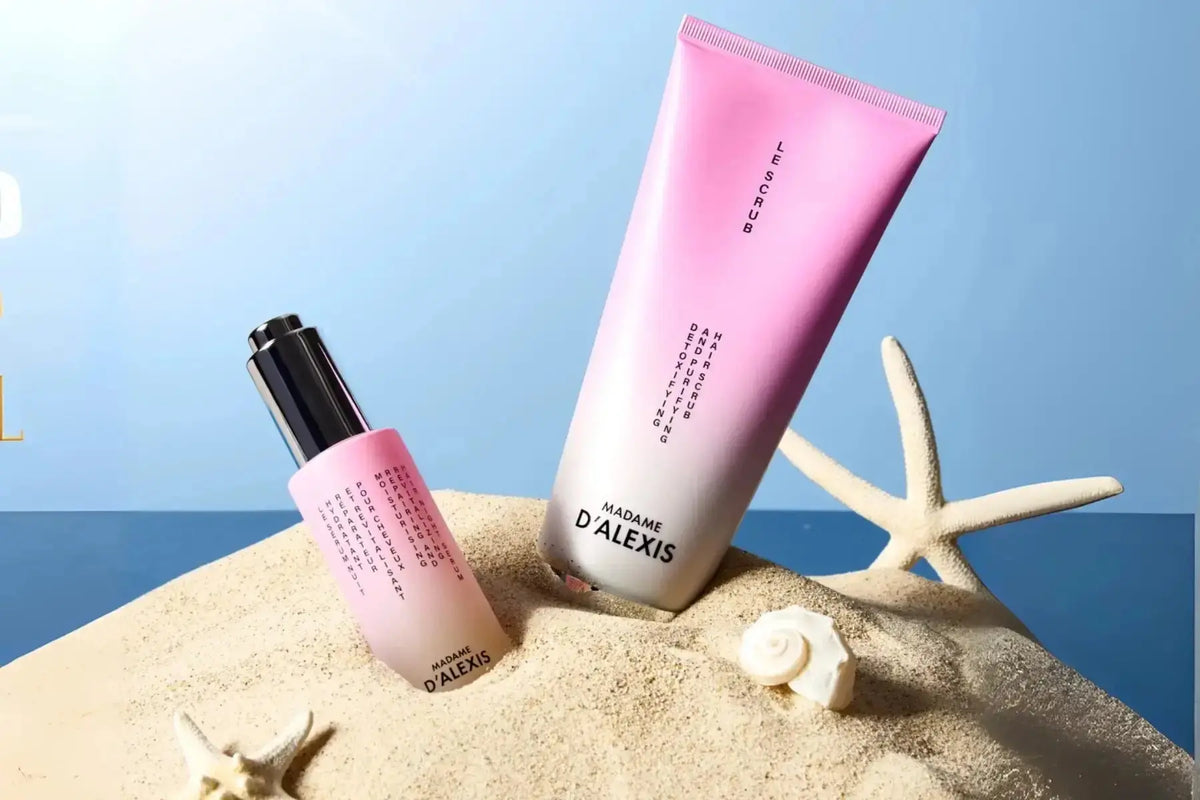
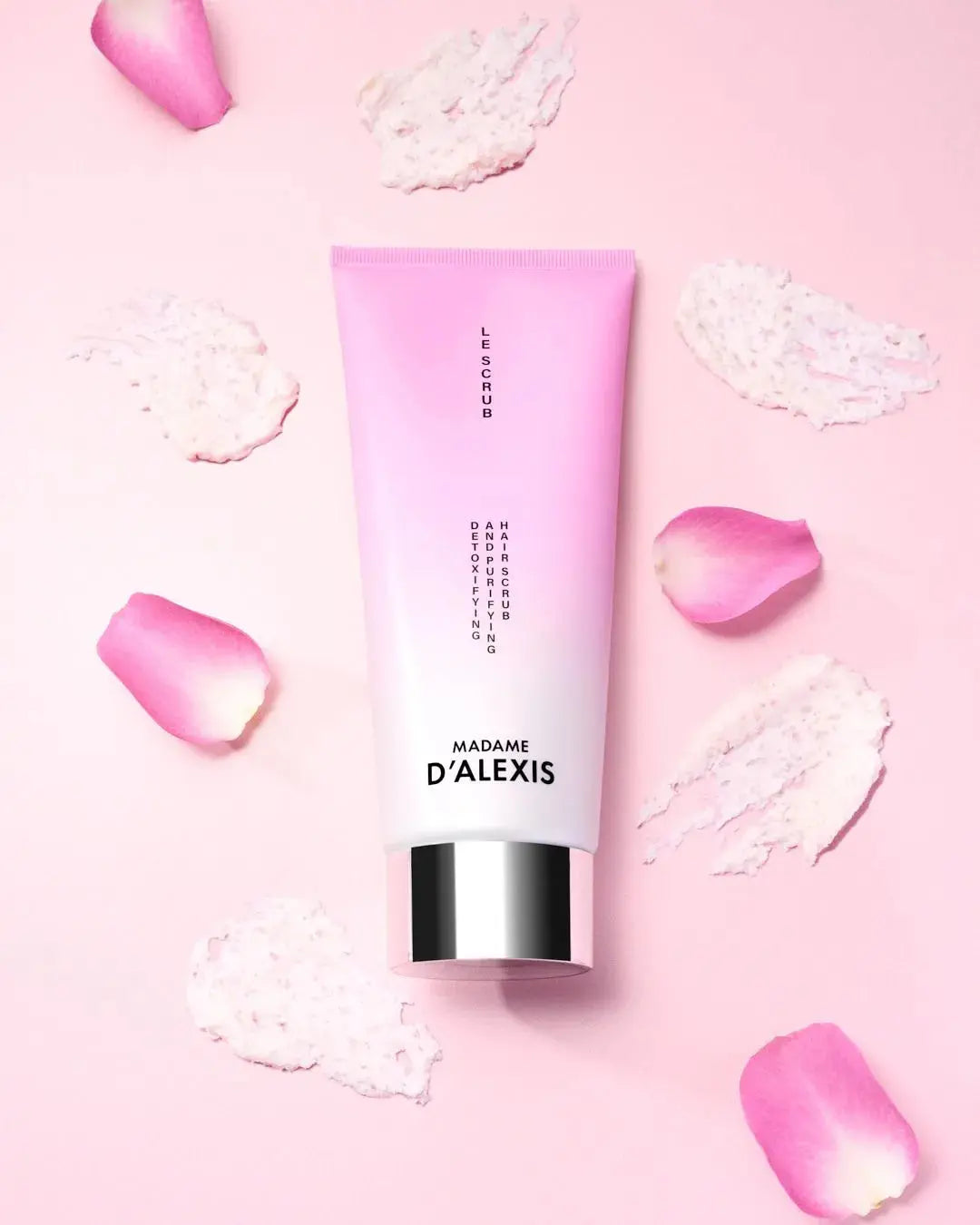
This is precisely the case with Madame d'Alexis' scrub, which combines rose, chamomile, and orange blossom hydrosols with fleur de sel and cationic hyaluronic acid.
This combination detoxifies without irritating and boosts microcirculation, two essential factors for maintaining a healthy scalp.
2. Choose a shampoo that is suitable for your scalp.
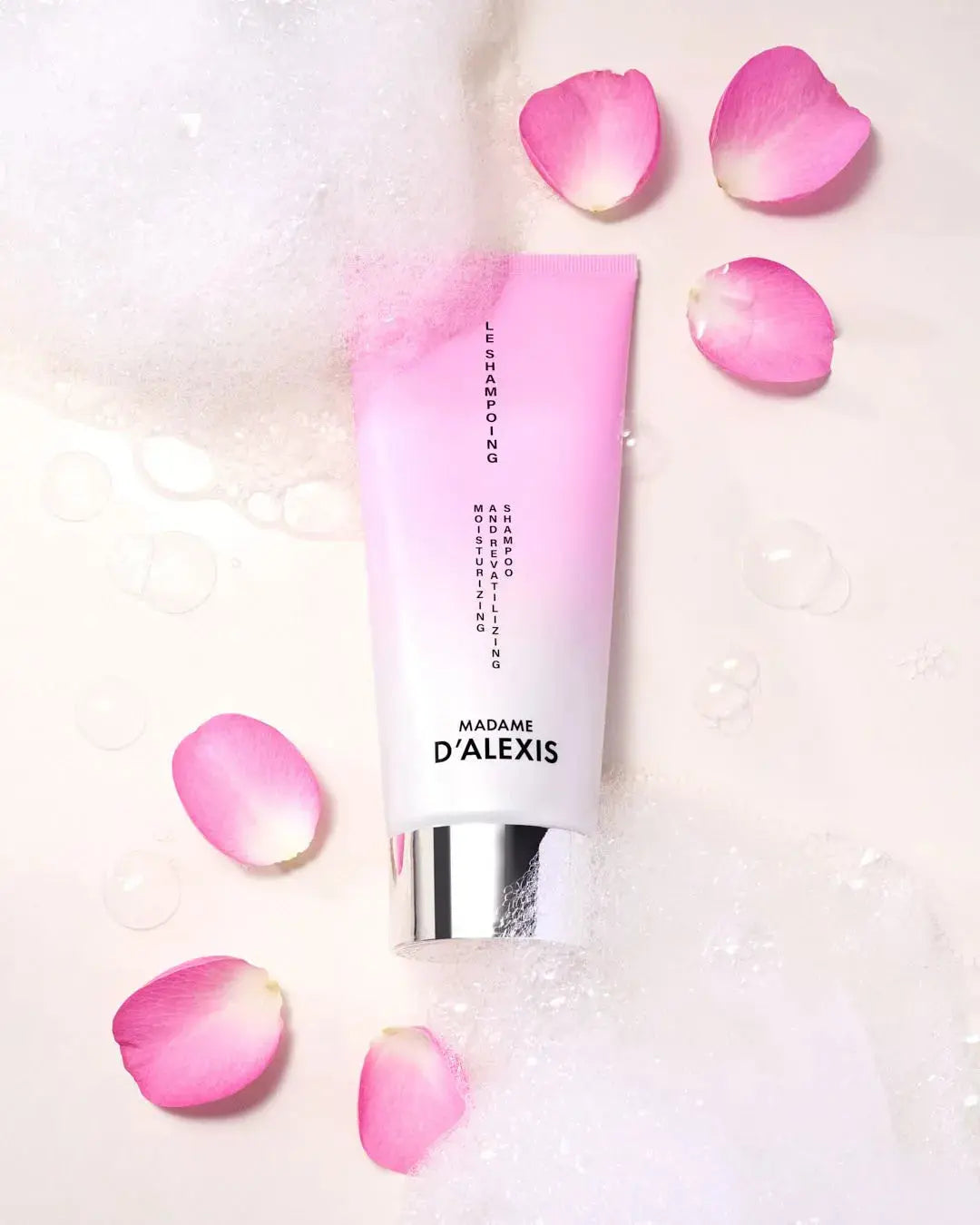
Hyaluronic acid shampoo acts as a balancer. For an oily scalp, a purifying shampoo helps control sebum. For a sensitive scalp, a gentle, sulfate-free shampoo minimizes irritation.
Dry scalps benefit from moisturizing formulas that strengthen the skin barrier. A carefully chosen exfoliating shampoo stabilizes scalp balance and improves daily comfort.
3. Deeply moisturize the scalp
Scalp hydration relies on agents capable of attracting and retaining water. Hyaluronic acid, particularly in its cationic form, is especially beneficial as it naturally binds to keratin.
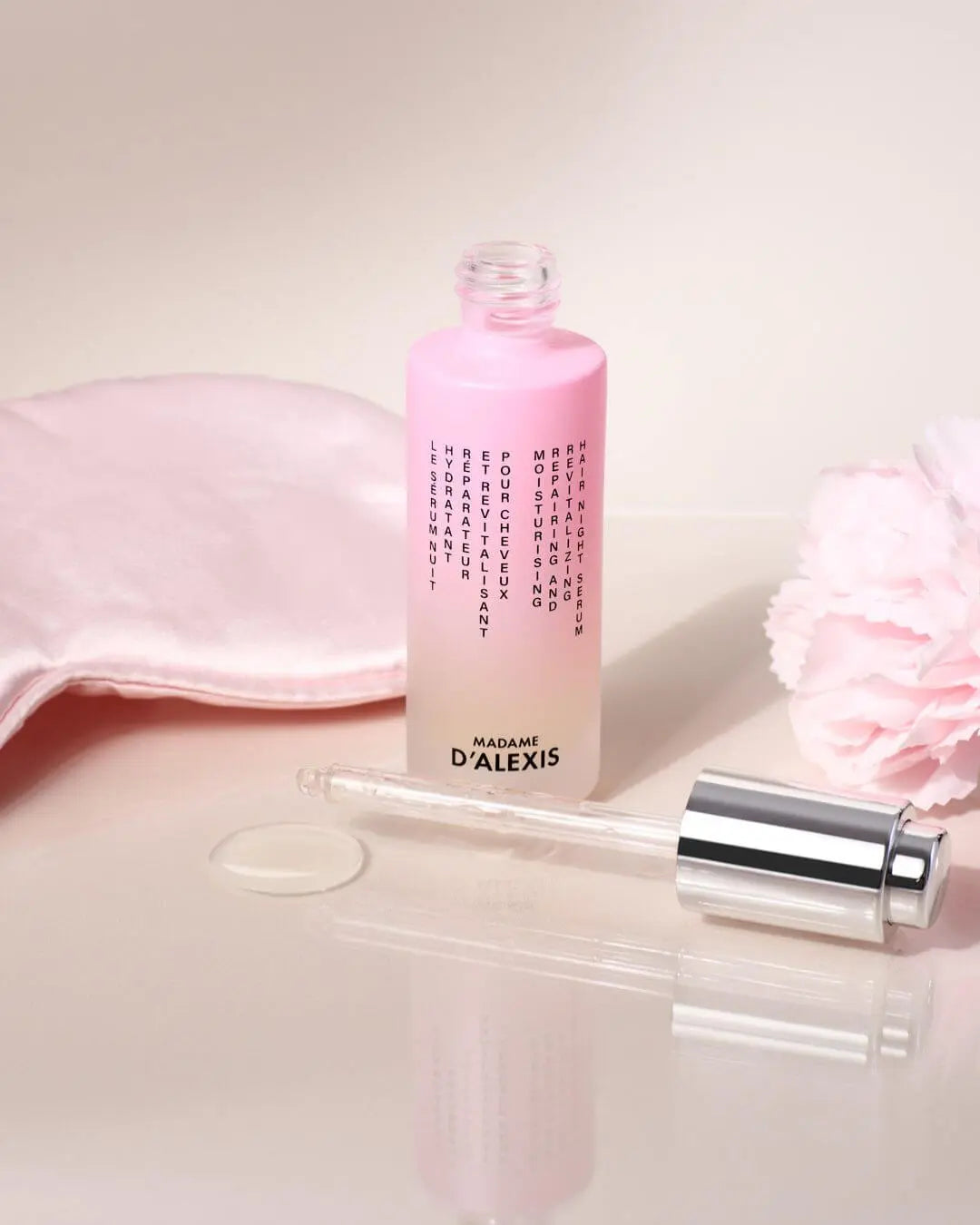
This treatment can be complemented with aloe vera gels, moisturizing serums, or night creams designed to restore long-term hydration.
4. Soothe a sensitive scalp
A sensitive scalp requires active ingredients known for their gentleness. Rose, chamomile, and orange blossom hydrosols are renowned for reducing irritation and soothing itchiness.
Peppermint, applied sparingly, provides an immediate feeling of freshness. Rebalancing the microbiome also helps reduce dandruff and improve skin comfort.
5. Stimulate microcirculation to promote growth
Scalp massage remains a simple and highly effective technique. Three minutes of circular movements are enough to stimulate blood circulation and optimize the supply of nutrients to the follicles.
Using a massage brush further enhances this effect. Improved microcirculation promotes hair growth and strengthens hair from the root.
How to create an effective scalp care routine?
Building a truly effective scalp care routine is based on a simple logic: support the skin where it needs it and provide regular care to maintain its balance.
I have noticed that, for many people, a well-structured routine brings about lasting changes to the condition of the scalp and, consequently, the hair.
Each step plays a specific role; the order in which they are applied makes all the difference.
Step 1: Exfoliate to purify and unclog pores
Weekly exfoliation removes residue, pollution particles, and dead skin cells that can easily suffocate the scalp.
This first step facilitates oxygenation of the follicles and prepares the skin for subsequent treatments.
I always prefer gentle exfoliation using a product formulated without added water and enriched with soothing natural ingredients.
A scrub such as the one offered by Madame d'Alexis is a good example of this approach: it cleanses deeply while respecting the sensitivity of the scalp, which is rarely the case with overly abrasive exfoliants.
Step 2: Clean with a suitable shampoo
The shampoo should limit excess sebum without weakening the skin barrier. An oily scalp will benefit from a purifying shampoo, while a shampoo for sensitive scalps is more suitable for reactive skin.
Thorough cleansing stabilizes the overall balance of the scalp and prevents itching or heavy roots.
Step 3: Moisturize and soothe
Deep hydration relies on active ingredients capable of retaining water, such as hyaluronic acid, aloe vera, or floral hydrosols.
Sensitive skin responds particularly well to these products, especially when they contain light, non-occlusive humectants.
Step 4: Stimulate growth
Something as simple as massaging the scalp improves microcirculation, promoting nutrient supply. Three minutes is enough to stimulate hair growth. Specialized serums or a regular scalp routine further enhance this effect.
Video routine for itchy or irritated scalp
Madame d'Alexis scrub: the ideal exfoliation for a healthy scalp
Scrubbing is often the step that is missing from a hair care routine, even though its effects are visible from the very first use.
I particularly appreciate treatments that deeply purify while respecting the sensitivity of the scalp, a difficult balance to achieve.
Why exfoliate the scalp?
Gentle exfoliation helps to:
- remove residues and traces of pollution;
- remove dead cells that suffocate the roots;
- regulate excess sebum;
- stimulate microcirculation, which is essential for growth;
- restore volume and a feeling of lightness.
What sets Alexis' Scrub Madame apart from other products on the market
This treatment is based on a formula with no added water, a rare choice that increases the concentration of beneficial active ingredients. Exfoliation is provided by very fine fleur de sel, which is gentle enough to suit even sensitive skin.
It contains floral hydrosols known for their properties:
- Damask rose : hydratante et apaisante ;
- chamomile: calming and anti-inflammatory;
- orange blossom: invigorating and revitalizing.
Cationic hyaluronic acid offers a real bonus: it naturally binds to keratin, deeply moisturizes, and improves scalp comfort after rinsing.
A sensory experience that promotes regularity
When it comes into contact with water, the natural fragrance is revealed, fresh and floral. For many, this sensory experience encourages regular use, which is essential for achieving lasting results.
How can you incorporate it into your routine?
- One use per week is sufficient.
- Apply to damp scalp, massage gently, rinse.
- Follow with a mild shampoo.
This type of treatment helps the scalp regain its natural rhythm: purified, soothed, and better hydrated. And when the scalp stabilizes, the hair automatically gains strength, volume, and shine.
How to use Madame d'Alexis exfoliating scrub?
Common mistakes that damage the scalp
Certain habits silently damage the health of the scalp:
- washing your hair too often;
- using water that is too hot;
- rubbing instead of massaging;
- apply mask or conditioner to the roots;
- choosing products that are too rich for an oily scalp;
- wearing tight hairstyles too often;
- dry too close to the scalp;
- use products containing sulfates or occlusive silicones.
These actions create an imbalance in sebum, irritate the skin, and weaken the hair fiber.
When should you consult a professional for an irritated scalp?
It is best to seek the advice of a dermatologist or scalp specialist when:
- dandruff persists despite a suitable routine;
- the itching becomes intense;
- a sudden drop appears;
- a burning sensation occurs;
- The scalp remains very irritated despite treatment.
An expert opinion allows you to rule out any underlying medical conditions and tailor your routine to your individual needs.
What care is needed for sensitive scalps?
A sensitive scalp often reacts to repeated aggressions: overly powerful surfactants, synthetic fragrances, temperature variations, stress, or overly vigorous brushing.
To soothe this fragile area long-term, it is essential to useappropriate skincare products formulated with natural, gentle, and ideally organic ingredients.
In my opinion, there are three key elements to a truly soothing routine: calming inflammation, moisturizing the skin barrier, and avoiding any additional sources of irritation.
The recommended care for a sensitive scalp should have the following characteristics:
- a very gentle, sulfate-free cleansing base to preserve the skin's balance;
- soothing and anti-inflammatory ingredients such as chamomile hydrosol, orange blossom, rose, or sweet mint;
- natural moisturizing agents that can strengthen the scalp barrier, such as aloe vera or hyaluronic acid;
- a light or natural fragrance to limit reactions.
A high-quality soothing treatment helps moisturize the scalp, calm and restore the scalp skin. It gradually reduces tingling, tightness, and redness.
A consistent routine, consisting of a gentle shampoo, targeted moisturizer, and regular natural treatment, often provides rapid and lasting improvement.
How to treat dandruff?
Treating dandruff requires identifying its cause: dry skin, microbiome imbalance, excess sebum, or scalp irritation.
There are two types: dry, fine, and volatile dandruff, and oily, thicker, and sticky dandruff. Each requires specificscalp care, but the general approach is based on three steps: purify, regulate, and soothe the scalp.
Effective treatment for a dandruff-prone scalp includes:
- a targeted anti-dandruff shampoo containing regulating active ingredients;
- a weekly exfoliation or scrub to remove accumulated dead skin cells;
- soothing treatments that reduce inflammation and limit itching;
- Apply the product regularly, following the recommended application time, as its effectiveness depends on the active ingredient's ability to act deeply.
For quick relief, it is essential to choose a product that can treat, rather than simply mask, the imbalance.
Proper care reduces flaking, soothes itching, and helps the skin regain its natural cell renewal rhythm.