Conseils
How to get curly hair?
Learn how to transform straight hair into silky curls: gentle hydration, heatless techniques, a protective serum, and a satin bonnet for definition that lasts through time and humidity.

How to get curly hair quickly?
A clear method to prepare the hair fiber, choose the right styling technique, and keep curls soft, shiny, and frizz-free, with or without heat.
The essentials in 30 seconds
- Start by knowing your hair type: straight, wavy, curly, or coily—each texture requires a different preparation.
- Hydrate, then seal: a sulfate-free shampoo, a mask with ceramides, and a few drops of dry oil lock in moisture and prevent frizz.
- Choose the right technique: plopping, twists, and a satin scarf for heatless curls, or a diffuser or curling iron set below 180°C for express definition.
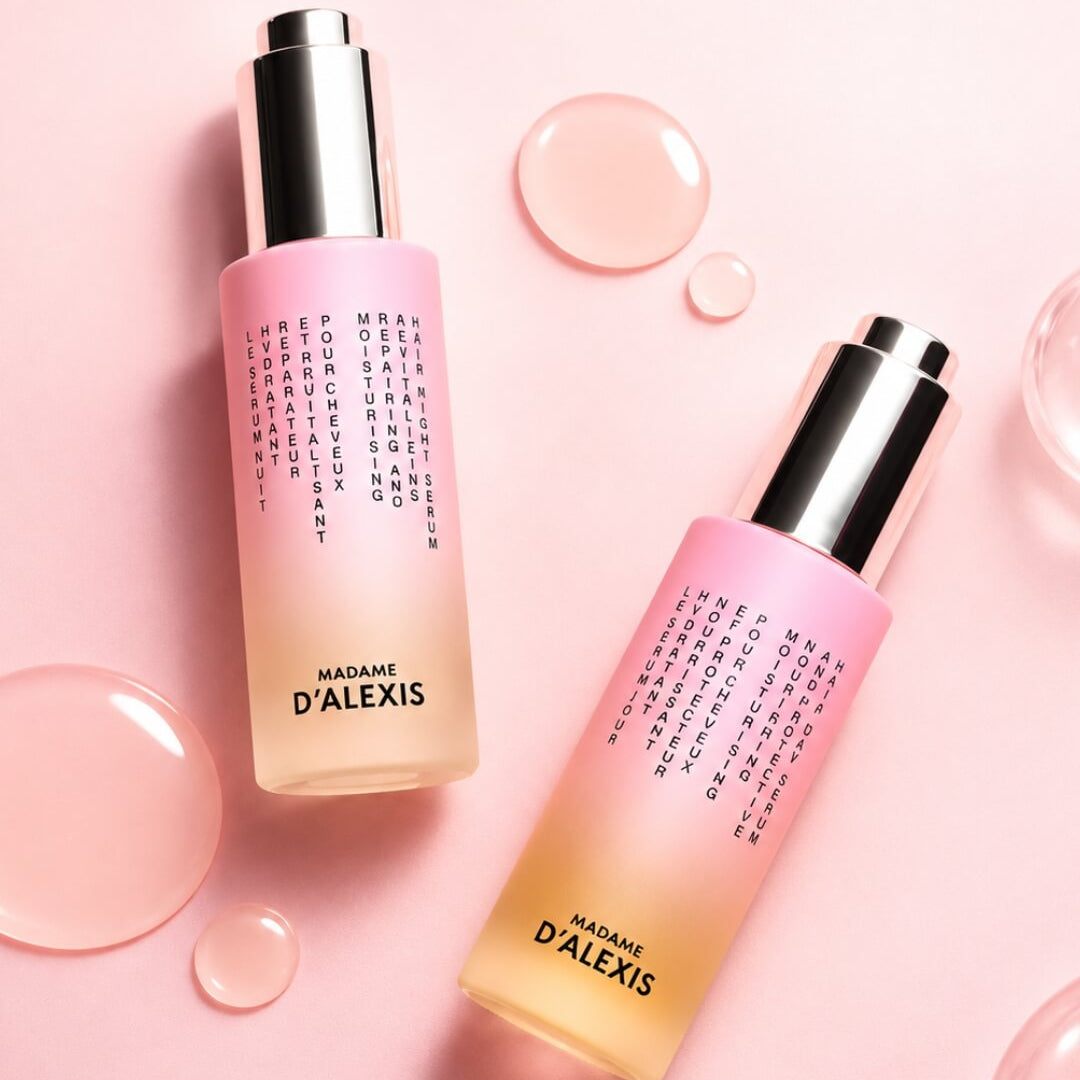
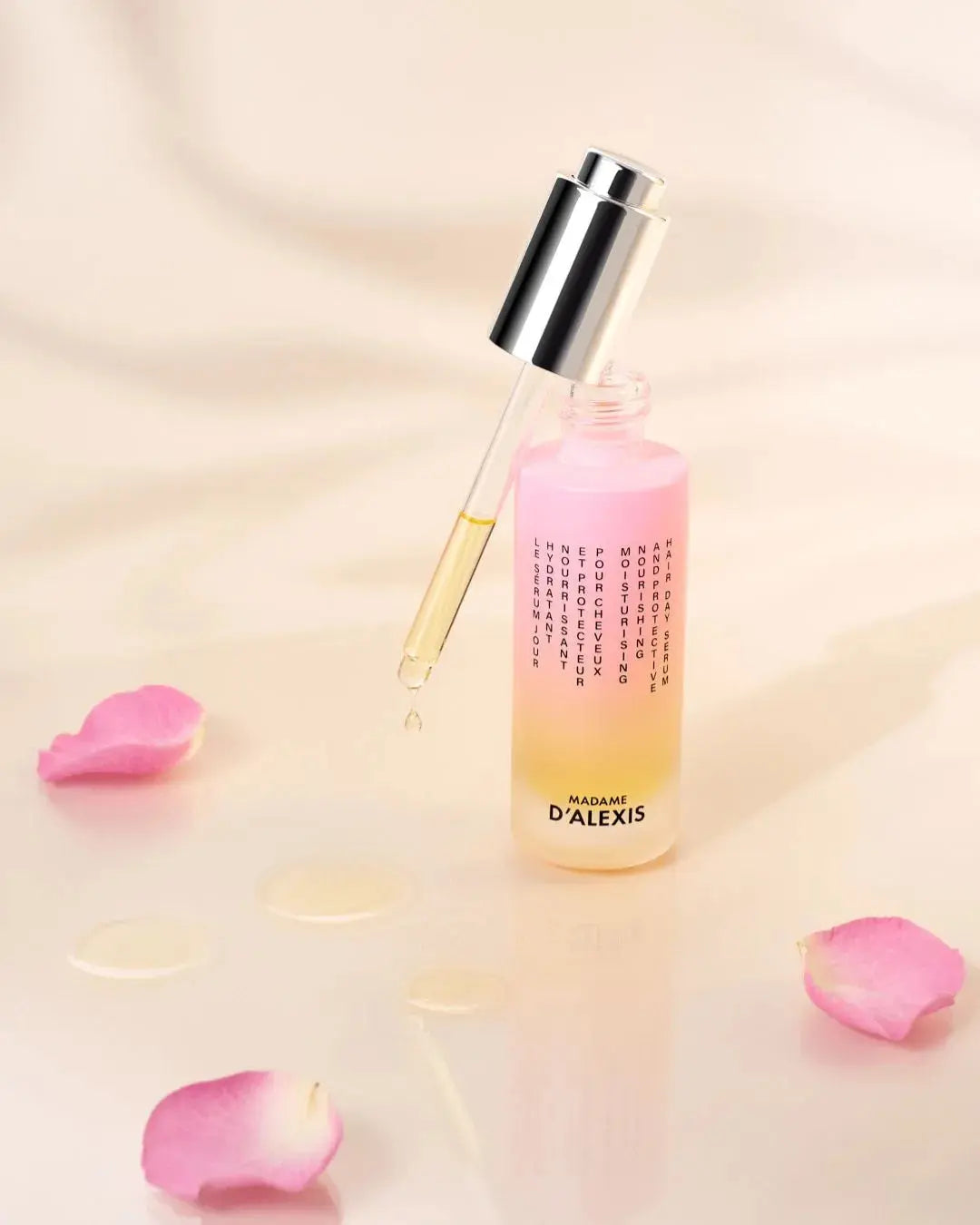
- Protect the fiber before applying heat: apply the Day Serum to the lengths and ends to help protect, smooth, and limit frizz.
- Maintain daily: satin at night, a light mist between washes, regular micro-trimming, and gentle handling.

Visual diagnosis: what type of curl do you want to reveal?
Before trying to quickly curl your hair, you need to know where you're starting from. The hair texture: straight, wavy, curly, or coily determines the method, the amount of product needed, and the level of protection required.
Wavy
Soft S-shapeNeeds lightness, definition, and a treatment that doesn't break the natural movement.
Curly
Visible spiralNeeds regular hydration, frizz control, and protection before drying.
Coily / Kinky
Tight to compactNeeds deep nourishment, minimal manipulation, sealing, and overnight protection.
| Type | Shape | Main risk | Routine priority |
|---|---|---|---|
| Type 2 | S-shaped waves | Flat or weighed-down curls | Define without weighing down |
| Type 3 | Wide to tight spirals | Frizz and lack of hydration | Hydrate, smooth, protect |
| Type 4 | Tight spirals or zigzags | Dryness, breakage, shrinkage | Nourish, seal, limit friction |
Understanding what really makes the hair fiber curl
Keratin forms bonds that determine the shape of the fiber. When hydration, humidity, or heat changes, these bonds temporarily reorganize. This is what allows a curl to form, but also explains why an unprepared fiber swells, frizzes, or loses its definition.
Heat must be carefully controlled: for a curling iron or straightener, aim for a maximum of 180°C. Beyond that, the risk of dehydration and weakening increases significantly, especially on curly hair, curly, colored, or porous hair.

Preparing the fiber for beautiful curls
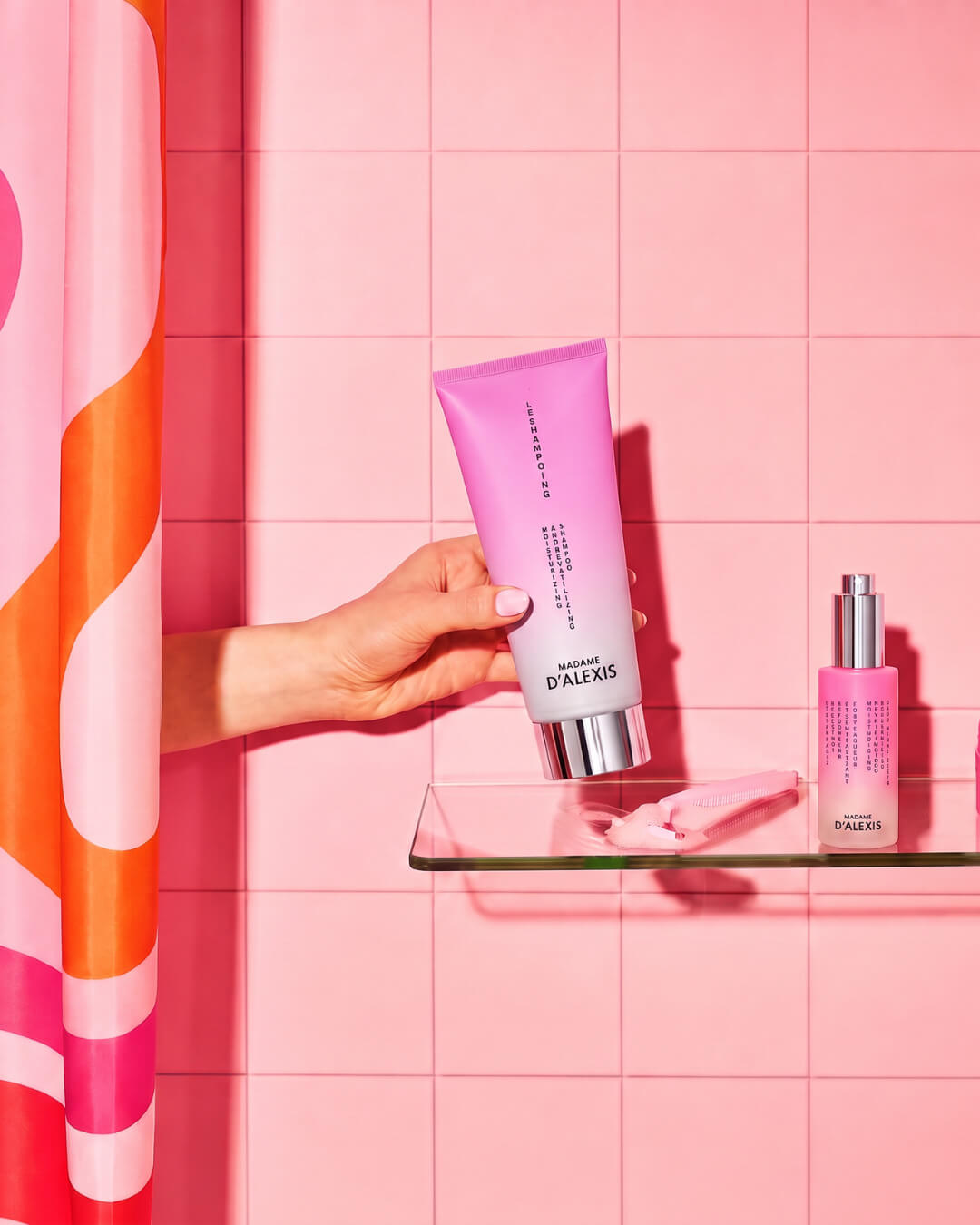
A sulfate-free shampoo cleanses without stripping the scalp. Lukewarm water slightly opens the cuticle without causing excessive swelling.
Use a wide-tooth comb, always on damp hair, starting from the ends. A microfiber towel or cotton t-shirt limits friction.
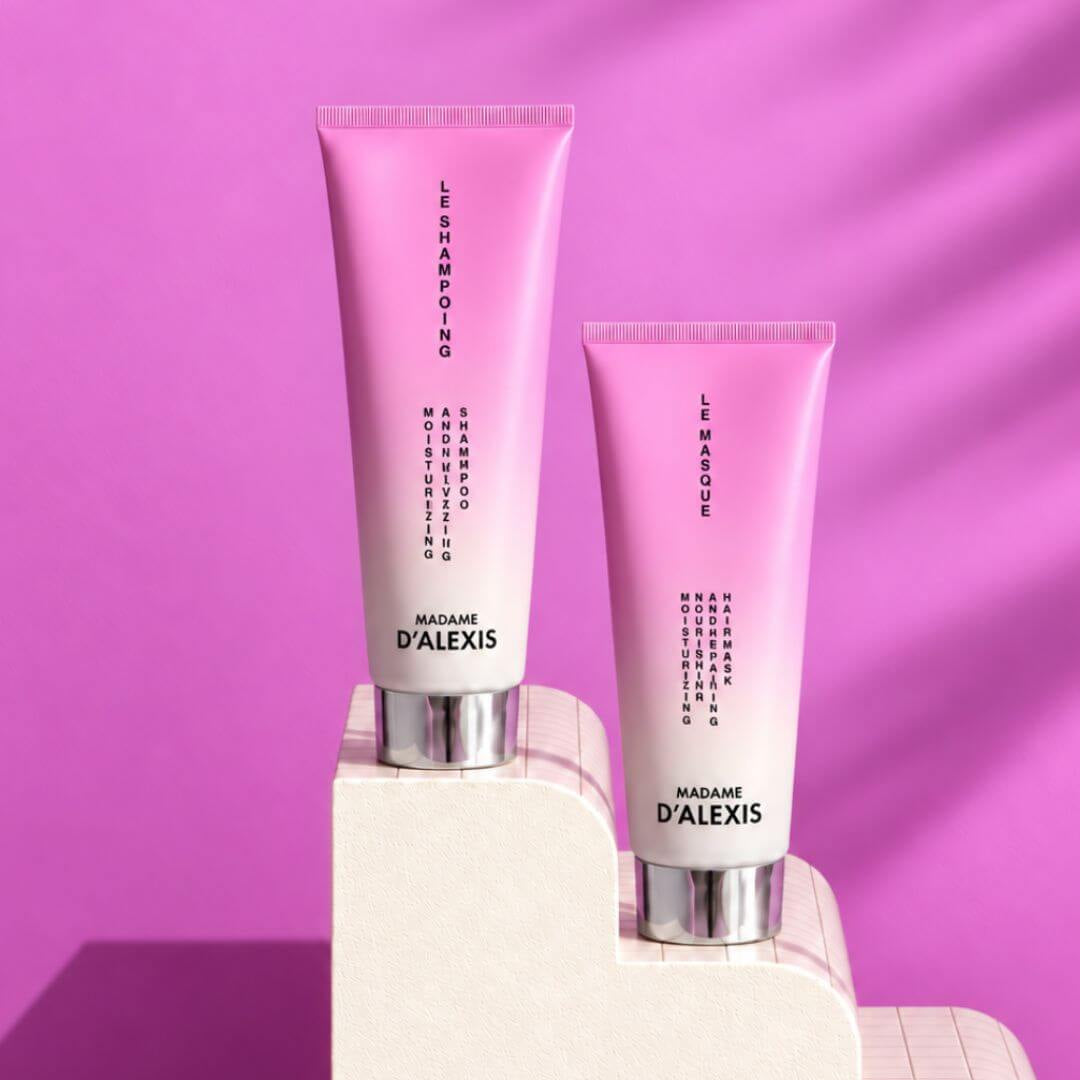
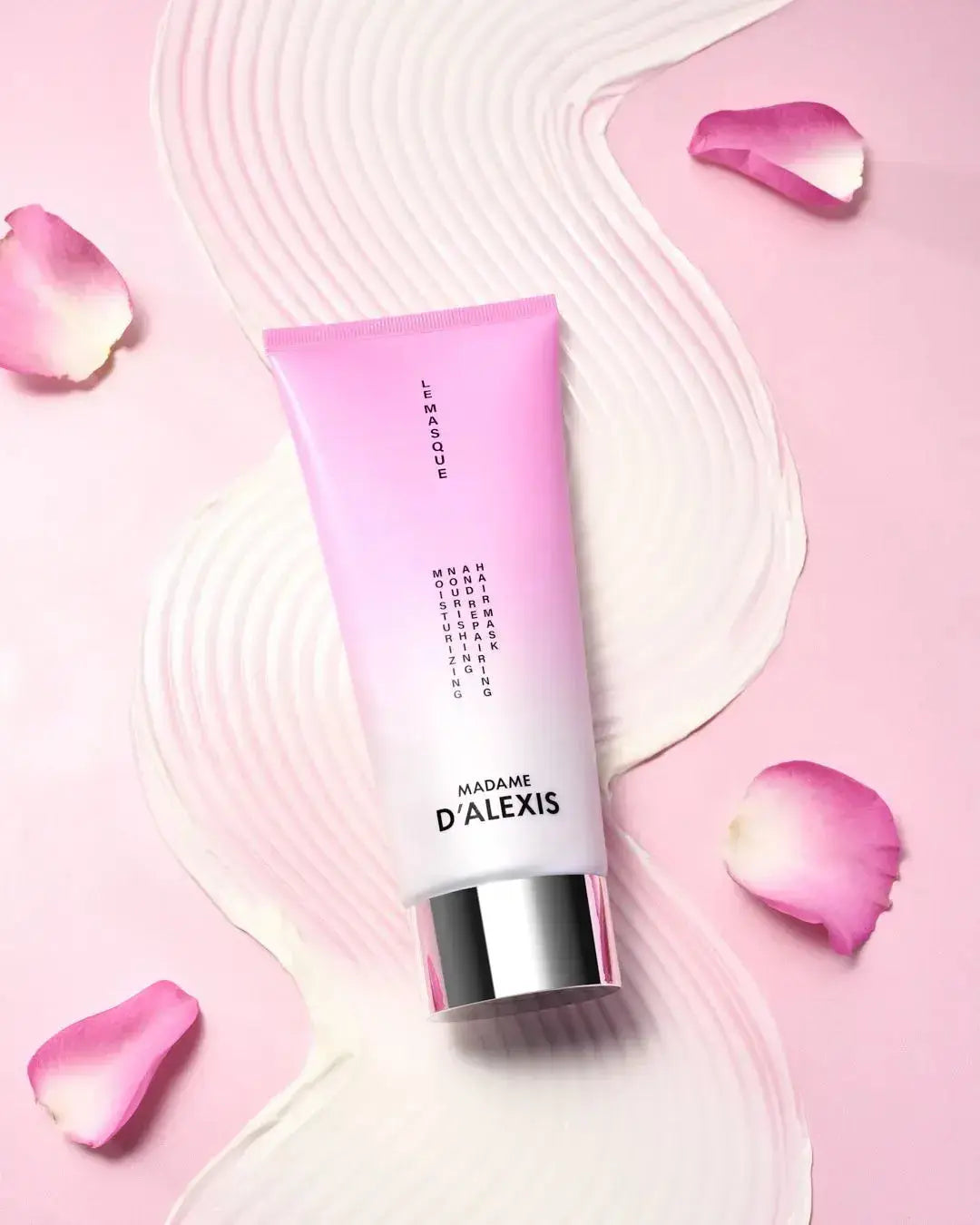
The Hydrating Mask with organic hydrosols, plant ceramides, and cationic hyaluronic acid helps soften the fiber and strengthen the lengths.
Heatless techniques for naturally curling your hair
Luxury is softness. Heatless techniques allow you to form curls without weakening the fiber, provided you apply the treatments to damp hair and do not manipulate the strands while drying.
After washing and treatment, place the strands in the center of the fabric, fold, tie, and leave for 20 minutes. The curls set without frizz.
Divide into sections, twist or braid, then sleep with a satin elastic. In the morning, undo with your fingertips.
Wrap each strand around the scarf and leave overnight. Satin retains moisture and prevents marks.
For quick definition, apply a small amount of Day Serum to the lengths and ends, then scrunch upside down. Its dry oil texture helps smooth the cuticle without a greasy effect.

Controlled heat methods for curls in under five minutes
Medium speed, head tilted, ends lifted into the bowl. Finish with a blast of cold air to help set the shape.
Set to a maximum of 180°C, work on thin sections, eight seconds per strand, without going over several times.
Direct the flow toward the ends, never directly on the scalp. Work section by section, then seal with cold air.
Before heat: apply Madame d’Alexis Day Serum to the lengths and ends. It helps protect the fiber up to 200°C, tame frizz, and reveal shine.
Madame d’Alexis curly hair routine: the essentials
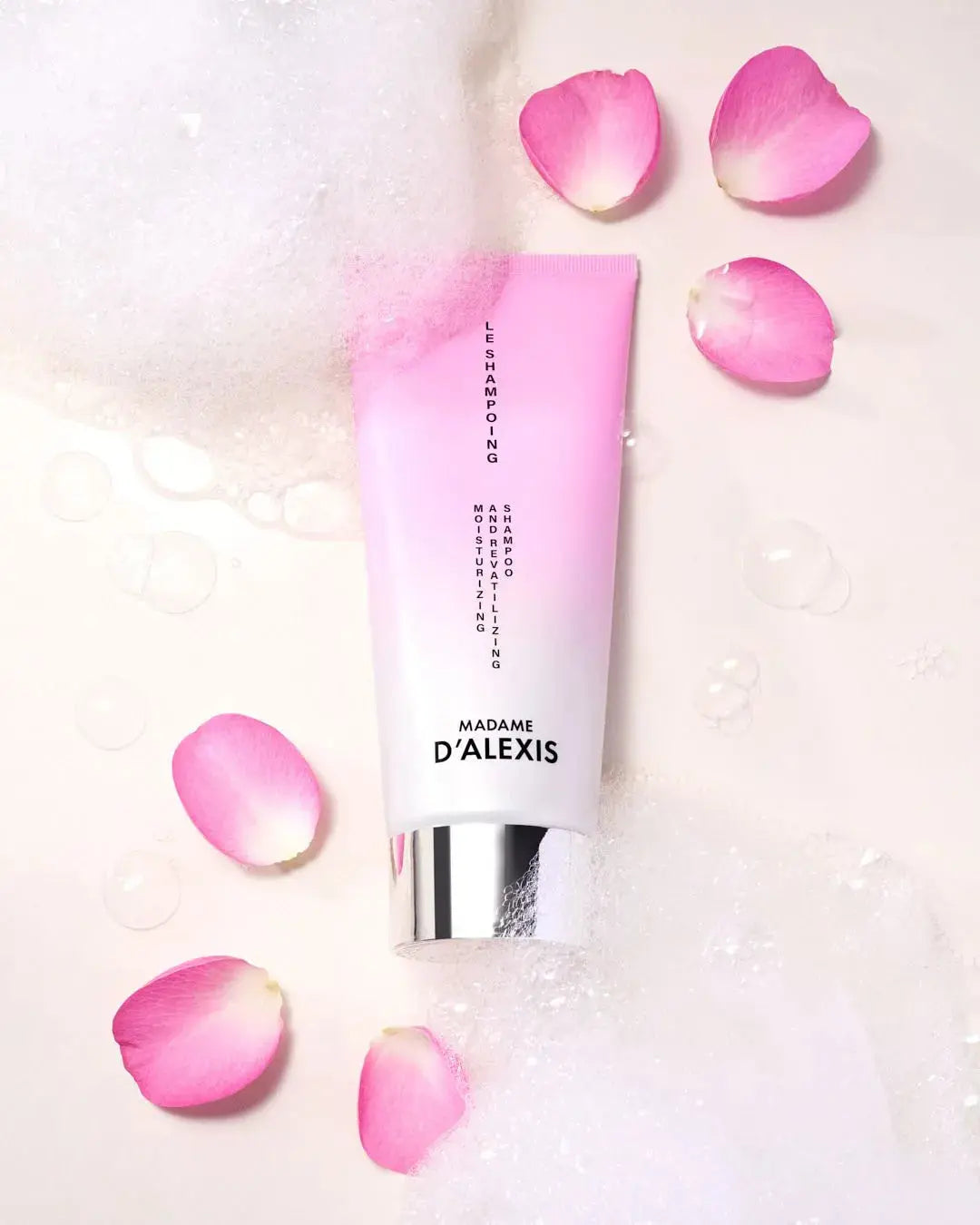
The most effective routine remains simple: cleanse without stripping, nourish the lengths, protect before styling, then support the scalp overnight. For a complete ritual, the curly hair routine brings together the essential steps.
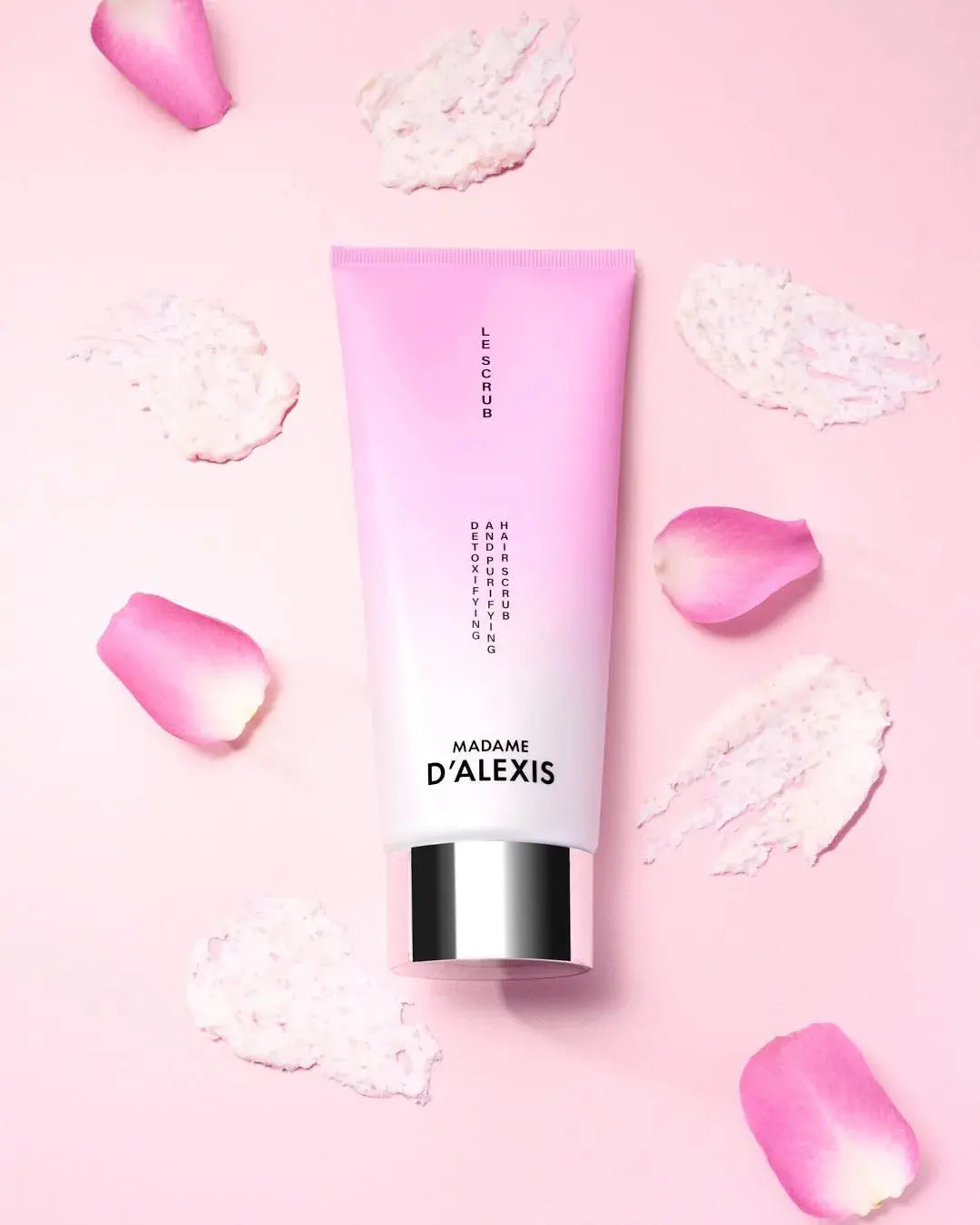
Double short wash with a gentle sulfate-free foam, then rinse thoroughly.
Leave on for 5 to 10 minutes in a routine, 20 to 30 minutes for a deep treatment on the lengths.
1 to 3 drops on the lengths and ends, before drying or as a finishing touch.
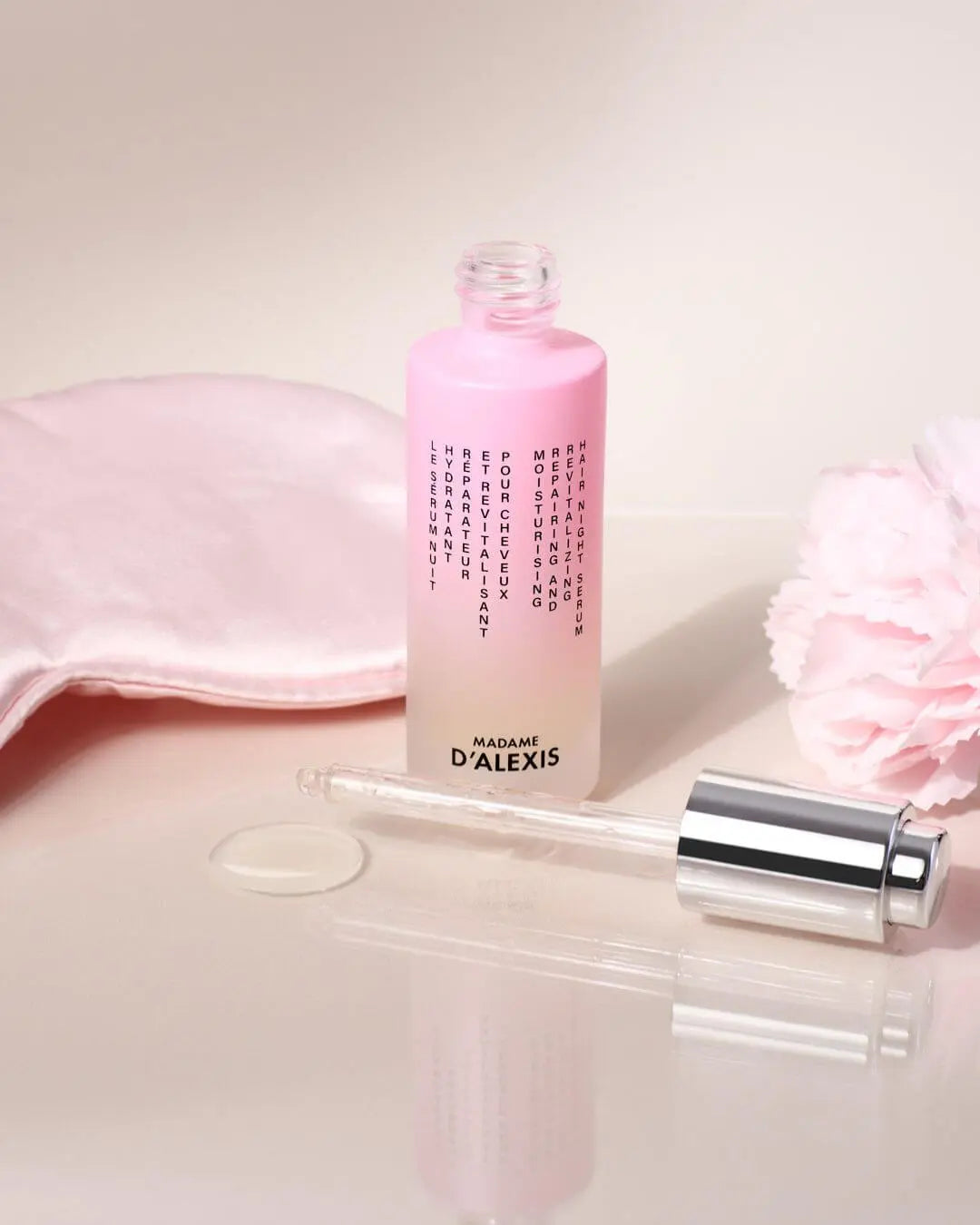
A few drops on the scalp, part by part, as a nightly treatment.
Key steps to maximize the effects of the curly hair routine
- Use a wide-tooth comb, never a dry brush, on wet hair.
- Blot without rubbing to prevent static electricity.
- Dry hair with a diffuser, using warm air, scrunching the ends toward the roots.
- For more, also see our guide to maintaining curls defined after drying.
- Seal the hydration with a fifteen-second blast of cold air.
Tips for long-lasting, frizz-free curls
The right amount
Rich treatments are useful, but only when properly dosed. Too much product saturates the cuticle and weighs down the curl. Too little treatment lets frizz return. Adjust according to density, porosity, and length.
The special curly hair nighttime ritual
Nighttime is the ally of curls: satin, a loose hairstyle, protected ends. In the morning, warming a small amount of Day Serum between your hands helps revive shine without wetting all your hair.
The refreshing spray between washes
Two days after the natural shampoo for curly hair, lightly mist, scrunch, then let your hair air dry. The curl regains its bounce without overload.
Alternate hydration and nourishment
Hydration: aloe vera gel, rose hydrosol, hyaluronic acid. Nourishment: jojoba, ceramides, light oils. This cycle maintains the water-lipid balance, essential for elastic curls without frizz.
Frequently asked questions about curly hair
How to prevent frizz?
Hydrate first, then seal with a few drops of dry oil or Day Serum on the lengths. Avoid touching the curls while drying and opt for a microfiber towel.
How to get natural curls in five minutes?
Tilt your head, lightly mist, apply a small amount of light treatment, scrunch, and set for a few moments with a warm diffuser. For a heatless look, quick twists remain the gentlest option.
What is the best product for curling long hair?
For long hair, choose a light treatment that defines without stiffening: a dry oil or leave-in serum on the ends and lengths. Day Serum helps tame frizz while maintaining movement.
Is curling without an iron or curlers really effective?
Yes, if the fiber is prepared: slightly damp hair, light treatment, gentle tension, then sufficient setting time. Satin scarves, braids, and twists give good results without heat.
What routine protects curls from the sun and the sea?
Before exposure, protect the lengths with Day Serum. Upon return, rinse with fresh water, then apply a mask to the lengths to rehydrate and soften the fiber.
How to maintain curls?
Maintaining your curls starts with a regular routine: gentle shampoo, mask on the lengths, wet detangling, heat protection if using heat, and satin at night. Avoid massaging a rich mask directly onto the scalp if your roots get greasy quickly.
What tips for long-lasting curls?
Seal the hydration with a light serum, protect the shape at night under a protective hairstyle, use a microfiber towel, and avoid dry manipulation to maintain volume.