Advice
How Menopause Affects Your Hair: Understanding the Hormonal Mechanisms
During menopause, falling estrogen levels weaken the hair and scalp, leading to diffuse hair loss, dryness, and itching. Learn about the hormonal causes and a natural routine that can help in 8 to 12 weeks.

Hair and menopause: understanding the hormonal link to take effective action
During menopause, the drop in estrogen weakens hair strands, alters sebum production, and disrupts the scalp’s microbiome. To regain control, you need to address the entire chain: hormones, the scalp, nutrition, stress, and a targeted routine.
In summary
During menopause, the drop in estrogen throws the estrogen-to-DHT ratio out of balance and weakens both the hair shaft and the scalp microbiome. The result: drier, thinner hair, diffuse hair loss, and itching.
Good news—it’s not inevitable. A targeted routine—including gentle exfoliation, a pH-balanced shampoo, a microbiome serum, a healthy diet, cortisol management, and, if necessary, a medical evaluation of your thyroid and hormone levels—can help you regain control in 8 to 12 weeks.
3 Treatments to Combine When Menopause Weakens the Scalp
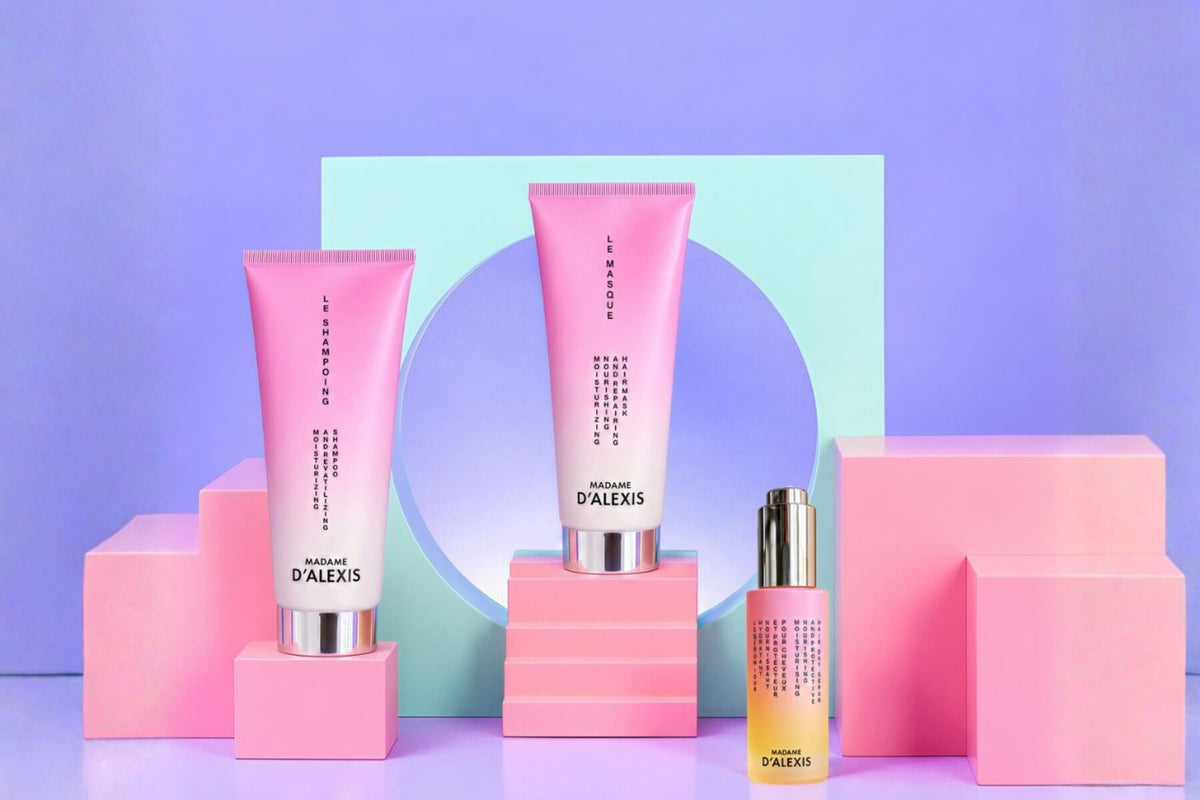
We cleanse without stripping the skin, we wash without irritating it, and then we treat the microbiome overnight.
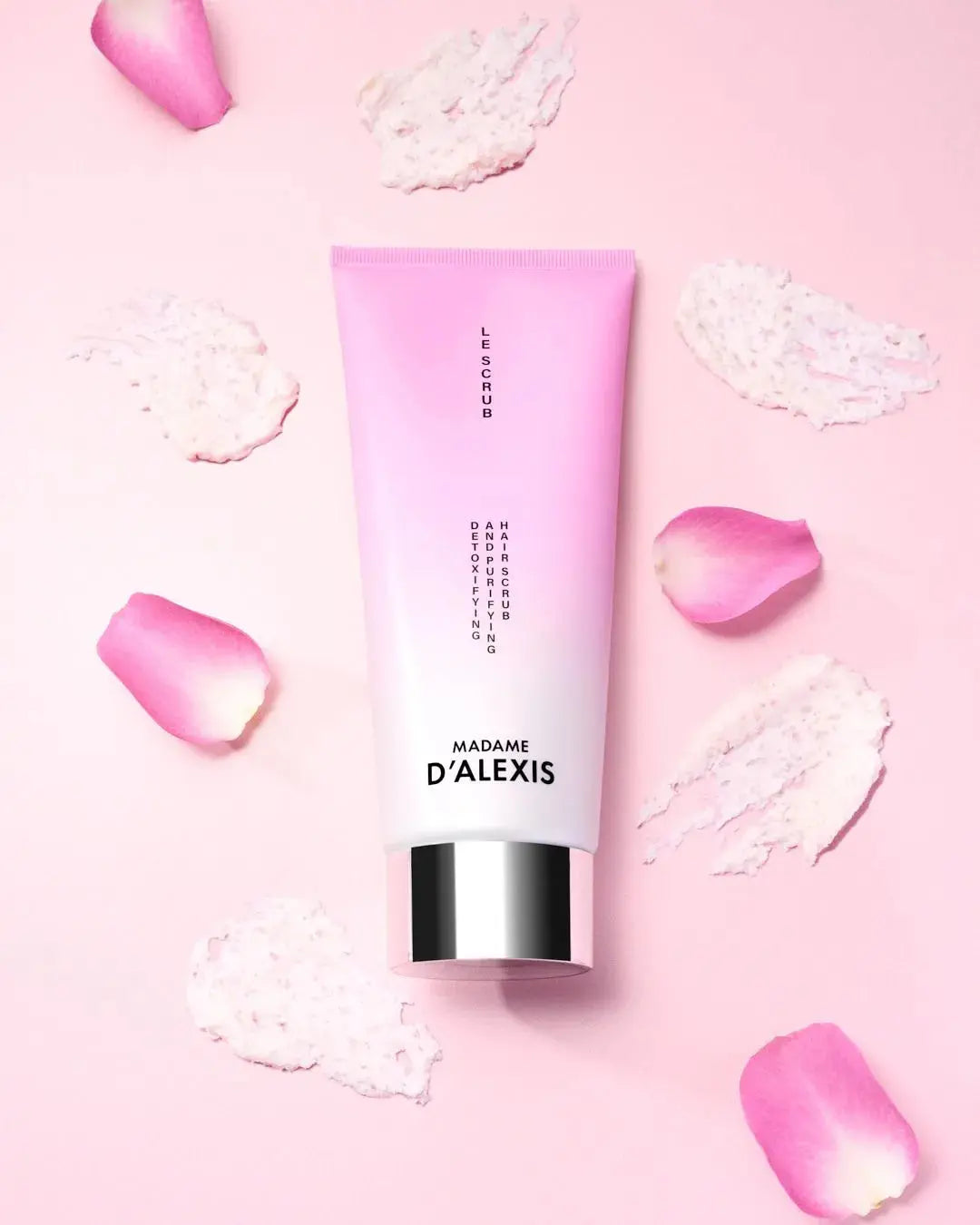
Exfoliating Scrub
Scalp Detox · Gentle Purification
- Micronized fleur de sel
- Active Organic Floral Waters
- Purifies without being harsh
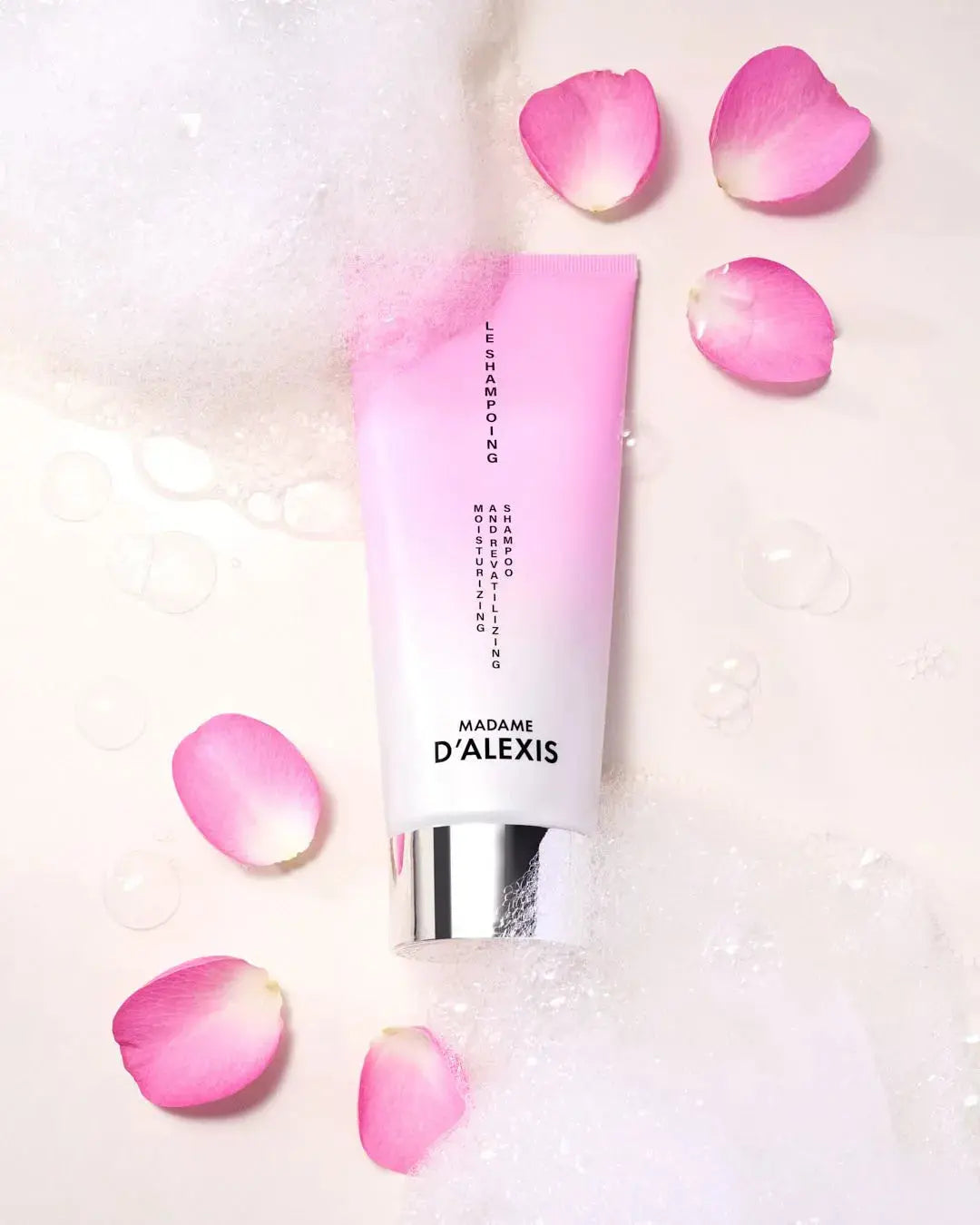
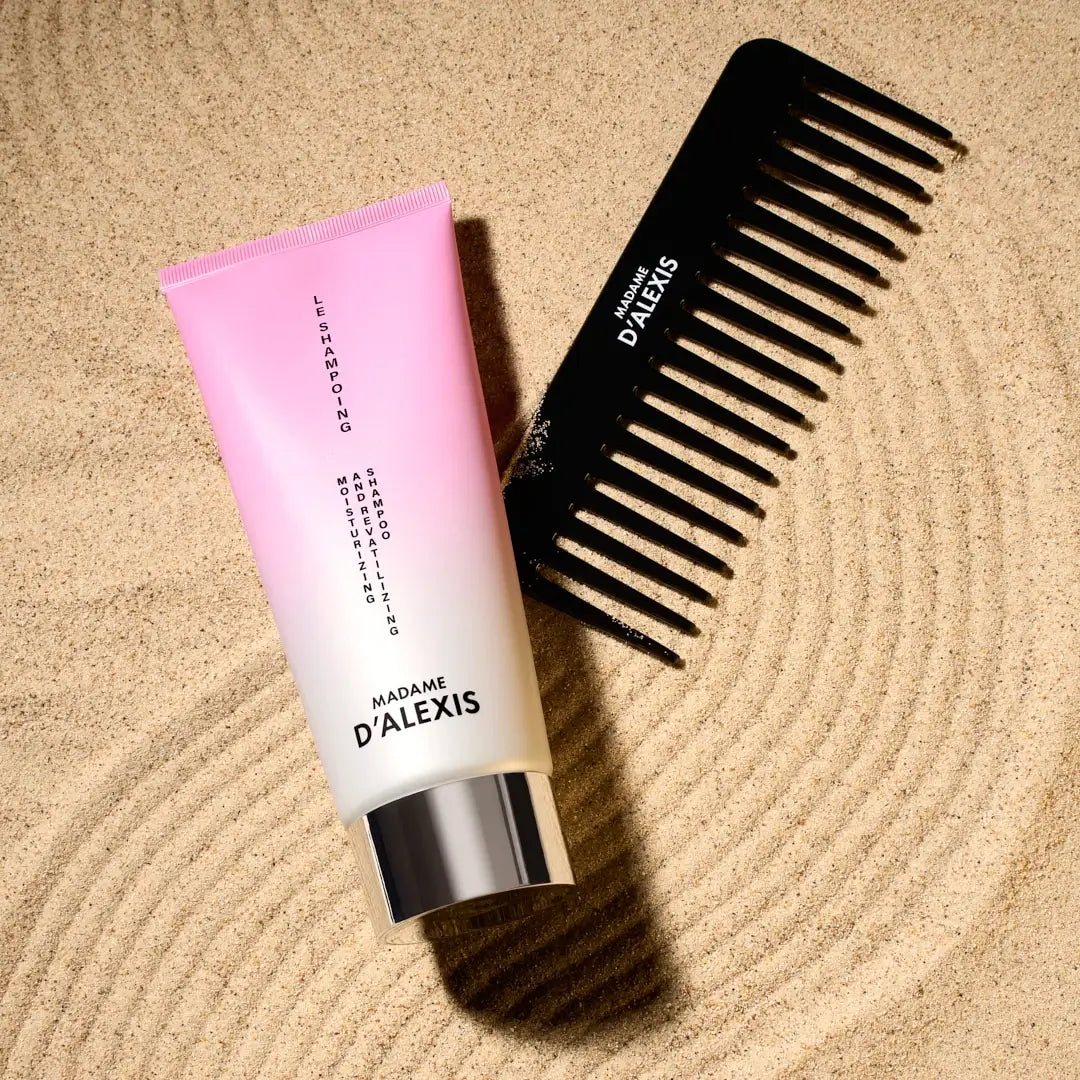
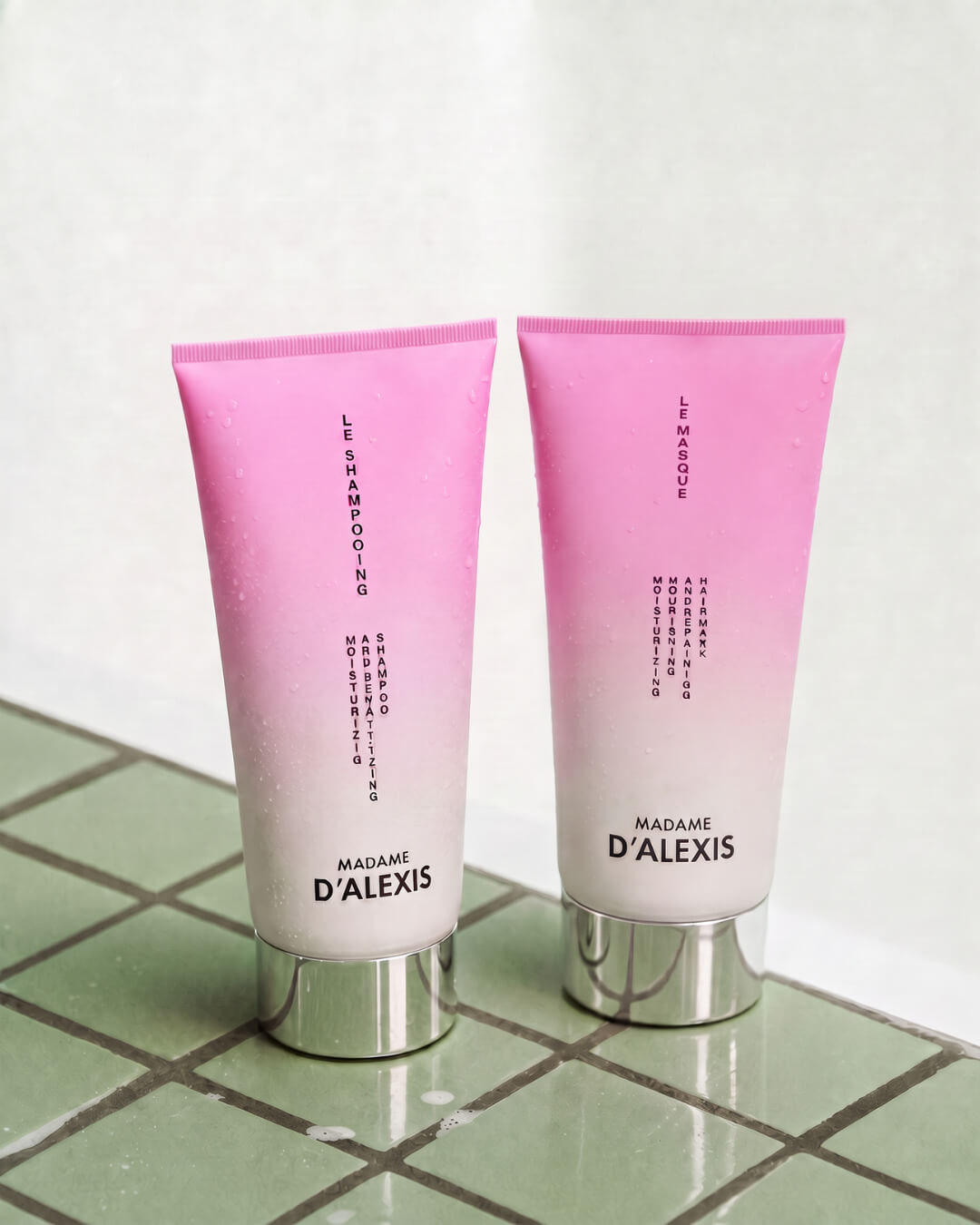
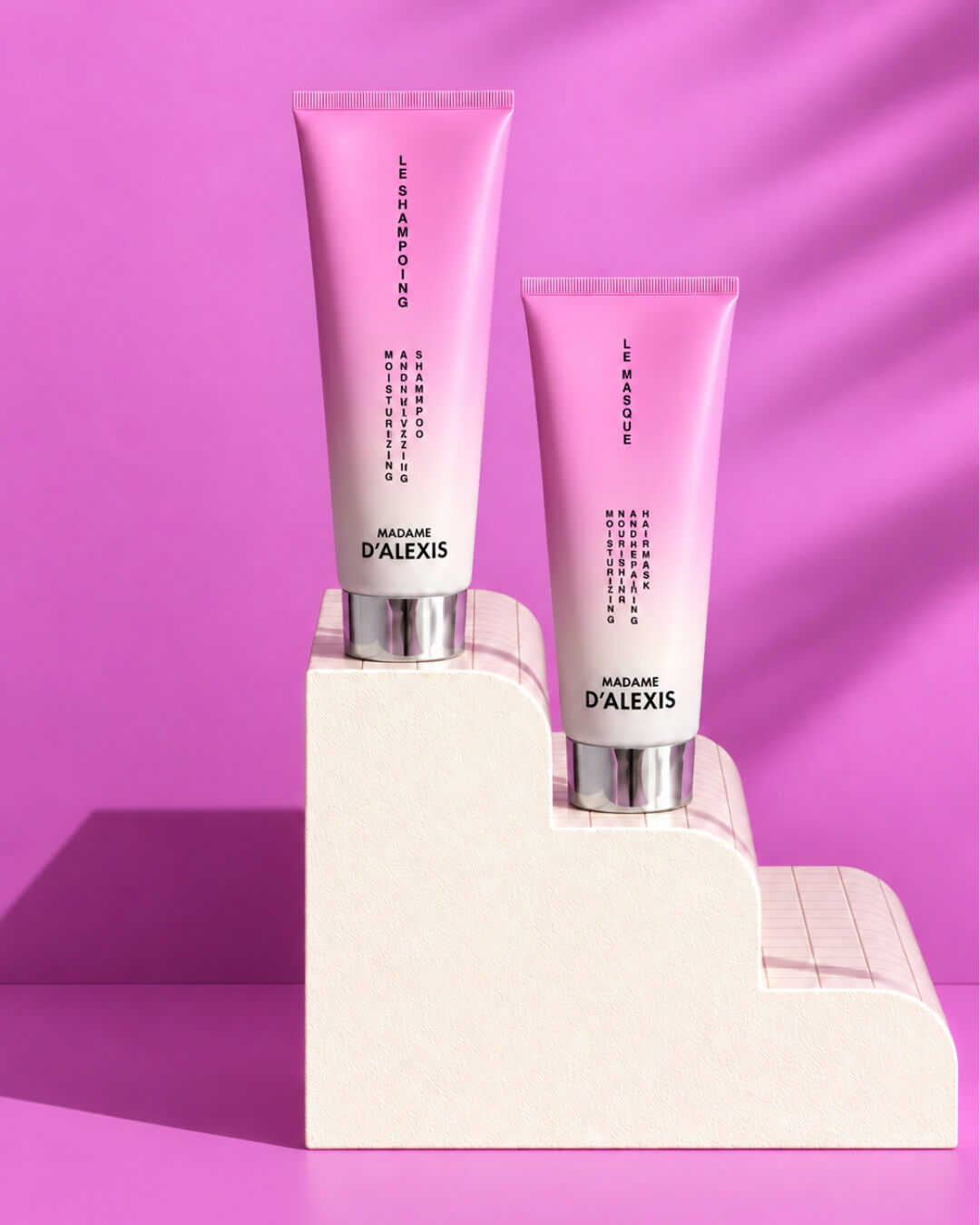
Mild shampoo
Sulfate-free · organic hydrosols
- Gentle cleansing
- Plant keratin
- Cationic AH
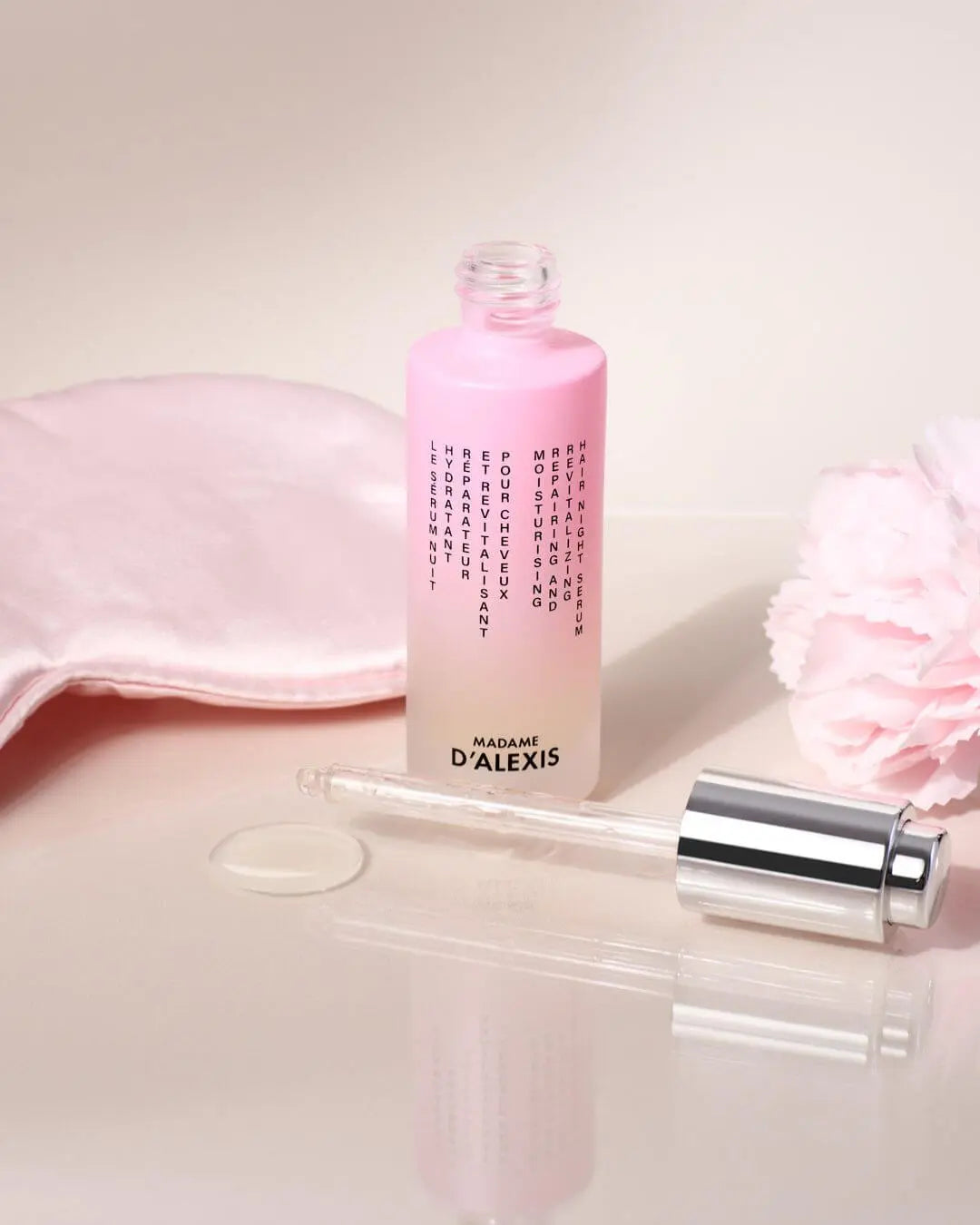
Night Serum
Microbiome · density · roots
- Probiotics & Postbiotics
- Fall-arrest devices
- Leave-in
1. Hormonal Changes During Menopause: What's Really Happening on Your Scalp
Starting in perimenopause—generally between the ages of 45 and 55—estrogen production by the ovaries drops sharply, while androgen production declines much more gradually. This relative imbalance is not merely theoretical: it alters the biology of each hair follicle.
They prolong the anagen phase, stimulate aromatase, and indirectly inhibit the conversion of testosterone to DHT.
When the hormonal barrier breaks down, DHT shortens the growth phase, lengthens the resting phase, and gradually thins the muscle fibers.
When this barrier breaks down, circulating testosterone—whose levels remain generally stable after menopause—is more easily converted into DHT by type 2 5-alpha-reductase. DHT is precisely the molecule that causes follicles to shrink: it shortens the growth phase, lengthens the resting phase, and gradually causes terminal hair to become vellus hair, and then to fall out completely.
Specifically, on the hair shaft
Hair thickness decreases over time, making the hair appear less dense.
The anagen phase becomes shorter, and the hair no longer grows to the same length before falling out.
The scalp produces less protective sebum, which affects its moisture levels and texture.
The problem isn't just the hair shaft, but the entire environment surrounding the follicle.
So it’s not “just” hair loss: it’s a structural change in the hair shaft and its environment, which explains why generic solutions aren’t always enough. We need to address both the hormonal aspect and the condition of the scalp.
2. Specific Symptoms: How to Recognize a Menopausal Scalp
Women in perimenopause or menopause rarely report a single, isolated symptom. It is often a combination of symptoms that develops gradually over several months.
Menopause doesn't just affect hair loss. It also changes the texture of the hair, the comfort of the scalp, and the way the hair shaft retains moisture.
Hair loss during menopause: diffuse, not in patches
Hair loss during menopause typically manifests as diffuse hair loss: more hair on your brush, on your pillow, and in the shower, but no localized bald patches. It mainly affects the top of the scalp and the part. If you lose more than 100 hairs a day for an extended period—more than 3 months—that’s a warning sign to watch for.
Thinning hair and hair that is becoming finer
Thinning hair refers to the decrease in density visible to the naked eye: the scalp is more visible through the hair, and a ponytail appears thinner than before. This is a direct result of follicular miniaturization: terminal hair is gradually replaced by vellus hair, which is shorter and finer.
Dryness and loss of shine
A drop in estrogen reduces sebum production by the sebaceous glands. The hydrolipidic film that naturally protects the hair shaft thins, and the hair becomes drier, duller, and more brittle along its length.
Frizz and unruly hair
Many women notice the appearance of frizz or a change in texture—their hair becomes coarser and harder to style. This is due to damage to the cuticle when natural moisture levels decrease.
Itching and scalp discomfort
Dry skin also affects the scalp, causing tingling, tightness, and a sensation of scalp sensitivity. This symptom is often the first visible sign of a deeper imbalance in the skin’s microbiome. To address this condition, a comprehensive routine for irritated scalps can help restore comfort.
3. The Microbiome: A Major, Yet Little-Known Contributor to Hormonal Imbalance
This is where the least well-known aspect of the topic of hair during menopause comes into play—and yet it is the most crucial factor for taking effective action.
- A more stable skin barrier
- Less tightness
- Soil that is more conducive to growth
- Low-grade inflammation
- Itching and Dandruff
- More fragile follicles
How Hormones Affect the Scalp Microbiome
The scalp naturally harbors a community of microorganisms—bacteria such as Cutibacterium and Staphylococcus, and yeasts such as Malassezia—that live in balance and protect the skin. This balance depends largely on sebum production, which is itself regulated by hormones.
The amount and composition of sebum change, which alters the nutritional environment for microorganisms.
Some species proliferate at the expense of others, which undermines the scalp's stability.
The skin becomes more permeable to irritants, resulting in increased tightness and sensitivity.
The scalp becomes a less favorable environment for healthy hair growth.
Dysbiosis and Inflammation: The Vicious Cycle
Once dysbiosis has set in, the scalp becomes a biologically hostile environment: local inflammatory markers increase, the protective barrier breaks down further, and this low-grade chronic inflammation amplifies the harmful effects of DHT on hair follicles already weakened by a lack of estrogen.
To put it simply: hormones open the door, and an imbalanced microbiome makes the damage worse. That’s why an approach that focuses solely on the hormonal aspect—or solely on traditional cosmetic treatments—misses part of the problem.
Why this also explains itching and dandruff
Dysbiosis often promotes the proliferation of Malassezia, a lipophilic yeast associated with dandruff and seborrheic dermatitis. It is the same mechanism that links dryness, itching, and hair loss: a scalp whose microbial ecosystem and skin barrier are simultaneously compromised.
4. Natural Solutions: Probiotics, Postbiotics, and Adaptogens
Given this dual mechanism—hormonal and microbiome—the most well-documented natural approaches work on three levels.
Probiotics and postbiotics support the skin's microenvironment and help manage low-grade inflammation.
Hydrosols, a mild pH, and topical active ingredients help reduce the sensations associated with a reactive scalp.
Nutrition, sleep, and cortisol management support the hair growth cycle over the long term.
Probiotics: Restoring Balance to the Body
When taken orally, certain strains of probiotics—particularly Lactobacillus and Bifidobacterium—have been shown in recent clinical trials to reduce the proportion of hair in the active shedding phase. It’s important to note that probiotics help slow hair loss, not miraculously regrow it.
Postbiotics, for immediate topical action
Postbiotics are the active compounds produced by probiotics during fermentation. When applied directly to the scalp, they soothe the skin, help maintain a healthy skin pH, and support the resident microbiome rather than disrupting it.
Adaptogens, for Stress Response
Adaptogenic plants—such as ashwagandha, rhodiola, and ginseng—are traditionally used to help the body better regulate its response to stress and, consequently, its cortisol production. They have a place in a comprehensive strategy, even though specific studies on their direct effects on hair remain limited.
At Madame d'Alexis: we focus on formulas based onorganic active hydrosols, with formulations containing at least 98% naturally derived ingredients, made in Brittany. The idea is to nourish the scalp and respect its microbiome rather than stripping it bare.
5. A 3-Step Menopause Routine for Hair and Scalp Care
Here is a simple routine designed to address both the hormonal and microbiome aspects without further irritating already weakened skin.
Step 1 - Exfoliating Scrub
A gentle scalp exfoliation removes dead skin cells, excess oxidized sebum, and styling product residue that contribute to dysbiosis.
Step 2 - Gentle Shampoo for Daily Use
A shampoo formulated to preserve the scalp's hydrolipidic film and physiological pH, without harsh sulfates.
Step 3 - Microbiome Night Serum
A nighttime treatment enriched with postbiotic active ingredients and soothing hydrosols, designed to work while you sleep.
What can you expect? The first effects on scalp comfort—less itching and a soothing sensation—are often noticeable within 3 to 4 weeks. For perceived density and the quality of regrowth, expect to see results after 8 to 12 weeks of regular use.
The complete routine to add to your cart
Exfoliating Scrub
Scalp Detox · Gentle Purification
- Micronized fleur de sel
- Active Organic Floral Waters
- Purifies without being harsh
Mild shampoo
Sulfate-free · organic hydrosols
- Gentle cleansing
- Plant keratin
- Cationic AH
Night Serum
Microbiome · density · roots
- Probiotics & Postbiotics
- Fall-arrest devices
- Leave-in
6. Nutrition and Stress Management: The Cortisol Axis We Too Often Overlook
What Cortisol Does to Your Hair
Cortisol, the stress hormone, acts as a catalyst for the hormonal changes already occurring during menopause. Chronic excess cortisol shortens the anagen phase, weakens keratin, and reduces blood flow to the scalp, limiting the supply of nutrients and oxygen to the hair follicles.
The follicles enter the resting phase more quickly.
The fiber becomes more prone to breakage, dullness, and loss of body.
Fewer nutrients and less oxygen reach the roots.
The typical time between a stress spike and visible hair loss is 2 to 3 months.
Nutrition: The Nutrients That Really Matter
There are no miracle foods, but common deficiencies should be addressed as a priority: iron and ferritin, protein, omega-3, zinc, vitamin D, and biotin in cases of confirmed deficiency.
| Nutrient | Why He Matters | To remember |
|---|---|---|
| Iron / Ferritin | Even a mild deficiency can contribute to diffuse hair loss. | If the drop persists, have it checked with a blood test. |
| Proteins | Keratin is made up of amino acids. | Regular intake through eggs, fish, meat, and legumes. |
| Omega-3 | Contribute to cellular flexibility and the regulation of inflammation. | This is helpful when you have a sensitive scalp. |
| Zinc / Vitamin D | Involved in the hair growth cycle. | This should be checked frequently in postmenopausal women. |
| Biotin | Particularly useful in cases of confirmed deficiency. | Not a one-size-fits-all solution. |
Managing Stress: An Underestimated Tool
Regular sleep, moderate physical activity, brisk walking, yoga, breathing exercises, or meditation: these aren’t just fads. They are tools that directly influence the hormonal system that regulates your hair growth cycle. Adaptogens can support this regulation—as a supplement to, not a replacement for, a healthy lifestyle.
7. When to Seek Medical Attention: Warning Signs to Watch For
A proper hair care routine goes a long way, but it is no substitute for medical advice in certain situations.
Consult your primary care physician first if
The decline has been going on for more than 3 months with no sign of improvement.
Unusual fatigue, unexplained weight fluctuations, sensitivity to cold or heat.
A thyroid disorder must be ruled out.
TSH, free T4, ferritin, and vitamin D can provide objective data on the situation.
See an endocrinologist if
The TSH level is abnormal, a thyroid disorder has been confirmed, an autoimmune condition is suspected, or a broader hormonal imbalance appears possible.
See a dermatologist if
Hair loss is sudden and occurs in localized patches rather than diffusely; the scalp is painful, red, or has lesions; or TSH levels are normal but hair loss persists despite following an appropriate regimen for several months.
Warning sign: A sudden and significant weight loss accompanied by fever, joint pain, or marked weight loss warrants prompt medical attention.
Frequently Asked Questions
Is hair loss during menopause permanent?
No, not always. Some hair loss caused by stress or nutritional deficiencies—known as telogen effluvium—is reversible in about 95% of cases once the underlying cause is addressed. Follicular miniaturization caused by DHT progresses more slowly and requires more ongoing management, but it can be slowed and stabilized.
How long does it take to see results with a natural routine?
Allow 3 to 4 weeks to experience improved scalp health, reduced itching, and less dryness, and 8 to 12 weeks to notice a difference in the density and quality of regrowth—the time it takes for a hair growth cycle to run its full course.
Can hormone therapy for menopause help my hair?
Some data suggest that restoring estrogen levels through HRT may slow hair loss in some women, but this is not its primary indication. The decision should be made in consultation with a doctor, taking into account the overall benefit-risk balance—not just the impact on hair.
Should you stop shampooing every day if your scalp itches?
You don't necessarily have to stop, but you should change your routine: a gentle shampoo with a pH level that's gentle on the scalp, used as often as needed for your comfort, is better than forcing yourself to wait longer between washes, which allows sebum and residue to build up.
Are dietary supplements for hair loss prevention enough?
They can help in cases of actual deficiencies—such as iron, vitamin D, or zinc—but they cannot correct a hormonal imbalance or scalp dysbiosis on their own. They are part of a holistic approach, not a standalone solution.
How can you reduce hair loss during menopause?
To minimize hair loss during menopause, combine several approaches rather than relying on a single solution: a gentle shampoo, a microbiome serum, a diet rich in iron and protein, and effective cortisol management. If your hair becomes dry and brittle, moisturize it with a nourishing hair mask. If hair loss becomes chronic despite these measures, you may want to discuss hormone therapy with your doctor.
What causes hair loss?
There are many causes of hair loss during menopause: a drop in estrogen levels, thyroid imbalance, iron deficiency, chronic stress, a shorter growth phase, and gradual thinning of the hair. This is why it’s important to have a blood test if hair loss persists for more than three months.
What hair care tips are there for menopause?
During menopause, hair care should focus on gentleness: a mild shampoo with a physiological pH, a nourishing mask once or twice a week if the lengths are dry, and a gentle scalp scrub to remove residue. Hair loss prevention products containing postbiotics or soothing active ingredients are particularly recommended for fragile hair.
How Can You Take Care of Your Hair During Menopause?
Adapt your routine to the changing needs of your scalp: some women have dry hair, while others have oily hair. The basics remain the same: use heat styling tools sparingly, trim your ends regularly, and choose natural products that respect the microbiome rather than harsh formulas.
How does menopause affect hair?
Menopause affects the hair in a number of ways: it becomes drier, its texture changes, it becomes frizzy, there is a gradual loss of density at the crown, and the strands become finer. This may be compounded by stress-related hair loss.
Can hair loss during menopause be stopped?
It’s not always possible to stop hair loss completely, but it can be significantly slowed down and regrowth can be improved. The most effective solutions combine a targeted anti-hair-loss treatment, addressing nutritional deficiencies, and a gentle hair care routine. Hair grows in cycles: early intervention can often help stabilize hair density within a few months.
Useful sources
- PMC - Menopause and Hair Loss: Mechanisms and Management
- PMC - Androgens and Hair Follicle Biology
- PMC - Estrogen and Female-Pattern Hair Loss
- Health Magazine - Why Am I Losing My Hair During Menopause, and What Can I Do About It?
- Vichy - Hair Loss and the Thyroid
- Vichy - Hair Loss and Stress