Conseils

Shampoo for very dry and damaged hair: what is the best choice?

Why Madame d’Alexis Hydrating Shampoo is the best shampoo for very dry and damaged hair: intense hydration, deep repair, and long-lasting shine.
Madame d’AlexisExpertise capillaire 12 min de lecture
meilleur shampoing pour cheveux très secs et abimés

Shampoo for very dry and damaged hair: the essential points to remember

  • Choosing a shampoo for very dry and damaged hair should prioritize deep hydration and repair.
  • The Madame d’Alexis Hydrating Shampoo is formulated without added water, using only organic hydrosols, for maximum active ingredient concentration.
  • This shampoo for very dry and damaged hair contains plant-based keratin and cationic hyaluronic acid, which strengthen the hair fiber and restore suppleness.
  • Prebiotics and organic jojoba oil rebalance the scalp and improve overall hair health.
  • Considered one of the best shampoos for very dry and damaged hair, it combines professional effectiveness with a 98% natural formulation.


shampoo for very dry and damaged hair


Understanding very dry and damaged hair

When we talk about very dry and damaged hair, we are primarily referring to a porous hair fiber whose cuticle is raised. This structure allows water to escape and weakens the core of the hair.

This is often compounded by a lack of protective sebum: without this lipid film, the surface becomes rough, breakage accelerates, and shine disappears.

The causes are known and cumulative: heat (straightening treatments, repeated blow-drying), chemical coloring or bleaching, UV and pollution, but also aggressive washing that strips the hair shaft and scalp.

The result is evident every day: rough strands, split ends, loss of shine, difficulties with detangling, and a “cardboard-like” feeling of thickness.

My conviction is simple: as long as the hydrolipidic barrier is not restored and the cuticle is not closed, the problem will persist. The “best” shampoo is therefore not the one that lathers the most, but the one that rehydrates, repairs, and protects without stripping.


Which shampoo for very dry and damaged hair?

The essential criteria to look for

  • Hydrating shampoo (humectants): look for active ingredients capable of attracting and retaining water, such as hyaluronic acid or glycerin. They plump the fiber and improve elasticity, an essential prerequisite for limiting breakage.
  • Repairing shampoo (proteins): the presence of plant-based keratin or similar proteins helps to fill the gaps in the cuticle and mechanically strengthen the hair shaft. When properly balanced, they add body without making the hair stiff.
  • Nourishing shampoo (lipids): lightweight oils or butters – organic jojoba oil, coconut oil, shea butter – restore the lipid cement, smooth the surface, and restore softness and ease of combing.
  • Sulfate-free, harsh silicone-free formula: to cleanse gently and preserve the protective film. Stripping sulfates increase porosity; heavy silicones can coat without treating, weighing down the lengths.
  • Gentle texture and cleansing base: a delicate cleansing base (non-sulfate surfactants), optionally enriched with soothing hydrosols (rose, chamomile, orange blossom), respects the sensitive scalp and prepares the fiber for treatments.

In practice, we favor a formula rich in useful active ingredients and low in “fillers”: moisturizers to plump, proteins to repair, lipids to seal.

A concentrated shampoo, without added water and made with organic hydrosols, perfectly illustrates this philosophy: it cleanses gently, delivers nutrients right from the washing stage, and leaves the cuticle smoother, and therefore shinier.

Final tip: combine this shampoo with a consistent hair care routine (nourishing mask, protective serum) and reduce direct heat.

It is this combination: demanding formulation + the right techniques that permanently transforms dry and damaged hair into hair that is supple, radiant, and resilient.

What is the best shampoo for very dry and damaged hair?

A revolutionary formulation for dry and damaged hair

A shampoo for very dry and damaged hair must go beyond simple cleansing. The fiber is weakened, the scalp is often irritated, and the cuticle no longer retains water. In my opinion, an effective product must act as a full-fledged repairing treatment.


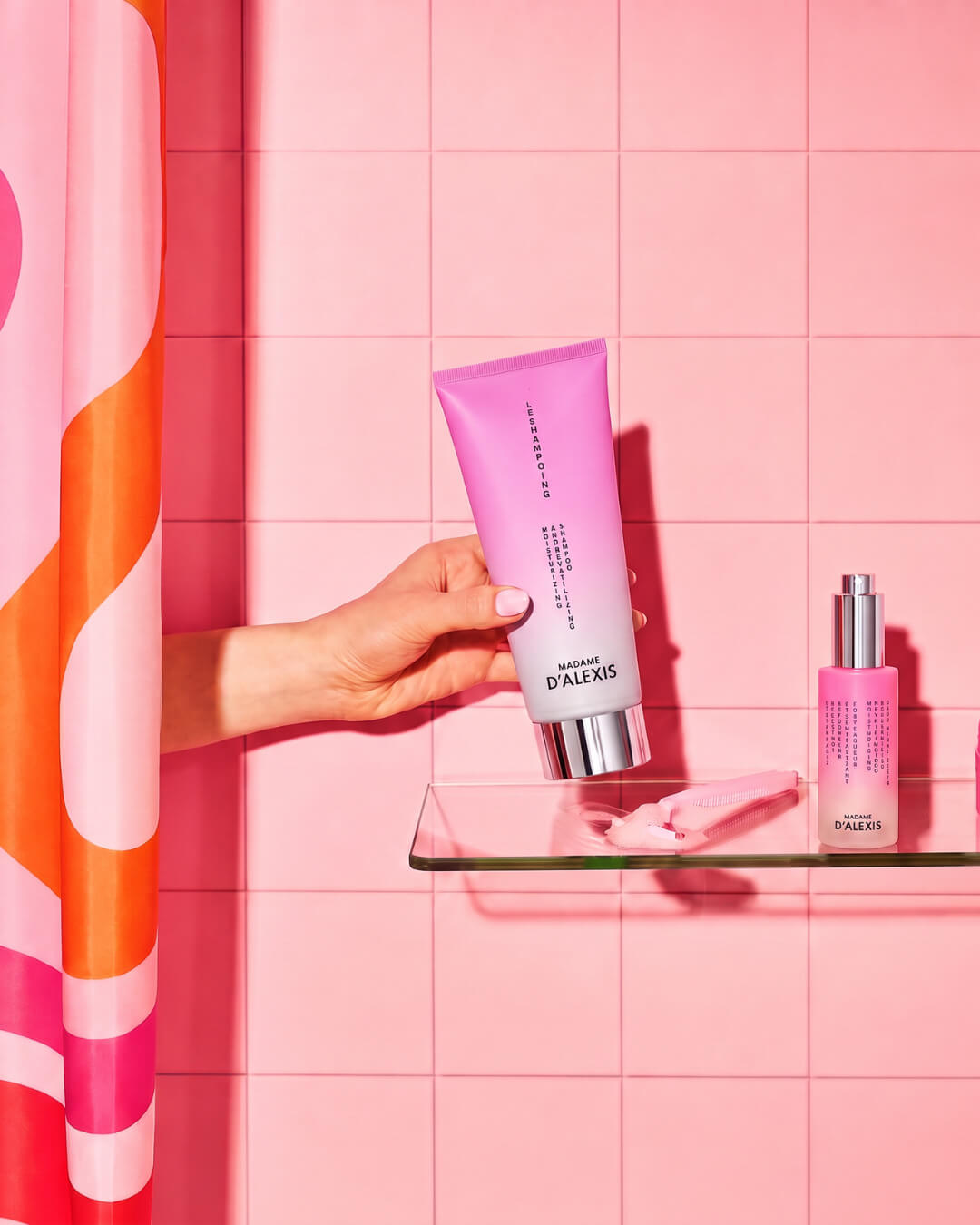
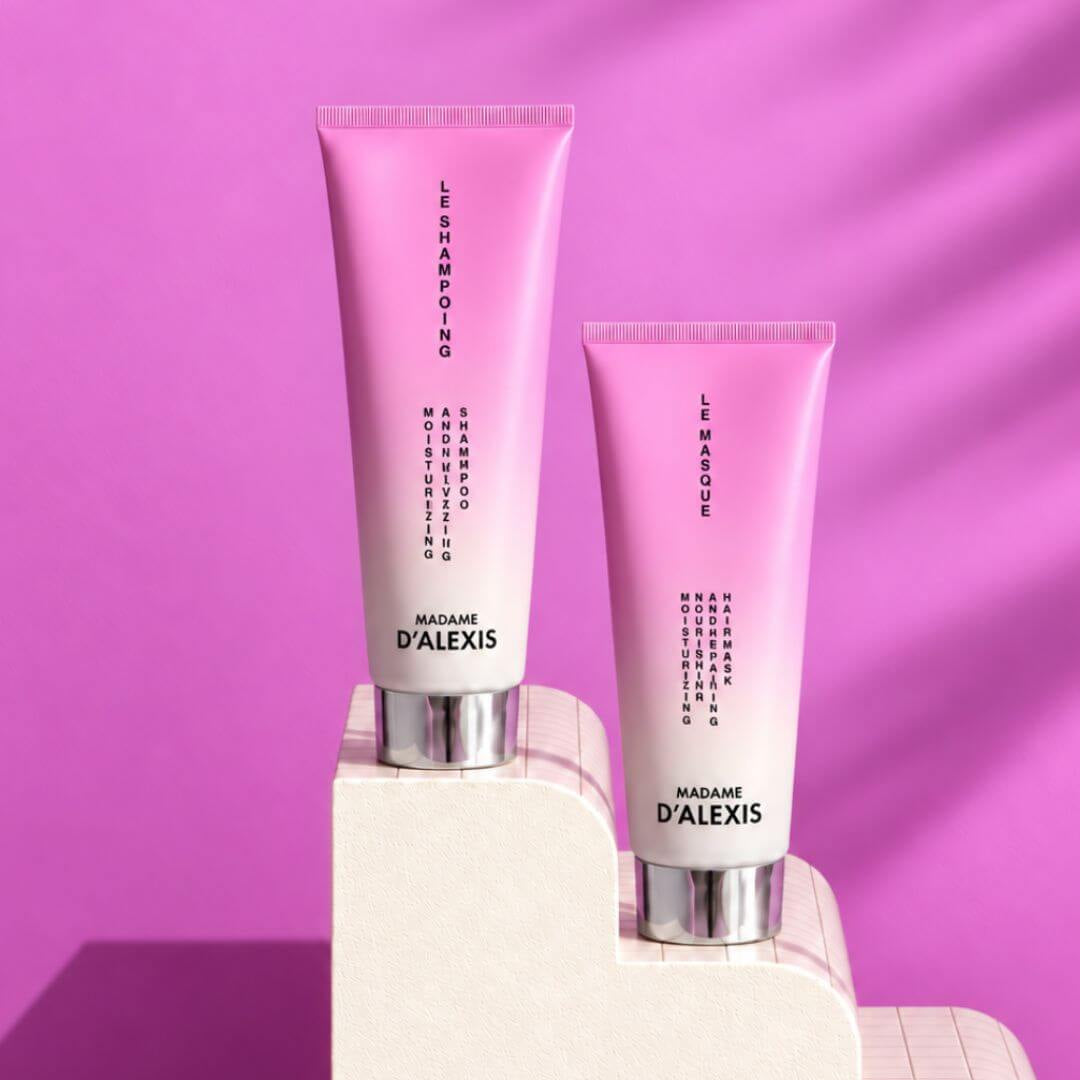
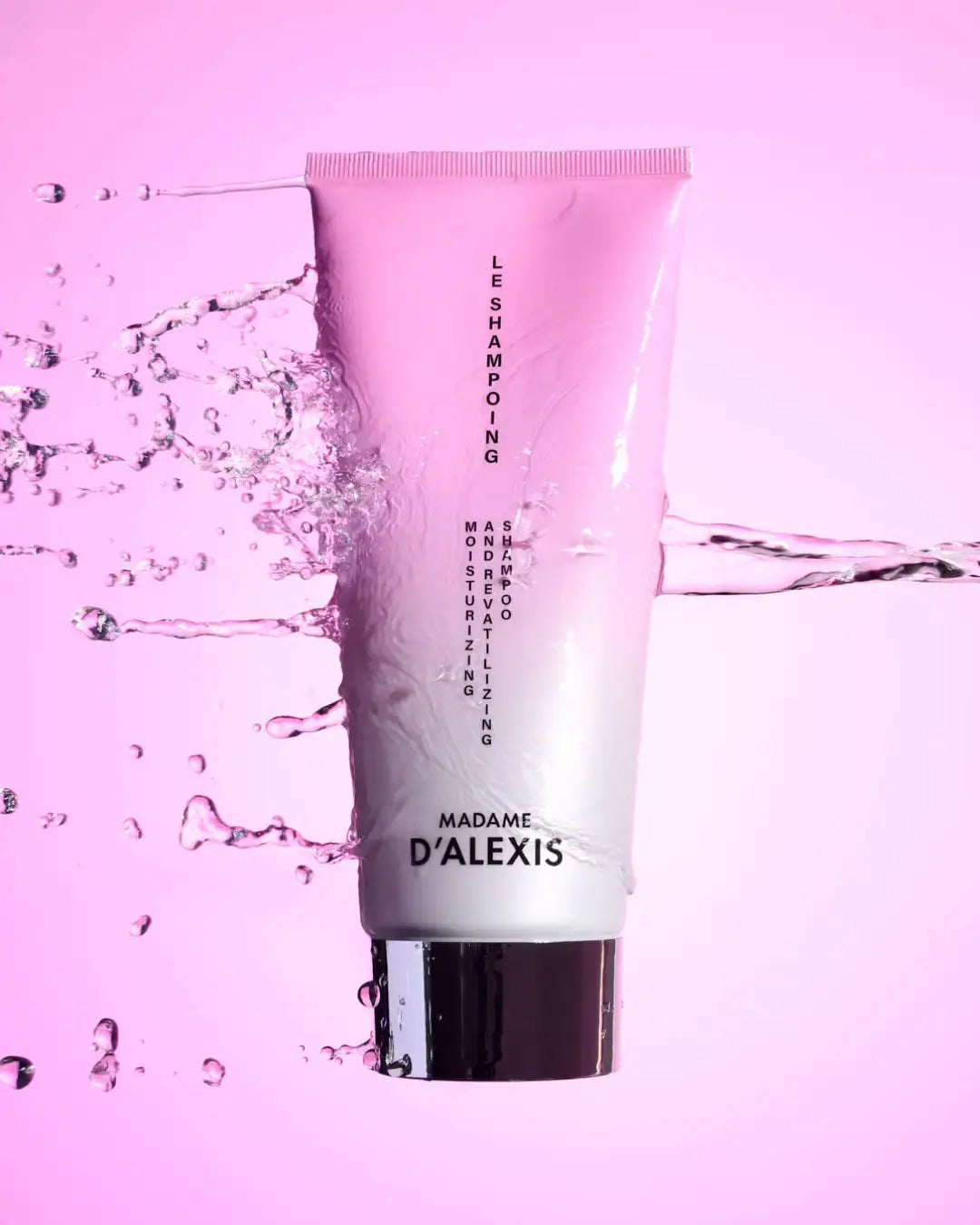
Le Shampoing Madame d’Alexis – hydrating and soothing shampoo made with organic hydrosols

Le Shampoing – hydrating & revitalizing

200 ml · €35.00

  • Intensely hydrates thanks to organic hydrosols (rose, chamomile, orange blossom)
  • Protects and repairs with plant-based keratin & cationic hyaluronic acid
  • Respects the scalp: prebiotics for a balanced microbiome
  • Delivers shine, suppleness, and lightness right from the wash
  • 98% natural origin formula, sulfate-free, silicone-free, paraben-free
View the treatment


Le Shampoing Madame d’Alexis: hydrating & soothing for lasting shine

The Madame d’Alexis Hydrating Shampoo precisely meets this requirement. Its unique feature is that it is formulated without added water.

Instead, it contains exclusively organic hydrosols of Damask rose, chamomile, and orange blossom. These floral waters provide intense hydration, soothe discomfort, and naturally illuminate the hair.

The presence of prebiotics balances the scalp's microbiome, which helps reduce dandruff and irritation. To strengthen the fiber, plant-based keratin fills the gaps, improves elasticity, and limits breakage.

Finally, cationic hyaluronic acid plumps and restores volume to flat and tired hair. All of this is supported by a composition of 98% ingredients of natural origin, guaranteeing a clean and gentle formula.

In summary, this approach rests on four essential pillars: hydration, repair, protection, and naturalness.

Concrete benefits for the hair

A shampoo formulated this way does not merely coat the hair; it transforms the fiber from the first use. The benefits are visible and measurable:

  • It intensely hydrates dry and damaged hair by restoring its suppleness.
  • It repairs brittle and weakened hair thanks to plant-based keratin.
  • It protects lengths and ends against chemical and thermal aggressions, which are responsible for a large part of the damage.
  • It restores shine and softness by closing the cuticle, which improves light reflection.
  • It suits all hair types: whether curly, long, colored, or sensitized, everyone benefits from this comprehensive action.

In my view, this is what distinguishes a true repairing shampoo from a simple cleansing product. Le Shampoing Hydratant Madame d’Alexis is not just an ally for washing; it becomes the first step in a complete hair care routine dedicated to the regeneration and lasting beauty of very dry and damaged hair.


best shampoo for very dry and damaged hair


Comparison: why choose the Madame d’Alexis shampoo over professional shampoos for very dry and damaged hair

On the market, references from major brands dominate: Kérastase Absolut Repair, Redken Extreme, Wella, L’Oréal Paris. They rely on an image of performance and a professional reputation.

Yet, when we examine their formulations, certain limitations appear. Most of these shampoos are heavily diluted with water, which reduces the concentration of truly beneficial active ingredients.

We also often find sulfates or silicones in them. The former dry out and sensitize the fiber, while the latter create an illusion of shine without treating the cause, with a cumulative effect over the long term.

This is where the Madame d’Alexis Hydrating Shampoo stands out. Its formulation rests on a radical choice: no added water.

Each milliliter contains only organic hydrosols of Damask rose, chamomile, and orange blossom, which hydrate, soothe, and revitalize the scalp. Added to this concentrated base are highly effective active ingredients:

  • Organic jojoba oil, close to natural sebum, to restore the lipid film.
  • Prebiotics, which balance the scalp's microbiome and limit imbalances.
  • Plant-based keratin, which repairs the fiber and improves its elasticity.
  • Cationic hyaluronic acid, capable of retaining water and plumping the hair fiber.

Beyond the list of ingredients, it is their high dosage and real synergy that make the difference. It is not about active ingredients simply mentioned on a marketing label, but a dense and effective formulation that acts immediately.

The complete sensory experience complements this effectiveness: a rich texture, a refined floral fragrance, and a treatment that transforms washing into a ritual.

In my opinion, that is where the value lies: a shampoo that deeply hydrates, repairs, and protects, without compromising on the quality of the ingredients.


top shampoo for very dry and damaged hair


How to repair very dry and damaged hair on a daily basis

A shampoo, even an exceptional one, is not enough on its own. The repair of very dry and damaged hair relies on a complete and consistent routine, capable of hydrating, nourishing, and protecting over time.

Adopting a complete hair care routine for dry and damaged hair

  • Step 1: wash gently
    The Madame d’Alexis Hydrating Shampoo cleanses without sulfates, respects the scalp, and prepares the hair fiber to receive the hair treatments.

  • Step 2: nourish intensely
    The Madame d’Alexis Hydrating and Nourishing Mask combines plant ceramides, organic oils, and hyaluronic acid. It coats the fiber, restores the lipid cement, and gives suppleness back to the lengths.

  • Step 3: protect on a daily basis
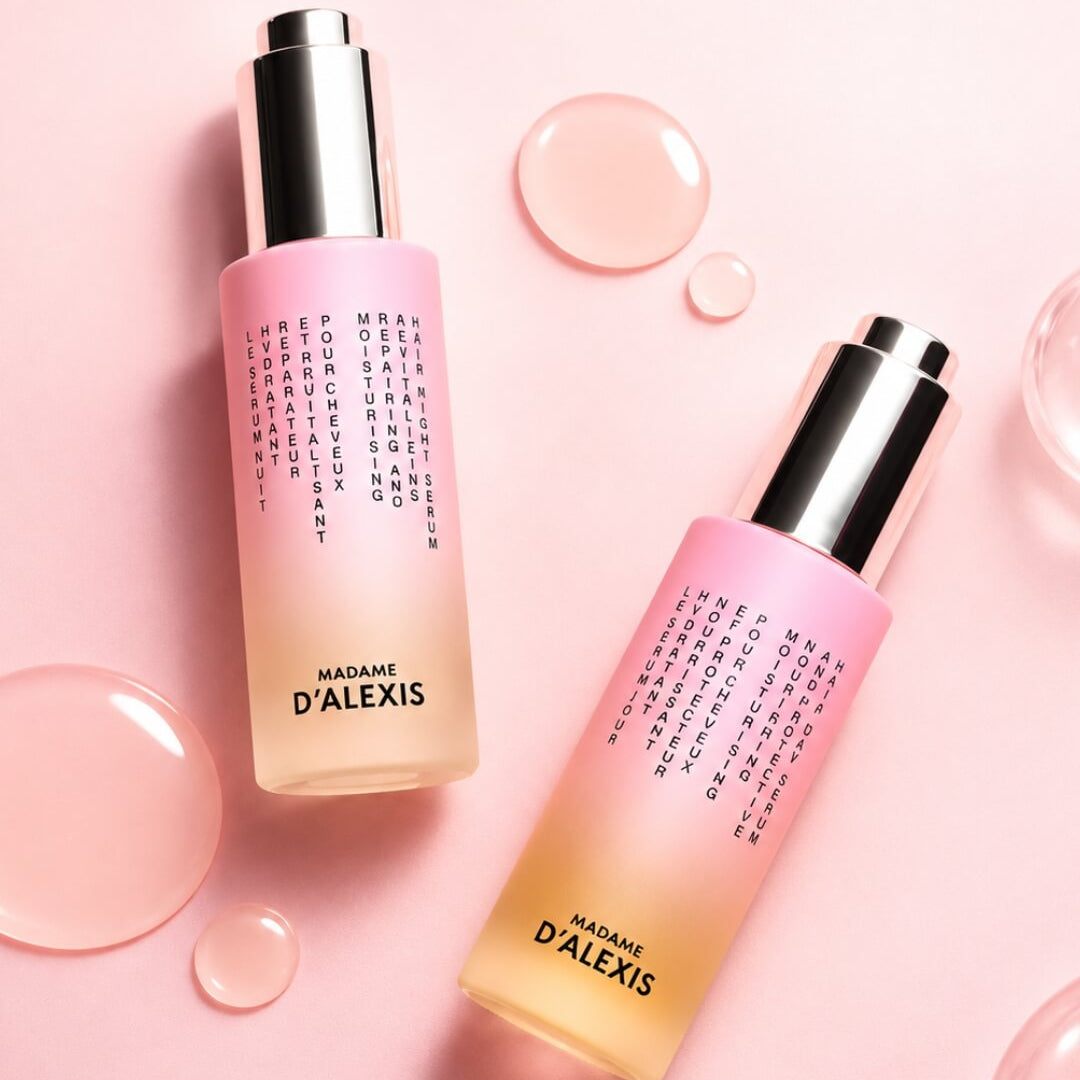
    The Day Serum (ceramides + jojoba oil) acts as a shield against heat and pollution, while the Night Serum (probiotics + organic hydrosols) rebalances and revitalizes the scalp during sleep.

Good practices to avoid making the damage worse

  • Limit the use of heat styling tools and systematically apply a heat protectant.
  • Space out washes, ideally two to three times a week, to preserve the protective film.
  • Rinse with lukewarm water, then finish with a cold rinse to smooth the cuticle and increase shine.
  • Use a microfiber towel, which is much gentler, to reduce breakage and frizz.

By combining a highly concentrated shampoo like the one from Madame d’Alexis with a suitable routine and precise practices, the vitality of the fiber is gradually restored.

In my opinion, it is this comprehensive approach that truly transforms dull, brittle, and damaged hair into strong, shiny, and supple hair.


FAQ on choosing a shampoo for very dry and damaged hair

What is the best shampoo for very dry and damaged hair

A shampoo for very dry and damaged hair must meet two fundamental needs: intensely hydrate and repair the hair fiber. Personally, I believe that a good product does not just wash but also acts as a real treatment.

Formulas containing humectants such as hyaluronic acid retain water in the core of the hair, while plant proteins, especially keratin, fill the gaps and restore the internal structure.

To this are added light oils, such as organic jojoba oil, which strengthen the lipid film and limit moisture loss. Together, they make the hair more supple, shiny, and resistant.

How to effectively hydrate very dry and damaged hair

Hydrating weakened hair does not just mean applying a nourishing mask. The choice of shampoo is crucial because it is the first step of the hair care routine.

You should choose a shampoo that cleanses gently, without harsh sulfates, while depositing hydrating active ingredients. Rose, chamomile, or orange blossom hydrosols are particularly interesting because they provide water to the fiber while soothing the scalp.

To prolong this hydration, it is essential to follow up with a mask rich in hyaluronic acid and ceramides, then seal in the moisture with a light serum or oil. I often emphasize consistency: it is over time that the health of the hair fiber is restored.

What ingredients to avoid in a shampoo for dry and damaged hair

Many people do not know that certain ingredients, found in many shampoos, worsen the condition of already damaged hair. Powerful sulfates (such as SLS) strip too much and accentuate dryness.

Heavy silicones, on the other hand, create an illusion of softness but form a film that prevents treatments from truly penetrating the fiber.

In the long term, this can even accentuate breakage. I also advise avoiding formulas that are too rich in denatured alcohol, which severely dries out the hair. 

Conversely, you should look for more respectful formulations, with natural ingredients and a gentle cleansing base. This is what makes all the difference between a marketing cosmetic product and a real repairing treatment.

What routine to adopt to repair dry and damaged hair

Repair involves a complete and structured approach:

  • Step 1: gentle washing with a hydrating and repairing shampoo that prepares the fiber without stressing it.
  • Step 2: deep nourishment with a mask enriched with organic oils (jojoba, apricot, coconut), plant ceramides, and hyaluronic acid.
  • Step 3: daily protection with a day serum against heat and pollution, and a night serum that works on the scalp.

In my opinion, what matters is not just the isolated effectiveness of a product but the consistency of a routine where each step reinforces the previous one. This is how hair regains strength, shine, and softness.

What is the ideal frequency for using a repairing shampoo

Many people think that dry hair needs to be washed very often to prevent it from looking dull. In reality, it is the opposite. Washing too frequently deprives the scalp of even more of its natural sebum, which is already insufficient.

For a repairing shampoo, two to three washes per week are more than enough.

The important thing is to prioritize quality over quantity: a gentle shampoo, followed by a nourishing mask, will always be more beneficial than daily washing with an aggressive product. 

To maximize the effects, I recommend rinsing with lukewarm water and finishing with a cold rinse, which closes the cuticles and improves shine.

What shampoo for very dry hair

A shampoo for very dry hair must first and foremost hydrate and repair the weakened hair fiber. Choosing a repairing shampoo enriched with hyaluronic acid, plant keratin, and natural oils is ideal for restoring suppleness and shine.

Dry and damaged hair needs a product that cleanses gently without harsh sulfates. The best shampoo will be the one that combines deep hydration and protection of the lengths.

For those who prefer a respectful approach, an organic shampoo or a solid shampoo rich in plant ingredients such as organic jojoba oil or shea butter represents an effective and sustainable alternative.

How to repair damaged hair


Successfully repairing damaged hair requires more than just washing. You need to establish a complete hair care routine. A repairing shampoo prepares the fiber, then a hydrating mask rich in ceramides and hyaluronic acid nourishes it deeply.

For damaged and brittle hair, it is essential to regularly apply targeted treatments such as serums or protective oils.

Organic jojoba oil, which is close to natural sebum, helps restore the lipid film and strengthens the fiber. It is by combining several practices that repair becomes lasting and visible.

What ingredients for dry hair


Natural ingredients are particularly suited for dry hair. Among the most effective: shea butter, rich in fatty acids, argan oil, which nourishes and protects, coconut oil, which penetrates deeply, or even cupuaçu butter, known for its emollient power.

Some treatments also contain banana extract, appreciated for its vitamin and mineral content that revitalizes the fiber. My advice is to favor simple and concentrated formulas, capable of restoring suppleness and restoring shine without weighing the hair down.

How to choose a shampoo


Properly choosing a shampoo means first identifying your hair type: dry hair, oily hair, fine, curly, or colored. A suitable shampoo must meet a specific need, whether it is hydration, repair, or protection.

Reading labels is essential: prioritize shampoo reviews that highlight concrete results and avoid overly aggressive formulas.

A sulfate-free shampoo is recommended for dry or colored hair because it cleanses gently without stripping. If your hair is dull and brittle, opt for a nourishing shampoo enriched with plant oils or butters.


How to hydrate dry hair


To hydrate dry hair, you need to combine several complementary practices. Choosing a hydrating shampoo is the first step to restoring water to the core of the fiber.

Next, a nourishing mask applied once or twice a week consolidates this hydration. Plant oils such as argan, jojoba, or coconut seal the water in the fiber and improve softness.

Finally, adopting a regular hair care routine is essential to gradually transform dry and devitalized hair into supple and radiant hair.