Advice
How to Repair Bleached Hair Naturally: A 30-Day Routine Free of Silicones and Sulfates
Repair your bleached hair in 30 days with a natural routine free of silicones and sulfates: a gentle shampoo, a hydrosol mask, a protective serum, and a soothing scrub.

Key Takeaways
Hair bleaching deeply damages the hair shaft. Conventional silicone-based hair care products mask the damage without repairing it. Here’s what really works:
- Week 1: Soothe an irritated scalp (mild shampoo, rest)
- Weeks 2–3: Rebuild the hair fiber (repairing mask twice a week)
- Week 4: Stabilize and Maintain (Daily Leave-In Serum)
- Key ingredients: organic hydrosols, cationic hyaluronic acid, coconut oil, shea butter, argan oil, plant proteins.
- Products that make a difference: a sulfate-free shampoo, a restorative mask with hydrosols, and a leave-in serum.
- Visible results: restored elasticity in 2 weeks, shine in 3 weeks, and healthy, strong hair in 4 weeks.
The Best Products for Repairing Colored Hair
How to Repair Bleached Hair Naturally: A 30-Day Routine Free of Silicones and Sulfates
Bleaching is one of the most harsh chemical processes for the hair fiber. It opens the cuticles, dissolves pigments, and weakens the hair shaft from the inside.
The result: brittle, dry, dull hair—sometimes even damaged if the bleaching was too harsh or done improperly. Whether you have bleached blonde hair, curly hair, or colored ends, the damage caused by lightening is the same: the hair shaft is exposed and weakened.
The usual instinct is to turn to traditional “repair” treatments. But most of them contain silicones that create an artificial protective layer on the hair shaft without actually repairing it. And they contain sulfates that make the hair drier with every wash.
Major brands (L'Oréal, Schwarzkopf, Wella) offer "repair" or "ultimate repair" lines that are effective in the short term—but the results disappear as soon as you stop using the product.
There is a natural alternative that is more effective in the long run: a routine featuring organic hydrosols, free of silicones and sulfates, specially formulated to repair the hair shaft from the inside out in 30 days.
Here is the complete, step-by-step procedure.
Understanding the Damage Caused by Discoloration
Before repairing your hair, you need to understand what has been damaged. Bleaching is not a treatment—it’s a chemical oxidation process that alters the very structure of the hair.
How Bleaching Affects the Hair Fiber
- The cuticle opens. The cuticle is the hair’s outer protective layer—its natural scale. When exposed to lightening agents (hydrogen peroxide, persulfates), it lifts and remains open. The hair loses its natural protective layer and becomes vulnerable.
- Keratin breaks down. The hair shaft is 95% keratin (protein). The lightening process dissolves some of these proteins, weakening the hair fiber deep down. This is the main cause of breakage, split ends, and straw-like hair.
- Lipids are lost. The hair’s natural lipids (ceramides, fatty acids) provide suppleness and shine. Hair bleaching strips them away, leaving the hair dry, dull, and brittle—lacking luster and nourishment.
- The scalp becomes irritated. The chemicals used in the lightening process burn the scalp, causing redness, itching, and persistent sensitivity. Regular trimming of damaged ends is often necessary to help restore the hair's health.
Why Conventional Treatments Aren't Enough
Conventional post-bleaching hair care products mainly contain:
- Silicones (dimethicone, cyclopentasiloxane): create a film on the hair shaft that makes the hair look healthy without actually repairing it. With each wash, this film builds up and weighs the hair down.
- Sulfates (SLS, SLES): harsh foaming agents that strip away the natural lipids remaining on the scalp with every shampoo.
- Synthetic polymers: temporary effects; results that disappear after the first wash.
True repair requires ingredients that act on the hair's structure: plant proteins, amino acids, cationic hyaluronic acid, rich plant oils, and organic hydrosols.
Why Organic Hydrosols Are a Game-Changer
Hydrosols are floral waters obtained by steam distillation of plants. Unlike essential oils, they are directly water-soluble and penetrate the hair shaft without leaving any residue.
- Rosemary hydrosol: stimulates microcirculation in the scalp, promotes healthy hair and hair growth, and helps repair the hair shaft from the inside out.
- Lavender hydrosol: soothes an irritated scalp, has natural healing properties, and is ideal for use after harsh at-home hair bleaching.
- Rose hydrosol: provides intense hydration, restores shine and softness to damaged hair, and revitalizes colored or bleached hair.
- Aloe vera: a natural complementary active ingredient that moisturizes, soothes, and strengthens the hair shaft without leaving a residue.
- When used as a base ingredient (rather than simply as an additive), they transform the effectiveness of hair care products —this is the founding principle of Madame d'Alexis, specially formulated for damaged hair.

5 Natural Post-Bleaching Repair Treatments
Here are the 5 treatments to incorporate into your routine to repair hair damaged by bleaching, listed in order of priority.
Step 1: Sulfate-free shampoo—cleans without stripping the hair
This is the first change you should make. A regular sulfate-based shampoo makes bleached hair even drier with every wash.
- Why it's essential: Cuticles opened up by bleaching are extremely sensitive. Sulfates strip away the remaining natural lipids and delay the healing process by several weeks.
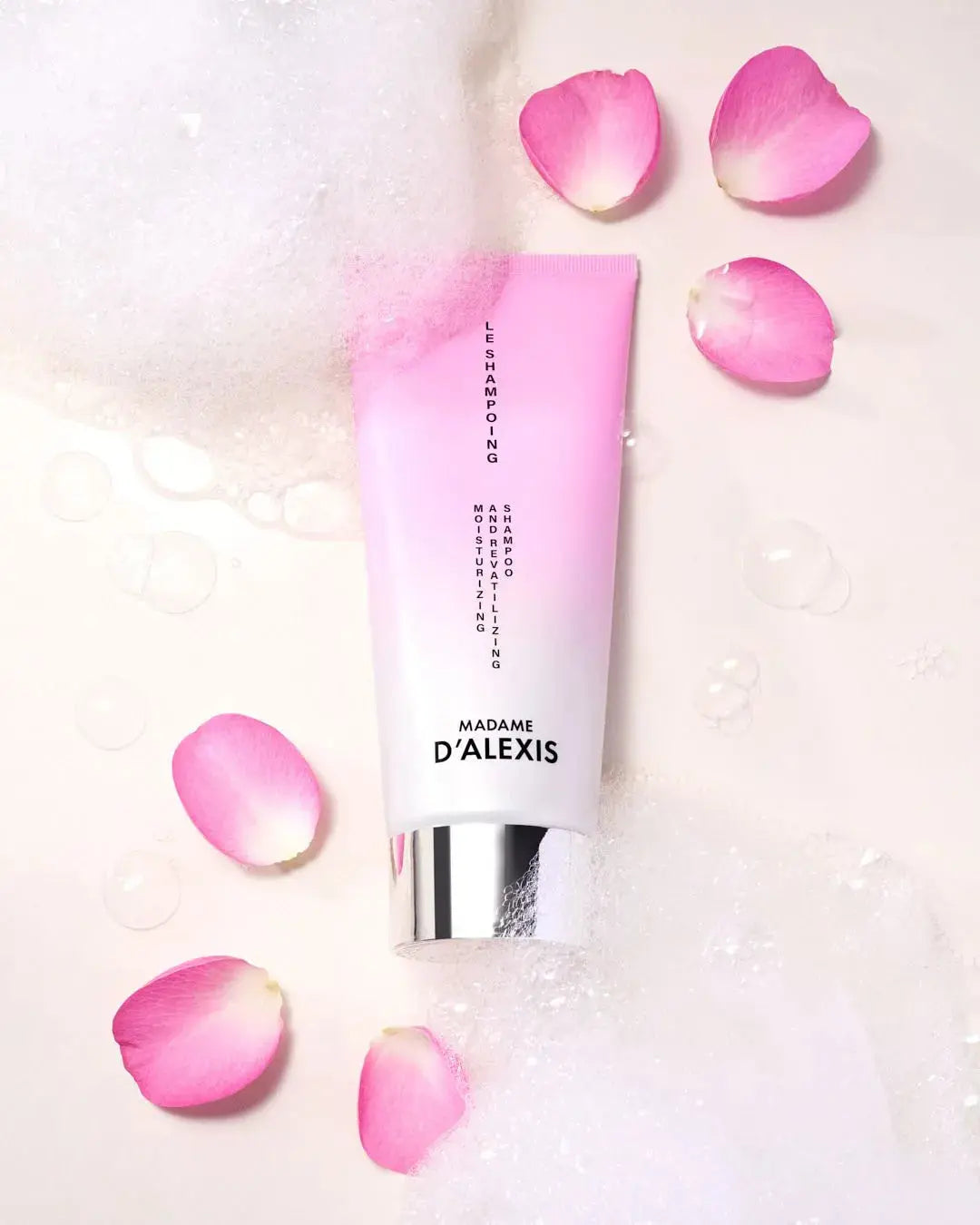
- What to look for: mild surfactants (coco-glucoside, decyl glucoside), free of SLS and SLES, pH-balanced, and made with organic hydrosols. The Hydrosol Shampoo is formulated without sulfates or silicones, with a base of organic hydrosols. It gently cleanses while delivering the first restorative active ingredients with every wash. To better understand why we avoid sulfates, check out our comprehensive guide.
- Frequency: No more than twice a week for the first 4 weeks. Let the hair rest between washes.
- Expected results: a soothed scalp starting in the first week, and less dryness after washing.
Treatment 2: The Repairing Mask — Deeply Restores the Hair Fiber
This is the most important step in your routine. A high-quality restorative mask rebuilds the hair fiber from the inside out with proteins, amino acids, and moisturizing ingredients.
Key ingredients to look for:
- Cationic hyaluronic acid: binds to negatively charged fibers, seals open cuticles, and provides long-lasting hydration
- Shea butter: rich in fatty acids, deeply nourishes and protects the hair shaft
- Argan oil: rich in vitamin E and omega-9, restores shine and suppleness
- Coconut oil: penetrates the hair shaft (the only oil capable of doing so), reduces protein loss
- Plant-based proteins: repair damaged areas of the hair shaft
- Organic hydrosols: an active base that delivers active ingredients deep into the skin
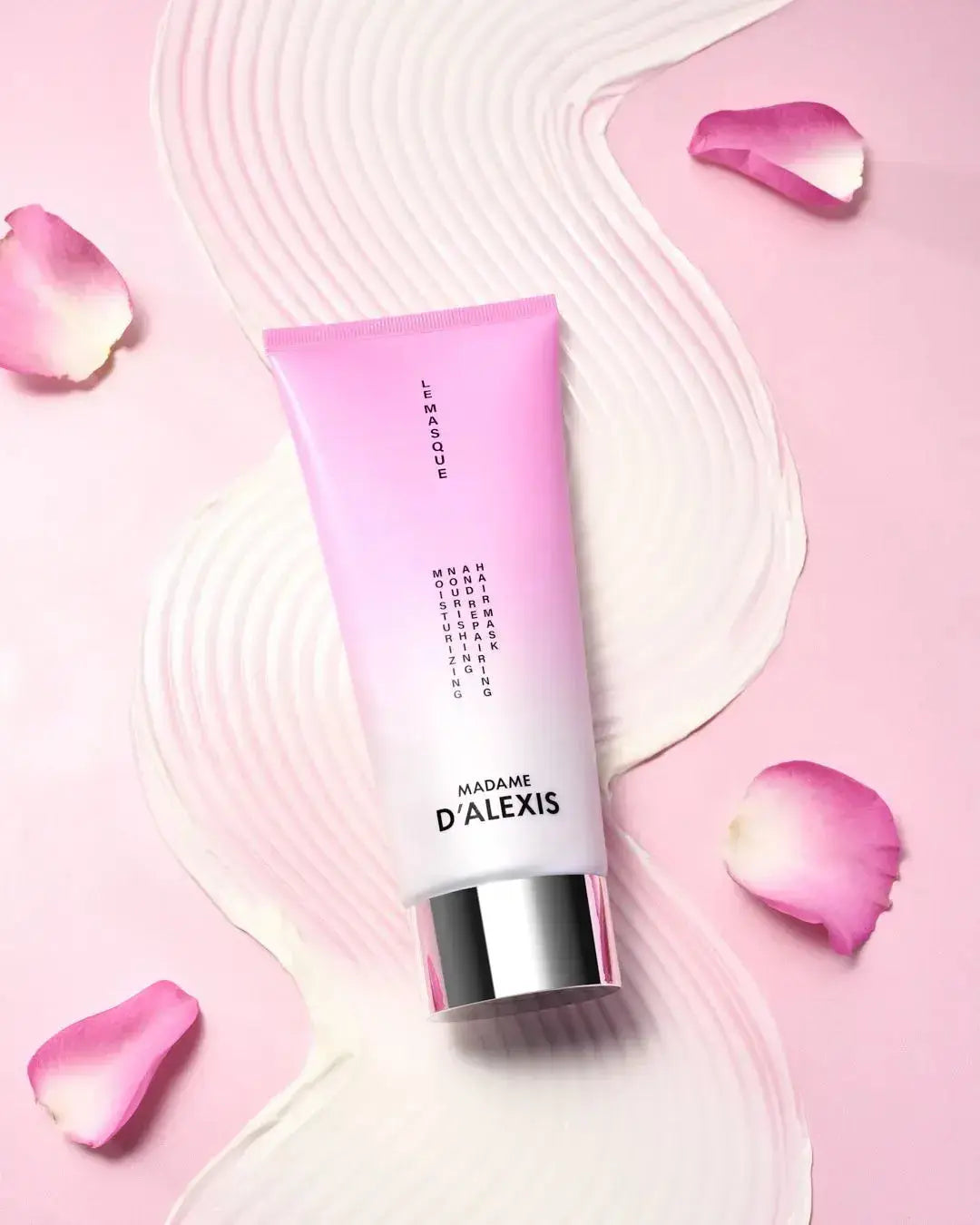
The Hydrating Mask with Hydrosols combines cationic hyaluronic acid, organic hydrosols, and nourishing active ingredients. Formulated without silicones, it repairs the hair shaft without causing buildup. To choose the right natural repair mask, check out our comprehensive guide.
Implementation Protocol:
- Apply to clean, damp hair (towel-dried)
- Apply it strand by strand from mid-length to the ends
- Leave on for 20 minutes (or 30 minutes under a warm towel for deeper penetration)
- Rinse thoroughly with lukewarm water
Frequency: Twice a week for the first 4 weeks, then once a week for maintenance.Expected results: Restored elasticity in 2–3 weeks, visible shine, and reduced split ends.
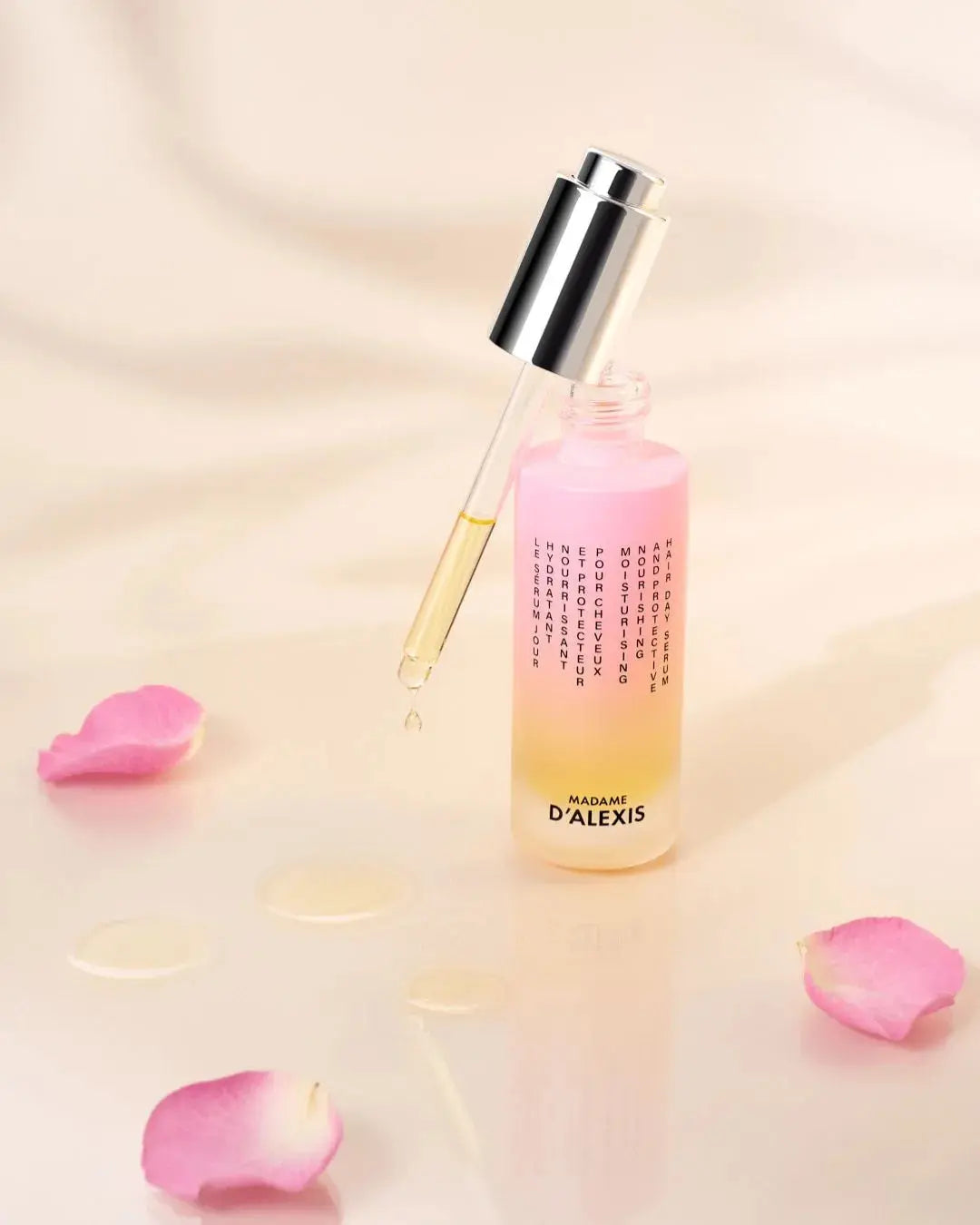
Step 3: Leave-in Serum — Daily Protection
A leave-in serum protects bleached hair on a daily basis from heat, friction, UV rays, and humidity. It complements the effects of the hair mask by maintaining moisture between washes.
Key ingredients:
- Organic hydrosols: light hydration, no residue
- Cationic hyaluronic acid: protective film on the hair fiber
- Light vegetable oil (jojoba, sweet almond): adds shine without weighing hair down
- Silicone-free: real protection, not artificial
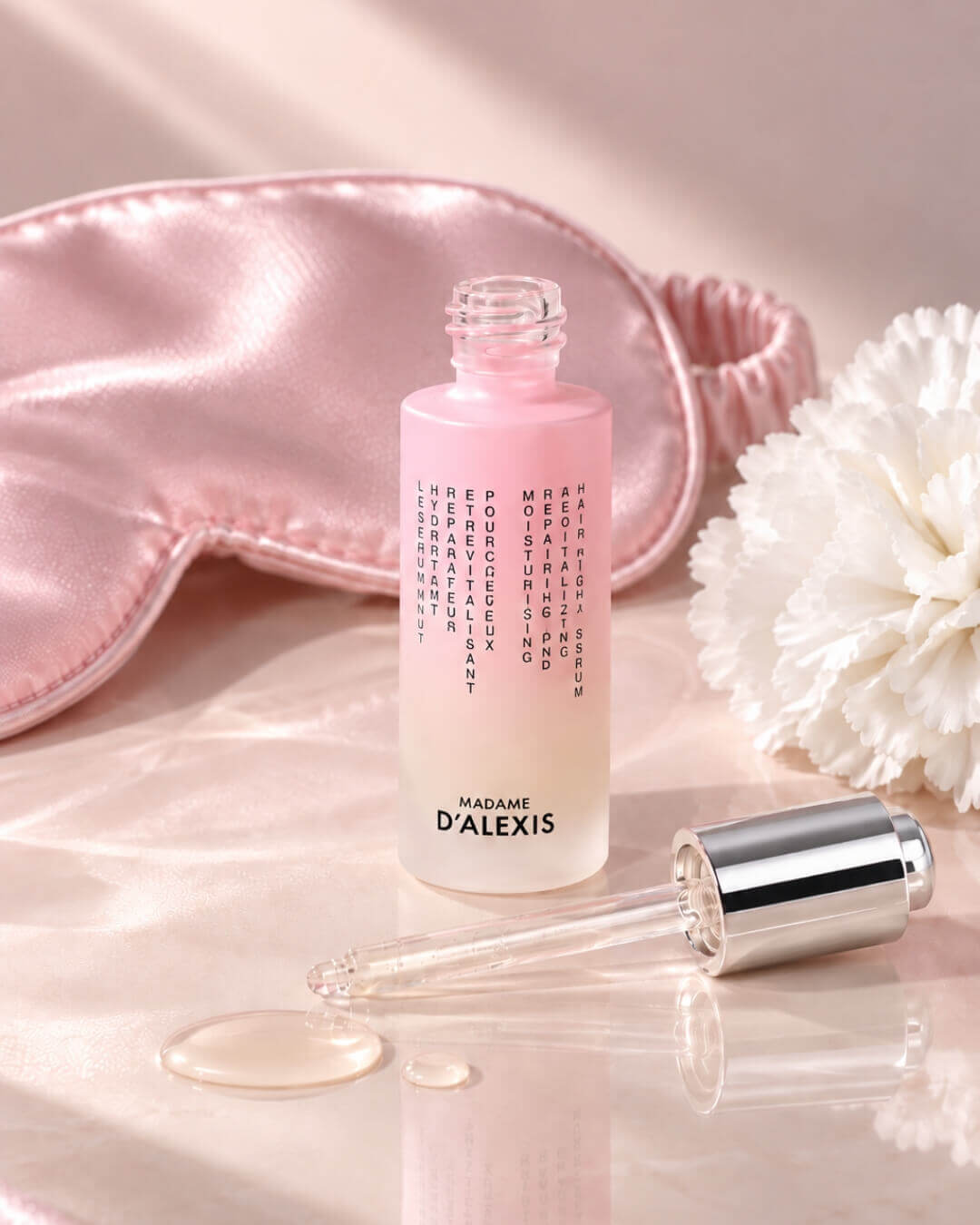
The Leave-In Serum can be applied to damp or dry hair. Lightweight, residue-free, silicone-free formula.
Implementation Protocol:
- Apply 2–3 drops to damp hair after washing
- Apply to the lengths and ends
- Do not rinse
- Style as usual
Frequency: daily (in the morning or after washing).
Expected results: instant shine, heat protection, and hair that feels softer to the touch.
Treatment 4: Vegetable Oil Bath — Deep Nourishment
Vegetable oil treatments are one of the most effective ways to care for hair damaged by bleaching. They deeply nourish the hair shaft and prepare the hair to better absorb subsequent treatments.
The Best Oils for Bleached Hair:
- Coconut oil (coconut): penetrates the hair shaft, reduces protein loss, ideal for use as a pre-shampoo oil treatment—the most effective oil base for damaged hair
- Argan oil: rich in vitamin E and omega-9, restores shine and suppleness, and protects your hair from heat
- Castor oil: strengthens the hair shaft, promotes healthy hair, and helps restore damaged lengths
- Shea butter: deeply nourishes split ends and severely damaged areas; ideal as a homemade nourishing mask
- Aloe vera: In addition to oils, aloe vera moisturizes and soothes an irritated scalp after bleaching
To choose the right restorative oils (castor, argan, coconut) for your hair type, check out our comprehensive guide. If your scalp is irritated after bleaching and needs special care, check out our dedicated tips.Oil treatment protocol:
- Apply the oil of your choice to dry hair, from mid-length to the ends
- Gently massage the scalp (using castor oil or coconut oil)
- Let it sit for 30 minutes to 2 hours (or overnight under a shower cap)
- Wash with mild shampoo
Frequency: Once a week for the first 4 weeks.
Treatment 5: Scalp Care—Repairing from the Root
After bleaching, the scalp can become sensitized, uncomfortable, and out of balance.
However, a weakened scalp hinders the hair’s overall repair process. It is therefore essential to treat it with a suitable product that can purify, soothe, and restore a healthy environment at the root.
What to do:
- Use a suitable exfoliating cleanser, such as Madame d’AlexisExfoliating Shampoo, every 10 to 15 days as needed
- Gently massage the scalp during application to stimulate microcirculation without causing irritation
- Avoid hot water, which aggravates irritation and makes the base even more sensitive
- Rinse with lukewarm water, then, if possible, finish with a rinse using cooler water
- Space out harsh washes and opt for sulfate- and silicone-free formulas
- Dry without rubbing, using a soft towel or a microfiber cloth
- Limit the use of heating devices on roots that are already weakened
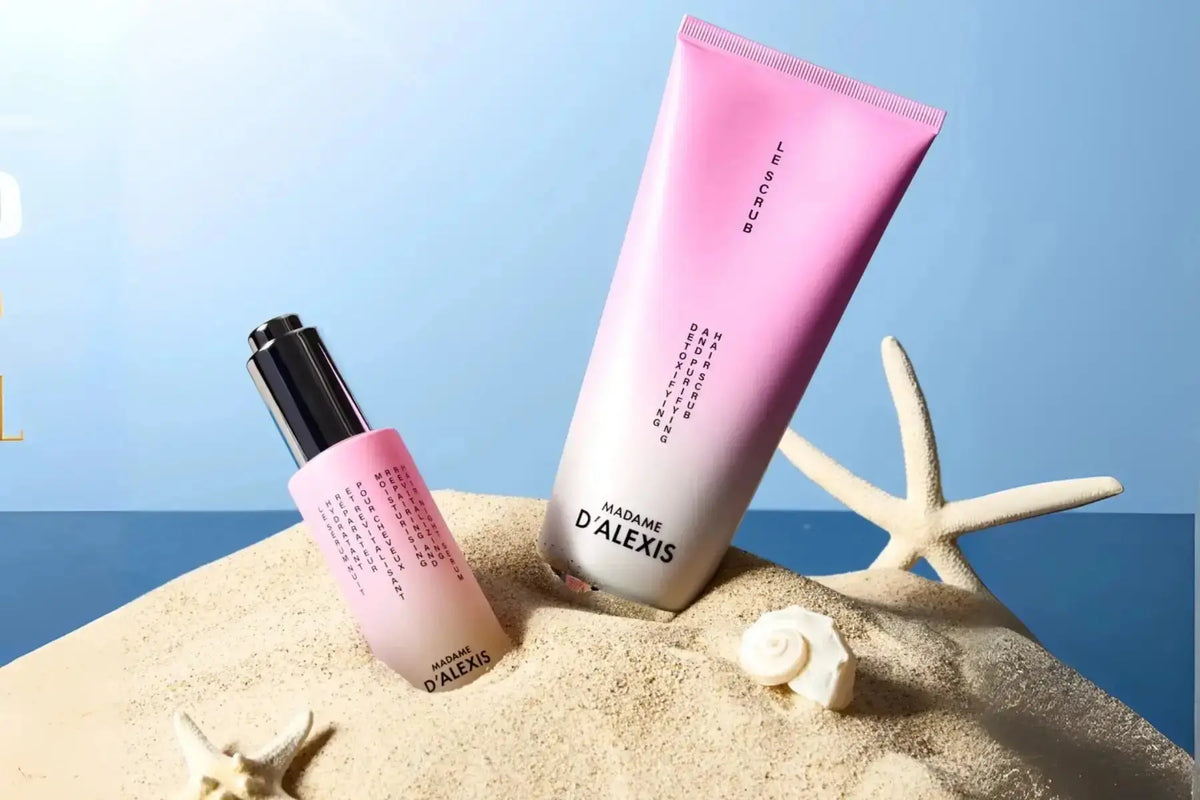
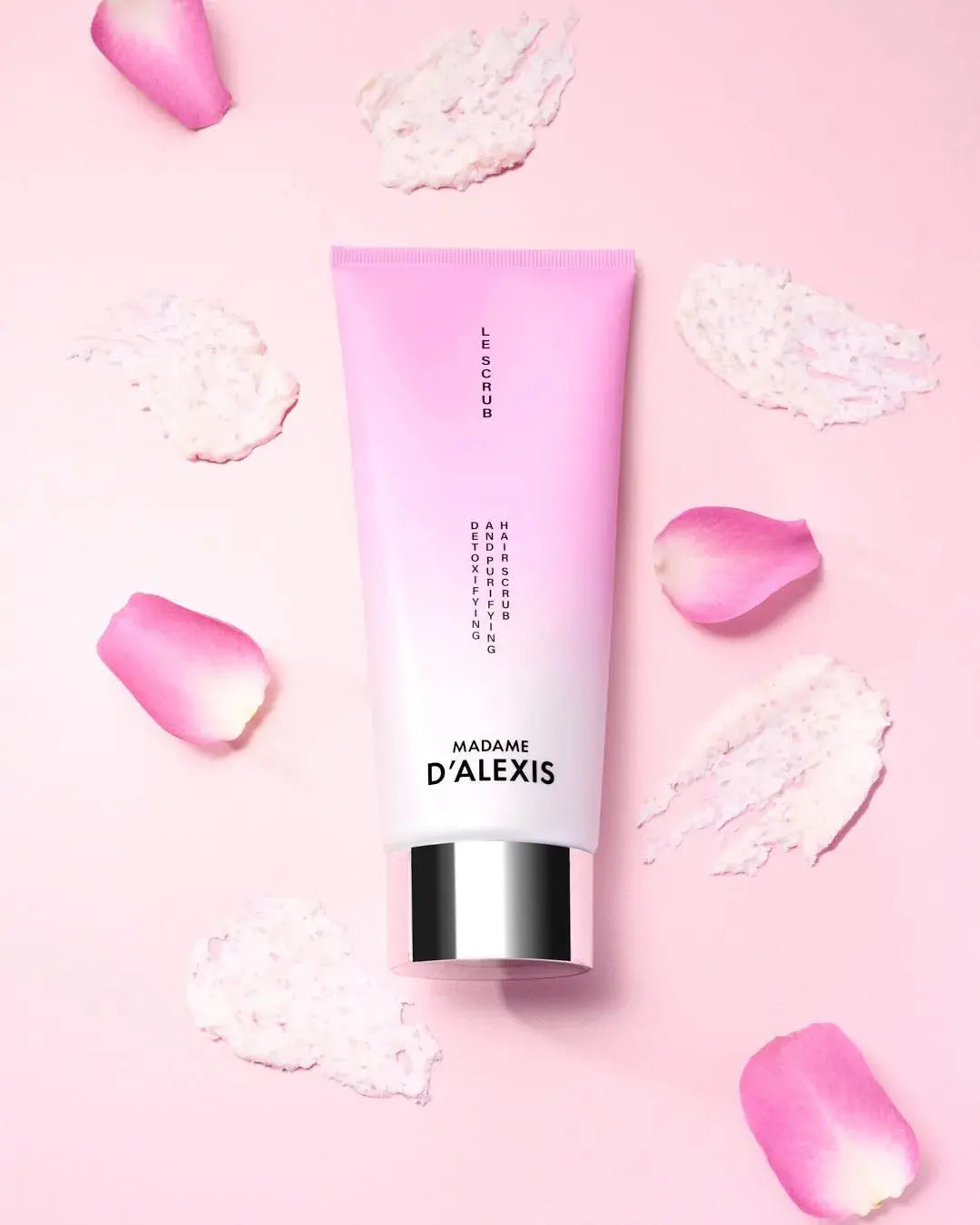
Alexis's Scrub Madame is particularly noteworthy in this context because it does more than just cleanse. It acts as a cleansing and exfoliating treatment that helps remove impurities, residue, and dead skin cells while being gentle on the scalp.
Its formula, which contains no added water and is enriched with organic hydrosols, fleur de sel, and cationic hyaluronic acid, purifies without drying out the scalp and leaves it feeling truly cleansed, more comfortable, and better oxygenated.
Expected results: a clearer, less uncomfortable, and more balanced scalp starting with the very first uses, with a gradual improvement in the quality of the hair follicles over 2 to 3 weeks.
30-Day Repair Protocol — Step by Step
Here is the complete week-by-week plan for restoring your hair after bleaching.
Week 1: Emergency Soothing
The goal of the first week is to stop the irritation and soothe the scalp.
- Days 1–2: Complete rest. Do not wash your hair. Let your scalp recover.
- Day 3: First wash with the Hydrosol Shampoo. Apply the Moisturizing Mask for 20 minutes. Rinse with lukewarm water (never hot). If you have extremely dry hair, double the mask’s application time starting in the first week.
- Days 4–5: Apply the Leave-In Serum daily to the lengths of your hair.
- Day 6: Apply coconut oil to your hair 30 minutes before shampooing.
- Day 7: Scalp treatment with the exfoliating shampoo (apply directly to the scalp; leave on for 20 minutes).
- Expected results by the end of Week 1: reduced irritation, soothed itching, and the first signs of softness.
Weeks 2–3: Fiber Regeneration
The goal is to rebuild the hair shaft and restore its elasticity.
Weekly schedule:
- Monday: gentle shampoo + 20-minute repair mask + leave-in serum
- Tuesday–Wednesday: Leave-in serum only
- Thursday: gentle shampoo + 20-minute repair mask + leave-in serum
- Friday: Oil treatment (coconut or argan oil) 30 minutes before shampooing
- Saturday–Sunday: Leave-in serum only
Products: Moisturizing Mask (intensive, twice a week) + Leave-In Serum (daily).
Expected results by the end of Week 3: improved elasticity (+40%), reduced breakage, visible shine, and a healthy scalp.
Week 4: Stabilization and Maintenance
The goal is to build on these results and establish a sustainable routine.
Weekly schedule:
- Monday: gentle shampoo + 20-minute repair mask + leave-in serum
- Tuesday–Sunday: Daily leave-in serum
- Thursday: mild shampoo + leave-in serum (no hair mask)
- Weekend: 1 oil bath (optional)
Products: Moisturizing Mask (maintenance, once a week) + Leave-In Serum (daily) + Hydrosol Shampoo (twice a week). To take it a step further, check out the Complete Bleaching Routine.
Expected results by the end of Week 4: bouncy, shiny hair; a healthy scalp; and a consistent routine.
Before and After: 3 Real-Life Cases After Bleaching
Case 1 — Severely damaged hair (extreme discoloration, 3 treatments)
- Before: Brittle, straw-like hair; irritated scalp with redness. Visible hair loss every time I brush my hair.
- Routine: Hydrosol Shampoo twice a week + Moisturizing Mask twice a week (20 min) + Daily Leave-In Serum + Coconut Oil Treatment once a week.
- Week 2: Restored elasticity, less breakage when brushing, soothed scalp.
- Week 4: Supple, shiny hair and a healthy scalp. Hair loss has returned to normal.
- The key to success: Apply the Hydrating Mask twice a week and leave it on for at least 20 minutes. If you recognize your severely damaged hair in this description, the intensive treatment is right for you.
Case 2 — Fine hair after bleaching (naturally fine hair, 1 application)
- Before: Fine, limp hair with no volume. A cottony texture and no shine.
- Routine: Hydrosol Shampoo twice a week + Moisturizing Mask once a week + Daily Leave-In Serum (just 2 drops so it doesn't weigh the hair down).
- Week 2: Strengthened hair structure; hair feels less limp.
- Week 4: Restored volume, healthy hair, natural shine.
- The key to success: using the right amount of Leave-In Serum (2 drops on the lengths only; avoid the scalp). For a complete post-bleaching routine for fine hair, check out our dedicated guide.
Case 3 — Scalp Burn (Reaction to Bleach, Sensitive Scalp)
- Before: Irritated scalp, intense itching, redness. Hair weakened at the roots.
- Routine: Hydrosol Shampoo twice a week + Exfoliating Shampoo applied to the scalp once a week + Leave-in Serum applied to the lengths only.
- Week 1: Immediate relief after the first wash with a mild shampoo.
- Week 4: Healthy scalp, no irritation, and the itching is gone.
- The key to success: an exfoliating scrub applied directly to the scalp + cold water for the final rinse.
5 Common Mistakes After Bleaching (To Avoid at All Costs)
Mistake 1: Washing Your Hair Too Often
- Washing bleached hair 3–4 times a week exacerbates dryness and slows down the repair process. The hair shaft doesn't have time to stabilize between washes.
- Solution: Wash your hair no more than twice a week during the month of treatment. Use a sulfate-free shampoo each time.
Mistake 2: Rinsing with hot water
- Hot water opens the cuticles (which are already weakened by the bleaching process) and washes away the restorative ingredients you just applied.
- Solution: Use lukewarm water to rinse out the shampoo, and cold water for the final rinse of the mask (to seal the cuticles).
Mistake 3: Using products containing silicones
- Silicones create an artificial layer on the hair shaft that prevents reparative ingredients from penetrating. The result: hair that looks healthy but isn't.
- Solution: Check the INCI list on your products. Any ingredient ending in "-cone," "-xane," or "-siloxane" is a silicone. Choose silicone-free skincare products with organic hydrosols.
Mistake 4: Neglecting the hair mask
- Many people use only a regular conditioner. That's not enough for hair damaged by bleaching. A conditioner nourishes the surface—a hair mask repairs the hair from the inside out.
- Solution: Use a moisturizing mask twice a week, leaving it on for at least 20 minutes. This is the most important step in your skincare routine.
Mistake 5: Turning the heat back on too soon
- Straighteners, blow-drying, and high-temperature hair dryers: heat exacerbates damage to hair strands that are already weakened. Open cuticles are even more vulnerable to heat.
- Solution: Avoid heat for the first 2 weeks. After that, always use a heat protectant and lower the temperature (max 180°C). The Leave-In Serum provides light, everyday heat protection.
FAQ — How to Repair Bleached Hair Naturally
How long does it take to repair bleached hair?
With the right natural routine (sulfate-free shampoo + repairing mask + leave-in serum), the first results are visible within 2 weeks. Full repair takes 4 to 6 weeks, depending on the severity of the damage. Without the right care, it can take 3 to 6 months for the hair shaft to stabilize.
What hair care products should you use for bleached hair?
For bleached hair, the ideal hair care routine consists of three essential steps to be followed in this order:
- (1) agentle, sulfate-free shampoo to cleanse without damaging fragile hair,
- (2) arestorative mask to be left on for 20 minutes to deeply rebuild the hair shaft,
- (3) aleave-in treatment to protect the lengths of yourhair every day.
Follow up with ahair oil (coconut, argan, or castor) as an oil treatment once a week. This hair care routine, when followed regularly for 30 days, will help revitalize your colored or bleached hair for the long term. The Hydrating Mask and Leave-In Serum are specially formulated for this type of damaged hair.
How to moisturize bleached hair?
Moisturizing bleached hair requires a three-step approach to provide long-lasting nourishment.
First, asulfate-free shampoo that preserves the natural lipids left in the hair after each wash.
Next, use amoisturizing treatment (a cationic hyaluronic acid mask) twice a week to restore moisture deep within the hair shaft.
Finally, finish with a lightplant-based oil (jojoba, argan) to seal in moisture along the lengths of your hair.
Thismoisturizing routine, designed for dry and bleached hair, delivers visible results in 2 weeks. Avoid hot water, which strips away the moisture you’ve just added. The Hydrating Mask with Hydrosols is formulated to deeply moisturize without silicones.
Can hair damaged by bleaching be repaired?
Yes, in most cases, even a poorly executed at-home hair bleaching job can be fixed.
Damaged hair (brittle, dry, lacking elasticity) responds well to restorative treatments containing plant proteins, hyaluronic acid, and plant oils. The regimen: a nourishing mask twice a week (with shea butter and coconut oil to deeply nourish the hair shaft) + a daily leave-in serum + an oil treatment once a week.
Only hair that has broken off at the root cannot be repaired—it must grow back. For severely damaged hair, regularly trimming the ends (2–3 cm every 4 weeks) speeds up the recovery process. The Hydrating Mask is the key restorative treatment for hair damaged by bleaching.
What ingredients can help repair hair damaged by bleaching?
The most effective ingredients:
cationic hyaluronic acid (seals the cuticles), plant proteins and amino acids (replenish keratin), coconut oil (penetrates the hair shaft), shea butter (deeply nourishes), argan oil (adds shine and suppleness), organic hydrosols (an active base that delivers active ingredients deep into the hair). Avoid: silicones, sulfates, denatured alcohol.
Which oil is best for bleached hair?
Coconut oil is the most effective because it is the only oil capable of penetrating the hair shaft (rather than just coating it). It reduces protein loss and nourishes the hair from the inside out. In addition, argan oil adds shine, and shea butter helps repair severely damaged ends.
How can you keep bleached hair hydrated long-term?
Long-lasting hydration involves 3 steps:
- (1) Wash with a sulfate-free shampoo that doesn't strip away natural oils,
- (2) Apply a reparative mask containing cationic hyaluronic acid twice a week, (
- 3) Lock in moisture with a daily leave-in serum. Occasional moisturizing treatments aren't enough—it's consistency over 30 days that makes the difference.
Can you dye your hair again after bleaching it?
You should wait at least 4 weeks after bleaching to allow the hair shaft to stabilize. Ideally, wait 6 weeks if your hair was very damaged. Use a gentle (ammonia-free) hair color and continue your repair routine after recoloring. Consult a professional at a salon to assess the condition of your hair before recoloring.
How much does a natural repair treatment cost?
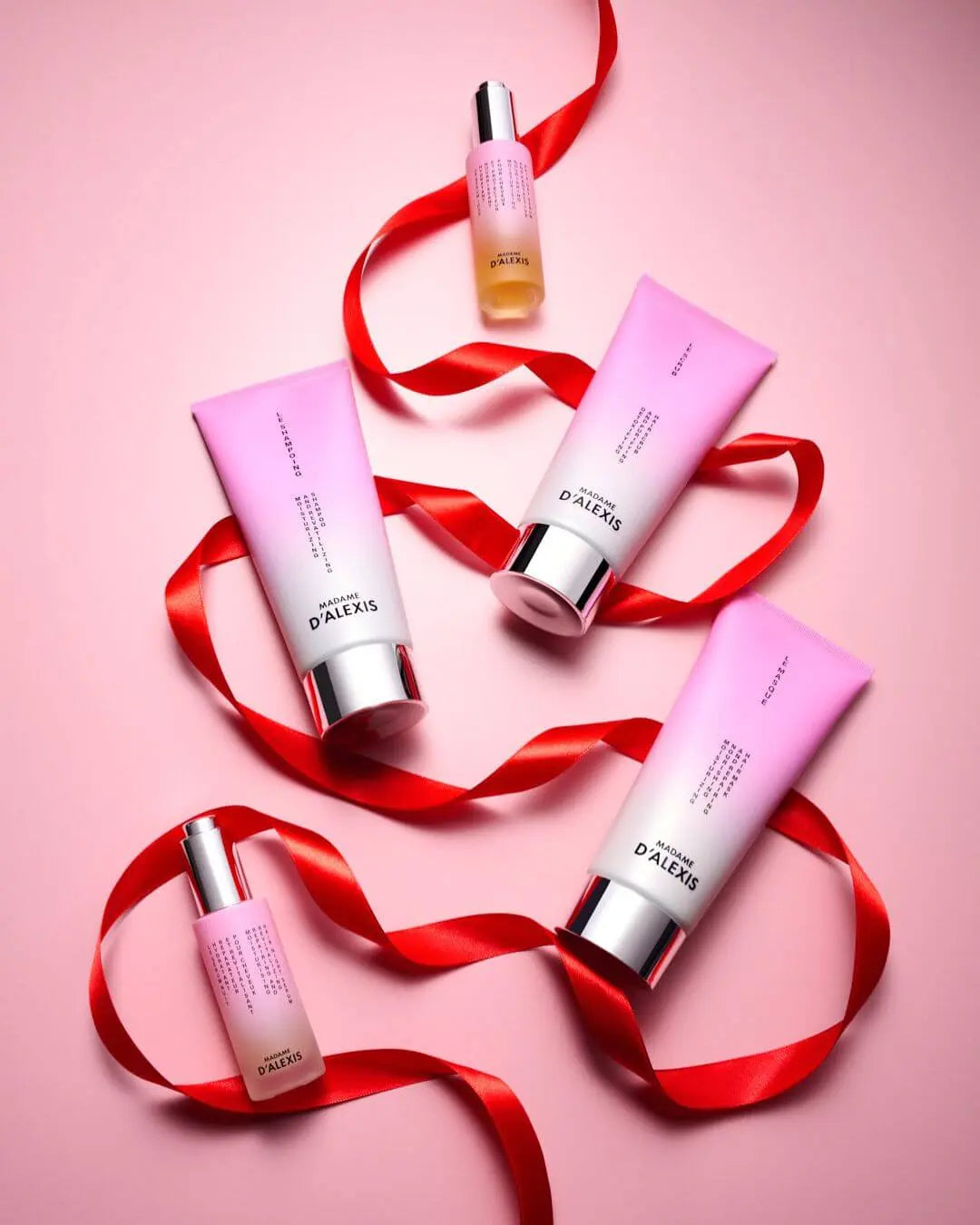
The Complete Madame d'Alexis Routine: Hydrating Mask (€53) + Leave-In Serum (€35) + Hydrosol Shampoo (€39) = €127 for 30 days of complete repair. Major conventional brands (Kérastase, Wella) offer comparable routines priced at €200–€300, often with less long-lasting results (silicones = temporary effects).
How can you avoid damaging your hair when bleaching it?
Preventing hair damage starts before the bleaching process itself. Preventative care to follow 2 weeks beforehand:argan oil treatments twice a week (strengthens the hair fiber’s protective layer), avoid using heat styling tools, and use a gentle sulfate-free shampoo to prepare the scalp. On the day of the treatment: apply a light plant-based oil to the lengths of your hair before applying the bleach (to create a natural protective barrier).
Avoidbleaching at home on hair that has already been colored or is damaged—consult a salon expert. Afterward: Follow the 30-day regimen of this restorative hair care routine. Hair protection also includes using a heat-protectant spray every time you use heated styling tools. For very damaged hair, a balanced diet (B vitamins, zinc, iron) promotes healthier hair from the inside out.
Useful sources
- Understanding Hair Structure — CNRS
- Hydrosols and Natural Cosmetics — ANSM
- Moisturize Your Scalp Naturally — Madame d'Alexis
- Which Hair Oil to Choose — Madame d'Alexis
- The Difference Between Sulfate-Free Shampoos — Madame d'Alexis
- Springy Hair After Bleaching — Madame d'Alexis
- Hair Care Routine for Bleached Hair — Madame d'Alexis