Advice
Shampoo for Dry Hair: How to Choose the Right One?
How to choose a shampoo for dry hair and adopt a complete routine to restore shine, suppleness, and lasting hydration to your hair.


Shampoo for dry hair: the essentials to remember
- Use a gentle shampoo, free from sulfates and silicones, which cleanses without damaging the skin and preserves the hydrolipidic film.
- Prioritize nourishing natural ingredients (argan oil, jojoba oil, shea butter and cupuaçu butter, hyaluronic acid, plant-based ceramides).
- Complete the cleansing process with a tailored hair care routine: weekly repair mask, protective day serum, and regenerating night serum.
- Adopt simple daily habits: space out washes, rinse with lukewarm water, limit heat, and trim the ends regularly.
- Protect hair from external aggressions (sun, pollution, chlorine) to maintain hydration, shine, and suppleness.

Understanding the problem of dry hair
Dry hair is not inevitable, but rather the result of multiple causes that need to be identified. Dry hair is primarily a sign of an imbalance between hydration and sebum production.
When the fiber is no longer sufficiently protected by this natural film, the hair loses its suppleness and becomes dull.
Why does hair become dry?
The origins are varied and often cumulative:
- Internal factors: natural aging, certain genetic predispositions, or hormonal changes (pregnancy, menopause) alter the quality of the hair and reduce its strength.
- External factors: prolonged exposure to the sun, repeated use of heated styling tools, pollution, and even washing your hair too often can weaken the scalp and strip the hair fiber of its moisture.
These factors explain why even initially healthy hair can quickly become dry, brittle, and difficult to style.
Dry hair or damaged hair: an important distinction
It is useful to differentiate between two realities that are often confused:
- Dryness is linked to a lack of hydration, resulting in roughness and loss of shine.
- Damage results from fiber degradation: split ends, reduced elasticity, frequent breakage.
An accurate diagnosis is essential, as it determines the choice of appropriate treatment and shampoo.

Why use a specific shampoo for dry hair?
Hair shampoo is the basis of any routine. If chosen incorrectly, it can aggravate the problem instead of correcting it. Aggressive formulas, rich in sulfates or silicones, remove protective sebum and cause straw-like hair, or even an irritated scalp.
Conversely, a shampoo specifically formulated for dry hair gently cleanses without compromising the natural barrier. Enriched with plant oils, nourishing butters, or moisturizing ingredients, it provides:
- Shine, by smoothing the scales of the fiber.
- Elasticity, restoring suppleness and vitality.
- Comfort, thanks to long-lasting hydration of the scalp.
In practice, choosing a gentle, moisturizing formula tailored to your hair's needs is the first step to restoring healthy, strong hair.
How to choose the right shampoo for dry hair?
Choosing a shampoo for dry hair should not be left to chance. In my practice, I find that many people simply buy a product for "damaged hair" without checking its ingredients.
However, effective hair care is about more than just an attractive label. It is the precise combination of nourishing and moisturizing ingredients that truly transforms the hair fiber.
The best ingredients for dry hair
A good shampoo for dry hair should be formulated with active ingredients that can restore the hair's softness and shine:
- Vegetable oils: Argan oil and organic jojoba oil are particularly rich in essential fatty acids and vitamin E. They deeply nourish the hair while restoring elasticity and shine. Coconut oil provides additional protection against breakage.
- Natural butters: Shea butter remains a classic for its ability to repair and soften hair. Organic cupuaçu butter, which is less well known, has the advantage of retaining water in the hair fiber and strengthening hydration over time.
- Moisturizing ingredients:cationic hyaluronic acid, glycerin, and aloe vera provide a real reservoir of water to the hair fiber, which limits the straw-like effect.
- Proteins and ceramides: plant keratin and amino acids strengthen the internal structure of the hair, improve its mechanical resistance, and reduce split ends.
- Botanical extracts: chamomile and orange blossom, in addition to their soothing properties, have antioxidant properties that protect the hair fiber from external aggressions.
Ingredients to avoid for dry hair types
Conversely, certain ingredients make dry hair even more fragile:
- Aggressive sulfates: they alter the scalp's natural hydrolipidic film and dry out the hair fiber.
- Heavy silicones: they provide artificial softness, but by coating the hair, they prevent nutrients from penetrating deeply.
- Irritating fragrances or dyes: these can sensitize an already fragile scalp and cause itching.
A truly effective shampoo for dry hair must combine gentleness, hydration, and nourishment, while excluding harsh ingredients. It is this requirement that allows you to regain supple, shiny, and healthy hair with each wash.

Complete hair care routine for dry hair
A shampoo for dry hair alone is not enough to transform damaged hair. It is the combination of several complementary treatments that deeply restores the hair fiber and preserves the balance of the scalp.
A consistent routine, followed over time, is the real key to restoring softness and shine.
Here is a special routine for dry hair in video format:
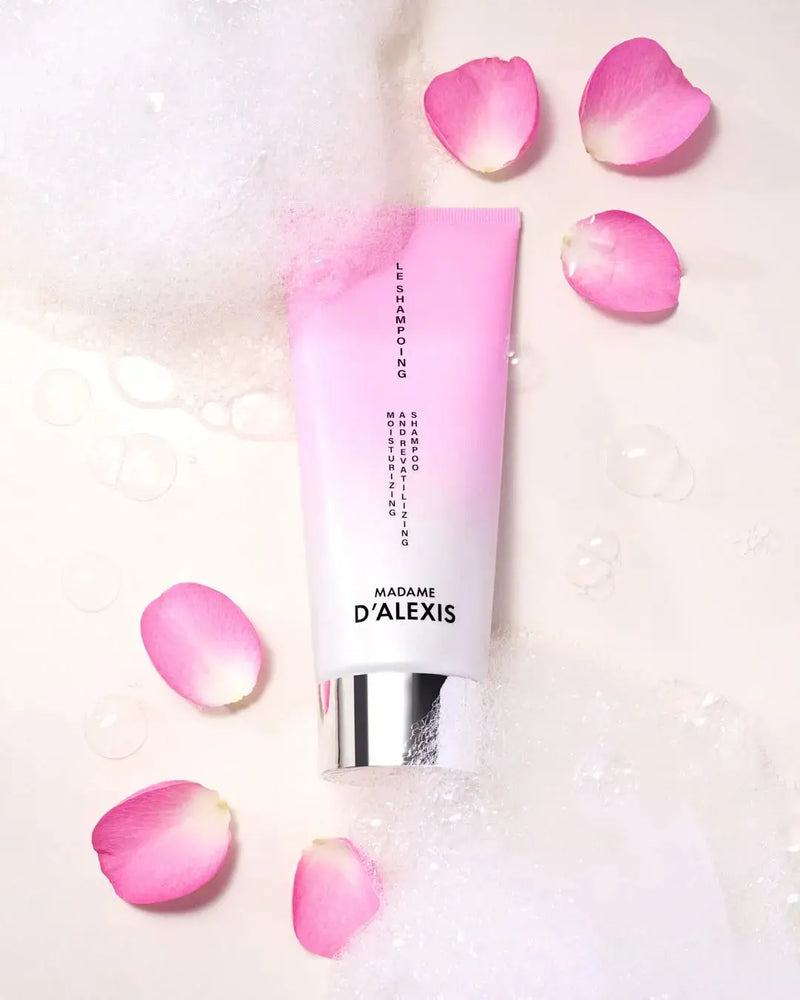
Step 1: cleansing, a gentle and moisturizing base
Washing must above all be gentle. A shampoo enriched with organic hydrosols, vegetable oils, or moisturizing active ingredients helps remove impurities while maintaining natural moisture.
In my experience, scalp massage should not be overlooked: by stimulating microcirculation, it helps nutrients penetrate better and promotes healthy growth.
Step 2: Deep treatment to repair and nourish
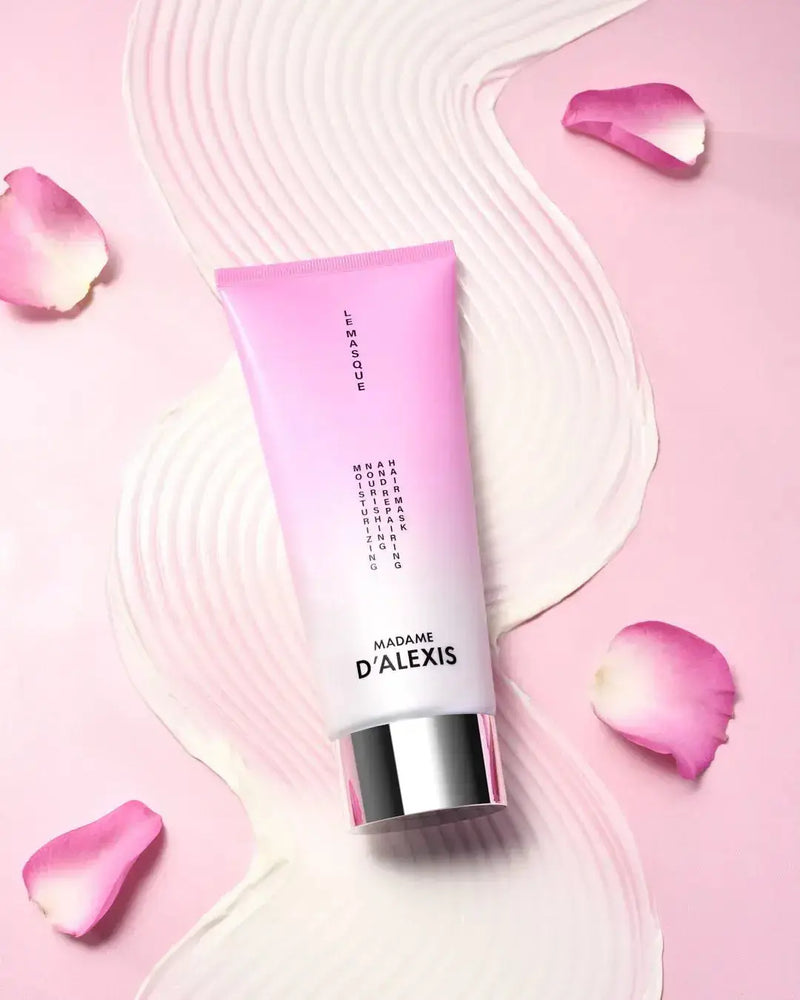
Once or twice a week, it is essential to apply a nourishing mask. Leaving it on for ten to fifteen minutes allows the active ingredients to penetrate deep into the hair fiber.
This ritual provides elasticity and suppleness and visibly reduces the "straw" effect. The hair is strengthened and regains its natural texture.
Step 3: Daily care to protect and enhance
Two complementary actions make all the difference:
-
Day serum: acts as a shield against external aggressions (pollution, heat, friction). It smooths the hair fiber and revives shine.
-
Night serum: applied before bedtime, it supports natural regeneration processes. Its rich formula stimulates growth and strengthens hair deep down.
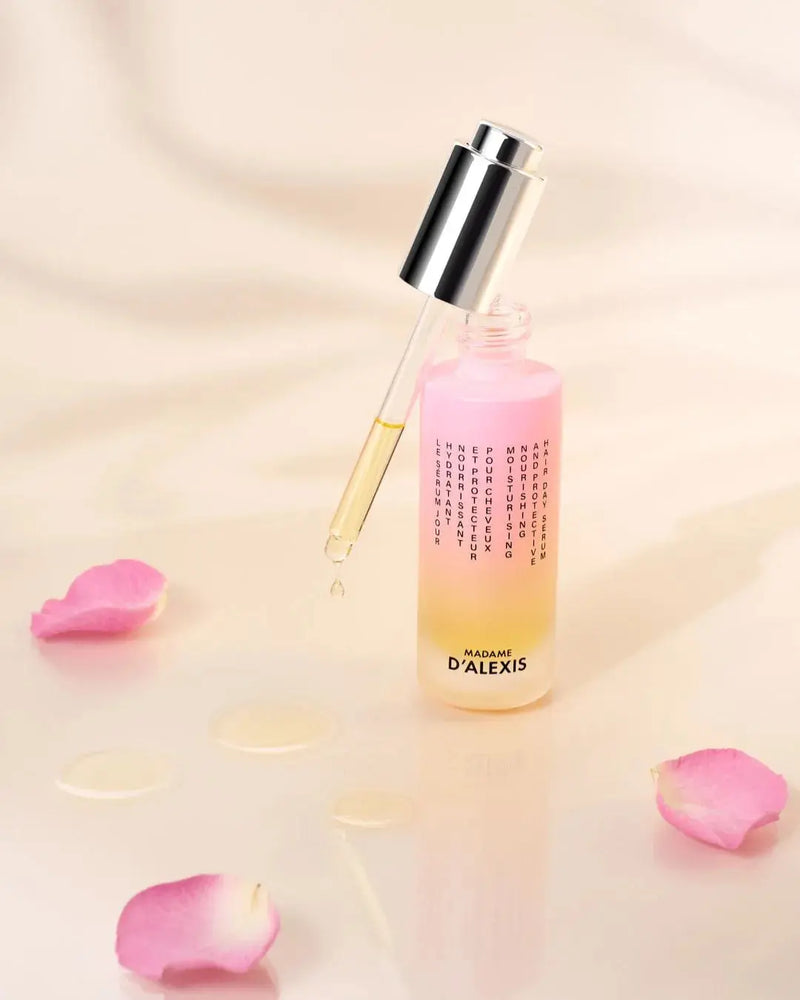
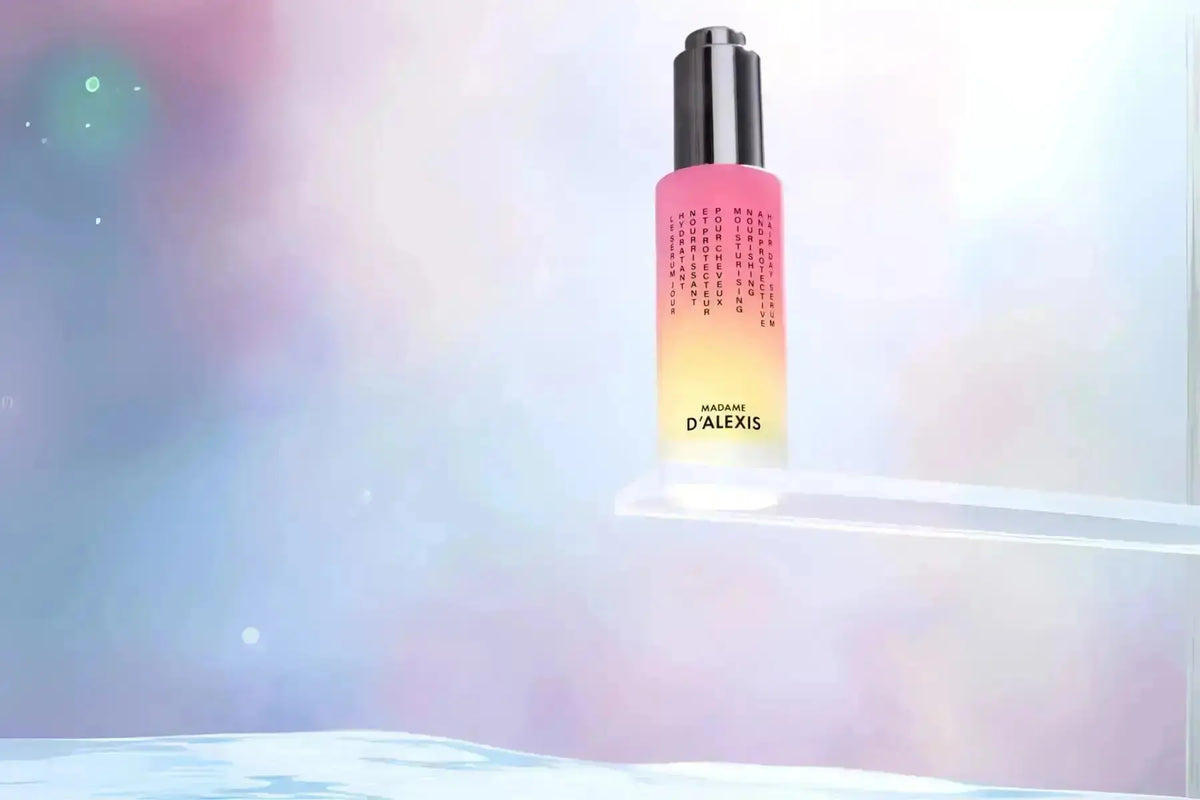
The Day Serum
Daily protection · shine
- Heat, UV, and pollution shield
- Tames frizz without weighing hair down
- Smooth and luminous finish
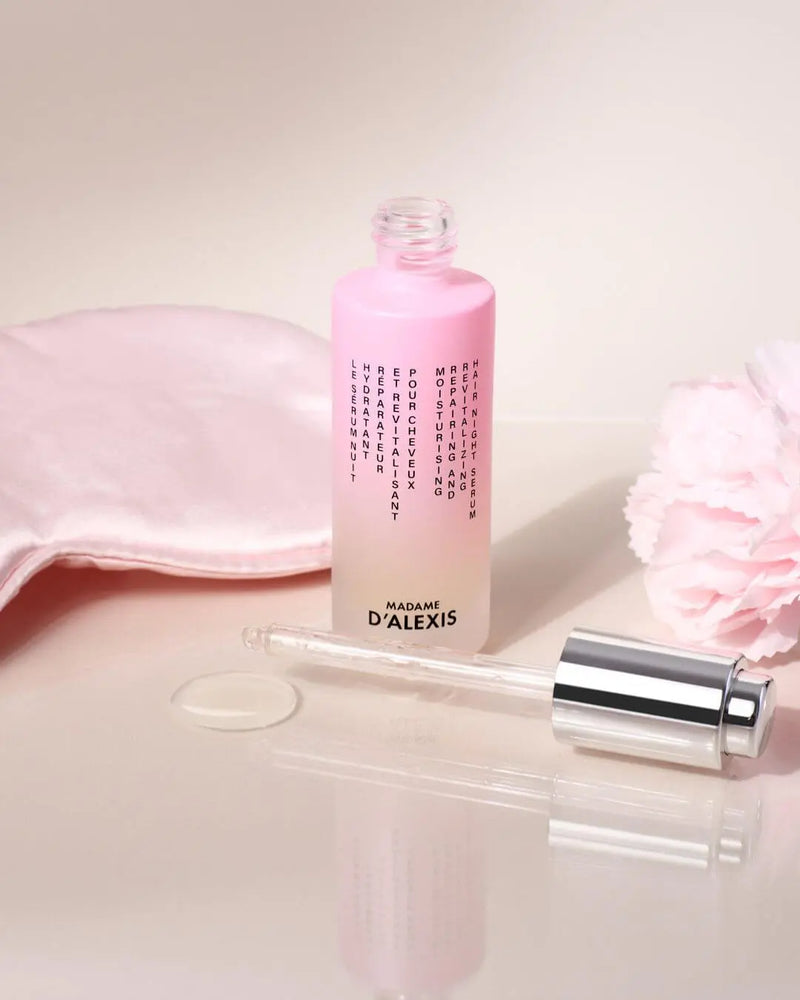
The Night Serum
Nighttime regeneration · density
- Stimulates growth during rest
- Deeply moisturizes without leaving a greasy residue
- Strengthens the fiber and limits breakage
What are the best hair care products for dry hair today?
The most effective skincare products favor natural and organic formulas that are free from sulfates and silicones. In my opinion, it is better to invest in a high-quality product that combines hydration, nutrition, and protection, rather than using multiple basic products.
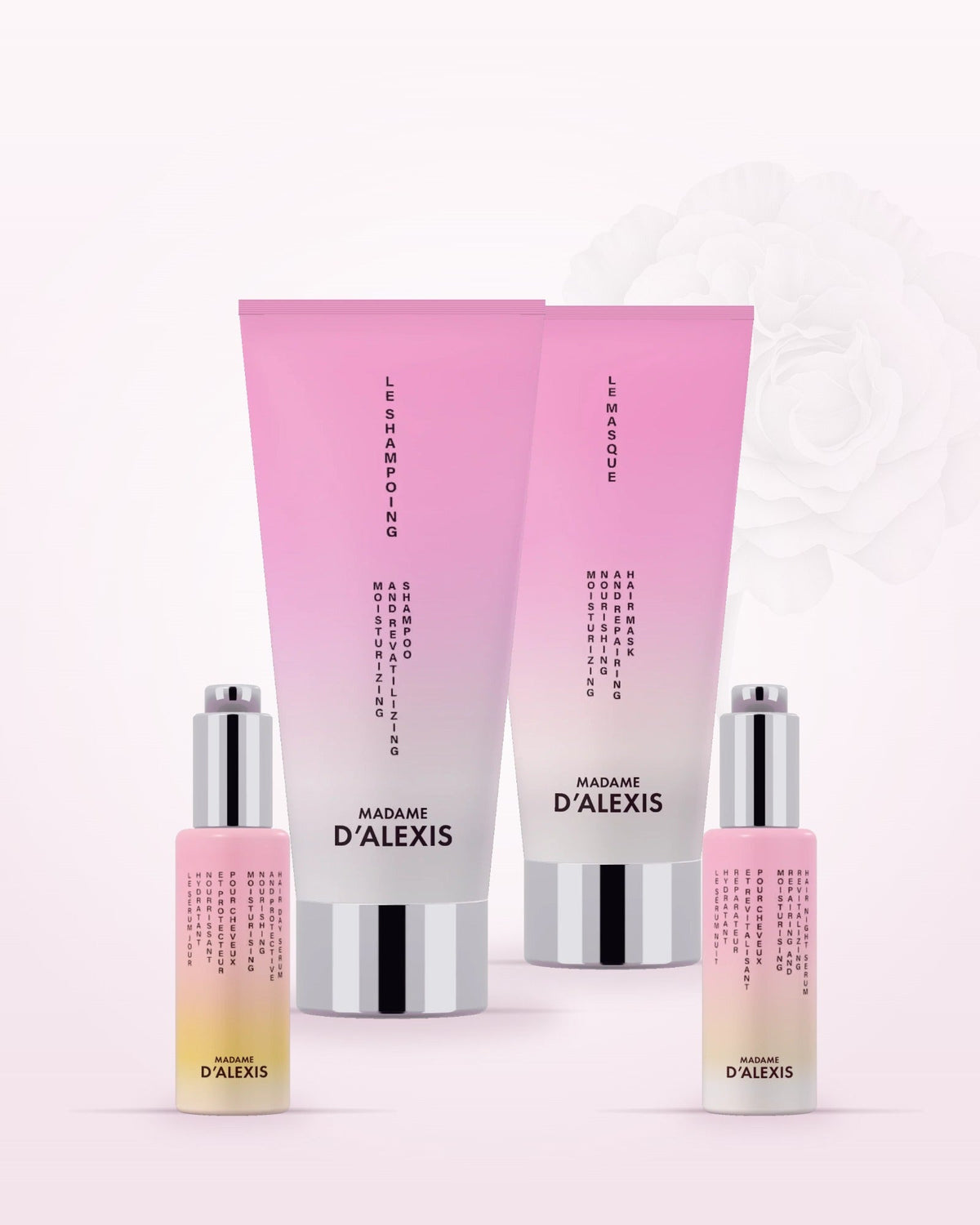
The Madame d'Alexis range perfectly illustrates this approach. Formulated without added water, it uses organic hydrosols (Damask rose, chamomile, orange blossom) and premium active ingredients such as cationic hyaluronic acid, plant ceramides, and precious oils.
This unique combination restores strength, shine, and health to dry hair, while respecting the scalp.
The best hair care products for dry hair
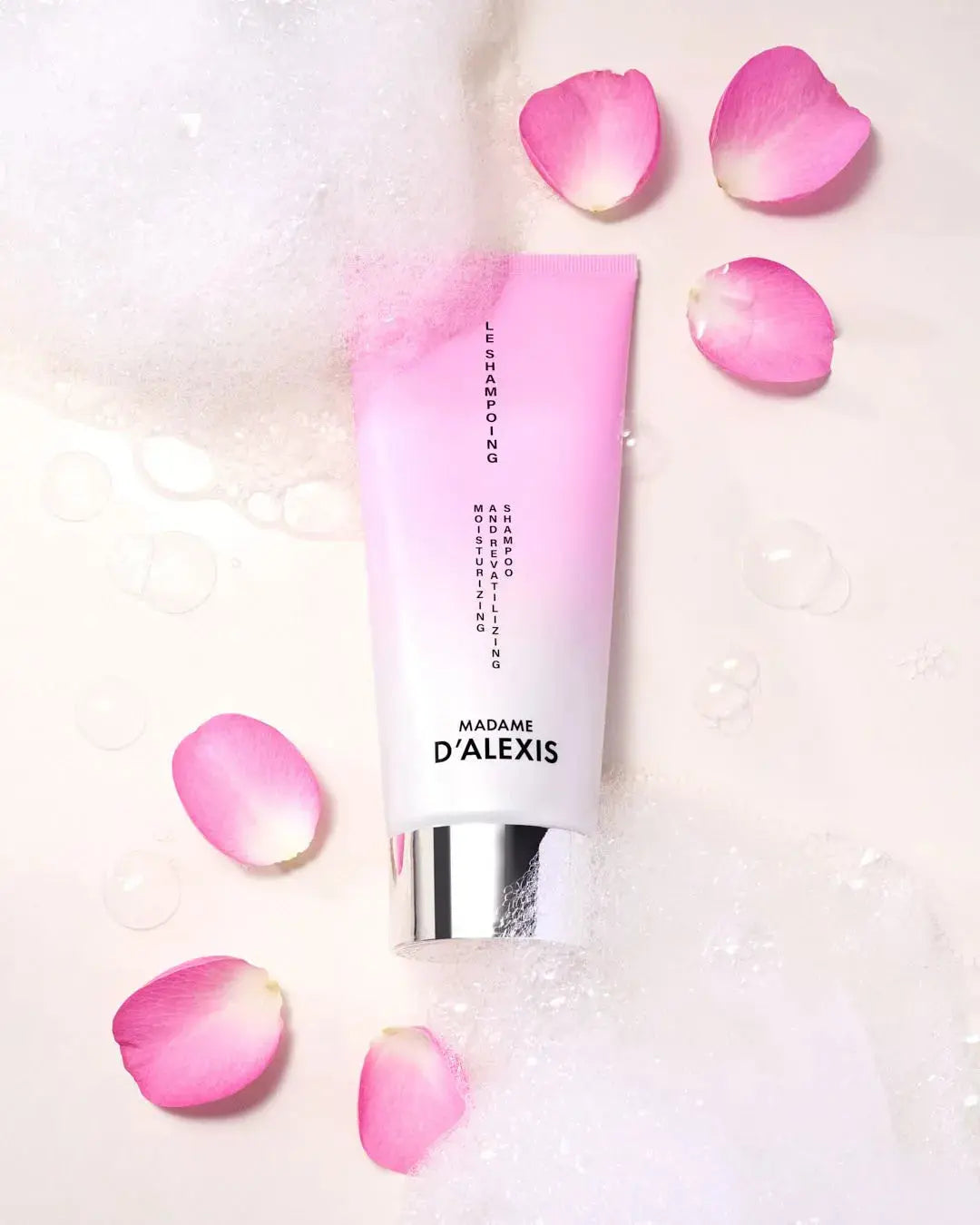
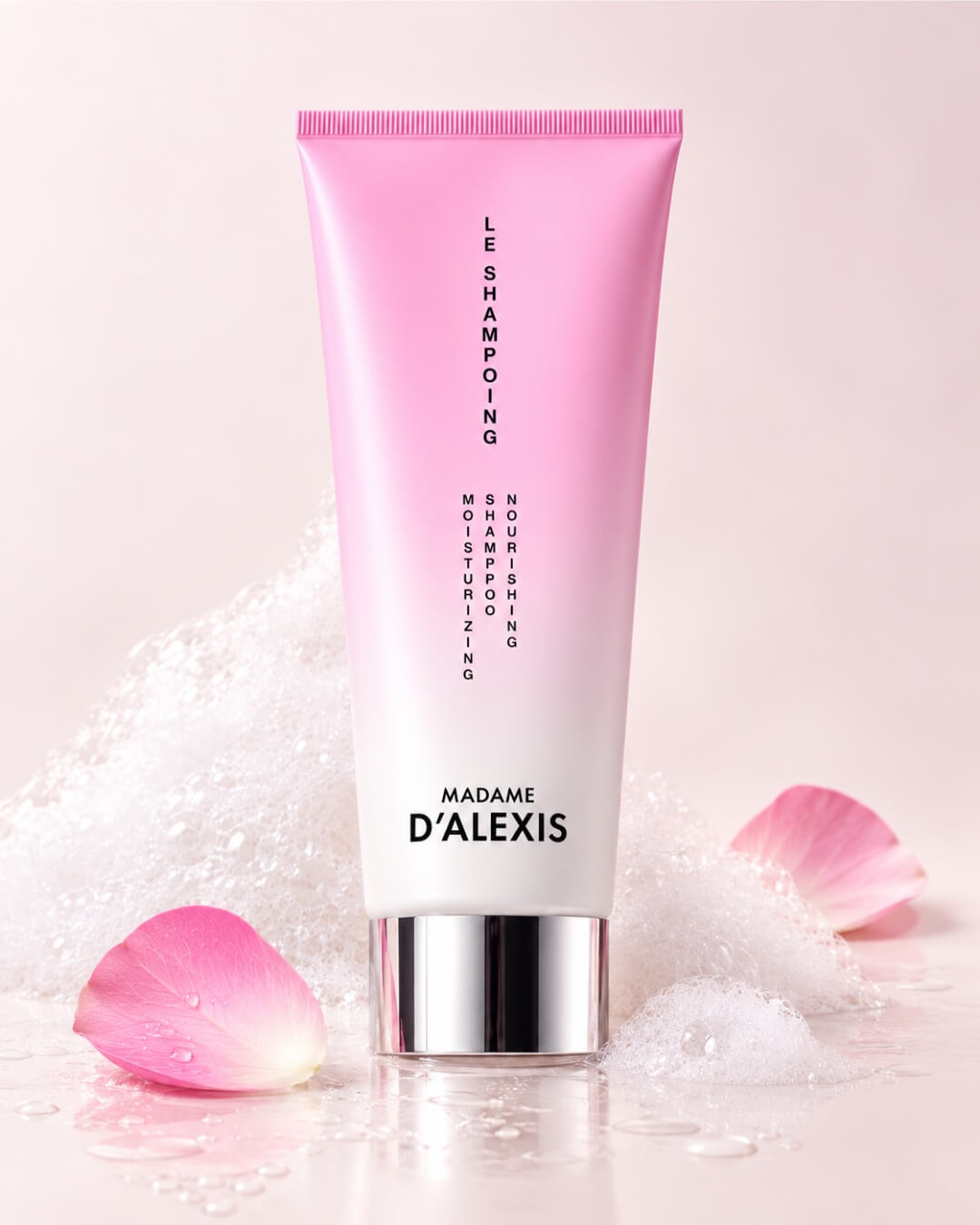
The Shampoo
Gentle cleansing · organic hydrosols
- Cleans without stripping or altering moisture levels
- Preserves suppleness and shine
- Ideal base before applying a mask and complementary treatments
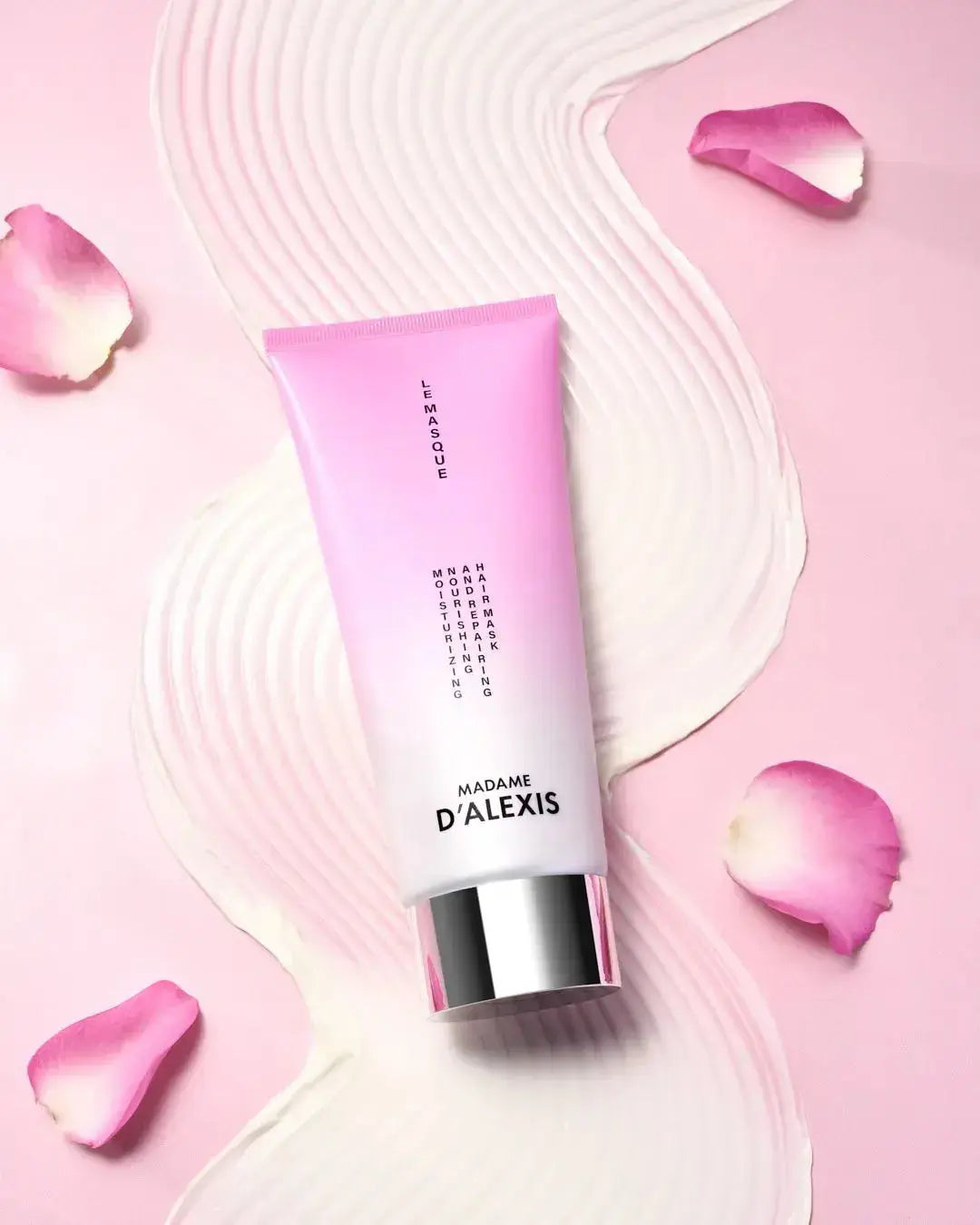
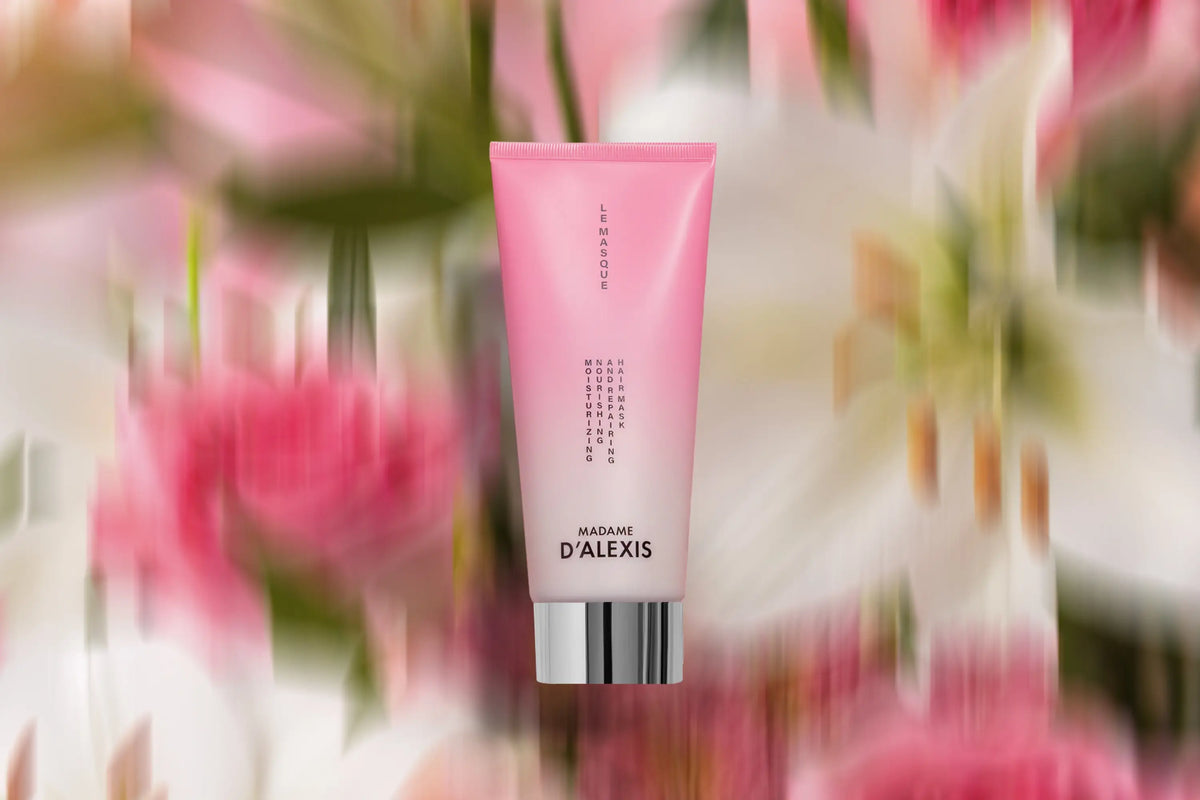
The Mask
Intense hydration · plant ceramides
- Repairs the fiber deep down
- Smooths scales and reduces frizz
- Restores bounce and softness
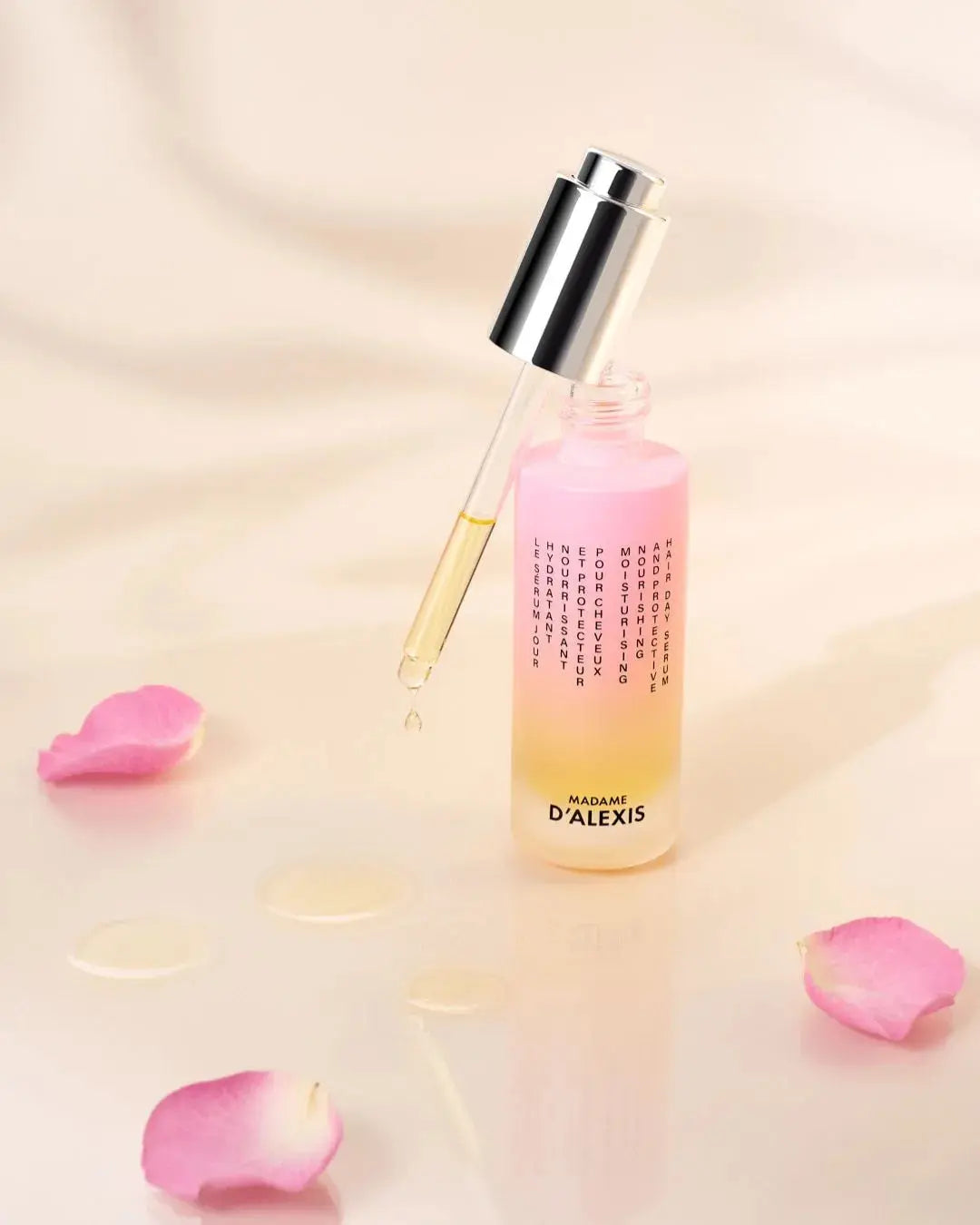
The Day Serum
Protection · light shine
- Protects against heat, UV rays, and pollution
- Tame frizz without weighing hair down
- Provides a neat and shiny finish
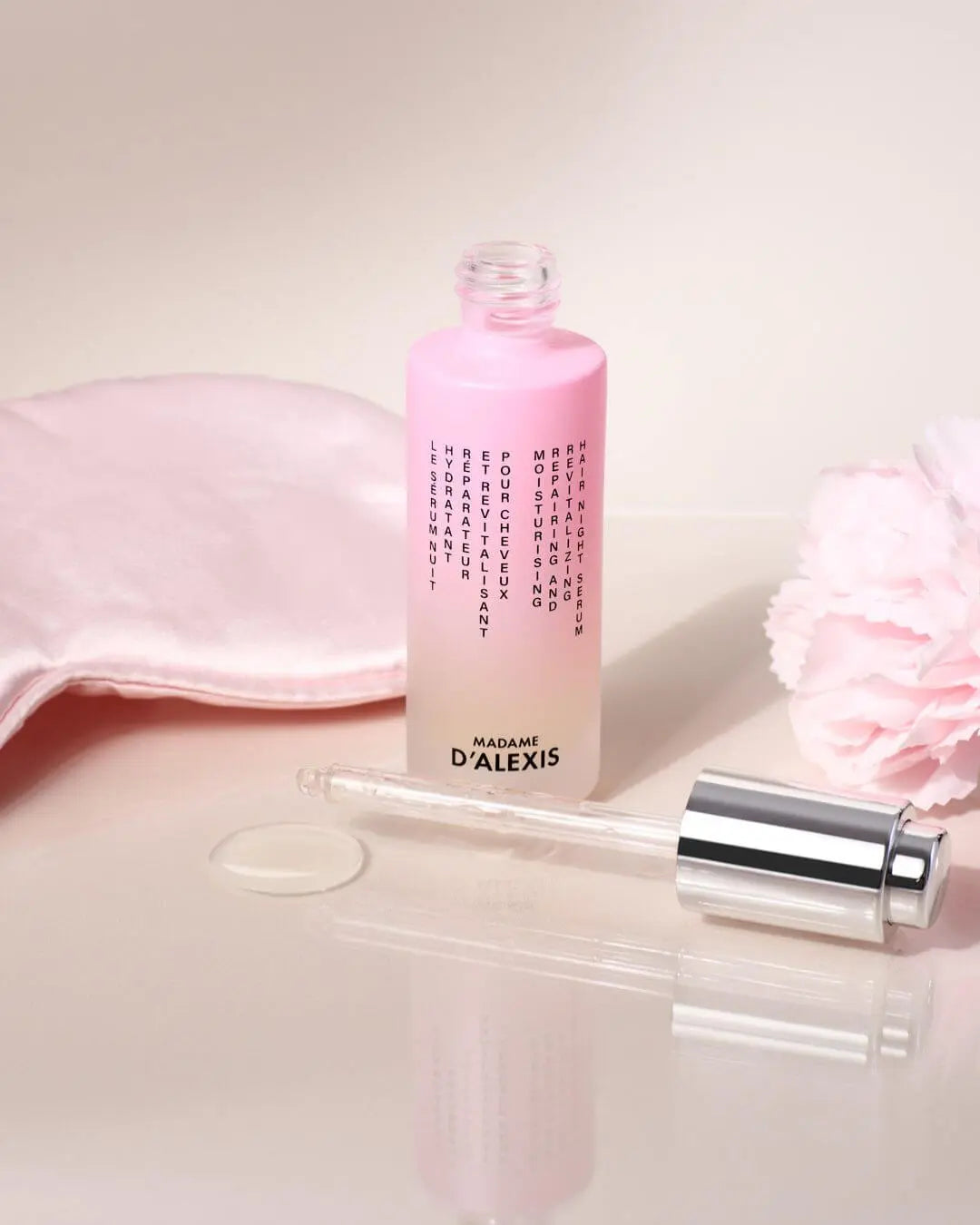
The Night Serum
Nighttime regeneration · densification
- Stimulates growth during the night
- Deeply moisturizes without leaving a greasy residue
- Strengthens hair density and reduces breakage
Practical tips for caring for dry hair on a daily basis
Choosing a shampoo for dry hair is an essential starting point, but it must be accompanied by simple, regular steps to achieve lasting results.
In my practice, I have often found that it is daily habits that make all the difference.
Space out washes to limit drying out
Washing your hair too often strips the hair fiber of its natural hydrolipidic film. Washing your hair two to three times a week is generally enough to keep it clean and balanced without damaging the scalp.
Use lukewarm water rather than hot water.
Water that is too hot lifts the hair cuticle and increases moisture loss. Using lukewarm water allows for effective cleansing while preserving the hair's softness. To enhance shine, a final rinse with cold water is a simple but effective step.
Limit heat styling
Hair dryers, straighteners, and curling irons damage keratin and cause roughness in the long term. It is best to reduce their use and always apply heat protection before styling.
Regularly trim split ends
Damaged ends prevent hair from looking healthy and strong. A light trim every two to three months is enough to preserve elasticity and prevent split ends from spreading.
Protect hair from external aggressions
Sun, chlorine, and pollution contribute to dryness. Wearing a hat, applying a protective product, or rinsing your hair after swimming are simple but crucial habits.
Restore health and shine to your dry hair
Remember that using the right shampoo is the first step in an effective routine. This should be complemented by moisturizing and nourishing treatments, applied regularly. Formulas based on natural ingredients that are gentle on the scalp, such as plant oils, rich butters, or organic hydrosols, offer the best results.
In my opinion, there is no miracle solution, but a well-designed routine can really transform your hair. Even very dry hair can regain its softness, shine, and vitality when cared for rigorously and consistently.
FAQs about choosing a shampoo for dry hair
Why does my hair become dry despite using regular shampoo?
Conventional shampoos are often formulated to cleanse deeply, sometimes with harsh surfactants. They remove not only impurities but also the protective sebum that is essential for healthy hair fibers.
Without this hydrolipidic film, hair quickly loses moisture and becomes dull, brittle, and coarse. That's why it's essential to choose ashampoo specifically designed for dry hair, enriched with moisturizing and nourishing agents.
Which ingredients are most effective in shampoo for dry hair?
A suitable shampoo should combine hydration and nutrition. The ingredients to look for are:
- Vegetable oils (argan, organic jojoba, coconut) to provide softness and shine.
- Natural butters (shea, organic cupuaçu) that restore elasticity and repair the hair fiber.
- Moisturizing ingredients such as cationic hyaluronic acid, aloe vera, or glycerin, which retain water in the hair fiber.
- Proteins and ceramides to strengthen the internal structure of the hair and reduce breakage.
Are sulfate-free and silicone-free shampoos really essential?
Yes, especially for dry hair. Sulfates, even though they lather abundantly, weaken the scalp by removing too much sebum. Silicones, on the other hand, create a false softness by artificially coating the hair fiber.
Result: hair feels soft at first but becomes dry over time. Choosing a sulfate- and silicone-free shampoogently cleanses and allows natural active ingredients to work deeply.
What hair care routine should you follow when using shampoo for dry hair?
Shampoo should be part of a complete routine:
- Gently wash with a moisturizing and nourishing product.
- Apply a rich mask once or twice a week.
- Use a day serum to protect against external aggressions.
- Apply a night serum to stimulate regeneration.
This regularity is the only way to restore the hair's suppleness and shine in the long term.
Is it possible to repair very dry and damaged hair?
Yes, but it requires patience and consistency. Very dry hair needs a tailored routine consisting of moisturizing shampoos, nourishing masks, and protective leave-in treatments.
Split ends, on the other hand, must be trimmed regularly, as no treatment can repair them permanently.
With daily care and products rich in natural ingredients, even fragile hair gradually regains its shine, softness, and vitality.
How to moisturize dry hair?
To moisturize dry hair, you need to treat both the surface and the depths. The real magic solution lies in a regular hair care routine, combining a gentle shampoo, a nourishing mask, and targeted treatments.
Shea butter andargan oil are particularly effective: rich in fatty acids and vitamins, they retain water in the fiber and restore elasticity.
Hydration should be complemented by protective serums, which help todeeply nourish and maintain supple, shiny hair.
How to repair dry hair?
Repairing dry hair requires patience and consistency. Using the right shampoo is the first step, but it must be combined with a repairing mask and protein- or ceramide-enriched hair care products.
These active ingredientsstrengthen the hair fiber, reduce breakage, and smooth the cuticle. Regularly trimming split ends is also essential, as no product can repair them.
Gradually, with a consistent routine, it is possible torestore shine and softness, and make hair more resistant to daily damage.