


Hair Types: How to Identify Your Hair Type and Tailor Your Hair Care Routine
Your hair type can be determined by the natural shape of a strand of hair, as well as by its thickness, density, level of shine, any lack of volume, and the overall condition of your scalp.
Hair Types: The Basics at a Glance
Your hair type can be determined by the natural shape of your hair strand, without any products, when air-dried. The international classification ranges from 1A (very fine, straight) to 4C (ultra-tight, kinky). Each type corresponds to a distinct biological profile: sebum levels, cuticle condition, porosity, and sensitivity of the scalp microbiome.
Straight Hair
Straight, without waves, flat cuticle. Main need: lightness and balanced sebum production.
Wavy Hair
Wide S-shaped waves, semi-open cuticle. Main need: light hydration and anti-frizz care.
Curly hair
Spiral curls, open cuticles. Main need: deep hydration and definition.
Kinky hair
Very tight Z-shaped curls, very open cuticle. Main needs: moisture retention, strengthening, and microbiome.
Read on to pinpoint your hair type, understand your hair’s characteristics, and develop a routine that truly suits your hair texture.
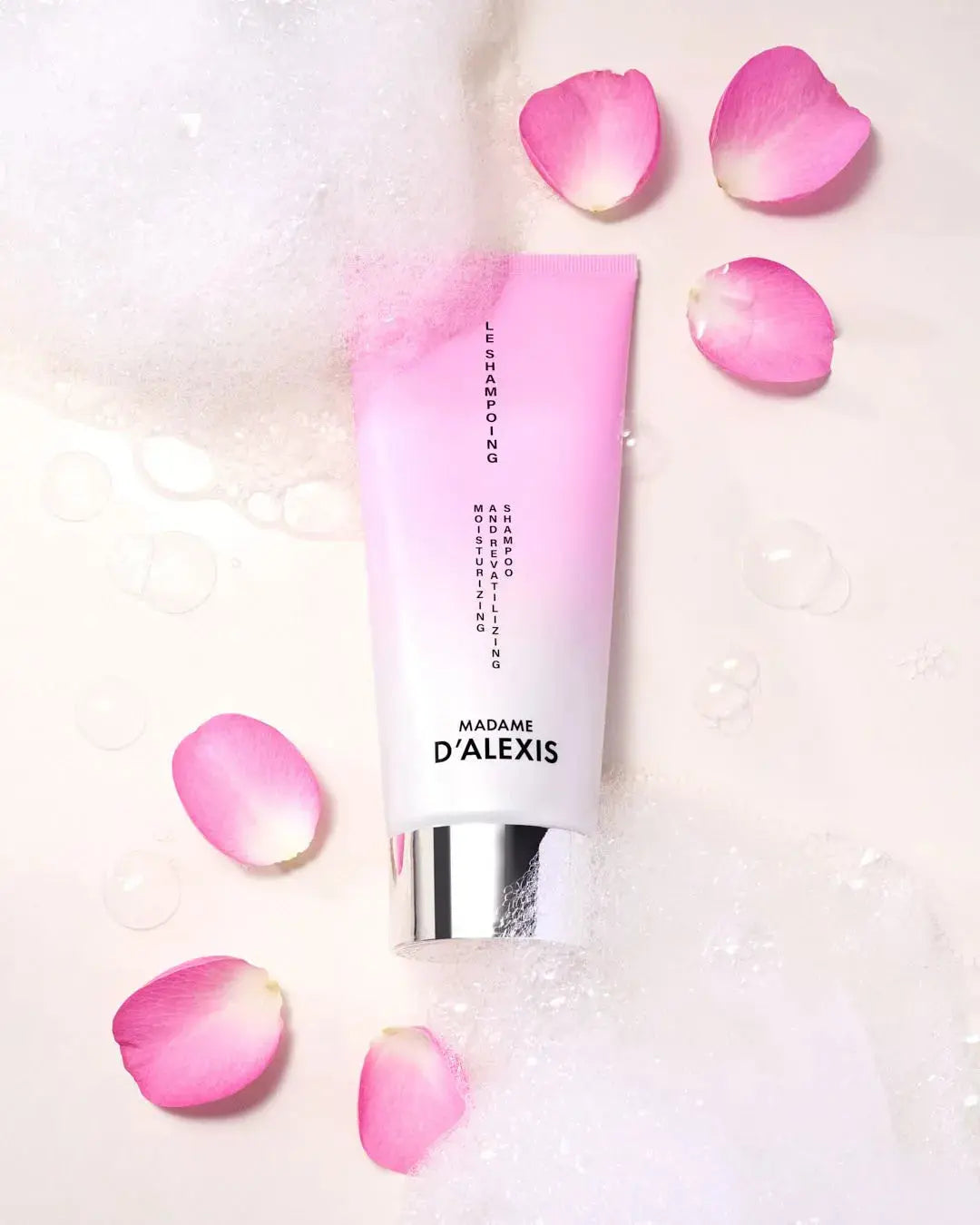
Shampoo with Hydrosols
Moisturizing Shampoo · Sulfate-Free · Organic Hydrosols
- Cleans without stripping the sensitive scalp
- Helps restore soft, beautiful, and shiny hair
- Suitable for straight, wavy, curly, or thick hair
Hair Type Classification: From 1A to 4C
Le système de référence utilisé en cosmétologie et en dermatologie divise les différents types de cheveux en quatre grandes catégories, chacune subdivisée en trois sous-types, A, B et C, selon le diamètre, la densité et la forme de la mèche.
This standard hair chart has become the foundation for the work of most hair care professionals. It doesn't just describe a shape—it reveals the hair fiber's structure, texture, and, consequently, specific needs.
| Type | Texture | Features | Sample Profile |
|---|---|---|---|
| 1A | Very fine rod | Flat cuticle, excessive sebum, no volume | A child's hair, very silky |
| 1B | Medium smooth | Slightly denser, with a natural sheen | Most European people have straight hair |
| 1C | Thick, smooth | Heavy, durable; may curl slightly at the nape of the neck | Thick, black Asian hair |
| 2A | Lightly corrugated | A wide, flowing wave, not very defined | A slight swell toward the end of the day |
| 2B | Distinctly wavy | More pronounced S-shaped waves; frizz may occur | Soft hair that puffs up in humid weather |
| 2C | Strongly corrugated | Very defined waves, almost curly, thick | Transition from wavy to curly |
| 3A | Wide loop | Flexible loop, about the diameter of a large marker | Shiny, bouncy curls |
| 3B | Tightly curled | Elastic loop, about the size of a pen | Thick curls, prone to dryness |
| 3C | Very tightly knitted | Curls as thin as a straw, very voluminous | Thick hair, noticeable shrinkage |
| 4A | S-Shaped Curls | Very tight spiral, still well-defined | Defined Afro hair, fine but fragile texture |
| 4B | Z-Shaped Curls | Angular, poorly defined, cottony curl | Maximum volume, high fragility |
| 4C | Ultra-tight curly hair | Almost no visible definition, severe shrinkage | Hair that looks very short, but is actually very long |
How can you determine your hair type?
The question “How do you determine your hair type?” comes up often, and the answer boils down to one rule: observe your hair in its most natural state possible. No blow-drying, no diffuser, and no styling products. This at-home assessment lets you see the most reliable indicator: the shape your strands naturally take.
Quick Diagnosis: 3 Simple Methods
Pick up a strand of hair that has fallen out, not one that has been pulled out. Lay it flat on a white surface to see if it remains straight, forms a wave, a curl, or a zigzag.
Wash with a mild shampoo, rinse, avoid touching your hair, and let it air dry. The shape that becomes visible after two hours reveals your hair texture.
Dip a clean piece of string into a glass of water. If it floats, the cuticle is fairly closed. If it sinks quickly, it is more open or damaged.
The Single-Hair Method
Pick up a strand of hair that has fallen out, not one that has been pulled out. Place it flat on a white surface.
- It remains perfectly straight: Type 1.
- It forms one or two broad waves: Type 2.
- It coils in a loose or tight spiral: Type 3.
- It forms very tight zigzags or appears to have no definite shape: Type 4.
This is the most reliable method for fine hair. For thick, dense hair, it can be misleading: a single strand of hair behaves differently than a whole section of hair.
The Natural Drying Method
Wash your hair with a mild shampoo, rinse thoroughly, do not touch your hair, and let it air-dry in a draft-free room. Observe the resulting shape after two hours.
This is the most accurate method for all hair types, including the thickest hair. It reveals the true behavior of your hair strands, without any mechanical interference.
What Your Hair's Porosity Reveals About Your Hair Type
Porosity refers to your cuticle’s ability to allow water and active ingredients to enter and then retain them. It helps determine your hair type.
- The hair stays buoyant for a long time: low porosity, closed cuticle—typical of types 1 and 2.
- The hair runs out quickly: high porosity, open cuticle—typical of types 3 and 4, or of damaged hair.
Porosity determines the choice of hair care textures: light and fluid for low porosity, and richer and more protective for high porosity.
Type 1: Straight hair, 1A, 1B, 1C
Straight hair has a naturally flat and well-aligned cuticle. This is both its strength and its weakness. The sebum produced by the scalp slides unimpeded along the hair shaft, which explains why the roots become oily quickly and why the lengths quickly appear dull.
Biological Needs
- Balances sebum production without irritating the scalp.
- Absolute lightness along the length.
- Regular cleaning, but not harsh.
Common Mistakes
- Apply a rich mask to the entire length of your hair, which will make it look flat and greasy the very next day.
- Use heavy oils as a finishing coat.
- Washing your hair too often with a harsh shampoo, which further stimulates sebum production.
To understand why oily roots get out of control, our article on the causes of oily hair explains the mechanisms involved.
Customized routine: This organic hydrosol shampoo, formulated with chamomile hydrosol, gently cleanses without disrupting the scalp’s natural balance. Pair it with a detoxifying scalp scrub once a week to remove excess sebum and styling product residue.
Type 2: Wavy hair, 2A, 2B, 2C
Wavy hair occupies a middle ground that is often misunderstood. Its cuticle is partially open: it absorbs moisture from the air, which causes frizz, but it doesn’t always retain moisturizing ingredients very well.
Type 2A hair, which is soft and supple, reacts to even the slightest amount of product. Type 2C hair, on the other hand, can look like curls in humid weather and waves in dry weather. This is the most unpredictable hair type—and often the most frustrating to manage.
Biological Needs
- Lightweight hydration that doesn't feel heavy.
- Smoothing the cuticle to reduce frizz.
- Definition of undulation without stiffness.
Common Mistakes
- Using too many styling products—mousses, gels, or creams—which weigh down the waves.
- Using a shampoo that's too harsh, which weakens the cuticle and increases frizz.
- Failing to rinse with cold water, which closes the cuticle.
If you have oily roots and ends that tend to be dry, our guide to combination hair—oily at the roots and dry at the ends —is for you.
Customized routine: shampoo with organic hydrosols for gentle cleansing, followed by a water-free night serum, in which Damask rose hydrosol provides light hydration and cationic hyaluronic acid smooths the cuticle without weighing down the waves.
Type 3: Curly hair, 3A, 3B, 3C
Curly hair has a naturally open cuticle. As a direct result, water penetrates easily but evaporates just as quickly. This is known as water loss from the hair fiber, and it is the main cause of dryness in curls.
The helical shape of curly hair also creates points of weakness at each bend. Mechanical handling—such as rubbing with a towel, using a brush or dry comb, or styling too aggressively—exacerbates these micro-breaks.
Biological Needs
- Deep and long-lasting hydration.
- Occlusion to retain water within the fiber.
- Definition of loops without stiffness.
- Protection against mechanical breakage.
Common Mistakes
- Rub your hair dry with a towel, which ruins the definition and breaks the curls.
- Use a sulfate-based shampoo that strips away the cuticle's natural lipids.
- Skip the mask step, thinking you'll save time.
For more information on hydrating the hair shaft, our article on hydrating dry hair offers practical tips.
Recommended routine: shampoo with organic hydrosols for gentle cleansing, a plant-based keratin mask—whose ceramides close the cuticle and improve moisture retention—followed by the Water-Free Night Serum as the final step to lock in hydration.
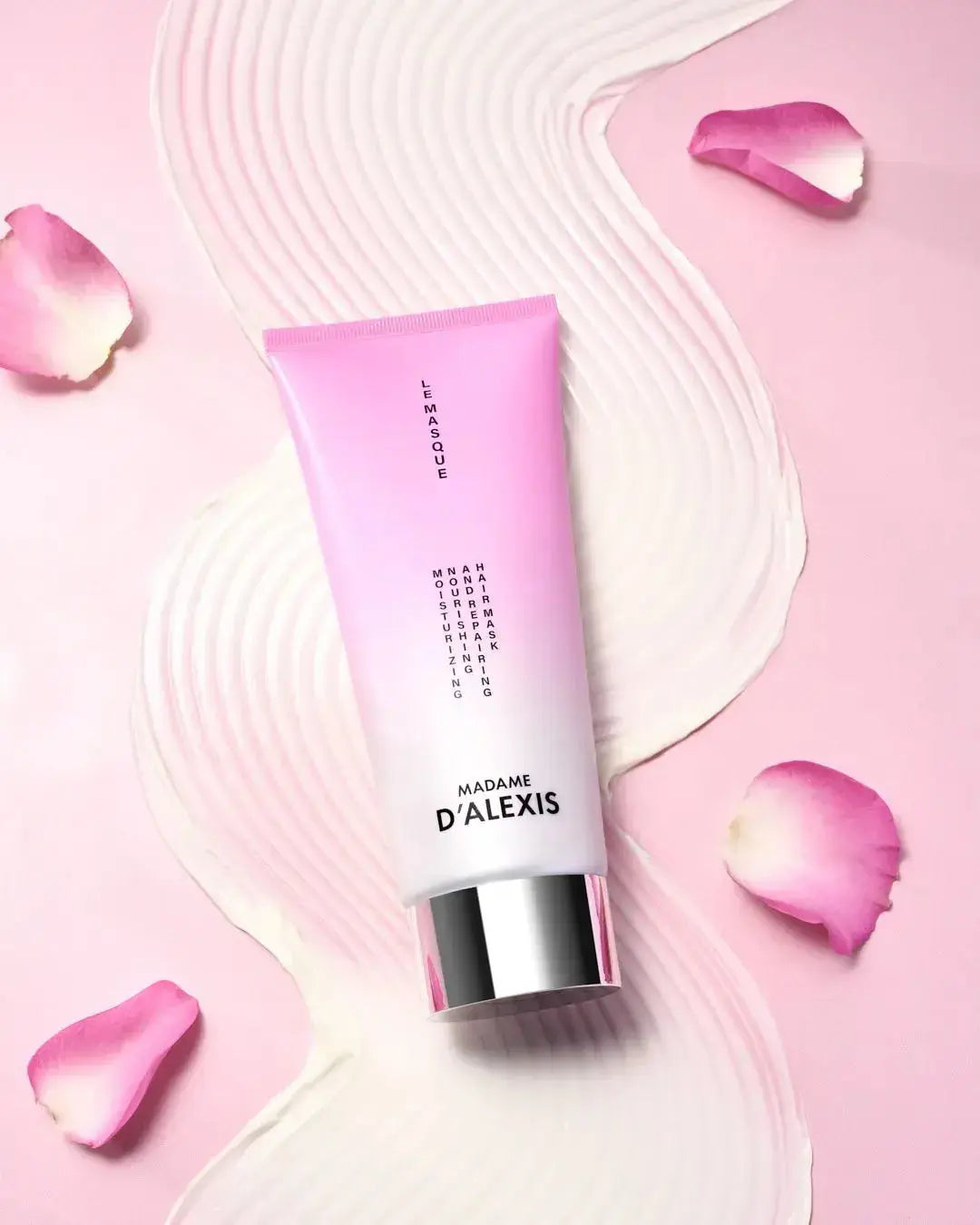
The Hydrosol Mask
Nourishing Mask · Ceramides · Hyaluronic Acid
- Helps nourish dry, brittle, or damaged hair
- Adds shine, softness, and comfort to the hair's mid-lengths
- Ideal for detangling and caring for curly hair
Type 4: Coily hair, 4A, 4B, 4C
Kinky hair is the most difficult to understand and the least well-served by conventional hair care products. Its cuticle is very open, its porosity is at its highest, and its zigzag shape creates a multitude of weak points along every centimeter of the hair shaft.
The sebum produced by the scalp hardly travels down the hair shaft at all. As a result, the lengths of the hair are structurally deprived of their natural lipid protection. Added to this is the particular vulnerability of the scalp’s microbiome, which is often disrupted by years of exposure to chemicals, relaxers, harsh hair dyes, or excessive handling.
Biological Needs
- Maximum water retention, LOC or LCO method.
- Strengthens hair to reduce breakage.
- Reduction in mechanical handling.
- Restoring balance to the scalp microbiome.
Common Mistakes
- Styling dry hair, when you should be working with damp hair or using a product that makes the hair slippery.
- Don't overlook occlusive agents—such as butters or thick plant oils—which lock in moisture.
- Washing too often with a harsh shampoo.
- Ignoring the health of the scalp in favor of focusing solely on the lengths of the hair.
Recommended routine: Start with the Exfoliating Scrub to rebalance the microbiome and oxygenate the scalp. Follow with the Hydrosol Mask to seal the cuticle and strengthen the hair shaft. Finish with the Night Serum, whose probiotic active ingredients help rebalance the scalp’s flora.
Summary Table: Hair Type, Needs, and Routine
| Type | Texture | Primary need | MDA Hydrosol (Suitable) | Key Products |
|---|---|---|---|---|
| 1 - Smooth | Stiff | Balances sebum, lightweight | German chamomile | ShampooScrub |
| 2 - Corrugated | S-shaped waves | Lightweight hydration, anti-frizz | Damask rose | ShampooNight Serum |
| 3 - Curly | Spirals | Deep hydration, moisture retention | Orange blossom | Face MaskNight Serum |
| 4 - Kinky | Tight zigzags | Water retention, microbiome | Orange Blossom and Probiotics | ScrubMaskNight Serum |
For hair types 3 and 4, our routine for curly and coily hair combines various treatments into a regimen designed specifically for curls and coily hair.
Which Madame d’Alexis products should you choose based on your hair type?
Now that you’ve identified your hair type, choosing the right hair care products becomes much simpler. The goal isn’t to use an entire product line at random, but to build a consistent hair care routine based on your hair’s texture, density, oiliness, hair shaft thickness, and scalp sensitivity.
| Hair type | Primary need | Recommended Madame d’Alexis Products | Why this routine? |
|---|---|---|---|
| 1Straight, fine, or oily hair | Lightweight, balanced sebum levels, volume, and shine without weighing hair down. | The shampoo gently cleanses, moisturizes, and respects the microbiome. The scrub helps purify the scalp, remove styling residue, and add lightness right from the roots. | |
| 2Wavy Hair | Light hydration, anti-frizz, softness, and natural definition. | The Shampoo prepares the hair shaft without weighing it down. The Day Serum tames frizz and adds shine. The Night Serum helps keep the scalp hydrated and promotes comfort at the roots. | |
| 3Curly or Wavy Hair | Deep hydration, definition, detangling, softness, and protection against breakage. | The Mask nourishes and repairs the hair shaft, while the Day Serum locks in moisture, reduces frizz, makes styling easier, and protects the lengths of your hair every day. | |
| 4Kinky or very textured hair | Water retention, fiber fortification, microbiome, and density. | The Scrub cleanses the scalp, the Mask provides intense nourishment, and the Night Serum works to improve hair density, growth, root strength, and microbiome balance. |
The right diagnosis helps you avoid common mistakes: over-nourishing fine hair, not moisturizing curly hair enough, or neglecting the scalp in a routine for frizzy, sensitive, or flat hair.
What Your Hair Type Says About Your Microbiome
This is an aspect that traditional cosmetology still too often overlooks. Hair type indirectly influences the scalp environment and, therefore, the balance of its microbiome.
Research published on PubMed shows that the level of sebum on the scalp is one of the main factors shaping the local microbial composition. An oily scalp, typical of types 1 and 2, promotes the proliferation of lipophilic bacteria such as Cutibacterium and yeasts such as Malassezia. An excess of these microorganisms can lead to dandruff, itching, or chronic low-grade inflammation that weakens the hair follicle.
Conversely, types 3 and 4 often have a drier scalp with lower sebum production, which can contribute to other microbial imbalances, especially when combined with years of chemical treatments or aggressive styling techniques.
- Types 1 and 2: Prioritize regular but gentle cleansing, without harsh exfoliation. Hydrosols that balance sebum are valuable allies for regulating the skin without disrupting its natural flora.
- Types 3 and 4: Exfoliating the scalp isn’t a luxury—it’s a functional step. It removes residue that clogs the follicles and creates an environment conducive to a balanced microbiome.
Choosing a sulfate-free shampoo for oily hair is also a microbiome-based decision: sulfates strip away not only sebum but also the scalp’s natural protective biofilm.
FAQ: Frequently Asked Questions About Hair Types
What are the different types of hair?
Hair types are generally classified into four categories: straight hair, wavy hair, curly hair, and coily hair. Type 1 hair is straight, often shiny but sometimes lacking volume. Type 2 hair has waves, Type 3 has curls, and Type 4 has very tight spirals.
This classification helps us understand hair texture, thickness, density, hair type, and how easily it can be styled. It also makes it easier to distinguish between fine hair, oily hair, normal hair, dry hair, and thick hair, since each hair type has a visible characteristic that guides the best care recommendations.
How can you determine your hair type?
To identify your hair type and determine it accurately, observe the natural state of your hair after a gentle wash—without blow-drying, styling balm, or any styling products. Let it air-dry, then see if the strand remains straight, forms a wave, a curl, or a zigzag.
Hair texture is also evident in the hair’s overall appearance: straight hair, curly hair, normal hair, dry hair, oily hair, lack of volume, brittle ends, visible density, or damaged strands. A thorough at-home assessment should also take into account the health of the scalp, the presence of dandruff, hair loss, and how easily the hair can be detangled and styled on a daily basis.
What hair care products are best for each hair type?
Hair care recommendations depend on your hair type. Straight hair requires a lightweight formula; fine hair needs volume without weighing it down; oily hair benefits from an occasional deep cleanse; normal hair needs balance; and curly or coily hair requires a more nourishing hair mask.
To care for your hair, establish a simple hair care routine: use a suitable shampoo, a moisturizing product if your hair is dry, a nourishing mask for long, thick, or damaged hair, and a leave-in treatment if styling becomes difficult. Kinky and curly hair require extra attention when it comes to detangling, sun exposure, breakage, and hair loss.
How do you take care of dry hair?
Dry hair needs hydration, nourishment, and protection. A moisturizing product, a nourishing mask, a lightweight oil, or an occasional oil treatment can help nourish the hair shaft and restore soft, beautiful, and shiny hair.
The cause may be a lack of sebum, sun exposure, blonde hair coloring, or a hair care routine that’s too harsh. The best approach is to limit heat, detangle gently, choose a suitable hair care line, and maintain the lengths regularly.
What are the different hair types?
The best-known hair classification system is Andre Walker’s. It distinguishes between Type 1 straight hair, Type 2 wavy hair, Type 3 curly hair, and Type 4 coily hair. Each hair type is then subdivided into A, B, and C based on shape, thickness, density, and curl characteristics.
This classification is based on hair’s natural shape, but it must be considered in conjunction with hair type: normal hair, dry hair, oily hair, fine or thick hair texture, sensitive hair, damaged hair, hair loss, or lack of shine.
How can I tell if my hair is normal?
Normal hair is well-balanced: it doesn’t get oily too quickly, isn’t too dry, remains easy to style, is soft to the touch, and has a visible shine. It looks even, the strands retain a nice suppleness, and the scalp shows no signs of discomfort.
Normal hair can be fine, thick, blond, straight, or curly. The key indicator is balance: minimal dandruff, minimal breakage, consistent shine, good overall hair health, and easy styling between washes.
Is one hair type better than another?
No, there is no such thing as a “best” hair type. Every texture has its advantages and limitations. Straight hair easily reflects light, curly hair naturally creates volume, kinky hair offers strong visual density, and normal hair often gives the impression of balance.
The reason someone may find their hair difficult to manage often stems from an inappropriate routine, not the hair type itself. The right approach is to choose a hair care product that suits your hair, its current condition, and its actual needs.
Can you have more than one hair type on the same head?
Yes, many women and men have different textures throughout their hair. The hair at the nape of the neck may be more wavy, the hair at the temples straighter, and the hair on top thicker or more brittle. Some strands may also form curls, while others remain almost straight.
In this case, you need to treat the most delicate area with the utmost care. This is also why a personalized assessment—whether at a salon, at home, or through a specialized blog—can help you establish a more effective routine.
What is the difference between hair type and hair texture?
Hair type describes the texture: straight, wavy, curly, or kinky. Hair condition describes the state of the hair shaft: normal, dry, oily, sensitive, colored, brittle, or thinning.
So you can have Type 1 hair that’s oily, or very dry curly hair. Both factors are important to consider when choosing a hair care routine, shampoo, hair mask, exfoliator, or finishing treatment.
How do you choose hair care products online based on your hair type?
Before placing an order online, first assess your hair texture, density, shine level, and any visible signs—such as dry ends, lack of volume, buildup, hair loss, or a sensitive scalp. A thorough product description should help you understand who the product is intended for.
When shopping at a beauty store, be sure to check the terms of sale, the shipping policy, loyalty benefits, the newsletter, and any special offers, such as free shipping. While this doesn’t replace a professional consultation, it can help you choose a product line that’s right for you.
Does colored or bleached hair change its texture?
They do not change hair type in the strict sense, since the shape of the follicle remains the same. However, coloring—especially on lightened blonde hair—can alter porosity and make the hair shaft drier, more brittle, and more sensitive.
After coloring, hair can therefore become more fragile. It often requires a nourishing mask, a moisturizing product, and a more protective hair care routine.
How can you adjust your routine if you don't know your skin type yet?
Start with the air-drying test described above. In the meantime, stick to a simple routine: a gentle shampoo or a very gentle solid shampoo, a lightweight moisturizer, no heavy styling products, and see how your hair looks after two or three washes.
Next, adjust gradually. If your hair gets oily quickly, use a lighter product. If it becomes brittle, use a nourishing product. If it lacks volume, avoid products that are too heavy. If your curls form but fall apart, add a defining product.
Is curly hair necessarily dry?
Not always, but they're more prone to it. Curly hair prevents sebum from traveling easily down the hair shaft. The tighter the curl, the drier the ends can become.
A hair mask, a moisturizing treatment, and taking special care when detangling can help restore suppleness, a beautiful shine, and hair that’s easier to style.
Useful sources
- Walker, A.: Andre Walker Hair Typing System, a standard for hair classification used in professional cosmetology.
- Saxena R. et al.: “Longitudinal study of the scalp microbiome suggests that coconut oil enriches healthy scalp commensals,” Scientific Reports, 2021.
- Grimshaw S. et al.: “A Healthy Scalp Microbiome,” International Journal of Cosmetic Science, 2022.
- Aroma-Zone: Product Information Sheet for Organic German Chamomile Hydrosol.
- Typology: German Chamomile Hydrosol Fact Sheet.

