Conseils
Hair and stress: how cortisol triggers hair loss (and how to take control)
Stress raises cortisol, which drives follicles toward hair loss and disrupts the scalp microbiome. The complete mechanism and the natural routine to regain control for good.

Hair and stress: how cortisol triggers hair loss
Stress doesn’t just tire the body. It alters the hair cycle, disrupts the scalp microbiome, and can trigger diffuse hair loss several weeks after a stressful event.
Stress and hair loss are no waiting room myth: it’s a documented hormonal mechanism.
Cortisol, the stress hormone, pushes follicles to prematurely leave their growth phase. The result: diffuse hair loss that appears 2 to 4 months after a stressful event, known as telogen effluvium.
What most brands don’t say: cortisol also affects the scalp microbiome. By disrupting this flora, it fuels local inflammation that prolongs hair loss long after the initial stress has ended.
The good news: there are solutions—sleep, physical activity, meditation, targeted scalp care, and nutrition—but they take 6 to 12 weeks to show a visible effect on hair density.
Two essential scalp steps
When stress affects the hair cycle and microbiome, the goal is simple: purify without stripping, then support the scalp overnight.
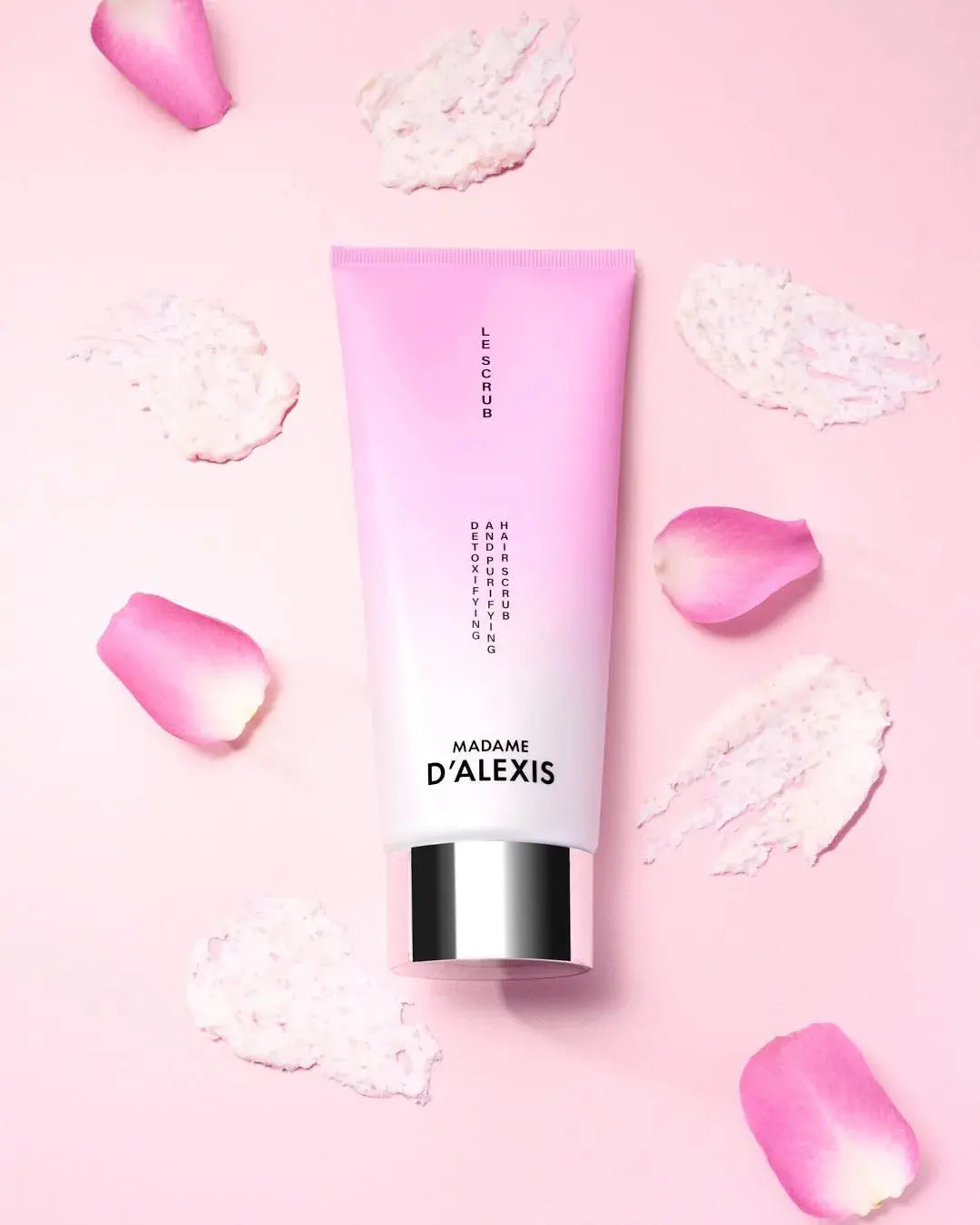
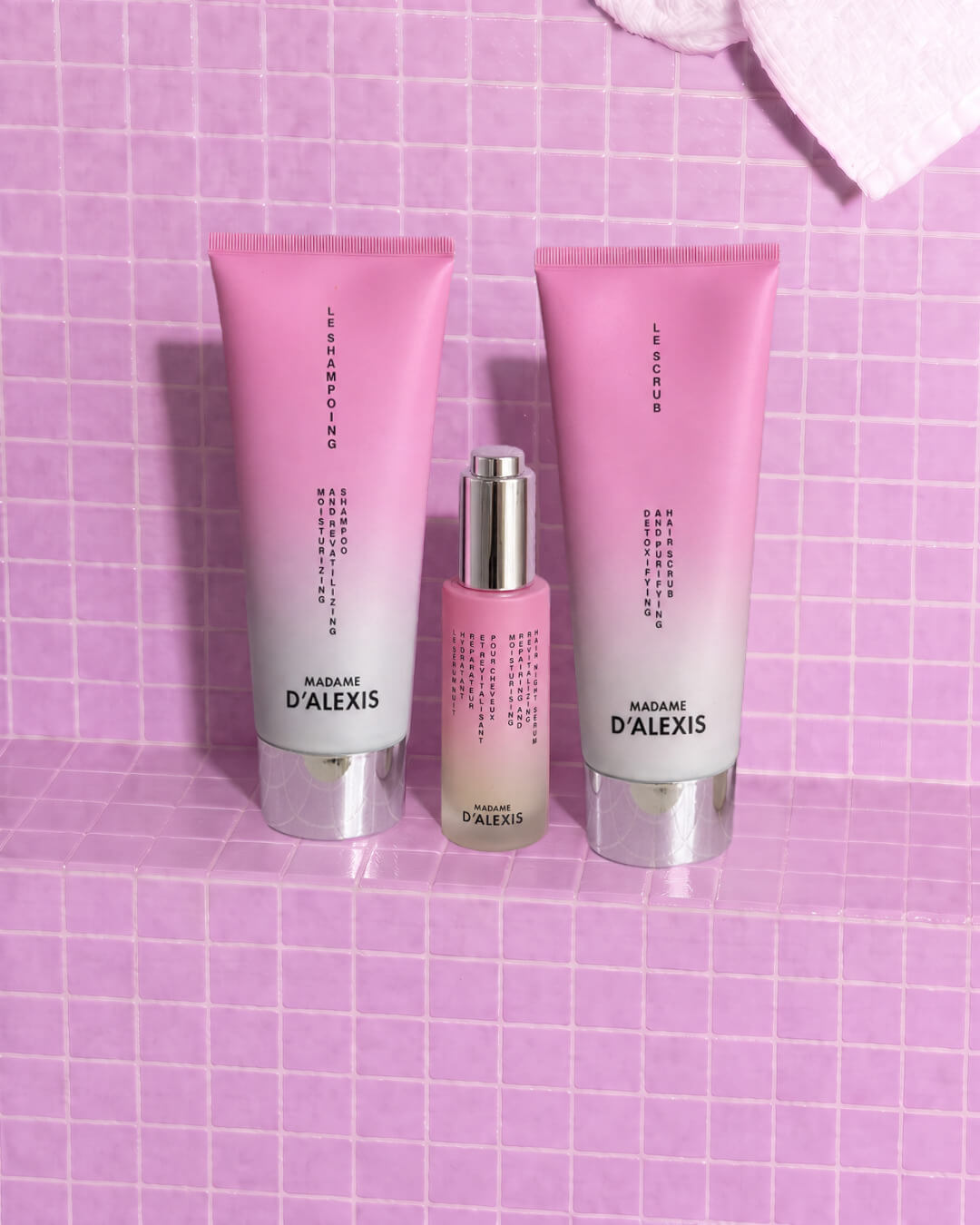
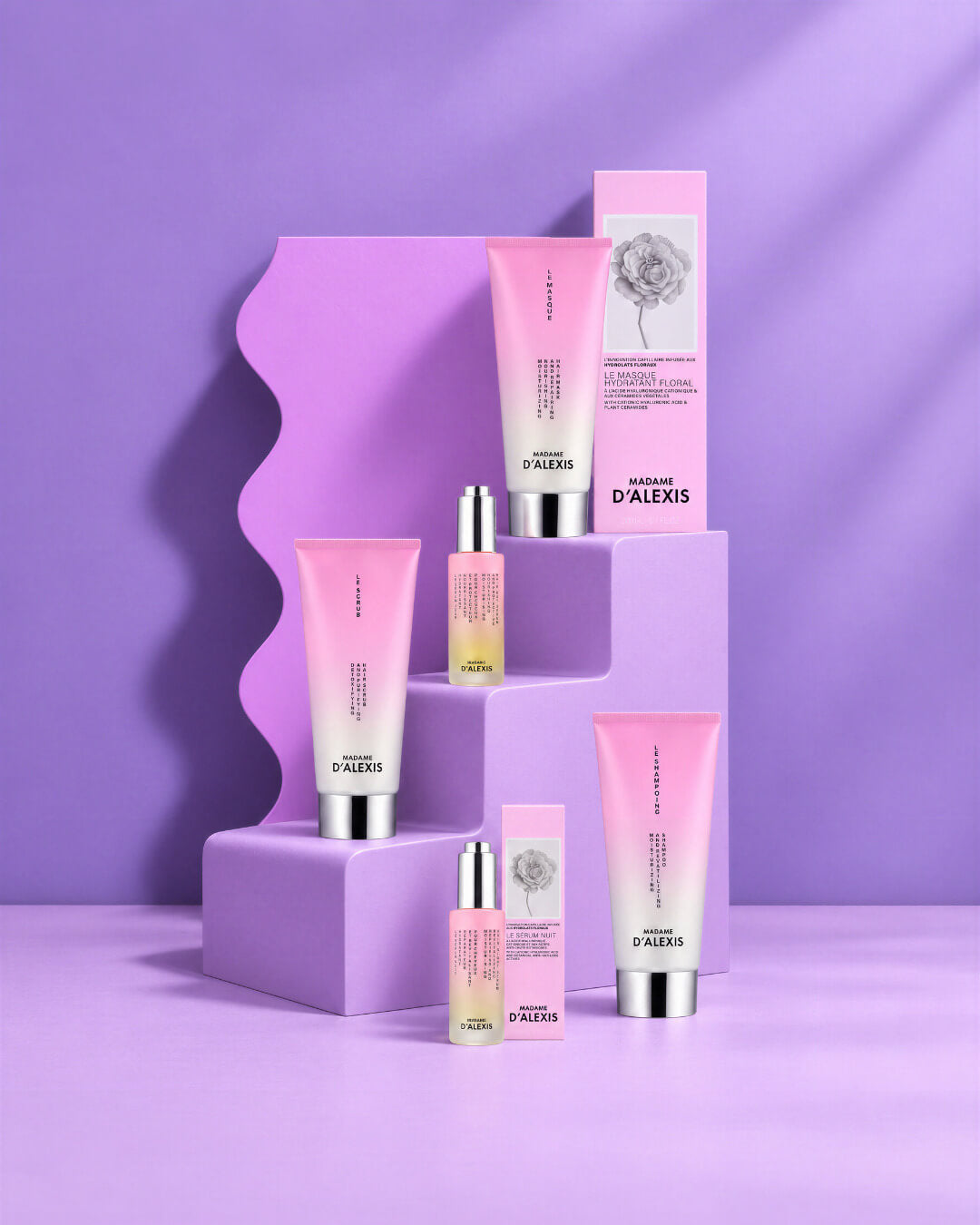
Detoxifying & Purifying Floral Scrub
Gentle exfoliation · scalp
- Micronized sea salt
- Active organic hydrosols
- Purifies without irritation
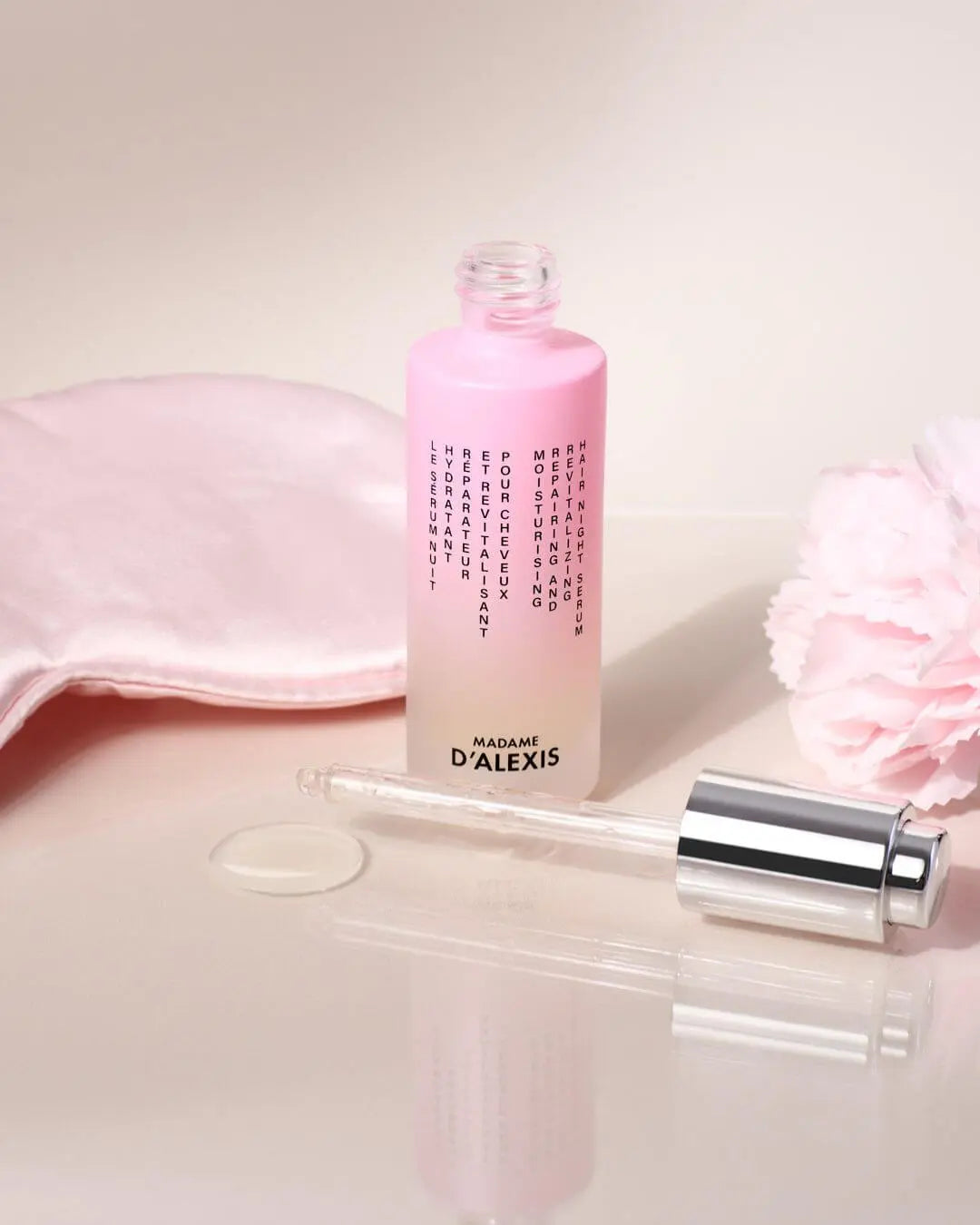
Anti-Hair Loss & Densifying Night Serum
Probiotics · postbiotics · density
- Scalp, part by part
- Helps boost density
- Leave-in nighttime routine
The stress → cortisol → hair loss mechanism
Stress-related hair loss does not occur at the time of the stressful event. Cortisol signals the follicle to leave its growth phase too early, and visible hair loss only appears a few weeks later. This delay is what makes the phenomenon so difficult to identify.
Mental load, emotional shock, postpartum, fatigue, or a demanding period at work.
The stress axis activates and disrupts the follicle’s natural signals.
The growth phase shortens, and more hairs enter the resting phase.
Hair loss becomes visible 2 to 4 months later, often when brushing or showering.
The hair cycle, in summary
Each hair follows a three-phase cycle. Normally, about 85 to 90% of hairs are in the anagen phase. This is the ratio that stress disrupts.
Active growth phase. It lasts 2 to 7 years and must remain dominant to preserve density.
Short transition phase, about 2 to 3 weeks. The follicle slows its activity.
Resting phase. The hair remains attached and then naturally falls out after 2 to 4 months.
What cortisol does to the follicle
When stress becomes significant—grief, emotional shock, an intense workload, or postpartum hair loss—the hypothalamic-pituitary-adrenal axis activates, and cortisol production rises.
Cortisol suppresses GAS6, a signal that awakens follicular stem cells. The follicle more easily remains dormant.
It accelerates the degradation of hyaluronic acid and proteoglycans, making the follicular environment less stable.
Research published in Nature by a team from the Harvard Stem Cell Institute showed that cortisol acts directly on dermal papilla cells by suppressing a protein called GAS6, an awakening signal for follicular stem cells. Without this signal, stem cells remain dormant and do not restart a new growth phase.
This precise mechanism has a clinical name: telogen effluvium, a massive and synchronized anagen disruption affecting a large number of follicles.
Why hair loss occurs with a delay: a follicle prematurely pushed into the telogen phase remains attached to the scalp for another 2 to 4 months before falling out. The hair loss observed today can therefore be the result of stress experienced several weeks earlier.
According to the Cleveland Clinic, telogen effluvium potentially affects anyone exposed to sufficiently intense physical or psychological stress and remains, in the vast majority of cases, reversible. It can also occur alongside seasonal hair loss, making diagnosis more difficult.
Cortisol and the scalp microbiome: the path few brands explain
This is where part of the stress-related hair loss comes into play, largely under-addressed in general content on the subject.
A living ecosystem, not just skin
The scalp hosts its own scalp microbiome: bacteria, yeast, sebum, and the hydrolipidic film work together.
This ecosystem protects the follicle, regulates local inflammation, and contributes to the skin barrier. When stable, it serves you without you noticing. When it becomes unbalanced, the scalp lets you know: tightness, dandruff, excess sebum, and lingering hair loss.
How cortisol disrupts the scalp flora
A review published in PMC details the mechanism: cortisol alters the composition of sebum and locally suppresses the skin’s immune defenses. This dual effect creates a favorable environment for the proliferation of Malassezia, a yeast normally present in small quantities.
When Malassezia proliferates, it metabolizes lipids from sebum and releases irritating free fatty acids. These compounds impair keratinocyte function and trigger a local inflammatory response.
In other words: stress doesn’t just push follicles toward hair loss. It also alters the microbial environment in which these follicles must regrow.
The cytokine inflammatory cascade
Once dysbiosis is established, it fuels a cascade of pro-inflammatory cytokines, notably IL-6 and IL-8, which amplify local inflammation.
Inflammation adds a second factor of hair loss in addition to cortisol’s direct action.
This explains the tightness, itching, and sensations of discomfort that sometimes accompany hair loss.
Research on alopecia areata also shows distinct dysbiosis profiles, with pro-inflammatory cytokine levels correlating with clinical severity. The microbiome is not a peripheral player: it is a major driver of the problem.
The dysbiosis-stress vicious cycle
This mechanism works in both directions. Stress disrupts the microbiome, which fuels inflammation, which prolongs hair loss, and hair loss itself becomes an additional source of stress.
This is precisely why it is not enough to manage stress in general: treating the scalp environment at the same time shortens the cycle and limits relapse.
Specific symptoms: diffuse hair loss, itching, and unbalanced sebum
Diffuse hair loss vs. localized alopecia
The most reliable sign of stress-related hair loss: it is diffuse, spread across the entire scalp, without a specific bald patch.
Hair falling out everywhere, when brushing or showering, without a clear patch.
A round patch, thinning at the temples or crown, or continuous worsening requires a specialist’s opinion.
A simple test: gently pull a strand of hair between your fingers. If you collect more than 5 or 6 hairs with each pull, across several areas of the scalp, it is consistent with telogen effluvium.
Itching and unusual sensations
Contrary to the misconception of silent hair loss, stress is often accompanied by sensory signals: an itchy scalp, tightness, heat, or localized itching.
These symptoms are directly explained by the dysbiosis and inflammatory cascade described above. They are not insignificant: they indicate that the skin environment, and not just the follicle cycle, needs attention. A complete routine for an irritated scalp can then help restore comfort.
Sebum imbalance
Cortisol acts on the sebaceous glands, whose activity is directly regulated by stress hormones. Two scenarios occur, sometimes in the same person depending on the period.
Scalp that becomes greasy more quickly, hair that looks dirty within 24 hours.
Scalp that feels tight, duller hair, drier ends.
This sebum imbalance is not a secondary symptom: it alters the balance of the microbiome, closing the loop with the dysbiosis mechanism seen above.
Stress management techniques: results in 6 to 12 weeks, not 3 days
An important methodological point: the hair cycle has inertia. Even if you reduce stress starting today, you must wait for the follicles already pushed into the telogen phase to complete their cycle before seeing a visible improvement.
| Lever | Mechanism on cortisol | Realistic timeframe before visible effect on hair |
|---|---|---|
| Meditation / breathing | Reduction in salivary cortisol measured after 8 weeks of regular practice. | 8 to 12 weeks |
| Sleep 7-9 hours, consistency | Cortisol follows a circadian rhythm; fragmented sleep maintains an abnormal evening spike. | 6 to 10 weeks |
| Moderate physical exercise | Decrease in baseline cortisol after a regular program; the opposite effect occurs with overtraining. | 8 to 12 weeks |
Meditation and breathing
Mindfulness meditation and heart coherence exercises—6 breaths per minute, 5 minutes, 2 to 3 times a day—are among the best-documented interventions for reducing salivary cortisol.
The effect is not instantaneous: studies showing a measurable decrease in cortisol generally use protocols of at least 8 weeks, practiced almost daily.
Sleep
Cortisol follows a natural curve: high in the morning to wake you up, it must gradually decrease throughout the day. Insufficient or fragmented sleep keeps this level abnormally high in the evening.
Aiming for consistency in bedtime/wake-up time, rather than just sleep duration, is the most actionable daily lever.
Physical exercise
Moderate and regular physical activity—brisk walking, swimming, cycling, 3 to 4 times a week—lowers baseline cortisol over time. However, beware of overtraining: exercise that is too intense, without sufficient recovery, has the opposite effect.
External care for microbiome resilience
Since dysbiosis fuels hair loss as much as the cortisol spike itself, acting on the scalp environment alongside stress management accelerates the return to balance.
Gentle scalp exfoliation, once or twice a week, removes excess oxidized sebum and dead cells that fuel the proliferation of Malassezia. The goal is not to strip: a gentle scalp scrub is enough to limit the environment conducive to dysbiosis without irritating the skin barrier.
Detoxifying & Purifying Floral Scrub
Gentle exfoliation · scalp
- Micronized sea salt
- Active organic hydrosols
- Purifies without irritation
Topical probiotics and postbiotics represent the approach most aligned with the microbiome mechanism described above. Unlike ingested probiotics, whose effect on the scalp flora remains poorly documented, topical formulations act directly on the scalp.
Rebalance the resident flora rather than neutralizing it.
Strengthen the skin barrier weakened by inflammation.
Reduce local inflammatory signals that perpetuate the cytokine cascade.
This is a care logic similar to the one we already apply to facial skin: treating the microbiome as a full-fledged organ, not just a consequence of sebum.
Within this logic, the Anti-Hair Loss and Densifying Night Serum with Probiotics is applied directly to the scalp, part by part, to support the nighttime regeneration phase.
Anti-Hair Loss and Densifying Night Serum
Probiotics · postbiotics · density
- Scalp, part by part
- Helps boost density
- Leave-in nighttime routine
Nutritional support: magnesium, B vitamins, adaptogens
Diet alone does not reverse a cortisol spike, but certain nutrients directly support the stress axis and follicle quality.
Plays a role in regulating the hypothalamic-pituitary-adrenal axis. Bisglycinate forms are often better tolerated.
B6, B9, and B12 contribute to energy metabolism and neurotransmitter synthesis.
Ashwagandha shows measurable effects on cortisol, but should be used as part of a structured course.
Magnesium plays a role in regulating the hypothalamic-pituitary-adrenal axis. A deficiency is associated with increased stress reactivity. It is found in nuts, legumes, dark chocolate, and magnesium-rich mineral waters.
B vitamins contribute to cellular energy metabolism and the synthesis of neurotransmitters involved in stress regulation. A B12 deficiency can also be a standalone factor in hair loss.
Adaptogens, including ashwagandha, show measurable effects on cortisol. However, the National Institutes of Health reminds us that there are no studies beyond 3 months, which calls for structured use as part of a course, rather than indefinite continuous use.
These nutrients work as foundational support, not as an isolated solution: they make the most sense when combined with the sleep, exercise, and scalp care strategies discussed above.
Temporary stress vs. chronic stress: when to consult a professional
What qualifies as a temporary episode
Acute telogen effluvium generally lasts less than 6 months. It appears after an identifiable event and resolves spontaneously once the cause is treated.
The shedding remains diffuse, with no bald patches.
It gradually subsides over a few months.
Regrowth generally begins between 3 and 6 months, with possible recovery within 12 months.
When density appears permanently reduced, it may also be useful to compare it with the signs of thinning hair, to distinguish reactive shedding from more established density loss.
What should prompt concern and a consultation
A dermatological consultation becomes necessary if shedding persists beyond 6 months, if it worsens instead of slowing down, if localized bald patches appear, if redness, patches, or pain accompany the shedding, or if the situation causes significant anxiety.
A dermatologist can confirm the diagnosis through a clinical examination, sometimes supplemented by a biopsy or blood test, and rule out androgenetic alopecia or alopecia areata, which require different management.
FAQ: Hair and stress
What causes hair loss?
There are multiple causes of hair loss: stress is one of the main ones, alongside chronic fatigue, emotional shock, iron, B12, or zinc deficiency, or thyroid dysfunction. Hair loss due to intense stress generally manifests 2 to 4 months after the triggering episode, in a diffuse form.
How to manage stress to prevent hair loss?
Managing stress involves simple but consistent strategies: quality sleep, moderate physical activity, daily breathing exercises, or relaxation. It is important to distinguish acute, one-off stress from chronic stress, which persists for several months and perpetuates hair loss and scalp inflammation.
What solutions are available for hair loss?
Several solutions exist for hair loss related to stress. No miracle product can replace stress management itself, but complementary treatments help: probiotic topical scalp care, appropriate supplements, and medical treatments in cases of persistent or mixed hair loss. Regrowth generally begins 3 to 6 months after stress subsides.
How does stress affect hair?
Stress affects hair through several combined pathways. Cortisol disrupts the hair cycle by prematurely pushing the follicle into its resting phase. It also generates oxidative stress and reduces local blood circulation, limiting the supply of nutrients essential for growth.
What are the effects of stress on hair?
The effects of stress on hair are primarily visible as diffuse shedding. Intense, one-off stress generally causes reversible shedding within a few months, while long-term stress worsens the phenomenon and may be accompanied by itching or excess sebum.
How to recognize reactive shedding?
Reactive shedding is characterized by diffuse loss, which is more noticeable when brushing or showering, without round patches or bald areas. It occurs 2 to 4 months after an emotional shock, surgery, or childbirth.
What advice is available to improve hair health?
To improve hair health, focus on a comprehensive approach: a balanced diet, regular sleep, physical activity, appropriate washing, gentle scalp exfoliation, and targeted microbiome care. When maintained over time, these habits make a real difference in density.
Useful sources
- Cleveland Clinic - Telogen Effluvium
- PMC / National Library of Medicine - Scalp microbiome and inflammatory mechanisms
- Journal of Drugs in Dermatology - Stress and the Hair Growth Cycle: Cortisol-Induced Hair Growth Disruption
- National Institutes of Health, Office of Dietary Supplements - Ashwagandha Fact Sheet
- Journal des Femmes Santé - Telogen effluvium: symptoms, duration, treatment