Advice
Solid Shampoo: Benefits, Limitations, and How to Choose the Right One


A small bar of shampoo sitting on the shower ledge, no more plastic bottles, a lighter suitcase: solid shampoo has taken bathrooms by storm in just a few seasons. It checks a lot of boxes—zero waste, compact size, concentrated formula. However, after a few weeks, some people notice coarse hair, a tight scalp, or dull ends. The format itself isn’t the problem—it all depends on what’s in the bar, your water, and how you use it.
In this guide, we take an honest look at solid shampoo: how it’s made, what sets a saponified bar apart from a syndet, its real benefits, its limitations, best practices, and the criteria for choosing the right one based on your hair type. And if you especially like the concept—a concentrated formula without excess water—we’ll see that there’s another way to enjoy it.
What exactly is a solid shampoo?
A solid shampoo is a shampoo that comes in the form of a bar, a pebble, or a block, formulated with little to no water. Whereas a traditional liquid shampoo consists mainly of water, the solid shampoo concentrates its cleansing base, oils, butters, and active ingredients into a small volume. Simply wet it to create lather.
This concentration accounts for its environmental benefits: less packaging—often just a simple cardboard box—less weight to transport, and a reduced need for preservatives, since water is the medium in which microorganisms thrive. This is also why a well-preserved loaf of bread lasts a long time.
But the term “solid” actually encompasses two very different product categories, and that’s what determines the quality of the results on your hair.
Solid shampoo: saponified or syndet? What's the difference?
Saponified shampoo: soap for your hair
Saponified soap is produced through saponification: vegetable oils and butters react with lye to form soap. Its INCI list includes ingredients such as sodium olivate, sodium cocoate, and sodium shea butterate. It is generally superfatted, meaning it is rich in unsaponified fats, which gives it a soft texture.
What makes it unique: an alkaline pH, much higher than that of the scalp, which is slightly acidic. This pH lifts the scales of the cuticle, the protective layer of the hair shaft. Possible results: coarser, more tangled hair and a loss of shine, especially in colored or porous hair. That’s why an acidic rinse—using diluted apple cider vinegar—is often recommended after using a soap-based shampoo.
Syndet, a cleansing bar made with surfactants
Syndet (short for “synthetic detergent”) is not soap. It is a compressed bar made from surfactants, often of plant origin, such as SCI (sodium cocoyl isethionate), which is known for being gentle, or SCS (sodium coco sulfate), which lathers more but can potentially irritate sensitive scalps. Its pH is closer to that of the skin, making it gentler for everyday use, especially for color-treated hair.
The downside: Many solid shampoos sold today are syndets, and their gentleness depends entirely on the main surfactant. A “natural” solid shampoo bar made with SCS isn’t necessarily gentler than a good liquid shampoo. To understand these cleansing agents, our article on the difference between sulfate-free and sulfate-containing shampoos explains which surfactants to look for.
What are the benefits of solid shampoo?
- Zero waste—or almost: no plastic bottles, recyclable cardboard packaging, or no packaging at all.
- A travel-sized format: lightweight and compact, it can be carried in your carry-on without any restrictions on liquids.
- A concentrated formula: with no added water, every gram counts, and the bar often lasts a long time if it dries thoroughly between washes.
- Fewer preservatives: The absence of an aqueous phase reduces the need for preservative systems.
- An INCI list that’s often short and easy to read once you learn how to decipher the ingredients in your cosmetics.
These benefits are real, and they explain why organic solid shampoo has become a symbol of the eco-friendly bathroom.
What are the limitations of solid shampoo?
Solid-form products aren't automatically better for all hair types. Here are the most common limitations:
- The transition phase with saponified shampoos: When switching from a conventional shampoo, your hair may appear greasy, stiff, or sticky for a few weeks, until the residue from your previous routine is completely washed out.
- Hard water: Mineral deposits react with soap to form an insoluble residue that dulls and weighs down the hair shaft. If you have hard water, read our guide onhard water and hair.
- Rinsing: If you don't rinse your hair thoroughly, a film will remain on the lengths, especially on thick or long hair.
- Friction: Rubbing the shampoo directly onto the lengths of your hair can cause tangles and weaken fine, curly, or damaged hair.
- Storage: If left in the shower water, the bread will get soggy, fall apart, and go to waste.
- The amount used: It's harder to tell exactly how much product you're applying, which can result in washes that are either too mild or too harsh.
How do you use a solid shampoo without damaging your hair?
- Wet your hair and scalp thoroughly with lukewarm water.
- Work the shampoo into a lather in your hands rather than rubbing it along the length of your hair. If you apply it to your head, limit yourself to the scalp, using a few back-and-forth strokes in the direction of hair growth.
- Massage your scalp with your fingertips: that's what you need to wash; the lather that runs down is enough for the rest of your hair.
- Rinse thoroughly—longer than you would with liquid shampoo—until your hair no longer feels slippery to the touch.
- Finish with a treatment: an acidic rinse after using a soap-based product, a mask, or a conditioner on the lengths—whichever you choose.
- Let the bread dry on a perforated soap dish, out of the shower stream.
The right hair-washing habits remain the same regardless of hair length: our step-by-step guide will help you achieve the perfect shampoo.

Solid or liquid shampoo: which one should you choose?
The debate often boils down to “solid = natural, liquid = chemical.” The reality is more nuanced. What matters for your hair isn’t the product’s form, but its cleansing base, its concentration of active ingredients, and how gently it treats your scalp.
| Criterion | Solid shampoo | Classic Liquid Shampoo | Liquid skincare product with no added water |
|---|---|---|---|
| First ingredient | Surfactant or soap | Often water | Organic hydrosols |
| Concentration | High | Variable, often diluted | High |
| Dosage | Approximate | Easy | Easy |
| Hard water | Gentle on soap-treated fabrics | According to the formula | According to the formula |
| Packaging | Cardboard or none | Bottle | Bottle |
In most liquid shampoos, water is the first ingredient: it serves as a neutral solvent and dilutes the formula. Solid shampoo eliminates this water, which explains its high concentration. A third option exists: replacing water with active ingredients. This is the principle behind shampoo with no added water, where organic hydrosols take the place of water right from the first line of the INCI list.
Madame d'Alexis does not offer solid shampoo, and this is a deliberate formulation choice. Hydrosols are distilled floral waters: incorporating them in effective doses requires a liquid format. Compressing them into a bar would necessitate altering the formula’s structure and eliminating this key skincare ingredient. For a comprehensive overview of formats, our guide to organic shampoo compares liquid, solid, and dry options.
How to Choose the Right Solid Shampoo for Your Hair Type?
If you choose bread, turn it over and read the list of ingredients before looking at the flavor or color. Here are a few tips:
- For dry or curly hair: Choose a mild SCI-based syndet enriched with plant-based oils and butters, and avoid rubbing the bar along the lengths of your hair.
- Oily hair: A gentle cleansing base is enough to remove excess sebum; shampoo bars that are too rich in butters can weigh down the roots. Thorough rinsing is essential.
- Fine hair: Choose a lightweight shampoo without rich butters to maintain volume right from the roots.
- Colored or highlighted hair: Avoid soap-based products, whose alkaline pH can dull the color, and choose a sulfate-free syndet. Our products for colored or highlighted hair complement your shampooing routine to preserve the color’s vibrancy.
- Sensitive scalp: Avoid SCS and strong fragrances; test the product over a few washes before committing to it.
- Very hard water: Choose a syndet over a soap-based product, or make sure to rinse with an acidic solution every time.
Be wary of “100% natural” claims that don’t specify the main surfactant. A recognized organic certification, such as Cosmos Organic, and a clear INCI list remain the best indicators.
What products should you choose if you like the idea of solid products?
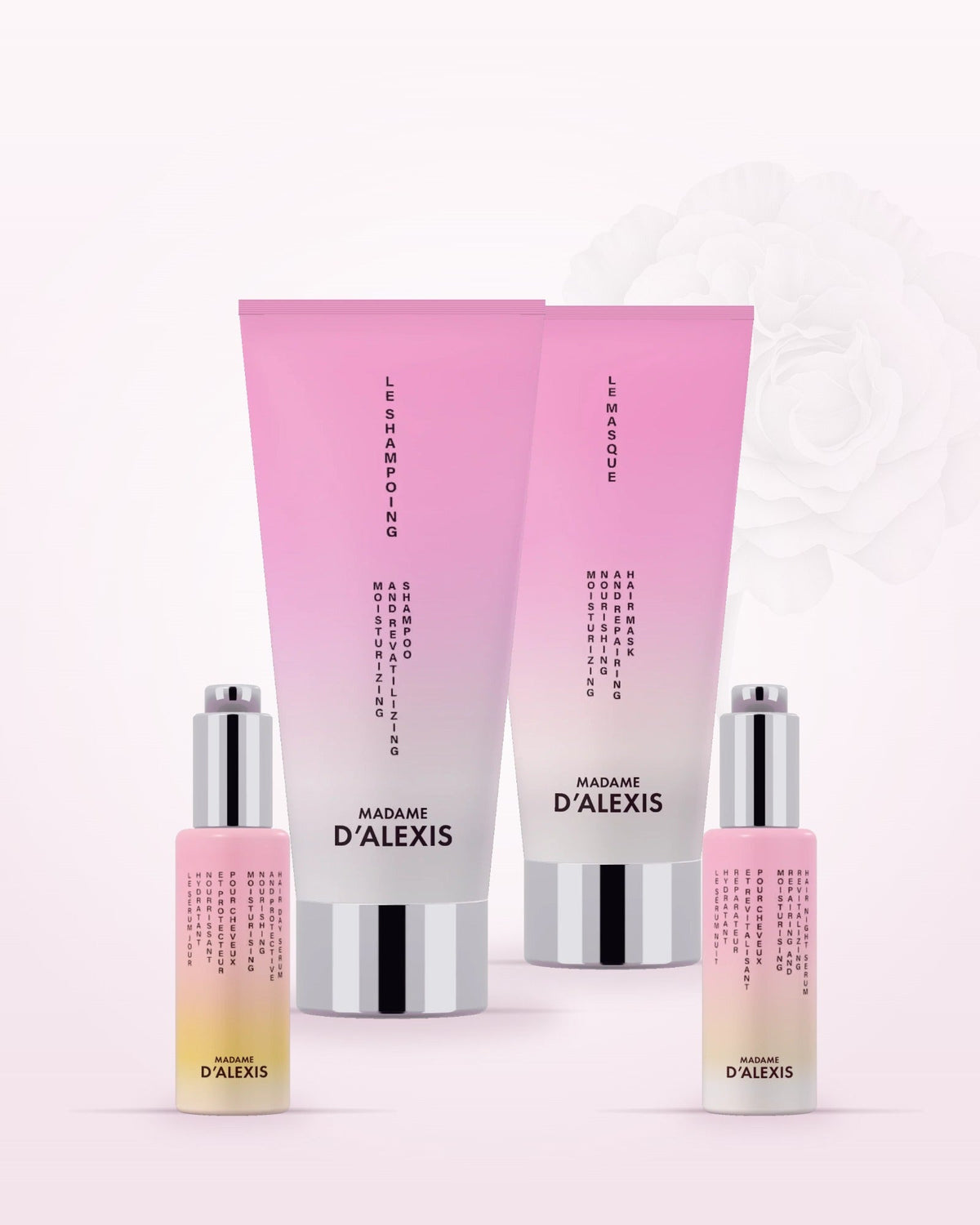
What we love about solid shampoo is the idea of a concentrated formula, free of excess water, where every ingredient plays a role. Our products share this philosophy, with one difference: instead of water, they’re based onorganic hydrosols of Damask rose, German chamomile, and orange blossom, combined with active ingredients inspired by skincare. All are formulated without added water, sulfates, silicones, or parabens, and are made in France, in Brittany.
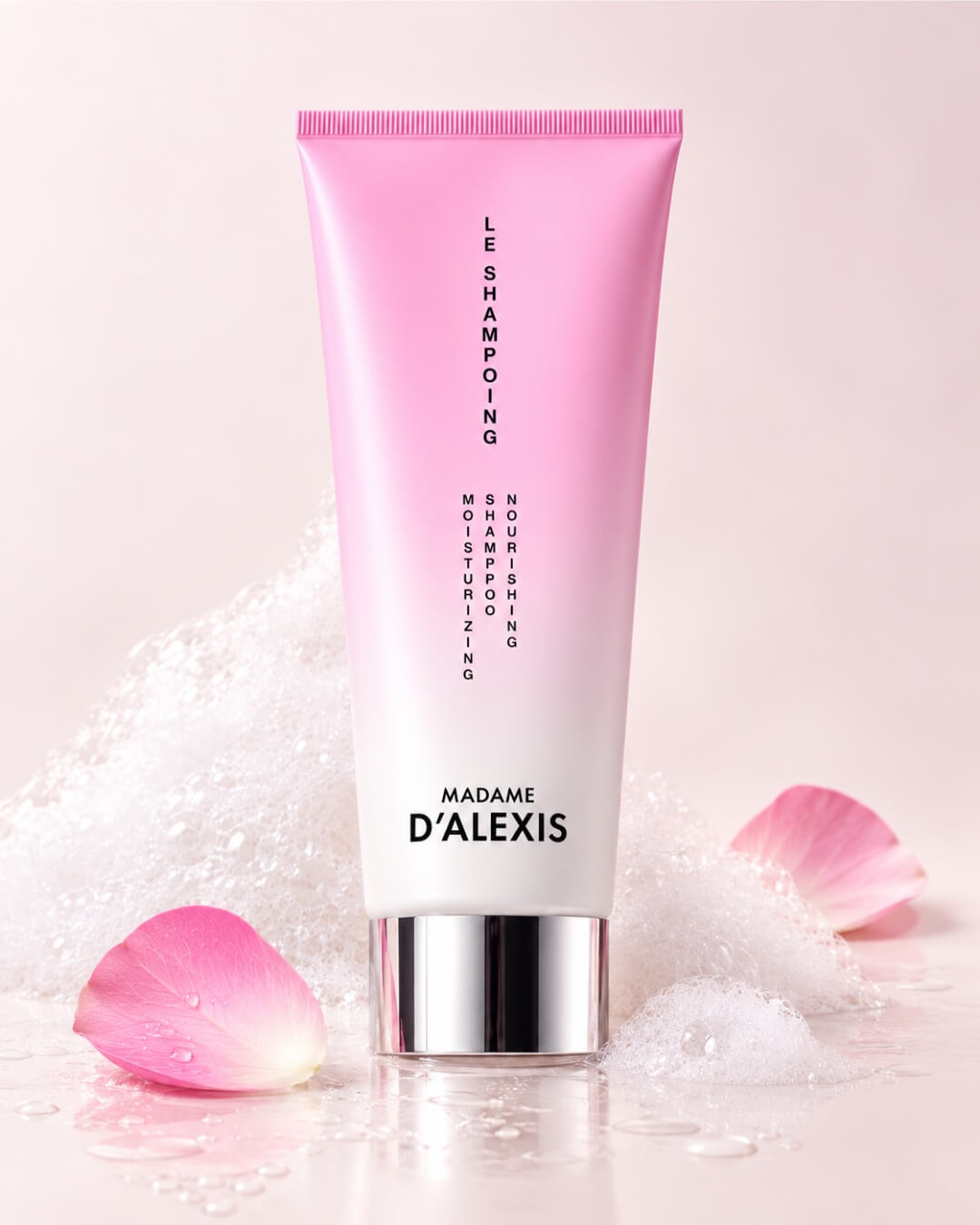
- Shampoo: 98% naturally derived ingredients. It gently cleanses, moisturizes, soothes, and adds shine thanks to cationic hyaluronic acid, prebiotics, and plant-based keratin. Unlike shampoo bars, it’s easy to measure out: apply it as a double wash to a thoroughly wet scalp, massage in, then rinse very thoroughly. It’s suitable for daily use.
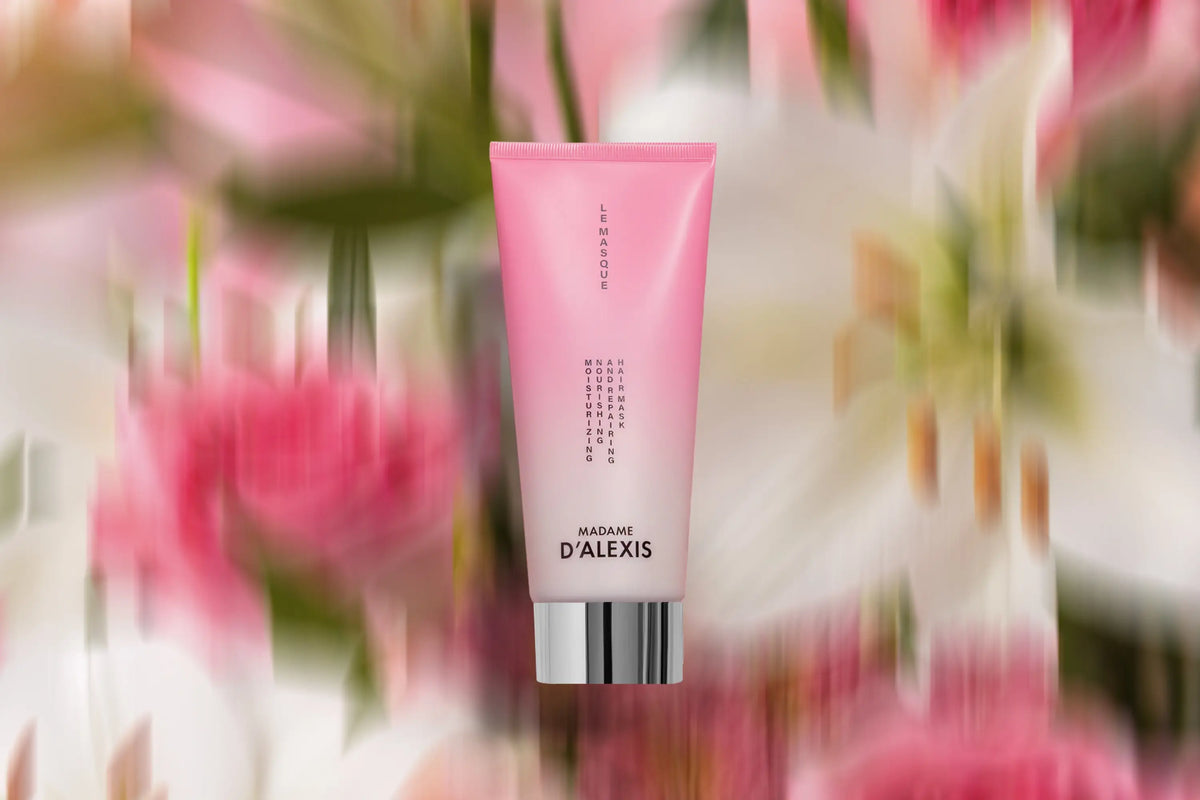
- The Mask: the essential add-on if your shampoo—whether solid or liquid—leaves your hair feeling rough. Its plant-based ceramides, cationic hyaluronic acid, orange blossom wax, and organic apricot and jojoba oils repair, nourish, and soften your hair. Leave it on for 2 to 5 minutes to detangle, then 5 to 10 minutes as a treatment on towel-dried hair, and rinse thoroughly.
- The Scrub: an exfoliating shampoo with fleur de sel, hydrosols, organic coconut oil, and cationic hyaluronic acid. Use it every 10 to 15 days in place of your regular shampoo to rid the scalp of residue—such as that left behind by poorly rinsed shampoo bars or hard water. Apply it twice in succession, as you would with a double shampoo, then rinse. It is not recommended for sensitive scalps.
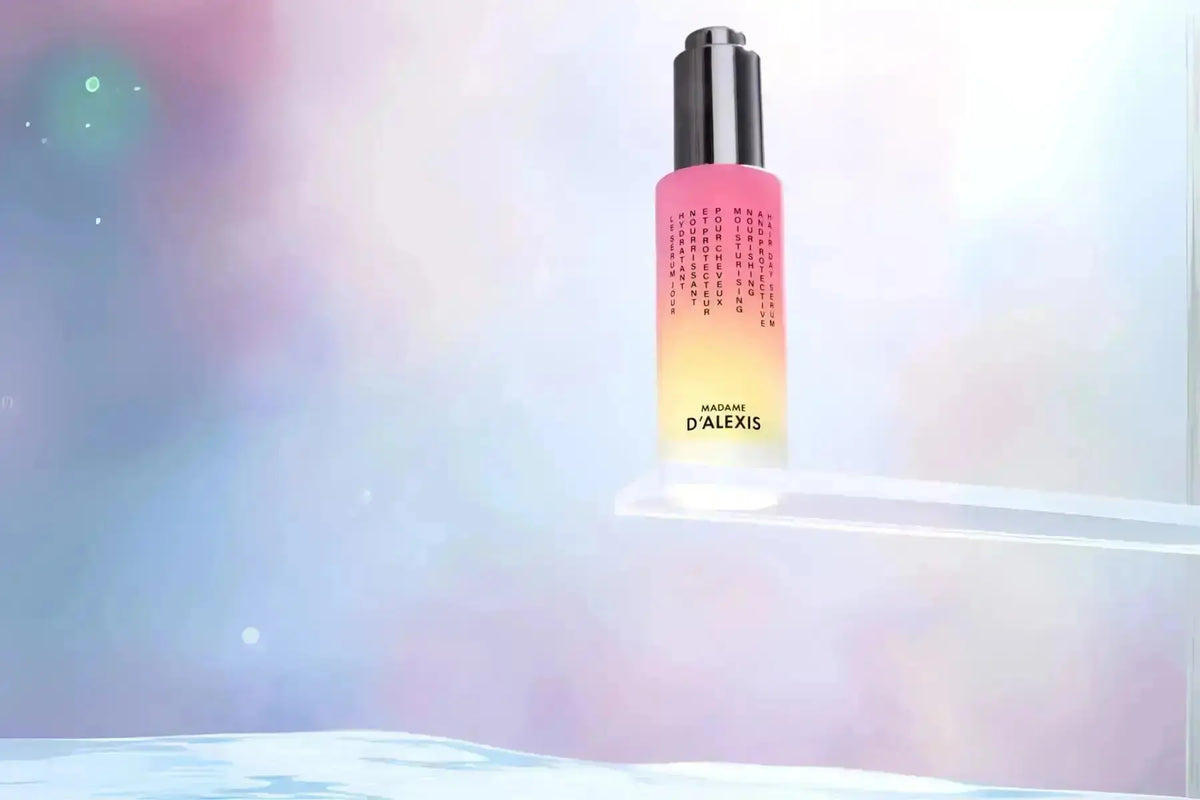
- Day Serum: a 99% naturally derived dry oil, formulated with organic jojoba and plant-based ceramides, and containing natural heat protectants effective up to 200 °C. Apply one to three drops to the mid-lengths and ends of dry or slightly damp hair to restore suppleness and shine without weighing it down.

The Shampoo


The Day Serum

Moisturizing Routine
Solid or liquid—which detergent is right for you?
We'll ask you a few questions about your scalp and hair, and then we'll create a personalized routine for you using our five organic hydrosol treatments, formulated without added water.
Does this sound like you?
- You reply
- Discover your ritual
- You are adjusting your selection

FAQ: Your Questions About Solid Shampoo
Is solid shampoo better for your hair?
Not necessarily. It’s more eco-friendly in terms of packaging and more concentrated, but its effect on the hair depends on its cleansing base. A mild syndet is gentle on the hair shaft, while a soap-based product can make it rough, especially in hard water. A well-formulated liquid shampoo can be just as gentle.
How long does the transition period last?
This applies mainly to soap-based shampoos and varies depending on your hair type, your water, and your previous routine: from a few washes to a few weeks. If the discomfort persists, the shampoo bar is probably not suitable for your hair type.
Is solid shampoo suitable for colored hair?
Yes, as long as you choose a sulfate-free syndet with a pH level close to that of the scalp. Alkaline, saponified soap bars can cause the color to fade more quickly. Always follow up with a treatment for the lengths of your hair.
How can you avoid residue when using a solid shampoo?
Work the shampoo into a lather in your hands, focus on washing your scalp, and rinse longer than usual. In hard water, an acidic rinse helps remove mineral buildup. An exfoliating shampoo used regularly also helps clear the scalp of accumulated residue.
How do you store a solid shampoo?
Place it on a perforated soap dish, away from the shower stream, so it can dry between uses. When traveling, put it in a box only after it has dried. A bar of soap that sits in water softens and wears out much faster.
The right shampoo is one that’s gentle on your scalp
Solid shampoo has the great merit of challenging the ubiquitous use of water in our cosmetics and single-use bottles. If chosen wisely—preferably a gentle syndet—and used properly, it can become a valuable part of your routine. But the format isn’t everything: the gentleness of the cleansing base, the concentration of active ingredients, and the care given to the hair strands matter more.
If you like the idea of a concentrated formula without sacrificing the convenience of a product that’s easy to dispense, these water-free treatments infused with organic hydrosols offer a sensory experience—a modern take on the beauty rituals that Madame d’Alexis recorded in her journals. To find out which routine is right for your scalp and hair, take our free hair assessment: in just two minutes, you’ll know where to start.