Advice
Hair Mask for Colored Hair: Preserve Color and Nourish the Hair Fiber

You leave the salon with a color that shimmers in the light—a deep copper, a luminous blonde—and just one wish: that this radiance lasts. Then the washes come one after another, hot water flows, the shine slowly fades, and the shade blends into a duller tone. Nothing about this scenario is inevitable. If the color fades, it’s often because the colored hair hasn’t received what it needs to last: nourishment, hydration, and regular care. A mask for colored hair addresses exactly this need—provided you know which one to choose and how to use it.
At Madame d'Alexis, hair care products are designed with the same care as skincare: formulated without added water, using organic hydrosols of Damask rose, German chamomile, and orange blossom as a base, enriched with active ingredients such as plant-based ceramides and cationic hyaluronic acid, and free of sulfates, silicones, and parabens—all made in France, in Brittany. This approach is particularly beneficial for color-treated hair, which is more sensitive and requires special care. Here’s how to choose and use your mask for color-treated hair, step by step.
In short
- After coloring, the hair shaft becomes more porous and is less able to retain pigments and moisture.
- A nourishing treatment and a lukewarm rinse help keep the surface smooth, with the cuticles closed, and slow down discoloration.
- A protective mask nourishes the hair shaft; a repigmenting, coloring, anti-yellowing, or neutralizing mask affects the hair's highlights.
- The technique is just as important as the formula: towel-dry your hair, let the product sit for the recommended amount of time, and rinse thoroughly with lukewarm water.
- Doing this once or twice a week is usually enough to keep the color vibrant.
Why is a hair mask essential after coloring your hair?
Hair coloring isn’t just a layer of pigment applied to the surface. For the color to take hold, the hair shaft must open up: the cuticle—the scale-like layer that protects the hair—lifts to allow the color molecules to pass through, then closes again when the hair is rinsed. This process leaves the hair more porous than before. It retains water and pigments less effectively, which explains fading—the gradual loss of color that is clearly visible in the weeks following coloring.
Hair damaged by coloring also loses its substance: the lipids and proteins that formed its protective barrier are depleted, the surface becomes rough, the comb snags, and the shine fades. Whereas a conditioner leaves a light layer on the surface, a hair mask goes deeper. Left on longer, it delivers lipids, proteins, and moisturizing agents that deeply nourish the hair shaft and restore its suppleness.
How does a mask protect the color?
Protecting hair color means taking action on two fronts: ensuring a smooth surface that can hold onto pigments, and keeping the hair strands nourished enough to prevent them from becoming brittle.
pH: The Key to Closed Scales
A traditional oxidative hair color treatment works in an alkaline environment. By swelling the hair fiber, this alkalinity opens the cuticle and facilitates pigment absorption, but it leaves the hair’s surface more exposed, rougher, and more vulnerable. This is why colorists often finish with an acidifying treatment, and why many products designed for color-treated hair claim to have a slightly acidic pH, closer to that of the hair fiber.
In practical terms, the goal is to restore a smooth, compact surface—which can be summed up by the image of closed scales. Light then glides more easily over the hair, resulting in a brighter shine, and the pigments are less likely to fade. A lipid-rich mask extends the effects of this treatment: it smooths out rough areas, coats the hair shaft with a soft layer, and makes detangling easier, which reduces the friction that damages the color.
Disgorging and Fading: It's All About Technique
Fading refers to the loss of pigment when the fabric comes into contact with water. It becomes noticeable during washes following dyeing and is exacerbated by water that is too hot. Rinsing with lukewarm water, gentle handling, infrequent washing, and nourishing care can help slow down fading. A hair mask doesn’t stop the passage of time, but it helps maintain the barrier that locks in color.
Which hair mask should you choose for colored hair?
Sulfate-free and silicone-free, a gentle base
When you read an ingredient list, start with what’s not listed. Sulfates are very harsh and can accelerate color fading and leave the hair rough. Silicones, on the other hand, coat the surface and create the illusion of a beautiful shine, but they build up and mask the hair’s true condition. On colored hair, a sulfate- and silicone-free formula allows the color to shine through unfiltered and helps the hair gain lasting softness.
Ceramides and plant oils: nourish the hair shaft
Next comes the question of what the formula offers. For colored hair, look for three types of active ingredients. Lipids, such as plant-based ceramides, which strengthen the natural bond between the cuticle scales. Moisturizing agents, such as hyaluronic acid, which lock in moisture deep within the hair shaft. And plant-based oils that nourish the lengths: argan, macadamia, camellia, shea, apricot, and jojoba are the most common in hair masks for colored hair. Plant-based keratin, found in certain cleansing products, complements this approach by supporting the weakened hair fiber. Color-treated hair that lacks nourishment dries out, becomes coarse, and loses its shine.
Natural or Organic Hair Masks for Colored Hair: What Are the Benefits?
A natural or organic mask avoids ingredients that weigh down the hair shaft without nourishing it. When it comes to color, this ensures a vibrant shine that isn't dulled by the buildup of residue from one shampoo to the next.
That is precisely the philosophy behind Madame d'Alexis's Mask. Formulated without added water, using organic hydrosols as a base, and containing 97% naturally derived ingredients, it combines plant-based ceramides, cationic hyaluronic acid, orange blossom wax, and organic apricot and jojoba oils to repair, nourish, and soften dry, damaged, colored, or bleached hair.
Coloring mask or protective mask: What's the difference?
Protective masks nourish the hair without affecting the color: their purpose is to seal the cuticle, moisturize the hair, and prolong the color’s longevity. Color-depositing masks, on the other hand, deposit pigments onto the hair shaft.
The repigmenting treatment and the coloring mask
A repigmenting mask revives the highlights of a dulled color: it replenishes pigments similar to the original shade without requiring a full color treatment. A coloring mask, on the other hand, actually colors the surface of the hair, producing a temporary result that fades with each wash. To enhance shine without changing the shade, a hair gloss offers a gentle alternative—a blend of hair care and an instant boost of shine.
Removes yellowing and neutralizes; keep highlights in mind
Over time, blonde, highlighted, or bleached hair tends to develop a yellow tint. A de-yellowing or neutralizing mask deposits cool, purple, or bluish pigments that counteract this yellow cast, restoring a fresher blonde shade. These formulas should be used occasionally, in addition to a nourishing mask, because using them too often can leave the hair looking dull or slightly gray.
How do you apply a hair mask to preserve your hair color?
Even the most luxurious skincare product won't do any good if it's applied incorrectly.
- Apply to towel-dried hair. After shampooing, blot excess water with a towel: on very wet hair, the formula will run and become diluted.
- Apply it to the mid-lengths and ends. These are the most porous and exposed areas—the ones where color fades the fastest. It’s better to use a little more product than to overdo it.
- Follow the recommended processing time. With Le Masque, allow 2 to 5 minutes for simple detangling, 5 to 10 minutes for a standard treatment, and 20 to 30 minutes for a deep treatment.
- Add a warm towel. For a deep treatment, wrap your hair in a warm towel: the gentle heat makes the treatment more comfortable and the experience more relaxing.
- Rinse thoroughly with lukewarm water. Incomplete rinsing weighs down the hair and dulls the color. Finish with a splash of cooler water if you can stand it.
- Gently detangle your hair. Use your fingers or a wide-toothed comb, working from the ends toward the roots, to avoid breaking fragile strands.
For more tips on the proper technique, our guide explains step by step how to apply a hair mask without leaving any product behind or creating tangles.

How often should you use a hair mask on colored hair?
For colored hair, a hair mask is generally used 1 to 2 times a week. This frequency helps restore the hair’s natural balance without weighing it down: if used less often, the color fades and the hair becomes dry; if used more often, the hair may become overloaded. Adjust the frequency based on your hair type: once a week for fine or normal hair, and twice a week for thick or damaged hair.
After bleaching or lightening, your hair benefits from a more intensive treatment. With Le Masque, the overnight treatment—used once a week on sensitized hair—involves applying the product to the lengths and leaving it on overnight for deep nourishment, then rinsing it out thoroughly when you wake up. The rest of the week, alternate with a quicker treatment.
Blonde, brown, copper-colored, or bleached hair: Do you need a different hair mask?
The basic principle remains the same—to nourish and protect; only the emphasis changes.
- Blonde, highlighted, or bleached hair: the bleached areas are more porous and drier, and a yellow cast begins to appear. Focus on deep nourishment with an occasional neutralizing treatment. A lipid-rich mask for bleached hair should become part of your weekly routine.
- Brown or chestnut hair: Use a nourishing mask to maintain depth and shine, and a color-restoring treatment to revive highlights when the color fades.
- Copper or red hair: that shine fades quickly. A copper-based repigmenting mask helps restore it between color treatments.
- Highlights or streaks: Different hair types coexist on the same head. Choose the treatment that’s best suited for the most fragile part—the bleached ends.
If your hair is very light and fragile, a structured routine makes all the difference. Our article on hair care routines for bleached hair breaks down the steps, from washing to styling.
What hair care products should you choose for colored hair?
Long-lasting color is achieved through a series of complementary hair care products, from shampooing to styling. Here’s how each of our products supports colored hair.
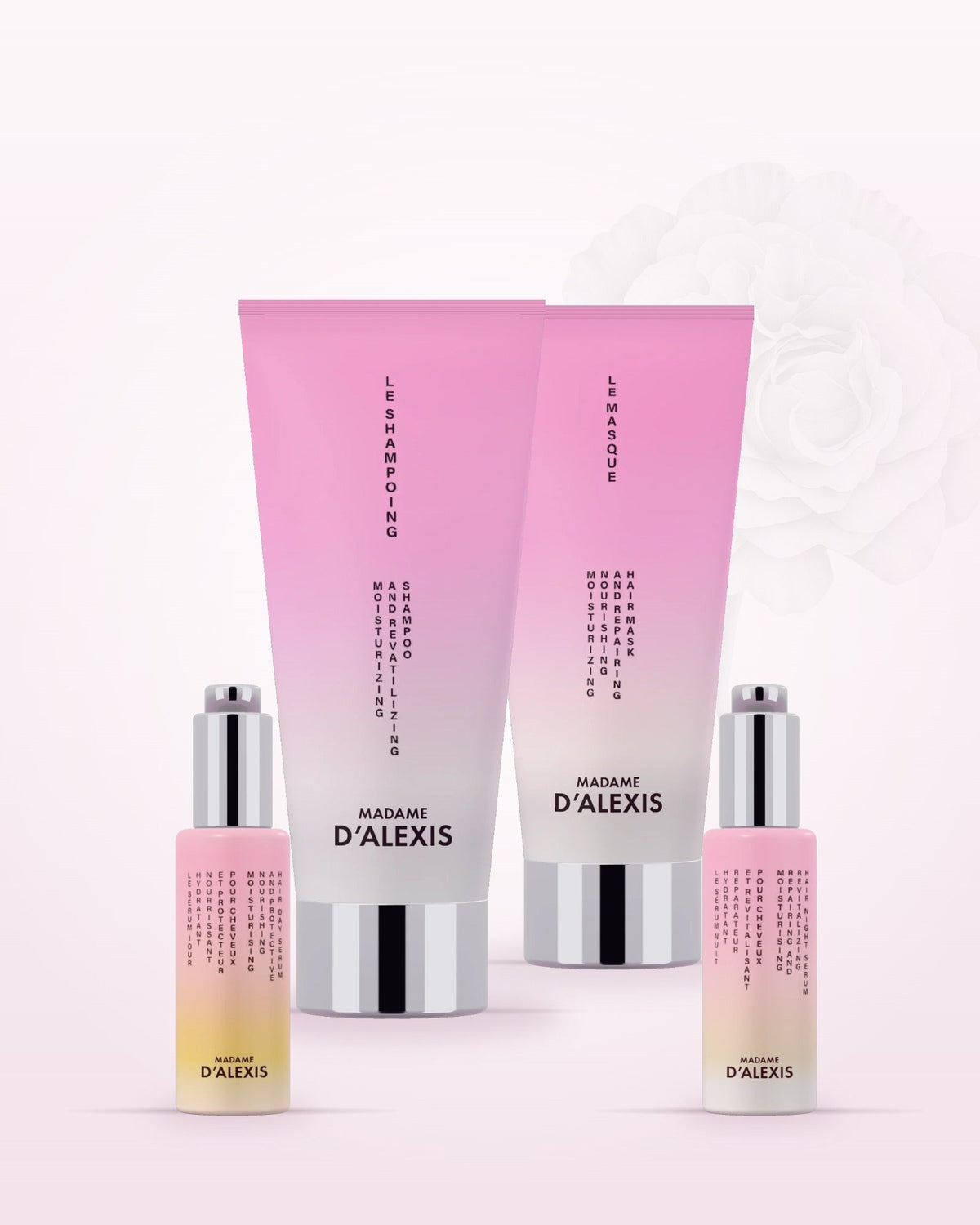
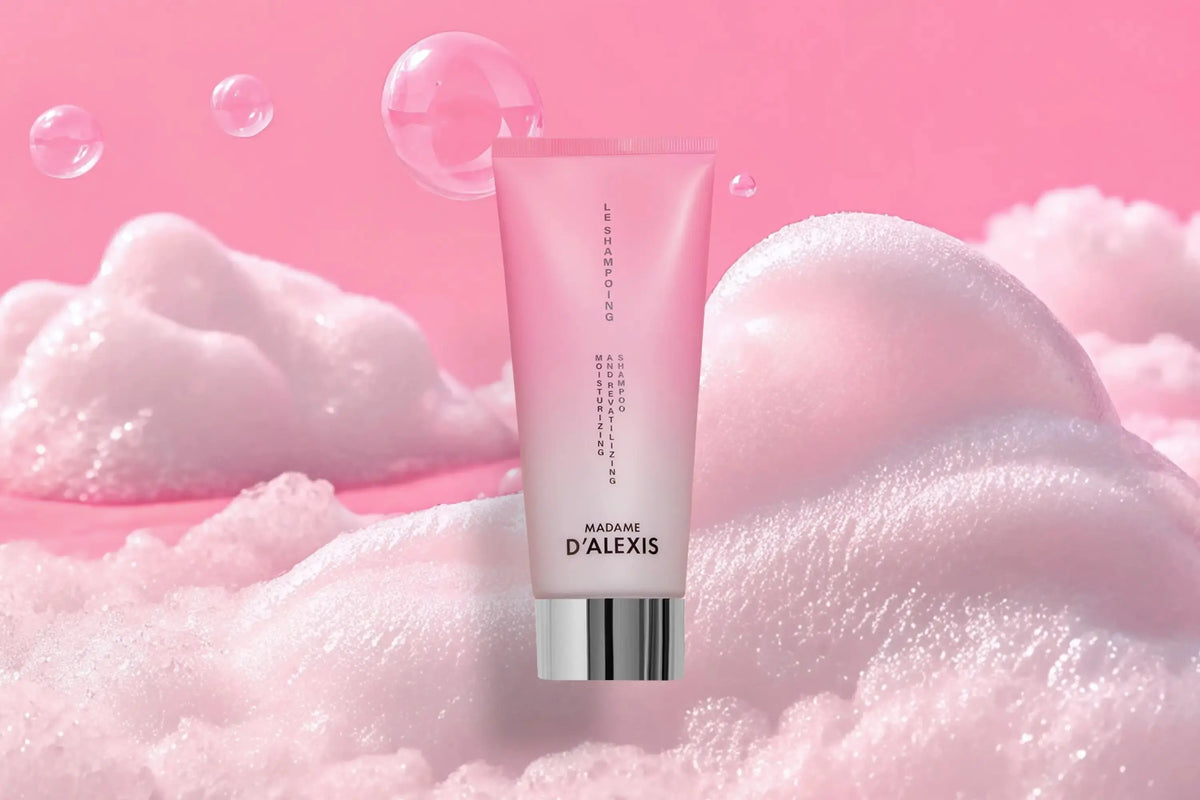
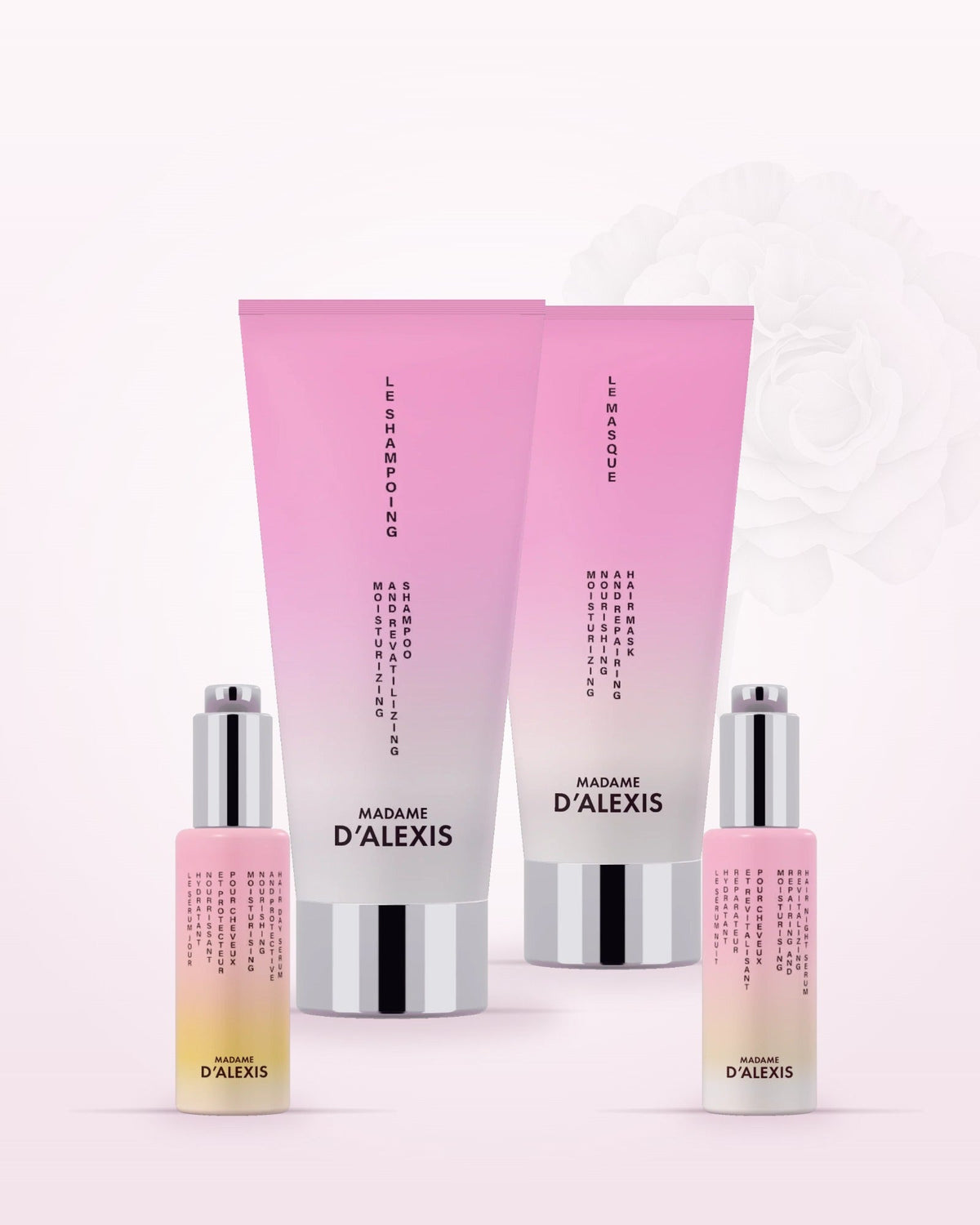
- The Shampoo: sulfate-free and formulated with 98% naturally derived ingredients, it gently cleanses to preserve color while moisturizing, soothing, and brightening thanks to cationic hyaluronic acid, prebiotics, and plant-based keratin. Apply it as a double shampoo to a thoroughly wet scalp, massage in, then rinse very thoroughly. Learn all about shampoo for color-treated hair.
- The Mask: This is the heart of the routine. Its plant-based ceramides and cationic hyaluronic acid nourish and soften hair strands weakened by coloring, while orange blossom wax and organic apricot and jojoba oils restore softness and shine to the lengths. Always rinse thoroughly.
- Day Serum: A 99% naturally derived dry oil that combines organic jojoba, plant-based ceramides, antioxidants, and natural heat protectants effective up to 200 °C. Apply one to three drops to the mid-lengths and ends of dry or slightly damp hair to protect the hair shaft from the heat of blow-drying and enhance shine without weighing it down.
- The Hydration Routine: the Shampoo and Mask duo, combining the two essential steps for maintaining your color.
- The Pink Wide-Tooth Detangling Comb: Its wide teeth detangle hair while the mask is on, without pulling on sensitized strands.

Behind these formulas lies a common thread: organic hydrosols used in place of added water. Damask rose for hydration, soothing, and shine; German chamomile to soothe and brighten hair while reducing dryness and breakage; and orange blossom to revitalize. Discover our full range of products for colored or highlighted hair, designed to work together.

The Mask


The Day Serum

Moisturizing Routine

Pink Wide-Tooth Detangling Comb
To avoid going in blind, start with a hair assessment: in just two minutes, it identifies the needs of your scalp and hair, then creates the perfect routine for you.
Is your hair color losing its shine too quickly?
We'll ask you a few questions about your scalp and hair, and then we'll create a personalized routine for you using our five organic hydrosol treatments, formulated without added water.
Does this sound like you?
- You reply
- Discover your ritual
- You are adjusting your selection
Frequently Asked Questions About the Color-Treated Hair Mask
Can you apply a hair mask right after coloring your hair?
Yes. Once the hair color has been rinsed out, a nourishing, pigment-free mask helps restore comfort to the hair shaft and smooth out its surface. For subsequent washes, ask your colorist for advice: many recommend spacing out the first few shampoos to allow the color to set.
Can a hair mask cause the color to bleed?
The mask itself doesn't cause the color to fade. It's water that's too hot, rinsing for too long, and washing too often that speed up the fading process. Use lukewarm water instead.
Do you need a different hair mask for blonde hair and brown hair?
The base formula is the same: a nourishing, silicone-free mask that is gentle on the hair shaft. The difference lies in the complementary treatment—a yellow-tone corrector or neutralizer for blondes and bleached hair, and a repigmenting treatment for brown and copper-toned hair.
Does a coloring mask replace hair dye?
No. It has a gentler, temporary effect: it refreshes or extends the color, but it doesn't replace a salon hair color treatment. Think of it as a way to maintain your color between appointments.
Can you leave a mask on overnight?
Le Masque is a treatment designed for sensitized hair, to be used once a week: apply it to the lengths of your hair, protect your pillow, then rinse thoroughly when you wake up. For fine hair, a 5- to 10-minute treatment is usually sufficient.
In conclusion: Your hair color is protected every day
With a gentle shampoo that preserves your color, a hair mask for colored hair rich in ceramides and plant oils, and a consistent routine, you have everything you need to slow down color fading and maintain your shine. Stick to this routine once or twice a week, and your color will thank you.
Advice