Advice
Transpiration du cuir chevelu : comment l'encrassement fragilise vos cheveux (et comment y remédier)
Sweat, sebum, overnight buildup: how perspiration clogs the scalp, weakens hair follicles, and triggers hair loss. A 4-step natural treatment plan.


Key Takeaways in 30 Seconds
- Sweat + sebum = follicular plug: lactic acid, salt, and sebum form an occlusive film that blocks the follicle opening.
- Cuir chevelu encrassé = follicule asphyxié : un follicule bouché raccourcit la phase anagène (croissance) et précipite la chute télogène.
- Nighttime = peak silent sweating: the body produces between 200 and 700 ml of sweat at night; the scalp remains in contact with the pillow for 6 to 8 hours.
- 4-step solution: weekly exfoliation + gentle shampoo 2–3 times a week + nourishing mask + restorative night serum every night.
- Recommended frequency: Once a week for exfoliation, 2–3 times a week for shampooing, and every night (or after exercising) for the leave-in night serum.

Why does the scalp sweat so much?
The scalp is not like other areas of the skin. It is one of the areas of the body with the highest density of sweat glands and sebaceous glands—a combination that explains why it reacts so quickly to heat, stress, or physical exertion.
There are two types of glands involved:
- Eccrine glands open directly onto the surface of the epidermis. They produce a watery sweat composed of 99% water, sodium chloride, lactic acid, and trace amounts of other organic acids. Their primary function is thermoregulation.
- Apocrine glands open into the infundibulum of the hair follicle. Their secretion is thicker and rich in lipids and proteins. On the scalp, they are directly associated with the pilosebaceous follicle, which means that their secretion mixes with sebum as soon as it leaves the follicle.
The forehead has approximately 181 eccrine glands per cm², compared to 64 on the back. The scalp, meanwhile, combines this high density of eccrine glands with high sebaceous activity—a maximum density of sebaceous glands, with each hair follicle attached to a sebaceous gland.
Factors that trigger or worsen scalp sweating:
- Exercise and Heat: Any rise in body temperature primarily activates the eccrine glands on the forehead, the back of the neck, and the scalp.
- Stress and emotions: The sympathetic nervous system directly stimulates the sweat glands. Acute stress can trigger localized sweating within seconds.
- Hormones: Fluctuations in estrogen, testosterone, or cortisol alter the activity of the sebaceous and sweat glands. This is why perimenopause, pregnancy, and periods of chronic stress are often accompanied by a scalier, oilier scalp that sweats more.
- Diet: Spicy foods, alcohol, and caffeine stimulate thermoregulation and increase sweating.
Normal vs. Excessive Sweating:
Moderate sweating of the scalp is normal. It becomes a problem when it is persistent, profuse without apparent cause, and accompanied by itching, a scratchy scalp, or a feeling of heaviness.
This is known as localized hyperhidrosis, which primarily affects the forehead and scalp. This form of primary hyperhidrosis can occur without an identified medical cause and requires appropriate treatment.
What interests us here is the cumulative effect of daily sweating—even moderate sweating—on the follicular environment. And this effect is far more significant than we realize.
The Little-Known Link Between Sweat, Clogged Pores, and Hair Loss
That’s the crux of the matter. Most articles on hair loss mention genetics, hormones, and stress. Very few focus on the role of chronic buildup on the scalp. Yet the mechanism is well-documented and unfolds in three distinct stages.
Step 1: Formation of the follicular plug
The sweat produced by the eccrine glands is slightly acidic (pH between 3.8 and 6.5). It contains lactic acid, salt, urea, and traces of other organic acids. When it mixes with the sebum produced by the sebaceous glands, it forms an occlusive film over the follicular ostium—the opening through which the hair emerges.
If this film is not regularly removed, it thickens. Dead cells (corneocytes) accumulate in it. The result: a plug that mechanically blocks the follicle, reduces gas exchange, and deprives the root of oxygen.
To learn how to effectively exfoliate your scalp and remove these clogs, check out our dedicated guide.
Step 2: Bacterial and Fungal Growth
A clogged follicle, in an acidic, lipid-rich environment, becomes an ideal breeding ground for certain microorganisms in the scalp microbiome.
There are two main parties involved:
- Malassezia: This yeast accounts for up to 90% of the fungi present on the scalp. It feeds on lipids—sebum is its preferred substrate. When sebum accumulates (a process exacerbated by sweat), Malassezia proliferates. Beyond a certain threshold, it triggers an inflammatory reaction, accelerates the renewal of epidermal cells, and produces flakes: this is seborrheic dermatitis. Excess sebum and the proliferation of Malassezia cause localized inflammation of the scalp, leading to the appearance of red patches, flakes, and itching.
- Cutibacterium acnes (formerly Propionibacterium acnes): This bacterium synthesizes enzymes involved in porphyrin metabolism, which, once activated, contribute to oxidation and follicular inflammation. Studies show that in patients with androgenetic alopecia, Cutibacterium acnes is present in significantly higher quantities than in healthy individuals.
Step 3: Low-grade chronic inflammation and follicular miniaturization
This is the most critical stage. Persistent local inflammation—even mild inflammation, even without visible symptoms—gradually alters the structure of the hair follicle.
The mechanism: Inflammation triggers pro-inflammatory cytokines, which disrupt the hair growth cycle. The anagen (growth) phase becomes shorter. The follicle prematurely enters the telogen (resting/shedding) phase. Over time, this micro-inflammation alters the structure of the follicles and exacerbates hair loss.
If the inflammation recurs without treatment, the follicle gradually miniaturizes. The hair becomes finer, shorter, and less dense. This is chronic telogen effluvium—distinct from DHT-related androgenetic alopecia, although the two can coexist and exacerbate each other.
Important distinction:
|
Type of fall |
Mechanism |
Affected area |
Reversibility |
|---|---|---|---|
|
Failure Due to Clogging |
Follicular inflammation, occlusive plug |
Diffuse, oily scalp |
Yes, if treated early |
|
Androgenetic alopecia |
Sensitivity to DHT, genetic miniaturization |
Temples, crown of the head |
Partial |
|
Acute Telogen Hair Loss |
Stress, deficiency, fever |
Diffuse |
Yes, spontaneous |
Pour aller plus loin sur les pellicules et cuir chevelu irrité et leur lien avec la chute, consultez notre article dédié.
Night Sweats: The Overlooked Factor
We tend to think about sweating after exercise. We almost always forget about sweating at night. Yet that’s when a significant part of scalp health is determined.
The numbers: Under normal conditions, the human body produces between 200 and 700 ml of sweat per night. This nighttime sweating is primarily a thermoregulatory response—the body dissipates the internal heat accumulated during the day.
The specific problem with the scalp:
For 6 to 8 hours, the scalp is in direct contact with the pillow. Sweat cannot evaporate freely. It becomes trapped. This prolonged exposure to sweat has several negative effects:
- pH Imbalance: The scalp’s natural pH ranges between 4.5 and 5.5. As sweat accumulates overnight, it disrupts this acid-base balance. An imbalanced pH weakens the skin barrier and promotes the growth of pathogenic microorganisms.
- Perturbation du microbiome du cuir chevelu : un cuir chevelu macéré pendant 8h dans un environnement humide et légèrement acide modifie la composition de son microbiome au réveil. Les bactéries et levures opportunistes (Malassezia, Cutibacterium) trouvent des conditions idéales pour proliférer.
- Weakening of the hair shaft: When the hair shaft is saturated with moisture for hours, it becomes mechanically more fragile. Friction against the pillow exacerbates the damage.
Why a night serum is the logical choice:
Nighttime isn't just a time of risk for the scalp. It's also the most effective window for cellular repair during the day. Deep, slow-wave sleep triggers a surge in growth hormone (GH) secretion, which stimulates cell proliferation and collagen synthesis.
Keratinocyte cell division peaks between 10 p.m. and 2 a.m. Cortisol, which inhibits repair, drops to its lowest level.
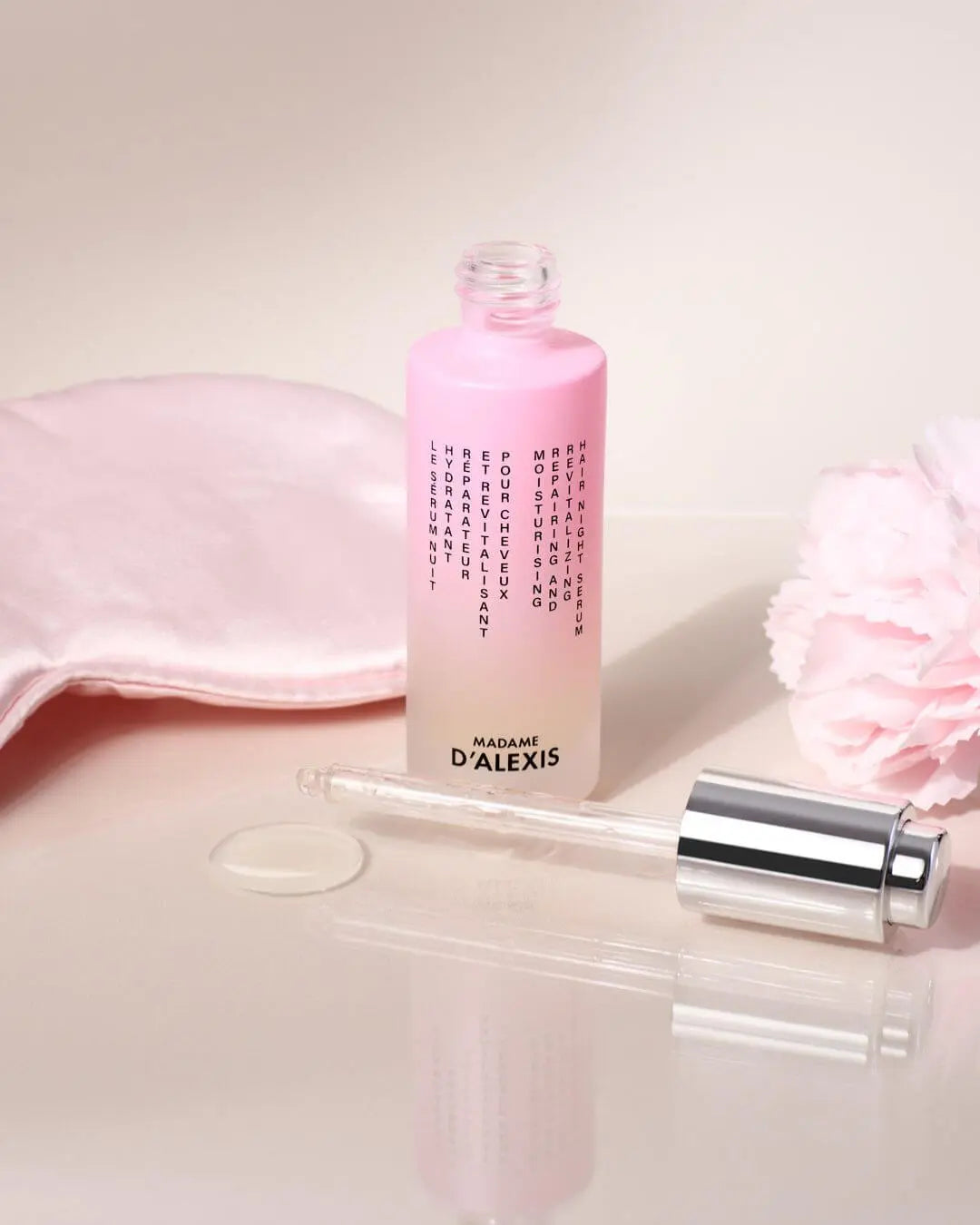
Night Serum with Hydrolats
Scalp · Hair Density · Overnight Repair
- Apply to the scalp in the evening; do not rinse
- Helps prolong the benefits of your hair care routine
- Complements routines for preventing hair loss, promoting hair density, and repairing hair
In other words: while you sleep, your scalp is in full repair mode. A leave-in product can work throughout this entire window without being diluted or washed away.
The volumizing overnight repair serum, formulated to be leave-in, works during the 8-hour nighttime cell repair cycle to strengthen the follicle and add volume to the hair shaft. Its anti-hair loss active ingredients (oak, nettle, licorice) and plant-based keratin work deep within the hair while you sleep, without interfering with the scalp’s natural thermoregulation.
To learn everything you need to know about deeply moisturizing your scalp, check out our comprehensive guide.
Sports and Hair: Should You Wash Your Hair After Every Workout?
Short answer: No, not necessarily. But the scalp should be cared for after each session, even without a full shampoo.
Washing your hair after every workout with regular shampoo is one of the most common mistakes. Washing too frequently with an unsuitable product destroys the protective hydrolipidic film, disrupts the microbiome, and—paradoxically—stimulates sebum production in response to dryness.
The workout plan based on how often you exercise:
|
Sports Frequency |
Recommended Protocol |
|---|---|
|
1-2 times per week |
Rinse with lukewarm water after your session + apply the night serum in the evening |
|
3-4 times per week |
1 exfoliation per week + mild shampoo 2–3 times a week + night serum every night |
|
5 times or more per week |
Complete weekly routine: exfoliation → shampoo → mask → daily night serum |
The most common mistakes after exercising:
- Water that is too hot: opens the pores, stimulates sebum production, and worsens seborrhea. Always finish with a lukewarm or cool rinse.
- Friction from the towel: Hair strands that are swollen with water are fragile. Rubbing breaks the cuticle scales. Gently pat your hair dry; never rub it.
- Harsh daily shampoo: Formulas containing sulfates (SLS, SLES) strip away the hydrolipidic film with every wash. The result: an irritated scalp, reactive seborrhea, and itching. Find out why choosing a sulfate-free shampoo makes all the difference for athletes.
-
Headbands that are too tight during exercise: cause local occlusion and promote maceration in the areas where they come into contact with the skin (forehead, nape of the neck, temples). Choose headbands made of breathable fabric and avoid leaving them on after exercise.
-
Do not apply anything afterward: the sweat-soaked, untreated scalp will soak in its own secretions until the next time you wash your hair.
The special case of hair during sports: if you wear a helmet (cycling, motorcycling, skiing), the buildup of moisture is even more intense. The complete seal prevents sweat from evaporating. Rinsing with lukewarm water followed by applying the overnight serum is the bare minimum you should do after each extended period of wear.
A 4-Step Natural Routine for a Healthy Scalp Despite Sweating
Here is the complete protocol, tested and designed to meet the specific needs of a scalp prone to regular sweating.
|
Step |
Product |
Role |
Frequency |
|---|---|---|---|
|
1. Exfoliation |
Unclogs pores, removes accumulated sweat and sebum |
Once a week |
|
|
2. Gentle Cleaning |
Sulfate-free, soothing hydrosols, pH-balanced to support the microbiome |
2–3 times a week |
|
|
3. In-Depth Nutrition |
Plant-derived ceramides repair hair fibers weakened by inflammation |
Once a week |
|
|
4. Nighttime Repairs |
Works on the hair follicle for 8 hours, thickens hair, and restores balance—no rinsing required |
Every evening or after exercising |
Step 1 — Exfoliation: The Foundational Step
Shampoo alone does not remove follicular plugs. It cleans the surface but does not penetrate the ostium to remove the compacted buildup of sebum, dried sweat, and dead skin cells.
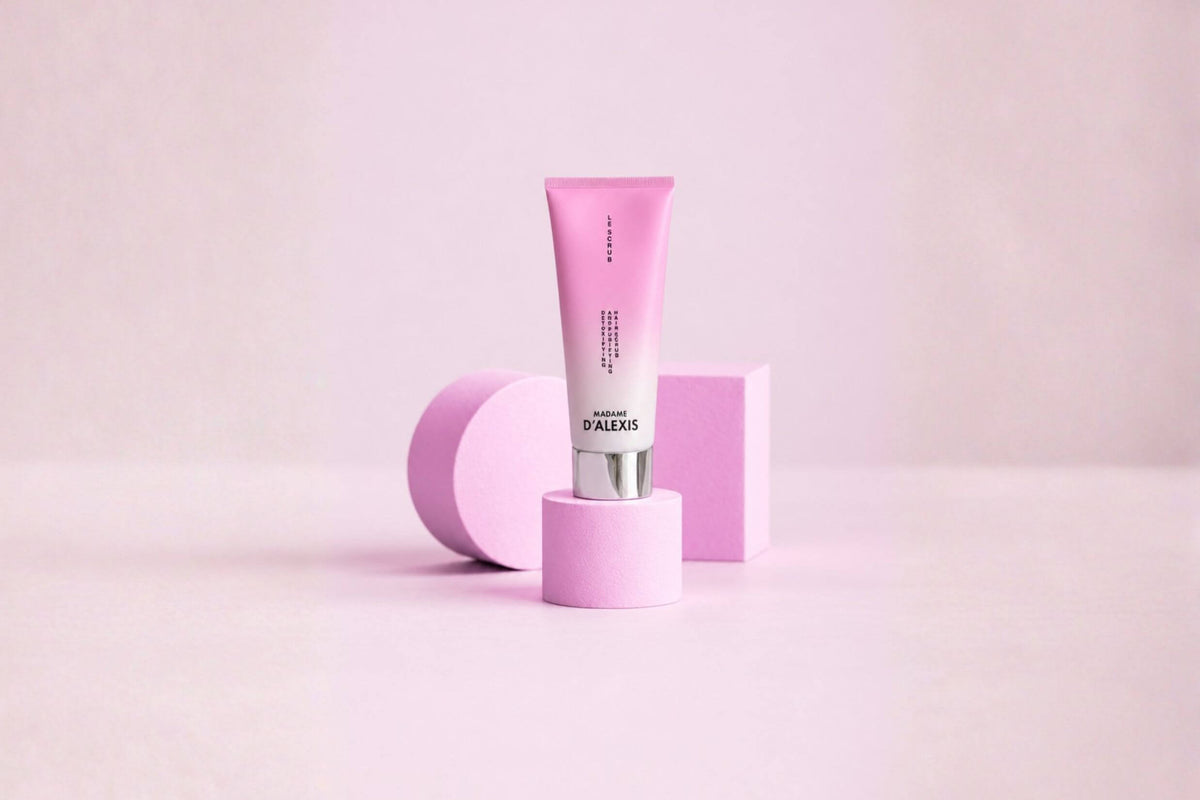
The Madame d'Alexis Scalp Exfoliating Scrub combines:
- Fleur de sel: a gentle mechanical exfoliant that removes impurities without irritating the skin
- Organic hydrosols (Damask rose, German chamomile, orange blossom): soothe, restore pH balance, and tone the scalp
- Cationic HA: deeply hydrates the hair shaft during the treatment
- Prebiotics: nourish the good bacteria in the microbiome
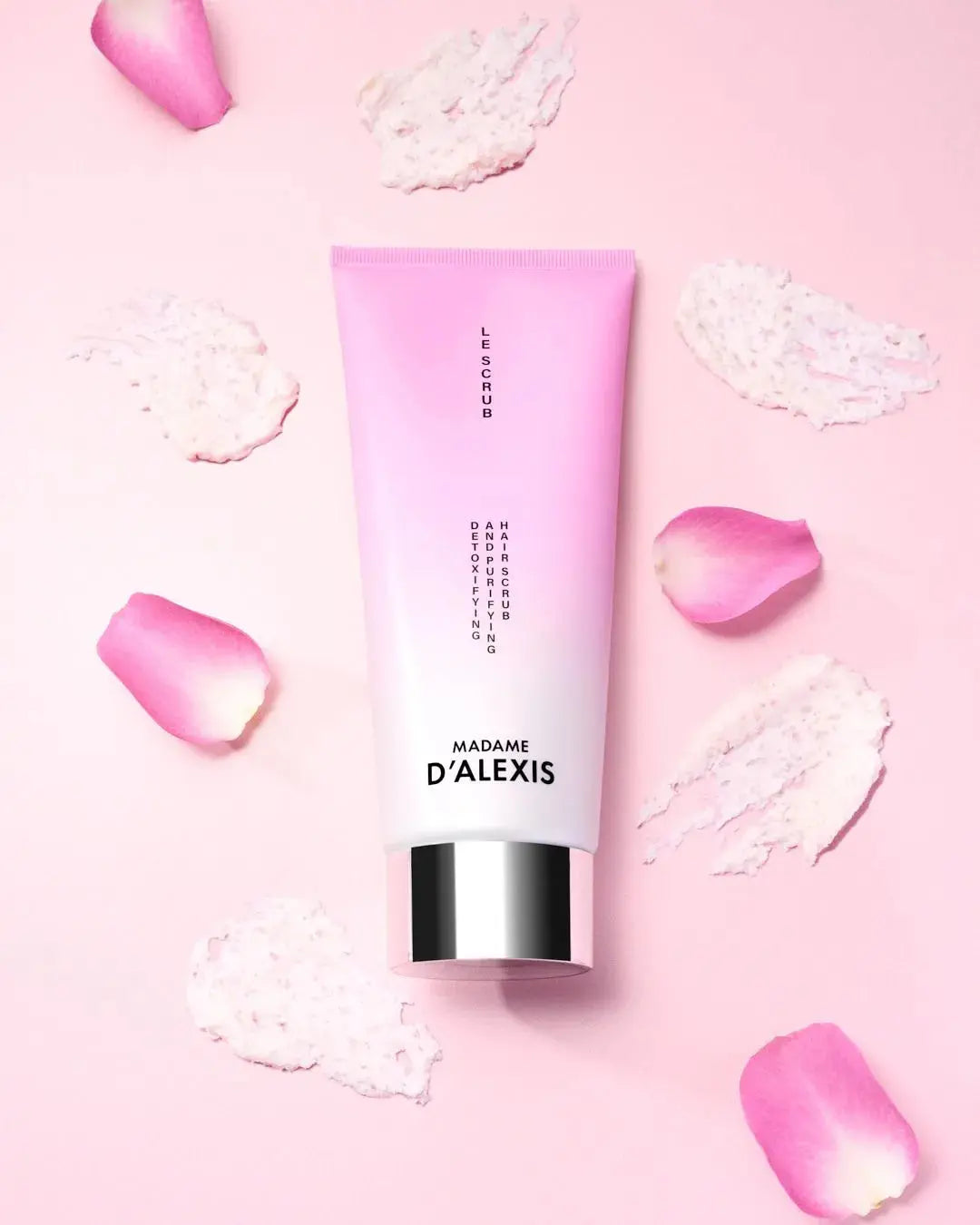
Hydrolat Scrub
Scalp Detox · Fleur de Sel · Organic Hydrosols
- Gently exfoliates the scalp
- Helps remove residue, impurities, and excess sebum
- Prepare the root for the following treatments
Directions: Apply to a damp scalp, massage in circular motions for 3–5 minutes, leave on for 2–3 minutes, then rinse thoroughly. Use before shampooing to prepare the scalp to absorb the active ingredients that follow.
How do you properly exfoliate your scalp?
Step 2 — Gentle Shampoo: Cleanse Without Stripping the Scalp
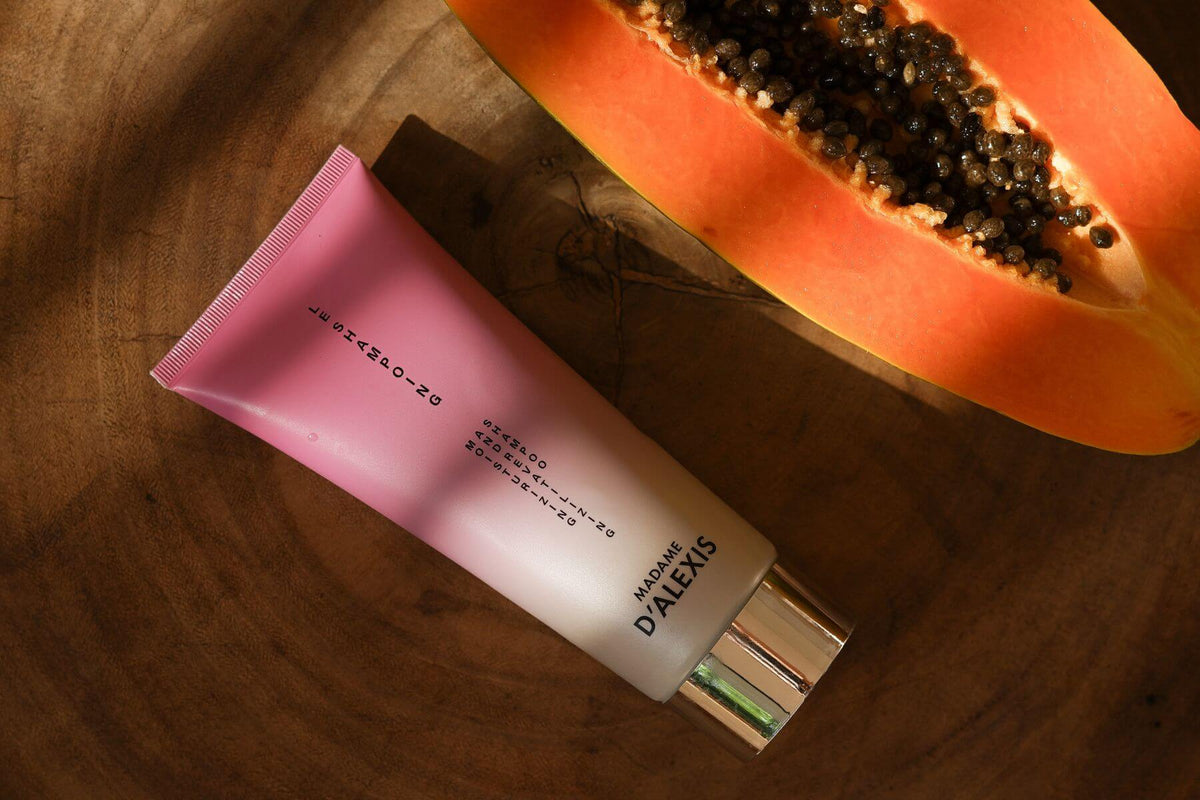
After exfoliation, the scalp is ready for a gentle cleanse. Madame d'Alexis's sulfate-free shampoo with organic hydrosols respects the scalp's microbiome and natural pH balance.
Formulated without SLS or SLES, parabens, or silicones, it gently cleanses thanks to its mild surfactants and active organic hydrosols. Cationic HA protects the hair fiber during washing.
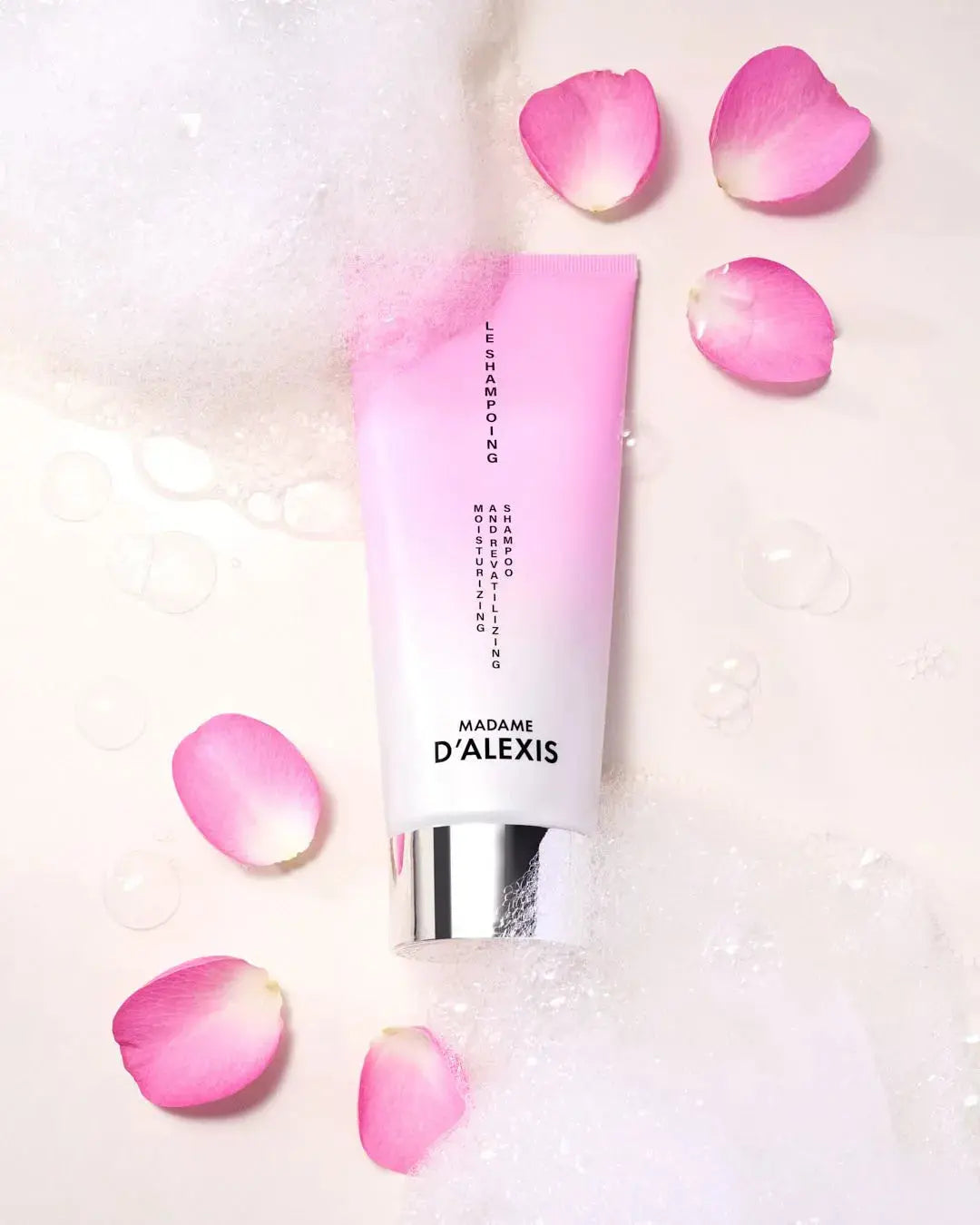
Hyaluronic Acid Shampoo
Gentle cleansing · Sulfate-free · Organic floral waters
- Cleans without stripping the scalp
- Formula free of sulfates, silicones, and parabens
- Ideal for a two-step shampooing routine as part of a Head Spa treatment
Directions: Apply to wet scalp, massage gently with your fingertips (not your fingernails), then rinse with lukewarm water. Two applications may be necessary if the scalp is very dirty.
Step 3 — The Mask: Deeply Repair the Hair Fiber
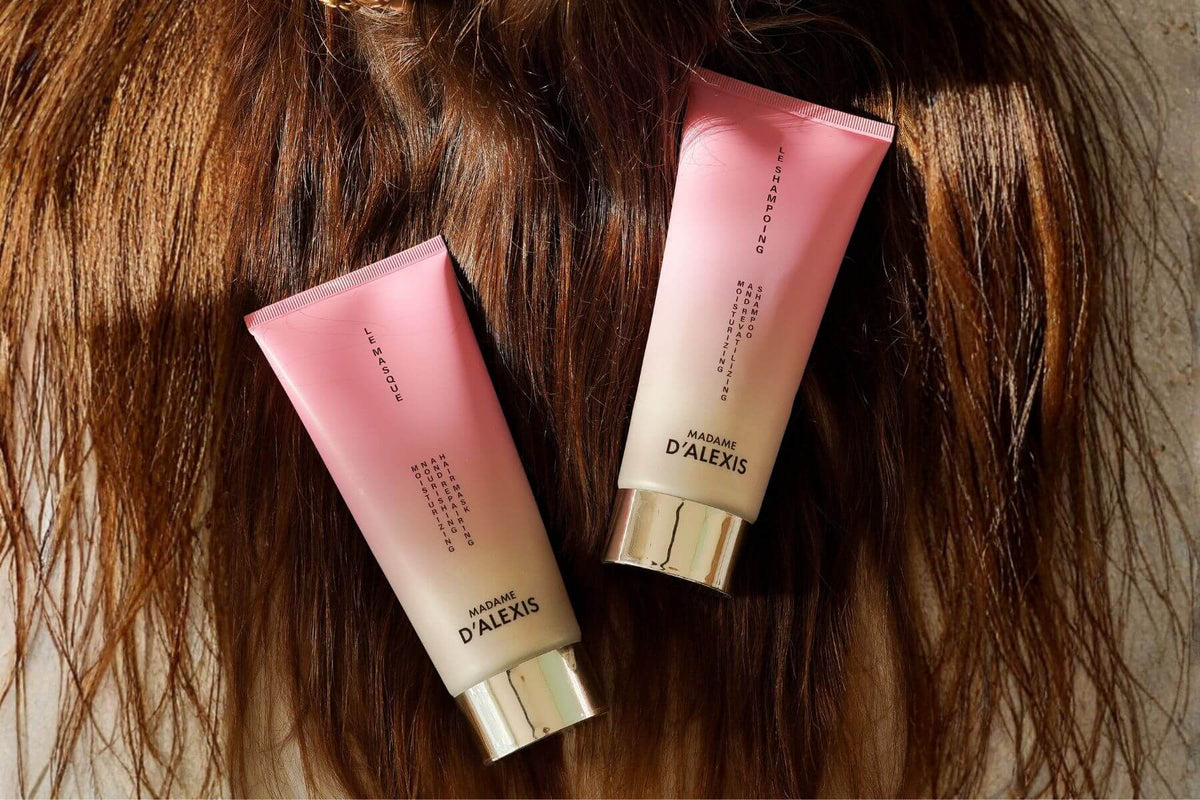
Sweat and chronic inflammation weaken the hair shaft from the inside out. The plant-based ceramides and plant-based keratin in Madame d'Alexis's Plant-Based Ceramide Hair Mask help restore the hair's internal structure.
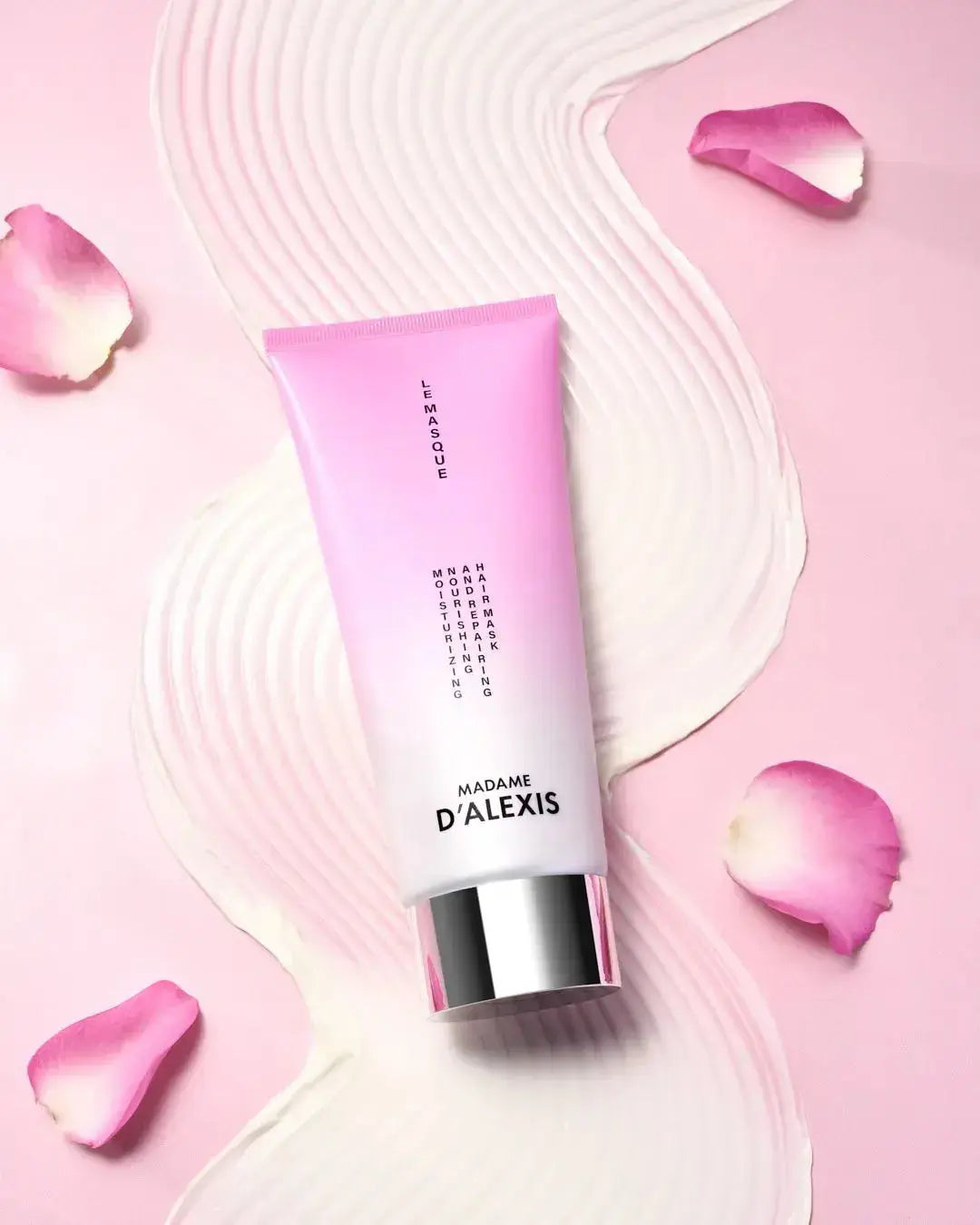
The Plant-Based Keratin Mask
Nutrition · Repair · Plant-Based Ceramides
- Intensely nourishes without weighing down the hair
- Helps smooth, repair, and strengthen the hair from the roots to the ends
- Ideal for use during a Head Spa treatment
Directions: Apply to the mid-lengths and ends after shampooing, leave on for 5–10 minutes, then rinse with cool water to close the cuticles.
Step 4 — Night Serum: The Key Step
This is the star product of this regimen. Madame d'Alexis's Densifying Night Repair Serum is formulated to work during the 8 hours of nighttime cellular repair.
Its anti-hair loss ingredients:
- Oak extract: strengthens follicle anchorage, stimulates microcirculation
- Stinging nettle: replenishes minerals in the scalp, slows hair loss
- Licorice: anti-inflammatory properties; soothes the scalp irritated by sweat
- Plant-based keratin: strengthens the hair shaft from the inside out and adds body to the hair
Since it does not require rinsing, it does not interfere with nighttime thermoregulation. Apply it directly to a dry or slightly damp scalp, massaging gently to help it absorb.
Night Serum with Hydrolats
Scalp · Hair Density · Overnight Repair
- Apply to the scalp in the evening; do not rinse
- Helps prolong the benefits of your hair care routine
- Complements routines for preventing hair loss, promoting hair density, and repairing hair
Directions: Apply a few drops to a clean scalp, massage in circular motions for 2–3 minutes, and do not rinse. Leave on overnight.
For a complete hair care routine tailored to your scalp type, check out our guide.
Find all of these products in our natural hair care line.
How do I use the night serum?
3 profiles, 3 before-and-after cases
These examples illustrate real-life situations encountered by users of the Madame d'Alexis line. Results may vary depending on individual profiles.
Case 1 — The Intensive Athlete: Oily Scalp + Itching
- Profile: Male, 32 years old, works out 5 times a week (running + weight training), oily scalp the day after shampooing, persistent itching on the back of the neck and forehead.
- Problem identified: buildup of sweat and sebum between treatments; aggressive daily shampooing that triggered reactive seborrhea.
- Treatment regimen followed: stopped daily shampooing; switched to a 5x+/week regimen (weekly exfoliation + gentle shampoo 3x/week + night serum every night).
- Results after 4 weeks: less oily scalp starting on Day 10, itchiness gone by Day 21, hair that feels lighter and looks less dull.
Case 2 — Excessive Night Sweats: Fine Hair Loss
- Profile: Female, 41 years old, severe night sweats (she wakes up with damp sheets), fine hair that has been thinning diffusely for the past 6 months, sensitive scalp.
- Identified issues: chronic nocturnal maceration, imbalanced scalp pH, untreated low-grade inflammation.
- Routine followed: night serum every night + exfoliation once a week + gentle shampoo twice a week. Switch to a breathable cotton pillowcase.
- Results at 8 weeks: visible reduction in hair loss on Day 30, noticeable regrowth on Day 60, and a less sensitive and less irritated scalp upon waking.
Case 3 — Irritated Scalp After Exercise: Oily Dandruff
- Profile: Female, 28 years old, takes yoga classes 4 times a week, has an irritated scalp with oily, yellowish dandruff that has gradually developed, and experiences itching after exercising.
- Problème identifié : dermite séborrhéique déclenchée par l'accumulation de sébum + sueur, aggravée par un shampoing antipelliculaire agressif utilisé en réponse.
- Treatment regimen: Stop using anti-dandruff shampoo; switch to a mild shampoo + weekly exfoliation + night serum 5 times a week.
- Results at 6 weeks: oily dandruff cleared up by Day 28, scalp soothed by Day 42, no recurrence over the following 2 weeks.
To naturally stimulate regrowth after a period of hair loss, check out our complete guide.
5 Mistakes You Must Avoid at All Costs
1. Washing your hair with water that's too hot
Hot water opens the pores and stimulates the sebaceous glands. As a result, the scalp produces even more sebum to compensate for the dryness. Seborrhea worsens. Always rinse with lukewarm water, ideally finishing with a splash of cool water to close the cuticles and tighten the pores.
2. Rub your scalp with the towel
When hair is wet, the hair shaft is swollen and fragile. The cuticle scales are open. Vigorous rubbing breaks them, causes split ends, and weakens the hair shaft along its entire length. Pat dry—never rub. A microfiber or soft cotton towel is ideal.
3. Using a strong anti-dandruff shampoo without a doctor's prescription
Conventional anti-dandruff shampoos (zinc pyrithione, selenium sulfide, ketoconazole) are effective when prescribed or used for short-term treatment.
When used regularly, they destroy the scalp’s microbiome, eliminating both good and bad bacteria, and create an environment that’s even more prone to recurrence. If you have persistent dandruff, see a dermatologist.
4. Skipping exfoliation
This is the most common mistake. Shampoo cleans the surface of the scalp but does not remove follicular plugs.
Without regular exfoliation, buildup of sebum, dried sweat, and dead skin cells accumulates week after week. Weekly exfoliation is a must for a scalp that sweats regularly.
5. Don't apply anything at night
8 hours of lost cellular repair every night. That’s the cost of a hair care routine that ends with shampooing.
The leave-in night serum is specifically designed to take advantage of this window of maximum regeneration—when growth hormone is at its peak, cortisol is at its lowest, and cells are actively dividing and repairing themselves.
FAQ — Your Questions About Scalp Sweating
Does sweating cause hair loss?
Yes, indirectly. Sweat alone does not cause hair loss. But when it builds up on the scalp, it triggers a series of processes that gradually weaken the hair follicle.
Sweat mixes with sebum and forms an occlusive film over the follicular ostium. This plug deprives the follicle of oxygen and creates an environment conducive to the proliferation of Malassezia and Cutibacterium acnes. These microorganisms trigger low-grade chronic inflammation, which shortens the anagen (growth) phase and accelerates telogen hair shedding.
This type of hair loss is reversible if the buildup is treated early. It differs from androgenetic alopecia (linked to DHT and genetics) in that it is diffuse and responds quickly to an appropriate treatment regimen. If hair loss is significant or accelerating, consult a dermatologist to rule out other causes.
How can you naturally stop your scalp from sweating?
There is no way to completely eliminate sweating from the scalp—and that’s not desirable, since it plays a role in thermoregulation and skin protection.
On the other hand, there are several natural approaches that can help reduce it and limit its effects:
- Reduce triggers: limit caffeine, alcohol, and spicy foods that stimulate sweating.
- Managing Stress: The sympathetic nervous system is the main trigger for emotional sweating. Cardiac coherence, meditation, or yoga can help.
- Adjust your hair care routine: weekly exfoliation to remove buildup, gentle shampoo 2–3 times a week, and a nighttime serum to rebalance the microbiome.
- Choose breathable materials: cotton pillowcases, sports headbands made of technical fabric; avoid non-breathable hats.
- Properly moisturize the scalp: a well-moisturized scalp regulates sebum production more effectively and produces less oil in response to dryness.
If you have severe localized hyperhidrosis (excessive, persistent sweating without apparent cause), consult a dermatologist. Specific treatments are available.
Should you wash your hair after exercising?
Not necessarily. The answer depends on how often you exercise, how much you sweat, and your scalp type.
For moderate use (1–2 times per week), rinsing with lukewarm water followed by a nighttime serum is usually sufficient. For intensive use (5 or more times per week), a gentle shampoo 2–3 times per week is recommended, along with a weekly exfoliation.
What you should absolutely avoid: washing your hair daily with a harsh shampoo. It destroys the protective hydrolipidic film, triggers reactive seborrhea, and weakens the microbiome. If you need to wash your hair often, choose a sulfate-free shampoo formulated for frequent use.
The bottom line: Never let your scalp sit in sweat for more than 24 hours without at least rinsing it with lukewarm water.
Which anti-sweat shampoo for the scalp should I choose?
There is no shampoo that eliminates scalp sweat. However, some shampoos are better suited for scalps that sweat heavily:
- Sulfate-free (SLS/SLES): They cleanse without stripping the hydrolipidic film, helping to prevent reactive seborrhea.
- pH-balanced: A pH between 4.5 and 5.5 helps preserve the microbiome and the skin barrier.
- With soothing ingredients: chamomile, rose, and orange blossom hydrosols help calm inflammation caused by sweating.
- Silicone-free: Silicones create an occlusive film that exacerbates buildup on a scalp already prone to seborrhea.
Madame d'Alexis's sulfate-free shampoo with organic hydrosols meets all these criteria. Formulated without added water (the water is replaced by active organic hydrosols), it respects the microbiome and is suitable for regular use, even on a sweaty scalp.
Why does my scalp itch when I sweat?
There are several possible causes of itching after sweating:
- Salt buildup: Sweat contains sodium chloride. As it dries on the scalp, the salt crystallizes and mechanically irritates the skin.
- pH imbalance: Acidic sweat disrupts the scalp's natural balance and can cause itching, especially on sensitive skin.
- Malassezia overgrowth: An oily, moist environment promotes the growth of this yeast, which causes inflammation and itching.
- Reaction to dried sweat: The proteins and organic acids in sweat, when concentrated on the scalp, can trigger a local inflammatory reaction.
If the itching is severe, persistent, or accompanied by oily dandruff or redness, consult a dermatologist. Seborrheic dermatitis or folliculitis may require specific treatment.
Does night sweats damage your hair?
Yes, if left untreated. Nighttime sweating causes the scalp to remain in contact with the pillow for 6 to 8 hours. This prolonged exposure disrupts the scalp’s pH balance, promotes the growth of microorganisms, and weakens the hair shaft due to prolonged moisture.
People who sweat a lot at night (due to hormones, stress, or a hot environment) are particularly prone to diffuse hair loss and scalp irritation upon waking.
The solution: Apply the leave-on night serum before bed. It creates a protective barrier, restores balance to the microbiome, and allows the repairing active ingredients to work throughout the nighttime cell regeneration window. Changing your pillowcase regularly (at least twice a week) also helps limit the buildup of bacteria and sweat residue.
Clogged Scalp: How Do You Clear It?
A clogged scalp is unclogged in two steps:
- 1. Mechanical exfoliation: This is an essential step. An exfoliating scrub with gentle mechanical agents (fleur de sel, sugar) removes follicular blockages that shampoo alone cannot eliminate. Apply to a damp scalp, massage in circular motions for 3–5 minutes, let sit, then rinse thoroughly. Do this once a week.
- 2. Gentle cleansing: After exfoliation, a sulfate-free shampoo removes residue without irritating the freshly exfoliated scalp.
Avoid: overly harsh clarifying shampoos, vigorous brushing on a dry scalp, and occlusive styling products (waxes, silicone-based gels) that make buildup worse.
To keep your scalp clear over the long term, weekly exfoliation is key. A deeply cleansed scalp promotes better absorption of the active ingredients in the night serum and optimizes hair regrowth.
Nighttime Hair Serum: What Does It Really Do?
A nighttime hair serum isn't just another step in your routine. It's a product designed to take advantage of the nighttime cellular repair window—the period when the body actively repairs its tissues.
During deep sleep, growth hormone secretion peaks, cortisol (which inhibits repair) is at its lowest, and keratinocyte cell division is at its highest between 10 p.m. and 2 a.m. Epidermal permeability is slightly higher at night, which facilitates the penetration of topical active ingredients.
A leave-in overnight serum works throughout all those hours without being diluted by water or washed away. This allows it to deliver concentrated active ingredients directly to the hair follicle during the peak repair phase.
Madame d'Alexis's Repairing and Thickening Night Serum combines active ingredients that help prevent hair loss (oak, nettle, licorice), plant-based keratin to strengthen the hair shaft, and organic hydrosols to rebalance the microbiome. It stands out from a traditional hair oil thanks to its lightweight texture, its leave-in formula, and its high concentration of active ingredients that target the hair follicle and promote hair density.
Useful sources
- Sweat Glands — Wikipedia: Anatomy and Physiology of Eccrine and Apocrine Glands.
- Seborrheic Dermatitis and Hair Loss — Ducray: The Link Between Scalp Inflammation and Hair Loss.
- Scalp Microbiome — Hairmedico: New Research on the Role of the Microbiome in Hair Health.
- Sleep and Skin — Dermatonet: Mechanisms of Nocturnal Skin Regeneration and GH Peaks.
- Nighttime Skin Regeneration — Bledelesperance.fr: The Role of the Circadian Rhythm in Cell Repair.
- Scalp Folliculitis — Dermatonet: Malassezia, Cutibacterium acnes, and Their Impact on the Follicle.
Advice