Advice
Natural Hair Dye: A Guide to Coloring and Enhancing Your Hair Naturally

Want to change your hair color without using ammonia, while still having control over what you put on your hair? Plant-based hair color appeals to those seeking a gentler, more natural shade that’s gentle on the scalp—and who are willing to accept a little patience and some unpredictability in return. Let’s get this out of the way right away: Madame d’Alexis doesn’t manufacture hair dye and doesn’t sell any hair color products. We’re a hair care brand: our role is to prepare the hair shaft before application, then to maintain the color, shine, and length. Here’s an honest guide to help you discover this technique and get started.
What is plant-based hair dye?
Plant-based hair dye is a dye made from dye plants ground into a fine powder, mixed with a hot liquid, and then applied to the hair as a paste. It does not rely on any oxidation reaction: the natural pigments contained in the plants settle on the surface of the hair, lodging within the cuticles without needing to open them. This is the key difference from oxidative hair dye—or conventional hair dye—which swells the hair shaft to allow synthetic dyes to penetrate.
Henna, rich in lawsone—an orange-red pigment that binds to keratin—produces coppery, auburn, and mahogany tones. Indigo, derived from the leaves of the indigo plant, provides a deep blue that, when mixed with henna, gradually shifts to brown and then black. Cassia obovata, also known as neutral henna, provides very little color but coats the hair, enhances the golden highlights in light roots, and adds shine. Katam darkens and cools the shades; madder provides vivid reds; chamomile adds golden highlights; and hibiscus adds red and purple highlights. Many of these powders come from the Ayurvedic tradition, where hair beauty is achieved through plants, and are available with organic certification.
Be aware of a common misconception: natural hair dye is not always plant-based. A 100% plant-based powder contains only plants, whereas many so-called plant-based hair dyes also contain synthetic dyes—and sometimes metal salts.
The most concerning issue remains black henna. Behind this name often lies paraphenylenediamine (PPD), a synthetic dye that causes allergic reactions. Real henna never produces a deep black color with a single application—it is red. If a powder promises an immediate black color, treat it as a chemical product rather than a plant-based one. And if you’re expecting a baby, take the time to read our article on hair coloring and pregnancy before making a choice, as precautions vary depending on the ingredients.
What are the benefits?
The first benefit lies in its formulation. Free of ammonia, resorcinol, and peroxide, this plant-based hair dye is gentle and kind to the scalp, even when it reacts poorly to conventional hair dyes.
The second benefit is the coating effect. Plant-based dyes envelop the hair shaft like a protective layer. The hair feels thicker to the touch, the shine becomes deep, the luster warm, and the volumizing effect is immediate on fine hair. The color blends into your hair’s natural color rather than harshly covering it, resulting in a luminous look rather than a flat one.
The third benefit is softness. With high-quality, certified powders and proper care during application, your hair stays supple and healthy. There’s no magic involved: it’s simply a formula that’s gentle on your hair and respects the health of your scalp.
What are the drawbacks and limitations?
Plant-based hair dye has real limitations, and knowing them can help you avoid a lot of disappointment.
- It doesn't lighten the hair. To go from a dark base color to blonde, you need to bleach it, which requires a chemical product.
- The result is less predictable. The final shade depends on the starting color, porosity, processing time, and the mixture.
- The application time is long. Expect it to take anywhere from one hour to several hours, depending on the brand and the desired intensity: it's a true ritual, not a quick application.
- Gray hair is covered gradually. Achieving complete coverage of gray hair often requires several applications, especially when there is a lot of it.
- Coppery highlights. The red from henna leaves a warm tint, which is sometimes visible on cool or very blonde roots.
- May have a drying effect. When used alone, henna can make hair coarse, especially on dry hair, without a softening agent or nourishing treatment.
- Switching to chemical hair dye later on. After using a plant-based dye, a bleaching treatment or an oxidative dye may sometimes react differently. Leave this change to a hairstylist and describe exactly what you’ve applied.
It's as much a matter of philosophy as it is of color, and an honest opinion from a hair salon—before you take the plunge—is often better than a long article.
What types and colors?
Pure powder, which you mix yourself, offers the most flexibility in terms of dosage. The ready-to-use kit makes it easier for first-time users. So-called herbal creams and gels are the easiest to apply, but they often contain synthetic dyes.
When it comes to color, it’s all about the proportions. To achieve a light blonde, use cassia, possibly enhanced with a touch of henna for golden tones and highlights. Brown and light brown shades result from a mixture of henna and indigo, softened with cassia. Red, copper, and Venetian blonde are achieved with pure or diluted henna, with a touch of madder. A hazelnut brown is created using henna softened with cassia and a little indigo. Brown requires more indigo, and black calls for a two-step technique that we’ll detail below. Cool, intense shades remain the most difficult to achieve with 100% plant-based henna: it’s best to know this before dreaming of a bluish black.
How do you choose the best plant-based hair dye?
The best plant-based hair dye is, first and foremost, one whose ingredients you understand. Read the ingredient list: a purely plant-based powder will list the Latin names of dye plants (Lawsonia inermis, Indigofera tinctoria, Cassia obovata) and nothing else. A Cosmos-type organic certification confirms that the plants are organically grown. Choose a line that offers a clear color chart, detailed instructions, and a recommended processing time for each shade. Price is less important than the fineness of the powder and the freshness of the batch. Finally, advice from a hairstylist who specializes in plant-based hair color is invaluable for first-timers: she’ll be able to recommend the shade that best suits your natural hair color.
How do you dye your hair with plant-based dyes at home?
Dyeing your hair at home is easy, as long as you follow each step carefully: a successful plant-based hair dye job is first and foremost a matter of preparation and patience. As for supplies, you’ll need a non-metallic bowl, gloves, a brush, and a shower cap.
- Start with clean, silicone-free hair. A gentle wash removes styling residue from the hair that would prevent the color from setting.
- Perform an allergy test 48 hours in advance. A small amount of the paste on the inside of your elbow is enough to check whether your skin tolerates the product.
- Prepare the paste. Pour hot water—never boiling water—over the powder and mix until it reaches the consistency of thick yogurt. Some powders contain clay, which gives the paste a creamier texture.
- Apply it strand by strand, wearing gloves, starting with the gray hair and the roots, then working your way down to the ends.
- Cover with a shower cap and let it sit for one to several hours, depending on the brand and the desired intensity.
- Rinse thoroughly with lukewarm water, without shampoo, until the water runs clear.
- Let the color develop for 48 to 72 hours. It is during this time that the shade stabilizes and fully develops.
- Wait as long as possible before the first shampoo, then wash gently.
For your first time, set aside half a day, some tea, and a good book: taking your time is part of the ritual.
How can I cover gray hair with a plant-based hair dye?

Gray hair does not absorb color well: its surface, which is often smoother, causes the paste to slide off. To cover gray hair, the most effective method is a two-step application. First, apply a henna base, focusing on the gray areas, then rinse. On the same day or the next day, apply a mixture rich in indigo to deepen the shade and neutralize brassy tones to rinsed and towel-dried hair—without shampooing. When repeated, this technique gradually covers the gray and provides perfect coverage, whereas a single application leaves visible patches. Gray hair also requires a more nourishing routine: discover how to nourish gray hair.
How do you prepare and care for hair colored with plant-based dyes?
Before application, the goal is simple: to ensure clean, supple hair. A hair scrub a few days beforehand removes buildup and helps achieve more even color. Be careful with the follow-up: a hair scrub after coloring shouldn’t be done on a whim; you must wait until the color has set.
Once the color has been applied, let it set for 48 to 72 hours without shampooing. After that, space out your washes, use a gentle shampoo, and apply a nourishing mask once a week. For more information, our guide to caring for and repairing colored or highlighted hair provides detailed week-by-week instructions.
What hair care products should you use before and after using plant-based hair dye?
Our products are designed to complement hair coloring, never to replace it. They are formulated without added water, using organic hydrosols of Damask rose, chamomile, and orange blossom as a base, and are free of sulfates, silicones, and parabens. They are made in France, in Brittany.

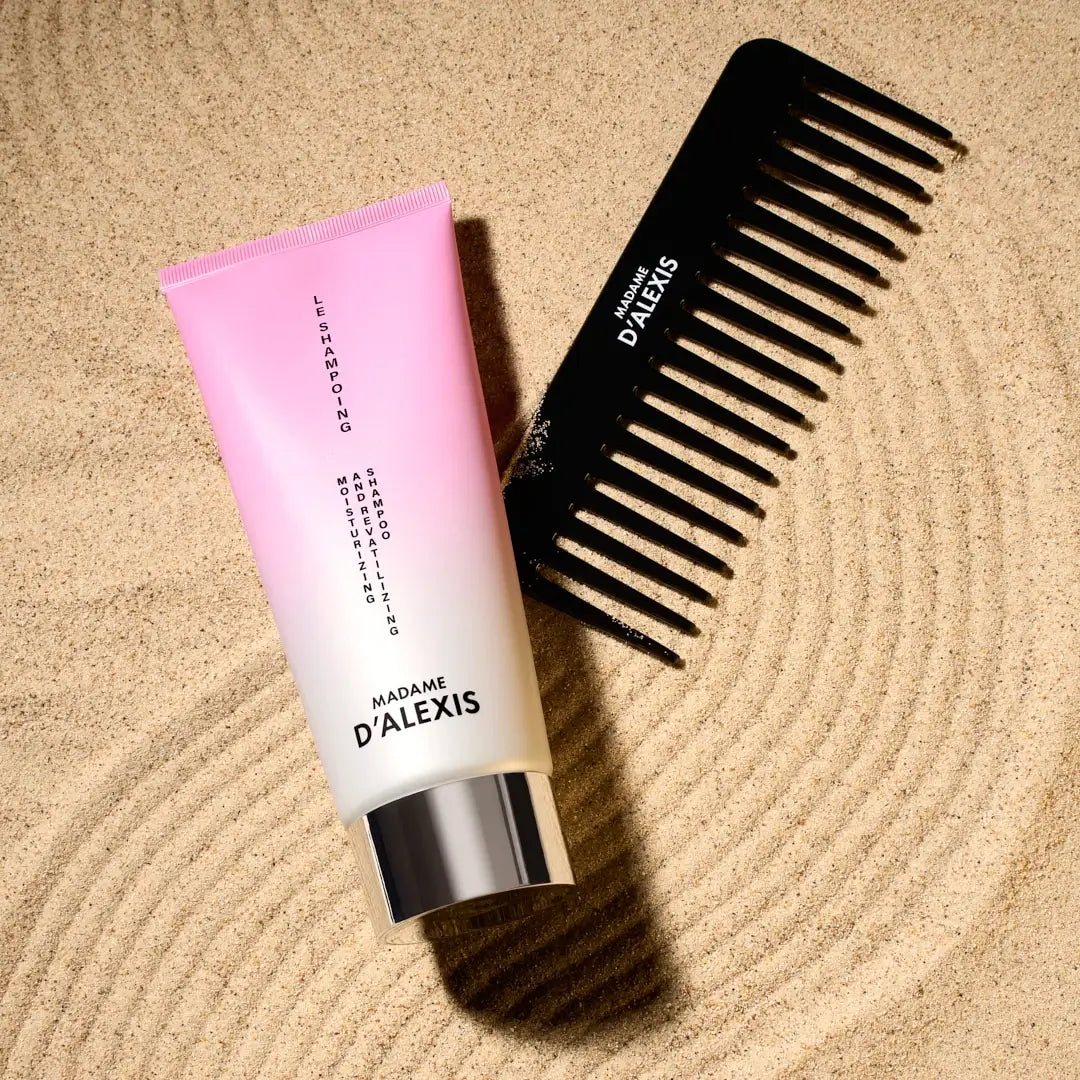
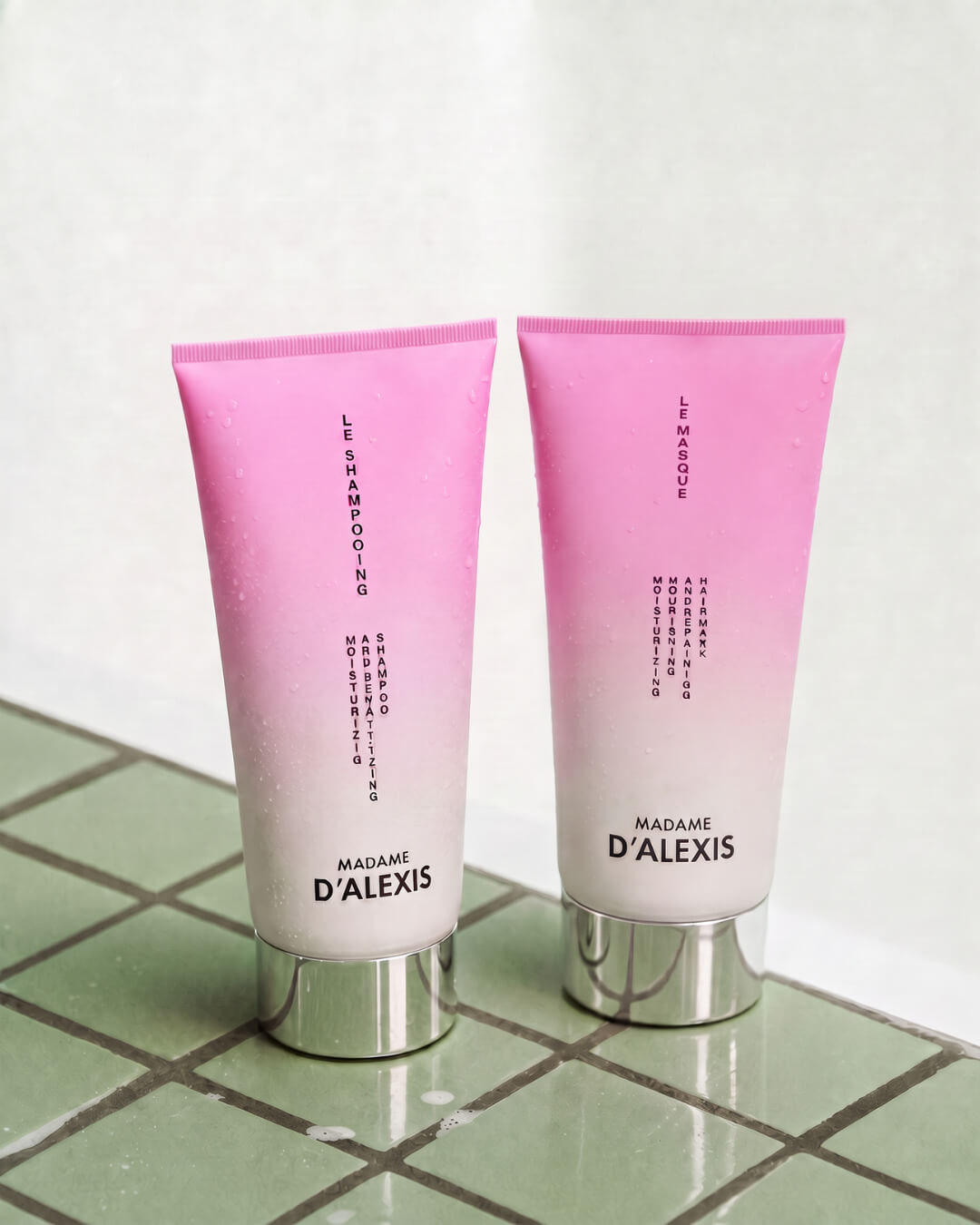
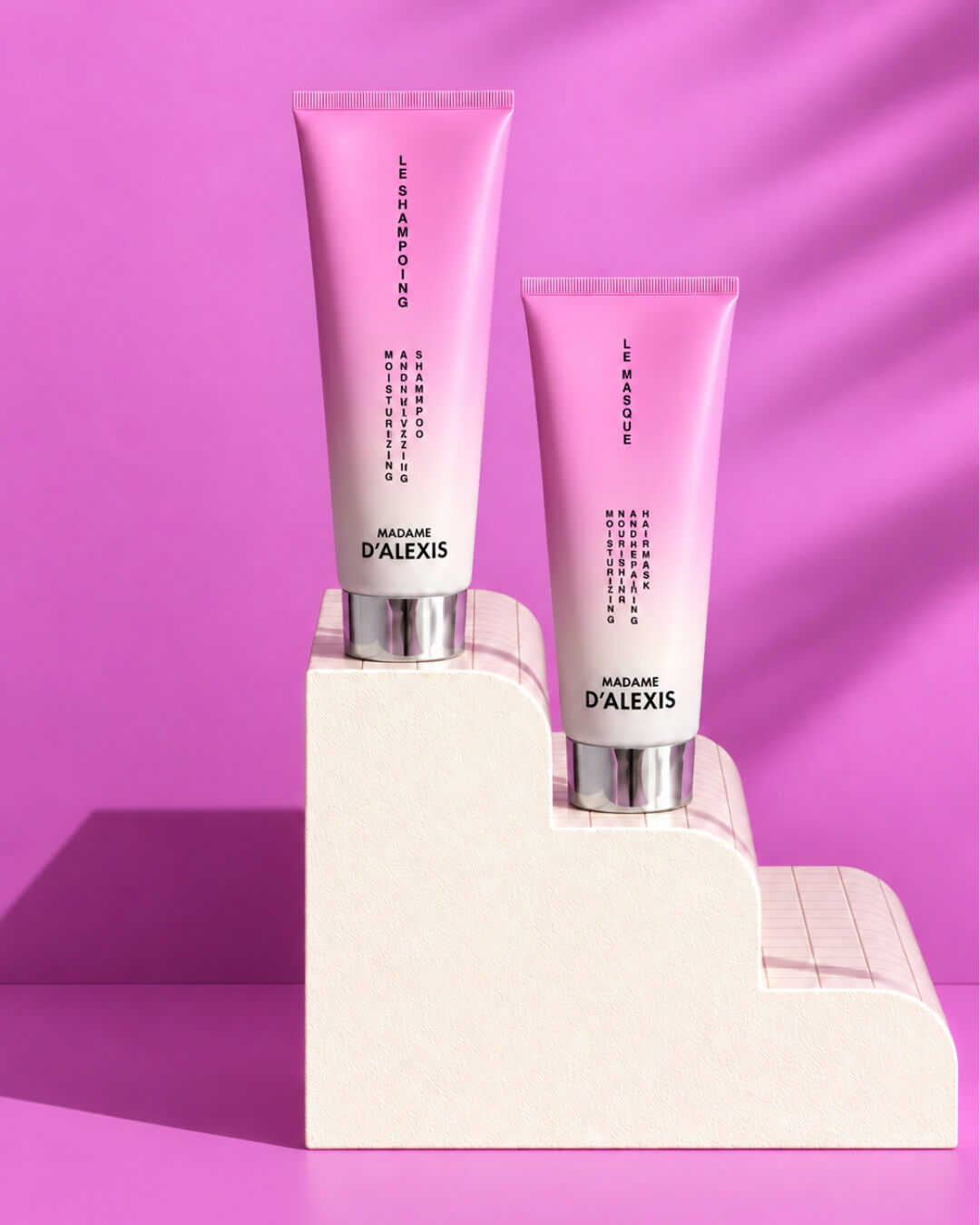
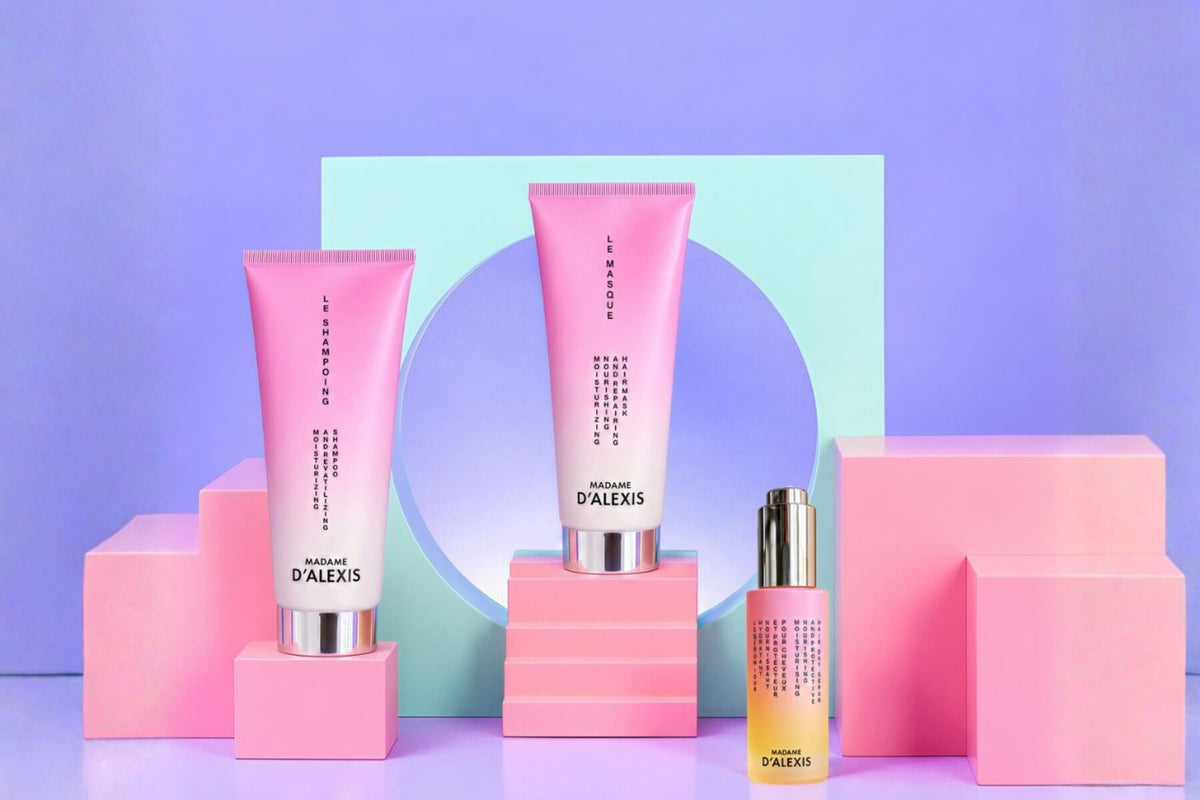
The Shampoo (98% naturally derived) combines cationic hyaluronic acid, prebiotics, and plant-based keratin: it hydrates, soothes, and adds shine. Wash your hair twice on a thoroughly wet scalp, then rinse very thoroughly. Its benefit after plant-based hair coloring: a gentle, sulfate-free wash that cleanses the scalp while preserving the color’s highlights and shine.
The Mask (97% naturally derived) combines plant-based ceramides, cationic hyaluronic acid, orange blossom wax, and organic apricot and jojoba oils: it repairs, nourishes, and softens. Leave it on for 5 to 10 minutes on towel-dried hair, or 20 to 30 minutes for a deep treatment, and up to an overnight treatment once a week on sensitized hair. Always rinse thoroughly. Its main benefit here: it counteracts the drying effect of henna and restores softness to the lengths.
The Scrub is an exfoliating shampoo with fleur de sel, organic coconut oil, and cationic hyaluronic acid. Use it every 10 to 15 days; it replaces your regular shampoo, applied in two rounds like a double shampoo. Avoid using on a sensitive scalp. When used a few days before coloring, it removes residue from the scalp and hair strands: clean hair absorbs color more evenly. However, we do not recommend using it immediately after coloring.
The Day Serum is a 99% naturally derived dry oil formulated with organic jojoba, plant-based ceramides, natural heat protectants effective up to 200 °C, and antioxidants. Just one to three drops applied to the mid-lengths and ends are enough to give your hair a radiant finish and provide daily protection.
Not sure which routine is right for your hair type? Our free hair assessment takes about two minutes and guides you toward the right steps: a simple assessment to help you create your own routine. You can also browse our products for color-treated or highlighted hair directly.

The Shampoo

The Mask

The Scrub

The Day Serum

Moisturizing Routine (Shampoo and Mask)
Is your hair ready for a plant-based hair color treatment?
We'll ask you a few questions about your scalp and hair, and then we'll create a personalized routine for you using our five organic hydrosol treatments, formulated without added water.
Does this sound like you?
- You reply
- Discover your ritual
- You are adjusting your selection
Frequently Asked Questions About Plant-Based Hair Dye
How long does plant-based hair dye last?
Henna bonds permanently to keratin: its color fades very slowly, and it’s mainly regrowth at the roots that determines when to reapply it. More superficial colors, such as those from indigo, don’t last as long. It all depends on how often you shampoo your hair and how gentle your products are. A gentle hair care routine helps the color stay vibrant longer.
Can you use a plant-based hair dye on hair that has already been chemically colored?
It's possible, but combining the two can be tricky. A plant-based dye is applied over a chemical dye without replacing it, and the result can be surprising—especially on bleached hair, where henna takes very well. Test it on a strand first and ask a hairstylist who's experienced with plant-based dyes for advice.
Does plant-based hair dye damage your hair?
No, it doesn't break the hair's bonds the way a chemical product might, and it doesn't profoundly alter the hair's structure. However, it can dry out the hair—especially henna used on its own and frequently. That's why we recommend incorporating a nourishing mask into your routine.
Can you lighten your hair with a plant-based hair dye?
No. No dye plant actually removes color from the hair. A plant-based hair color labeled as “lightening” only enhances shine or adds golden highlights. To lighten hair, only bleaching works—and it’s best to have a hairstylist do it.
What kind of shampoo should I use after using plant-based hair dye?
A gentle shampoo—free of sulfates, silicones, and parabens—that cleanses without stripping away color pigments. We break down the selection criteria and recommended steps in our article on shampoo for color-treated hair.
Is plant-based hair dye right for you?
If you're looking for a natural color, an ammonia-free hair color treatment, and hair that's protected and radiant, plant-based hair color has a lot to offer. If you want to lighten your hair or hate surprises, you’re better off going to a salon. In any case, prepare your hair, follow the processing times, and maintain the color with gentle products: the quality of a color depends as much on the plant as it does on the care you give it afterward.