Advice
Combination Hair: Why Your Roots Are Oily and Your Ends Are Dry—and How to Restore Balance
Combination Hair: Why Do Your Roots Get Oily Quickly While Your Ends Get Dry? Causes, Diagnosis, and a 3-Step Natural Rebalancing Routine.

Combination Hair: Understanding the Imbalance and Finding a Routine That Really Works
Combination hair has two conflicting needs: a scalp that produces too much sebum and ends that lack moisture. The right approach isn’t to wash more vigorously, but to treat each area with the appropriate technique.
In summary: Combination hair is characterized by roots that get oily quickly—sometimes within 24 to 48 hours—and dry, dull, or brittle ends. The mistake to avoid: stripping the scalp, as this fuels the sebum rebound effect.
The solution comes down to a simple routine: a gentle, sulfate-free shampoo on the roots, an occasional scrub to cleanse the scalp, and then a lightweight treatment on the lengths and ends.
A realistic goal: to achieve stronger roots and more supple ends in 4 to 8 weeks, with a regular and more targeted routine.
Golden rule: Anything that cleans goes on the roots; anything that nourishes goes on the lengths.
Combination Hair: Definition and Sebum Mechanism
Combination hair isn't just "a little oily." It's a very specific hair type: the roots get oily quickly, while the ends are dry, dull, and sometimes brittle or split.
This imbalance results from a specific biological mechanism. The goal is to restore balance to the hair by addressing both the scalp and the hair shafts simultaneously.
Why do the sebaceous glands produce excess oil at the roots?
Each hair follicle is associated with a sebaceous gland, located in the dermis of the scalp. These glands produce sebum, a lipid mixture that naturally lubricates the hair shaft and protects the skin barrier.
- Hormonal changes can stimulate sebum production, particularly during puberty, certain phases of the menstrual cycle, pregnancy, or menopause.
- Shampoos that are too harsh trigger a rebound effect: by stripping away too much sebum, they cause the scalp to produce more.
- Chronic stress can affect the sebaceous glands. To learn more about this connection, see our article on stress, cortisol, and hair.
- Heat—from a hair dryer that's too hot, scalding water, a hat, or a hot environment—can increase sebum production at the roots.
Why Do the Tips Dry Out at the Same Time?
The ends are the oldest part of the hair. They have been exposed for months—sometimes years—to UV rays, heat from styling tools, friction, and repeated coloring.
The result: the cuticle scales open up, the hair shaft retains less moisture, and the hair loses its softness. To minimize this damage, heat protection becomes essential whenever heated styling tools are used.
Curly and Wavy Hair: The Unique Case of Sebum Distribution
On curly and wavy hair, this imbalance is often more pronounced because sebum does not travel easily down the length of a spiral-shaped hair strand. The roots become weighed down, while the ends remain dry.
It's not just a problem of excessive oil production; it's also a problem of sebum distribution. A soft brush with natural bristles can help, as long as you don't overstimulate the scalp.
The Best Hair Care Products for Combination Hair
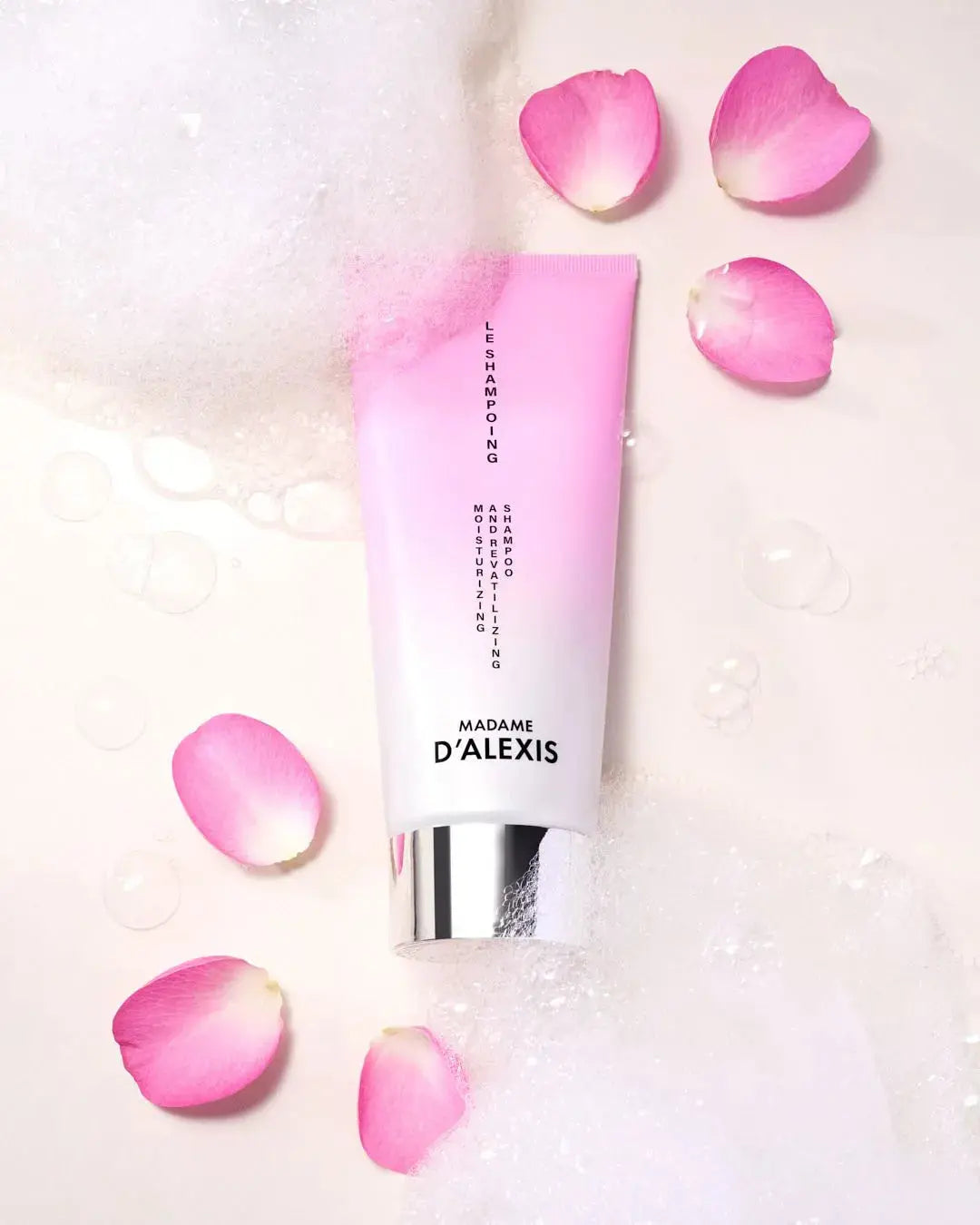
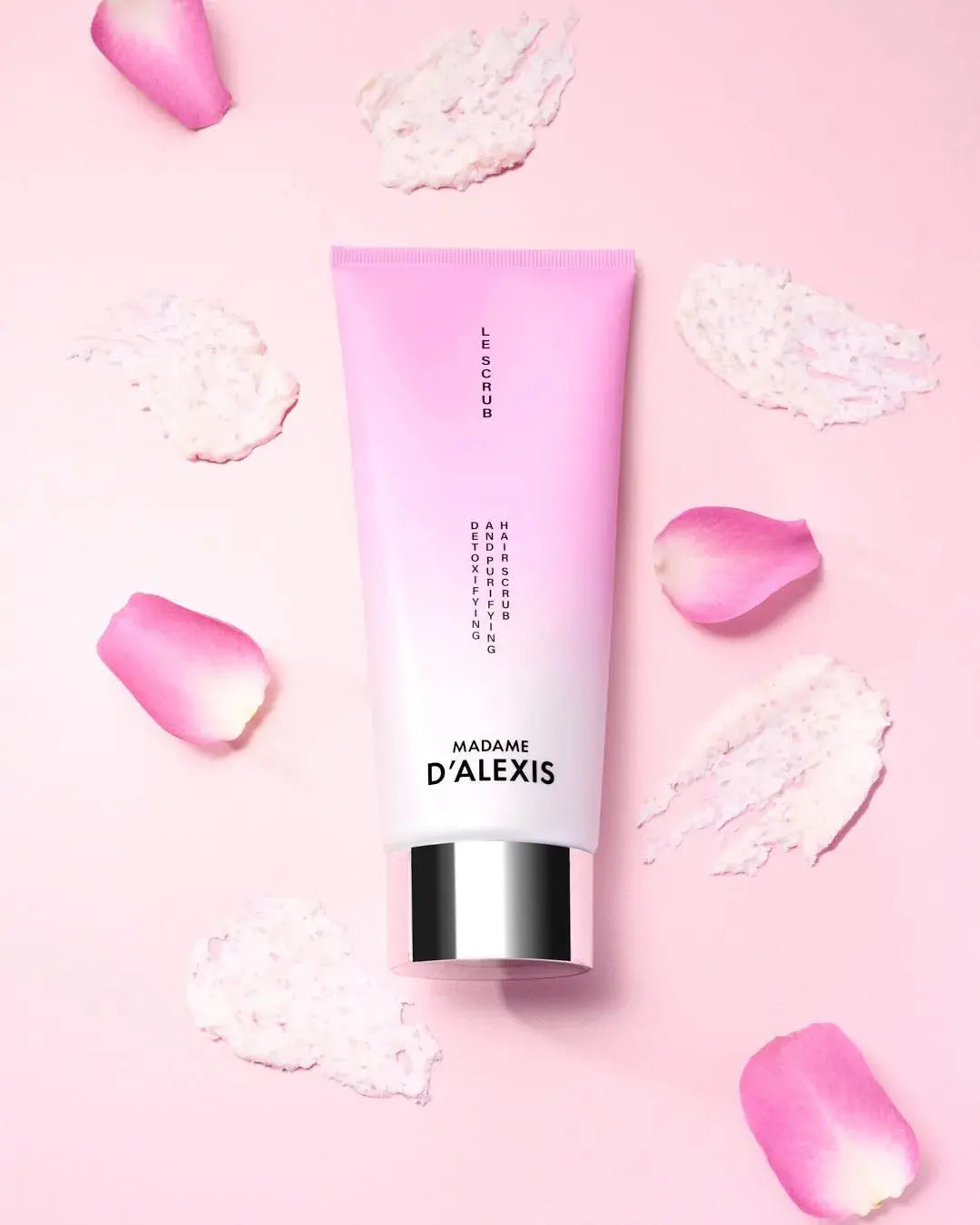
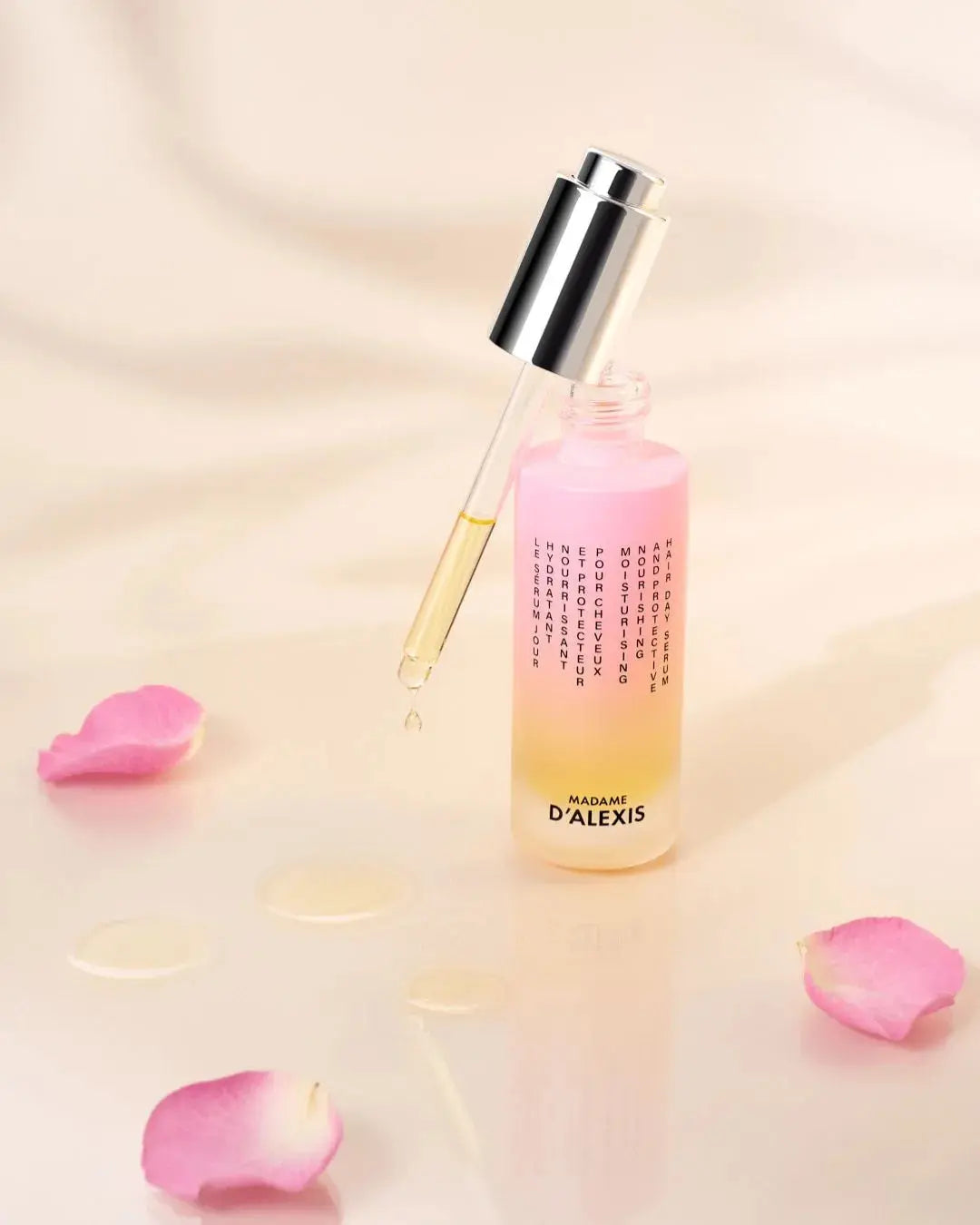
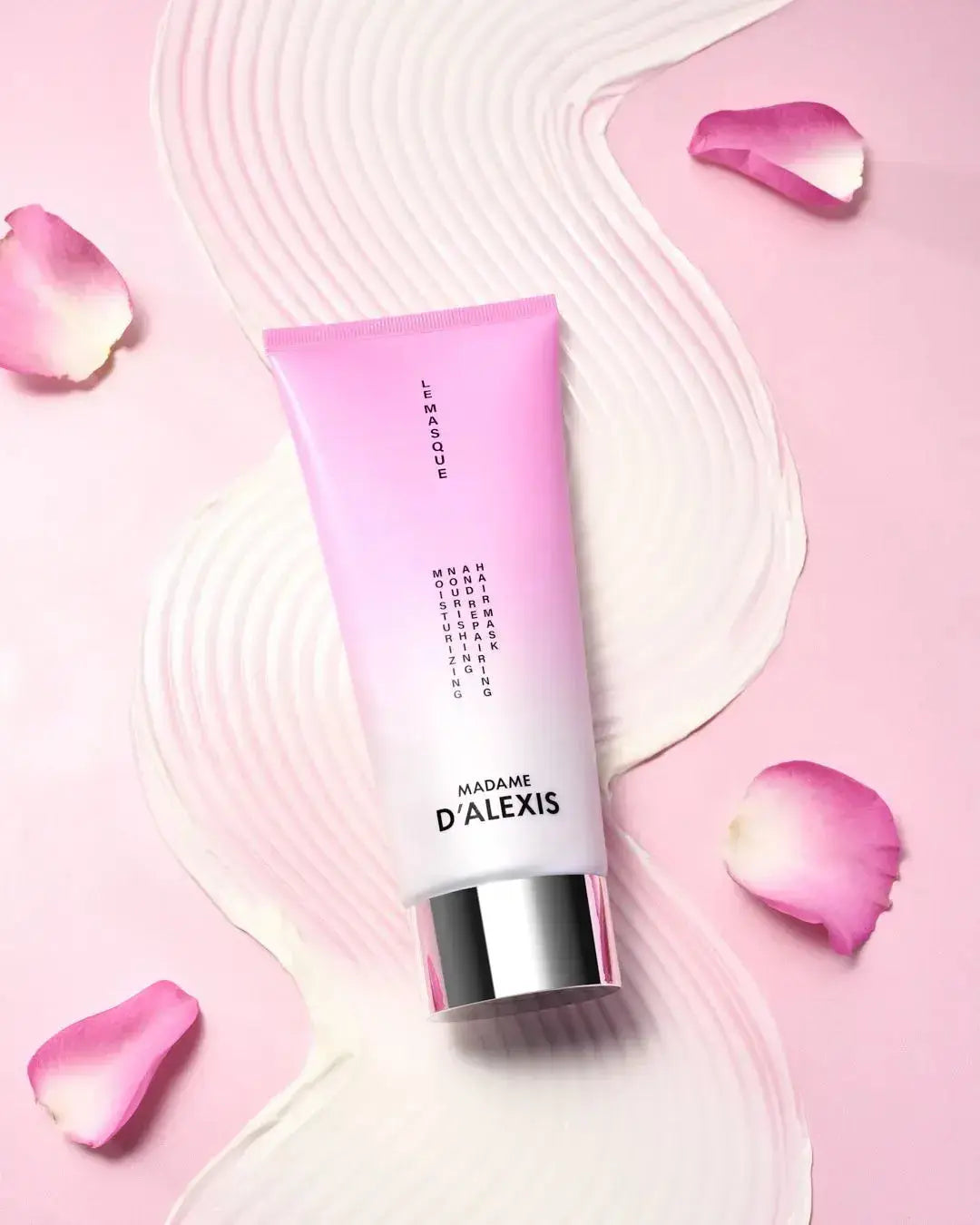
From both a commercial and technical standpoint, the most effective routine combines four products: the Root Shampoo, the Scalp Reset Scrub, the Day Serum for the ends, and the Mask for damaged lengths.
The 5 Mistakes That Make Combination Hair Worse
Shampoo that's too harsh
When dealing with oily roots, the instinct is often to use a “purifying” shampoo loaded with sulfates. However, by stripping away too much sebum, it can trigger the scalp to overcompensate.
Root Treatment
A nourishing mask is good for the ends, but it should never be applied to the scalp. The rule: mid-lengths and ends only.
Insufficient rinsing
Shampoo or conditioner residue can quickly make your roots look greasy. Rinse longer than you think is necessary.
Excessive brushing
Brushing more frequently provides mechanical stimulation to the roots. Once or twice a day is sufficient, using a soft brush or a suitable comb.
Diagnosis: Distinguishing Mixed Hair Types from Other Hair Types
Before adjusting your routine, make sure you actually have combination hair—and not normal or uniformly oily hair.
| Criterion | Normal hair | Uniformly Oily Hair | Combination Hair |
|---|---|---|---|
| Roots after 48 hours | Slightly oily | Very fatty | Very fatty |
| Results after 48 hours | Flexible | Oily or heavy | Dry, dull |
| Washing Frequency | Every 2 to 3 days | Every day | Every 1 to 2 days at the start |
| Reaction to the Rich Mask | Neutral | Weighs down | Weighs down the roots, helps the ends |
| Curly or wavy hair | Variable | Variable | Very common |
For uniformly oily hair, check out our article on the causes of oily hair. For hair that’s oily at the roots and dry at the ends, our guide to caring for oily roots and dry ends details daily steps, product by product.
Transition Period: Why Hair Seems Greasier at First
This is when many people give up. You switch shampoos, adopt a gentler routine, and your roots seem even oilier than before. That’s normal: your scalp needs time to adjust its oil production.
Weeks 1–2
Your hair may feel heavier. Resist the urge to go back to your old products or to wash your hair more often.
Weeks 3 to 4
The sebaceous glands begin to reduce their production. This is also a good time to start using an exfoliating shampoo for oily hair or a gentle scrub if your scalp is clogged.
More than 4 weeks
Most people notice a real difference: stronger roots, ends that respond better to care, and a routine that’s easier to stick to.
To master exfoliation, be sure to read our article on how to use an exfoliating shampoo.
3-Step Rebalancing Routine for Combination Hair
An effective routine for combination hair isn't complicated. It's a targeted routine: each product is applied to a specific area.
Step 1: Gentle, sulfate-free cleansing—roots only
Apply the shampoo only to the scalp and roots. Gently massage with your fingertips for two to three minutes, then rinse. The water running down the lengths of your hair is enough to clean them without damaging them.
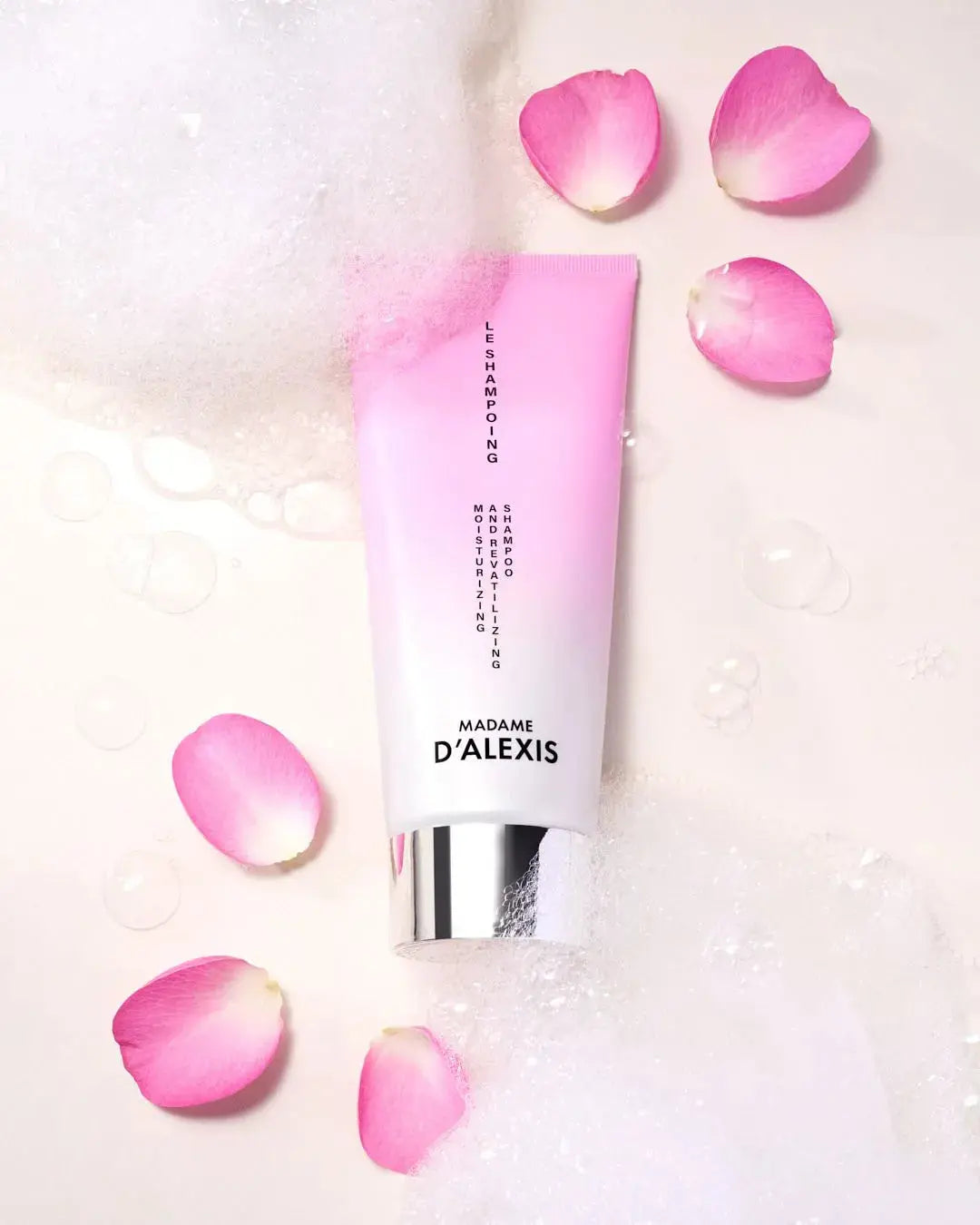
Madame d’Alexis’s sulfate-free shampoo for combination hair is formulated with active organic hydrosols: Damask rose, German chamomile, and orange blossom. To understand the benefits of this choice, learn about the advantages of sulfate-free shampoo.
Step 2: Reset your scalp every 10 to 15 days
The Scrub helps remove product buildup, dead skin cells, and excess oxidized sebum that can weigh down the roots. Use it on that day instead of shampoo, then rinse thoroughly.
The balancing scalp scrub combines fleur de sel, organic hydrosols, and cationic hyaluronic acid. For more information, check out our guide to a hair care routine that includes exfoliation.
Step 3: Lightly moisturize the ends
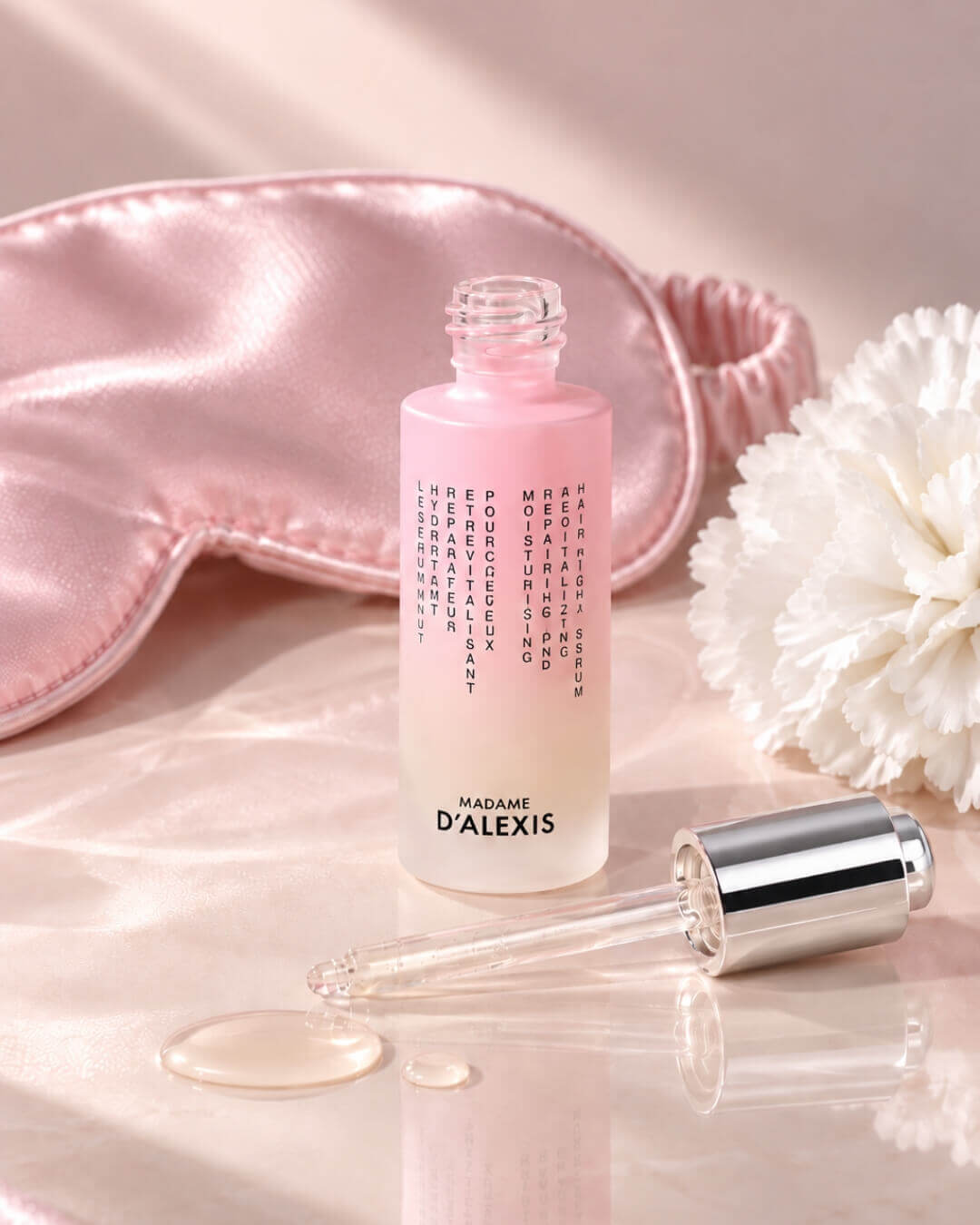
The ends of your hair need moisture and lipids, but in lightweight formulas. Apply the leave-in moisturizing serum to dry or slightly damp hair, never to the roots.
You can also apply a moisturizing mask to the ends of your hair once a week, especially if they're very damaged. For a complete routine, check out our guide to caring for oily roots and dry ends.
Key Ingredients Chart: Balancing the Roots vs. Moisturizing the Ends
| Need | Ingredients to look for | Ingredients to avoid |
|---|---|---|
| Pruning the Roots | Chamomile hydrosol, prebiotics, white clay, gentle purifying active ingredients | Heavy silicones, mineral oils, and thick butters on the scalp |
| Moisturize the ends | Cationic hyaluronic acid, ceramides, plant-derived keratin, jojoba oil | Denatured alcohols, sulfates, harsh surfactants |
| Striking a Balance Between the Two | Bioactive hydrosols, prebiotics, area-specific skincare routine | Synthetic fragrances, dyes, and irritating preservatives |
Alexis's "Madame" Routine for Combination Hair
A compact selection to structure your hair care routine: wash the roots, cleanse the scalp, and then protect the ends.
FAQ: Combination Hair—Our Answers to Your Questions
How often should you wash combination hair?
Ideally, every 2 to 3 days, using a mild, sulfate-free shampoo. Washing your hair every day often keeps the sebum-induced frizz going.
Can you use a hair mask on combination hair?
Yes, but only on the mid-lengths and ends. Never on the scalp or at the roots, to avoid weighing the hair down.
Combination and Colored Hair: How Should You Adjust Your Routine?
Hair coloring weakens the hair shaft, so dry ends require extra care. Choose a sulfate-free shampoo and apply a heat protectant before using any heat-styling tools.
How long before I see results?
The first signs of improvement often appear between 3 and 4 weeks. It may take 6 to 8 weeks for the condition to fully stabilize.
Fine, combination hair: Which products should you avoid?
Avoid thick masks, heavy oils, non-water-soluble silicones, and very rich conditioners. Light, fluid textures are better suited.
Scalp scrub: Is it suitable for sensitive, combination hair?
Yes, as long as you choose a gentle scrub and don’t use it too often. For a sensitive scalp, using it once every 4 to 6 weeks may be enough. Our article on scalp scrubs and dandruff goes into more detail.
What hair care products are best for combination hair?
A gentle shampoo for the roots, an occasional detox treatment for the scalp, followed by a light moisturizing treatment for the ends. TheJojoba oil can be beneficial for the lengths, but not for oily roots.
How do you treat oily roots?
Replace harsh clarifying shampoo with a gentle, sulfate-free shampoo, reduce heat, gradually space out washes, and use a gentle scrub occasionally.
How can you prevent excess sebum?
Wash with lukewarm water, rinse thoroughly, avoid harsh formulas, manage stress, and use a soft brush without overstimulating the scalp.