Advice
Scalp Serum: How to Choose One Based on Your Needs

Your routine is set, your hair is well-cared-for, and yet it all comes down to something else: the roots. Over the past few seasons, scalp serum has emerged as the step that was missing from many hair care routines, because it finally addresses the area on which the rest of the hair depends. That leaves one very practical question: how do you choose a scalp serum when the formulas, active ingredients, and claims all seem so similar? Here’s a clear guide, organized by scalp need, to help you understand what a serum does, how to apply it, and which other products to use alongside it.
What is a scalp serum, and what is it used for?
A scalp serum is a concentrated, leave-in treatment applied directly to the scalp at the hair roots. Its fluid texture is applied section by section and massaged in until absorbed. It is not intended to cleanse—that is the role of shampoo—nor to nourish the hair shafts—that is the role of a hair mask. Its purpose is to maintain the environment in which the hair grows: comfort, hydration, balance of the scalp’s surface, and vitality of the roots.
The scalp is skin just like any other, with its own glands, hydrolipidic film, and microflora. We explain this process in detail in our comprehensive guide to the scalp. When this skin feels uncomfortable, is out of balance, or is simply neglected, your hair shows it: oily roots, tightness, and hair that lacks body. The serum acts as a scalp treatment, applied in the evening when you take the time to massage it in.
What's the difference between a scalp serum and a hair serum?
Confusion is common because both have the same name. However, they are not intended for the same area and are not formulated in the same way.
A hair serum—often a dry oil—is applied to the mid-lengths and ends to coat the hair shaft, add shine, and protect against heat. It should be kept away from the roots, or it may weigh the hair down. A scalp serum, on the other hand, is designed for the skin: it has a lighter texture, doesn’t leave an oily film, and its active ingredients are chosen for their benefits to the scalp (hydration, soothing, balance, and vitality of the hair follicles).
In the Madame d'Alexis line, the two steps are separate. The Day Serum is a dry oil for the mid-lengths and ends, while the Night Serum is designed for the scalp. If you're looking for a serum specifically for your mid-lengths, our guide to serums for dry hair will help you make a decision.
How do you choose the right scalp serum for your needs?
There is no one-size-fits-all serum—only priorities. Before making a choice, take a look at your scalp two or three days after washing: Does it feel comfortable, oily the very next day, tight, or sensitive to the touch? Your answer will guide your choice.
Which scalp serum is best for an oily scalp?
An oily scalp doesn’t need to be stripped; it needs to be balanced. Avoid oily formulas that add oil to oil, and opt for a lightweight formula that moisturizes without leaving a greasy residue. With this in mind, apply a small amount of serum in the evening after thoroughly washing your hair. Our article on organic shampoo for oily hair details the washing routine that prepares the scalp for this step, and the hair care routine for oily hair combines a Scrub, Shampoo, and Night Serum.
Which scalp serum is best for a dry or sensitive scalp?
When your skin feels tight or reacts quickly, you’re looking for hydration and comfort. Hydrosols (German chamomile, Damask rose) and hyaluronic acid are natural allies for this skin type. Massage the serum in with your fingertips, without rubbing. Wash with a gentle shampoo, rinse thoroughly, and let your scalp breathe. If the itching persists or is accompanied by patches, consult a healthcare professional. To understand the most common causes, read our guide on shampoo for an itchy scalp, and explore the selection of dedicated products in the Irritated Scalp collection.
Which scalp serum is best for roots that lack volume?
If your hair seems thinner, if regrowth is slow, or if hair loss is a concern, choose a serum that supports hair growth and density. It should be used as a treatment regimen, applied regularly, since the hair growth cycle is long. Plant-based anti-hair loss active ingredients and microbiome-care ingredients play a key role here. For more information, our comparison guide, “Anti-Hair Loss Serums: Which Product to Choose,” outlines the selection criteria.
Which active ingredients should you look for in a scalp serum?
The list of ingredients matters more than what the label promises. Three categories are worth your attention.
First, the moisturizing ingredients: hyaluronic acid, here in its cationic form, binds more easily to the hair shaft and the skin. Next, the balancing ingredients: prebiotics, probiotics, and postbiotics support the scalp’s microbiome—a topic we explore in our article on prebiotics and probiotics for hair. Finally, the plant extracts: oak, nettle, and licorice are among the natural anti-hair loss ingredients in the Night Serum.
Some formulas rely on peptides or rosemary oil. These are options, not requirements: the key is to understand what’s in your serum and why, rather than just following the latest trend in active ingredients.

Madame d'Alexis Night Serum combines probiotics and postbiotics, fermented extracts, cationic hyaluronic acid, and natural anti-hair-loss active ingredients (oak, nettle, licorice). It is formulated with 98% naturally derived ingredients and contains no added water: organic hydrosols replace the water, leaving more room for the active ingredients.
How do you apply a scalp serum?
The way you apply it is just as important as the formula itself. Here is the method we recommend for the Night Serum.
- Apply in the evening to a clean, dry, or towel-dried scalp.
- Divide your hair into sections, then apply the serum with the dropper, section by section, to your scalp; one dropperful is enough for your entire head.
- Massage with your fingertips in small circles for one to two minutes. This massage promotes absorption and helps you unwind in the evening.
- Do not rinse. Leave it on overnight.

How often should you use a scalp serum?
For the Night Serum, use it 3 to 5 times a week as an intensive treatment, then 1 to 2 times a week for maintenance. This gradual approach gives your scalp time to respond without being overwhelmed. A serum’s effectiveness is best judged over time: use it consistently for several weeks before evaluating its results.
Which products should you choose to use with your scalp serum?
A serum works best on a healthy scalp. Here are the products that go with it, and why each one has its place in a scalp care routine.
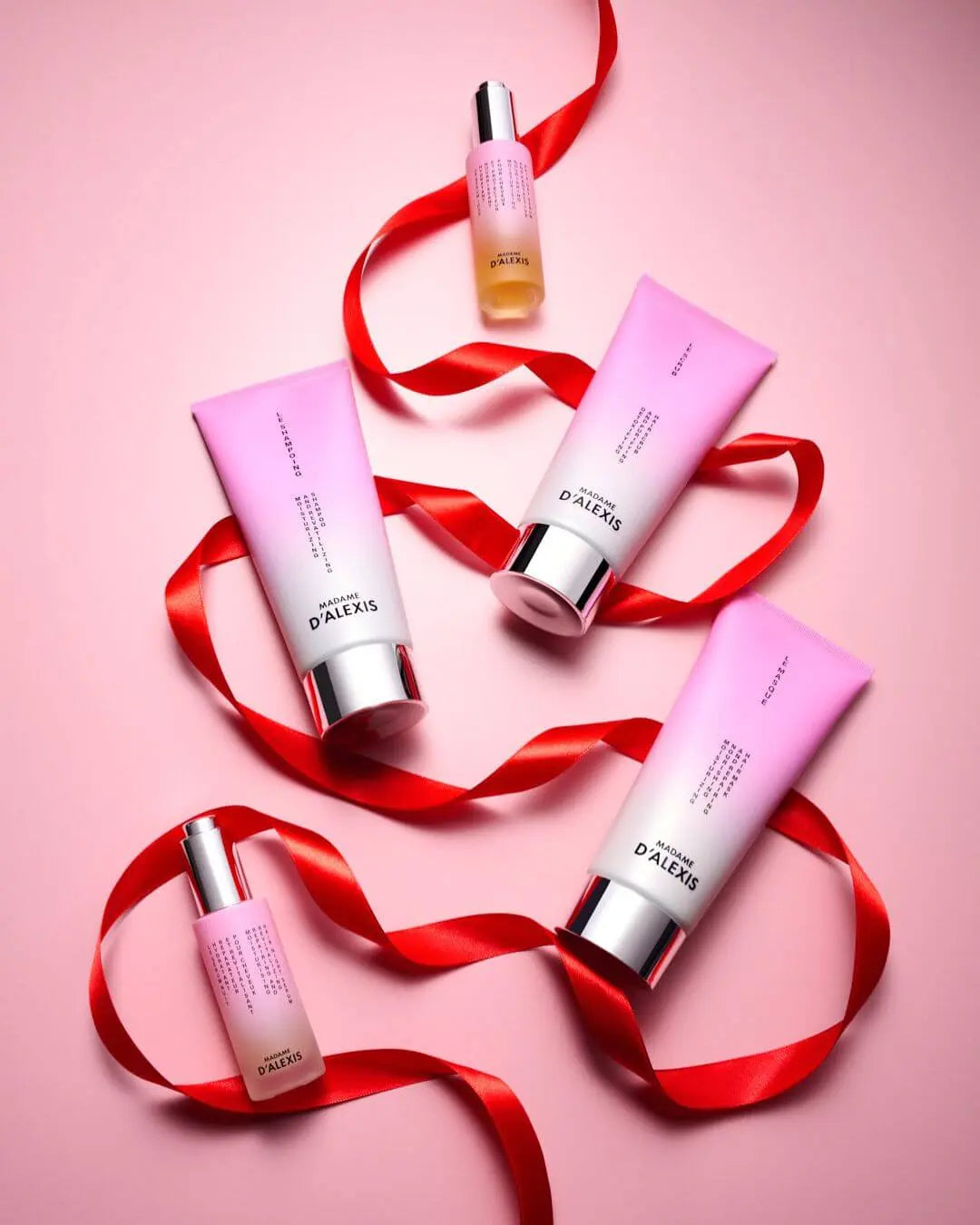
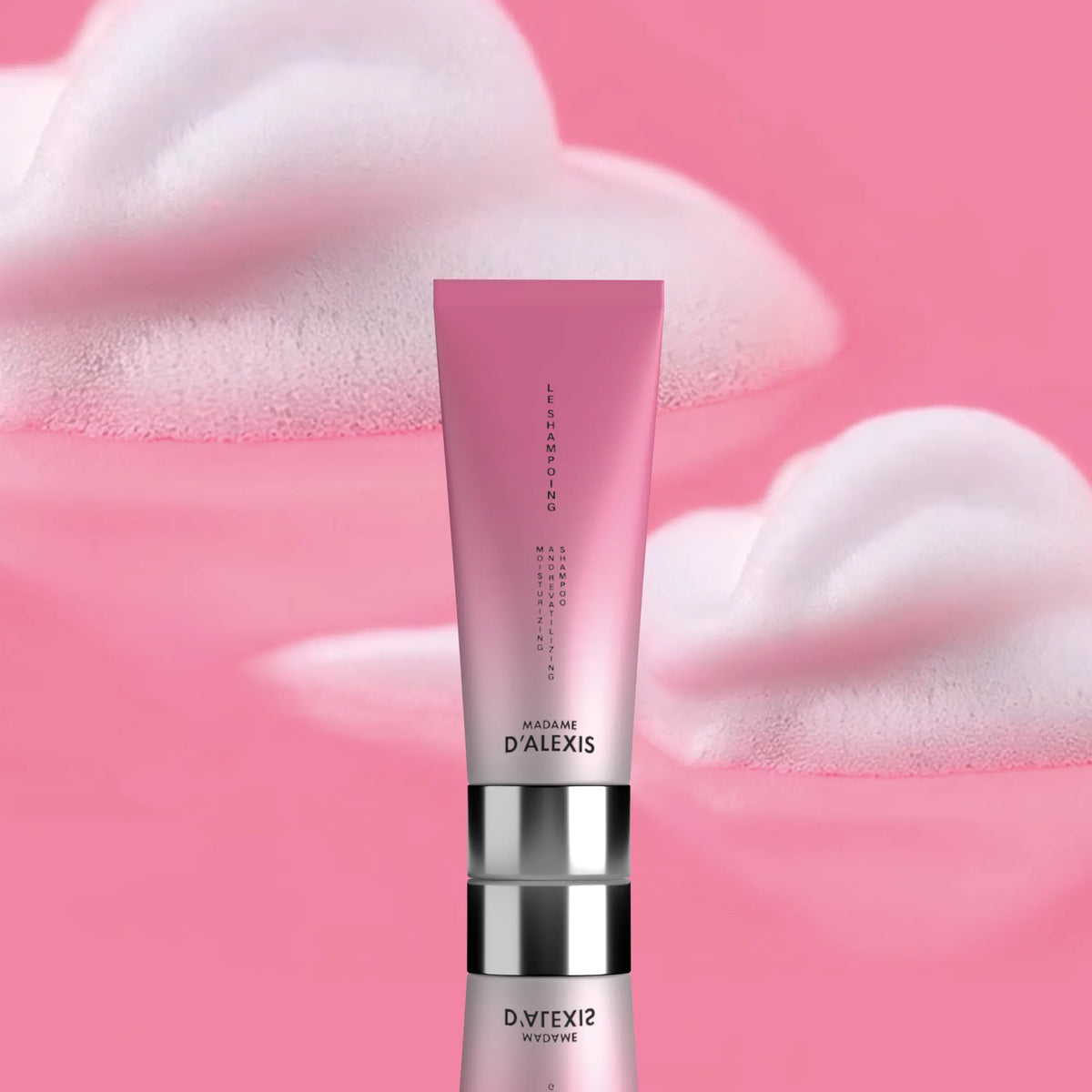
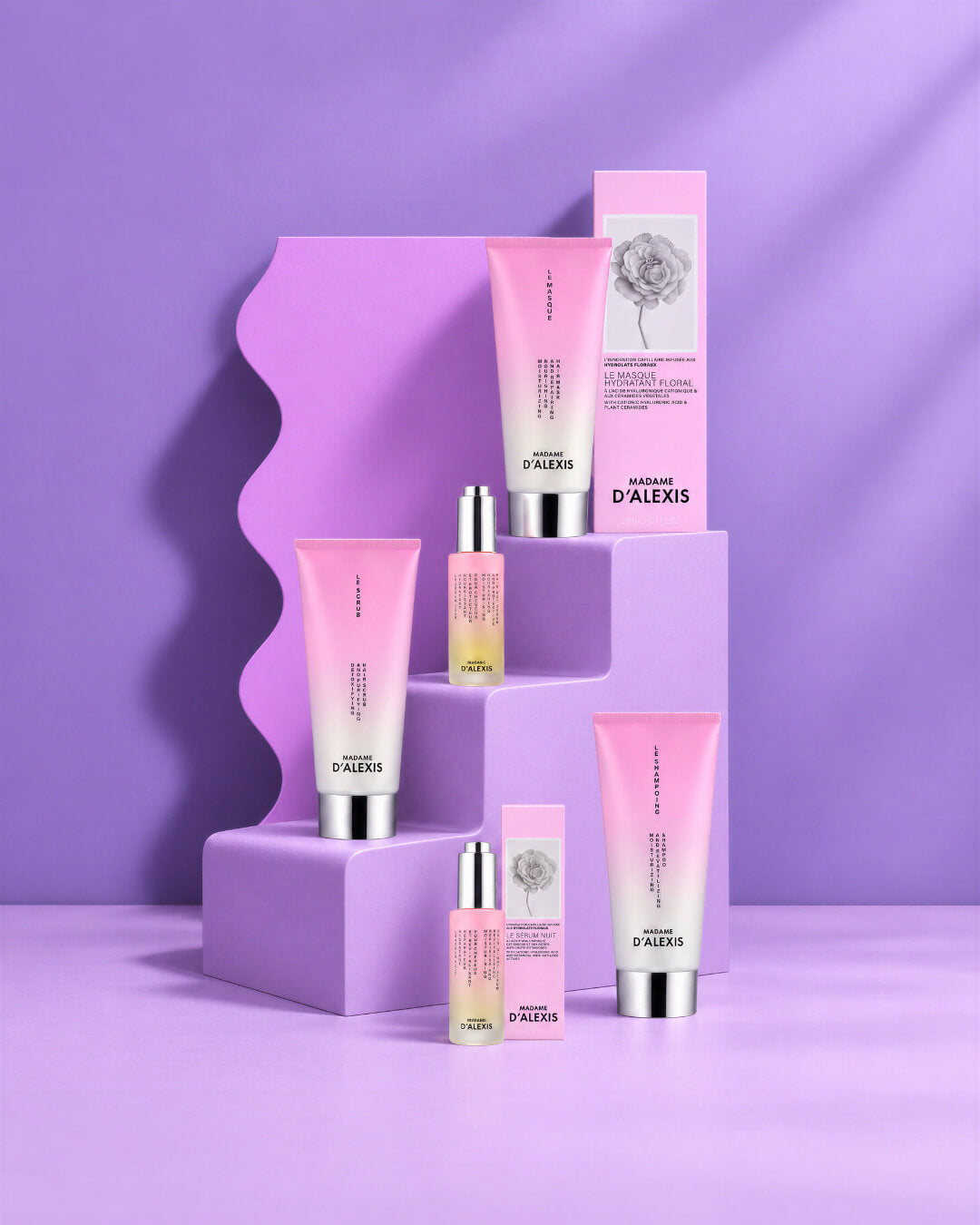
The Night Serum is the core treatment: it directly targets the scalp with probiotics and postbiotics, cationic hyaluronic acid, and natural anti-hair loss active ingredients. The Shampoo prepares the scalp: 98% naturally derived, it hydrates, soothes, and brightens. Apply it twice to a thoroughly wet scalp, massaging it in and then rinsing very thoroughly. The Scrub, an exfoliating shampoo with fleur de sel, hydrosols, and organic coconut oil, clears the scalp of residue: it should be used every 10 to 15 days and replaces the Shampoo on that day; apply in two successive applications, then rinse. Finally, the Growth & Density Ritual combines the Scrub and the Night Serum for a treatment targeted at the roots.

The Night Serum

The Shampoo

The Scrub

The Growth & Density Ritual
Which serum is right for your scalp?
We'll ask you a few questions about your scalp and hair, and then we'll create a personalized routine for you using our five organic hydrosol treatments, formulated without added water.
Does this sound like you?
- You reply
- Discover your ritual
- You are adjusting your selection
Can you make a homemade scalp serum?
It’s tempting: a few drops of oil, a little essential oil, and you’re all set. In practice, however, a homemade serum has several limitations. Without preservatives or a controlled manufacturing process, its shelf life is uncertain. Essential oils can irritate skin that’s already sensitive. And the balance of a formula—with its moisturizing active ingredients and microflora—can’t be improvised. If you enjoy homemade rituals, try a homemade head spa instead, which cares for the scalp through gentle touch and routine, using products specifically formulated for this purpose.
Mistakes to Avoid When Using a Scalp Serum
There are three common mistakes. The first is applying too much product: one pipetteful is enough; using more doesn’t improve results and can weigh down the roots. The second is applying it to a dirty scalp, because the serum will then mix with residue instead of absorbing into the scalp. The third is judging results too quickly: the hair growth cycle is slow, and consistency matters more than frequency. Finally, don’t use the serum as a substitute for shampooing: one cleanses, the other nourishes.
FAQ: Your Questions About Scalp Serum
Does a scalp serum promote hair growth?
A serum does not replace the hair's natural growth cycle. However, it does help maintain the health of the scalp. The Night Serum combines probiotics, postbiotics, and natural anti-hair-loss ingredients to support hair growth and density, provided it is used regularly.
Can you use a scalp serum every day?
It depends on the product. For the Night Serum, we recommend using it 3 to 5 times a week as an intensive treatment, then 1 to 2 times a week for maintenance. This frequency is enough to establish a routine without overloading the scalp.
Should you rinse out a scalp serum?
No. A scalp serum is a leave-in treatment: you massage it in, then let it work—ideally overnight. The next day, wash your hair as usual.
Which scalp serum is best for an oily scalp?
Choose a lightweight formula that moisturizes without leaving a greasy residue, and apply a small amount after thoroughly washing your hair. Exfoliating every 10 to 15 days helps remove residue from the scalp before application.
Can you use a scalp serum and a serum for the lengths of your hair?
Yes, they are not meant for the same area. The Night Serum is applied to the scalp in the evening, while the Day Serum is applied—1 to 3 drops—to the mid-lengths and ends. Keep the serum away from the roots so as not to weigh them down.
In short: a scalp serum—a fundamental step
Choosing a scalp serum is like listening to your scalp: whether it’s oily, dry, sensitive, or lacking density, there’s a solution for every need. Opt for a lightweight formula, apply it section by section on a regular basis, and pair it with products that prepare the scalp. To find out where to start, the hair assessment will help you create your routine in just two minutes.