Advice
Shampoo for Fine Hair: How to Choose a Light Formula

Your hair is fine and often flat the day after you wash it, and every shampoo you try seems to fall short: if it’s too rich, it weighs your hair down; if it’s too harsh, it makes your hair frizzy and brittle. The right shampoo for fine hair doesn’t promise miraculous volume. A good shampoo for fine hair serves a more specific purpose: to cleanse without leaving residue, provide moisture without weighing the hair down, and protect the ends. Here’s how to choose it, use it, and pair it with a hair care routine tailored to your hair type, complete with practical advice and step-by-step tips.
Why does fine hair need a special shampoo?
Fine hair is hair with a small diameter—it’s not primarily a matter of hairstyle. Fine hair tends to kink, break, and become weighed down by product more quickly than other hair types, and it sometimes becomes even finer with age. In fact, children’s and babies’ hair is naturally fine. A product that’s too rich or silicone residue is enough to weigh the hair down, and a formula that’s too harsh weakens the already delicate ends.
The hair’s root also plays a role. In fine hair, sebum travels down the hair shaft more quickly, and the “flat hair” effect can sometimes appear as early as the second day. A good shampoo should therefore cleanse gently, without stripping the hair, and leave it supple. It’s this balance that distinguishes a shampoo for normal or thick hair from one designed for fine, limp hair.

Which shampoo should you choose for fine hair?
When looking for a shampoo suited for fine hair, a few key criteria are more important than any promises on the label. The first is a lightweight formula: a light texture that rinses out easily and leaves little residue on the hair shaft. The second is the absence of silicones, which provide an immediate feeling of softness but build up and weigh down fine hair with each wash. The third is gentle cleansing power—enough to cleanse without stripping the hair.
That’s why a sulfate-free, paraben-free, and silicone-free shampoo is a good place to start: a silicone-free shampoo is gentle on the hair shaft and helps prevent dull or weighed-down hair. A natural or organic shampoo for fine hair serves the same purpose, as long as you read the list of natural ingredients—not just the label. A traditional volumizing shampoo, on the other hand, often relies on texturizing and coating agents that artificially plump up the hair shaft. The effect is visible the very same day, but it comes at the cost of hair that feels heavier and is harder to detangle.
Madame d'Alexis hair care products are formulated without added water: the base consists of organic hydrosols of Damask rose, German chamomile, and orange blossom, supplemented with active ingredients derived from skincare. Fine hair receives hydration without excess oil, which makes all the difference in your daily routine.
Volumizing shampoo or lightweight shampoo: Which is the best shampoo for fine hair?
The best shampoo for fine hair isn’t necessarily the one that promises the most volume. Volume shampoos—whether labeled “volumizing” or “volumizing”—often contain polymers that thicken the hair shaft to create the appearance of body. The effect is appealing at first use, but then the products build up and the volume fades more quickly. A lightweight shampoo, on the other hand, focuses on a thorough cleanse and a complete rinse: volume comes from a clean scalp, not from a coating. A good cleansing shampoo doesn’t need to be harsh to achieve this. It’s better to use a lightweight shampoo than a volumizing one every day: a volumizing shampoo can be a lifesaver for a night out, but not for daily use.
Here are our top 3 criteria to check before making a purchase, in order of importance: ingredients, texture, and then price. To compare products on the market, a simple rule suffices: if a shampoo promises “thickness” or a “coating effect” but contains silicones, give it a pass. If it has a short ingredient list, a fluid texture, and moisturizing active ingredients, it’s likely a good fit for fine hair. The brand matters less than the ingredients, and price isn’t a guarantee either: a €35 shampoo that you use sparingly ends up being cheaper than a cheap bottle that you use in excess. Customer reviews are helpful as long as you read those describing hair similar to yours, and the cost per wash matters more than the price of the bottle.
What ingredients should you look for if you have fine, fragile hair?
For fine, fragile hair, look for ingredients that moisturize, strengthen, and soften without thickening or weighing down the hair. Here are the ones that belong in a good shampoo:
- Cationic hyaluronic acid, which binds to the hair and locks in moisture without weighing it down.
- Plant-based keratin, which helps fine and fragile hair become more supple.
- Prebiotics, which help maintain the scalp's natural balance every day.
- Organic floral waters: Damask rose hydrates, soothes, and adds shine; chamomile brightens the hair and reduces dryness; orange blossom tones the roots.
On the other hand, be wary of very rich butters, heavy oils in shampoos, and silicones. They’re suitable for thick or very damaged hair, but not for fine hair, which loses its volume at the slightest excess. Proteins, collagen, amino acids, and aloe vera—commonly found in commercial shampoos—may seem appealing for strengthening the hair shaft, but they should be used sparingly: too much protein can make fine hair brittle and coarse. Also avoid applying oil to the entire scalp, as it doesn’t smooth fine hair well; instead, reserve it for the ends. Organic jojoba oil, which is very similar to sebum, remains lightweight when used sparingly—just a few drops—on the ends.
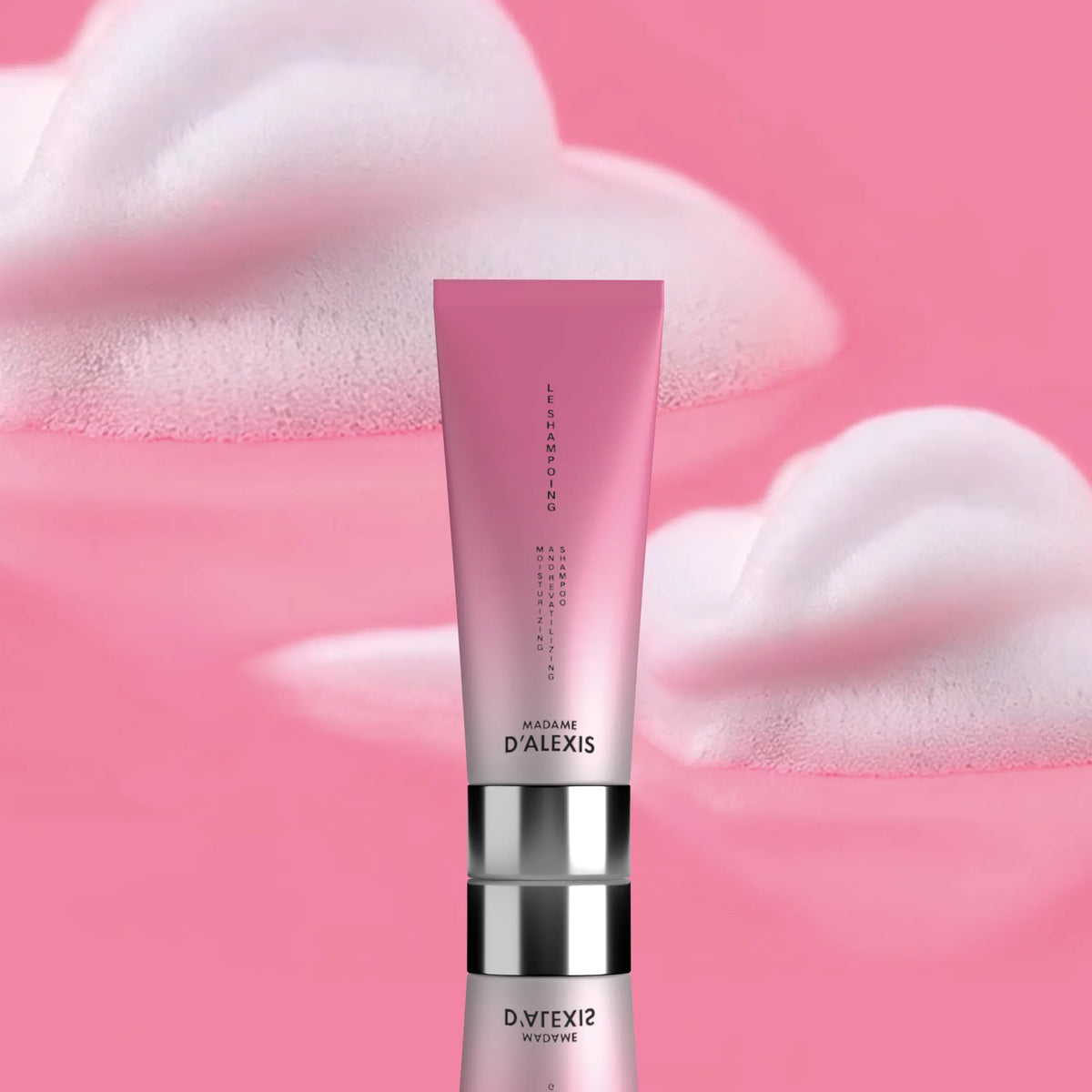
Madame d'Alexis Shampoo combines precisely these ingredients: 98% naturally derived ingredients, cationic hyaluronic acid, prebiotics, and plant-based keratin—free of sulfates, silicones, and parabens. It moisturizes, soothes, and adds shine, with a texture that rinses out easily.
How can you wash fine hair properly to maintain volume?
The technique is just as important as the product. Start by brushing with a soft-bristled brush to detangle without breaking the hair, then adopt a few habits that will make your hair feel lighter starting with your next shower:
- Wet your hair thoroughly before applying shampoo: hair that's thoroughly wet requires less shampoo.
- Wash your hair twice: once to dissolve sebum and residue, and a second time to thoroughly cleanse. Massage with your fingertips, focusing only on the roots.
- Rinse very thoroughly, for longer than you think: rinsing for too short a time is the leading cause of fine hair falling out.
- Let your hair breathe while it dries: turn your head upside down, blow-dry in the opposite direction, and keep the dryer at a distance to lift the hair away from your scalp. Limit the use of styling products and sprays, which weigh down the hair shaft. You can also add a final rinse with cool water for a gentle finish.
As for how often to wash it, fine hair gets dirty quickly. You can wash it regularly—even daily—using a gentle shampoo. Our guide on how many times a week to shampoo based on your hair type will help you find the right frequency. And to add body, check out our tips in the article on how to add volume to fine hair.
Which shampoo should you choose based on your fine hair type?
Not all fine hair is the same, and the best shampoo also depends on what else is involved. For oily hair close to the scalp, opt for a purifying shampoo, combined with an occasional scalp scrub: there’s no need to wash more often with harsh products, which stimulate sebum production. For hair that’s dry at the ends, a moisturizing shampoo, a mask applied to the lengths, and a drop of oil are all you need. Fine, curly hair, on the other hand, needs light hydration to keep the curls supple.
Fine, colored hair requires special care: after coloring or bleaching, the hair becomes more porous, and a shampoo free of harsh sulfates helps minimize breakage. Blonde hair, which is naturally very fine, benefits from silicone-free formulas that don’t dull the color. For fine, brittle, thinning hair—or hair weakened by straightening, heat, or friction—a fortifying shampoo (in the cosmetic sense, meaning one that moisturizes and softens) helps fragile, fine hair become more resilient. A shampoo for men with fine hair follows the same criteria.
Why does fine hair lose its volume even after using a good shampoo?
If your hair is still falling flat despite using the right shampoo, check for product buildup. Overuse of styling powder, oil applied too close to the scalp, conditioner applied incorrectly, or insufficient rinsing can leave a film that weighs down your hair. The same goes for hard water, which leaves a film on the hair shaft. Add to that a treatment that’s too high in protein, and the effect is amplified.
The solution comes down to one simple step: regular exfoliation. The Scrub is an exfoliating shampoo formulated with fleur de sel, hydrosols, organic coconut oil, and cationic hyaluronic acid. Use it every 10 to 15 days: on Scrub day, use it in place of your regular shampoo, applying it twice in succession as you would for a double shampoo, then rinsing thoroughly. It deeply cleanses without causing irritation and is also suitable for sensitive scalps; this is precisely why it’s used at such extended intervals. To understand how it works, check out our guide to scalp exfoliation.
What hair care products should you choose for fine hair?
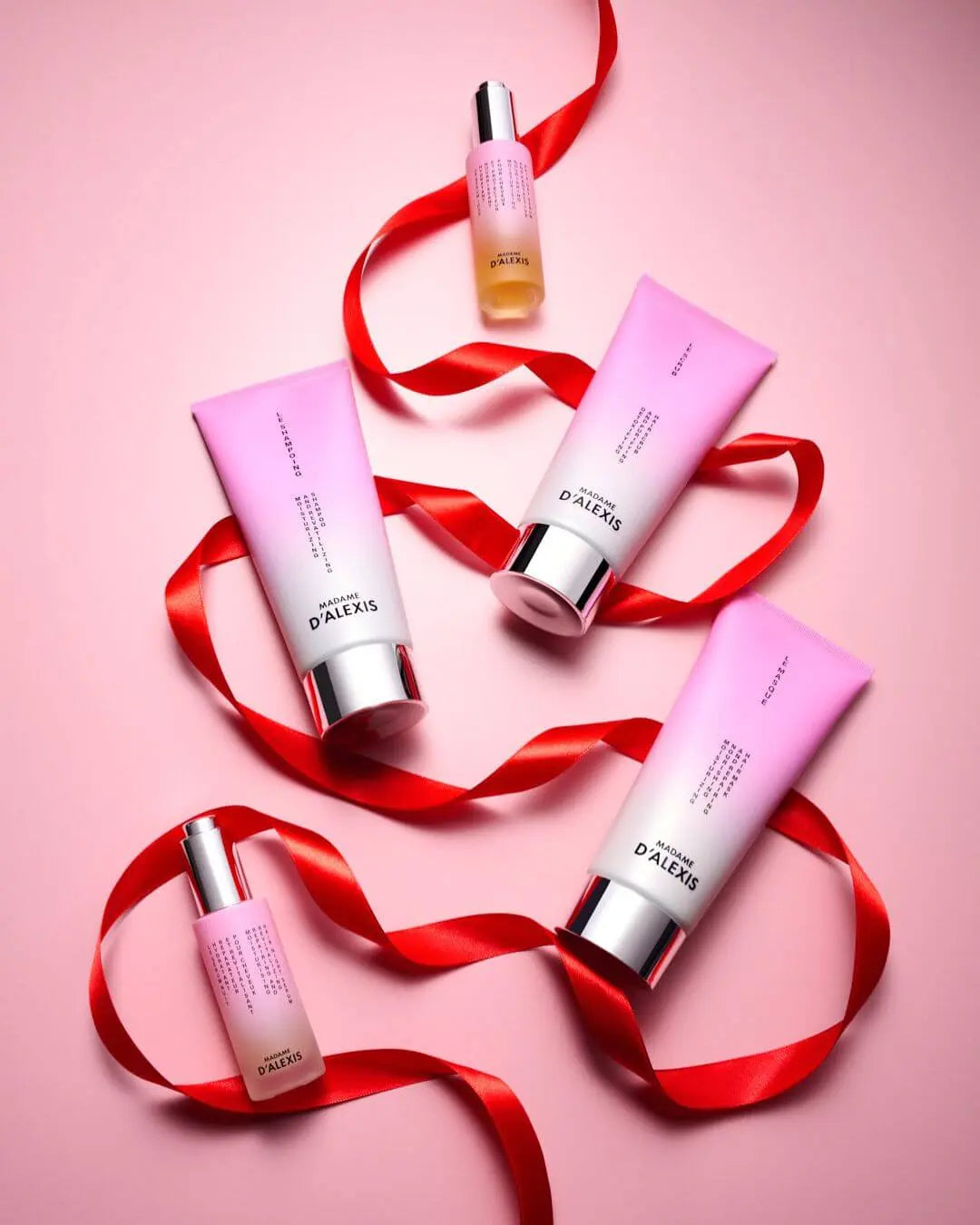
A good shampoo for fine hair isn't always enough: your beauty routine should remain light from start to finish. Here's how each hair care product in the line fits into your routine and what it does for fine hair. To create a complete hair care routine for fine hair, add the products one by one rather than all at once: your hair will tell you what works best for it.
- The shampoo lays the foundation. It gently cleanses, hydrates with cationic hyaluronic acid, and adds shine with hydrosols. It’s the starting point of the routine.
- The Scrub prevents the "flat roots" effect. By removing built-up residue every 10 to 15 days, it helps the scalp breathe and restores movement to the hair.
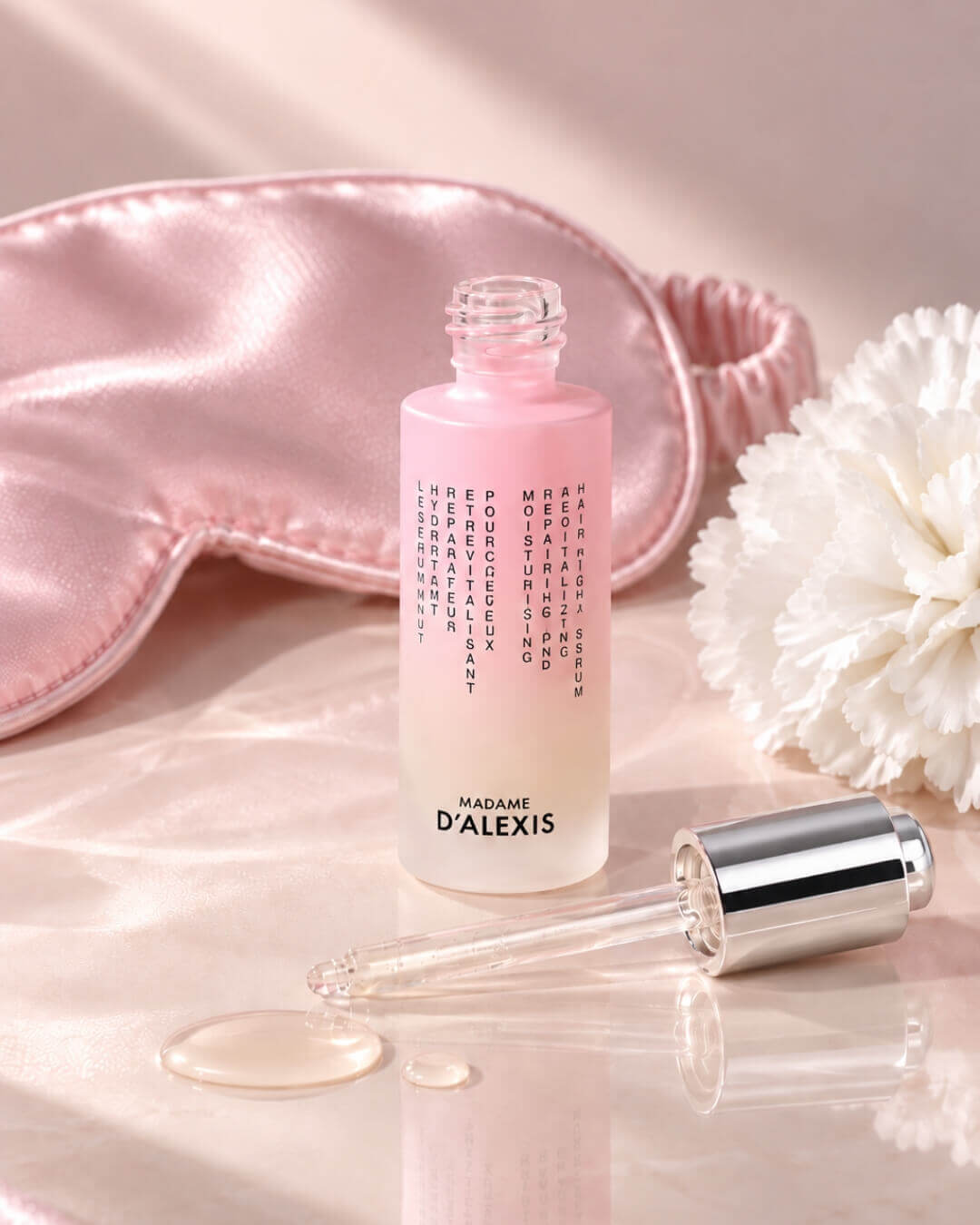
- The Day Serum is a 99% naturally derived dry oil formulated with organic jojoba and plant-based ceramides. One to three drops applied to the mid-lengths and ends of clean, dry, or slightly damp hair are enough to soften and protect without weighing it down. It also provides natural heat protection up to 200 °C.
- The Night Serum is designed for the scalp: it contains probiotics, postbiotics, fermented extracts, and natural anti-hair-loss ingredients (oak, nettle, licorice) to promote hair growth and density.
If your ends are damaged or colored, you can add the mask to your routine, applying it only to the towel-dried lengths—never to the roots. For a comprehensive overview of care routines designed for delicate hair, our article on fine hair care is a useful complement to this guide, and the fine and flat hair collection features the best products to use.

The Shampoo

The Scrub

The Day Serum

The Night Serum
Which shampoo is best for your fine hair?
We'll ask you a few questions about your scalp and hair, and then we'll create a personalized routine for you using our five organic hydrosol treatments, formulated without added water.
Does this sound like you?
- You reply
- Discover your ritual
- You are adjusting your selection
How can you prevent fine hair from falling out and thinning?
Fine hair can sometimes seem to fall out more, because hair loss is more noticeable on hair that lacks volume—such as fine, flat, or thinning hair. Breakage caused by rough brushing, heat, or a shampoo that’s too harsh can easily be mistaken for actual hair loss. Be gentle: use a soft-bristled brush, detangle from the ends toward the roots, and use moderate heat. For thinning hair, no anti-hair-loss shampoo can replace medical advice: it’s best to use a mild shampoo that cleanses deeply without causing damage, supplemented by a scalp serum.
As for the treatment, apply the Night Serum in the evening, section by section, to the scalp, massaging it in without rinsing. Use it 3 to 5 times a week as an intensive treatment, then 1 to 2 times a week for maintenance. It promotes hair growth and density thanks to its natural anti-hair loss ingredients. If hair loss is sudden or persistent, consult a healthcare professional: a hair care product is not a substitute for medical advice.

Frequently Asked Questions About Shampoo for Fine Hair
Which shampoo should you choose for fine hair?
Choose a lightweight, silicone-free formula with gentle cleansing power and rich in moisturizing ingredients like hyaluronic acid. Avoid very oily or butter-based shampoos, which can weigh down fine hair.
How can you add volume to fine hair?
Washing your hair twice, rinsing it thoroughly, applying a treatment only to the ends, and blow-drying it upside down already go a long way. Exfoliating your scalp every 10 to 15 days prevents buildup that weighs down your hair.
What are the best hair care products for fine, fragile hair?
For dry or brittle hair, opt for lightweight products: a few drops of dry oil on the ends, a mask applied only to the lengths, and a serum on the scalp to promote hair growth. The free hair analysis helps you choose the right products for you.
Is a sulfate-free shampoo suitable for fine hair?
Yes, a sulfate-free shampoo gently cleanses and is gentle on fine hair. It often lathers less than a regular shampoo, but this does not affect its cleansing power.
In summary: a lightweight shampoo for fine hair, with precise application techniques
For fine hair, moderation is key: the ideal shampoo is lightweight, with a thorough rinse, treatments applied to the right areas, and infrequent scalp exfoliation. Fine hair doesn’t require less care—it requires better-balanced care, with shampoos and complementary treatments. If you’re unsure about how to structure your routine, Madame d’Alexis’s free hair assessment —which takes about two minutes—will guide you toward the products best suited to your scalp and hair length.