Advice
Hair Dye During Pregnancy: What's Really Safe (and What They Don't Tell You)
Hair Dye and Pregnancy: What You Really Need to Know. Potentially Harmful Ingredients, Safe Alternatives, and Natural Care Tips to Protect Your Scalp During Pregnancy.

Hair Dyeing During Pregnancy: Risks, Alternatives, and Natural Care for Colored Hair While Pregnant
Real risks, safer alternatives, and a natural routine to protect colored hair during pregnancy.
Key Things to Keep in Mind Before Dyeing Your Hair While Pregnant
Hair dyeing during pregnancy is not strictly prohibited, but it is not without risk either. The best-documented risks are allergic reactions (related to PPD) and scalp irritation—there is no proven danger to the fetus, but there is insufficient data to conclude that there is absolutely no risk.
What doctors recommend: Avoid the first trimester, choose a formula that is free of PPD and ammonia, and opt for highlights rather than full-head coloring.
But the aspect that no one addresses is what comes next: once your hair is colored, how do you care for your weakened hair while you’re pregnant? Pregnancy alters the scalp’s microbiome, making it more reactive, and repeated hair coloring can exacerbate postpartum hair loss.
That's exactly what this article covers: the real risks, the safest alternatives, and a comprehensive hair care routine designed for pregnant women with colored hair.
Madame d’Alexis Hair Care Products for Colored Hair During Pregnancy
A gentle routine to preserve color, soothe a sensitive scalp, and strengthen hair that has been weakened by coloring.
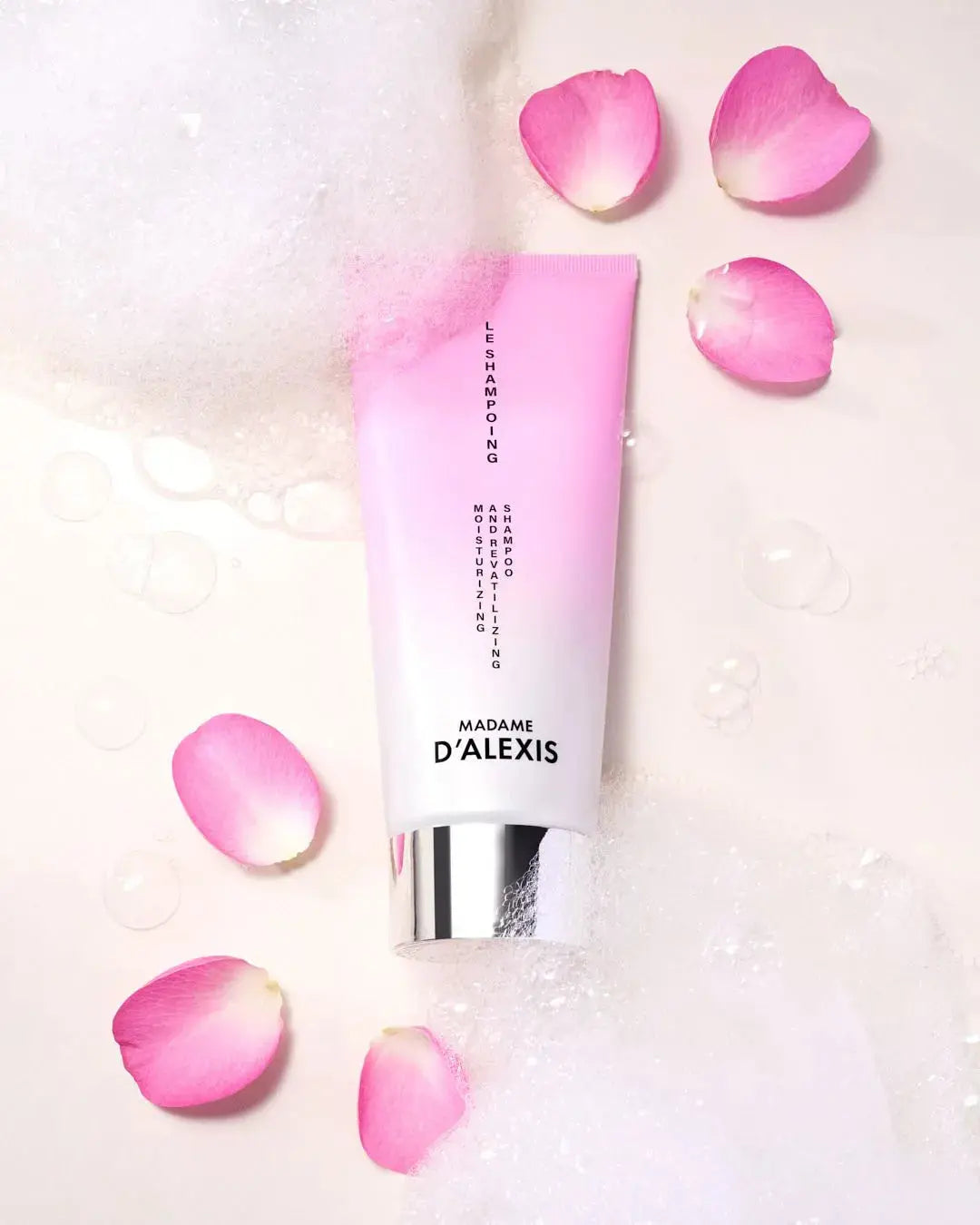
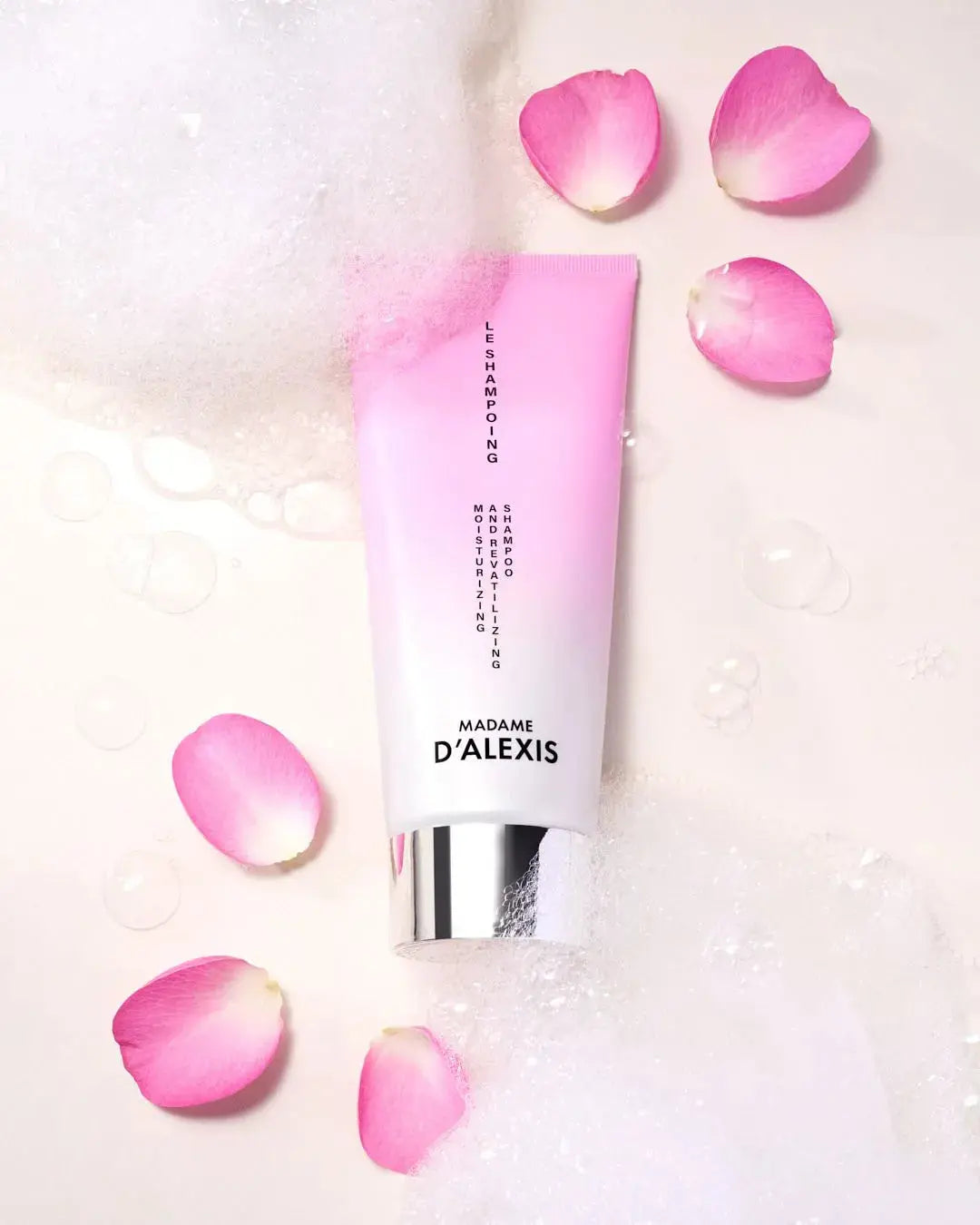
Hydrolat Shampoo
Sulfate-free · organic hydrosols · cationic hyaluronic acid
- Cleans the color without stripping the fiber
- Soothes sensitive scalps during pregnancy
- Helps control oily roots without weighing down the rest of the hair
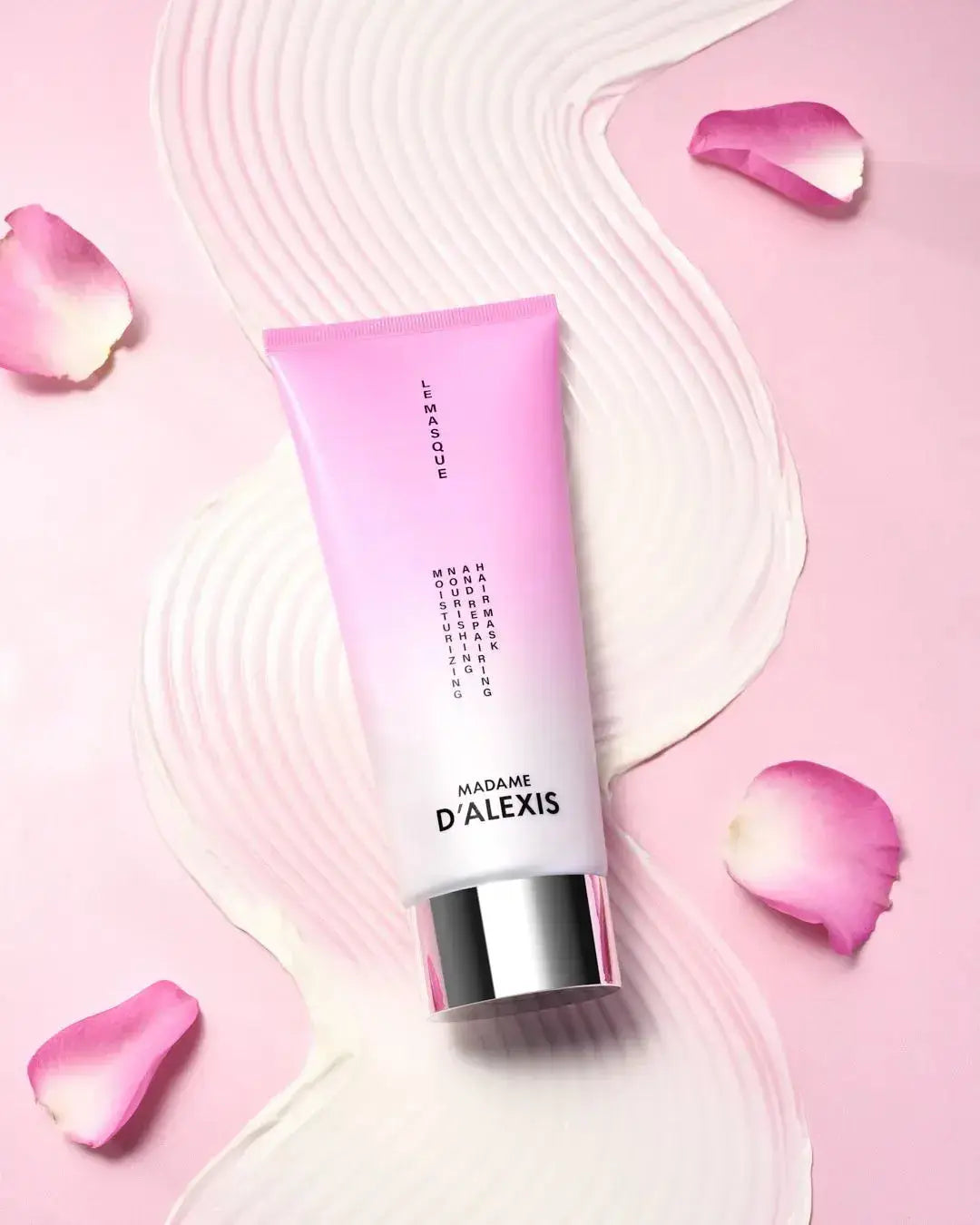
The Hydrolat Mask
Plant-based ceramides · plant-based keratin · organic hydrosols
- Closes the cuticle that was opened during the coloring process
- Helps preserve the shine and softness of the hair's length
- Repairs without occlusive silicones
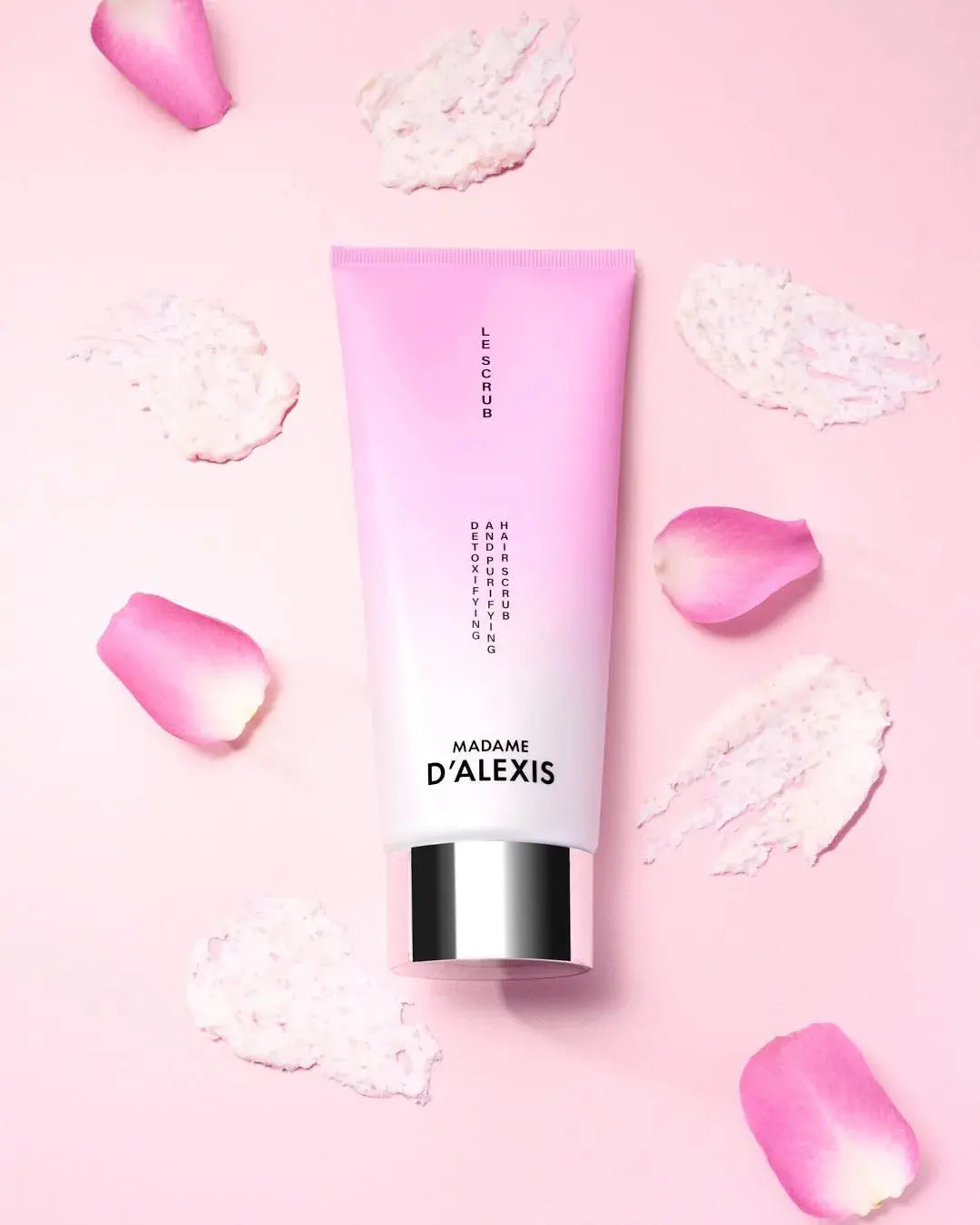
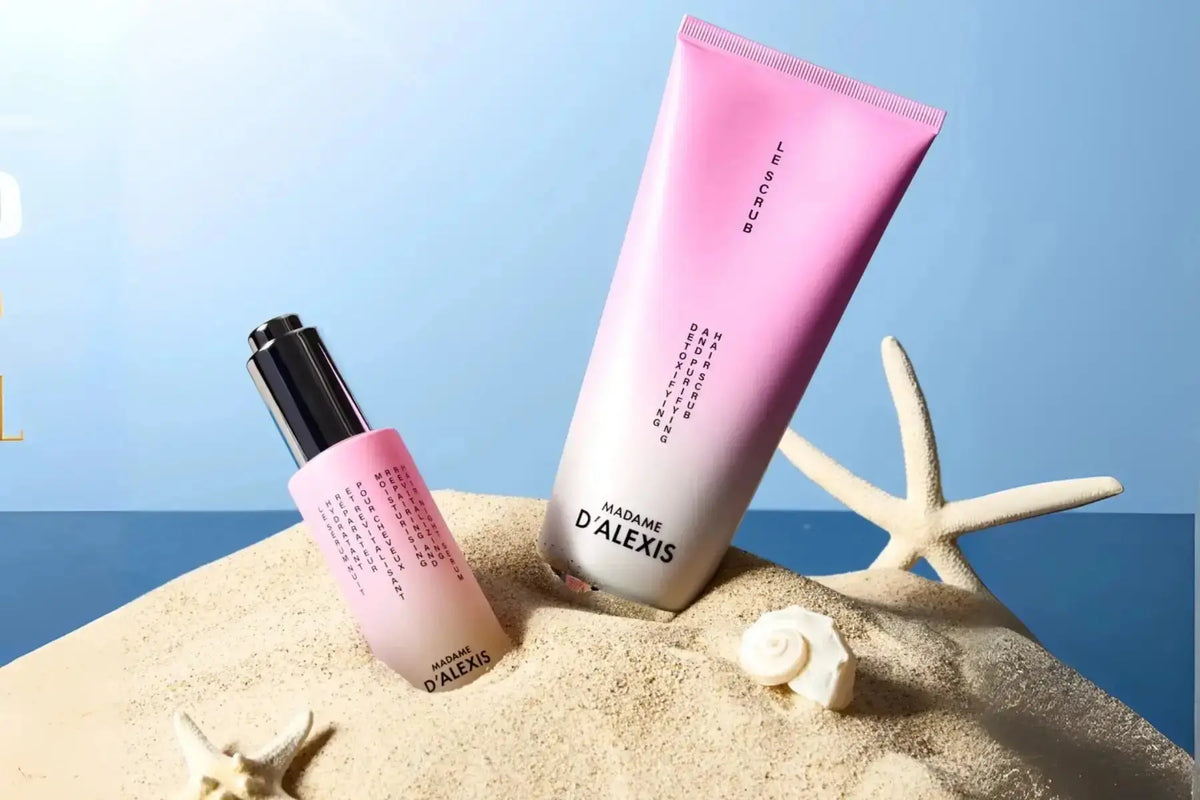
The Floral Scrub
Fleur de sel · organic hydrosols · purification
- Removes residue from hair color and styling products
- Helps restore balance to an overburdened scalp
- Use as a one-time treatment before shampooing
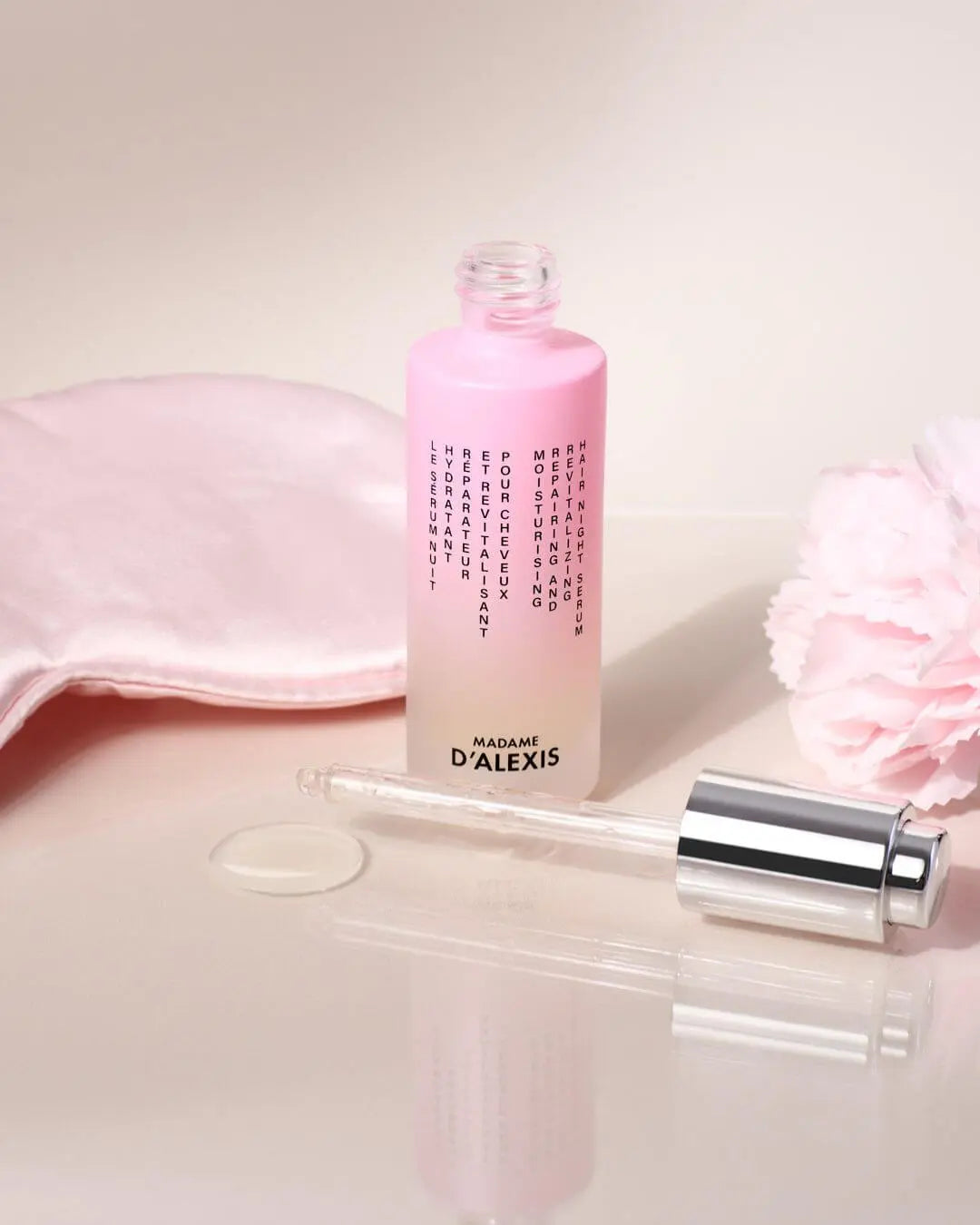
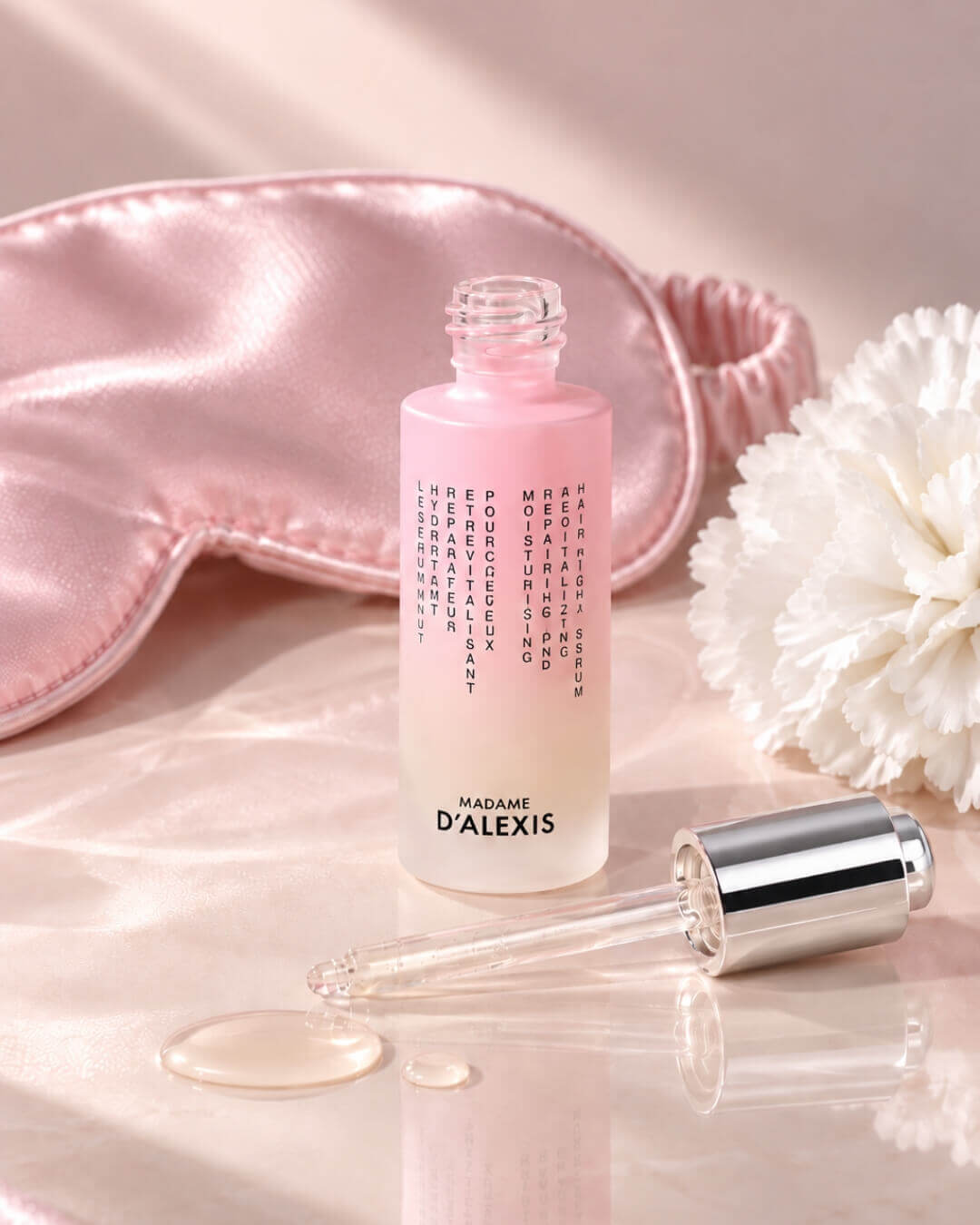
Night Serum with Hydrolats
Prebiotics · Probiotics · Cationic HA
- Nourishes the scalp overnight
- Helps manage periods of reactive hair loss
- Ideal as a gentle treatment after pregnancy or hair coloring
Hair Dye and Pregnancy: What the Medical Community Really Says
The question comes up with every pregnancy. And the medical answer is more nuanced than a simple "yes" or "no."
There is no official ban. No French health authority formally prohibits hair dyeing during pregnancy. However, caution is advised, especially during the first trimester—the period of organogenesis, when all of the fetus’s organs are forming.
The first trimester is the most sensitive. Between the 4th and 12th weeks, the fetus is developing rapidly. That is why most healthcare professionals advise against any exposure to non-essential chemicals during this period.
Ingredients to Avoid First and Foremost
- PPD (paraphenylenediamine) — found in most dark permanent hair dyes. It is the number one allergen in hair dyes. The INRS states that no birth defects have been observed in animals, but that human data are insufficient to conclude that there is no risk.
- Ammonia—irritates the respiratory tract and skin. Its fumes can cause headaches, breathing difficulties, and even nausea—which can be particularly uncomfortable during pregnancy.
- Resorcinol—a potential endocrine disruptor—is found in many permanent hair dyes.
- Hydrogen peroxide—a powerful oxidizing agent that weakens the hair shaft and can irritate a scalp that is already sensitized by hormones.
The primary risk is to the mother, not to the fetus. Available studies, including the INRS toxicology data sheet on PPD, show that the best-established risk remains an allergic reaction in the mother. Transcutaneous transfer to the fetus is possible but has not been quantified in humans.
Here's what that means in practice: If you want to dye your hair while pregnant, wait until the second trimester, choose a formula that's free of PPD and ammonia, do it in a well-ventilated area, and talk to your midwife if you have a history of skin allergies.
Ammonia-Free Hair Dye During Pregnancy: Is It Really Safe?
This is the most common misconception. "Ammonia-free" does not mean "safe."
Ammonia-free ≠ PPD-free. The vast majority of ammonia-free hair dyes still contain PPD or its derivatives (PTD, PTDS). These are the molecules that create the permanent color—and they are the ones that cause the most allergic reactions.
Plant-based hair dye during pregnancy: the safest option, with some caveats. Pure henna (Lawsonia inermis) is the option with the most evidence supporting its safety during pregnancy. But be careful: some commercial henna products contain essential oils (camphor, peppermint, eucalyptus) that are not recommended during pregnancy, or even synthetic dyes added to intensify the color.
If you choose a plant-based hair dye while pregnant, check the INCI list: it should be short and free of potentially harmful essential oils and PPD. Even products that appear to be non-toxic may contain PPD derivatives—checking the INCI list is not optional.
Highlights: the option that exposes you to the least amount of product. Highlights don't touch the scalp—they're applied along the length of the strands. Less skin contact = less potential absorption. This is the alternative that many hairstylists recommend to pregnant women who still want to change their hair color.
Which brand of hair dye is safe for pregnant women? There is no brand that is officially “approved for use during pregnancy.” The options most frequently recommended by professionals are certified plant-based hair dyes (free of risky essential oils and PPD), semi-permanent hair dyes without ammonia or resorcinol, and mechanical techniques such as highlights or babylights. In all cases, an allergy test 48 hours beforehand is essential.
What Pregnancy Really Does to Your Scalp (The Angle No One Covers)
Pregnancy doesn't just change your belly. It also changes your scalp—and that's where it all comes down to for women who color their hair.
Hormones alter the scalp’s microbiome. Estrogen and progesterone, which steadily increase during pregnancy, directly influence sebum production and skin balance. Progesterone stimulates the sebaceous glands: some women develop a more oily scalp, while others have a drier one, depending on their individual sensitivity. This imbalance also explains why many pregnant women end up with combination hair — oily roots and dry ends —a phenomenon directly linked to hormonal fluctuations.
This imbalance in the skin’s microbiome creates a more reactive environment. Bacteria and yeasts naturally present on the scalp (such as Malassezia) can proliferate if the balance is disrupted—hence the itching, dandruff, or seborrhea that many pregnant women report.
Direct result: A sensitive scalp during pregnancy is less tolerant of chemical irritants. The skin barrier, altered by hormones, absorbs more of the substances applied topically. A hair color treatment that was fine before pregnancy can now cause irritation, intense itching, or even an allergic reaction.
If you already have an itchy scalp—even when you're not pregnant—this symptom will be more pronounced.
The Most Common Symptoms
- Itching after shampooing or coloring
- Increased seborrhea (oily at the roots, dry at the ends)
- Dryness and tightness of the scalp
- Sensitivity to fragrances and harsh surfactants
This is where MDA Organic Hydrosol Shampoo comes in. Formulated without sulfates, it cleanses without disrupting the microbiome. Its active hydrosols—Damask rose, German chamomile, and orange blossom—are known for their soothing properties on sensitive scalps. No harsh lather, no additional irritation to an already sensitive scalp. If you’re using a shampoo designed for oily hair while pregnant, it regulates sebum without stripping the colored hair shaft. And as for how often to wash your hair— how many times a week should you shampoo after coloring your hair while pregnant? No more than 2 to 3 times, to preserve the color and avoid irritating the scalp.
Hydrolat Shampoo
Sulfate-free · organic hydrosols · cationic hyaluronic acid
- Cleans the color without stripping the fiber
- Soothes sensitive scalps during pregnancy
- Helps control oily roots without weighing down the rest of the hair
After Dyeing Your Hair While Pregnant: A Natural Hair Care Routine to Follow
Competitors stop at "avoid chemicals." We go a step further: here's what to do after dyeing your hair while pregnant.
Hair coloring weakens the hair shaft (by opening the cuticle and oxidizing the keratin). During pregnancy, this weakening is exacerbated by a sensitive scalp and hormonal changes. A hair care routine tailored for pregnancy isn’t a luxury—it’s what makes the difference between hair that holds up and hair that breaks.
Step 1 - Gentle, sulfate-free shampoo
The first wash after coloring is critical. A shampoo high in sulfates (SLS, SLES) will strip away some of the freshly applied color and further irritate the scalp. Choose a sulfate-free shampoo formulated with mild surfactants (cocoyl glucoside, decyl glucoside).
Hydrolat Shampoo
Sulfate-free · organic hydrosols · cationic hyaluronic acid
- Cleans the color without stripping the fiber
- Soothes sensitive scalps during pregnancy
- Helps control oily roots without weighing down the rest of the hair
Step 2 - Repairing Mask
Hair coloring opens the cuticle scales. A mask rich in plant-based ceramides and plant-based keratin closes these scales, rebuilds the hair fiber from the inside, and seals in the color. Apply to the lengths and ends (not on the scalp), leave on for 5 to 10 minutes, then rinse with lukewarm water. Applyingcoconut oil before coloring creates a protective barrier on the hair shaft—a simple tip that reduces oxidative damage. The MDA Mask is designed for this post-coloring reconstruction.
For porous hair after repeated coloring: a weekly protein mask is essential. Hair porosity after coloring accelerates color loss and weakens the hair shaft over time. For fine, color-damaged hair during pregnancy, lightweight formulas enriched with plant-based proteins make all the difference without weighing down the hair.
The Hydrolat Mask
Plant-based ceramides · plant-based keratin · organic hydrosols
- Closes the cuticle that was opened during the coloring process
- Helps preserve the shine and softness of the hair's length
- Repairs without occlusive silicones
Step 3 - Scalp Scrub
After coloring your hair, product residue remains on the scalp. A gentle scrub—such as the MDA Floral Scrub, formulated with prebiotics and free of irritants—removes this residue, unclogs the follicles, and resets the microbiome. Use once a week, before shampooing. This is the step that most pregnant women overlook, yet it makes all the difference in the long run.
The Floral Scrub
Fleur de sel · organic hydrosols · purification
- Removes residue from hair color and styling products
- Helps restore balance to an overburdened scalp
- Use as a one-time treatment before shampooing
Step 4 - Night Serum
At night, the skin regenerates. This is the ideal time to deeply nourish the scalp. MDA Night Serum combines cationic HA (hyaluronic acid that binds to negatively charged hair fibers), prebiotics, and postbiotics to protect the microbiome and provide long-lasting hydration. Just a few drops on the scalp, a gentle massage, and you’ll go to sleep with an active treatment.
Night Serum with Hydrolats
Prebiotics · Probiotics · Cationic HA
- Nourishes the scalp overnight
- Helps manage periods of reactive hair loss
- Ideal as a gentle treatment after pregnancy or hair coloring
This complete hair care routine for pregnant women—gentle shampoo, mask, scrub, and serum—is also the starting point for a transition to more natural hair care products, which many women begin during pregnancy.
Taking care of your hair is also a matter of timing. Space out your color treatments as much as possible (every 8 to 10 weeks rather than every 4 to 6). Between color treatments, this routine protects the hair shaft and minimizes damage buildup. To naturally strengthen the hair shaft, a fortifying treatment for damaged hair made with plant proteins and keratin makes all the difference.
Also, think about how to keep your hair shiny after coloring: a cold-water rinse, a lightweight smoothing serum, and a weekly shine-boosting mask are all you need—no additional chemicals.
Complete Skincare Routine After Hair Coloring While Pregnant
The 4 steps that protect hair color, minimize scalp irritation, and support the hair strand through the postpartum period.
Hydrolat Shampoo
Sulfate-free · organic hydrosols · cationic hyaluronic acid
- Cleans the color without stripping the fiber
- Soothes sensitive scalps during pregnancy
- Helps control oily roots without weighing down the rest of the hair
The Hydrolat Mask
Plant-based ceramides · plant-based keratin · organic hydrosols
- Closes the cuticle that was opened during the coloring process
- Helps preserve the shine and softness of the hair's length
- Repairs without occlusive silicones
The Floral Scrub
Fleur de sel · organic hydrosols · purification
- Removes residue from hair color and styling products
- Helps restore balance to an overburdened scalp
- Use as a one-time treatment before shampooing
Night Serum with Hydrolats
Prebiotics · Probiotics · Cationic HA
- Nourishes the scalp overnight
- Helps manage periods of reactive hair loss
- Ideal as a gentle treatment after pregnancy or hair coloring
Hair Dyeing During Pregnancy and Postpartum Hair Loss: The Connection Few Women Know About
Postpartum hair loss is inevitable. Around days 60–90 after childbirth, the sudden drop in estrogen causes a large proportion of the hair follicles to enter the telogen (resting) phase. The result is massive hair loss—often a traumatic experience—that lasts 2 to 4 months.
What nobody mentions: Repeated hair dyeing during pregnancy makes this problem worse.
Here's why. During pregnancy, estrogen prolongs the hair growth phase (anagen). Hair falls out less and appears thicker. But if the hair shaft has been weakened by repeated chemical coloring—damaged cuticle, oxidized keratin—it is less strong when the hormonal drop occurs.
Already weakened hair + telogen effluvium = more severe hair loss, more frequent breakage, and slower regrowth.
How to Minimize the Damage
- Space out hair dye treatments as much as possible during pregnancy
- Prioritize sweeping (less contact with the scalp, less damage)
- Start a nourishing skincare routine in the second trimester (weekly mask, nighttime serum)
- Avoid exposing already damaged hair to excessive heat (straighteners, hair dryers on high heat)
To prepare for childbirth, it’s helpful to naturally thicken your hair starting in the second trimester—hair volume and density should be addressed proactively, not reactively. A strengthening treatment for fragile hair, formulated with plant proteins and keratin, reinforces the hair shaft before hormonal changes set in.
After giving birth, products designed to naturally speed up hair growth —such as those containing caffeine, niacinamide, or castor oil—can support regrowth. When combined with a 5-minute-a-day routine designed to naturally stimulate hair growth, they boost microcirculation and accelerate the return to the anagen phase. If you’re looking for a structured routine, a natural hair regrowth treatment that combines stimulating active ingredients with protective care yields the best results 3 months postpartum.
The Hydrolat Mask
Plant-based ceramides · plant-based keratin · organic hydrosols
- Closes the cuticle that was opened during the coloring process
- Helps preserve the shine and softness of the hair's length
- Repairs without occlusive silicones
Night Serum with Hydrolats
Prebiotics · Probiotics · Cationic HA
- Nourishes the scalp overnight
- Helps manage periods of reactive hair loss
- Ideal as a gentle treatment after pregnancy or hair coloring
Hair Dye and Breastfeeding: Do the Same Precautions Apply?
Hair coloring while breastfeeding is a topic that’s almost entirely absent from competing articles. Yet 170 women a month are searching for this answer.
The short answer: Yes, the same precautions apply—but the risk is different.
During pregnancy, the concern is about transplacental transfer. During breastfeeding, the concern is about transfer into breast milk. However, the available data—particularly those reported by La Leche League and the e-lactancia database—indicate that hair dyes are not found in breast milk in significant amounts.
However, this does not mean it is a free pass. The main risk remains allergic: a skin reaction in the mother can indirectly affect the baby if the baby comes into contact with the treated areas. And ammonia fumes in a confined space can still irritate the respiratory tract.
Practical Recommendations
- Ideally, wait 3 months after giving birth before using chemical hair dyes again (the scalp remains sensitive due to postpartum hormonal changes)
- Choose plant-based hair dye or highlights throughout the entire breastfeeding period
- Always perform an allergy test 48 hours in advance—allergy sensitivity may change after pregnancy
- Dye your hair in a well-ventilated area, away from the baby
To naturally stimulate hair regrowth while breastfeeding without using chemical ingredients, treatments made with plant-based oils (castor, jojoba, argan) and regular scalp massages remain the safest and best-documented options.
FAQ
Can I dye my hair while I'm pregnant?
Yes, dyeing your hair during pregnancy is not strictly prohibited, but chemical hair dyeing is not without risk. Hair dye products contain substances (PPD, ammonia, resorcinol) for which there is insufficient human data to conclude that there is no risk to the fetus. Hair coloring is therefore not recommended for pregnant women during the first trimester. Starting in the second trimester, using a PPD- and ammonia-free formula in a well-ventilated area significantly reduces the risk. Talk to your OB-GYN before dyeing your hair.
What are the risks of dyeing your hair while pregnant?
The main danger associated with chemical hair dyeing during pregnancy is the risk of an allergic reaction (to PPD). Resorcinol is a potential endocrine disruptor found in many chemical hair dyes. Ammonia fumes can cause nausea and irritation. Regarding fetal health, there is insufficient data to conclude that there is a direct risk, but there is also insufficient data to rule it out. Natural hair coloring (plant-based, PPD-free) significantly reduces these risks.
What precautions should you take when dyeing your hair while pregnant?
Several precautions are necessary when dyeing your hair while pregnant: wait until the second trimester, choose an ammonia-free or plant-based hair dye, perform an allergy test 48 hours beforehand, dye your hair in a well-ventilated area, and avoid direct contact with the scalp (opt for highlights instead). Caring for your hair after coloring is also crucial: use a gentle shampoo, a restorative mask, and a scalp scrub. Always seek professional advice from your OB-GYN or midwife before coloring your hair.
When can I dye my hair while I'm pregnant?
The medical consensus is to wait until the second trimester of pregnancy, or after 12 weeks. The first trimester is the period of organogenesis—the first 3 months of pregnancy when all of the fetus’s organs form. During these months of pregnancy, any exposure to non-essential chemicals is not recommended. Waiting until the second trimester to dye your hair during pregnancy significantly reduces fetal exposure during the most sensitive window.
What types of hair dye are safe to use during pregnancy?
The safest options are plant-based hair dyes made from pure henna (without potentially harmful essential oils), ammonia-free and PPD-free dyes, and highlighting techniques (no contact with the scalp). Natural hair dyes and certified organic hair dyes are the best-tolerated alternatives. Always check the INCI list: even products that appear non-toxic may contain PPD derivatives. An allergy test 48 hours beforehand is still essential, even with plant-based hair dyes.
Can you dye your hair during the first trimester of pregnancy?
This is not recommended. The first trimester is the period of organogenesis—all of the fetus’s organs form between the 4th and 12th weeks. Although no studies have proven a direct risk to the fetus from a single hair dyeing session, there is insufficient human data to conclude that there is no risk. To be on the safe side, it is best to wait until the second trimester and discuss this with your OB-GYN or midwife.
Which brand of hair dye is safest for pregnant women?
There are no brands that are officially certified as “safe for pregnancy.” The safest options are still plant-based hair dyes made with pure henna (free of potentially harmful essential oils and PPD), semi-permanent dyes without ammonia or resorcinol, and balayage techniques that avoid contact with the scalp. Always check the INCI list and perform an allergy test 48 hours beforehand.
Is a hair dye treatment safe during pregnancy?
Highlights are the option that involves the least exposure: the product is applied to the lengths of the hair, without coming into contact with the scalp. The risk of absorption through the skin is therefore very low. This is the technique that most hairstylists and healthcare professionals recommend to pregnant women who want to change their hair color.
How should you care for your colored hair during pregnancy?
In four steps: a gentle, sulfate-free shampoo (to avoid irritating the sensitive scalp and preserve color), a reparative mask with plant-based ceramides (to seal the cuticle weakened by coloring), a weekly scalp scrub (to remove residue and rebalance the microbiome), and a nourishing overnight serum (to deeply hydrate and protect the hair shaft).
Can you dye your hair while breastfeeding?
Yes, take the same precautions as when you were pregnant. There is no significant evidence that dyes pass into breast milk. The main risk remains an allergic reaction. Ideally, wait 3 months after giving birth, opt for plant-based dyes or balayage, and always perform an allergy test 48 hours beforehand.
Can dyeing your hair during pregnancy make postpartum hair loss worse?
Yes, indirectly. Repeated chemical hair coloring weakens the hair shaft (damaged cuticle, oxidized keratin). When postpartum telogen effluvium occurs—around days 60–90 after childbirth—hair that is already weakened falls out more heavily and breaks more easily. Spacing out hair coloring sessions during pregnancy and adopting a strengthening routine reduces this risk.
Useful sources
- INRS - PPD (p-phenylenediamine) Toxicology Fact Sheet - Reference Toxicology Data on PPD
- Cité des Sciences - Hair Dye and Pregnancy: A Health Issue - Institutional Medical Outreach
- La Leche League France - Breastfeeding and Hair Dye - Breastfeeding Recommendations
- Mpedia - Breastfeeding and Hair Dyeing - Pediatric Opinion