Advice
Shampoo for Curly Hair: A Guide to Choosing the Right Formula
Everything you need to know to choose the right shampoo for curly hair: ingredients to look for, types of curls, natural formulas with organic hydrosols, and a complete hair-washing routine.

Shampoo for Curly Hair: How to Choose a Gentle Formula That Preserves Your Curls
Curly hair loses moisture faster than straight hair because sebum doesn't travel as easily along the curl. A good shampoo for curly hair should therefore cleanse without stripping the hair, be gentle on the scalp, and prepare the hair strands to absorb a mask or serum.
- Curly hair needs a gentle shampoo—free of harsh sulfates and silicones—to prevent it from feeling dry, frizzy, or flat after washing.
- The Madame d’Alexis product directly mentioned in this article is the Shampoo.
- Its formula combines organic hydrosols, cationic hyaluronic acid, plant-based keratin, and prebiotics. It does not contain ceramides, contrary to what was stated in the source text.
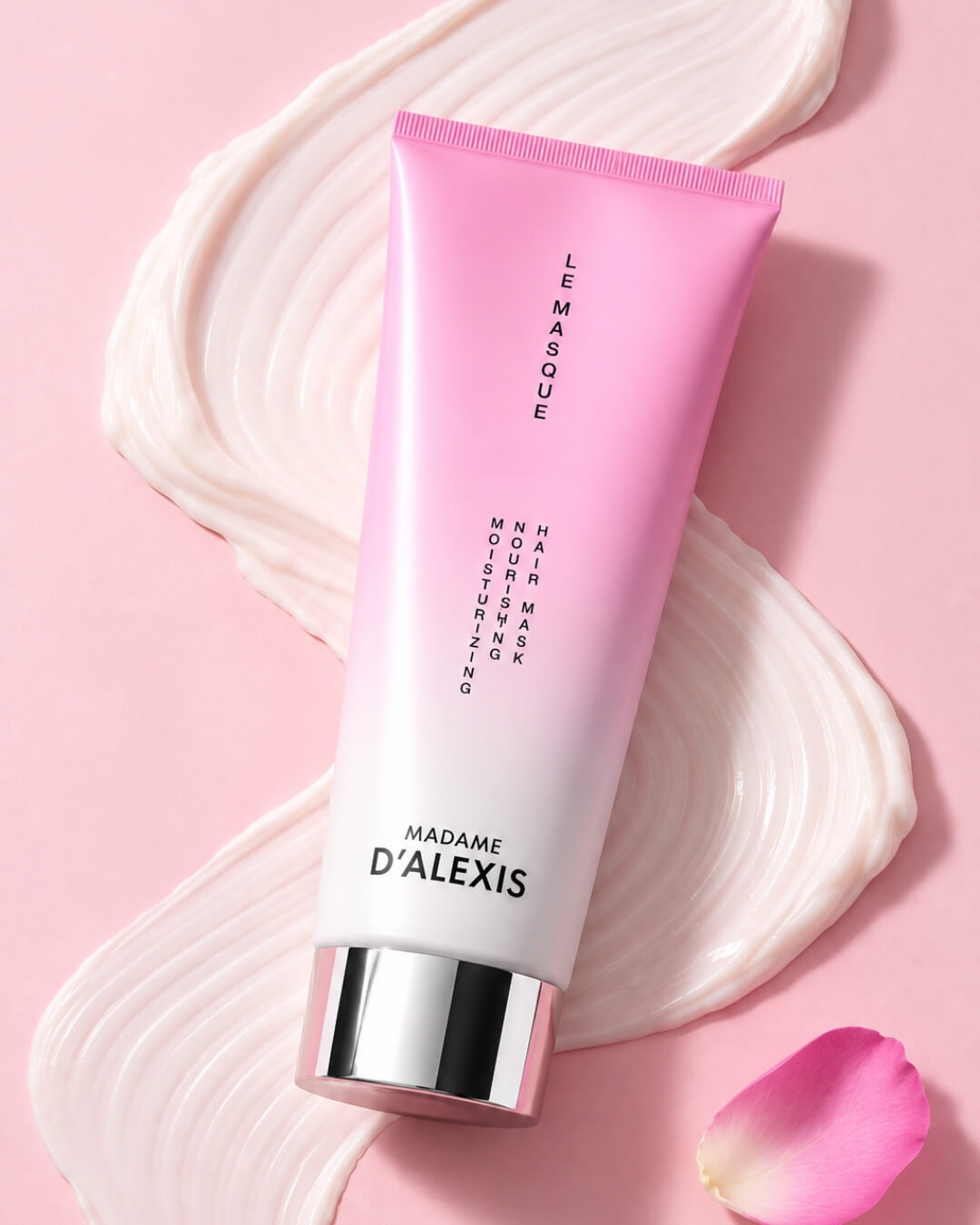
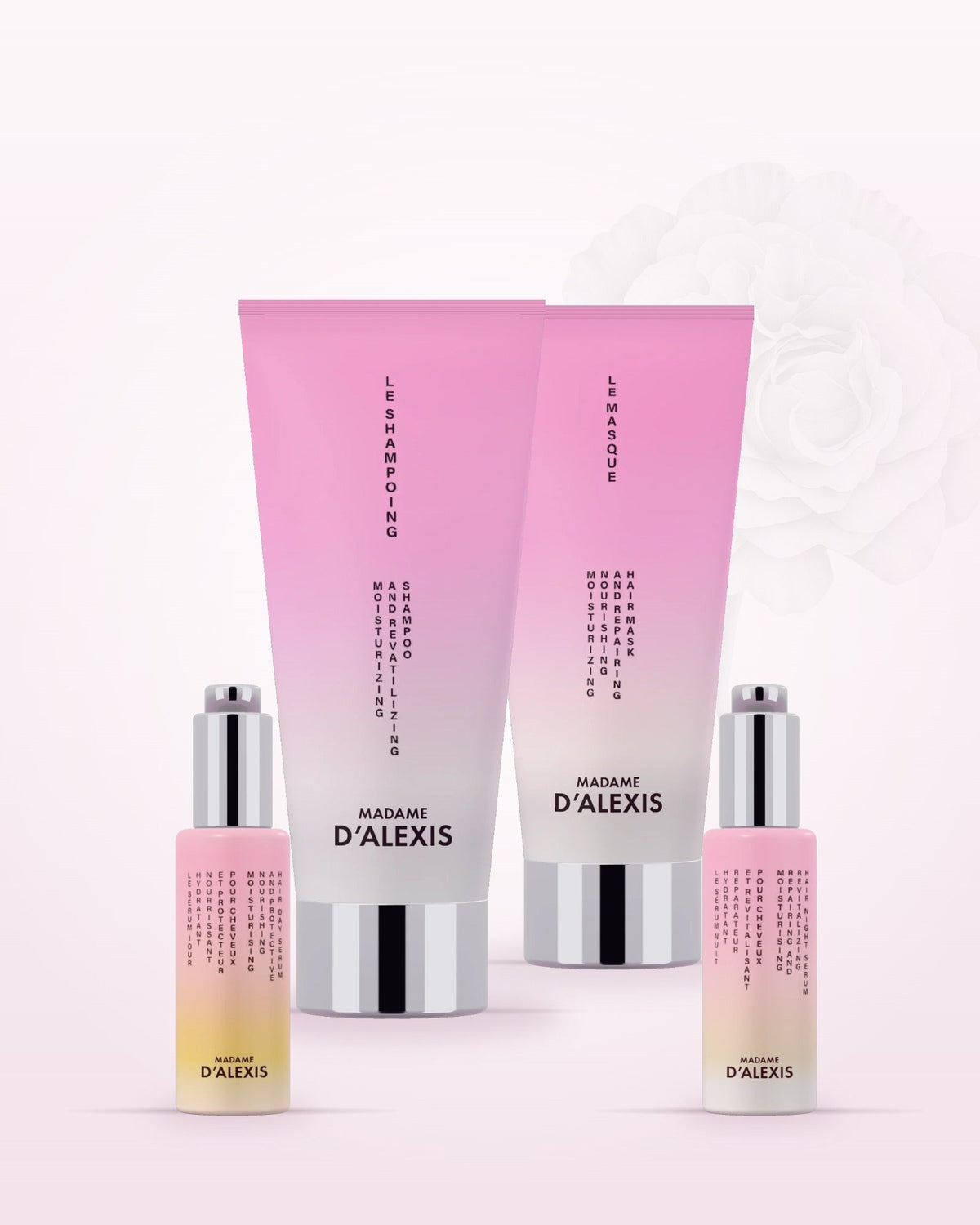
- For curly hair, the Mask and Day Serum can round out the routine, but the detailed product description focuses primarily on the Shampoo.
- The Scrub can be useful as an occasional reset if you use a lot of styling products, but it shouldn't be marketed as a regular curl shampoo.
Madame d’Alexis Shampoo: The Product Page to Highlight
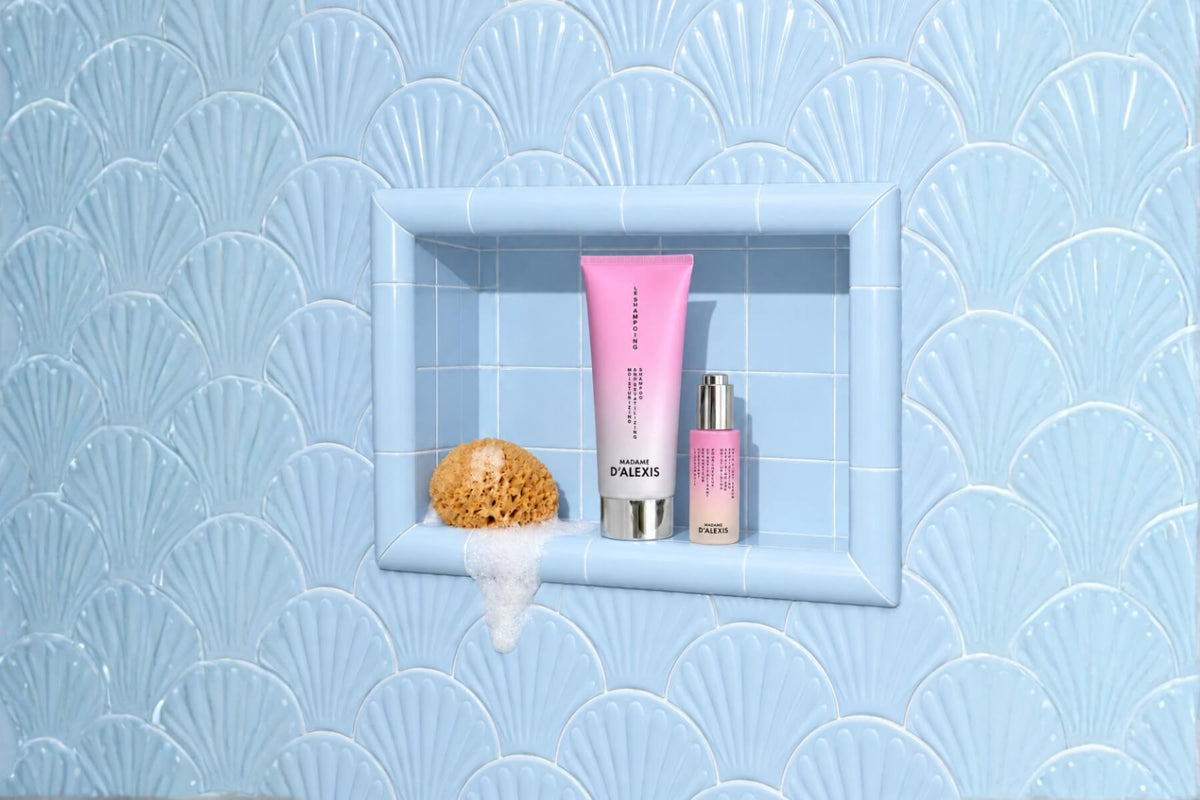
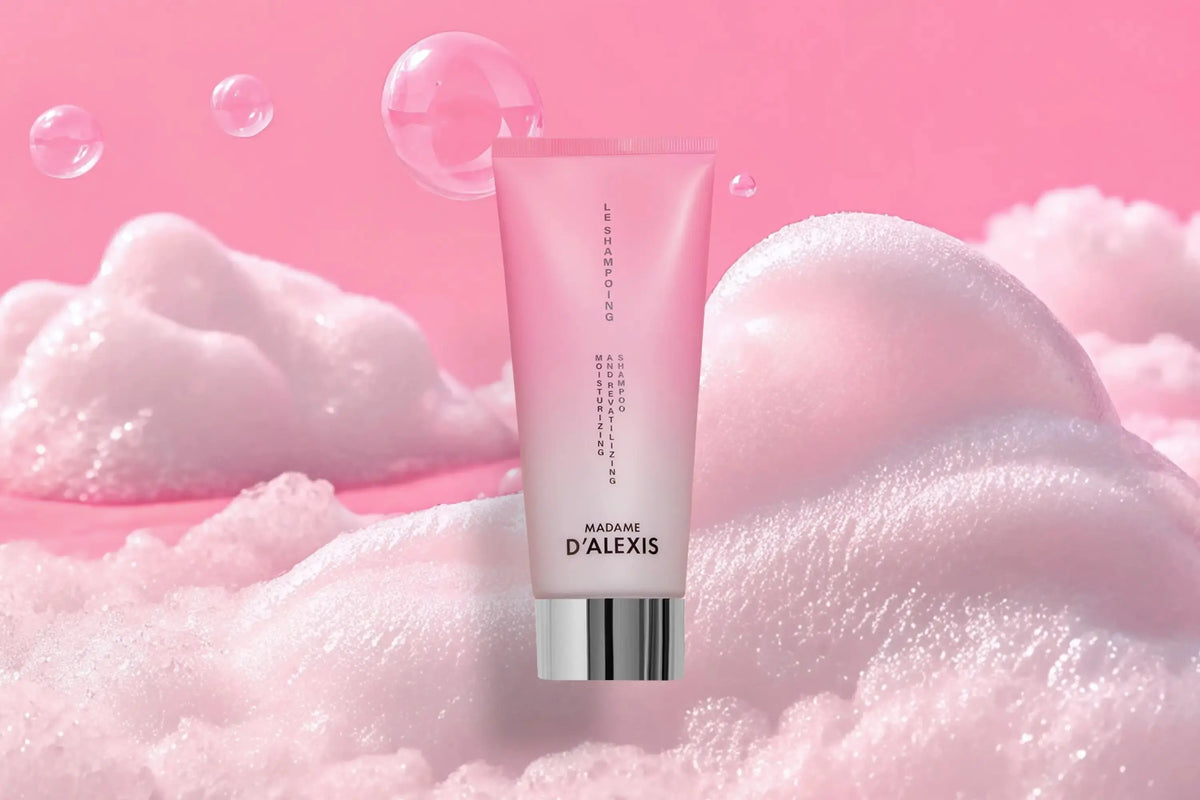
In this article, the product in question is Le Shampoing. It addresses the search query “shampoo for curly hair” thanks to its gentle, sulfate- and silicone-free formula, designed to cleanse without drying out the hair shaft.
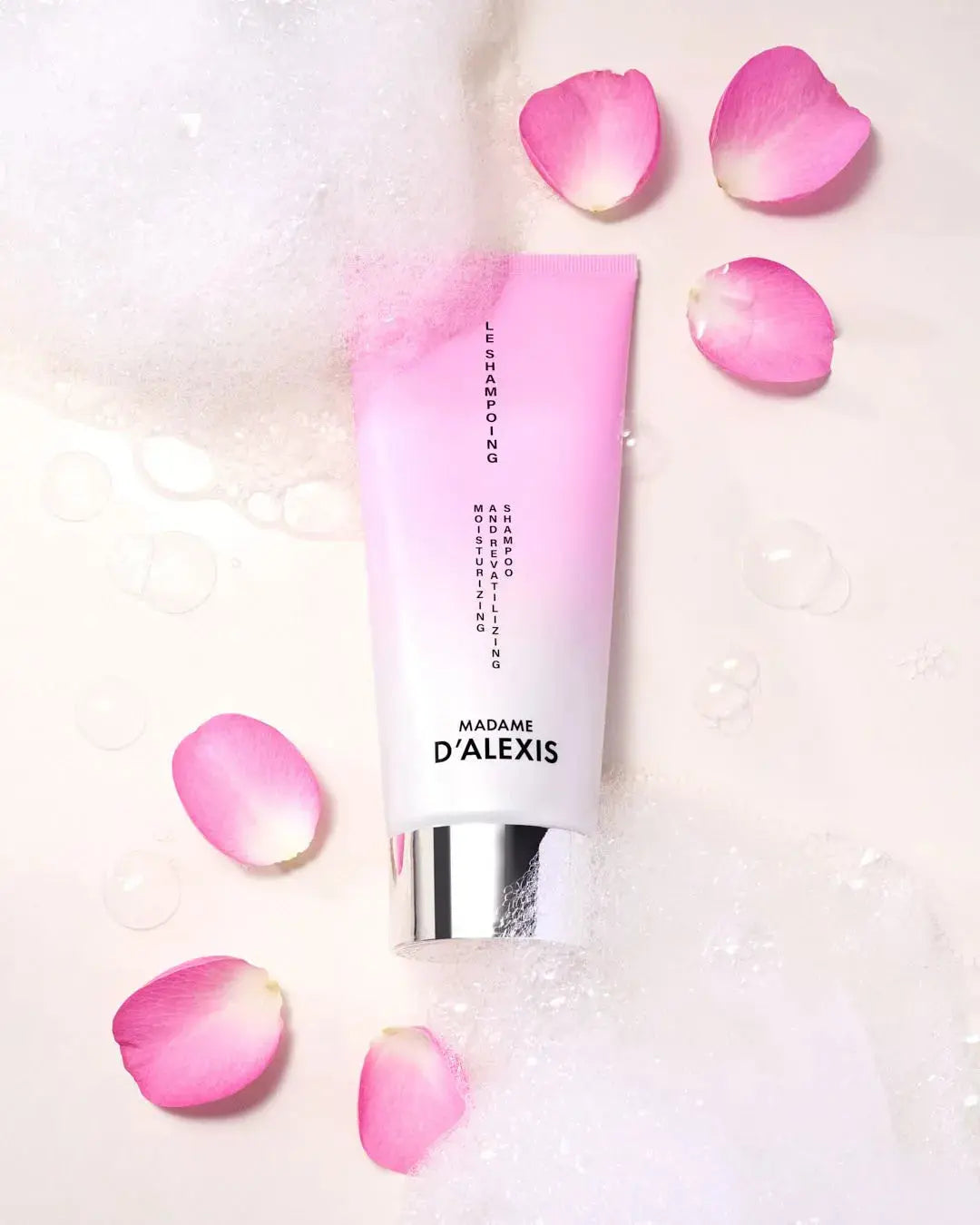
The Shampoo - Organic Hydrolats and Hyaluronic Acid
- 98% natural origin
- Free from sulfates and silicones
- Cleans without stripping the curls
- Suitable for curly hair routines
Why Curly Hair Needs a Special Shampoo
Curly hair isn't just straight hair that's wavy. Its spiral shape creates areas of curvature where the hair shaft is more exposed to friction, dryness, and breakage. The sebum produced by the scalp also has a harder time reaching the ends.
Porosity
Curly hair can absorb water quickly and then lose it just as fast. Your routine should help minimize that dry feeling.
Definition
A shampoo that's too harsh can make curls look frizzy, fluffy, or flat. A gentle formula does a better job of preserving their bounce.
Scalp
Harsh washing can cause discomfort, excess oil production, or itching. The scalp should be treated as sensitive skin.
To complete your assessment, check out the guide on the difference between curly, wavy, and coily hair.
Ingredients to Look for in a Shampoo for Curly Hair
A shampoo for curly hair should avoid formulas that clean too aggressively. The goal isn’t maximum lather, but a clean scalp and hair that doesn’t feel rough after rinsing.
| Search for | Role | In *Le Shampoing Madame* by Alexis? |
|---|---|---|
| Organic hydrosols | A gentle, sensorial plant-based formula suitable for sensitive scalps. | Yes: Damask rose, chamomile, orange blossom. |
| Cationic hyaluronic acid | Helps maintain hydration and has good affinity with fiber. | Yes. |
| Plant keratin | Helps improve the appearance of the hair shaft and the texture of the hair strands. | Yes. |
| Prebiotics | These products are designed to maintain the scalp's natural balance. | Yes. |
| Plant ceramides | Lipid-based ingredients that are beneficial for dry hair. | Not in the Shampoo, but present in the Mask and the Day Serum. |
Ingredients to avoid
- Harsh sulfates, such as SLS or SLES, if your curls are dry or frizzy.
- Heavy silicones that provide an immediate smoothing effect but can build up.
- Denatured alcohols listed very high on the INCI list.
- Synthetic fragrances may be too strong if you have a sensitive scalp.
To learn more about keratin, be sure to read our article on keratin for curly hair.
Which shampoo should you choose based on your curl type?
There’s no one-size-fits-all routine. Fine, wavy hair has different needs than thick curls or kinky textures. The right shampoo should respect the texture without weighing it down.
| Type of loops | Primary need | Washing Instructions | Warning |
|---|---|---|---|
| 2A / 2B | Lightness, volume, movement. | Mild shampoo, with few heavy ingredients. | Avoid using too much butter or oil on the roots. |
| 2C / 3A | Moisturizing, definition, anti-frizz. | Mild shampoo + hair mask, depending on how dry your hair is. | Rinse thoroughly to maintain elasticity. |
| 3B / 3C | Nourishment, softness, detangling. | Less frequent washing, conditioning treatments after shampooing. | Do not detangle when dry. |
| 4A and above | Hair protection, long-lasting hydration. | Alternate between gentle cleansing and deeply nourishing treatments. | Adjust by using a co-wash if your hair type requires it. |
For complete routines, check out the curly and wavy hair collection and the curly hair routine.
How to Incorporate Le Shampoing into a Curly Hair Routine
Shampoo is the first step. It should prepare the hair shaft without stripping it. After washing, curls often need a mask or a finishing treatment, but without turning this article into a product catalog.
Wet thoroughly
The curls must be thoroughly saturated with water before application. This helps distribute the product without rubbing the lengths.
Massage the scalp
Apply the shampoo to your scalp. Massage it in with your fingertips—never with your fingernails.
Let it slide along the lengths
Don't rub the curls between your hands. The lather that runs down is usually enough to clean the lengths.
Rinse, then treat
Rinse with lukewarm water. If the mid-lengths are dry, follow with a mask on the mid-lengths and ends, then a small amount of Day Serum if needed.
The scrub can be used as a reset every 10 to 15 days if you use a lot of gel, cream, or styling products. It replaces shampoo on that day. It’s not something you should do before every wash.
For more information, read our guides on sleep caps for curly hair, methods for drying curly hair, and serum for curly hair.
Common Mistakes When Using Shampoo for Curly Hair
- Choose a shampoo that lathers well but is too harsh.
- Rub the lengths of your hair instead of just massaging your scalp.
- Using too many rich hair care products afterward, which weighs down fine curls.
- Scrubbing too often when the scalp isn't clogged.
- Forget about long rinses—they're essential for keeping your curls light.
If your curls become frizzy after washing, see also “Frizzy Hair: What to Do.”
FAQ - Shampoo for Curly Hair
Can you use regular shampoo on curly hair?
A regular shampoo may be suitable once in a while if it’s gentle, but formulas containing harsh sulfates can dry out your curls and make frizz worse. It’s best to choose a shampoo that’s free of sulfates and silicones.
What's the difference between a co-wash and a mild shampoo?
A co-wash is a very gentle wash with a conditioning base. The gentle shampoo contains mild cleansing agents and cleanses the scalp more thoroughly, especially when there are styling product residues present.
How often should you wash curly hair?
The frequency depends on your scalp, your activity level, and the type of curls you have. Fine curls may require two to three washes per week, thick curls often require fewer, and curly or kinky textures may require even fewer washes.
Why are my curls dry after I shampoo them?
The shampoo may be too harsh, not rinsed out properly, or unsuitable for your hair's porosity. A gentle formula free of harsh sulfates, combined with a treatment applied to the lengths of your hair, often helps restore comfort.
Do hydrosols in shampoo really work?
Yes, when they are included as a base ingredient in the formula and not just in token amounts. Organic hydrosols provide an interesting botanical and sensory dimension for the scalp and hair shaft.
Does Madame d’Alexis Shampoo contain ceramides?
No. The Shampoo contains, among other ingredients, organic hydrosols, cationic hyaluronic acid, plant-based keratin, and prebiotics. Plant-based ceramides are found in the Mask and the Day Serum.
Should the scrub be used before every shampoo?
No. The scrub is meant to be used occasionally, every 10 to 15 days, especially if there is buildup or an overloaded scalp. It replaces shampoo on that day.
Advice