Advice
Coarse Hair: Why It Happens and How to Soften It Naturally
Coarse, rough hair that snags under your fingers: understand the causes and choose the right natural ingredients to restore long-lasting softness and suppleness to your hair.

Coarse Hair: Why It Happens and How to Soften It Naturally
Coarse hair feels rough to the touch, is hard to detangle, and looks dull even after washing. This roughness is often caused by a lifted cuticle, a lack of lipids, a dehydrated hair shaft, or repeated damage. The right routine should cleanse without stripping the hair, nourish the lengths, and protect the hair shaft between washes.
- Coarse hair is mainly due to an uneven surface: the cuticle scales are raised instead of lying flat.
- Common causes include hot water, harsh sulfates, limescale, UV rays, hair coloring, heat, and brushing too vigorously.
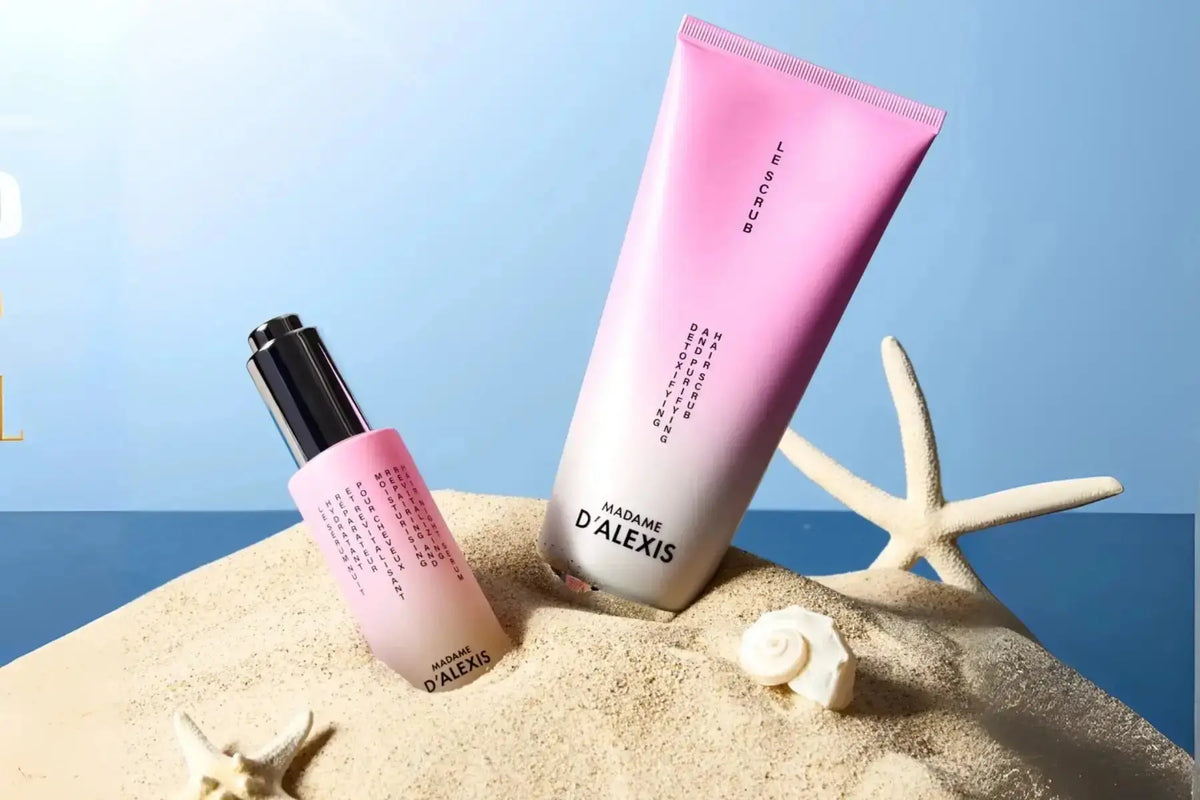
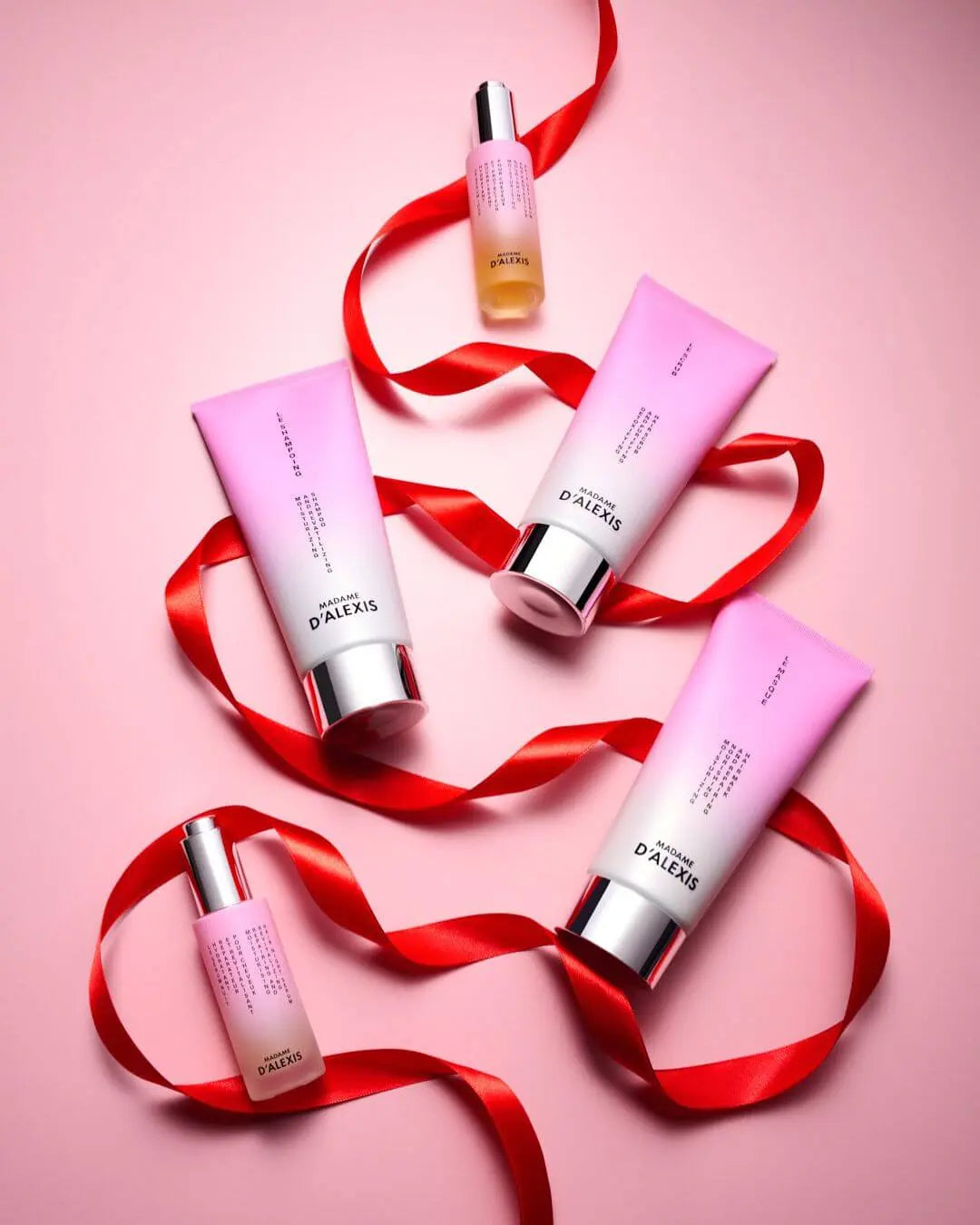
- The relevant Madame d’Alexis products are the Shampoo, the Mask, the Day Serum, and the Scrub—to be used as a one-time reset if the roots are saturated.
- Product correction: The Mask does not contain keratin. Plant-based ceramides are found in The Mask and The Day Serum, but not in The Shampoo.
- The Day Serum should be applied only to the mid-lengths and ends of the hair. The Scrub should be used every 10 to 15 days and replaces shampoo on that day.
Madame d’Alexis hair care products to use to soften coarse hair
The product line is limited to treatments that are truly effective for this issue: a gentle shampoo, a length-conditioning mask, a finishing serum, and an occasional scalp reset.
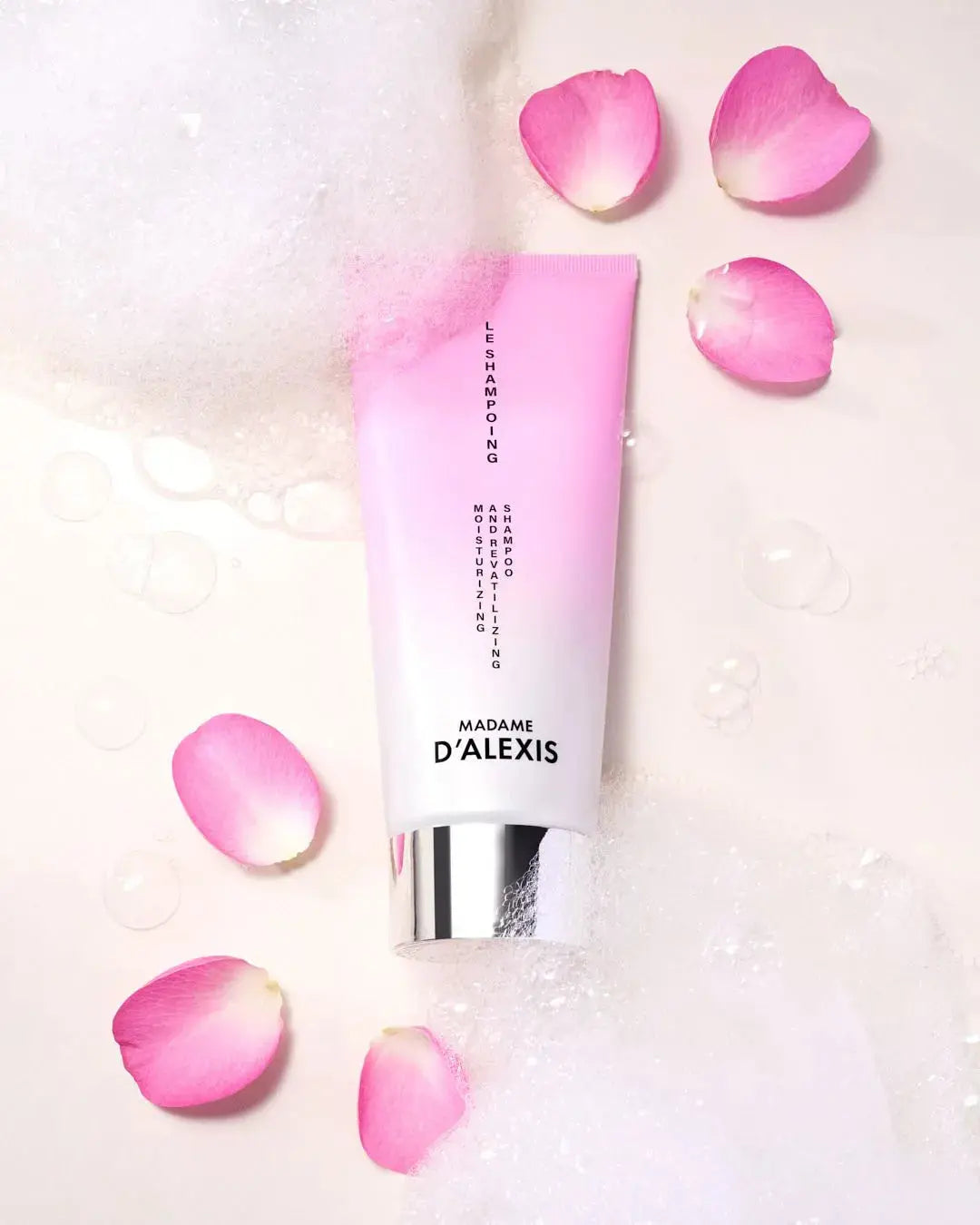
Gentle Shampoo
- Free from sulfates and silicones
- pH 5, gentle cleansing
- Helps clean without stripping
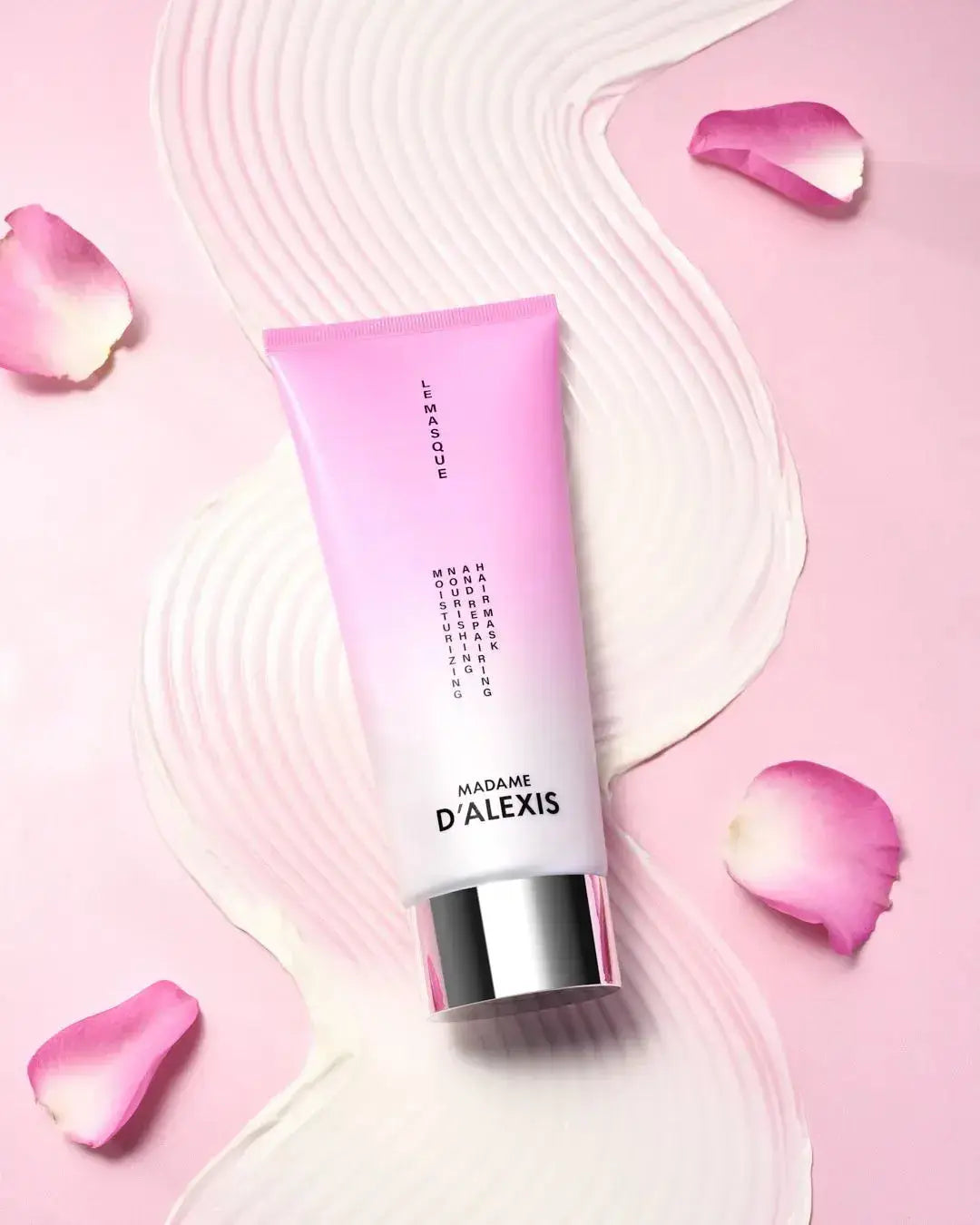
Lengths Mask
- Lengths and ends only
- Leave on for 5 to 10 minutes
- Does not contain keratin
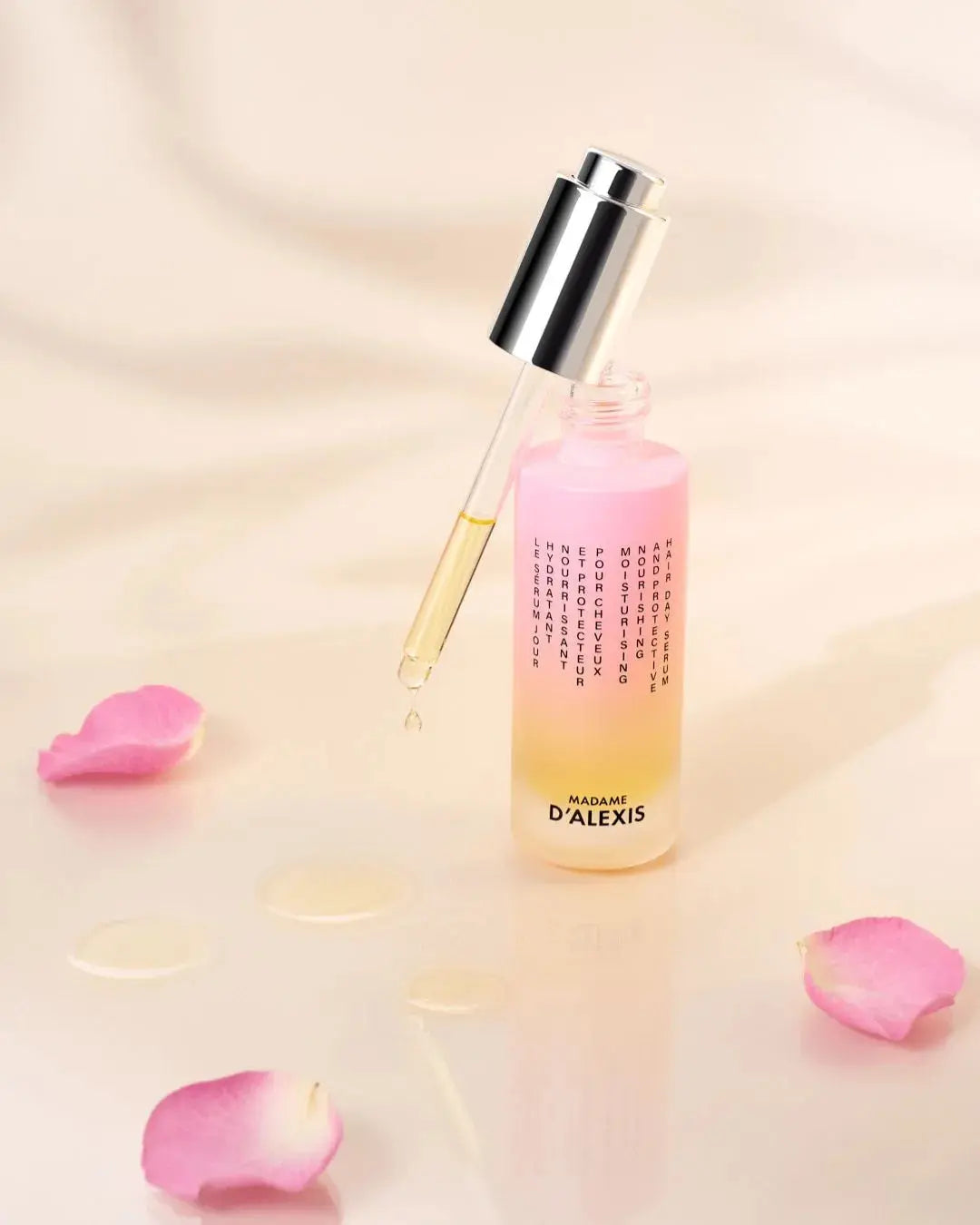
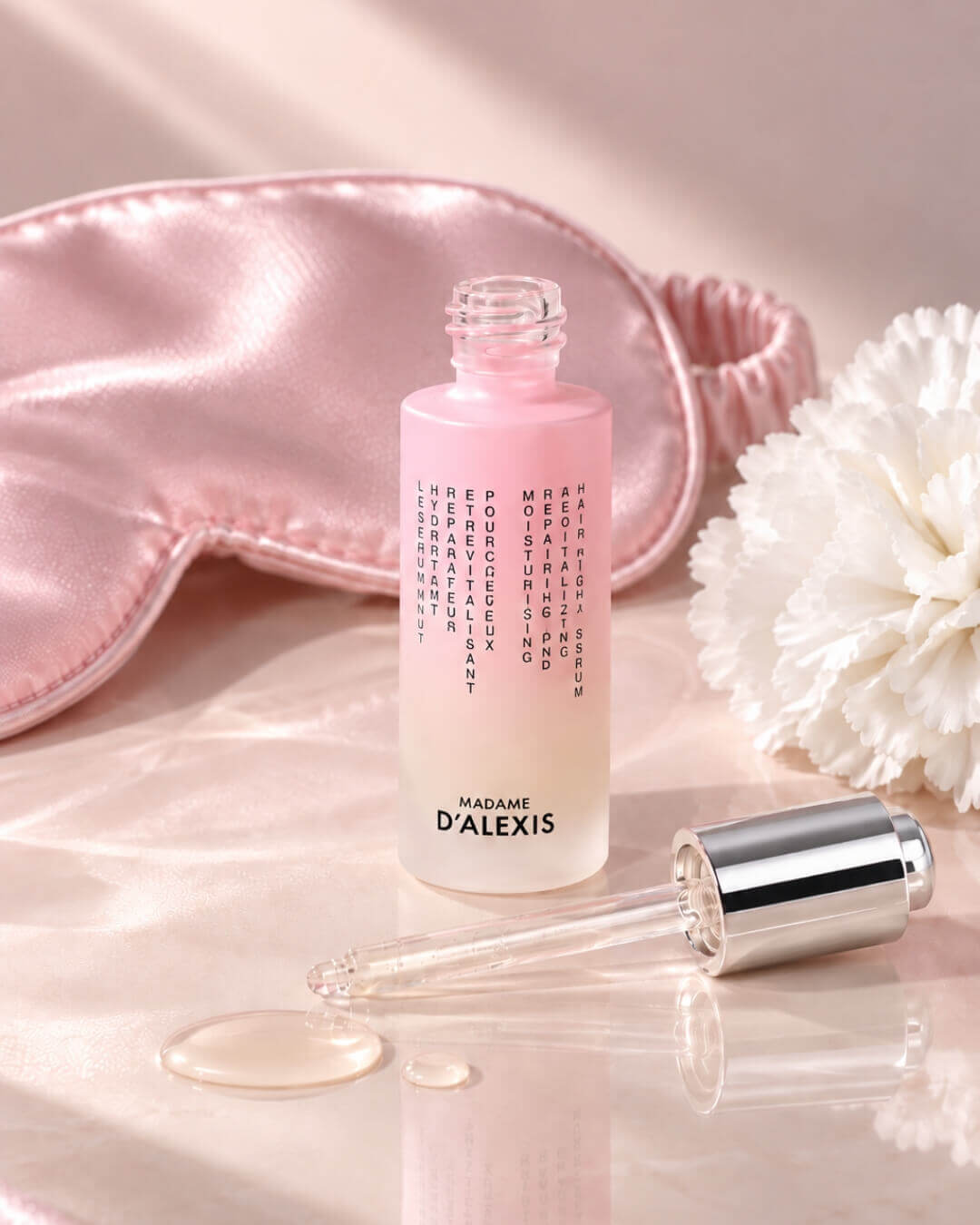
The Finishing Day Serum
- Lengths and ends only
- Heat protection up to 200°C
- Helps reduce frizz
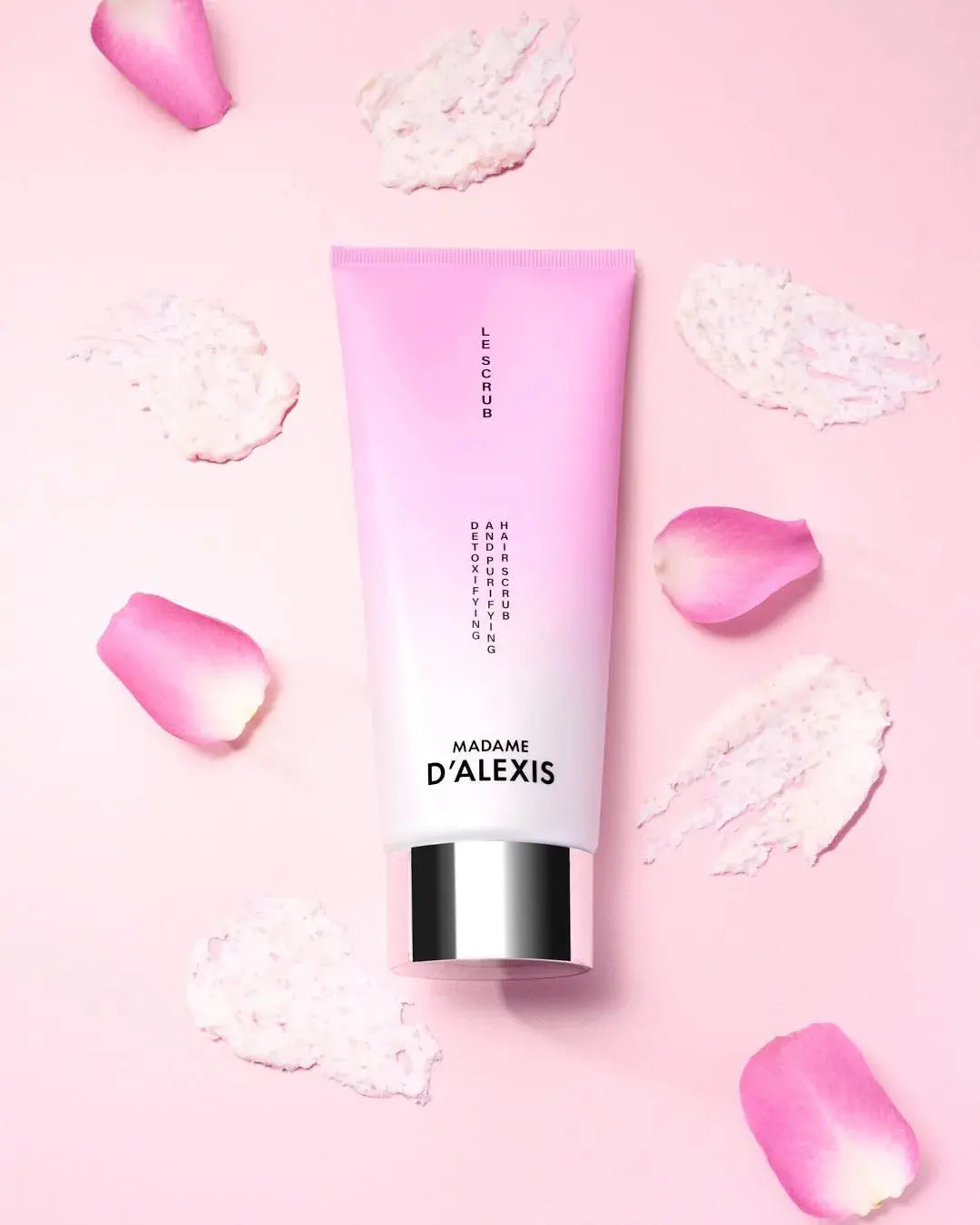
The Reset Scrub
- Every 10 to 15 days
- Replaces shampoo on that day
- If saturated roots or residues
Why does hair become coarse?
The hair is protected on the surface by the cuticle, a layer of overlapping scales. When these scales are properly aligned, the hair shaft reflects light, feels smoother to the touch, and is easier to detangle. When they lift, the surface becomes uneven: the hair looks dull, snags, and feels rough.
Hot Water and Limescale
Water that's too hot and mineral deposits can make hair look duller and harder to detangle.
Heat and UV Rays
Straightening irons, blow-drying, excessively hot hair dryers, or repeated sun exposure gradually weaken the hair shafts.
Staining and Rubbing
Hair dyeing, bleaching, rough towels, and aggressive brushing weaken the hair shaft and increase breakage.
Coarse hair or dry hair: What's the difference?
These two issues often overlap, but they are not the same. Dry hair lacks moisture or lipids. Coarse hair refers primarily to texture: the surface is uneven, the cuticle is rough, and the hair shaft lacks smoothness.
| Problem | Visible signs | Probable cause | Care priority |
|---|---|---|---|
| Dry hair | Lack of body, dull ends, frizz. | Lack of moisture or lipids. | Face masks, hydrosols, hyaluronic acid, fine oils. |
| Coarse hair | Rough texture, fibers that snag, difficult to detangle. | Lifted cuticles, buildup, heat, limescale. | Ceramides, finishing treatment, gentle care. |
| Damaged hair | Breakage, split ends, straw-like texture, loss of elasticity. | Discoloration, repeated exposure to heat, friction. | Protection, regular mask use, trimming the ends as needed. |
To complete your assessment, see also “Porous Hair: What to Do ” and “Frizzy Hair: What to Do.”
How to Naturally Soften Coarse Hair
Your routine should follow a simple logic: don't make your hair rougher when washing it, nourish the lengths, and then protect the hair until the next shampoo.
Clean without stripping
Apply the shampoo to your scalp using lukewarm water. Massage the roots, then let the lather run down the lengths of your hair without rubbing them.
Nourishing the Lengths
Apply the mask only to the mid-lengths and ends of your hair. Leave it on for 5 to 10 minutes, then rinse thoroughly.
Protects and leaves hair feeling smooth
Apply 1 to 3 drops of Day Serum to the mid-lengths and ends of your hair. It helps add shine, reduce frizz, and protect against heat up to 200°C.
Reset the system if the fiber seems sluggish
If your scalp is clogged with sebum, product buildup, or pollution, use Le Scrub every 10 to 15 days. On those days, use it instead of shampoo.
With coarse hair, the trap is to keep adding more and more products. A short but consistent routine often yields better results: a gentle shampoo, a targeted hair mask, and the right amount of serum.
Video: Results with Alexis's "Le Masque Madame"
To see how it looks on different hair lengths, here’s a video showcasing the results achieved with Alexis’s Madame Mask. It fits naturally into your routine, as the mask is the key treatment for improving the texture of coarse hair.
The active ingredients in Madame d’Alexis that help combat rough skin
| Active | Cosmetic benefits | Product in question |
|---|---|---|
| Organic hydrosols | A gentle, sensorial plant-based formula, ideal for routines targeting dry or dull hair. | Shampoo, Hair Mask, Scrub. |
| Cationic hyaluronic acid | Helps improve hydration and has good affinity with fiber. | Shampoo, Hair Mask. |
| Plant ceramides | Help improve the appearance, smoothness, and finish of coarse hair. | Face Mask, Day Serum. |
| Organic jojoba | A lightweight oil that nourishes the hair without weighing it down. | Face Mask, Day Serum. |
| Plant keratin | An active ingredient found in the shampoo, which helps improve the appearance of the hair without making the routine more cumbersome. | Shampoo. |
Mistakes That Make Coarse Hair Worse
- Rinse with very hot water, especially if your hair is already dry or colored.
- Rub the lengths with a regular towel instead of gently squeezing them.
- Gently detangle dry hair when it gets tangled.
- Using heating tools without thermal protection.
- Applying too much protein or “repair” treatments to the point where the hair shaft becomes stiff.
- Exfoliating too often: It should be done only occasionally, every 10 to 15 days, and should replace shampoo on that day.
A Typical Weekly Routine for Coarse Hair
| Moment | Step | Madame d'Alexis Product | Tip |
|---|---|---|---|
| Wash day | Gentle scalp cleansing. | Shampoo. | Warm water, massage the roots, do not rub the lengths. |
| After washing | Moisturizing and nourishing treatment. | The Mask. | For lengths and ends only; leave on for 5 to 10 minutes. |
| Pre-heating or finishing | Protection and shine. | Day Serum. | 1 to 3 drops on the mid-lengths and ends only. |
| Every 10 to 15 days | Reset your scalp. | The Scrub. | Use this instead of shampoo that day; rinse thoroughly. |
See also: to round out your routine
Dry, porous, or frizzy hair
Assets and Finishing Touches
FAQ - Coarse Hair
Why is my hair rough after shampooing?
The shampoo may be too harsh, the water too hot, or the hair may not have been rinsed thoroughly enough. Without using conditioner after washing, the lengths of the hair may remain rough to the touch. A gentle shampoo followed by a treatment applied to the lengths often helps improve the texture.
Can coarse hair become soft again?
Yes, the appearance and texture of your hair can improve with a regular routine: gentle washing, a moisturizing mask, plant-based ceramides, and a finishing serum. However, split ends that have already formed cannot be permanently repaired.
What's the difference between coarse hair and dry hair?
Dry hair is primarily lacking in moisture or lipids. Coarse hair has a rough texture, often caused by an uneven cuticle, hard water, heat, or friction.
What kind of hair mask should I use for coarse hair?
A mask containing plant-based ceramides, cationic hyaluronic acid, organic hydrosols, and fine oils is recommended. Apply the Madame d’Alexis Mask to the mid-lengths and ends only, leave it on for 5 to 10 minutes, then rinse it out.
Can the Day Serum help with coarse hair?
Yes, use it as a finishing product on the lengths and ends of your hair. It helps add shine, reduce frizz, and protect against heat up to 200°C. Do not apply it to the scalp.
Should you use a scrub if your hair is coarse?
Not necessarily. The scrub is mainly intended for scalps clogged with sebum, pollution, or product buildup. It should be used every 10 to 15 days and replaces shampoo on those days.