Advice
Scalp Odor: Why Your Hair Smells Bad and How to Fix It


You run your hand through your hair, bring it up to your face, and that warm, slightly rancid smell hits your nose. In the morning, your pillow still carries a trace of it. The smell of your scalp says nothing about your hygiene; rather, it reveals what’s happening on your skin—a mix of sebum, sweat, product residue, and the balance of your microbiome. Hair that smells musty, roots that smell stale: almost everyone experiences that smell of dirty hair at some point. The good news is that a smelly scalp can be understood, soothed, and rebalanced with simple steps—without stripping or damaging the skin barrier.
Why does the scalp smell bad?
A strand of hair doesn't have a smell of its own. It all happens at the root, on the scalp, where several invisible layers build up over time. Sebum—the natural oil that protects the hair shaft—mixes with sweat, dead skin cells, and dandruff. Added to this are pollution particles, dust, and residue from your styling products.
In this confined, hot, and humid environment, this mixture gradually oxidizes. This oxidized sebum gives off a rancid odor, similar to the musty smell of fabric that has been left in a closed closet for too long. In short, it smells like dirty hair, which is primarily a sign of gradual buildup and a scalp that needs cleansing.
The early warning signs are subtle: a feeling of heaviness, roots that get oily quickly, and a stronger odor by the end of the day or when you wake up. A smelly scalp is rarely just a coincidence.
What role do sebum, bacteria, and yeast play?
The scalp is home to a living ecosystem known as the scalp microbiome. Bacteria and yeasts coexist with your skin as long as the balance is maintained. Sebum serves as their food source, and this activity is part of the normal functioning of a healthy scalp.
An imbalance occurs when this delicate equilibrium is disrupted: excessive sebum production (known as seborrhea), irregular washing, overly rich skincare products, heat, and friction. Certain microbial populations then gain the upper hand, and the breakdown of sebum releases volatile compounds that cause the unpleasant odor. An oily scalp often smells stronger and more quickly because the environment is richer.
Rebalancing the microbiome requires consistency rather than force. Formulas containing prebiotics, probiotics, and postbiotics support this flora without disrupting it, while a base of organic hydrosols soothes the skin rather than stripping it.
Sweat, hats, pillowcases: What makes the smell worse?
There are three factors that consistently contribute to smelly scalps, and they all have one thing in common: moisture.
- Sweat. Exercise, public transportation, an overheated room: sweat, which is initially odorless, becomes a breeding ground for odor. It mixes with sebum and intensifies the smell.
- The hat. With the return of cold weather and heating, it’s back on everyone’s heads. When worn on damp hair, it traps heat and moisture and prevents airflow. The scalp becomes damp and irritated.
- The pillowcase. It traps residue from your skincare products, sebum from the night, and moisture from incomplete drying. It’s also what makes the scent linger when you wake up.
Drying is therefore just as important as washing. Trapping damp hair under a shower cap or tying it up tightly right after a shower is like creating the perfect conditions for buildup. Let your hair breathe, air it out, and change your pillowcase regularly. The link between sweat, buildup, and hair loss is worth taking a closer look at.
Why does my hair smell bad after I shampoo it?
You step out of the shower feeling like you’ve done everything right, and yet, a few hours later, the smell comes back. When your hair still smells bad after washing—leaving you with that feeling of something not quite right—the key is to focus on the rinsing step.
A shampoo that isn't rinsed out properly leaves behind surfactants, film-forming agents, and residues that build up at the roots. Add to that a conditioner applied too close to the scalp, hairspray, a leave-in treatment, or a hair mask applied beyond the mid-lengths: the layers build up. This buildup traps dust and pollution, keeps the scalp damp, and eventually leads to a musty odor.
Two simple steps can often make all the difference: massage your scalp with a little water before lathering, then rinse very thoroughly until the water runs clear. If your hair feels greasy after shampooing, it doesn't mean you're washing it wrong—it probably just means there are still some residues left to remove.
Should you wash your hair more often?
Should you wash your hair more often, or space out your washes to help regulate sebum production? The answer depends on your skin, your lifestyle, and the product you use. Spacing out your washes doesn’t stop sebum production, and letting buildup accumulate doesn’t do your scalp any favors if it smells bad.
If you sweat, live in the city, or wear a helmet or hat, washing your hair daily with a gentle, sulfate-free shampoo is perfectly fine. What matters most isn’t the frequency itself, but how gentle the formula is and how well you rinse it out. To figure out how many times a week you should wash your hair, pay attention to your scalp rather than following a one-size-fits-all rule.
How can you cleanse and purify your scalp without damaging it?
Cleansing doesn't mean stripping the skin. A treatment that's too harsh strips away the skin's protective barrier, causing the skin to react by producing more sebum, and the unpleasant odor returns. The right approach is to cleanse gently, without sulfates, and then restore balance.
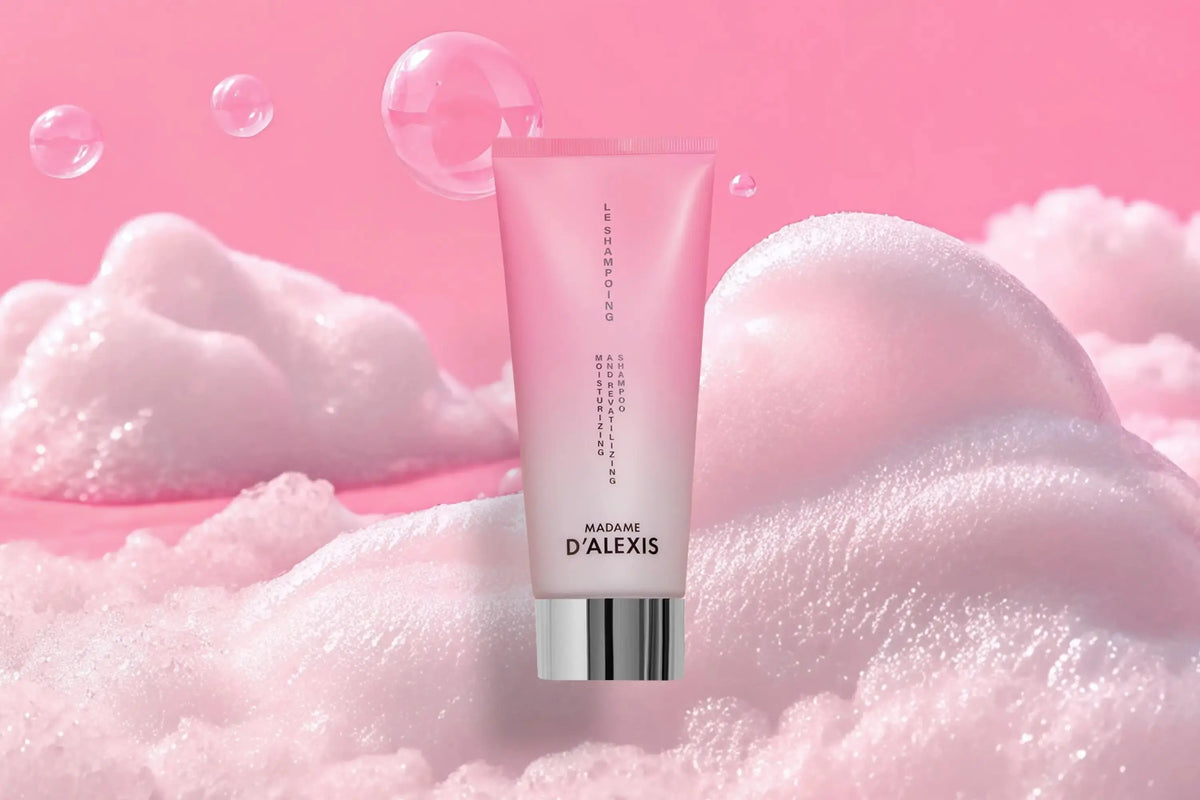
The shampoo, formulated with 98% naturally derived ingredients, with no added water and based on organic hydrosols, follows this principle. Damask rose hydrates and soothes, German chamomile soothes and brightens the hair, and orange blossom tones and energizes the roots. Cationic hyaluronic acid, prebiotics, and plant-based keratin round out the treatment. Thoroughly wet the hair, shampoo twice, massage in small circular motions, then rinse very thoroughly. It can be used daily or alternated with the Scrub.

For a deeper cleanse, a scalp exfoliant is invaluable. The Scrub, which is 98% naturally derived, is an exfoliating shampoo formulated with fleur de sel, hydrosols, organic coconut oil, and cationic hyaluronic acid. It should be used every 10 to 15 days. On that day, it replaces Le Shampoing: apply it twice in succession, as if shampooing twice, then rinse thoroughly.

How can you keep your scalp fresh between washes?
Are you looking to get rid of odors without washing your hair every day? Between shampoos, a few simple steps can help you stay feeling fresh.
- Vinegar. Although often mentioned, it should be used with caution—highly diluted—as an occasional final rinse, avoiding delicate skin and irritated areas.
- Baking soda. Use only on a very occasional basis, as using the wrong amount can dry out and disrupt the microbiome.
- Night Serum. Apply one pipetteful in the evening, section by section, to the scalp, massaging it in without rinsing: probiotics, postbiotics, and fermented extracts support your skin’s microbiome overnight. Use three to five times a week as a treatment, then once or twice a week for maintenance.
- Air out and dry your hair. Make sure your hair is dry before tying it up; remove your hat and helmet as soon as possible; change your pillowcase regularly; and brush your hair gently to remove dust and dandruff.
A remedy for body odor found online will never replace a consistent skincare routine and a formula tailored to your skin. In this case, consistency is better than intensity.
When should you see a dermatologist?
Most cases of smelly scalps can be alleviated by better managing buildup. However, there are situations that are not related to your routine.
See a dermatologist if the odor persists despite appropriate measures, if it returns very quickly, or if it is accompanied by redness, patches, severe itching, pain, pimples, or hair loss. A smelly, itchy scalp warrants professional advice, especially if a healthcare professional has previously mentioned oily dandruff or seborrheic dermatitis. These symptoms may indicate a skin condition that requires examination and follow-up care—not just a simple change in shampoo.
What hair care products should you choose for a smelly scalp?
Each treatment has a specific purpose, and it is their combination that makes a difference over time.
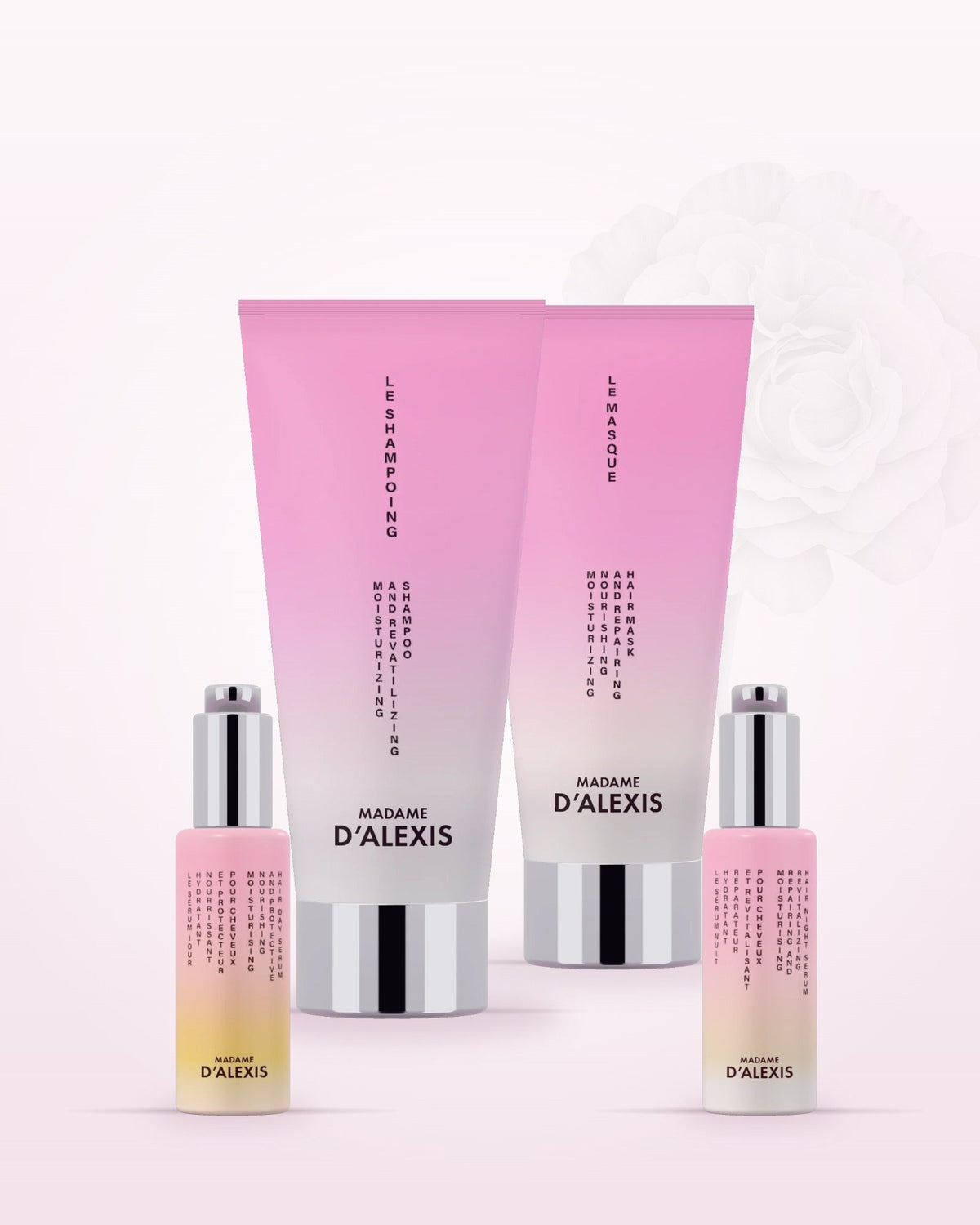
- The Shampoo. It’s the foundation: 98% naturally derived, sulfate-free, with no added water, and formulated with organic hydrosols to cleanse, soothe, and rebalance the microbiome. Washing twice and rinsing thoroughly are the keys to a clean, irritation-free scalp.
- The Scrub. Every 10 to 15 days, it cleanses the scalp, removes residue, and restores lightness to the roots. On that day, use it in place of the Shampoo, applying it twice.
- Night Serum. Made from 98% naturally derived ingredients, with probiotics, postbiotics, and fermented extracts, it bridges the gap between washes and lets the microbiome do its work overnight—no rinsing required.
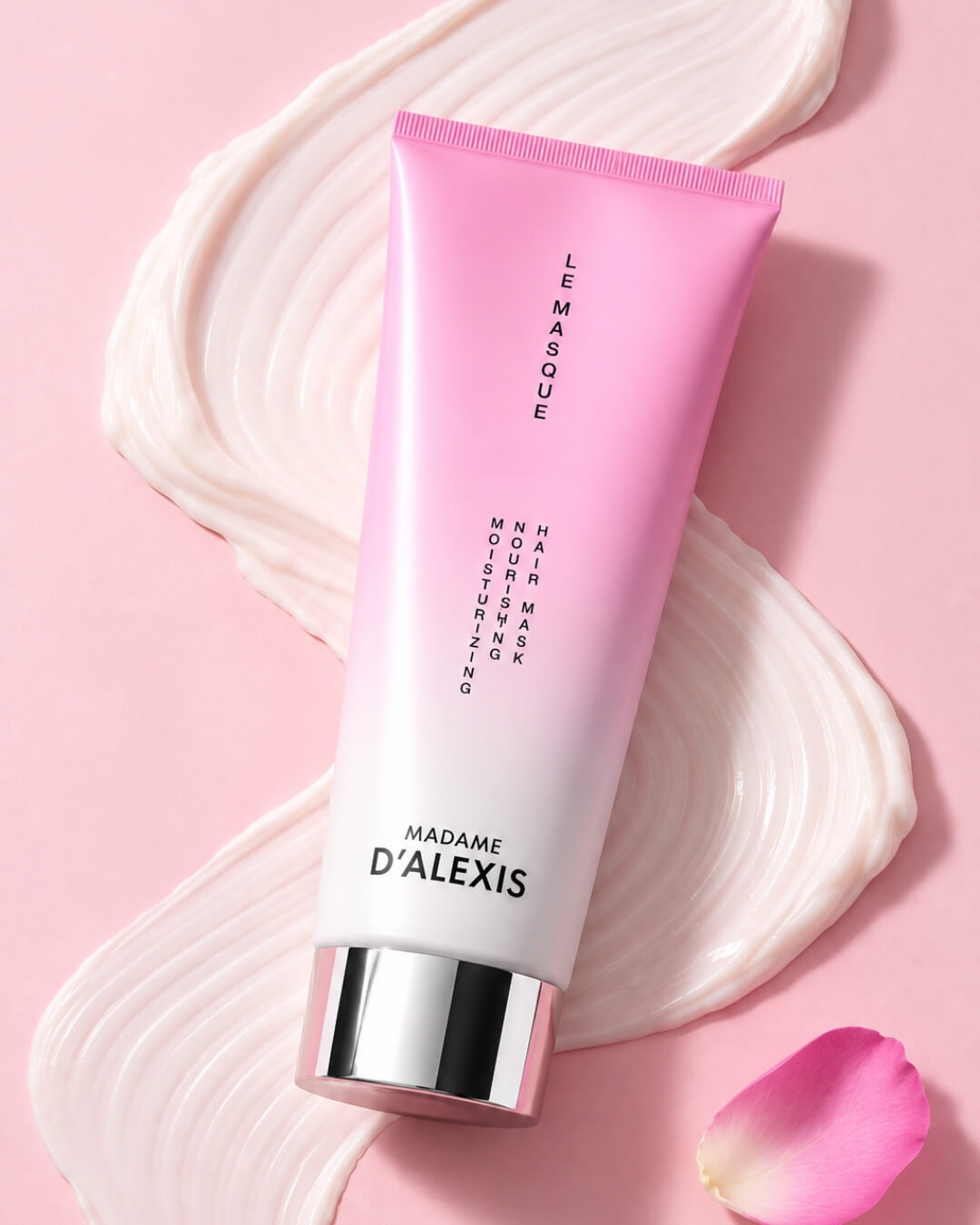
- The Mask. Made from 97% natural ingredients, it is applied only to the lengths of the hair and contains plant-based ceramides: it nourishes the hair shaft without leaving oil on the scalp, which helps prevent buildup. Be sure to rinse it out thoroughly.
- The Oily Hair Routine. If your scalp gets oily quickly and also smells bad, this routine combines The Scrub, The Shampoo, and The Night Serum to purify, gently cleanse, and rebalance your scalp all in one step.
These products are made in France using a gentle approach, designed to be used regularly without damaging the scalp.

The Shampoo

The Scrub

The Night Serum

Oily Hair Routine
Does your scalp lose its freshness quickly?
We'll ask you a few questions about your scalp and hair, and then we'll create a personalized routine for you using our five organic hydrosol treatments, formulated without added water.
Does this sound like you?
- You reply
- Discover your ritual
- You are adjusting your selection
Frequently Asked Questions About Scalp Odor
Why does my hair smell bad after washing, even when I use a mild shampoo?
Rinsing is often the issue. Residue remains near the roots, traps moisture, and oxidizes. Rinse for longer, and make sure your leave-in treatments don't come into contact with your scalp.
Can vinegar get rid of the smell of dirty hair?
Vinegar, when highly diluted and used occasionally as a rinse, can help remove residue and restore a feeling of cleanliness. It is not a substitute for a thorough wash and should be avoided on irritated or sensitive skin.
Should you wash your hair every day if your scalp smells bad?
If you sweat or live in the city, yes, washing your hair daily with a gentle, sulfate-free shampoo is an option. The method matters less than the gentleness of the formula and how well you rinse it out.
Does an anti-odor shampoo solve the problem?
An anti-odor shampoo is effective only if it cleanses without stripping the scalp. Washing too aggressively stimulates sebum production, and the odor returns more quickly. Gentleness and consistency are more effective than harshness.
How can I tell if my scalp needs to be cleansed?
A few signs are enough: heavy roots by the end of the day, a noticeable odor upon waking, hair that loses its lightness, and visible residue after styling. Washing your hair more regularly and exfoliating every 10 to 15 days often sets things right.
In conclusion
A smelly scalp isn’t inevitable, nor is it a matter of cleanliness. It most often indicates a buildup of impurities, oxidized sebum, poorly rinsed-out residue, or a microbiome that needs to be rebalanced. By focusing on gentle washing, thorough rinsing, complete drying, airing out, and a consistent routine, your scalp will regain its freshness, and your hair will regain its lightness.
Still not sure which treatments are right for you? A hair assessment helps you evaluate the condition of your scalp and develop a routine tailored to its needs.
Advice