Advice
Anti-Hair Loss Serum: Which Product Should You Choose?
Comparison of anti-hair loss serums on the market (L'Occitane, Kérastase, Klorane, Luxéol, Aroma-Zone): active ingredients, naturalness, price, and microbiome focus, to help you choose the right treatment for your hair fall.


Anti-hair-loss serum: Which one should you choose when your scalp is really tired?
You don’t choose the right serum based on a spectacular promise, but on the cause of hair loss: stress, seasonal changes, postpartum, hormones, scalp inflammation, or established alopecia. Here is the expanded comparison, featuring a scientific analysis and Madame d’Alexis’s microbiome-based approach.
The 20/80 Rule for Making the Right Choice
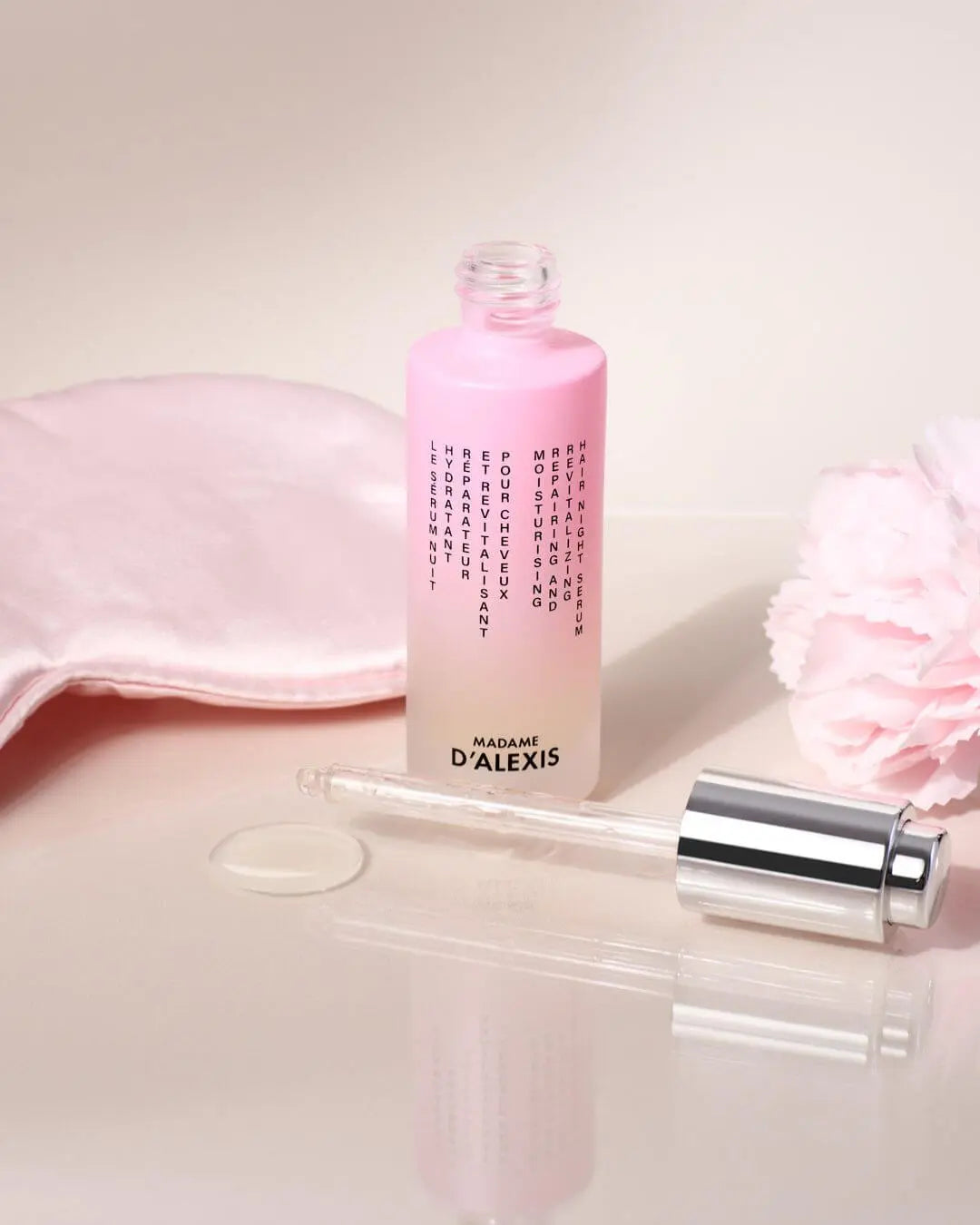
Probiotic Anti-Hair Loss & Thickening Night Serum
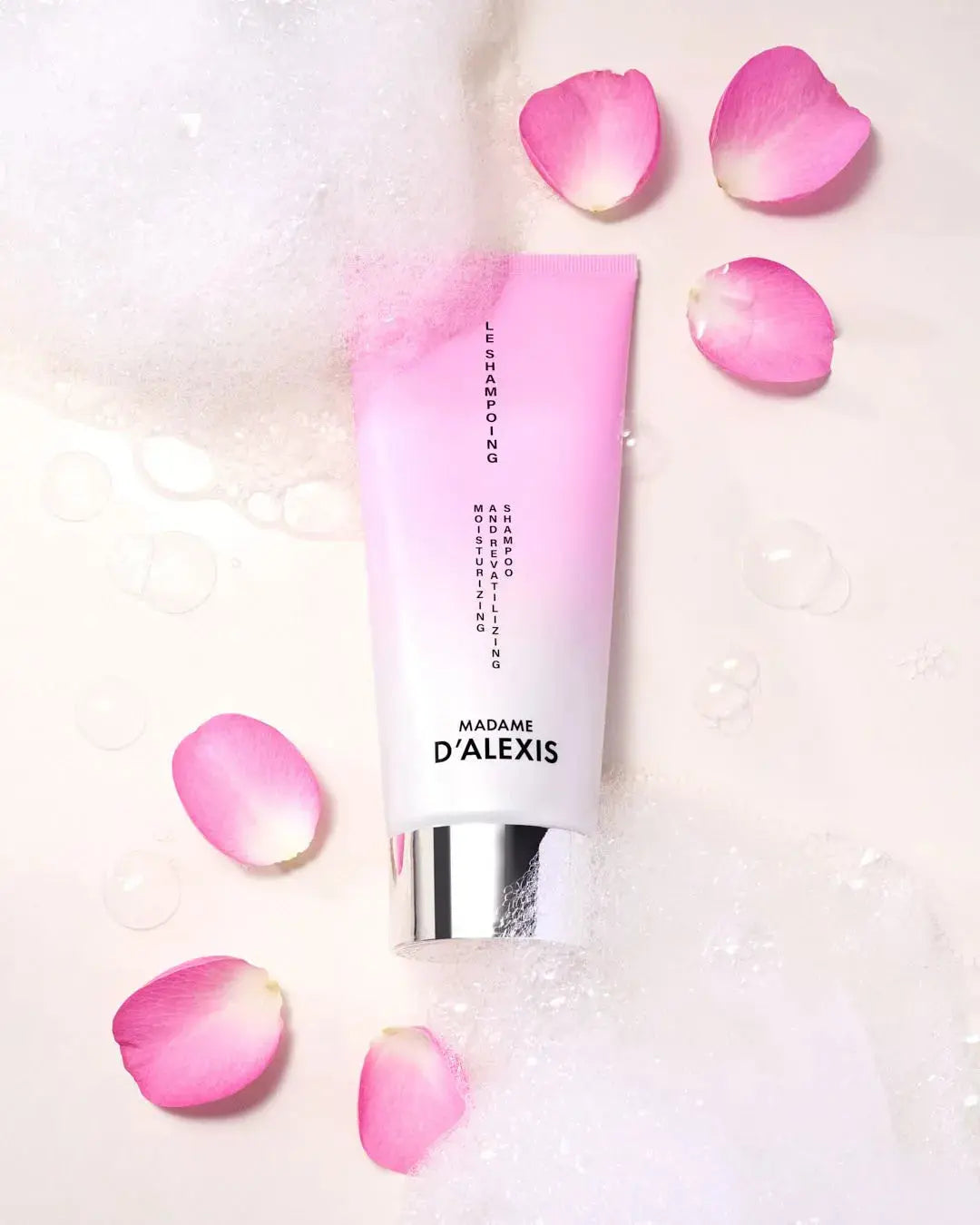
Sulfate-free shampoo with organic hydrosols
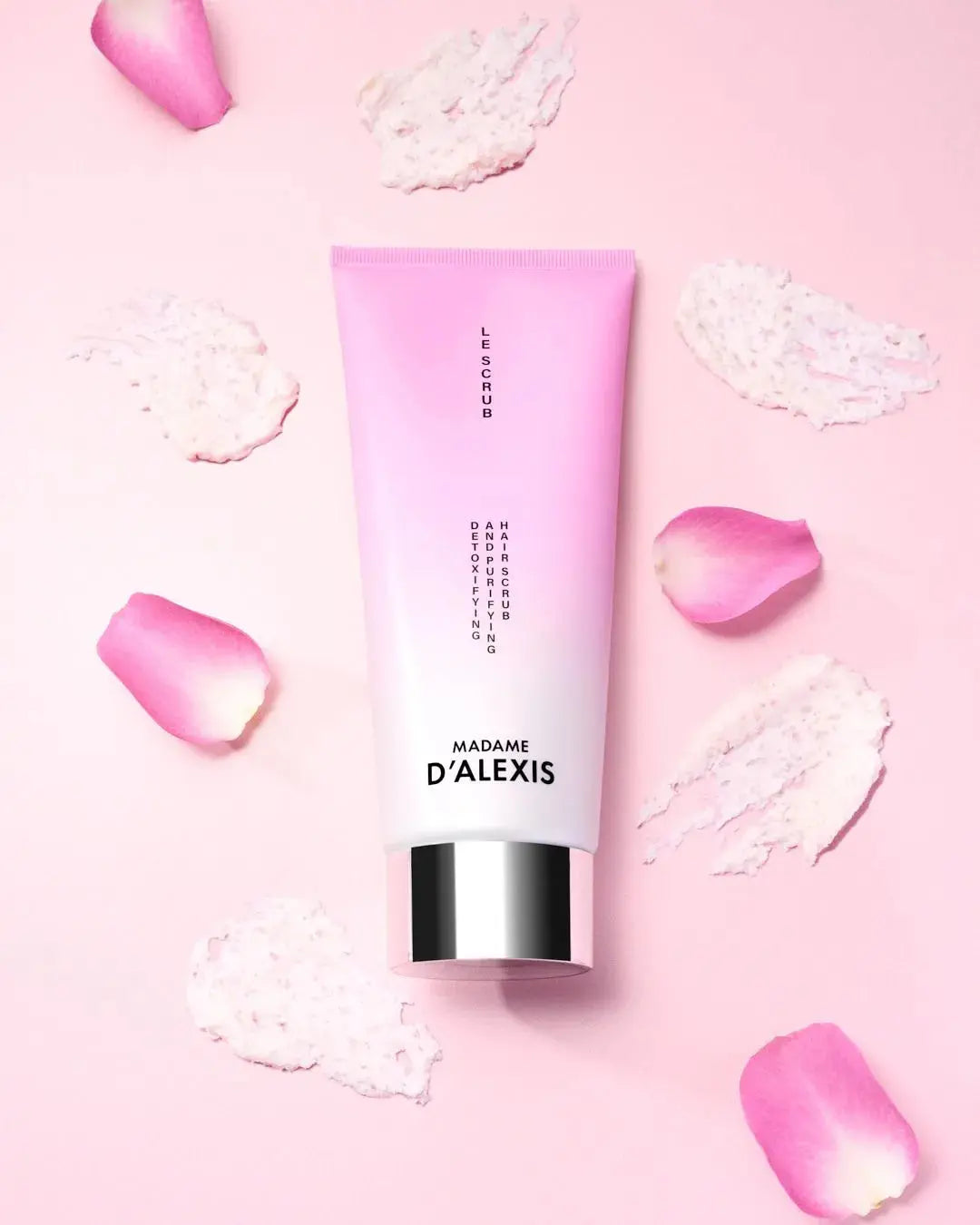
Organic Hydrosol Scalp Scrub
How to Choose a Hair Loss Serum: The Criteria That Really Matter
Before comparing L’Occitane, Kérastase, Klorane, Luxéol, Aroma-Zone, and Madame d’Alexis, it’s important to understand what a serum can actually do. A cosmetic product can support the scalp, reduce breakage caused by discomfort, improve the health of the hair follicle environment, and help manage reactive hair loss. It is not a substitute for medical treatment if the alopecia is androgenetic, sudden-onset, localized, or persistent.
To learn more about the causes, be sure to check out our guides on seasonal hair loss, thinning hair, the link between stress, cortisol, and hair loss, and postpartum hair loss.
The Scientific Perspective: Follicles, Inflammation, and the Scalp Microbiome
The hair follicle functions within a living environment. Diffuse hair loss isn’t just a matter of a “weak root”; it can be exacerbated by local inflammation, excess sebum, itching, dandruff, stress, and an imbalanced scalp microbiome.
A Scientific Comparison of Hair Loss Serums on the Market
The table below goes beyond simply listing the price per milliliter. It distinguishes between the mechanism of action, the quality of evidence, naturalness, tolerability, the target for weight loss, and whether or not the product has a microbiome-based approach.
Unique positioning in the field of the microbiome and hydrosols, consistent with data on dysbiosis and inflammation. Does not replace medical treatment such as minoxidil.
An honest assessment: Kérastase, Klorane, and Luxéol remain strong in terms of root support and strengthening. Aroma-Zone leads the pack in terms of value for money. Madame d’Alexis sets itself apart by taking a less-explored approach: treating the scalp as living skin, using organic hydrosols, probiotics, and postbiotics in a long-acting nighttime treatment.
Why Madame d’Alexis Night Serum Deserves to Be the Centerpiece of Your Skincare Routine
Probiotic Anti-Hair Loss & Thickening Night Serum
This serum does more than just “stimulate.” It nourishes the scalp overnight—when the skin is regenerating—with a blend of organic active hydrosols, probiotics, postbiotics, fermented extracts, botanical active ingredients that combat hair loss, and cationic hyaluronic acid.
1. A base with no added water, replaced by bioactive hydrosols
Most serums are water-based. At Madame d’Alexis, the water base is replaced with organic hydrosols of Damask rose, German chamomile, and orange blossom. This is a deliberate formulation choice: to incorporate an active ingredient right from the base, rather than a neutral carrier. To understand the reasoning behind this, read our article on active organic hydrosols.
2. Probiotics and postbiotics to support the microbiome
Topical probiotics and postbiotics don’t magically “make hair grow back.” Their cosmetic benefit is more subtle: they help promote a more comfortable, less reactive, and better-balanced scalp—one that’s therefore more conducive to maintaining healthy hair.
3. A botanical trio to prevent hair loss: stinging nettle, oak bark, and licorice
Nettle is traditionally used in scalp care for fragile hair roots. Oak bark provides a toning and astringent effect. Licorice, known for its soothing properties, complements this approach for sensitive or irritated scalps.
4. Cationic hyaluronic acid: targeted hydration of the roots
The cationic form of hyaluronic acid adheres better to the hair shaft and scalp, which are naturally negatively charged. It helps maintain surface hydration, reduce roughness, and improve comfort. Learn more: hyaluronic acid for hair.
Hair Loss Prevention Routine: How to Use a Serum to Get Real Results
The Proper Protocol, Madame d’Alexis
What a Cosmetic Serum Shouldn't Promise
A natural anti-hair loss serum can help address reactive hair loss, improve scalp comfort, enhance the appearance of hair density, and support cosmetic hair retention. It should not claim to treat medical alopecia. Minoxidil, for example, is a medicinal active ingredient: the Vidal notes that once treatment is stopped, regrowth ceases and a return to the initial condition is expected within 3 to 4 months.
FAQ - Your Questions About the Anti-Hair Loss Serum
Which anti-hair-loss serum should you choose first?
For hair loss caused by stress, postpartum, or seasonal changes, choose a gentle, microbiome-supporting night serum with hydrosols, probiotics, postbiotics, and botanical active ingredients. For established androgenetic alopecia, consult a dermatologist.
Can Madame d’Alexis Night Serum stop hair loss?
It may help reduce reactive hair loss by supporting the scalp, promoting comfort, hydration, and the cosmetic balance of the microbiome. It is not a substitute for medical treatment.
How long does it take to see results?
Allow 4 to 8 weeks to see the first signs of reduced hair loss and 3 to 6 months to assess visible hair density. Consistent application is essential.
Day Serum or Night Serum for Hair Loss: Which One Should You Choose?
Nighttime treatments benefit from a long application time, without brushing or sweating. This is often more effective for a concentrated scalp treatment.
Can you use a hair loss serum with minoxidil?
Only with a doctor's recommendation. Minoxidil is a medication; a cosmetic serum should not be used in conjunction with an active treatment without taking precautions.
Is the serum suitable for fine hair?
Yes, if the texture is light and non-greasy. Apply the Night Serum to the scalp, section by section, using a small amount.
Should you exfoliate your scalp while undergoing a hair loss treatment?
Yes, occasionally. Gentle exfoliation every 10 to 15 days helps remove buildup from the scalp. Be sure to use gentle strokes.
When should you consult?
If hair loss lasts longer than 3 months, worsens, becomes localized, or is accompanied by pain, redness, scabs, or unusual fatigue, you should seek medical advice.
Sources
- Vidal - Minoxidil, Active Ingredient, and Discontinuation of Treatment
- PMC - Comparative Analysis of the Scalp and Gut Microbiomes in Androgenetic Alopecia
- PubMed - Imbalance in the Scalp Microbiota and Inflammatory Hair Disorders
- Kérastase - Genesis Strengthening Anti-Hair Loss Serum
- Aroma-Zone - Anti-Hair Loss Hair Serum with Peptides & Pea Extract
- L’Occitane - Anti-Hair Loss Serum
- Klorane - Intense Strengthening Treatment with Quinine
The right approach: treat your scalp overnight
When it comes to treating hair loss caused by stress, Alexis’ Madame Night Serum meets all the essential criteria: regular application, a lightweight texture, botanical active ingredients, organic hydrosols, and a microbiome-focused approach.
Discover the Night Serum