Advice
Organic Shampoo for Oily Hair: Why Hydrosols Make All the Difference
Organic floral waters completely transform the approach to oily hair care: acidic pH, sebum-regulating active ingredients, and zero sulfates. Here is why and how to use them.

Organic shampoo for oily hair: why floral waters change everything
An organic oily hair shampoo should not strip the scalp. It must cleanse, respect the natural balance, and help roots stay clean for longer.
In short
An organic oily hair shampoo formulated with floral waters cleanses without stripping and helps break the vicious cycle of rapid grease buildup. Where a conventional shampoo often seeks to "purify intensely," a well-formulated natural oily hair shampoo guides the scalp toward greater balance.
The real difference comes down to a formulation choice: replacing inert water with active organic floral waters, such as Damask rose, chamomile, and orange blossom.
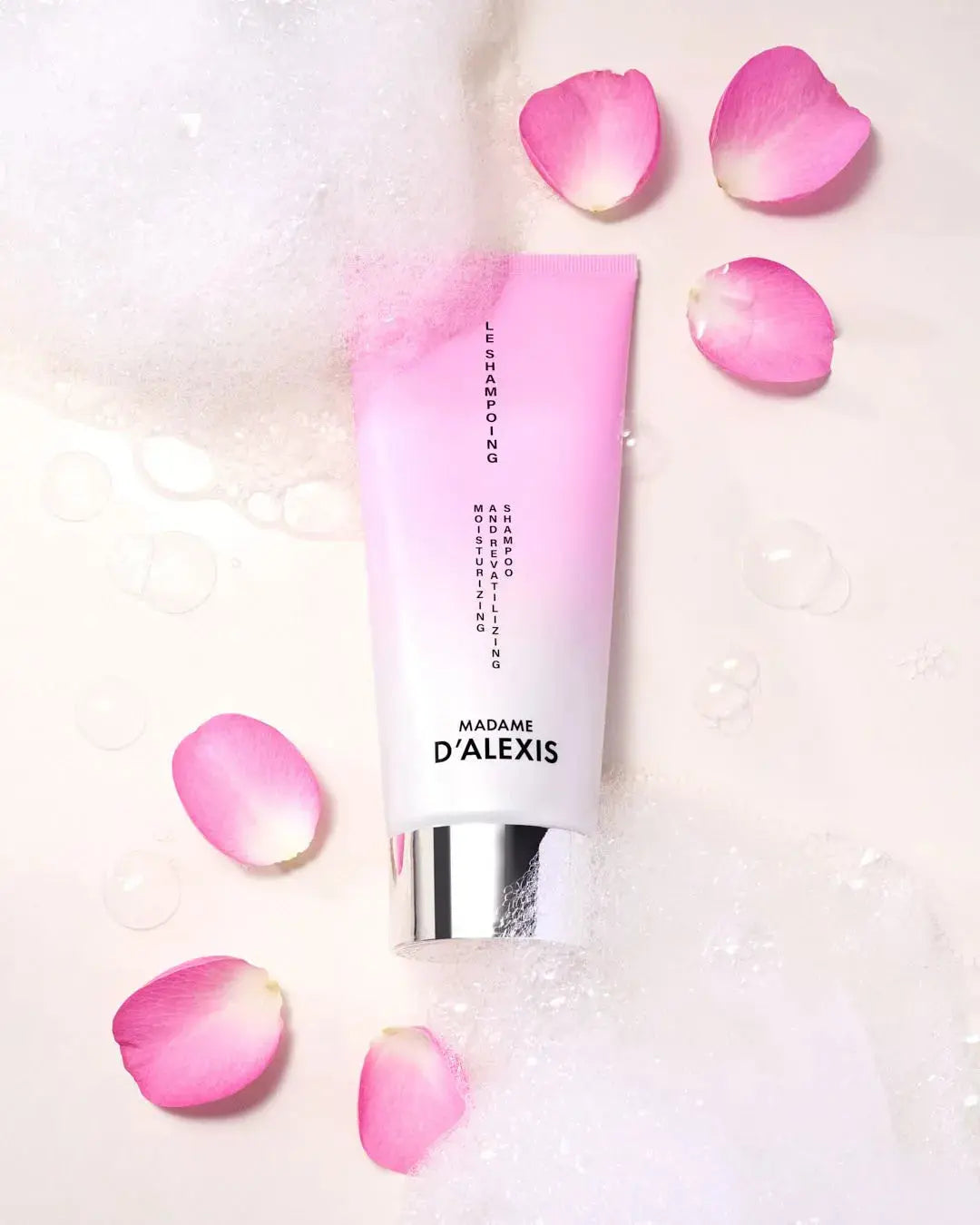
Organic oily hair shampoo with floral waters
Why oily hair needs a truly organic shampoo
Oily hair is not inevitable. Very often, the problem is fueled by treatments that are too harsh, too stripping, or unsuited to the scalp.
Sebum protects
Sebum forms a natural lipid film. The goal is not to eliminate it, but to help the scalp regain a more regular production.
Stripping triggers more oil
Harsh sulfates can remove the hydrolipidic film too abruptly, which encourages a rebound effect and overly frequent washing.
Organic must be active
An interesting organic shampoo is not limited to avoiding certain ingredients: it must provide useful active ingredients.
Sebum: enemy or ally of the scalp?
Sebum protects the scalp against external aggressions, maintains hydration, and contributes to the balance of the local microbiome. The problem appears when it is produced in excess: the roots become weighed down, the lengths look dull, and the hair loses its volume the day after washing.
Understanding how to regulate sebum production means understanding that the lasting solution is not to dry out the scalp, but to cleanse it without aggression.
What conventional shampoos do to oily hair
Most highly foaming conventional shampoos use strong surfactants, notably SLS or SLES. They provide an immediate feeling of cleanliness, but can also cause tightness, discomfort, and cause hair to become greasy more quickly.
Silicones, on the other hand, can create a soft feel, but they build up on the hair fiber and can weigh down roots with each wash. To understand the difference between gentle and harsh cleansing, our guide on sulfate-free, paraben-free, and silicone-free shampoos is a helpful addition to this reading.
Organic floral waters and oily hair: the science of balance
Floral waters are not simply scented water. They are floral waters derived from the distillation of plants, containing water-soluble compounds that bring a more active dimension to your hair care.
It helps provide a refreshing and lightweight sensation at the roots.
It is suitable for scalps that tend to become oily quickly while remaining sensitive.
It brings a gentle and sensory dimension to the cleansing process.
It helps support the balance of the scalp microbiome.
Why replacing water changes the formula
In many shampoos, water is the primary ingredient. It serves as a base, but offers no specific active benefits. A formula based on active organic floral waters takes a different approach: the aqueous base itself becomes beneficial.
To go further, the article on water in hair care products explains why this question of the aqueous base is strategic in formulation.
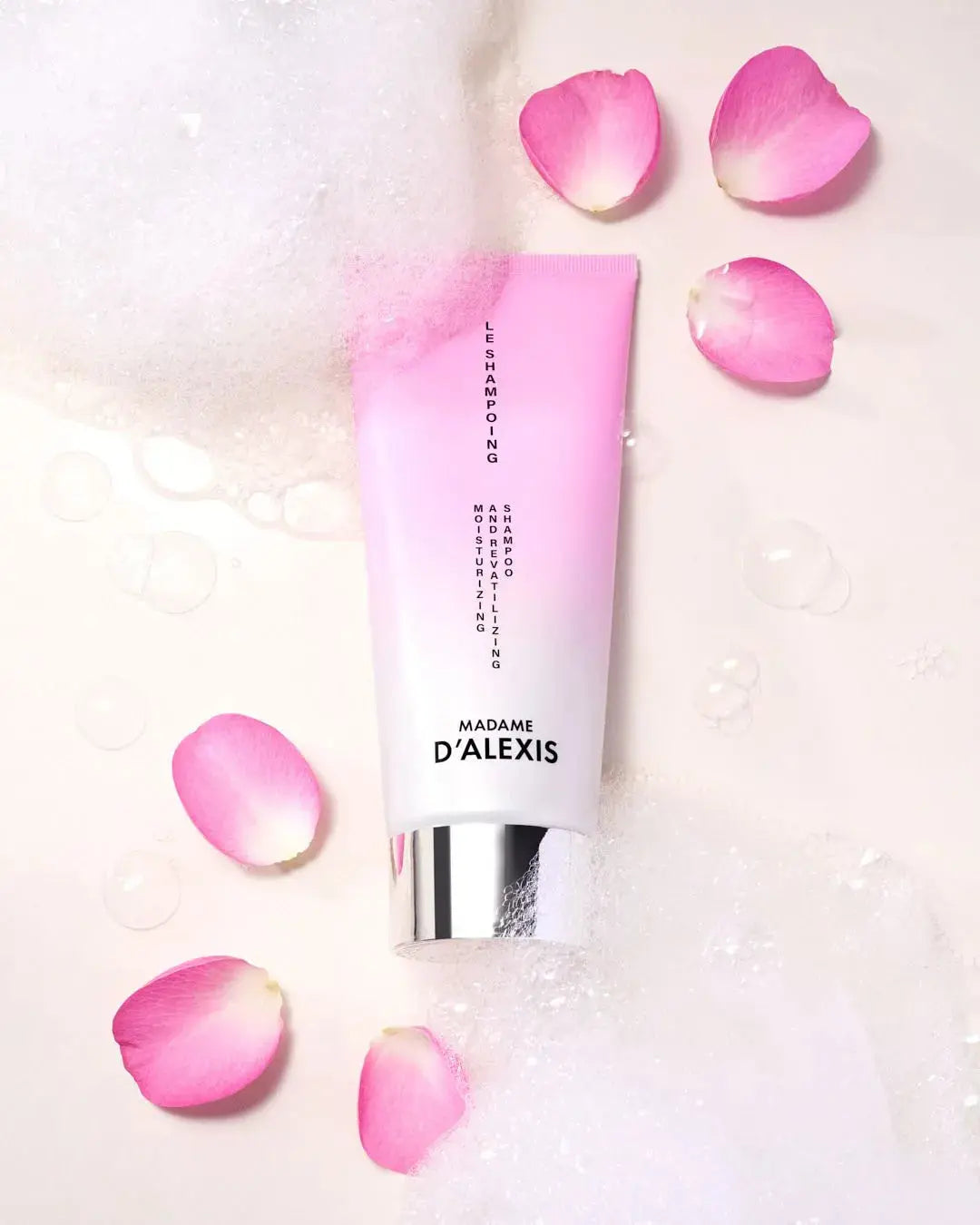
Madame d'Alexis Shampoo: formulated for oily roots and sensitized lengths
The Madame d'Alexis Floral Water Shampoo is designed as a gentle cleansing treatment. It does not seek to "dry out" the scalp, but rather to cleanse effectively while respecting the fiber's balance.
Important correction: the Madame d'Alexis shampoo should not be presented as a certified organic product in the Cosmos Organic sense, nor as a formula containing ceramides. Its accurate positioning is: 98% natural origin, organic floral waters, no added water, sulfate-free, with cationic hyaluronic acid, plant keratin, and prebiotics.
Zero added water, active organic floral waters
The formula replaces the water usually used in shampoos with organic floral waters of Damask rose, chamomile, and orange blossom. This choice makes it possible to offer an organic floral water shampoo for oily hair that is better suited for scalps needing gentleness, freshness, and lightness.
The active ingredients that appeal to oily hair
Cationic hyaluronic acid helps provide lightweight hydration to the fiber. Plant keratin supports the strength of the lengths. Prebiotics support scalp balance. It is an approach closer to skincare than a simple purifying shampoo.
Organic oily hair shampoo with floral waters
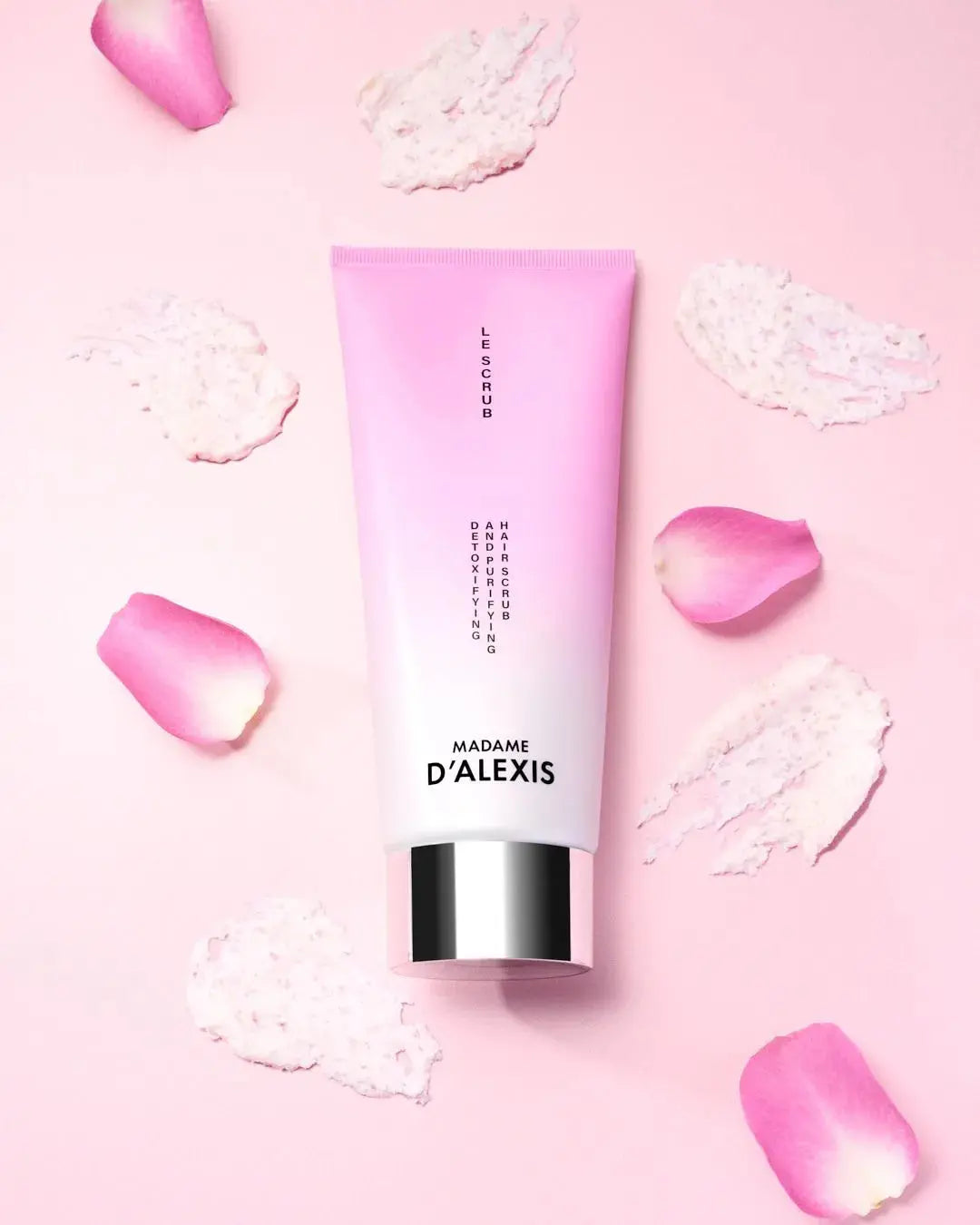
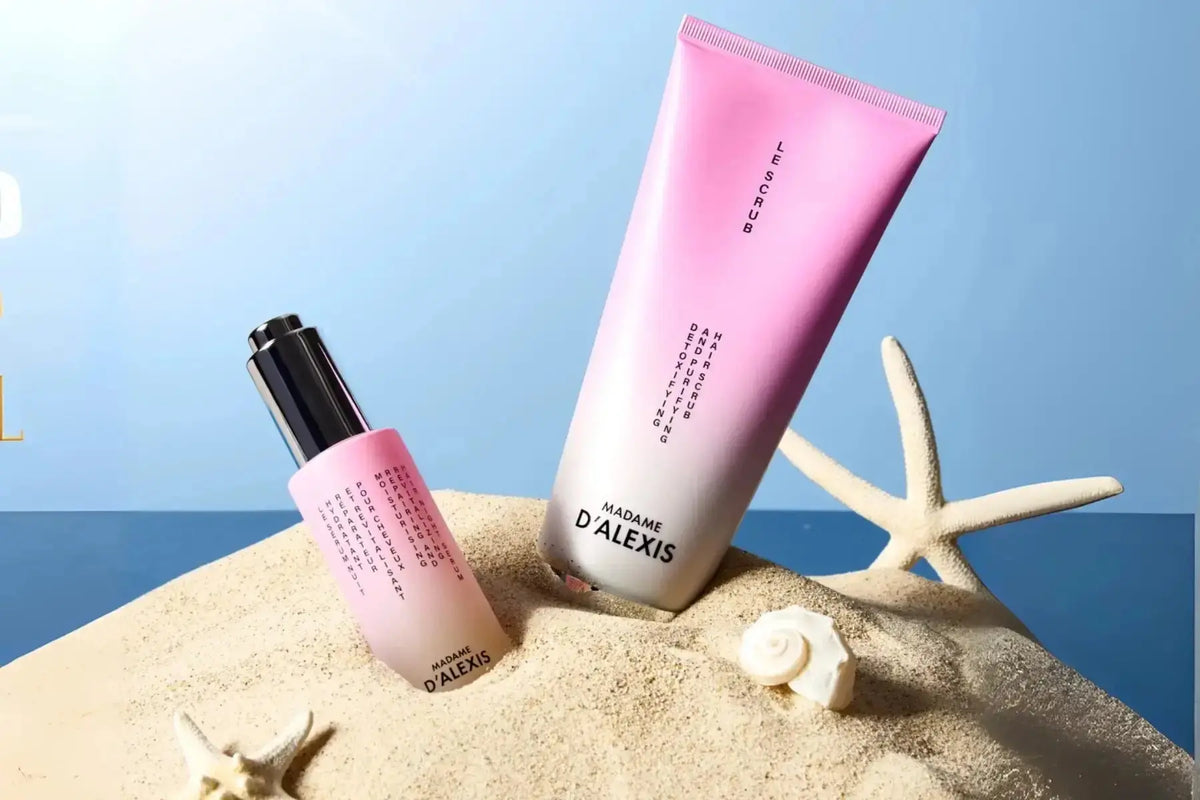
The Scrub - Exfoliating scalp shampoo with organic floral waters
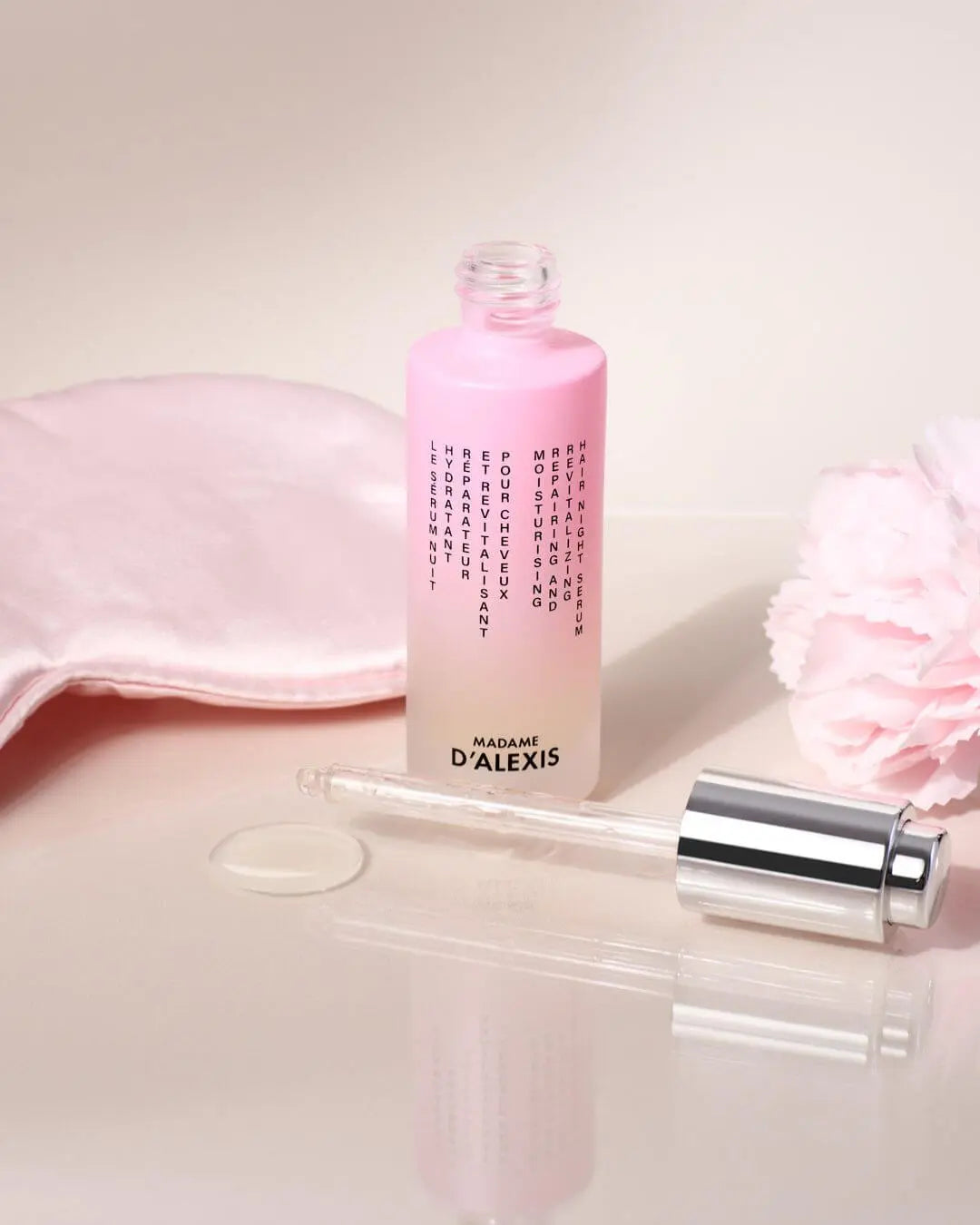
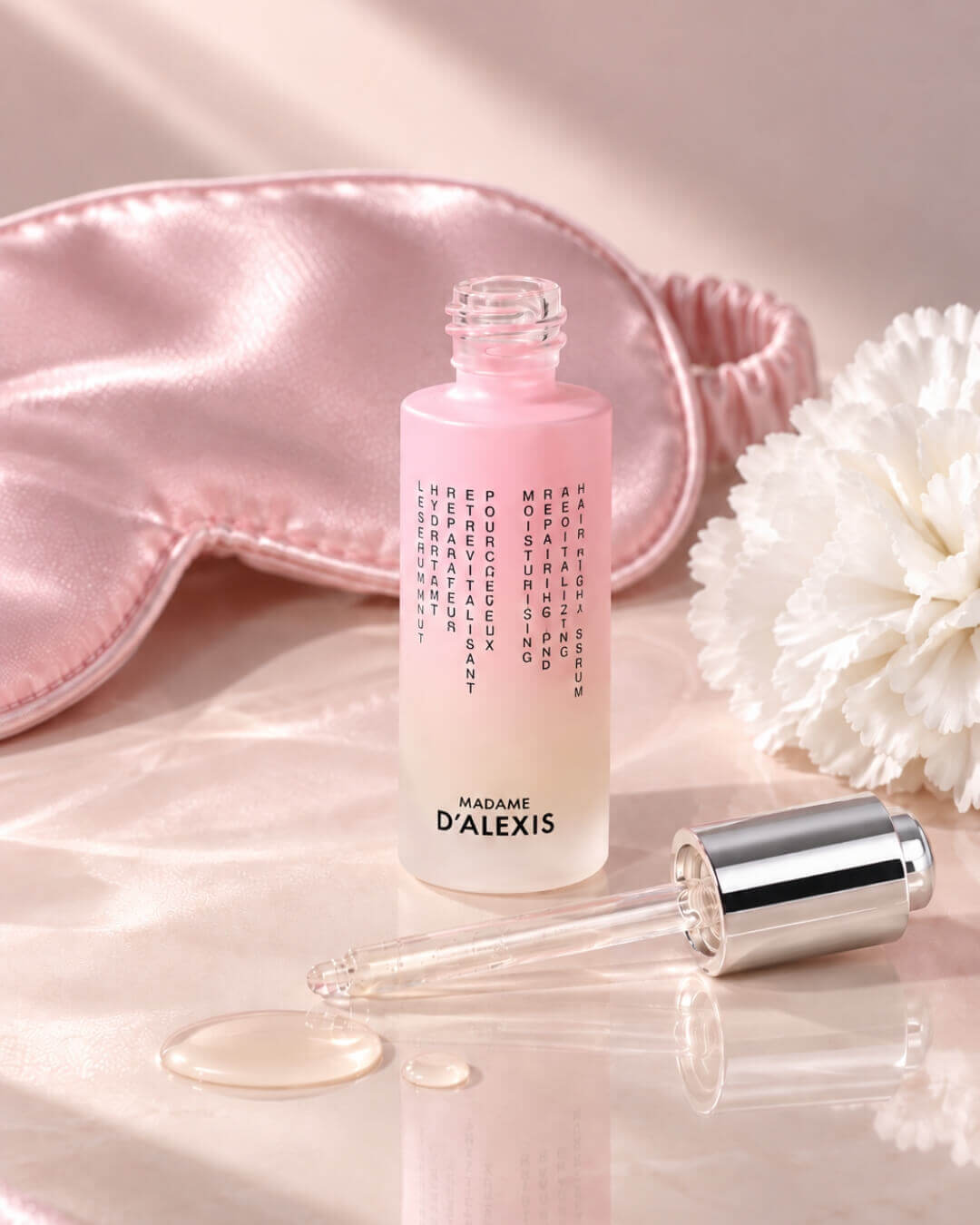
Anti-Hair Loss & Thickening Night Serum with Probiotics
How to use an organic shampoo for oily hair: the complete routine
The formula matters, but technique matters too. For oily roots, the right routine avoids stimulating the scalp while effectively removing sebum, pollution, and buildup.
First wash
Remove sebum, pollution, and styling product buildup with a gentle massage, without scratching the scalp.
Second wash
Let the formula sit for two minutes to fully benefit from the floral waters and nourishing active ingredients.
Weekly reset
Use a gentle scalp scrub to remove buildup that weighs down the roots.
Length care
Apply rich treatments only to the lengths and ends, never directly to oily roots.
Pair with the Scrub for a cleaner scalp
Once a week or every 10 to 15 days depending on sensitivity, the scalp scrub helps remove dead cells, oxidized sebum, and buildup. It is applied before shampooing to prep the scalp.
Building a complete routine without weighing hair down
For oily hair, the logic is simple: the shampoo and scrub work on the scalp, while richer treatments stay on the lengths. If you have dry or damaged lengths, a hair mask for dry hair can be useful, but only from mid-length to ends.
Choosing your organic shampoo for oily hair: what to really look for
The market for natural oily hair shampoo is full of promises. To make the right choice, it is best to look at the formula rather than the packaging.
| Criterion | To favor | To be avoided | Why this is strategic |
|---|---|---|---|
|
Our approach Water base |
Organic floral waters as the formula base | Water as the first ingredient + active ingredients placed much higher in the INCI list | The base is no longer a simple carrier: it actively contributes to the treatment. |
| Surfactants | Decyl glucoside, coco glucoside, glutamates | SLS, SLES, very harsh cleansing agents | Cleansing gently without irritation reduces the risk of a rebound effect. |
| Scalp active ingredients | Prebiotics, floral waters, nettle, burdock, zinc | Synthetic fragrances, silicones, PEG/PPG | An oily scalp needs balance, not just a temporary "fresh" feeling. |
| Lengths | Hyaluronic acid, plant keratin, lightweight treatments | Heavy oils applied to roots, suffocating silicones | Oily hair can still suffer from dehydrated lengths. |
Ingredients to look for
Organic floral waters at the top of the formula, gentle surfactants, prebiotics, plant keratin, and oil-balancing active ingredients are the best indicators. Conversely, "green" packaging without a readable INCI list should be approached with caution.
Ingredients to avoid
Avoid harsh sulfates, silicones, parabens, irritating synthetic fragrances, and overly heavy texture agents. Our guide on sulfates in hair care helps you better understand their role in overly stripping routines.
Oily hair, dandruff, fast grease buildup: which combinations to watch out for?
Oily hair and dandruff often appear together because both issues originate at the scalp. Excess sebum, pollution, styling product buildup, and overly harsh washing can create an unbalanced environment.
Oily hair only
Prioritize gentle shampoos, organic floral waters, and gradually increasing the time between washes.
Oily hair + dandruff
Focus on the microbiome, product buildup, oxidized sebum, and signs of persistent irritation.
Oily roots + dry ends
Clean the roots and nourish the lengths, without applying rich products to the scalp.
To learn more about this topic, our article on natural solutions for dandruff explores the microbiome and scalp in greater detail.
FAQ - Organic Shampoo for Oily Hair
Is an organic shampoo really effective for oily hair?
Yes, provided it is properly formulated. A natural shampoo for oily hair featuring gentle cleansers, organic floral waters, and scalp-supporting ingredients can clean effectively without causing the rebound effect.
How long does it take to see results with a sulfate-free shampoo for oily hair?
It usually takes two to four weeks for the scalp to adjust. The first few weeks may feel like a transition period, especially after years of using harsh shampoos.
Can you use an organic shampoo for oily hair every day?
It is possible with a gentle formula, but it is not necessarily the goal. The ideal approach is to gradually space out washes to help your scalp return to a more balanced rhythm.
Do organic floral waters work on all types of oily hair?
They primarily act on the scalp. Therefore, they can work well for fine, thick, straight, wavy, or curly hair, as long as the formula remains lightweight and is rinsed thoroughly.
Do you need a special shampoo if you also have dandruff?
Yes, if the dandruff persists. Oily dandruff can be linked to an imbalanced scalp. A gentle routine can help, but it is best to consult a dermatologist if you experience severe scaling, redness, or itching.
How can I space out my shampoos for oily hair?
Start by washing every other day, then gradually increase the time between washes. Between washes, avoid touching your roots, brushing too roughly, and letting styling products build up on your scalp.
Which natural ingredients are effective for oily hair?
Floral waters, nettle, burdock, prebiotics, clay, and certain purifying ingredients can be very beneficial. Essential oils should be used with caution and properly diluted, especially on a sensitive scalp.
What are the best organic shampoos for oily hair?
The best organic shampoos for oily hair combine a gentle cleansing base, scalp-balancing ingredients, no harsh sulfates, and a lightweight texture that does not weigh down the roots.