Advice
Sulfate-free shampoo: How do you choose the right one for your hair type?
Not all formulas labeled "sulfate-free" are created equal. This guide compares the best sulfate-free shampoos on the market and explains how to choose the right one for your hair type.

Sulfate-free shampoo: How do you choose the right one for your hair type?
The market for sulfate-free shampoo has exploded. Yet behind the “sulfate-free” label, the formulas vary widely. This guide will help you tell the difference and choose the product that’s truly right for your hair.
Summary: What You Need to Know Before Reading
- SLS/SLES sulfates clean thoroughly, but they strip away the scalp’s lipid barrier and can irritate sensitive skin with repeated use.
- A sulfate-free shampoo is suitable for all hair types and is essential for colored, dry, or curly hair, as well as for sensitive scalps.
- Not all sulfate-free formulas are created equal: the quality of the aqueous phase—whether it consists of inert water or active hydrosols—makes all the difference.
- When choosing a product, consider three things: the surfactants used, the active ingredients present, and what replaces water in the formula.
Why Should You Avoid Sulfates in Your Shampoo?
Sodium Lauryl Sulfate (SLS) and Sodium Laureth Sulfate (SLES) are the most common surfactants in conventional shampoos. They lather well and clean quickly. But they clean too thoroughly.
Specifically, they strip away the scalp’s natural hydrolipidic film—that thin protective layer that regulates hydration and shelters the skin’s microbiome. Studies published on PubMed show that repeated exposure to SLS causes a measurable increase in water loss, redness, and cumulative skin irritation. Your hair and its hair shaft deserve better. Find out why you should avoid sulfates in your hair care products.
Who is most affected?
- Colored hair: Sulfates accelerate color fading by opening the cuticles and make the hair look dull.
- Sensitive scalp: itching, tightness, and redness after washing. To learn more, check out our guide on the benefits of sulfate- and silicone-free shampoos.
- Dry or curly hair: The hair shaft, which is already porous, loses even more moisture.
- Fine hair: The stripping effect can weaken the hair shaft, increase breakage, and make the strands more fragile.
Sulfate-Free Shampoo vs. Regular Shampoo: What the Ingredients Really Say
Switching to a sulfate-free shampoo is good. Understanding what that means for the formula is even better.
The real leap in quality doesn’t come solely from surfactants. It comes from the aqueous phase—that is, the component that makes up 60 to 90 percent of the product. In a conventional shampoo, that’s water: purified, inert water with no active benefits for your hair.
The logical next step in sulfate-free hair care is to replace this inert water with a base of bioactive hydrosols. To understand the role of floral hydrosols in hair care, check out our comprehensive guide.
| Criterion | Classic Shampoo with Sulfates | Standard sulfate-free shampoo | Sulfate-free shampoo made with hydrosols |
|---|---|---|---|
| Aqueous phase | Inert water, 60 to 90% of the product | Inert water, 60 to 90% of the product | Bioactive hydrosols, 100% functional |
| Interaction with the fiber | Cuticle remover, opens the cuticles | Gentle, gentle on the cuticles | Gentle + direct, active treatment for keratin |
| Impact on the scalp | Disrupts the microbiome, causes irritation | Respects the skin barrier | Nourishes and supports a balanced microbiome |
| Overall Effectiveness | Powerful cleaning, short-term results | Gentle cleaning, neutral results | Gentle cleansing + simultaneous care |
This factor is often overlooked, yet it determines the actual concentration of the formula and its effectiveness per tube or bottle used. It’s worth asking whether water in hair care products is truly beneficial.
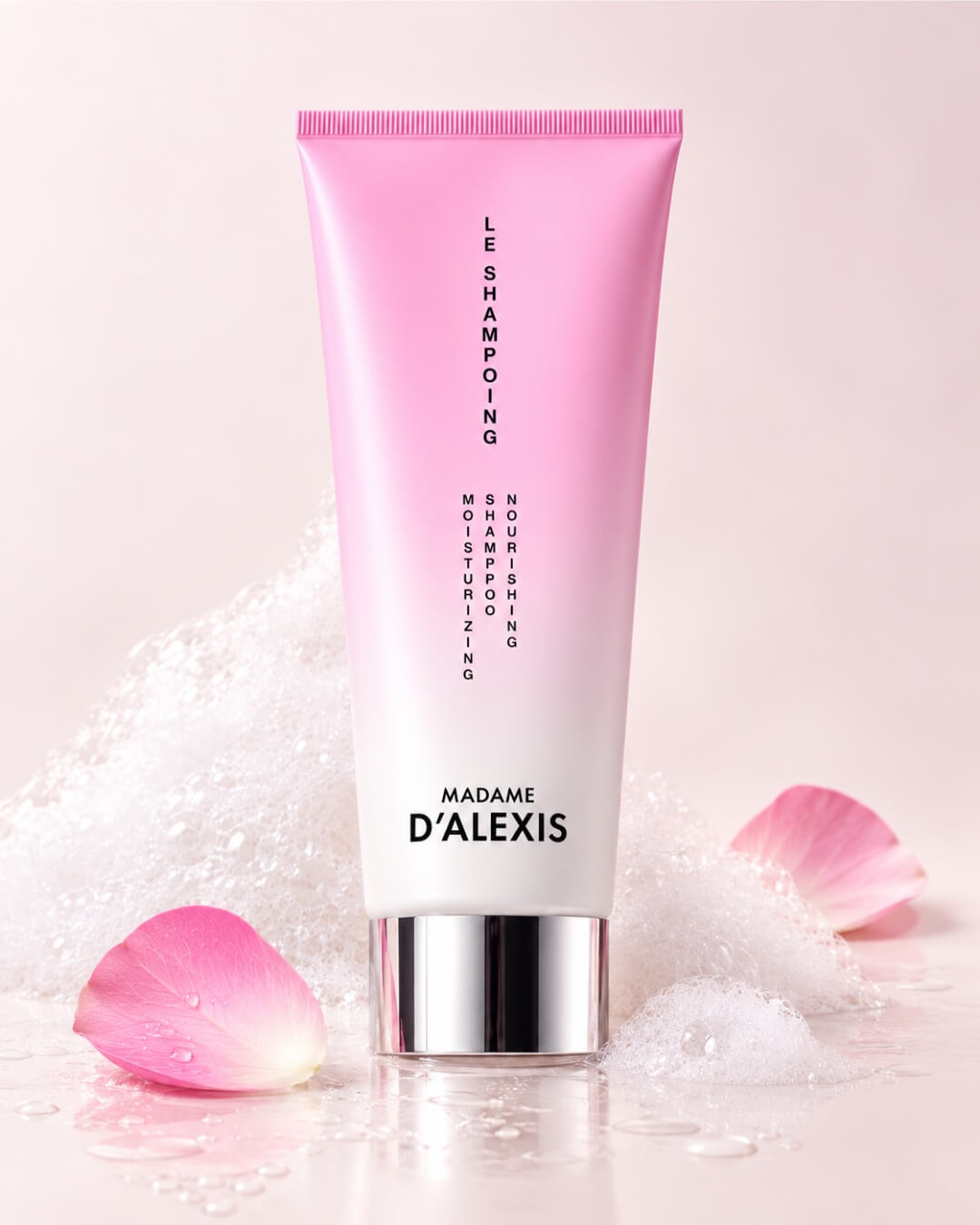
The product to try if you're looking for a premium sulfate-free shampoo:
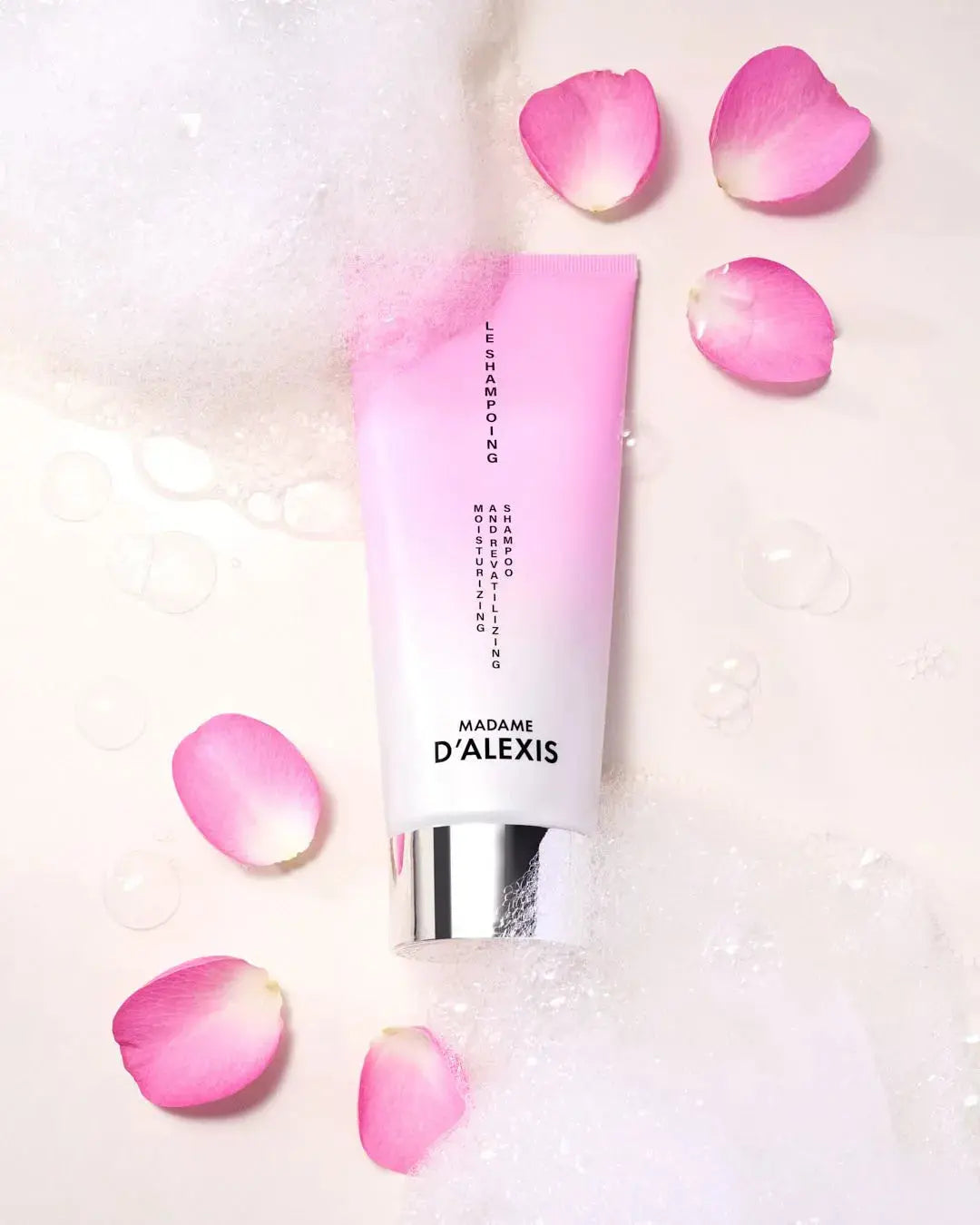
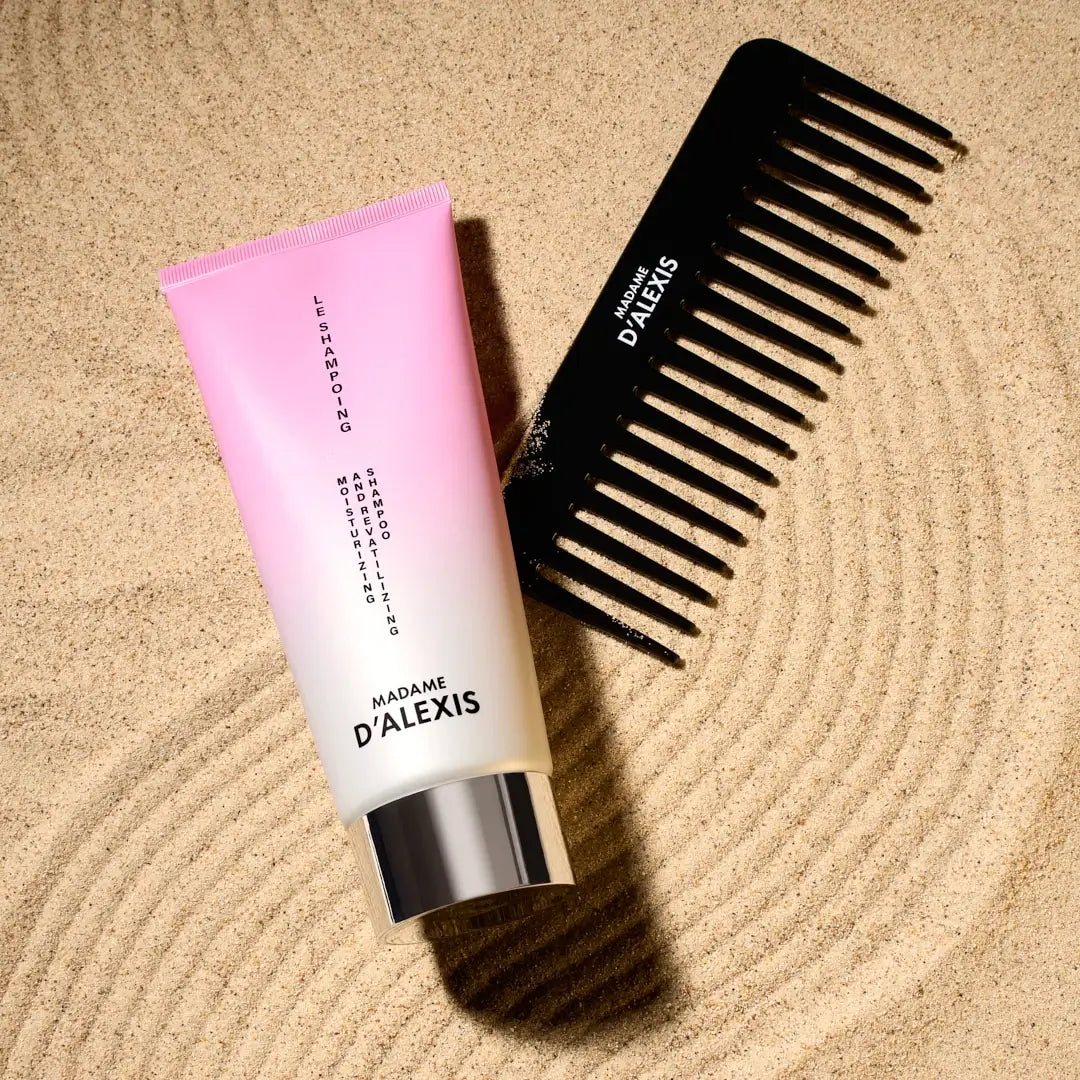
Hydrolat Shampoo
Sulfate-free · Organic hydrosols · Hyaluronic acid
- Flagship product for salon hair styling services
- A sulfate- and silicone-free formula that's easy to explain to customers
- Organic hydrosols instead of water for a premium positioning
How do you choose a sulfate-free shampoo based on your hair type?
There is no one-size-fits-all solution. Here’s what to look for—or avoid—based on your profile.
- Look for a cationic hyaluronic acid, which has a higher affinity for keratin than conventional HA.
- Choose plant-based keratin to reduce breakage.
- Choose a slightly acidic pH to close the cuticles and restore natural shine.
- Discover all the benefits of hyaluronic acid in shampoo in our dedicated review.
- Avoid products that contain denatured alcohol or synthetic fragrances.
- A sulfate-free shampoo is a must for any hair care routine for color-treated hair.
- Sulfates open the cuticles and cause the color to fade prematurely.
- Aim for an acidic pH, ideally between 4.5 and 5.5.
- Choose ultra-mild surfactants such as decyl glucoside or disodium cocoyl glutamate.
- Choose a silicone-free formula to avoid buildup that can alter the color.
- Avoid SLS, SLES, parabens, synthetic fragrances, and PEG.
- Look for prebiotics to help maintain a balanced microbiome.
- Choose soothing hydrosols such as German chamomile or orange blossom.
- A sulfate-free, paraben-free, and silicone-free shampoo is the bare minimum; a natural sulfate-free shampoo with a certified plant-based formula is even better.
- Curly hair is naturally more porous and drier.
- She needs a gentle cleanser that doesn't strip moisture from her cuticles.
- Choose products that are rich in moisturizing ingredients.
- Choose an acidic pH to define curls, reduce frizz, and restore shine.
- Avoid non-water-soluble silicones, which build up and weigh down your curls.
- For very porous curls, plant-based keratin for curly hair is the most suitable strengthening ingredient.
- Sulfates can stimulate sebum production in response to stripping.
- A gentle sulfate-free shampoo, when used regularly, helps gradually restore balance to the scalp.
- It can also help reduce reaction-related hair loss caused by a clogged scalp.
- Look for regulating ingredients such as zinc, clay, or prebiotics.
- Avoid formulas that are too high in heavy vegetable oils.
- For hair with severe seborrhea, our article on sulfate-free shampoo for oily hair details the most effective regulating ingredients.
A Comparison of the Best Sulfate-Free Shampoos on the Market
Here is an unbiased comparison of six products representative of the market in 2026, selected for their approach to hair care and clean beauty. The key distinguishing factor: what replaces water in the formula.
| Brand / Product | Water base | Sulfate-free | Silicone-free | Key assets | Naturalness | Price guide | Who is this for |
|---|---|---|---|---|---|---|---|
| Madame d’Alexis - Floral Shampoo | Bioactive hydrosols, 0% added water | Yes | Yes | Cationic HA, prebiotics, plant-derived keratin | 98% natural | 35 € | All hair types, sensitive scalp, dry/colored hair |
| René Furterer - Naturia | Water + organic lavender floral water | Yes | Yes | Lavender floral water, organic castor oil, aloe vera | 98% natural, certified organic | €15 to €18 | For everyday use, all types |
| Lazartigue - Luster | Water | Yes | Yes | Rice milk, Bioecolia® prebiotic, essential oil | 94 to 95% natural | 18 € | All types, gentle use |
| L’Oréal Professionnel - Metal Detox | Water | Yes | No, contains silicones | Glycoamine, ionene | Non-organic | €16 to €28 | Hair exposed to pollution / hard water |
| Yves Rocher - Sulfate-Free | Water | Yes | Yes | Organic jojoba, agave fructans, panthenol | 94% natural | 6 € | Entry-level, budget |
| Kérastase - Bain Satin | Water | No, contains sulfates | No, contains silicones | Plant proteins, niacinamide, Irisome | Non-organic | 33 € | Dry hair, intensive nourishment |
What the table clearly shows is that Madame d’Alexis is the only product in this comparison to completely eliminate water from its formula in favor of functional organic hydrosols. While priced comparably to Kérastase, the concentration of skincare active ingredients is not the same. In terms of format and bottle, Madame d’Alexis offers a concentrated formula with no added water, which means greater effectiveness per tube or bottle used.
Madame d’Alexis: Sulfate-Free Shampoo Made with Organic Hydrosols
The story of Madame d’Alexis begins in the travel journals of a great-grandmother who was passionate about botany. Her granddaughter transformed this legacy into a hair care line built on a simple principle: every milliliter of the product must work. No filler water. No controversial ingredients. Only active ingredients.
Innovation and natural ingredients: Madame d’Alexis excludes added water, sulfates, parabens, and silicones. Instead, it uses organic floral hydrosols of rose, chamomile, and orange blossom, enriched with hyaluronic acid, plant-based keratin, and prebiotics for beautifully enhanced hair.
The 6 Key Reasons That Make All the Difference
While competitors use 60 to 90 percent inert water, Madame d’Alexis replaces the base with three organic hydrosols: Damask rose, German chamomile, and orange blossom.
Cationic hyaluronic acid binds to the hair fiber, prebiotics support the microbiome, and plant-based keratin strengthens the hair structure.
Decyl Glucoside, Disodium Cocoyl Glutamate, and Lauryl Glucoside cleanse without stripping the hair. The acidic pH helps close the cuticles after washing.
The fragrance evolves as it dries. No chemical masks—just a premium floral signature.
Made in Brittany in small batches, with traceable ingredients. The brand, founded in Paris and manufactured in Brittany, embodies clean, traceable beauty.
The results—shine, softness, and a more comfortable scalp—are noticeable as early as the second or third wash.
The Double-Shampoo Routine
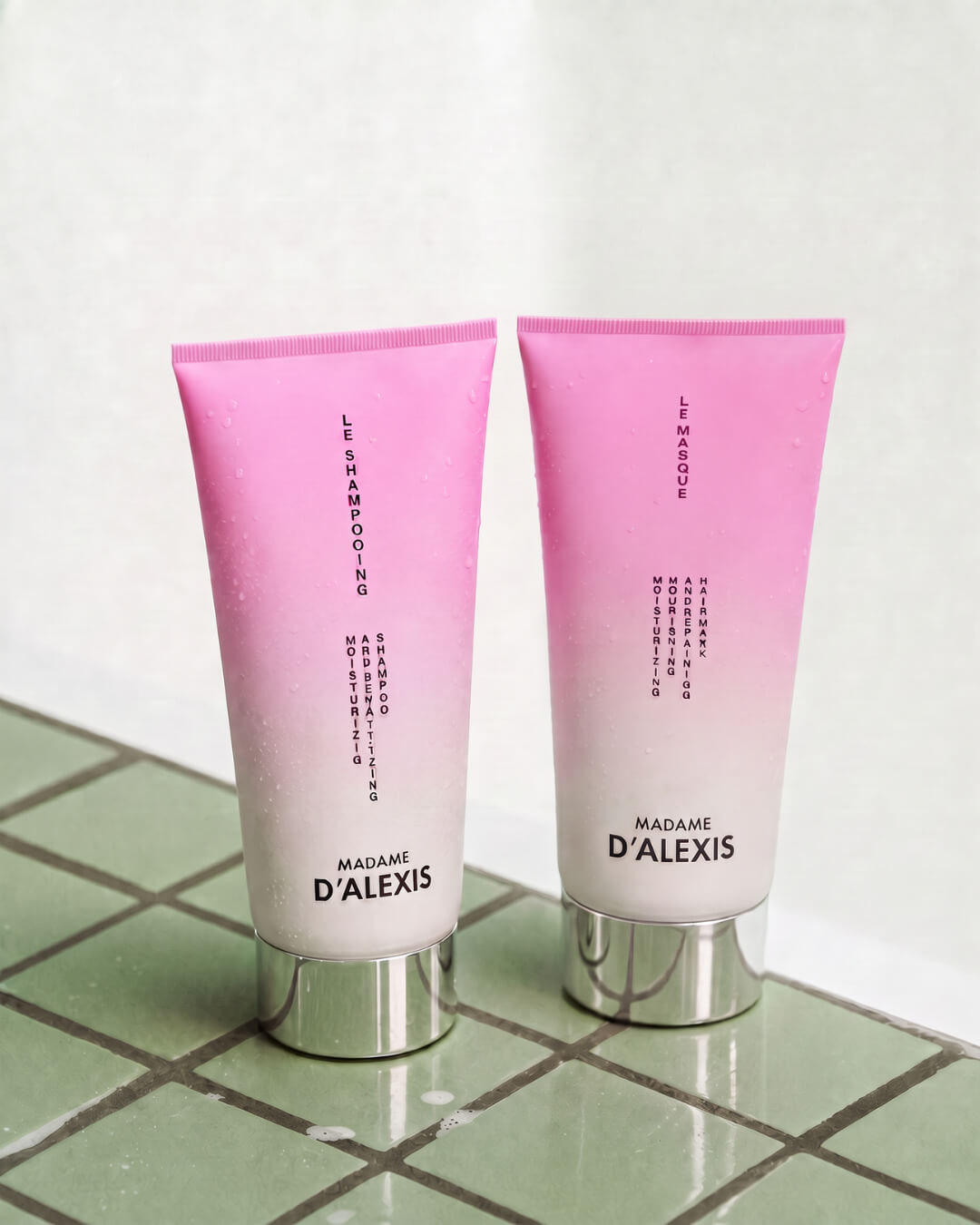
Madame d’Alexis recommends a two-step shampooing routine: the first wash removes styling product residue and excess sebum. The second wash activates the active ingredients on clean, receptive hair strands. This routine, common in professional salons, maximizes the formula’s benefits. Complete this duo with a mask and a serum for a full hair care routine, or try Madame d’Alexis Floral Shampoo right away.
To incorporate into a complete sulfate-free routine:
Hydrolat Shampoo
Sulfate-free · Organic hydrosols · Hyaluronic acid
- Flagship product for salon hair styling services
- A sulfate- and silicone-free formula that's easy to explain to customers
- Organic hydrosols instead of water for a premium positioning
FAQ: Sulfate-Free Shampoo
Does a sulfate-free shampoo clean just as well?
Yes, provided that the alternative surfactants are chosen carefully. Molecules such as decyl glucoside or disodium cocoyl glutamate clean effectively without stripping the hair. The lather is often less abundant than with a conventional shampoo, but lather is not an indicator of cleanliness.
What is the difference between sulfate-free and silicone-free?
Sulfates are cleansing agents. They clean but can cause irritation. Silicones are smoothing and shine-enhancing agents. They coat the hair shaft but can build up. For a truly clean formula, look for a sulfate-free and silicone-free shampoo.
Can you use a sulfate-free shampoo every day?
Yes, its gentleness makes it suitable for frequent use, especially for sensitive scalps or fine hair. A conventional sulfate-based shampoo can stimulate sebum production as a reaction to stripping the scalp. A natural sulfate-free shampoo helps gradually break this cycle.
Sulfate-free shampoo: Is it good for colored hair?
Yes, it's essential. Sulfates open the cuticle scales and accelerate color loss. A sulfate-free shampoo for color-treated hair with an acidic pH helps close the cuticles and preserve the pigment.
What is a hydrosol, and why is it used instead of water in shampoo?
A hydrosol, or floral water, is produced by steam distillation of a plant. Unlike purified water, it is not inert: it imparts specific properties to the formula, depending on the plant used.
What are the best sulfate-free shampoos?
The best choice depends on your priority: hydration, natural ingredients, budget, or skincare performance. Madame d’Alexis stands out for its formula with no added water, its base of active organic hydrosols, and its concentrated skincare ingredients: cationic hyaluronic acid, prebiotics, and plant-based keratin.
Why choose a sulfate-free shampoo?
It better maintains the scalp's natural balance, preserves color, reduces irritation, and is suitable for frequent use. The benefits are particularly noticeable on dry, colored, or curly hair, as well as on sensitive scalps.
How do you use a sulfate-free shampoo?
Wet your hair thoroughly, apply the product to your scalp, massage it in with your fingertips, shampoo twice if necessary, then rinse very thoroughly. For even deeper cleansing, consider exfoliating your scalp once or twice a month.
What hair types are suitable for sulfate-free shampoo?
Sulfate-free shampoo is suitable for all hair types, and is particularly beneficial for dry, colored, oily, curly, frizzy, or Afro hair, as well as sensitive scalps.
What ingredients should be avoided in shampoo?
Avoid SLS/SLES sulfates, non-water-soluble silicones, parabens, certain PEGs, and unspecified synthetic fragrances. Instead, look for mild plant-based surfactants such as Decyl Glucoside, Disodium Cocoyl Glutamate, Lauryl Glucoside, or Sodium Cocoyl Isethionate.
What are the effects of sulfate-free shampoo?
In the short term, the scalp may be less irritated and the hair may be more supple. In the long term, the hair shaft may better retain its moisture, shine, and strength. A transition period of a few weeks is possible.
Where can I buy sulfate-free shampoo?
You can buy it on the brand's official website, at an online pharmacy, at a specialty store, or at a partner hair salon. Always compare the price per milliliter and the actual concentration of the formula.
Useful sources
- Löffler, H., et al., “Long-term repetitive sodium lauryl sulfate-induced skin irritation,” Contact Dermatitis, 2005.
- Aggarwal A. et al., “Sodium lauryl sulfate-induced irritant contact dermatitis,” PubMed.
- Regulation (EC) No. 1223/2009 of the European Parliament on cosmetic products.
- ANSM, recommendations for cosmetic products.