Advice
How to Apply a Scalp Scrub
How do you use a scalp scrub? Learn the complete process, the right frequency, the benefits, and the best natural scalp scrub for your routine.

In summary
A scalp scrub should be applied to damp hair, massaged in gently with circular motions for 2 to 3 minutes, and then rinsed thoroughly with lukewarm water—always before shampooing.
What you will find in this article:
- The Step-by-Step Implementation Protocol (6 Steps)
- The Right Frequency for Your Hair Type
- The Proven Benefits of a Hair Scrub
- The Definitive Answer: Should You Exfoliate Before or After Shampooing?
- How to Choose a Scrub That's Right for Your Hair Type
- The Best Ingredients for an Effective Scrub
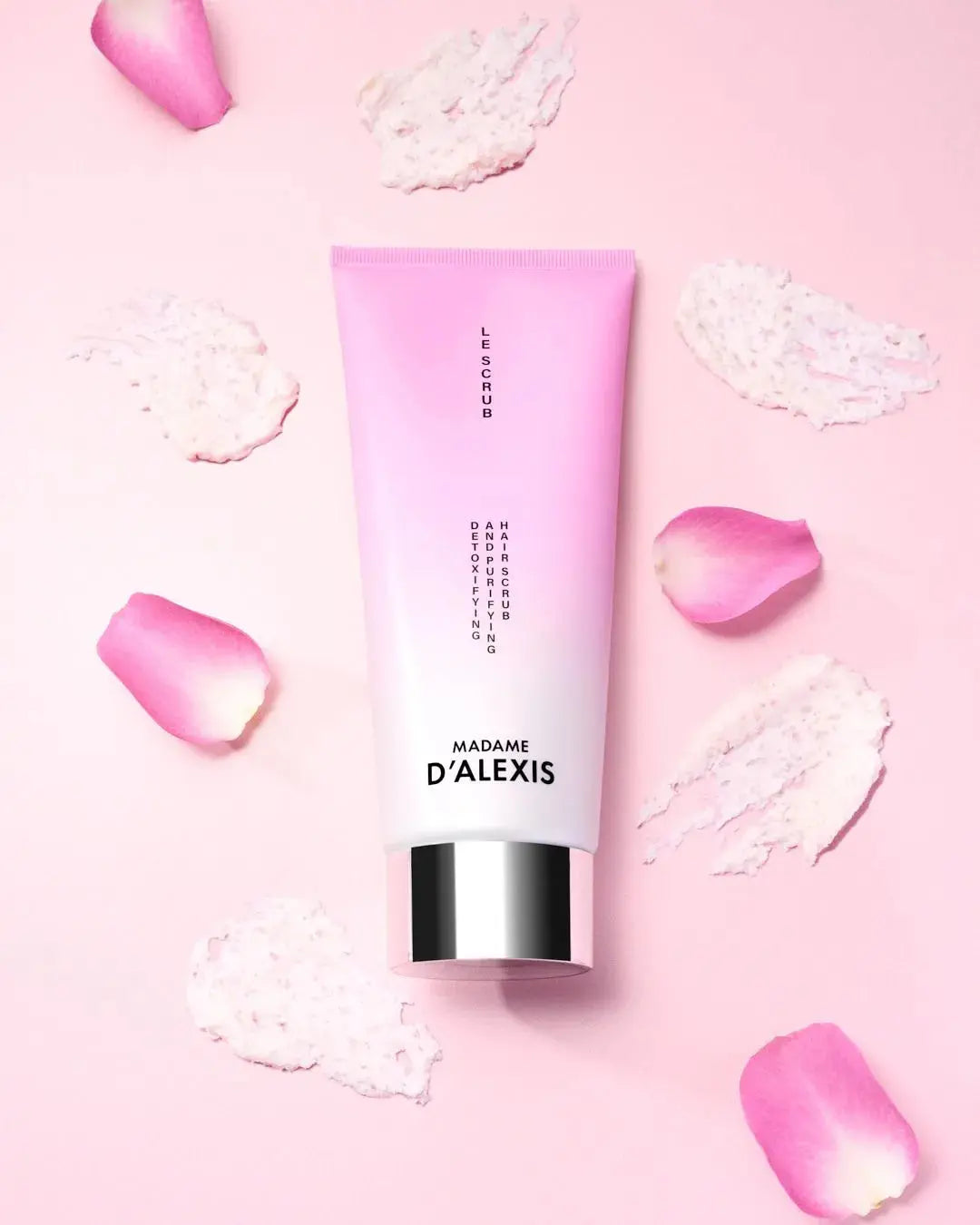
Recommended product: The Scalp Scrub —a purifying cleansing scrub made with organic hydrosols and sea salt. 98% naturally derived, sulfate-free.
What are the benefits of a scalp scrub?
Before learning how to use a hair scrub, it’s helpful to understand why this beauty step has become an essential part of any serious hair care routine.
The scalp is skin just like any other. Like the face or the body, it accumulates impurities, excess sebum, product residue, and dead skin cells every week.
Without regular exfoliation, these buildup can clog hair follicles and disrupt the scalp's natural balance.
Benefit 1: Removes impurities and dead skin cells
A scalp scrub works mechanically thanks to its exfoliating particles—sea salt, stone fruit powder, sugar, and clay.
It gently removes residue from shampoo, hair masks, serums, body wash, pollution, and mineral deposits that build up week after week.
Immediate results: a clean scalp, lighter hair, and a long-lasting feeling of freshness.
Benefit 2: Restoring the scalp's natural balance
Regular exfoliation helps regulate sebum production over the long term. A clogged scalp compensates by producing more sebum—which makes oily hair worse. By deeply cleansing the scalp, an exfoliating scrub restores its natural balance.
Results after 2–3 weeks: Hair becomes oily less quickly, and the scalp is balanced.
Benefit 3: Stimulates blood circulation and hair growth
The massage performed during application stimulates blood circulation at the roots. Improved circulation delivers more nutrients to the hair follicles, which promotes hair growth.
Results after 4–6 weeks: visible hair growth, thicker and stronger roots.
Benefit 4: Beautiful hair and better absorption of hair care products
A clogged scalp prevents your hair care products from being absorbed. After exfoliating, your hair masks, serums, and creams penetrate the hair shaft 2 to 3 times more effectively. This is one of the most tangible benefits for daily hair health.
Immediate results: all your hair care products work more effectively. Shinier, healthier, more beautiful hair.
Benefit 5: Reduces dandruff and itching
Exfoliation reducesscalp inflammation, which causes dandruff and itching. A purifying scrub used regularly deeply cleanses the scalp and helps prevent recurrence.
Results after 1–2 weeks: less visible dandruff, less discomfort.
How to Apply a Scalp Scrub: A Step-by-Step Guide
Here is the complete step-by-step guide for effectively exfoliating your scalp without causing irritation.
Step 1: Prepare your damp hair (1 minute)
Wet your hair with lukewarm water—never hot water. Your hair should be damp, not soaking wet. The moisture softens buildup and makes it easier to apply the scalp scrub.
Gently detangle if necessary. Do not blow-dry.
Important: Never apply a hair scrub to dry hair. Lukewarm water is essential to activate the exfoliating particles and prevent micro-irritations.
Step 2: Measure out and prepare the product (30 seconds)
Squeeze a small amount of scrub into the palm of your hand—about the size of a teaspoon. Rub your hands together gently to spread the product over your fingers.
For thick or long hair, you can use a slightly larger amount, but avoid using too much: excess product is difficult to rinse out and can leave residue.
Step 3: Apply to the scalp only (1 minute)
Apply the scrub directly to the scalp—never to the lengths or ends of your hair. Start at the roots near your forehead, work your way toward your temples, and then toward the nape of your neck.
Divide the product into sections to cover the entire scalp.
Why not use it on the lengths? The exfoliating particles are formulated for the scalp. When used on the hair shaft, they can dry out and weaken the hair—especially if it’s dry, colored, or damaged.
Step 4: Gently massage the scalp (2 to 3 minutes)
This is the key step in exfoliation. Massage your scalp in gentle circular motions with your fingertips—never with your fingernails. Focus on areas prone to oiliness (roots, temples) and areas where residue builds up.
The ideal duration is 2 to 3 minutes. This massage stimulates blood circulation, activates the exfoliating particles, and removes impurities embedded in the scalp.
Tip: Use a silicone scalp massage brush to enhance the exfoliating effect while remaining gentle. It improves product absorption and enhances your beauty routine.
Step 5: Let it sit (depending on the product)
Some hair scrubs recommend leaving them on for 2 to 5 minutes after massaging them into the scalp to allow the active ingredients to work deeply. Be sure to follow the instructions on your product.
For the Floral Scrub, it is recommended to leave it on for 2 to 3 minutes after the massage to maximize the benefits of the organic hydrosols and probiotics.
Step 6: Rinse thoroughly with lukewarm water (2 to 3 minutes)
Rinse thoroughly with lukewarm water until no particles remain on the scalp. Rinse a second time to be sure. Exfoliant residue left on the scalp can cause irritation and negate the benefits of exfoliation.
Next, follow your usual hair care routine: a gentle shampoo, a hair mask, and a serum, depending on your needs.
Infographic: A 6-Step Beauty Routine
DAMP HAIR
      ↓
MEASURE OUT (a small amount)
      ↓
APPLY to the scalp only
      ↓
MASSAGE in gentle circles — 2 to 3 min
      ↓
LEAVE ON — 2 to 3 min (depending on the product)
      ↓
RINSE thoroughly with lukewarm water
      ↓
Follow with shampoo and conditioning products
When Should You Use a Hair Scrub? How Often to Use It
How often to use it is one of the most frequently asked questions about hair scrubs. The answer depends directly on your hair type and the condition of your scalp.
Recommended Frequency by Hair Type
|
Hair type |
Recommended frequency |
Reason |
|---|---|---|
|
Greasy hair |
1 to 2 times per week |
Significant excess sebum; requires regular cleansing |
|
Normal hair |
Once a week |
Regular Care to Maintain Scalp Balance |
|
Dry hair |
1 to 2 times a month |
Risk of drying out if done too often |
|
Sensitive scalp |
No more than once a month |
Risk of irritation; use a gentle exfoliator |
|
Colored hair |
Once a month |
To preserve the color, wait 48 hours after coloring |
|
Curly hair |
Once a week |
Buildup of styling product residue |
General rule: Never use it more than twice a week, regardless of your hair type. Exfoliating too often disrupts the scalp’s natural microbiome and can cause irritation.
Once a week: Who is it for?
Weekly use is suitable for oily, normal, and curly hair. These hair types tend to accumulate more buildup—sebum, styling products, and residue from the CGM routine—and benefit from more regular exfoliation to maintain the scalp’s balance.
For dry hair or a sensitive scalp, once a week is too often. Limit it to 1 or 2 times a month.
Signs That You're Exfoliating Too Often
- A tight or tingling sensation on the scalp after application
- Hair that seems drier than before
- New or worsening itching
- Red or Irritated Scalp
If you notice these signs, space out your uses and switch to a gentle exfoliator formulated for sensitive skin.
What's the best time of the week?
There's no "perfect" day—but it's a good idea to do your scalp scrub on the day you normally shampoo, so you can naturally incorporate this beauty step into your hair care routine without overloading your schedule.

Should You Exfoliate Before or After Shampooing? The Definitive Answer
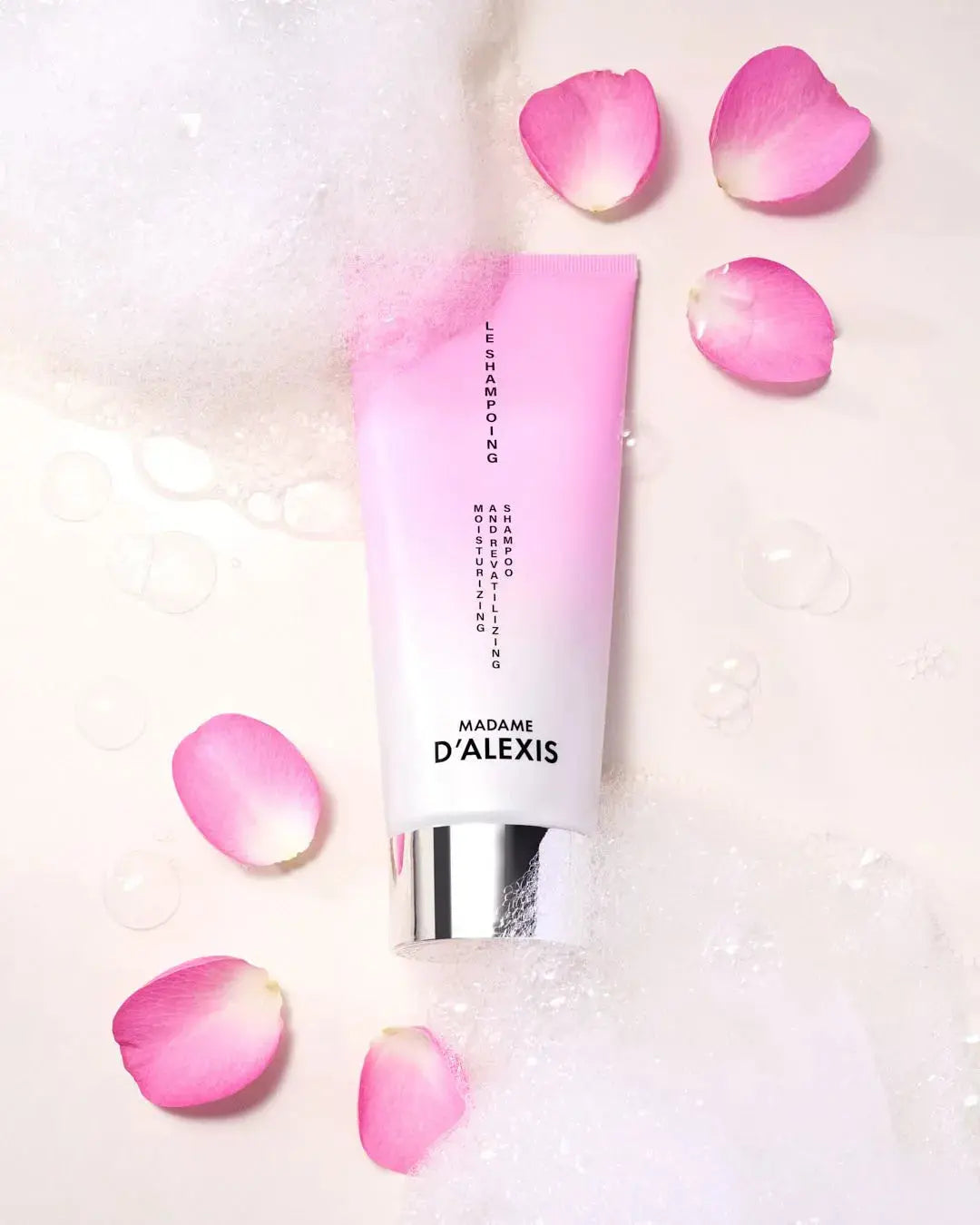
This is one of the most frequently asked questions about scalp scrubs. The answer is clear: you should always use a scrub before shampooing.
Before shampooing: greater effectiveness
Applying the scrub before shampooing helps to:
- Cleanse first: exfoliating particles remove residue and impurities before the shampoo cleanses
- Prepare the scalp: The scalp is now ready to absorb the active ingredients from the shampoo and subsequent hair care products
- Optimize absorption: Products applied afterward penetrate 2 to 3 times better on a clean scalp
After shampooing: not recommended
Applying the scrub after shampooing is less effective because:
- The shampoo has already removed some of the buildup—exfoliation is less effective
- The scalp is already clean and may be more sensitive
- Exfoliating particles can irritate a scalp that has been weakened by shampooing
Comparison Chart: Before vs. After
|
Criterion |
Before shampooing |
After shampooing |
|---|---|---|
|
Exfoliating effectiveness |
✅ Maximum |
⚠️ On Sale |
|
Health Care Utilization |
✅ Optimized |
⚠️ Standard |
|
Risk of irritation |
✅ Low |
⚠️ Higher |
|
Final result |
✅ Purified scalp |
⚠️ Lower profits |
|
Recommended |
✅ Yes |
❌ No |
Example of a Complete Hair Care Routine
Exfoliation Day:
- Hair dampened with lukewarm water
- Scalp exfoliation — 2- to 3-minute massage
- Let it sit for 2 to 3 minutes
- Thorough rinsing
- Mild shampoo (optional, depending on your needs)
- A mask or serum, depending on your usual routine
- Final rinse with lukewarm water
On other days: Follow your usual hair care routine, but skip the exfoliation.
How do you choose a hair scrub that's right for your hair type?
Not all hair scrubs are created equal. Choosing a hair scrub that’s right for your hair type and scalp is essential for achieving results without the risk of irritation.
Choose according to your hair type
| Hair type | Recommended Exfoliation | Advice |
|---|---|---|
| Greasy hair | Purifying Scrub with Sea Salt or Clay | These ingredients absorb excess sebum and help regulate sebum production over the long term. Avoid formulas that are too high in vegetable oils. |
| Dry hair | Gentle sugar or apricot kernel powder scrub | Choose products enriched with nourishing plant oils, such as coconut or sweet almond. Moisturizing is just as important as exfoliating for this skin type. |
| Sensitive scalp | A very gentle exfoliator with aloe vera or soothing hydrosols | Choose moisturizing ingredients such as aloe vera, chamomile hydrosol, or coconut oil. Avoid coarse-grained salt, baking soda, and synthetic fragrances. |
| Colored hair | Gentle scrub with sugar or fine salt | Wait 48 hours after coloring your hair before exfoliating. Limit use to once a month to preserve the color. |
| Curly hair | Sea Salt Exfoliating Scrub | Ideal for removing styling product residue (gels, creams, mousses) that builds up on the scalp between washes. Use before your CGM routine. |
| Normal hair | Balanced sea salt scrub with soothing ingredients | Helps maintain the scalp's natural balance and prevent the buildup of residue. |
The Essential Criteria for Effective Exfoliating Hair Care
1. Natural Ingredients
Choose a hair care product that contains at least 90% naturally derived ingredients. Check the INCI list: the first ingredients listed should be recognizable (water, hydrosols, plant oils, sea salt).
2. Sulfate-free
Sulfates (SLS, SLES) are harsh cleansing agents that irritate the scalp and negate the benefits of exfoliation. A high-quality exfoliator is formulated without sulfates.
3. Suitable exfoliating particles
- Fine or medium-grain sea salt: for all skin types, except for very sensitive scalps
- Sugar: for sensitive skin and dry hair
- Almond kernel powder: a very gentle natural exfoliant, ideal for sensitive skin
- Clay: for oily scalps
4. Additional Assets
A good hair scrub does more than just exfoliate. It should also contain active ingredients that soothe, moisturize, and restore balance: organic hydrosols, aloe vera, plant oils, and plant extracts.
What ingredients make for an effective scrub?
The quality of a hair scrub depends directly on its formula. Here are the most effective natural ingredients—and the ones to avoid.
Sea Salt: The Ultimate Purifying Exfoliant
Sea salt is the main ingredient in most professional hair scrubs. Its crystals gently exfoliate, replenish the scalp with minerals, and stimulate blood circulation.
It is available in a fine grain size (for sensitive or normal scalps) or a medium grain size (for oily scalps). The purifying sea salt treatment is particularly effective for oily hair and clogged scalps.
Featured Product: Christophe Robin popularized the use of sea salt in hair scrubs. The Floral Scrub uses fleur de sel—the purest and mildest form of sea salt.
Pit Powder: A Gentle Natural Exfoliant
Stone powder (from peaches, apricots, and olives) is a natural, plant-based exfoliant that is gentler than salt. It is suitable for sensitive skin that cannot tolerate salt crystals.
Its exfoliating action is slightly less intense than that of sea salt, but it's ideal for gentle, regular exfoliation of a sensitive scalp or dry hair.
Organic Hydrosols: The Key Ingredient That Sets Them Apart
Organic hydrosols (floral waters obtained through steam distillation) are rare active ingredients in hair scrubs. They soothe, moisturize, and rebalance the scalp thanks to their botanical properties.
Rose (soothing), chamomile (anti-inflammatory), orange blossom (calming)—each hydrosol offers specific benefits for the hair.
The Floral Scrub is the only hair scrub in France formulated with organic hydrosols as a base ingredient—not just as an added component. This is what sets it apart and guarantees its natural origin.
Aloe vera and vegetable oil: moisturizing ingredients
Aloe vera soothes irritation, deeply moisturizes, and reduces itching. It is the go-to moisturizing ingredient for sensitive scalps and dry hair.
Plant-based oils (jojoba, coconut, sweet almond) nourish the scalp during exfoliation and make massage easier. They prevent the drying effect that some overly harsh scrubs can cause.
Comparison Chart: Ingredients by Need
|
Need |
Recommended Ingredients |
To be avoided |
|---|---|---|
|
Oily Scalp |
Sea salt, green clay, charcoal, tea tree |
High-fat oils, sugar alone |
|
Sensitive scalp |
Sugar, aloe vera, white clay, chamomile hydrosol |
Coarse-grained salt, baking soda, pure tea tree oil |
|
Dry hair |
Sugar, coconut oil, aloe vera, rose hydrosol |
Green clay, charcoal |
|
Dandruff |
Clay, tea tree, aloe vera, probiotics |
Harsh ingredients |
|
Colored hair |
Fine salt, sugar, mild hydrosols |
Coarse salt, baking soda |
|
Curly hair |
Sea salt, hydrosols, jojoba oil |
Silicones, sulfates |
Ingredients to Avoid in a Hair Scrub
- Sulfates (SLS, SLES): harsh, irritating, and counterproductive in a scrub
- Microplastics: Pollutants Banned in Organic Cosmetics
- Synthetic fragrances: irritants for sensitive skin
- Silicones: They are occlusive and negate the benefits of exfoliation
- Parabens: Controversial Preservatives to Avoid in Natural Hair Care Products
Best Hair Scrub: the Floral Scrub
Why the Floral Scrub Is the Best Choice
Floral Scrub is Madame d'Alexis's natural hair scrub. Its formula is unique in France: it is the only purifying cleansing scrub formulated with organic hydrosols as the base of the product—not just in trace amounts.
Ingredients:
- Exfoliating Fleur de Sel (gentle and mineral-rich)
- Organic floral waters (rose, chamomile, orange blossom)
- Probiotics (restores balance to the scalp's microbiome)
- 98% naturally derived ingredients
- Sulfate-free, paraben-free, silicone-free
Suitable for: all hair types—oily hair, dry hair, normal hair, colored hair, curly hair, and sensitive scalps.
How to Apply the Floral Scrub (Specific Protocol)
- Wet your hair with lukewarm water
- Pour a small amount of Scrub Floral into the palm of your hand
- Apply to the scalp only
- Massage in gentle circular motions for 2 to 3 minutes
- Let it sit for 2 to 3 minutes
- Rinse thoroughly with warm water.
- Continue using your usual shampoo and hair care products
Recommended frequency: 1 to 2 times a week for oily hair, once a week for normal hair, and 1 to 2 times a month for dry hair or a sensitive scalp.
Expected Results and Customer Reviews
Immediate results: a clean, light scalp; fuller hair; a refreshing sensation.
Results after 2–3 weeks: less sebum, less itching, and a rebalanced scalp.
Results after 2–3 months: stimulated hair growth, stronger hair, healthy scalp.
"My hair would get greasy the very next day after washing it. After 3 weeks of using the Floral Scrub, my scalp is balanced and my hair stays clean for 3 days. It's incredible." — Sarah
"I use it before my CGM routine. My curls have been much more defined ever since I started exfoliating my scalp regularly." — Léa
Comparison: The Best Hair Scrubs
|
Product |
Particles |
Naturalness |
Sulfate-free |
Organic hydrosols |
Price |
Suitable for |
|---|---|---|---|---|---|---|
|
Floral Scrub |
Fleur de sel |
98% |
✅ |
✅ |
45–60€ |
All types |
|
Christophe Robin |
Sea salt |
90% |
✅ |
❌ |
50€ |
All types |
|
Aroma-Zone |
Sugar |
95% |
✅ |
❌ |
25€ |
Sensitive |
|
Sephora Scalp Scrub |
Salt + active ingredients |
70% |
❌ |
❌ |
30€ |
Normal/Oily |
|
Yves Rocher |
Salt + extracts |
75% |
✅ |
❌ |
35€ |
All types |
Verdict: The Floral Scrub is the only hair scrub that combines fleur de sel, organic hydrosols, and probiotics in a 98% natural formula. It’s the best choice for an effective exfoliating treatment that’s gentle on the scalp.
Mistakes to Avoid When Applying
Mistake 1: Applying it to dry hair
A hair scrub should always be applied to damp hair. On dry hair, the exfoliating particles rub directly against the dry scalp and can cause micro-irritations.
Solution: Always wet your hair with lukewarm water before applying.
Mistake 2: Scrubbing too hard
The massage should be gentle and circular. Rubbing too hard with your fingernails or applying excessive pressure can damage the scalp and aggravate existing irritation.
Solution: Use your fingertips (not your fingernails) in gentle circular motions.
Mistake 3: Leaving it on for too long
Leaving the product on for too long can irritate the scalp, especially for those with sensitive skin. Follow the product instructions—usually 2 to 5 minutes at most.
Solution: Follow the recommended application time. For the Floral Scrub: 2 to 3 minutes.
Mistake 4: Not rinsing thoroughly
Exfoliant residue left on the scalp can clog hair follicles and cause itching—the opposite of the desired effect.
Solution: Rinse thoroughly, at least twice, until the water runs completely clear.
Mistake 5: Using too much product
Using too much exfoliator is difficult to rinse off and can leave residue. More product does not mean better results.
Solution: A small amount is enough for a normal scalp. Use a little more for very thick or very long hair.
FAQ — How to Apply a Scalp Scrub
How long should you leave a hair scrub on?
Generally, 2 to 5 minutes, depending on the product. For scrubs made with sea salt and organic hydrosols, such as the Floral Scrub, 2 to 3 minutes after massaging the product into the skin is enough time for the active ingredients to work deeply.
Can you apply a hair scrub to dry hair?
No. A hair scrub should always be applied to damp hair. Lukewarm water softens buildup, activates the exfoliating particles, and protects the scalp from micro-irritations.
Hair Scrubs and Colored Hair: Are They Compatible?
Yes, as long as you wait 48 hours after coloring your hair and choose a gentle exfoliator (coarse salt or sugar). Limit use to once a month to preserve the color. The Floral Scrub is suitable for colored hair thanks to its gentle, sulfate-free formula.
Exfoliation and Sensitive Scalps: What Should You Do?
Choose a gentle exfoliator with moisturizing ingredients (aloe vera, chamomile hydrosol, sugar). Massage very gently for no more than 1 to 2 minutes. Frequency: once a month. Test on a small area 24 hours before first use.
Is exfoliation effective against dandruff?
Yes. Regular exfoliation reduces scalp inflammation, which causes dandruff, and removes visible flakes. A scalp scrub containing probiotics—such as the Floral Scrub—is particularly effective because it restores balance to the scalp’s microbiome.
How often should you wash oily hair versus dry hair?
Oily hair: 1 to 2 times a week. Excess sebum requires regular exfoliation to maintain the scalp's balance.
Dry hair: No more than 1 to 2 times a month. Exfoliating too often makes dryness worse.
Should you exfoliate before or after coloring your hair?
Always do it beforehand. Exfoliate 2 to 3 days before coloring to prepare the scalp and maximize color absorption. Wait 48 hours after coloring before exfoliating again.
How long before I see results?
- Immediate results (after 1 use): a cleansed scalp, lighter and fuller hair
- Short-term results (after 2 to 3 uses): less sebum, less itching, balanced scalp
- Long-term results (after 2 to 3 months): stimulated hair growth, stronger hair, healthy scalp
Exfoliating the scalp is a simple, effective beauty routine that works for all hair types. The key to success lies in three steps: damp hair, a gentle massage, and thorough rinsing—always before shampooing.
The 3 rules to remember:
- Always apply to damp hair, never dry hair
- Always before shampooing
- Frequency tailored to your hair type (1 to 2 times a week for oily hair, 1 to 2 times a month for dry or sensitive hair)
For a natural, effective hair scrub suitable for all hair types, the Floral Scrub is the go-to choice: 98% naturally derived, with sea salt and organic hydrosols, and sulfate-free.
Next Steps
Related Articles
- Scalp Scrub: Benefits, DIY Recipes, and the Best Organic Product
- How to Use an Exfoliating Shampoo: A Complete Guide
- Oily Hair: Causes, Treatment, and a Natural Routine
- Clarifying Shampoo: A Complete Guide