Advice
Natural Anti-Dandruff Treatment: Targeting the Microbiome
Dandruff or a dry scalp? How to tell the difference, what science says about the microbiome and natural active ingredients, and a 3-step routine for a natural, long-lasting dandruff treatment.

Dandruff: Rebalancing the scalp's microbiome, not just scratching off the flakes
Dandruff isn't a hygiene issue. It most often indicates an imbalance in the scalp, an overgrowth of Malassezia, a compromised skin barrier, and a hair care routine that's too harsh.
Things to Keep in Mind Before Treating Dandruff
The Targeted Routine for a Scalp with Dandruff
Three quick, straightforward, complementary skincare steps: remove dead skin cells, cleanse without stripping the skin, and support the microbiome overnight.
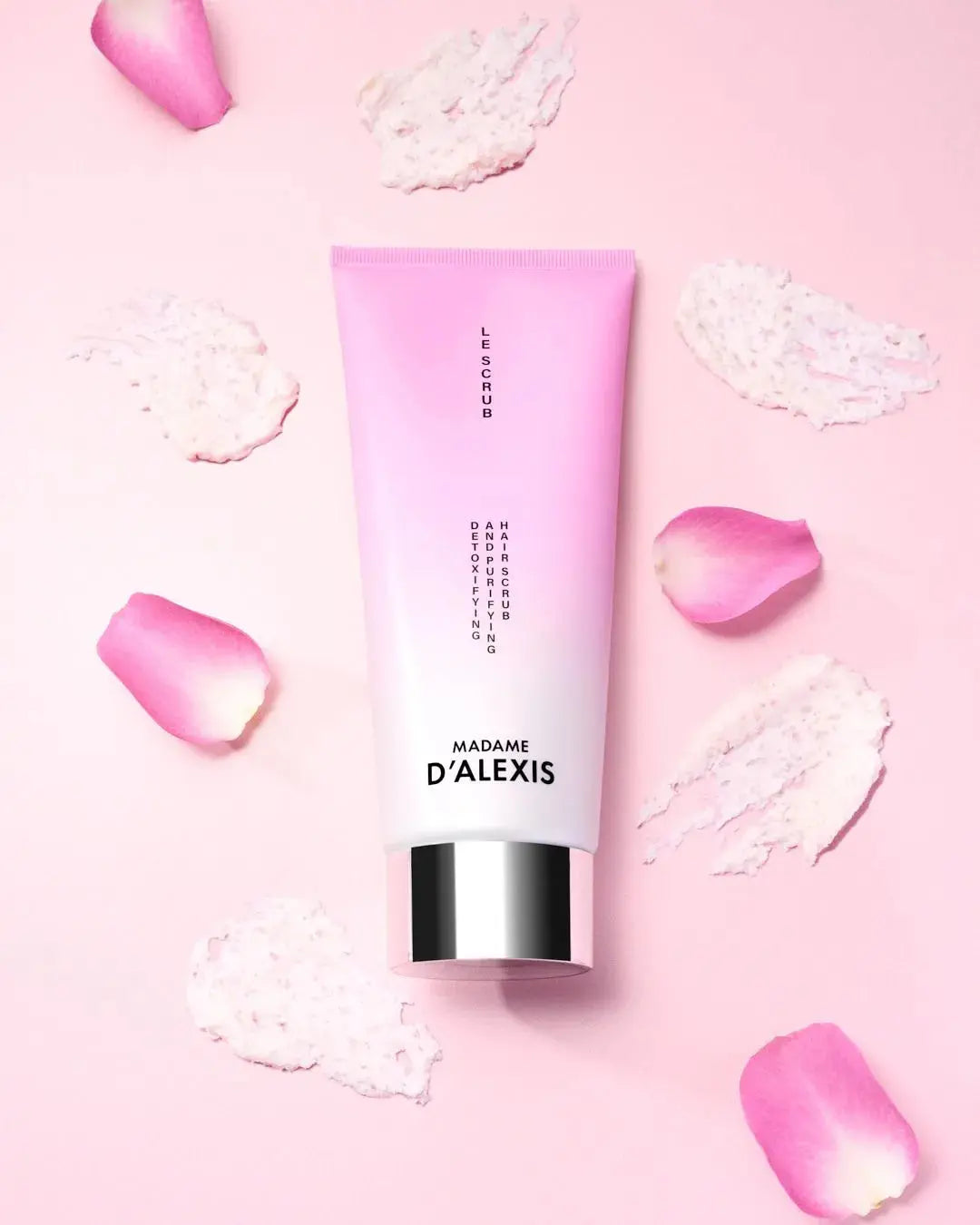
The Scrub - Exfoliating scalp shampoo with organic floral waters
Reset Scalp · Dandruff · Sebum
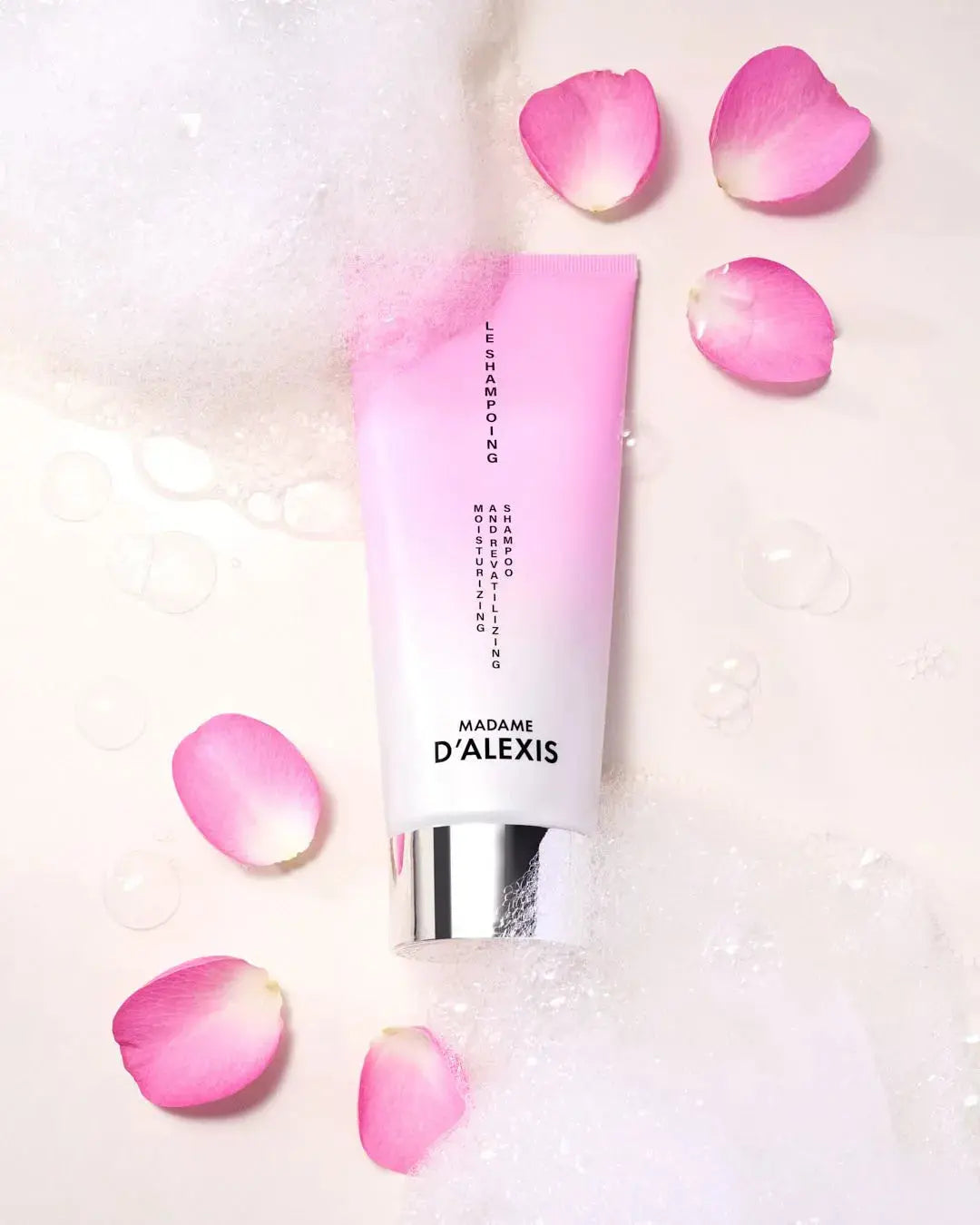
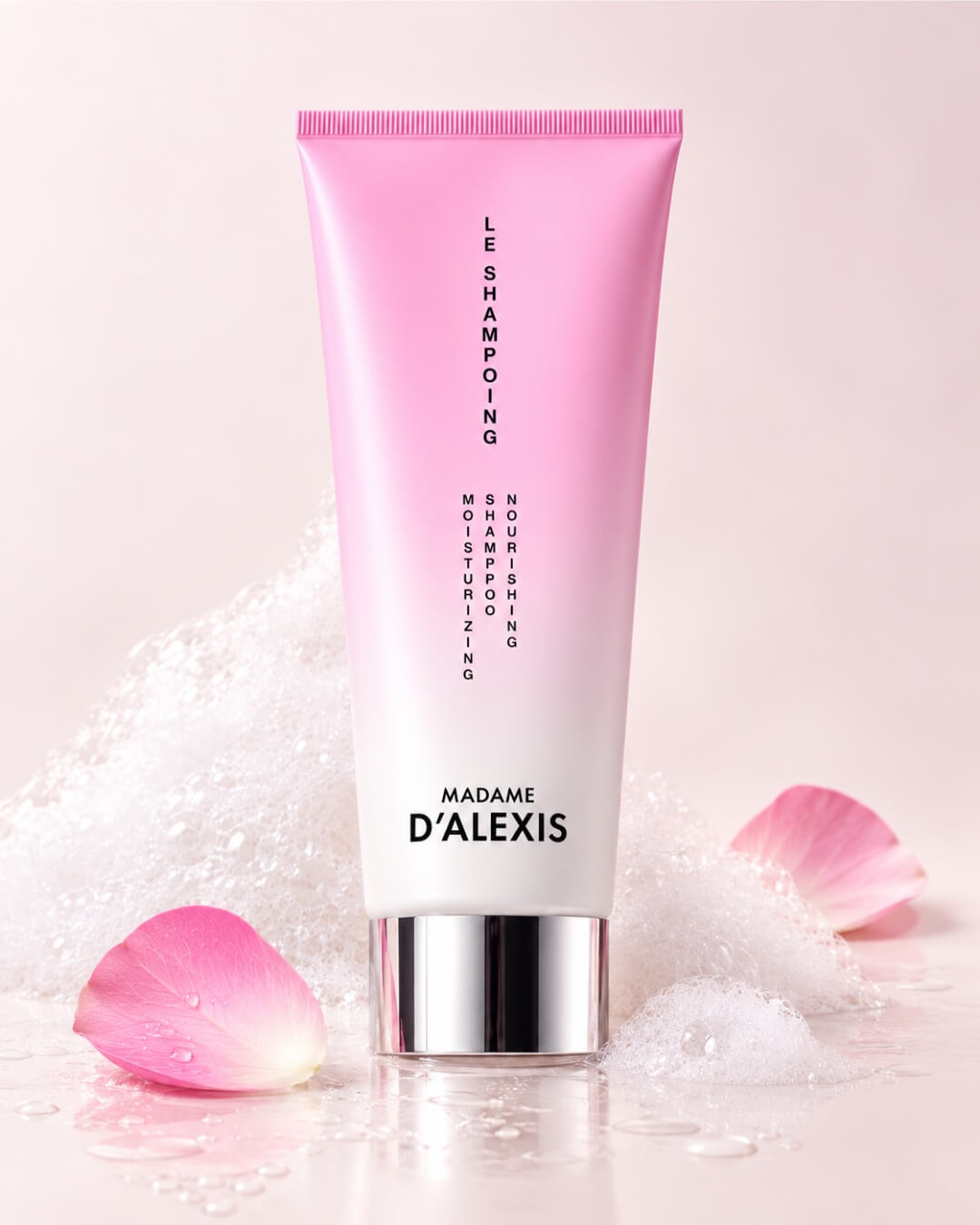
The Shampoo - Organic Hydrolats and Hyaluronic Acid
Gentle cleansing · sulfate-free · pH-balanced
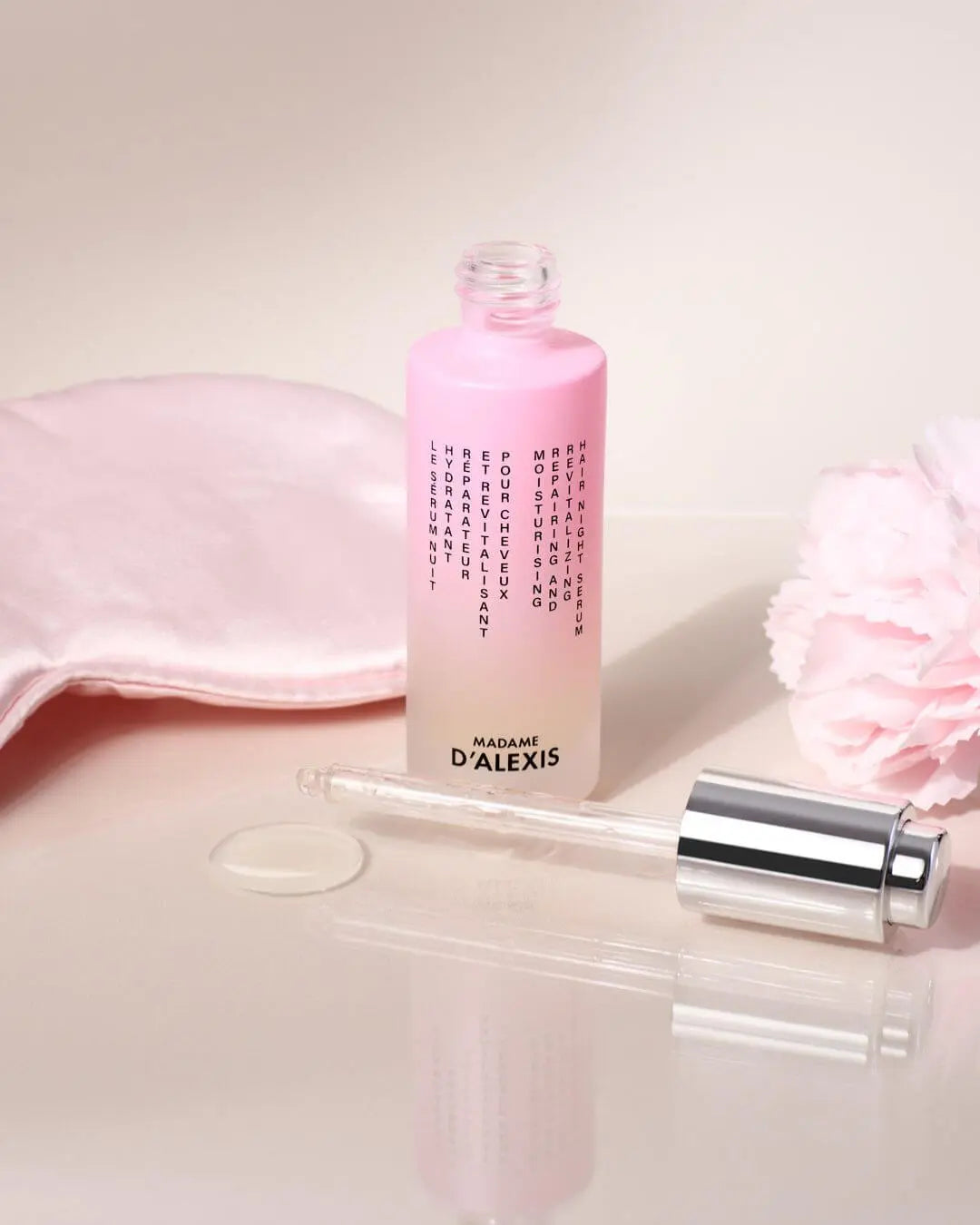
Anti-Hair Loss & Thickening Night Serum with Probiotics
Microbiome · comfort · density
1. Dandruffor Dry Scalp: The Diagnosis That Changes Everything
Before looking for a natural anti-dandruff treatment, you first need to distinguish between dandruff and a dry scalp. The two are similar, but their causes and treatments are opposite.
Standard Films
- Oily, yellowish, sticky scales.
- Greasy roots 24 to 48 hours after washing.
- Localized itching, sometimes accompanied by a slight odor.
- Symptoms worsen with stress, in the winter, and with excessive use of styling products.
Dry scalp
- Fine, white, loose flakes.
- A pulling sensation or a diffuse burning sensation.
- Dull mid-lengths, dry ends.
- Condition worsens with hard water, harsh washing, heat, and hair coloring.
Simple test: 24 hours after washing your hair, run your finger over your scalp. If it feels oily, it’s likely dandruff. If it feels tight and has fine flakes, it’s likely dryness. Confusing the two can worsen white or yellow dandruff and flaking.
2Causesof dandruff: the microbiome, Malassezia, and inflammation
The root cause of dandruff is not poor hygiene. It is linked to an overgrowth of Malassezia, a yeast that is naturally present on the scalp. When it overgrows, it breaks down sebum into irritating fatty acids; the scalp reacts, and cell turnover accelerates.
This is where the scalp microbiome and dandruff become inextricably linked: it’s not just a matter of having “too much yeast”—it’s an entire ecosystem that’s out of balance.
Excess, oxidation, or buildup at the root.
Yeast feeds on the lipids in sebum.
Irritating fatty acids, itching, discomfort.
Accelerated renewal cycle, cells clumping together.
Recent studies on the microbial imbalance that causes dandruff show a characteristic dysbiosis: certain opportunistic yeasts and bacteria increase, while protective bacteria decrease.
3Dry, Irritated Scalp: Why We Often Choose the Wrong Treatment
A dry scalp can cause flaking and itching, but it doesn’t necessarily require an antifungal ingredient. It often needs a restored skin barrier, a gentler cleanser, and soothing ingredients.
If the flakes are fine, white, and loose, and your scalp feels tight after washing, the problem is likely dry scalp rather than oily dandruff.
4Natural vs. Synthetic Ingredients: What Really Works
A well-formulated natural anti-dandruff treatment does not seek to eradicate Malassezia. It aims to restore the balance of the microbiome to prevent its excessive proliferation. This is a crucial distinction.
| Approach | Interest | Limitation | When to Use It |
|---|---|---|---|
| Synthetic antifungal agents | Rapid Action Against Malassezia | May cause irritation with prolonged use | Severe dandruff or dermatitis; seek medical advice if necessary |
| Vinegar, clay, baking soda | Short-term effect on pH or sebum | May cause irritation if not properly measured | Occasional use, never daily |
| Active Organic Floral Waters | Soothe without leaving a greasy residue and respect the skin's natural barrier | Require consistency | Sensitive, dry, or itchy scalp |
| Prebiotics and Postbiotics | Support the resident flora | Progressive Results | 4- to 6-week microbiome regimen |
At Madame d’Alexis, the approach is based on bioactive hydrosols, mild surfactants, prebiotics, and postbiotics. The goal: to be gentle on the scalp, not to strip it.
5. A Natural 3-Step Anti-Dandruff Routine
The most effective routine consists of three steps: gently removing dead skin cells without causing irritation, cleansing without stripping the skin, and then supporting the microbiome overnight.
Floral Scrub, 1 to 2 times a week
A gentle exfoliation helps remove dead skin cells and oxidized sebum. It’s the key step for reducing dandruff and scalp inflammation without causing irritation.
Gentle shampoo, with every wash
The shampoo cleanses the scalp without harsh sulfates. It breaks the vicious cycle of “I strip it, it gets oily again, I scratch.”
Overnight Serum, No-Rinse
At night, the scalp regenerates. A targeted treatment with probiotics and postbiotics helps maintain the balance of the microbiome over time.
6Whento Seek Medical Attention: Pathological Dandruff or Functional Imbalance?
A natural anti-dandruff treatment addresses an imbalance in the microbiome. It is not a substitute for a dermatological diagnosis if the scalp shows signs of a medical condition.
If you have thick flakes, redness, or widespread scalp issues, be sure to read our guide on oily dandruff and natural remedies to better understand your specific condition before consulting a professional.
7 FAQson Natural Anti-Dandruff Remedies
What exactly is a natural anti-dandruff treatment?
Is a natural anti-dandruff shampoo as effective as one sold at a pharmacy?
Is apple cider vinegar a good natural dandruff treatment?
Is it possible to make an effective homemade anti-dandruff mask?
Dandruff and a dry scalp: How can you tell them apart quickly?
How long does it take to see results with a natural routine?
Does stress really make dandruff worse?
Should you stop using anti-dandruff shampoo once the dandruff is gone?
Do oral probiotics help with dandruff?
How can you get rid of dandruff naturally?
What are some homemade anti-dandruff remedies?
What are the best natural ingredients?
How can you treat dandruff with oils?
8Sources
- Head & Shoulders / P&G - Malassezia globosa: The Causes of Dandruff.
- PMC / National Library of Medicine - Microbiome Dysbiosis and Dandruff.
- Typology - The Different Anti-Dandruff Ingredients.
- Hair Care - Prebiotics, probiotics, and postbiotics for hair.