Advice
Itchy Scalp: Causes, Diagnosis, and Natural Remedies
An itchy scalp isn't just a minor discomfort—it's often a sign of microbiome dysbiosis. Discover the real causes and a natural approach to restoring long-term balance.


Itchy Scalp: Causes, Diagnosis, and Natural Remedies
An itchy scalp isn’t always just a hygiene issue. Sebum, dandruff, inadequate rinsing, a reaction to a product, dryness, or an imbalance in the microbiome may be to blame. The best approach is to identify the specific cause and then establish a gentle, regular, and non-irritating routine.
- Itching can be caused by excess sebum, dandruff, irritation, an allergic reaction, or a dehydrated scalp.
- Cosmetic treatments can help improve comfort, but they are not a substitute for a medical diagnosis in cases of lesions, wounds, bleeding, pain, abnormal hair loss, or persistent symptoms.
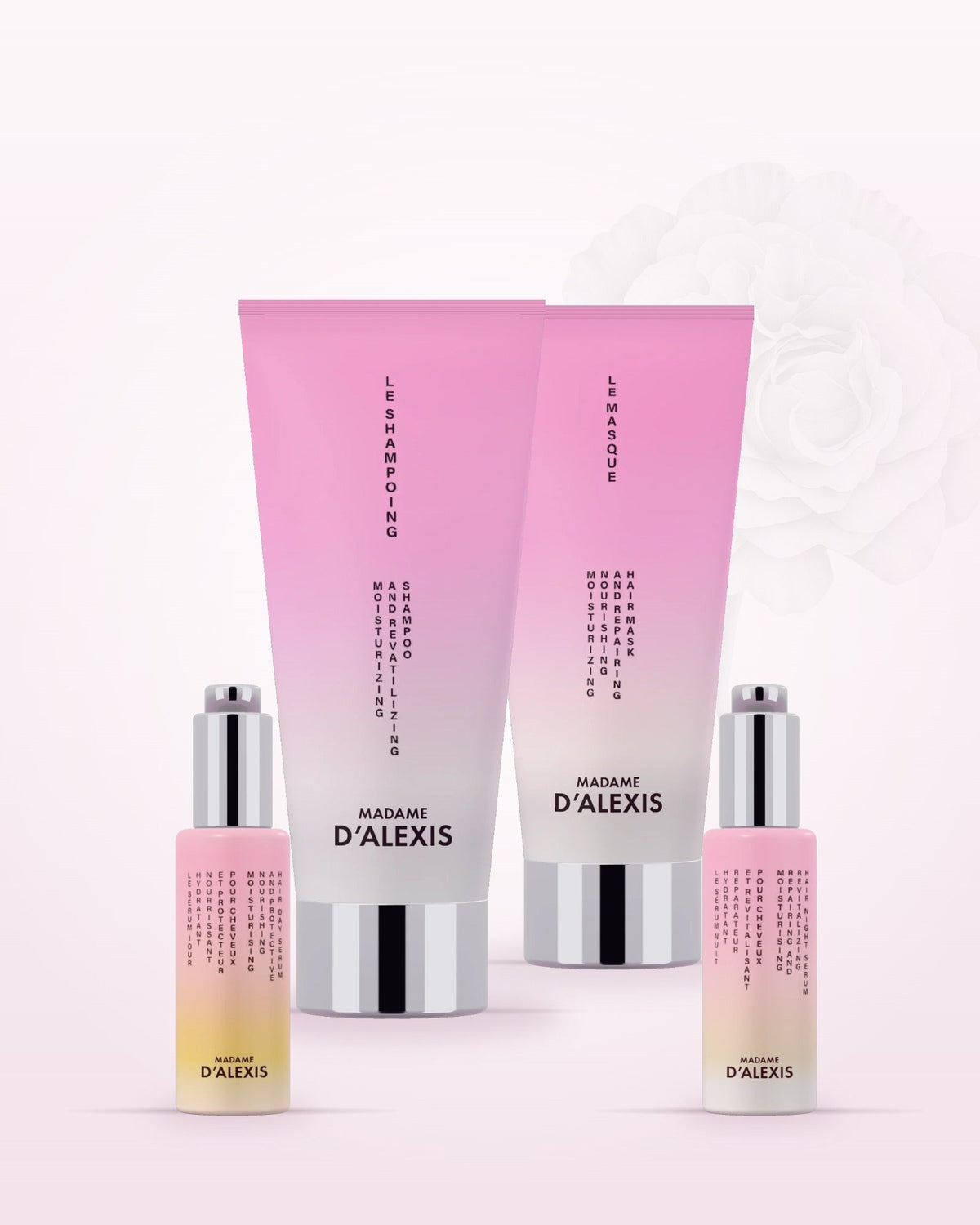
- Alexis's skincare routine, which is the focus of this article, consists of three products: the Scrub, the Shampoo, and the Night Serum.
- The scrub isn't meant to be used once a week as a rule: it's used occasionally every 10 to 15 days, and it replaces shampoo on those days.
- The Night Serum does not contain ceramides or plant-based keratin. It focuses on organic hydrosols, probiotics, postbiotics, and application to the scalp and hair roots.
Madame d’Alexis products related to itchy scalp
Product descriptions are limited to the products actually mentioned and relevant to this article: occasional reset, gentle wash, and targeted nighttime scalp treatment.
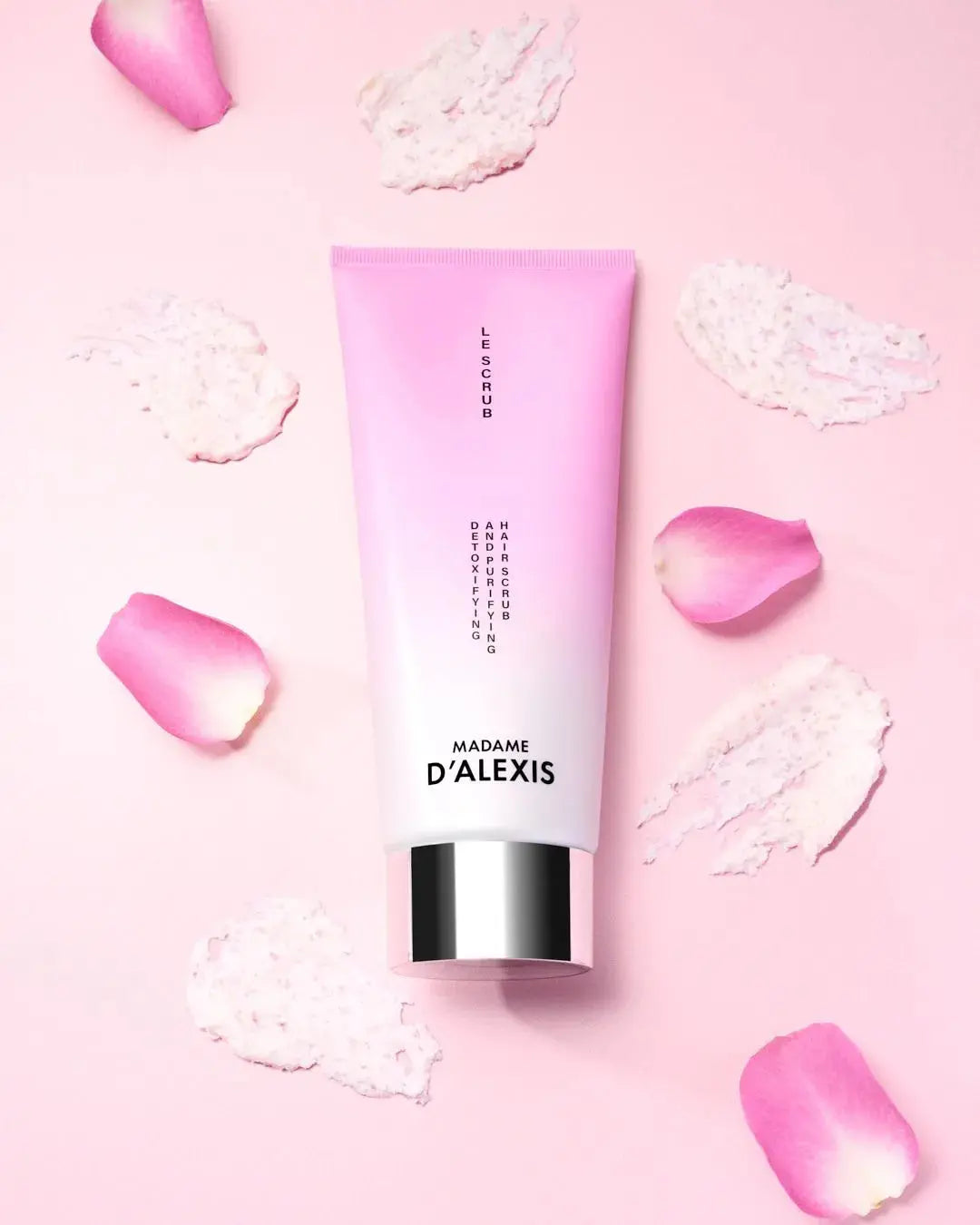
The Scalp Reset Scrub
- Every 10 to 15 days
- Replaces shampoo on that day
- Helps remove residue and excess sebum
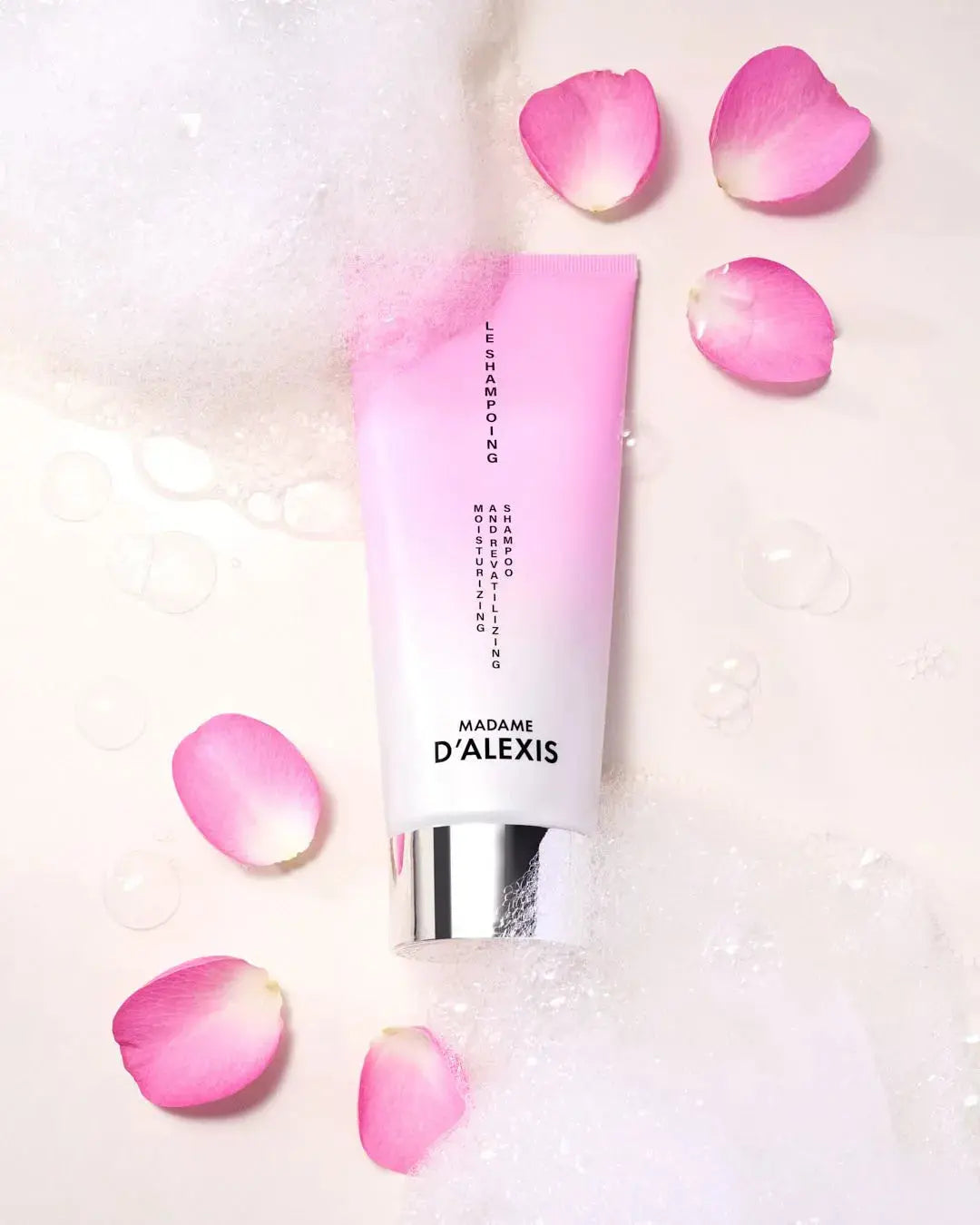
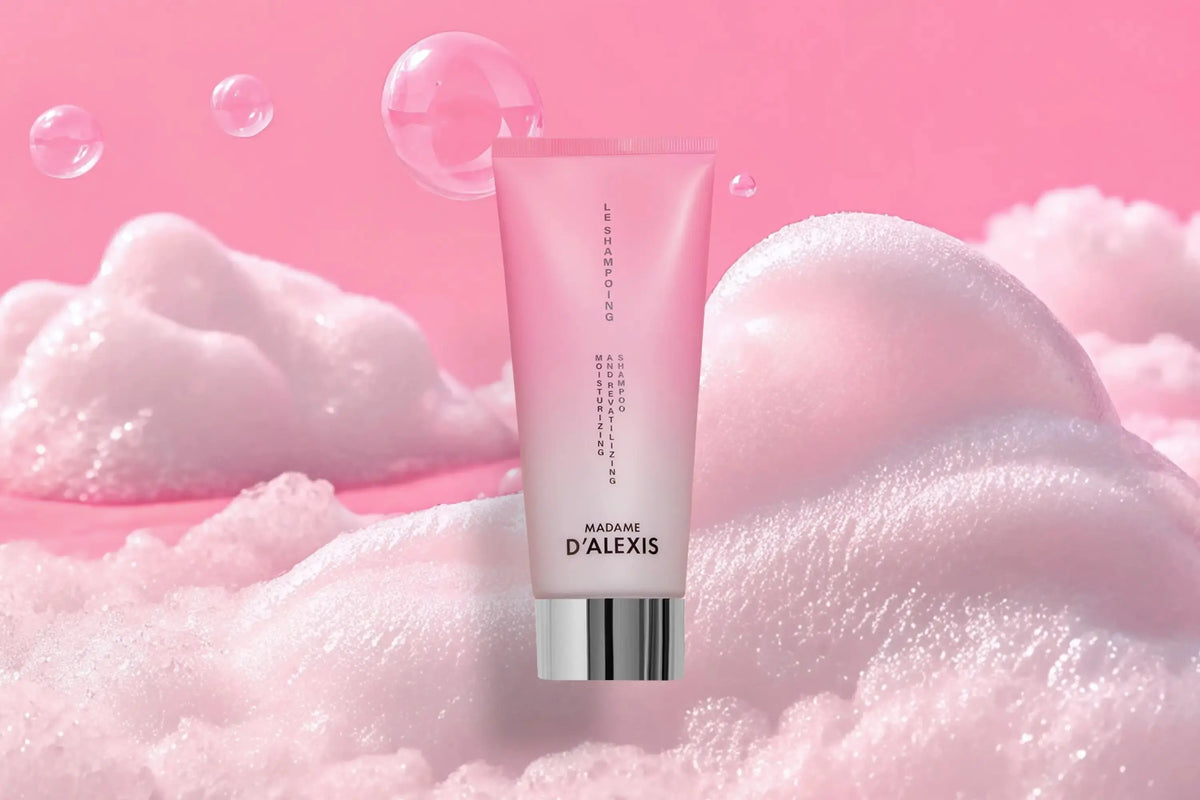
Gentle Shampoo
- Free from sulfates and silicones
- Cleans without stripping
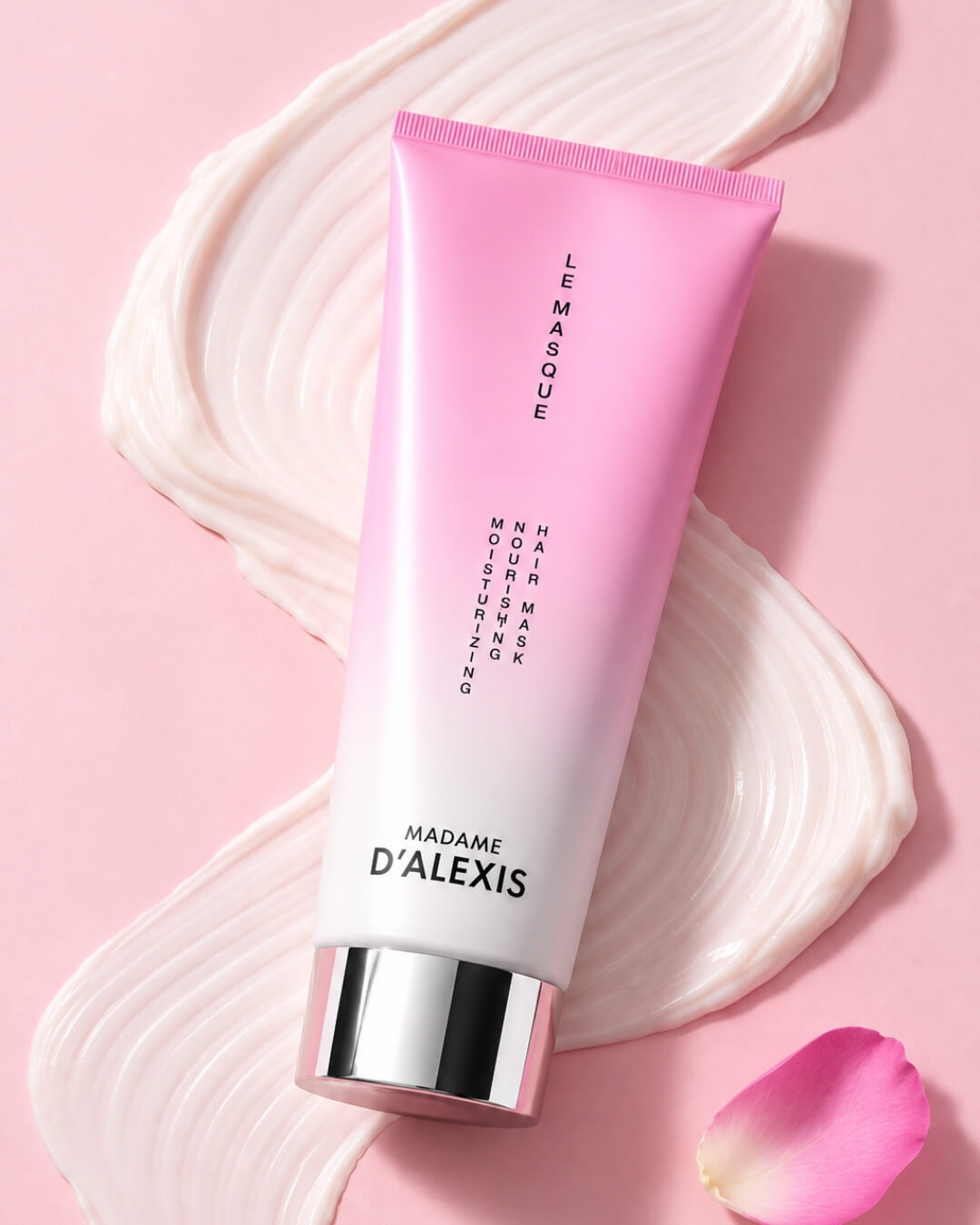
- Plant-based keratin and hyaluronic acid
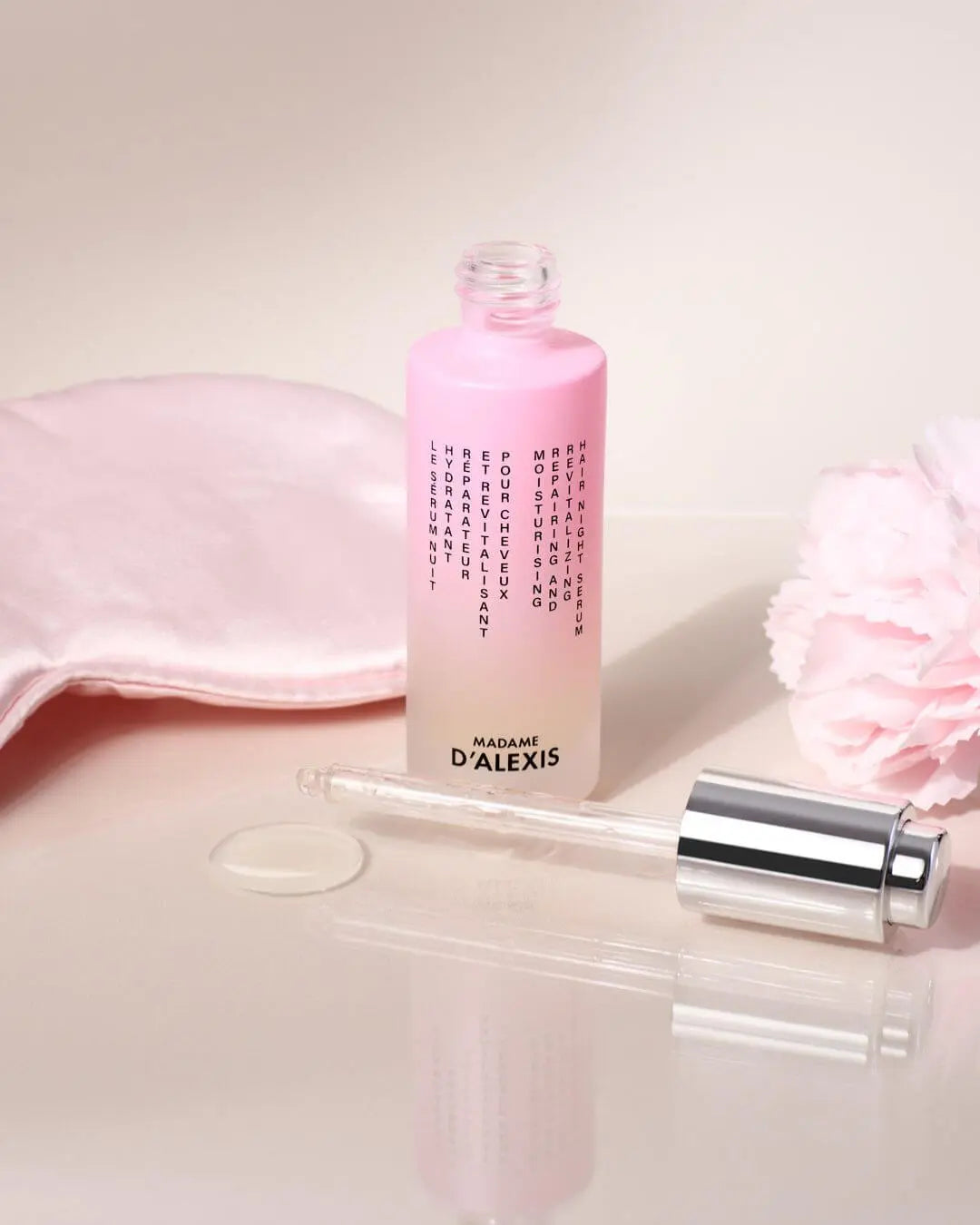
Night Serum for roots
- Scalp and roots only
- In the evening, apply section by section
- A few drops, leave-in
Why Your Scalp Itches: The Main Causes
An itchy scalp may indicate a local imbalance. Don’t jump to conclusions: dandruff, excess oil, dryness, a reaction to an ingredient, or mechanical irritation don’t all require exactly the same treatment.
Imbalanced microbiome
Dandruff and itching may be related to an imbalance in the skin's microflora, particularly involving certain naturally occurring yeasts.
Excess sebum
An oily scalp can trap more residue, impurities, and dead skin cells, which can cause discomfort.
Dryness or irritation
Water that's too hot, harsh sulfates, fragrance, or inadequate rinsing can weaken the skin barrier.
If your roots get oily quickly, check out our guide on oily hair after shampooing.
Diagnosis: How to Identify Your Type of Itching
| Location | Common Signs | Possible direction | First Step |
|---|---|---|---|
| Itching with oily dandruff | Yellowish flakes, oily roots, diffuse redness. | Possible seborrhea or dermatitis. | Gentle routine; consult a doctor if symptoms persist. |
| Itching without dandruff | Tight skin, discomfort, tingling. | Sensitivity, dryness, or a reaction to a product. | Minimize irritants; use lukewarm water and a mild shampoo. |
| Itching after shampooing | Scratching a few hours after washing. | Harsh surfactants, fragrance, or inadequate rinsing. | Switch to a mild shampoo and rinse thoroughly. |
| Localized itching | The back of the neck, the temples, a specific area. | Friction, helmet, elastic band, contact reaction. | Remove the irritant. |
See a dermatologist if the itching persists or is accompanied by thick patches, sores, bleeding, pain, unusual hair loss, or visible lesions. Cosmetic products are not a substitute for medical treatment.
Madame d’Alexis Natural Skincare Routine: Reset, Gentle Cleansing, Night Treatment
The routine should be short and consistent. The goal is to avoid repeated stress on the hair, limit buildup, and provide targeted nighttime care for the scalp.
A Quick Reset with Le Scrub
Every 10 to 15 days, apply Le Scrub to your wet scalp, massage gently with your fingertips, then rinse. It replaces shampoo on that day.
Gentle Wash with Le Shampoing
On other wash days, use the shampoo. Massage only the scalp—without scratching with your fingernails—then rinse thoroughly with lukewarm water.
Nighttime Skincare with Night Serum
In the evening, apply a few drops, section by section, to the scalp and roots. Massage gently. Do not use it as an oil on the lengths of your hair.
For more information on washing, check out our article on shampoo for an itchy scalp.
Video: How to Use the Sensitive Scalp Routine
The video provided is embedded in an iframe, with a vertical layout optimized for Shorts and Shopify pages.
Natural Ingredients That Promote Scalp Comfort
In a hair care routine, certain active ingredients can be beneficial for a sensitive scalp. However, it’s important to be clear: they improve comfort and the quality of the routine, without claiming to be a medical treatment.
| Active | Cosmetic benefits | Product in question |
|---|---|---|
| Organic hydrosols | A gentle plant-based formula, ideal for daily skincare routines. | Scrub, Shampoo, Night Serum. |
| Prebiotics | They help maintain thescalp's naturalbalance. | Shampoo. |
| Probiotics / Postbiotics | Part of a scalp and roots care routine. | Night Serum. |
| Cationic hyaluronic acid | Hydration and compatibility with sensitive areas. | Shampoo, Night Serum. |
| Plant keratin | A hair fiber ingredient that improves the appearance of hair, but is not the primary ingredient for relieving itchiness. | Shampoo. |
See also: Hydrosols for Hair and Steam Distillation of Hydrosols.
What to Avoid If Your Scalp Is Itchy
- Shampoos with high sulfate content if you have a dry, sensitive, or reactive scalp.
- Water that is too hot, which often makes the discomfort worse.
- Fragrances or active ingredients that are highly irritating when the skin is sensitive.
- Scratching with your fingernails, which can cause micro-lesions.
- Exfoliating too often: A "reset" every 10 to 15 days is sufficient for most routines.
Learn more about sensitive scalps
You can supplement this reading with the most relevant Madame d’Alexis pages based on your situation: buildup of residue, sebum, hydrosols, gentle cleansing, or nighttime routine.
Routine Tasks
- A scalp scrub for an occasional reset every 10 to 15 days.
- Probiotic scalp serum for your evening routine, applied to the roots.
- shampoo for an itchy scalp to help you choose the right cleansing formula.
- clarifying shampoo to understand the difference from a one-time reset.
Common Causes
- excess sebum after shampooing if the roots get oily too quickly.
- Organic active hydrosols for hair: understanding their role in formulations.
- steam distillation of hydrosols to learn how they are produced.
- sweat and buildup on the scalp if discomfort occurs after exercise, exposure to heat, or wearing a helmet.
FAQ - Itchy Scalp
Why does my scalp itch all the time?
There are many possible causes: dandruff, excess sebum, dryness, a reaction to an ingredient, inadequate rinsing, or skin sensitivity. If symptoms persist, consult a healthcare professional.
Itching = Dandruff?
No. You can have an itchy scalp without visible dandruff, especially if your scalp is dry, irritated, or reacting to a product.
How long does it take to see results with a natural routine?
Symptoms may improve quickly if the irritation was caused by improper washing or rinsing. It often takes several weeks to establish a consistent routine. If symptoms persist or if you notice any visible signs, consult a doctor.
Can you use a scrub if your scalp is irritated?
Avoid exfoliating if your scalp has open sores, lesions, or is painful. On a scalp that is simply congested, Le Scrub can be used occasionally every 10 to 15 days, with a very gentle massage.
Should The Night Serum be applied to the lengths?
No. The Night Serum should be applied only to the scalp and roots in the evening, section by section, using just a few drops.
When should you see a dermatologist?
Consult a healthcare professional if you experience thick patches, sores, bleeding, pain, unusual hair loss, intense itching, or symptoms that persist despite following an appropriate care routine.
Advice