Advice
Protein Hair Care: The Complete Guide to Choosing and Using a Natural Protein Mask
Everything you need to know about protein hair care: how it works, signs of deficiency, plant-based vs. animal-based keratin, application instructions, and how to read an INCI label.


Protein Hair Care: How to Choose a Natural Hair Mask Without Making the Hair Strands Stiff
A protein treatment helps damaged hair regain a smoother, more protected, and stronger appearance. But balance is key: too much protein can make the hair shaft coarse. That’s why a well-formulated, moisturizing, lipid-rich keratin mask is essential for keeping the hair supple and shiny.
- A protein hair treatment provides hydrolyzed proteins, such as plant-based keratin or wheat, soy, or rice proteins, to help strengthen the appearance of the cuticle.
- A protein mask differs from a moisturizing mask: it focuses more on the hair's structure, whereas a moisturizing and nourishing mask provides suppleness, comfort, and smoothness.
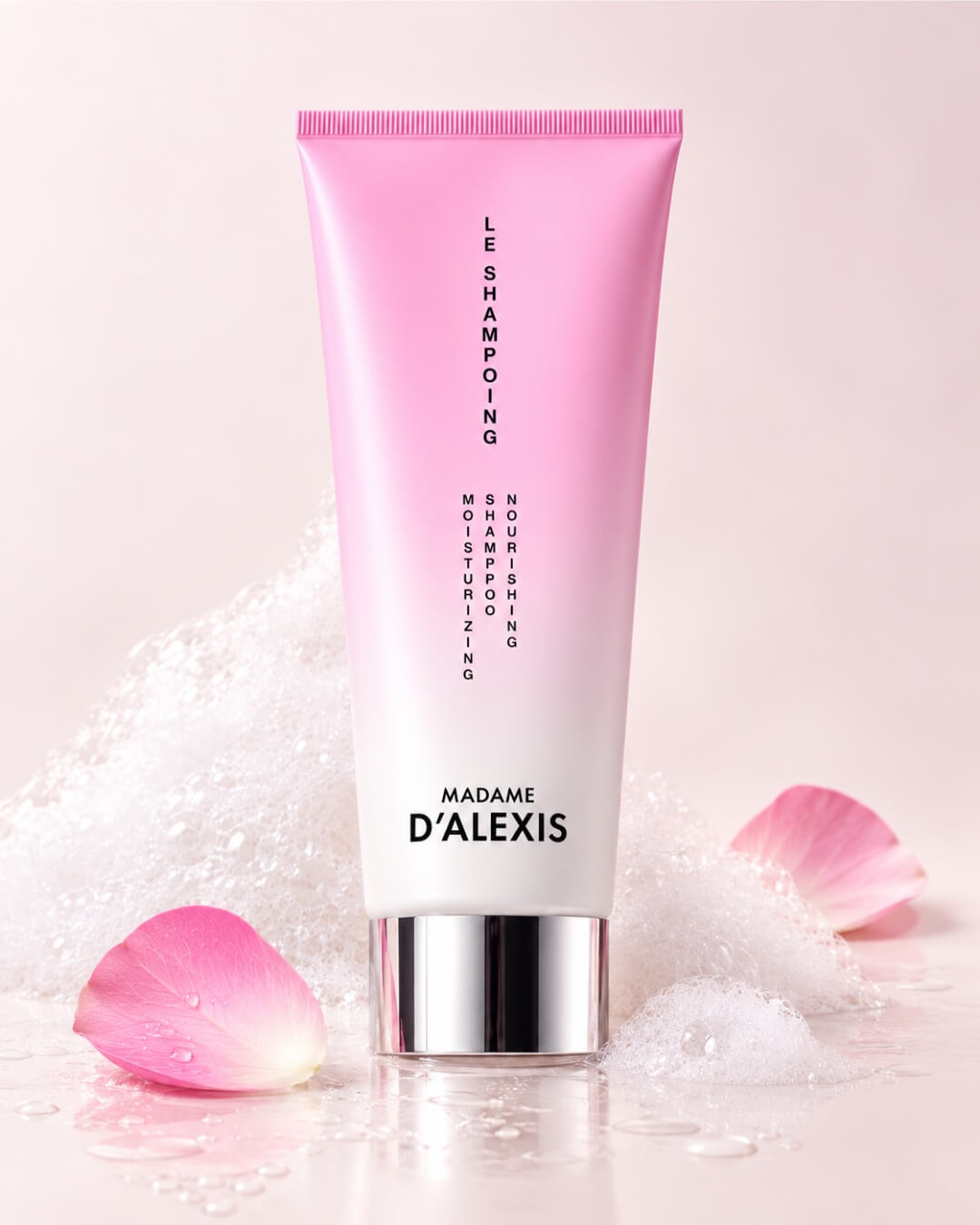
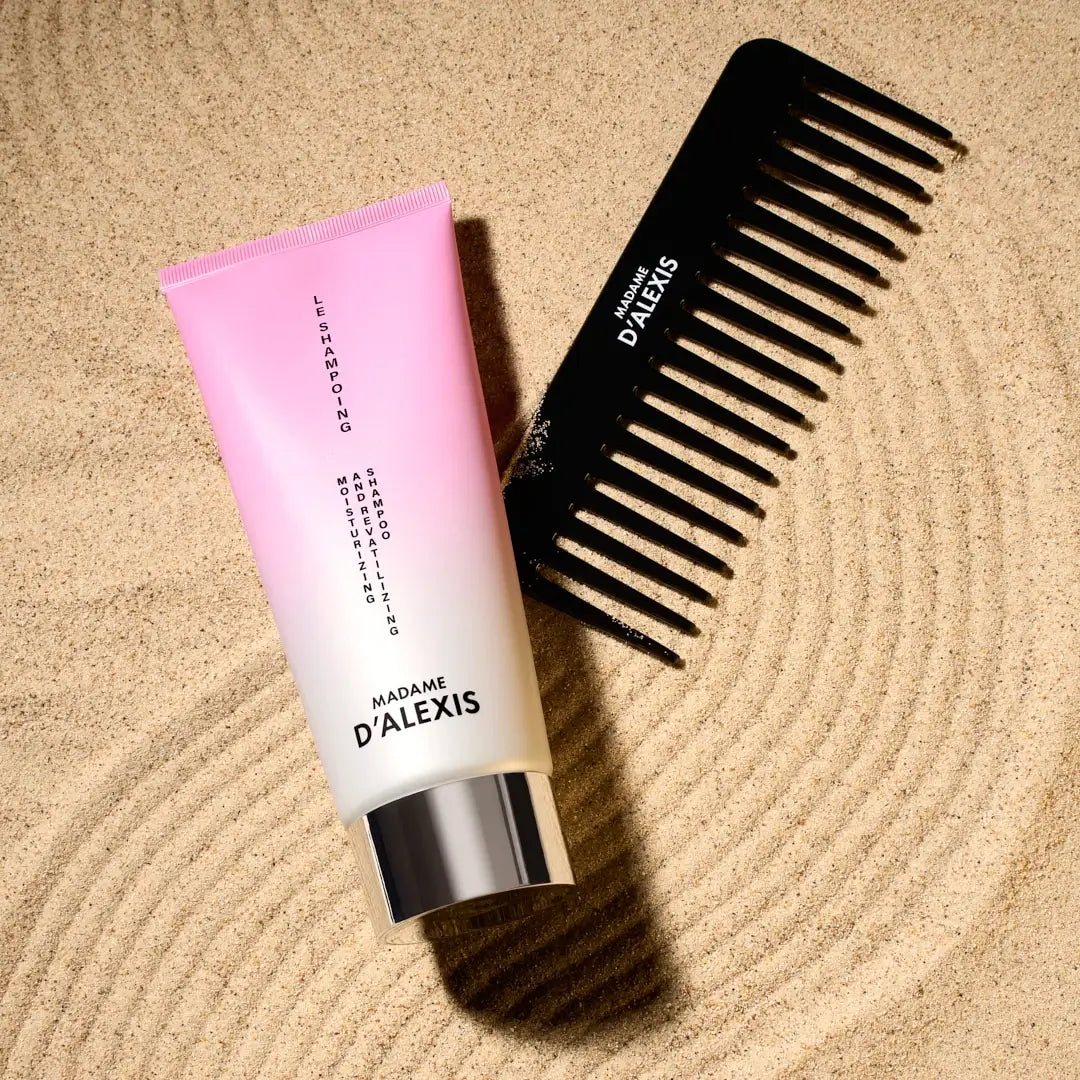
- The Madame d’Alexis product that contains plant-based keratin is the Shampoo: it provides protein, with a gentle, sulfate-free cleansing formula.
- Alexis's Madame Mask does not contain keratin. It perfectly complements the Shampoo thanks to its organic hydrosols, plant-based ceramides, hyaluronic acid, and organic jojoba and apricot oils.
- For dry, porous, colored, or frizzy hair, the strategic combination is: a plant-based keratin shampoo to cleanse and coat the hair, followed by a mask to soften, nourish, and leave it feeling smooth.
- Apply Alexis' Madame Mask to the mid-lengths and ends only, leave it on for 5 to 10 minutes, then rinse thoroughly.
The Madame d’Alexis duo we recommend: Plant-Based Keratin Shampoo + Hydrating Mask
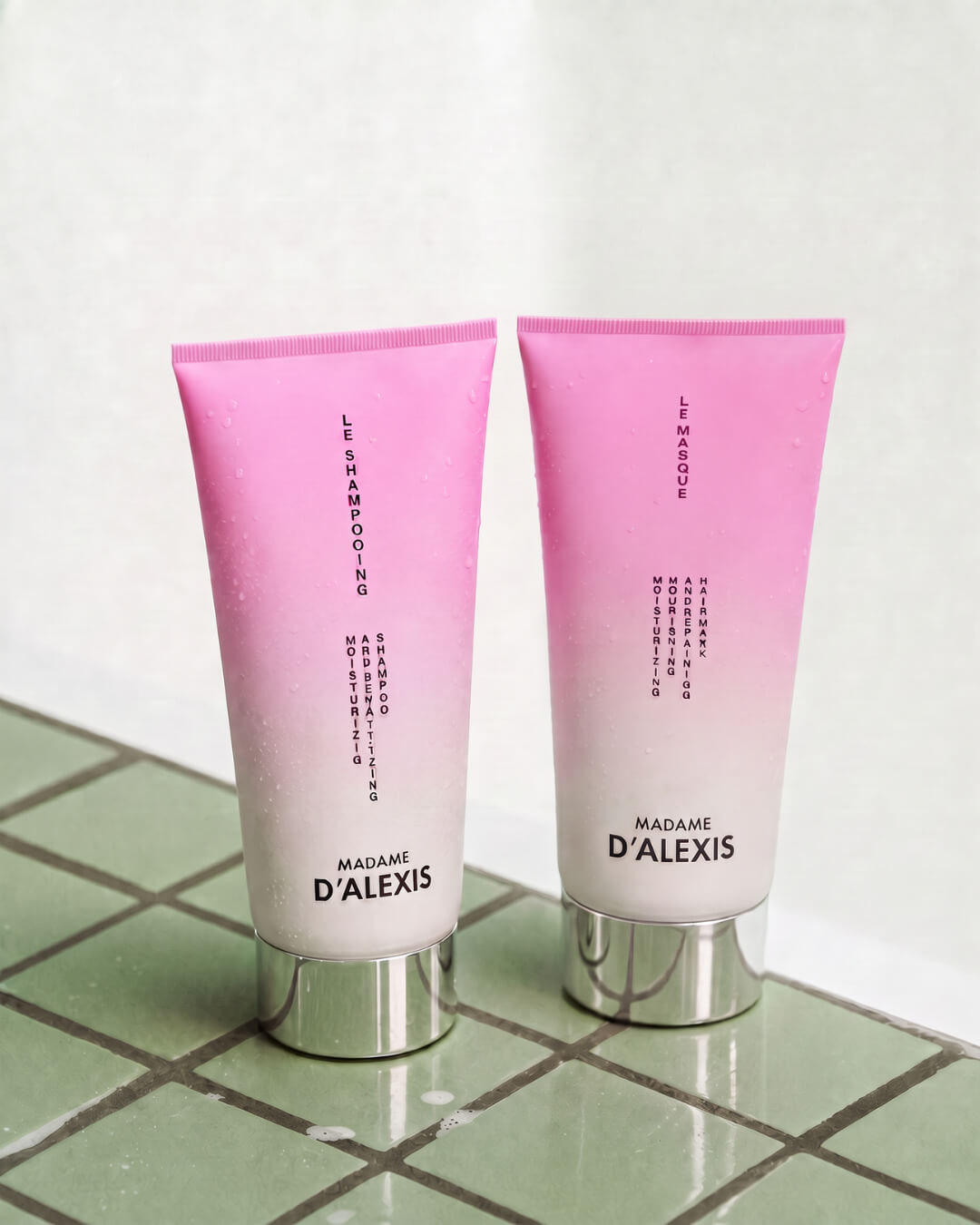
Yes, this is the most logical pairing for this article: The Shampoo delivers plant-based keratin in a gentle cleansing formula, and then The Mask takes over to keep the hair supple, shiny, and easy to style. This way, we avoid marketing The Mask as a protein mask, while still placing it at the right stage in the routine.
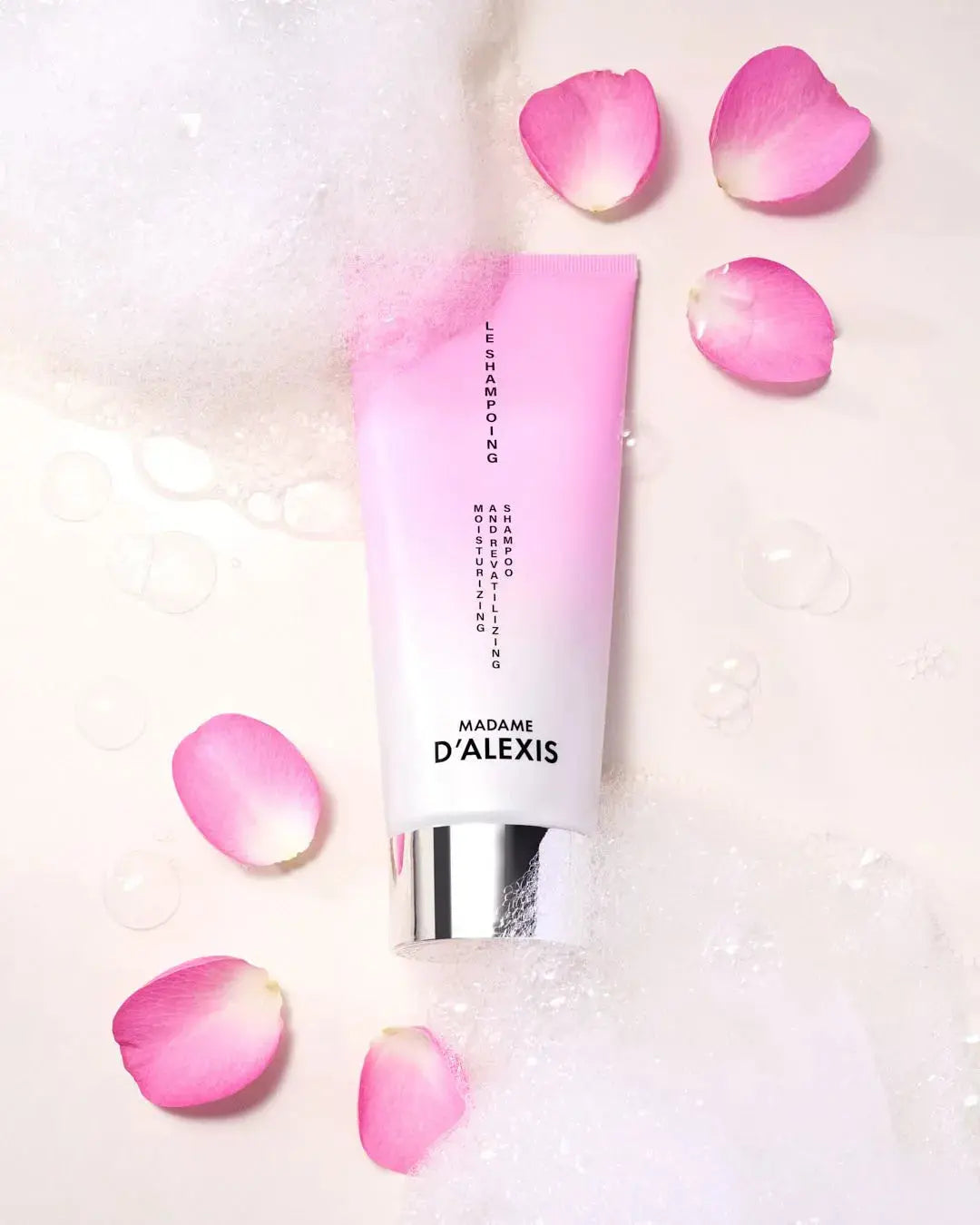
Step 1 - Plant-Based Keratin Shampoo
Madame d’Alexis Shampoo is the product in the line focused on “proteins”: it contains plant-based keratin, combined with organic hydrosols, cationic hyaluronic acid, and prebiotics. It cleanses without harsh sulfates and prepares the hair shaft before applying a mask.
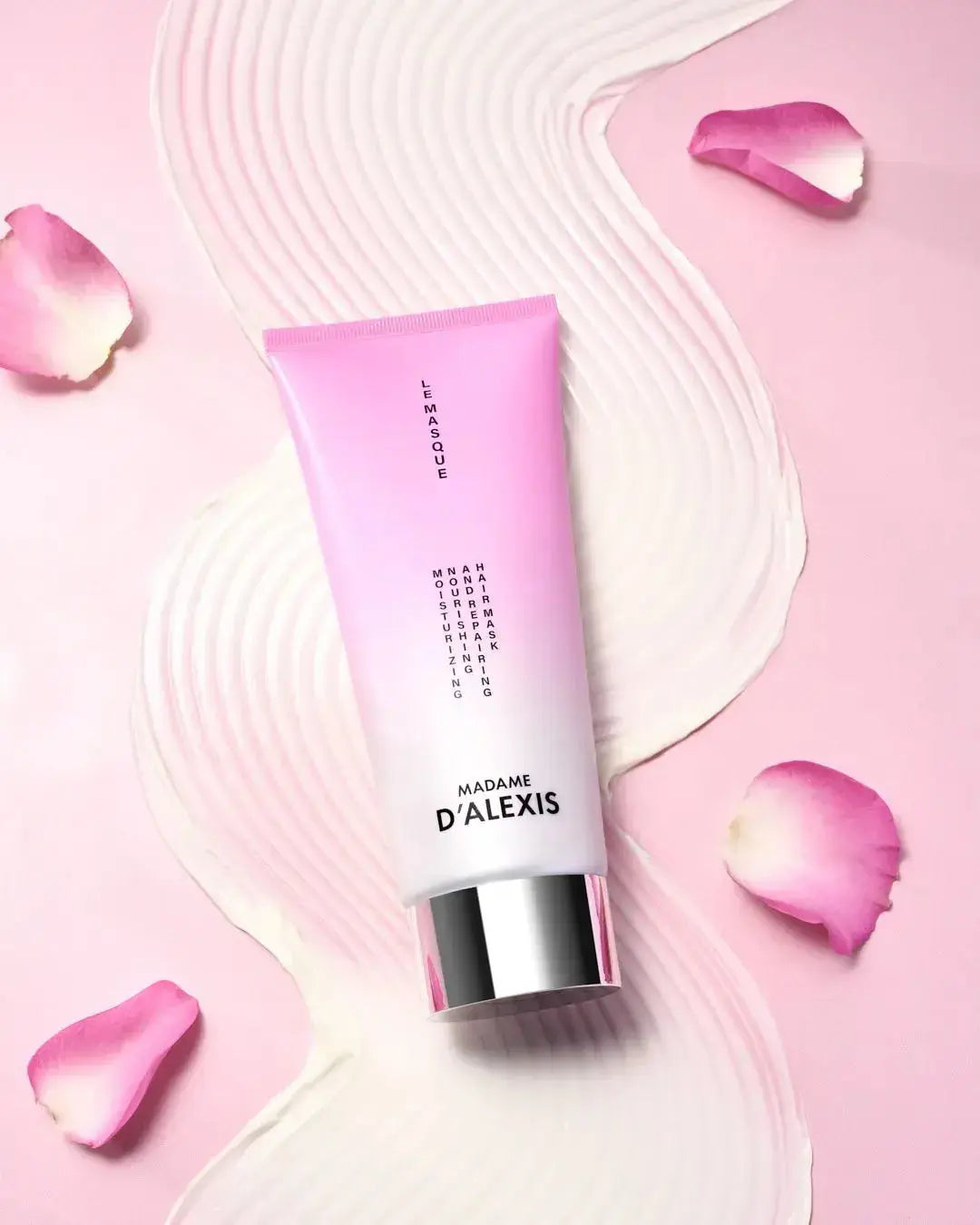
Step 2 - The Mask to Restore Softness and Suppleness
After using the Plant-Based Keratin Shampoo, the Mask restores the balance that sensitized hair needs: a rich, sensorial texture formulated with organic hydrosols, plant-based ceramides, cationic hyaluronic acid, organic jojoba oil, and apricot oil. It contains no keratin, and that is precisely what makes it such a valuable complement: it softens, nourishes, and enhances the hair’s texture.
Plant-Based Keratin Shampoo
- The protein component of the routine
- Cleans without harsh sulfates
- Warm up by swimming laps before putting on the mask
Moisturizing Mask for After Keratin Treatment
- Lengths and ends only
- Eases up after the protein segment
- Soft, shiny, silicone-free finish
Video: 3 Ways to Use Alexis's "Le Masque Madame"
These short-form videos showcase the application technique, texture, and the moment of application. They are included here to drive conversion—at the moment when the reader understands why The Mask intelligently complements the Plant-Based Keratin Shampoo.
3 Ways to Use the Mask
How to Use the Mask
Protein hair treatment: What exactly is it?
The hair shaft is primarily composed of keratin, a protein that contributes to the hair’s strength and surface appearance. The cuticle, the outer layer of the hair shaft, can lift or crack due to heat, bleaching, friction, UV rays, or pollution. As a result, the hair becomes porous, rough, and brittle.
A protein treatment provides hydrolyzed proteins—that is, proteins broken down into peptides or small amino acids. These proteins bind to the surface of the cuticle and help improve the texture, smoothness, and strength of the hair shaft.
Surface action
Hydrolyzed proteins help smooth out damaged areas and reduce friction.
Porous hair
Swimwear that absorbs water quickly and dries very fast may need a balance of protein and moisture.
Risk of Overload
Too much protein makes the fiber stiff. That's when a moisturizing, lipid-rich mask becomes essential.
To complete your assessment, check out the guides on brittle hair and porous hair.
Why Your Hair Needs Protein—and When It Has Too Much
A protein deficiency in the hair often manifests as breakage, limp strands, a loss of bounce, or high porosity. The elasticity test can help: a wet strand of hair that snaps cleanly without stretching may lack structure. A strand that stretches excessively without springing back may lack protein, but it may also lack overall balance.
Conversely, a routine that’s too high in protein can have the opposite effect: hair that feels hard and dry to the touch, is brittle and stiff, and lacks flexibility. The goal, therefore, isn’t to keep adding more keratin, but to alternate wisely.
The right approach: After using a protein treatment, apply a hydrating and nourishing mask to make your hair more supple. That’s exactly what the Madame d’Alexis Mask is designed to do.
Plant-based keratin, ceramides, and hydration: three different roles
Plant-based keratin and hydrolyzed proteins help strengthen the hair shaft. Plant-based ceramides, meanwhile, help support the lipid barrier and promote surface cohesion. Hyaluronic acid and hydrosols provide a more supple moisturizing effect.
| Active | Main role | When should you look for it? | In *Le Masque Madame* by Alexis? |
|---|---|---|---|
| Hydrolyzed proteins / plant-based keratin | Cosmetic surface reinforcement. | Brittle, porous, chemically sensitized hair. | No, Le Masque is not a keratin treatment. |
| Plant ceramides | Lipid support, smoother cuticles, softness. | Dry, frizzy, sensitized hair. | Yes. |
| Cationic hyaluronic acid | Hydration and affinity with fiber. | Coarse, dull, dehydrated hair. | Yes. |
| Organic hydrosols | An active, sensory plant-based formula. | Premium routine for sensitive scalps and hair. | Yes. |
To understand the role of plant-based ceramides in hair care, their benefits perfectly complement a routine that balances structure and suppleness.
Protein Treatment vs. Hydrating Mask: Which One Should You Choose?
A protein mask does not serve the same purpose as a moisturizing mask. It is a mistake to view them as opposites. In reality, they address two complementary needs: structure on one hand, and suppleness on the other.
| Criterion | Protein Treatment | Moisturizing/Nourishing Mask |
|---|---|---|
| Main action | Improves the appearance, structure, and strength. | Provides softness, smoothness, comfort, and shine. |
| Key assets | Plant-based keratin, hydrolyzed wheat, soy, or rice proteins. | Hyaluronic acid, ceramides, fine oils, hydrosols. |
| Ideal for | Brittle, porous, over-treated hair. | Dry, dull, frizzy, dehydrated hair. |
| Frequency | Occasional, depending on the condition of the fiber. | Regularly, 1 to 2 times a week as needed. |
| Mistake to avoid | Increase protein content and stiffen the fiber. | Apply to the roots or rinse poorly. |
For dry hair that does not show any obvious protein deficiency, a nourishing and moisturizing hair mask for dry hair is often a better daily choice than repeated protein treatments.
Why the shampoo-and-mask combo is more effective than a standalone “protein mask”
From both a commercial and editorial standpoint, the duo is more effective: it describes a complete routine and avoids a false claim about the Mask. The Shampoo promises plant-based keratin. The Mask promises a sensory experience, ceramides, hydration, and softness. Together, they address the real needs of damaged hair: strengthening without making it stiff, and softening without weighing it down.
| Step | Product | Key Message | Why this is strategic |
|---|---|---|---|
| 1 | The Shampoo | Plant-based keratin, organic hydrosols, hyaluronic acid, prebiotics. | It provides a natural connection to the search query “protein hair care.” |
| 2 | The Mask | Plant-derived ceramides, hyaluronic acid, organic jojoba oil, and apricot oil. | It makes you want to buy it by showing the desired results: softness, smoothness, and shine. |
How to Use a Mask After a Protein Treatment: A Simple Guide
The right approach isn't to overdo everything, but to alternate between different treatments. Damaged hair needs occasional strengthening, followed by a true return to suppleness.
Evaluating Fiber
Brittle, porous hair, or hair that has been colored or bleached: an occasional protein treatment may be helpful. If your hair is simply dry, start with a moisturizing treatment instead.
Wash with Plant-Based Keratin Shampoo
Use Madame d’Alexis Shampoo as a gentle base: plant-based keratin for protein, organic hydrosols, cationic hyaluronic acid, and prebiotics for a more comprehensive cleansing experience.
Stretch with Le Masque
Apply the Madame d’Alexis Mask to the mid-lengths and ends only. It does not contain keratin; it complements the shampoo by providing hydration, ceramides, and fine lipids. Leave on for 5 to 10 minutes, then rinse thoroughly.
Observe the result
The hair should look softer, more manageable, and shinier. If it becomes coarse or dry, space out the protein treatments and focus on hydration again.
If you have straw-like or very coarse hair, be sure to read the guide on straw-like hair to help you tailor the treatment plan to your needs.
Natural Protein Mask: What to Look for on the Label
A high-performance natural protein mask should clearly list the hydrolyzed proteins it contains. Conversely, a moisturizing or nourishing mask can be excellent even without containing keratin. Therefore, one should not confuse “formula quality” with “the presence of proteins.”
If you're looking for a true protein treatment
- Hydrolyzed Keratin, source to be verified.
- Hydrolyzed Wheat Protein, Soy Protein, or Rice Protein.
- Occasional use, depending on the condition of the fiber.
If you're looking for the right balance mask
- Plant-derived ceramides to support the lipid barrier.
- Cationic hyaluronic acid for hydration.
- Organic hydrosols and fine oils for sensory pleasure and suppleness.
What to avoid
- Formulas containing heavy silicones that create the illusion of softness.
- Using protein treatments too often can make your hair stiff or coarse.
- Nourishing masks applied to the scalp.
- Promises of permanent repair: A cosmetic product improves the hair’s appearance, texture, and manageability, without biologically rebuilding dead hair.
Why Alexis's Madame Mask Is a Must-Have for a Restorative Skincare Routine
Because it addresses the real issue facing many types of sensitized hair: not just a “lack of protein,” but a lack of suppleness, smoothness, and comfort after exposure to damaging factors. It coats the hair strands without weighing them down, with a clean, sensorial, and premium formula.
Pleasant Texture
A short treatment—5 to 10 minutes—that turns your spa experience into a true ritual.
Soft finish
Longer strands are easier to detangle, softer to the touch, and appear smoother.
Consistent formula
Ceramides, hyaluronic acid, organic jojoba, apricot, and organic hydrosols; free of sulfates and silicones.
For natural curls and textures, this is even more important: keratin for curly hair must always be compatible with the curl’s natural bounce.
FAQ - Protein Hair Care and Natural Hair Masks
What is a protein hair treatment?
A protein hair treatment is a hair care product formulated with hydrolyzed proteins, such as plant-based keratin or wheat, soy, or rice proteins. It helps improve the hair’s structure, smoothness, and cosmetic strength.
How can I tell if my hair needs a protein mask?
Common signs include hair that breaks easily, split ends, limp strands lacking bounce, or high porosity. If the hair is primarily dry and coarse, it may also need moisture and lipids before proteins.
What is the difference between a protein mask and a moisturizing mask?
The protein mask focuses more on the hair's structure thanks to hydrolyzed proteins. The moisturizing and nourishing mask provides suppleness, smoothness, and comfort. The two are complementary, but they do not address the same need.
Is Alexis's Madame Mask a protein mask?
No. Alexis’s Madame Mask does not contain keratin. It is marketed as a premium moisturizing and nourishing mask with organic hydrosols, plant-based ceramides, hyaluronic acid, organic jojoba oil, and apricot oil.
Which Madame d’Alexis product contains protein or plant-based keratin?
Madame d’Alexis Shampoo contains plant-based keratin. Therefore, it is this product that should be mentioned in the article in connection with “proteins.” The Mask then rounds out the routine by providing hydration, ceramides, and nourishment to the hair lengths.
Why recommend the Shampoo + Mask set?
Because this duo is more effective and desirable: The Shampoo delivers plant-based keratin in a gentle cleansing formula, and the Mask softens, nourishes, and enhances the hair’s length without adding excess protein.
Why use the mask after a protein treatment?
After a protein treatment, the lengths of your hair may need some softness. The Madame d’Alexis Mask helps restore a softer, shinier, and more comfortable feel without overloading the hair fiber with protein.
How often should you use a protein treatment?
The frequency depends on the condition of the hair shaft. Severely damaged hair may need it occasionally, but those with fine or low-porosity hair should use it sparingly. If the hair shaft becomes hard or coarse, space out the protein treatments.
How do you apply Alexis' Madame Mask?
After shampooing, apply to clean, towel-dried hair, focusing only on the mid-lengths and ends. Leave on for 5 to 10 minutes, then rinse thoroughly. Avoid the roots.
Is this mask suitable for colored hair?
Yes. Colored hair is often more porous and sensitive. The mask can help restore suppleness, softness, and comfort to the lengths, without claiming to provide permanent color restoration or repair.