Advice
Hair Transition: Switching to a Natural Routine, Step by Step
Sticky hair, shedding, doubts: the hair transition can be scary. Here’s an honest, step-by-step guide to successfully making the switch to natural hair. (


Hair Transition: A Guide to Going Natural Without the Hassle
Sticky hair, buildup, oily roots, and dull lengths: the hair transition can be surprising. However, with a gentle reset, a sulfate-free shampoo, and a consistent routine, the transition to natural hair becomes much easier.
- The hair transition involves gradually replacing conventional products—such as those containing sulfates, silicones, and denatured alcohols—with a more natural routine.
- The "detox" phase is normal: your hair may seem greasier, heavier, or duller for a few weeks.
- Resetting your scalp with a scrub or a gentle clarifying treatment helps you start fresh on a clean base.
- Sulfate-free shampoo is the most important product for establishing a consistent routine.
- The “big chop” isn’t mandatory: you can transition to natural hair without cutting off all the length.
Madame d’Alexis Hair Care Products to Prioritize During the Hair Transition
You can't achieve a successful transition with just ten products. It's built on a simple foundation: cleansing without stripping the hair, removing residue when necessary, nourishing the lengths, and supporting the scalp at night.
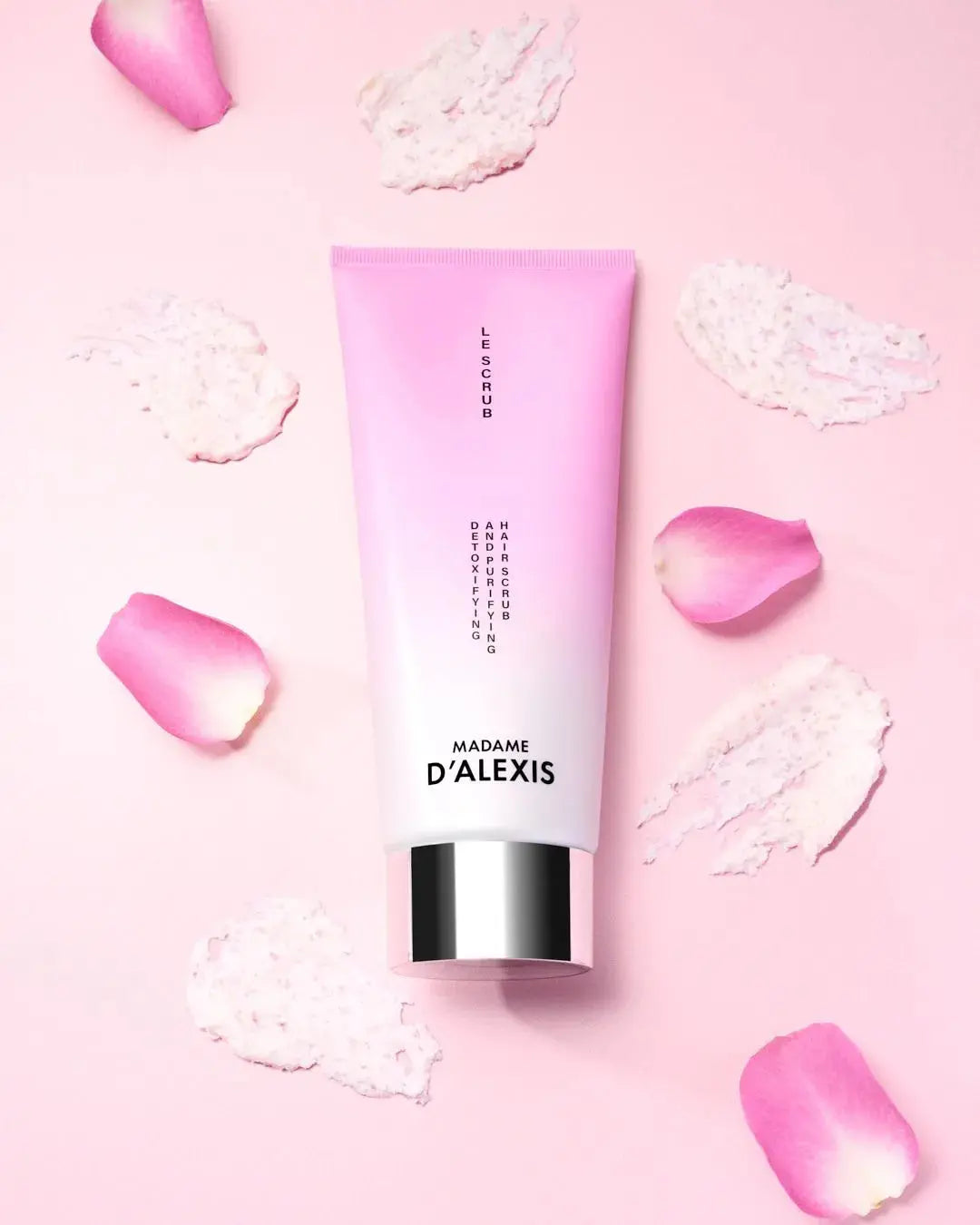
Scalp Reset During the Transition Period
- Every 10 to 15 days, not every week
- Use this instead of shampoo on the day you exfoliate
- Helps remove residue, sebum, and buildup
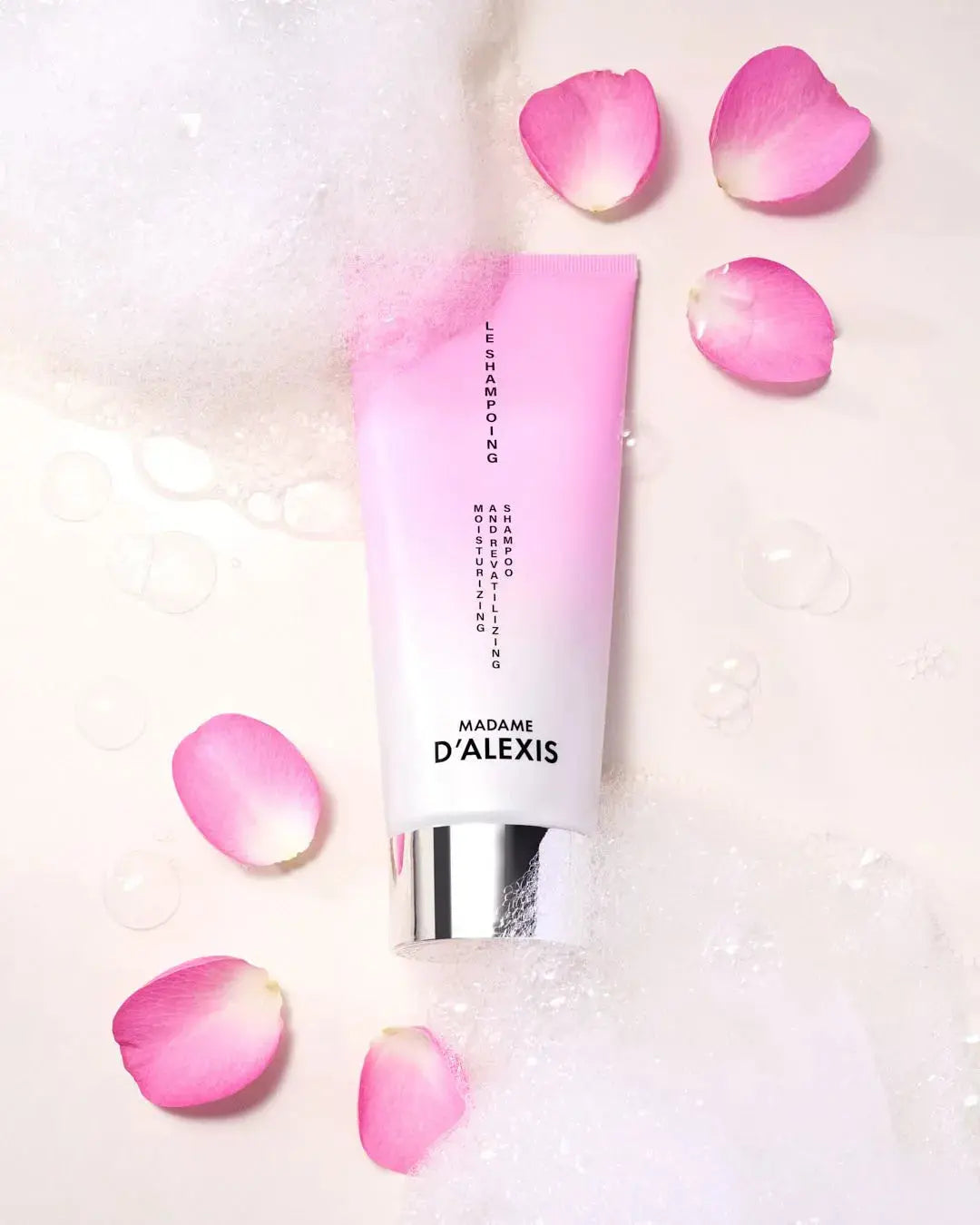
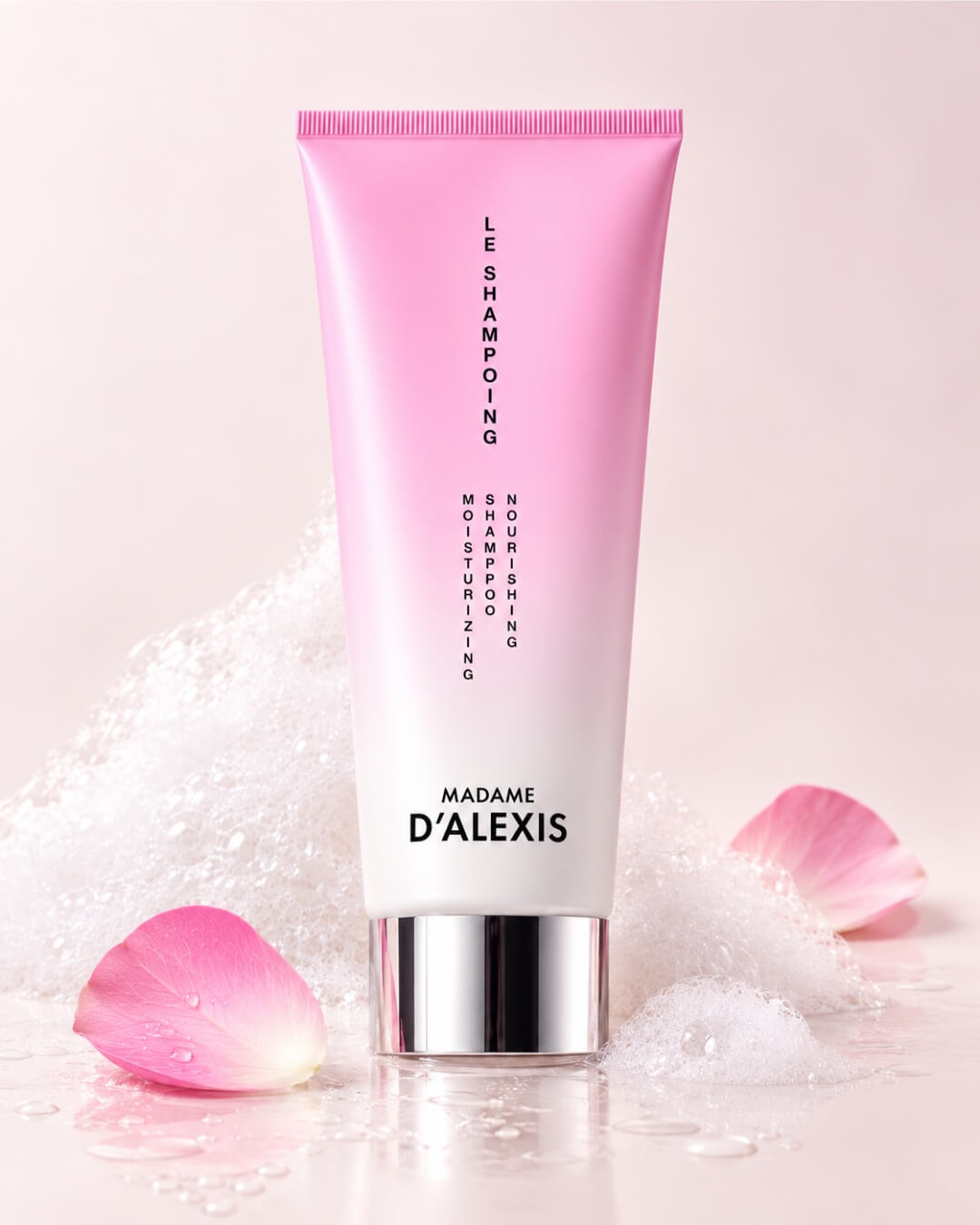
Natural, sulfate-free shampoo
- Cleanses without stripping the scalp
- Supports the disgorging process
- With plant-based keratin for the hair shaft
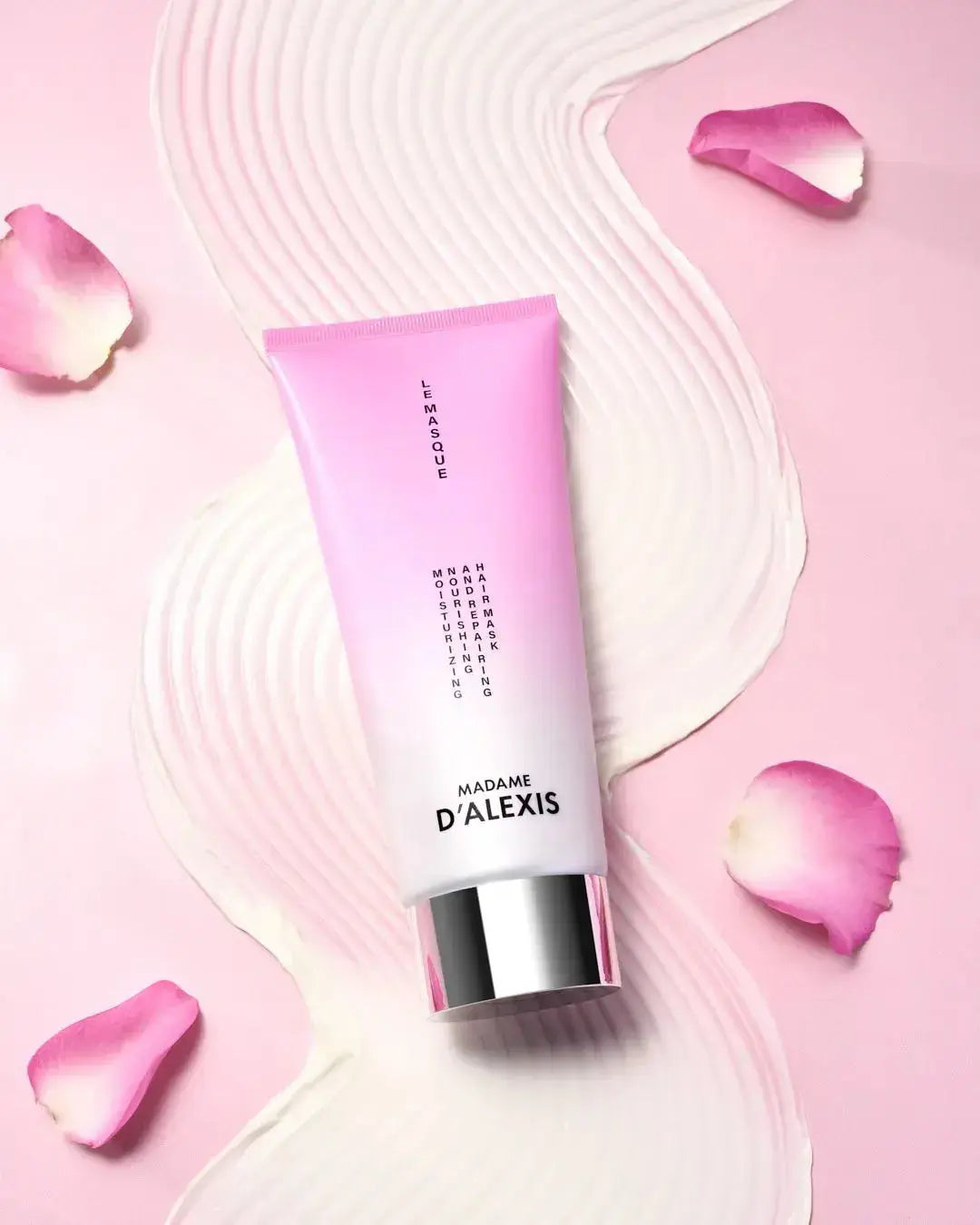
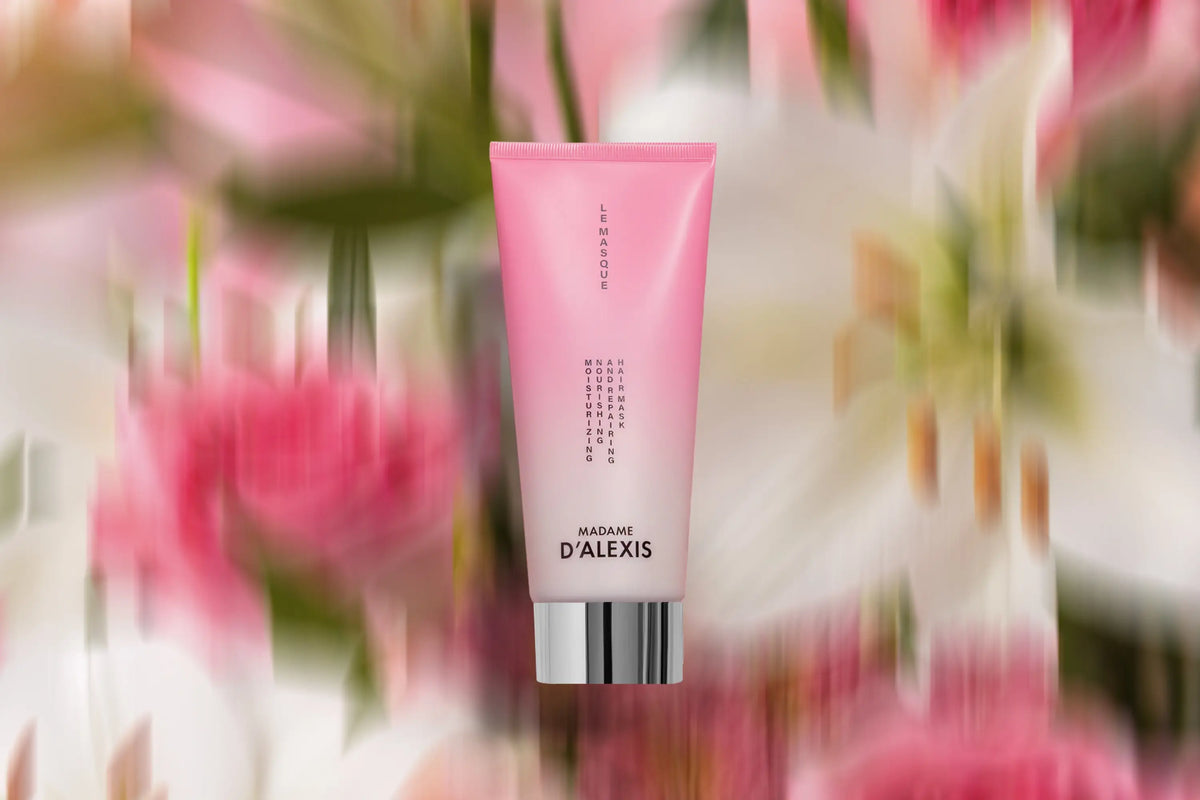
Transition Mask for Dry Hair
- For lengths and ends only
- Help when the fabric feels rough or dull
- Without weighing down the scalp
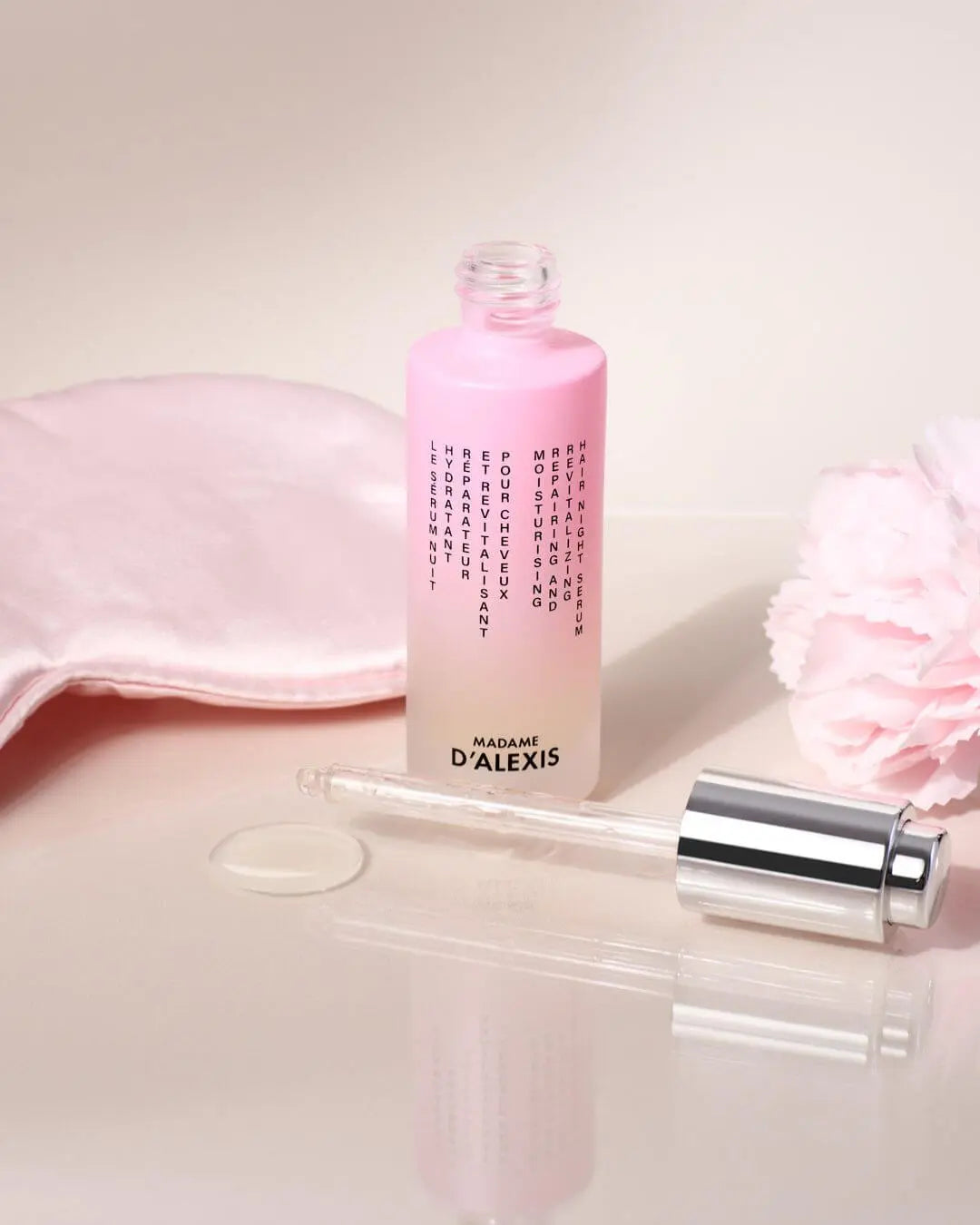
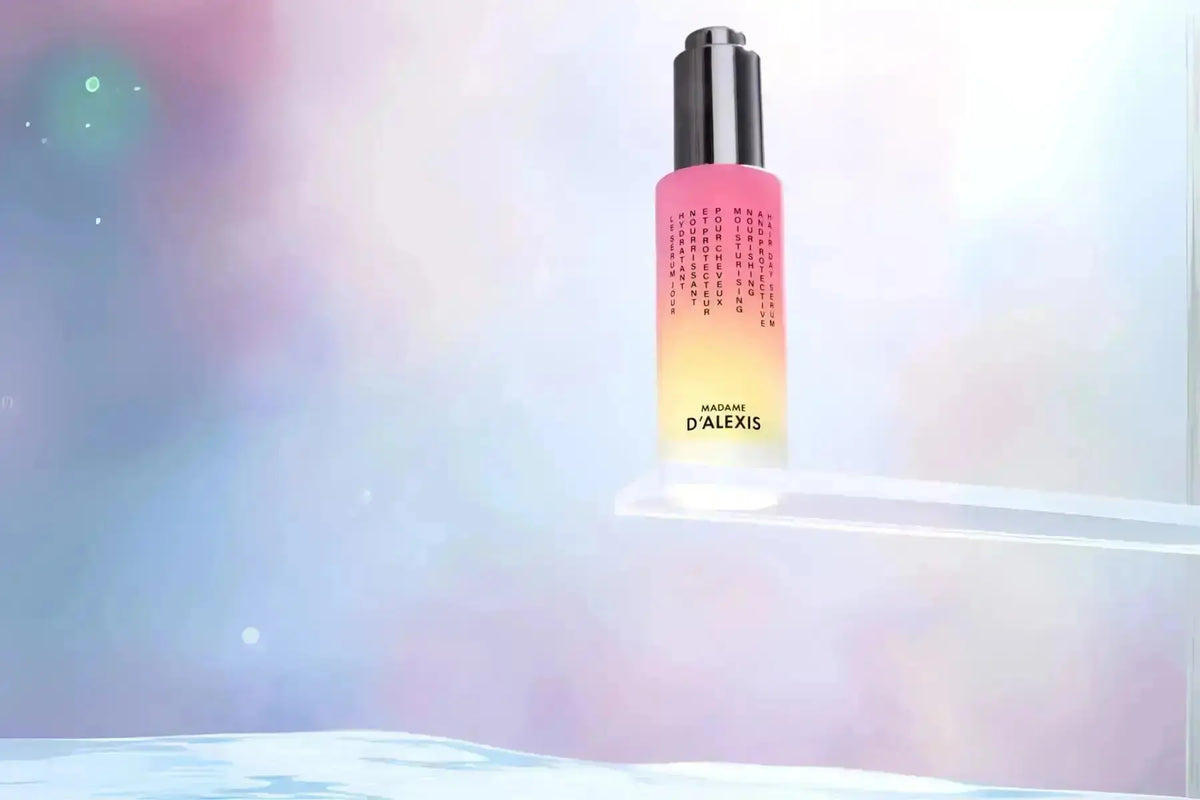
Nighttime Scalp Serum
- In the evening, row by row, a few drops
- For the scalp and roots only
- Completes the transition routine
What is the hair transition?
Hair transition refers to the shift from a conventional hair care routine—often laden with sulfates, silicones, and denaturing alcohols—to products that are more natural, gentler, and better suited to the scalp. Successfully navigating this transition means accepting that hair needs time to return to its natural state.
The first few weeks can be disconcerting. Your hair may feel heavier, drier, less shiny, or stickier. This doesn't necessarily mean the treatment has failed—it's often just the artificial coating left behind by certain products wearing off.
Silicones
They provide immediate softness, but can cause buildup on the hair shaft and prevent hair care products from penetrating more effectively.
Sulfates
They clean thoroughly—sometimes too thoroughly—and can weaken the scalp's hydrolipidic film.
Denatured Alcohol.
It can dry out the hair, especially in certain sprays and leave-in treatments. Be sure to check out our guide to alcohol-free shampoo as well.

The 4 Steps to a Successful Hair Transition
Clarify: Start by cleansing the scalp
Before you begin, remove any residue from silicones, occlusive treatments, and conventional products. A scalp scrub can help you start with a clean slate. A clarifying shampoo may also be sufficient if your hair isn’t very built up.
Getting Through the Disgorgement Phase
For a few weeks, your hair may feel sticky or heavy. The guide to the hair detox phase explains the normal signs and the mistakes to avoid.
Find a Consistent Routine
Don't change everything at once. Wait 4 to 6 washes before judging a product. For certain hair textures, alternating between co-washing and low-poo can be beneficial, especially if your hair is dry or curly.
Maintaining Balance
Once you've established your routine, stick to a simple approach: use a gentle shampoo, apply a mask to the lengths of your hair, "reset" every 10 to 15 days if buildup occurs, and apply Night Serum to your scalp as needed.
Product note: Alexis's Madame Scrub is not intended for weekly use. The recommended frequency is every 10 to 15 days, and it replaces shampoo on those days.
The disgorging phase: duration, normal signs, and mistakes to avoid
This is the stage when most people give up. During the transition, the scalp has to relearn how to function without repeated stripping. The hair may seem greasy more quickly, the lengths may become dull or heavy, and a sticky feeling may develop.
| Sign | What this may indicate | Helpful correction |
|---|---|---|
| Oily roots, fast | The scalp is still recovering from the previous chemical treatment. | Continue using the mild shampoo, gradually spacing out the washes. |
| Heavy or sticky lengths | Silicone residue or overly rich skincare products. | One-time reset, extended rinse, less detergent. |
| Itchy scalp | Rebalancing, irritation, or a product that is not well tolerated. | This is a mild condition; consult a doctor if it persists or worsens. |
| Less defined curls | No more “smoothing” effect from silicones. | Hair mask for the lengths and a tailored routine for curls. |
If your hair feels very heavy after washing, be sure to check out our article on oily hair after shampooing.
Hair Transition Based on Your Hair Type
The transition process varies depending on hair texture. The right pace depends mainly on porosity, density, sebum production, and the hair’s chemical history.
| Hair type | What often happens | Recommended routine | Related guides |
|---|---|---|---|
| Lean or fatty | Oily roots are visible as early as the next day. | More frequent low-poo, few hair masks, no oil at the roots. | sulfate-free shampoo for oily hair |
| Wavy or curly | Shrinkage, unruly hair, frizz. | Gentle cleansing, weekly mask, light finish. | curly and wavy hair |
| Curly | Significant shrinkage, split ends, and the feeling that hair is growing slowly. | Hydration, protection for the lengths of the hair, protective hairstyles. | curly, wavy, and kinky hair |
| Colored or treated | Higher porosity, more sensitive to color. | Mild shampoo, mask applied to the lengths, limited heat. | shampoo for color-treated hair |
For dry or sensitized hair, the " Care for Dry Hair " page helps you create a more nourishing routine without resorting to silicones.

Products to Prioritize During the Hair Transition
What to Avoid on the Label
- SLS / SLES: highly stripping surfactants.
- Dimethicone, Cyclopentasiloxane, Cyclomethicone: insoluble occlusive silicones.
- Mineral Oil, Petrolatum: petrochemical occlusives.
- Alcohol Denat.: drying denatured alcohol.
What to Look For
- Organic hydrosols: a more beneficial active ingredient than plain water.
- Cationic hyaluronic acid: a moisturizing active ingredient with an affinity for the fiber.
- Ceramides: Support for the lipid barrier along the hair shaft.
- Prebiotics, Probiotics, Postbiotics: A Skincare Approach to the Scalp.
- Plant-based keratin: helps strengthen the hair shaft without silicone.
To choose the right product, check out our guide to natural shampoo and our article on the difference between sulfate-free and sulfate-containing shampoos.
Why Sulfate-Free Shampoo Is the Key to Going Natural
A sulfate-free shampoo for starting the hair transition doesn’t mean “less cleansing.” It means cleansing with a gentler formula, avoiding stripping the hydrolipidic film, and helping the scalp return to a more stable balance.
Madame d’Alexis Shampoo replaces plain water with organic hydrosols and combines cationic hyaluronic acid, plant-based keratin, and prebiotics. It provides a sensorial and effective cleansing experience without resorting to harsh lather.
If you're experiencing a sensitive scalp during your transition, the page on irritated scalps can help you find a gentler routine.
Mistakes That Cause the Hair Transition to Fail
Giving up too soon
The rinsing phase can last several weeks. Stopping after two washes often means stopping before the balance is restored.
Over-clarify
Clarifying your hair at the beginning can help. Clarifying it every week can weaken the hair shaft and increase porosity.
Switching products too quickly
Wait until you've used a product 4 to 6 times before judging it. Otherwise, you'll never know what really works.
Neglecting the scalp
A successful transition starts at the roots: gentle washing, massage, occasional reset, and the right nighttime treatment.
FAQ - Hair Transition
How long does the hair transition phase last?
On average, it takes several weeks to see a noticeable improvement. Hair that is heavily laden with silicones or has been chemically treated may take longer to return to a stable condition.
Is it possible to skip the disgorging process?
Not entirely, but you can make it more comfortable. Starting with a scrub or a gentle clarifying treatment helps remove some of the residue before your first natural shampoo.
My hair looks bad during the transition—is that normal?
Yes. At first, your hair may look duller, heavier, or less defined. This is often its true condition once the silicones are no longer coating it.
Should you trim the ends before you start?
No, it's not mandatory. Trimming severely damaged ends can improve the appearance of your hair, but the "big chop" is still a choice, not a rule.
Which shampoo should you choose to start your transition?
Choose a sulfate-free, silicone-free shampoo formulated with gentle surfactants. A formula enriched with organic hydrosols, hyaluronic acid, and prebiotics helps maintain a gentle and consistent routine.
Is a scalp scrub required before the transition?
It isn't strictly necessary, but it's helpful if you've been using silicones, heavy oils, or styling products for a long time. With Alexis's Le Scrub Madame, the recommended frequency is every 10 to 15 days.
How can I tell if my hair transition is complete?
Your routine becomes predictable: your scalp doesn't get oily as quickly, hair care products penetrate better, your hair feels more supple, and you no longer need to switch products every week.